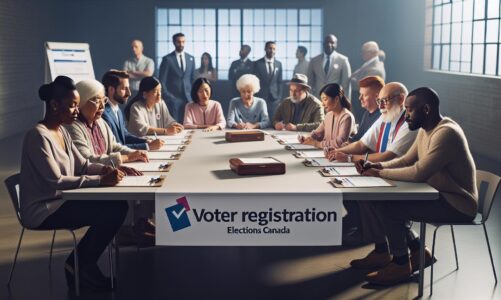
Did you know that in Canada, candidates running for federal office have the right to vote in their own elections? Understanding whether a candidate can vote for themselves sheds light on the fairness and integrity of the electoral process. For anyone interested in the democratic system-whether you’re a voter,a prospective candidate,or simply curious-knowing how this works can clarify common questions about rights and responsibilities during an election. This article explores the surprising details behind a candidate’s ability to cast a vote for themselves, revealing what Canadian election laws say and why it matters for the democratic process. keep reading to uncover how this seemingly simple act impacts not just candidates but the broader values of electoral fairness and participation.
Table of Contents
- Can Candidates Legally Vote for Themselves in Canada?
- Understanding Canadian Voting Laws for Candidates
- How Candidate Votes Impact Election Outcomes
- Common Misconceptions About Candidate voting Rights
- Comparing Candidate Voting Rules Across Canadian Provinces
- Historical Cases of Candidates Voting for Themselves
- The Role of Candidate Votes in Canadian Political Strategy
- What Happens if a Candidate Votes illegally?
- How to Register and Vote as a Candidate in Canadian Elections
- Exploring Voter Eligibility vs. Candidate Privileges
- Expert Opinions on Improving candidate Voting Rules
- Frequently asked questions
- Q: How does voting as a candidate impact personal election outcomes in canada?
- Q: Are there special voting procedures for candidates in Canadian federal elections?
- Q: Can a candidate vote outside their own riding or electoral district in Canada?
- Q: What legal protections exist to ensure a candidate’s vote is counted properly?
- Q: Why might some voters believe candidates are not allowed to vote for themselves?
- Q: How do candidate votes affect minority or close elections in Canada?
- Q: When and where must candidates register to be eligible to vote in Canadian elections?
- Q: What happens if a candidate tries to vote more than once or outside legal boundaries?
- Wrapping Up
Can Candidates Legally Vote for Themselves in Canada?

Voting is a essential right in Canada that extends to every eligible citizen, including those who run for office. Interestingly, candidates in Canadian federal elections are fully permitted to cast a ballot for themselves – a practice that underscores the democratic principle that everyone’s voice matters, regardless of their candidacy status. This means if a candidate is registered to vote in the specific electoral district where they are running, they can legally exercise their right to vote, including voting for themselves, much like any other citizen. There is no legislative restriction preventing candidates from participating as voters in the very elections in which they are candidates.
This legal allowance supports the integrity of democracy by affirming that candidates have a stake in the outcome, reflecting their personal and political commitment. It is indeed worth noting that the right to run for election and to vote is safeguarded by the Canadian Charter of Rights and Freedoms, ensuring that candidacy does not disenfranchise an individual from their voting privileges. Practically, candidates should ensure their voter registration is up to date in their specific riding to prevent any issues on election day, especially if they have recently moved or registered differently.
Important Considerations for Candidates Voting for themselves
- Voting Location: Candidates must vote at their designated polling station within the riding they are contesting unless they have valid reasons to vote by special ballot or mail-in ballot.
- Confidentiality: Even candidates’ votes remain secret ballots, preserving the principle of voter privacy and preventing political pressure or scrutiny related to their choice.
- Advance Planning: Candidates often vote early or by mail to avoid last-minute complications on election day, ensuring their vote is counted without logistical hurdles.
Even tho it might seem like a minor detail in the larger electoral process, candidates voting for themselves is a meaningful right that reinforces their engagement and confidence in democratic participation. The reassurance that they can back their campaign with a personal vote adds a layer of authenticity to their candidacy and further highlights their connection to the electorate. For individuals considering a run, confirming one’s eligibility to both vote and run according to Elections Canada guidelines is a straightforward but essential step in the nomination process[[2](https://electionsanddemocracy.ca/canadas-elections/canadas-election-process/nomination)].
Understanding Canadian Voting Laws for Candidates
Few aspects of Canadian elections illustrate the fairness and inclusiveness of the system quite like the fact that candidates are legally allowed to vote for themselves. This right is grounded in Canada’s commitment to universal suffrage and democratic equality, meaning no individual-even those seeking office-can be denied their fundamental privilege to cast a ballot. The ability to vote for oneself underscores the principle that candidates remain voters first, encouraging them to engage actively in all aspects of the electoral process.
Legally, any candidate who meets the standard voter qualifications-being a Canadian citizen, at least 18 years old on election day, and properly registered in their electoral district-is entitled to participate in voting, regardless of their candidacy status. There is no specific legislation that bars candidates from voting or limits how they use their ballot; the same laws that apply to everyday voters govern their participation. Candidates should ensure their voter registration accurately reflects their current address within the riding they represent, as voting outside their registered district without using special or mail-in ballots is prohibited.
Practical Insights for Candidates Exercising Their Voting Rights
- Confirm Your Registration Early: To avoid surprises on election day, candidates should double-check their voter registration well before the election. This is particularly important for those who have moved recently or who run in ridings different from their previous residence.
- Voting Methods Available: Candidates can vote in person at their assigned polling station, use advance polling, or apply for mail-in or special ballots if circumstances require. This versatility ensures they can cast their votes confidently without conflicting election-day obligations.
- Confidentiality of the Vote: Just like any other voter, a candidate’s ballot remains secret. This safeguards the privacy of their choice, preventing any potential political or social pressures that may arise from their candidacy.
Understanding these practical elements helps candidates plan their participation effectively. For example, a candidate might opt to vote during advance polls due to demanding election day schedules, enabling them to focus fully on their campaign efforts without compromising this fundamental right. This intersection of candidacy and voting is a subtle but powerful affirmation of the democratic process, wherein every voice, including those vying for office, counts equally.
How Candidate Votes Impact Election Outcomes

One of the most intriguing aspects of Canadian elections is how even a single vote can tip the scales, especially in tightly contested races. When candidates cast their own ballots, they not only exercise their fundamental democratic right but also potentially influence the final outcome in a meaningful way. In ridings where margins of victory are slim-sometimes just a handful of votes-the act of voting for oneself can be the difference between winning and losing, reinforcing the importance of every single ballot.
Beyond the raw numbers, candidate votes carry a symbolic weight in the electorate. A candidate who votes for themselves demonstrates confidence and commitment to their campaign,signaling to supporters a readiness to participate fully as both voter and contender. This dual role strengthens their connection to the community and validates their candidacy as grounded in the same civic duty that applies to all citizens.In practice, this can inspire volunteers and voters alike, contributing indirectly to overall campaign momentum.
Strategic Considerations for Candidates
- Maximizing Impact in Close Races: Candidates running in competitive districts should recognize the value of their vote as a tangible asset. Ensuring that they vote-whether via advance polls,mail-in ballots,or in person-adds a guaranteed point to their tally,a simple yet crucial edge.
- Encouraging Voter Turnout: Candidates can leverage their own voting participation as a motivational tool when engaging with supporters, leading by example and emphasizing the importance of every vote to the democratic process.
- Maintaining Integrity: Voting for themselves aligns with the principle that candidates are part of the electorate, sharing the same rights and responsibilities, which helps maintain public trust in the fairness of elections.
It’s worth noting that while the candidate’s vote can influence outcomes in small-scale fights, in larger ridings with tens of thousands of voters, it’s practical affect might be minimal. Nonetheless, winning margins as slim as a few votes are not unheard of in Canadian history, highlighting why candidates must never overlook their own ballot. This understanding encourages candidates to be proactive voters themselves, preventing the kind of oversight that could inadvertently undermine their electoral success.
Common Misconceptions About Candidate voting Rights
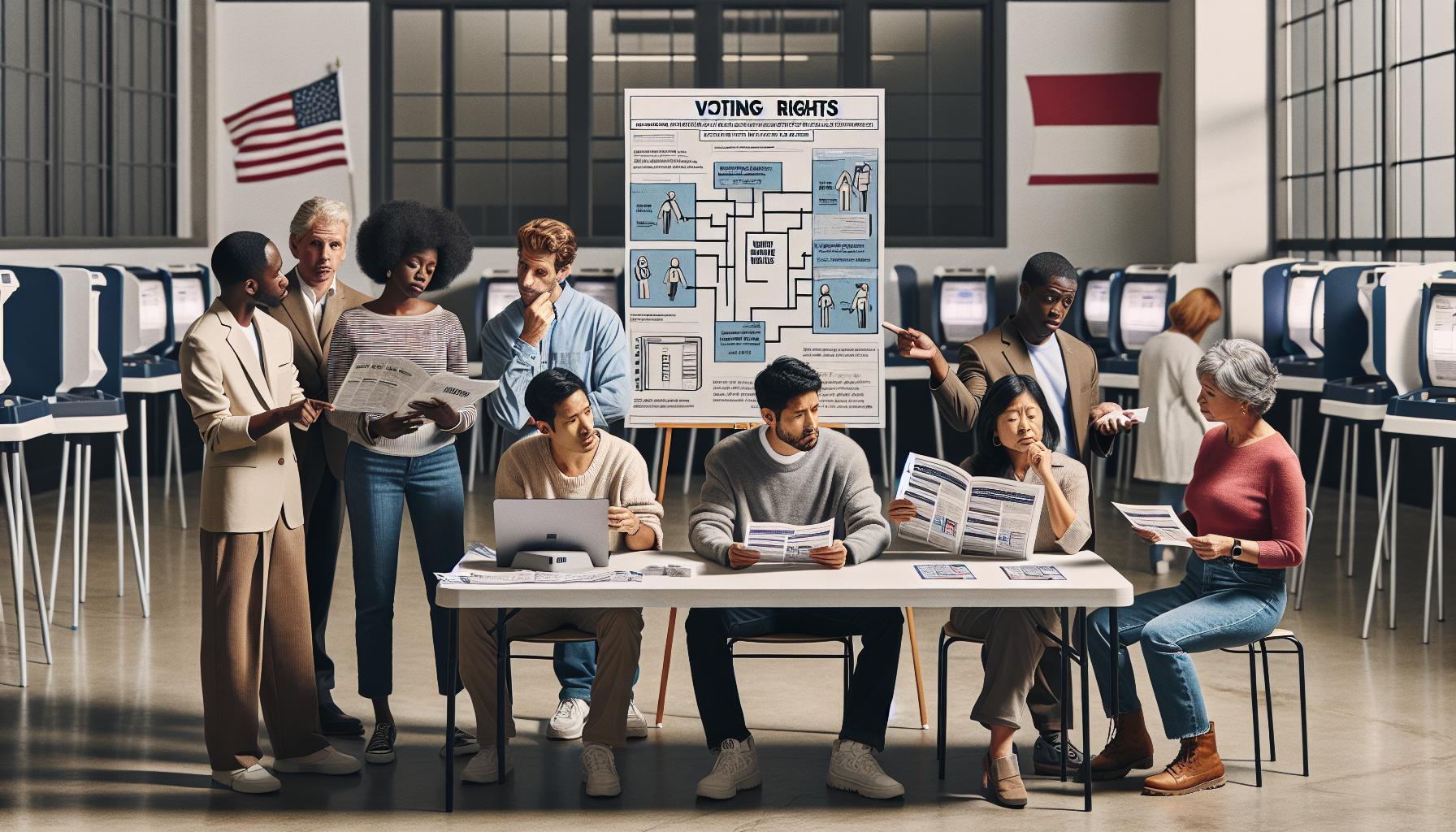
Few aspects of electoral participation spark as much curiosity and confusion as whether candidates can cast a vote for themselves-and the truth in Canada is emphatically clear: yes,they absolutely can. Yet despite this,many people hold onto misconceptions that can cloud understanding of candidate voting rights,sometimes fueling unfounded concerns about fairness or electoral manipulation.
one common myth is that candidates might be restricted from voting to prevent “cheating” or conflicts of interest. In reality, Canadian election laws do not set special limitations on candidates voting. They enjoy the same voting rights as any eligible Canadian citizen-meaning they must be at least 18 years old, a citizen, and properly registered to vote in their electoral district. This legal equality emphasizes that candidacy does not remove one from the democratic process but places the candidate firmly within it as an active participant rather than a detached contestant [[2]](https://www.elections.ca/content.aspx?section=vot&dir=bkg&document=ec90518&lang=e).Another misconception revolves around the impact or influence of a candidate’s vote. Some assume a candidate’s single vote might wield disproportionate power or undermine election integrity.While it’s true that in extremely close races every vote, including the candidate’s, counts significantly, the electoral system and monitoring processes ensure openness and fairness. Candidate votes are counted publicly and recorded along with all others, reinforcing electoral integrity rather than diminishing it.
- Candidates do not receive special voting privileges or exemptions; they follow the exact voting procedures as other citizens, whether voting in person, by mail, or during advance polls.
- Voting for oneself is legally protected and encouraged as part of democratic participation; it reflects a candidate’s commitment and belief in their own platform.
- There is no legal provision granting additional or weighted votes to candidates; each vote carries equal weight across all voters.
When candidates vote for themselves, they are exercising not a loophole or advantage, but a fundamental democratic right crucial to electoral fairness. This clarity can help dispel doubts within electoral communities and reaffirm trust in the straightforwardness of voting rules. For candidates and voters alike, understanding these facts empowers informed participation and helps avoid misconceptions that might otherwise discourage engagement or invite unnecessary skepticism about election outcomes.
Comparing Candidate Voting Rules Across Canadian Provinces

Across Canada’s provinces, voting laws maintain a consistent principle: candidates have the same voting rights as any other eligible citizen. There are no specialized restrictions preventing candidates from voting for themselves,reflecting the fundamental democratic ethos that candidacy does not exclude one from participation but rather confirms it. Though, subtle procedural nuances and candidate eligibility rules can vary slightly from province to province, influencing how and where candidates cast their ballots.
In provinces like Ontario and British Columbia, candidates must meet standard voter criteria-being Canadian citizens aged 18 or older and properly registered in the appropriate electoral district-to cast their vote. Both provinces allow voting by mail, in-person on election day, or during advance polls, with no special exemptions or privileges for candidates. This uniformity underscores that candidates do not benefit from extra weight or multiple votes, a fact that helps preserve public confidence in electoral fairness [[1]](https://settlement.org/ontario/immigration-citizenship/canadian-government/voting/a-guide-to-voting-in-ontario-s-provincial-election/) [[2]](https://www.bclaws.gov.bc.ca/civix/document/id/complete/statreg/96106_04).
Procedural Variations to Consider
While the right to vote remains universally protected, practical steps for candidates may differ slightly due to local election governance. Such as, in Manitoba or Quebec, candidates might need to confirm their voter registration well in advance, as some provinces emphasize earlier registration deadlines for each electoral district. Additionally, provinces with special circumstances-like restricted polling stations in certain remote or Indigenous communities-might require candidates to familiarize themselves with specific voting locations or accessible voting options to ensure their participation without complication.
- Advance Polls Availability: Most provinces facilitate advance polls, which candidates can use to cast early votes, helping busy candidates maximize voting opportunities amidst campaign demands.
- Mail-in and Special Ballot Voting: Candidates who anticipate absence from their riding on election day can often apply for mail-in ballots under the same provisions as regular voters, a feature that enhances flexibility.
- Identification Requirements: provinces have slightly varying ID rules, but all require proof of identity and residence, which candidates should be ready to provide to avoid any confusion at polling stations.
| Province | Candidate Voting Eligibility | Voting Options for Candidates | Notable Requirements |
|---|---|---|---|
| Ontario | Canadian citizen, 18+, registered in riding | In-person, advance polls, mail-in ballot | Photo ID plus address proof |
| British Columbia | Canadian citizen, 18+, registered in riding | In-person, advance polls, mail-in ballot | Two pieces of ID or voter card |
| Quebec | Canadian citizen, 18+, registered in riding | In-person, mail-in ballot | Deadline for registration earlier than election day |
| Manitoba | Canadian citizen, 18+, registered in riding | In-person, advance polls, mail-in ballot | Strict voter registration deadlines |
practically, candidates should consult their provincial election authority early in the process to confirm all requirements and deadlines. This proactive approach ensures their enfranchisement without hiccups and models transparency in political participation.
Why Uniform Candidate Voting Rights Matter
Allowing candidates to vote for themselves consistently across Canada reinforces the idea that political participation is open and equal. Candidates act not only as aspirants but as engaged members of their communities who share in the full citizenship experience. Recognizing this helps dispel myths that candidates might manipulate election outcomes simply by virtue of holding office or nomination status.
Understanding these subtle provincial distinctions equips candidates with the knowledge to navigate their voting responsibilities smoothly, ensuring their voice is counted fairly just like every other citizen’s. This equal footing enhances the democratic process and affirms public trust in local and national elections alike.
Historical Cases of Candidates Voting for Themselves

Few moments in Canadian electoral history highlight the intersection of individual voting rights and political candidacy as vividly as cases where candidates cast their own ballots. While it may seem intuitive that candidates vote for themselves, the long-standing legal and cultural acceptance of this practice underscores essential democratic principles. Notably, historical examples demonstrate how candidates’ personal votes have occasionally played a meaningful role in tightly contested races, putting a human face on the abstract processes of democracy.
One illustrative case comes from the early 20th century, when a narrow federal election in a small riding saw the winning candidate’s own vote effectively tip the balance. Records from that era reveal that every vote counted – including the candidate’s – emphasizing that such participation is both legal and symbolically significant. More recently, the practice remains a routine but essential step: candidates, by virtue of their full citizenship rights, participate alongside constituents to express their political will, reinforcing transparency and equality. This involvement dispels any notion that being a candidate excludes one from ordinary civic duties or elevates one’s electoral influence beyond that of a typical voter.
Lessons from Past Elections
- Close Margins: In elections decided by a handful of votes, a candidate’s own ballot can shape outcomes, reminding campaigners of the importance of every single vote.
- Symbolic Impact: Voting for oneself often carries symbolic weight, signifying candidates’ confidence in their own platform and reinforcing their commitment to constituents.
- Transparency and Fairness: historical precedents show that the consistent application of voting rights for candidates maintains fairness, preventing controversies that might arise if candidates were disallowed from voting.
In addition to practical implications, these historical cases also reveal how candidates manage their voting amidst demanding campaign schedules. Often, the use of advance polls or mail-in ballots by candidates is not just a convenience but a strategic necessity, ensuring they do not miss their opportunity to vote while campaigning vigorously. This adaptation reflects evolving election logistics and the importance of maintaining voting rights without impediment.While there have been no major legal challenges or controversies specifically regarding candidates voting for themselves in Canada, the enduring acceptance of this right is embedded both in law and electoral custom. The principle that candidates are full participants helps protect democratic norms and reassures the electorate that election laws are applied evenly. candidates planning to run should feel assured that their right to vote – including for themselves – is firmly supported by precedent and practice, just as any other voter’s is.
The Role of Candidate Votes in Canadian Political Strategy

In tightly contested races, the personal vote of a candidate can be more than just a symbolic gesture-it can become a pivotal factor in the overall electoral outcome. Candidates understand that their vote is one of many but also one they can count on with absolute certainty, especially when election margins are narrow. Strategically, this reliable vote serves as a small but meaningful hedge in campaigns where every single ballot matters. It reflects a blend of personal conviction and practical politics, showcasing a candidate’s commitment to not only advocate for their platform but also actively participate as a voter within the same democratic framework as their constituents.
Beyond the literal impact, the act of voting for oneself plays an important role in crafting a campaign narrative. Candidates often highlight this as a presentation of confidence, integrity, and transparency-qualities that resonate with voters who may be skeptical about politicians. In a broader sense, candidates voting for themselves reinforce democratic norms by modeling civic responsibility, encouraging supporters to exercise their right to vote, and emphasizing that candidacy does not place one above the electorate but firmly among them. this inclusive participation fosters trust and can subtly influence undecided voters by humanizing the candidate.
Integrating Candidate Voting into Campaign Strategy
- Advance Voting as a Tactical Move: Especially during busy campaign periods, candidates often vote early-whether by mail-in ballot or at advance polls-to ensure their participation is secured without conflicting with campaign events.
- Messaging Opportunities: Publicizing that a candidate has voted early or in person can serve as a call-to-action for supporters, creating momentum and increasing overall voter turnout.
- Mitigating Risk in Close Races: Knowing their own vote is counted removes any uncertainty candidates might feel,especially in races where the final tally could swing by a handful of votes.
From a wider strategic perspective, candidates who are well-versed in the nuances of voting logistics align their personal voting behavior with broader campaign goals. This approach ensures they neither forfeit their legitimate voting rights nor miss crucial opportunities to rally their base. Consequently, the candidate’s personal vote operates concurrently as a practical asset and a symbolic affirmation-strengthening campaign credibility while contributing directly to the democratic process.
What Happens if a Candidate Votes illegally?

Few actions in an election carry more weight than casting a legitimate vote, especially for candidates who actively participate in shaping democratic outcomes. Though, when candidates cross the line into illegal voting-whether by voting more than once, voting in a district where they aren’t registered, or other violations-the consequences can become severe, undermining both their campaign and the integrity of the electoral system.
In Canada, voting laws are strict about how, when, and where a person can vote, and candidates are subject to these same rules. If a candidate votes illegally, they risk disqualification from running in the election or having their election results invalidated. More serious infractions may lead to criminal charges under the canada Elections Act,which can include fines or imprisonment. This legal framework exists to ensure every vote counts fairly and to deter abuse of the electoral process.
Potential Legal and Political Repercussions
- Disqualification and Election Voidance: Illegally cast votes by a candidate can trigger challenges to the election results, potentially leading courts to annul the election outcome, prompting costly and reputationally damaging by-elections.
- Criminal penalties: The Canada Elections Act stipulates penalties for voting offences, which may include fines up to thousands of dollars and, in severe cases, imprisonment. The public nature of such penalties can irreparably harm a candidate’s credibility.
- Damage to Public Trust: Beyond legal troubles,being caught voting illegally severely tarnishes a candidate’s reputation,decreases voter confidence,and offers political opponents ammunition to question their integrity and commitment to fair play.
Preventing Unintentional Illegal Votes
Candidates often juggle complex logistics during elections, increasing the risk of inadvertent mistakes such as voting in the wrong district or more than once when participating in advance polls or mail-in ballots. To safeguard against such pitfalls:
- Confirm Voter Registration Details Early: Ensure that your voter registration is current and correctly reflects your residence and eligibility before submitting any ballots.
- Follow Voting Instructions Closely: Whether voting in person, by mail, or at advance polls, adhere strictly to prescribed procedures to avoid errors that invalidate your vote.
- Consult Election Officials if Unsure: If any confusion arises around your voting status or procedures, seek clarification promptly from Elections Canada or provincial election offices.
This proactive approach not only protects the candidate from legal exposure but also reinforces a campaign message centered on transparency and adherence to democratic principles.
Learning from Historical and Contemporary examples
Instances where candidates have faced scrutiny or penalties for voting irregularities serve as cautionary tales for all involved in electoral politics. While specific high-profile Canadian cases are rare due to vigilant enforcement by election authorities, globally and historically, illegal voting by candidates often leads to scandal, legal fights, and loss of public trust. It is a scenario all candidates should strive to avoid by respecting electoral laws as diligently as they craft their platforms.
By understanding the stakes involved and taking intentional care with electoral compliance, candidates not only protect their own ambitions but contribute to the robustness and fairness of Canada’s democracy as a whole. Ensuring that their personal vote is cast legally and ethically demonstrates respect for the system they wish to serve and strengthens democratic legitimacy.
For complete legal details on candidacy and voting conduct, it is advisable to consult the Canada Elections Act and seek legal counsel if questions about eligibility or voting rules arise [[2]](https://laws-lois.justice.gc.ca/eng/acts/e-2.01/page-22.html).
How to Register and Vote as a Candidate in Canadian Elections

Few moments in the electoral process carry as much significance for a candidate as casting their own vote.It’s not just a demonstration of civic duty but a personal endorsement of their campaign. in Canada, candidates possess the same voting rights as other citizens, with an added layer of responsibility to strictly follow voter registration protocols to ensure their vote is valid and their candidacy remains unblemished.
Before election day, it’s crucial for candidates to verify that they are properly registered as voters in the electoral district (riding) where they intend to cast their ballot.This often means confirming residency and ensuring their name appears correctly on the voters’ list maintained by Elections Canada or provincial election authorities. Registration deadlines vary, so early confirmation is wise-this prevents last-minute surprises that can derail a candidate’s ability to vote. If a candidate plans to vote by advance poll or mail-in ballot, they should request and submit these ballots well within the designated timeframes to ensure timely processing.
Steps to Ensure Proper Registration and Voting
- Confirm Voter Status: Use official resources such as the Elections Canada website or provincial electoral offices to verify your current voter registration status and eligibility.
- Update Personal Information: Candidates who have recently moved or have inconsistencies in their voter records should proactively update their details to avoid voting in the wrong riding or being removed from the voter list.
- Choose Voting Method Early: Decide whether to vote in person on election day, at advance polls, or by mail. Each method has specific deadlines and procedural requirements critical for validity.
- Follow procedural Instructions Meticulously: Regardless of voting method, carefully follow instructions to avoid spoiled ballots or invalid votes. Use authorized polling stations linked to the registered address.
By approaching the process methodically, candidates not only safeguard their legal right to vote but also align themselves with the campaign message of integrity and respect for democratic norms.
Practical Insights From the Field
Experienced candidates often share that voting in their own riding can be a powerful symbolic act, reinforcing their connection to the community they aim to represent. However, challenges sometimes arise-such as when candidates maintain residences in more than one district or when riding boundaries are redrawn. In these cases, prioritizing where they are officially registered to vote-or updating registration accordingly-is essential.
For example, a candidate running in a federal election but residing in a different province must ensure voter registration in the riding where their candidacy is filed, or accept that their vote will count in their place of residence but not directly impact their own electoral contest. Some candidates encounter confusion regarding advance or mail-in ballots especially if they travel frequently during campaigning; clear communication with election officials helps clarify procedures and timing.
Ultimately, legal compliance coupled with proactive registration actions exemplifies a candidate’s commitment to the very system they seek to influence. It turns the act of voting from a mere formality into a meaningful assertion of democratic participation.
| Action | recommended Timeline | Key Considerations |
|---|---|---|
| Verify Voter Registration | At least 2 months before election day | Check official lists; update as needed |
| Decide Voting method | At least 6 weeks before election day | Choose between in-person, advance poll, or mail-in |
| Request Mail-in or Advance Ballots | 4-6 weeks before election day | Allow ample time for receiving & returning ballots |
| Cast Your Vote | Election day or designated advance polling days | Follow all voting instructions precisely |
Exploring Voter Eligibility vs. Candidate Privileges

Few aspects of the Canadian electoral process combine the straightforward with the nuanced quite like the voting rights of candidates themselves. At first glance,it’s easy to assume that candidates simply enjoy the same voter eligibility as any other citizen. While this is largely true, a closer look reveals critically important distinctions between general voter eligibility and the unique responsibilities and potential privileges candidates carry during an election.All eligible voters in Canada must meet basic criteria such as citizenship, age, and residency requirements. Candidates, however, navigate a dual identity: as voters and as active participants whose electoral legitimacy can indirectly hinge on their voting behavior.For instance,a candidate’s vote must be cast within the electoral district or “riding” where they are registered. This means candidates often need to be especially vigilant in confirming their voter registration status if they maintain residences in multiple locations or if riding boundaries have shifted before an election.Unlike ordinary voters, candidates have a vested interest in ensuring their vote not only counts but occurs in the jurisdiction relevant to their campaign.
Practical Differences in Voting Procedures for Candidates
- Timely Registration Confirmation: Candidates should verify their name appears accurately on voter lists and is registered in the correct riding well before deadlines. Failing to do so can invalidate their vote or complicate their campaign.
- Voting Method Choices: While all registered voters may access advance polls, mail-in ballots, or election day voting, candidates sometimes prefer in-person voting at known local polling stations. This reinforces their public image and connection to the community they seek to represent.
- Heightened Scrutiny: Because candidates’ actions are under public and media watch during elections, they must follow voting procedures meticulously. Any misstep-such as attempting to vote outside their registered riding-can result in legal challenges or damage to credibility.
For example, consider a federal candidate who lives in Province A but runs in a riding in Province B. While legally they must vote in their registered residential riding, their candidacy privileges do not grant them the flexibility to vote in the riding where they run unless they have established residency there. This frequently enough requires strategic planning during campaign preparations.
Clarifying Common Confusions
Many assume candidates enjoy special privileges, such as the ability to cast multiple ballots or vote in multiple ridings.This is a misconception. Canadian election laws treat candidate votes as equal to any other voter’s, and any deviation, such as double voting, is illegal and carries serious penalties. candidates’ privileges mainly involve their eligibility to stand for office and participate in formal campaign processes, not expanded voting rights.
Candidates also do not receive exemptions from standard voter disqualifications. for instance, if a citizen is legally barred from voting due to specific reasons (e.g.,certain criminal convictions),candidacy alone does not restore that right. Thus, voter eligibility criteria remain foundational and universal.
| Aspect | Voter Eligibility | Candidate Considerations |
|---|---|---|
| Residency Requirement | Must reside in any Canadian riding | must register in same riding as candidacy or current residence |
| Voting Methods | Advance poll, mail-in, or election day | Same options, but public image may favor in-person voting |
| Multiple Voting | Strictly prohibited | Strictly prohibited; no special exemptions |
| Disqualification | Subject to legal restrictions like citizenship and criminal history | Same rules apply without exception |
Understanding these subtle but important distinctions helps demystify what it means to be both a candidate and a voter in Canada. By aligning voter eligibility standards strictly with candidate responsibilities, the system balances fairness with democratic integrity, ensuring every vote-candidate or not-holds equal weight.
Expert Opinions on Improving candidate Voting Rules

few aspects of electoral law generate as much nuanced debate as the voting rights of candidates themselves. Experts frequently highlight that while candidates enjoy the same basic voting privileges as ordinary citizens, there is room for betterment in how candidate-specific circumstances are addressed to bolster transparency and electoral fairness. One common theme among election law analysts is the need for clearer, standardized guidelines surrounding candidate voter registration, especially for those balancing residences in multiple ridings or provinces.
Clearer Residency and Registration Protocols
Many experts argue that electoral bodies should implement more proactive, accessible systems to help candidates confirm and update their registered addresses well before election deadlines. This could include dedicated support hotlines or digital platforms designed specifically for candidates to manage their voter registration status. Such measures would reduce the risk of inadvertent disenfranchisement due to shifting riding boundaries or administrative oversights. Additionally, experts recommend mandatory informational sessions during candidacy registration that underscore the importance of complying with residency requirements to avoid legal complications.
Balancing Transparency with Privacy
A recurring expert insight is the delicate balance between transparency and privacy when candidates vote. While public trust demands that candidate voting follows strict protocols, some suggest introducing routine, anonymized public reporting about candidate voting compliance to reinforce confidence without subjecting candidates to unwarranted scrutiny. Experts also raise the possibility of standardized training materials on voting procedures tailored for candidates, which would reiterate the legal boundaries-such as the prohibition on multiple voting-and the consequence of violations.
Integrating Candidate Votes into Broader Electoral Strategy
From a strategic perspective, political consultants and campaign managers often view candidate voting behavior as part of broader messaging.Experts suggest that encouraging candidates to vote publicly via in-person polling stations within their ridings not only affirms legitimacy but strengthens community ties. Some even note that formal recognition or encouragement from electoral commissions of candidates’ adherence to voting norms could serve as positive reinforcement and public relations benefits.
- Practical advice for candidates: Regularly check official voter registries early and after any boundary changes.
- For electoral commissions: Provide dedicated candidate voter support teams and streamline registration updates.
- For policymakers: Consider reforms that clarify candidate voting rights and responsibilities in voter education materials to prevent confusion.
Ultimately,expert consensus favors reforms that enhance clarity,consistency,and candidate engagement in voting procedures without granting special privileges that could undermine democratic equality. By refining candidate voting rules and their communication, Canada can further solidify a fair and robust electoral system where every vote carries equal weight and candidates embody the standards they seek to uphold.
Frequently asked questions
Q: How does voting as a candidate impact personal election outcomes in canada?
A: Voting for oneself can provide a *small yet symbolic boost* to a candidate’s total votes. While one vote rarely changes the overall result, it demonstrates personal engagement and confidence.For strategic insights, review the section on *how candidate votes impact election outcomes* in the main article for more details.
Q: Are there special voting procedures for candidates in Canadian federal elections?
A: No, candidates follow the *same voting process* as other eligible citizens, including voting in their registered electoral district. They must *register and vote* like any voter, ensuring their ballots are valid and counted, as explained in the *How to Register and Vote as a Candidate* section.
Q: Can a candidate vote outside their own riding or electoral district in Canada?
A: Canadian candidates must *vote in their own electoral district* where they are registered. Voting outside their riding is not permitted, maintaining fairness and honesty in elections. For deeper understanding, see *voter eligibility vs. candidate privileges* in the article.
Q: What legal protections exist to ensure a candidate’s vote is counted properly?
A: Canadian election laws guarantee every *eligible vote,including candidates’ votes,* is securely recorded and counted in their riding. Strict procedures and clear audits help prevent fraud. Read about the *Canadian voting laws for candidates* in the article for comprehensive legal context.
Q: Why might some voters believe candidates are not allowed to vote for themselves?
A: This misconception stems from misunderstandings about *conflicts of interest* or election fairness.However, in Canada, candidates are fully entitled to vote for themselves. clarifications on this topic can be found in the *Common Misconceptions About Candidate Voting Rights* section.
Q: How do candidate votes affect minority or close elections in Canada?
A: In tight races, a candidate’s own vote can be *decisive in determining the winner.* Although one vote is small, it can influence outcomes in constituencies with narrow margins.Explore *The Role of Candidate Votes in canadian Political Strategy* for detailed analysis.
Q: When and where must candidates register to be eligible to vote in Canadian elections?
A: Candidates register through Elections Canada before the election period begins, typically in the riding where they intend to run and vote. Eligibility requires Canadian citizenship and being 18 or older on election day. further registration guidance is available in the *How to Register and vote as a Candidate* section.
Q: What happens if a candidate tries to vote more than once or outside legal boundaries?
A: voting illegally, such as by casting multiple votes or voting outside the legal district, is a *criminal offense* and may lead to disqualification and prosecution. Strict enforcement preserves election integrity.for consequences, consult the *What Happens if a Candidate Votes Illegally?* part of the article.
—
For more detailed insights, feel free to explore the full article sections on candidate voting and Canadian election laws. Staying informed ensures your understanding of the electoral process remains accurate and up to date.
Wrapping Up
understanding whether a candidate can vote for themselves in Canada sheds light on important electoral rules that affect every voter and candidate alike. If you found this insight helpful, be sure to explore more about Canadian election laws and voting rights on our Complete Guide to Canadian elections and How to Register to Vote in Canada. Staying informed can empower you to participate fully and confidently in the democratic process.
Ready to deepen your knowledge? Subscribe to our newsletter for the latest updates on election procedures and candidate regulations, or reach out for personalized guidance on navigating Canada’s political landscape.If you have questions or want to share your experience, leave a comment below-we value your voice. exploring topics like candidate eligibility and campaign rules next will keep you ahead in understanding Canada’s electoral system and ensure you never miss crucial information.