Skip to content
Monday, October 12, 2026
Latest:
  • Writing to My MP Through Student Union: Complete Advocacy Guide
  • Writing to Your MP About Student Union Issues: Guide
  • Proper Honourable Titles UK: Complete British Etiquette & Protocol Guide
  • Proper Honourable Titles in the UK: Official Guide
  • How to Get an Education Grant from an MP: Full Guide
    DemocracyLawBlog.com

    DemocracyLawBlog.com

    Democracy Law Blog: Empowering Citizens through Political Education

    • Home
    • Contacting Elected Officials
      • Addressing Officials
      • Finding Representatives
      • Writing to Representatives
    • Electoral Process
      • Elections and Polling
      • Voter Registration
      • Voting Laws and Regulations
    • Government Ethics
      • Conflict of Interest
      • Lobbying and Advocacy
    • Communication
      • Correspondence Protocols
      • Political Advertising
    • Political Roles
      • MP and MLA Roles
      • Political Parties and Cabinet
    • Terminology
      • Political Definitions
    • Regional Politics
      • Provincial Representatives
      • Salaries & Benefits
    • About
    • Contacts

    Government Ethics and Transparency

    Government Ethics and Transparency represents administrative integrity law and freedom of information jurisprudence that enforces transparency mandates, whistleblower protections, asset registers, and public oversight of state institutions to ensure institutional probity, deterrence of malfeasance, and public trust in democratic organs.

    Foundational Pillars
    Statutory Framework
    Research Directory
    Civic FAQs

    Foundational Pillars & Key References

    CORE STATUTORY GUIDE

    MLAs & Campaign Donations on Official Email

    Comprehensive civic guide examining mlas & campaign donations on official email, detailing administrative requirements, statutory benchmarks, and procedural compliance for engaged citizens.

    Read Full Analysis →

    PROCEDURAL ANALYSIS

    The Role of Grassroots Lobbying in Canadian Politics: Power Unleashed

    Comprehensive civic guide examining the role of grassroots lobbying in canadian politics: power unleashed, detailing administrative requirements, statutory benchmarks, and procedural compliance for engaged citizens.

    Read Full Analysis →

    LEGISLATIVE PROTOCOL

    Requirements for Registering as a Lobbyist in Canada: Ultimate Guide

    Comprehensive civic guide examining requirements for registering as a lobbyist in canada: ultimate guide, detailing administrative requirements, statutory benchmarks, and procedural compliance for engaged citizens.

    Read Full Analysis →

    Administrative Jurisprudence & Statutory Architecture

    Institutional transparency is an essential prerequisite for executive accountability and democratic governance. Statutory access-to-information acts, proactive disclosure rules, and independent ethics commissioners provide citizens and journalists with legal tools to scrutinize public expenditures and decision-making. Whistleblower protection legislation establishes confidential reporting channels and statutory shields against retaliatory employment actions for public servants revealing gross mismanagement.

    Democratic accountability requires an ongoing calibration between institutional authority and public scrutiny. In modern constitutional governance, procedural standards are reinforced by statutory oversight bodies, judicial review standards, and strict administrative law precedents. Understanding these parameters empowers citizens, advocacy organizations, and legal scholars to engage with government entities transparently, effectively, and with verified legal standing.

    Governance Area / DomainConstitutional AttributeProcedural Standard & Value
    Access to Information & FOIStatutory TransparencyEnforceable legal rights to inspect government records, subject to narrow statutory exemptions (national security, cabinet confidences).
    Proactive Disclosure MandatesRoutine Open GovernanceMandatory public registries of ministerial travel, hospitality expenses, and government contracts over statutory thresholds.
    Public Interest Disclosure & ProtectionWhistleblower SafeguardsConfidential disclosure mechanisms and statutory protection against reprisal for civil servants.
    Auditor General & Integrity AuditsFinancial ScrutinyIndependent legislative audits verifying that public disbursements comply with parliamentary appropriations.

    Data Matrix Source: Codified Administrative Guidelines, Standing Orders, and Published Statutory Reviews cataloged by the Civil Procedure & Statutory Telemetry Desk.

    Curated Research Directory & Topic Clusters

    Statutory & Procedural Guides

    • Restrictions on Lobbying Activities for Former Officials: Key Facts
    • Cooling-off Periods for Former Government Officials: Revolving Door Exposed
    • Reporting Potential Conflicts of Interest in Government: Whistleblower’s Guide

    Constituent & Advocacy Telemetry

    • Do Political Parties Get Money per Vote in Canada? Funding Facts
    • Which Democratic Senators Voted Against Drugs from Canada? Roll Call Exposed

    Frequently Asked Questions

    What constitutes a legitimate exemption under Freedom of Information statutes?

    Exemptions are narrowly interpreted by information commissioners and courts, generally restricted to cabinet confidences, international diplomacy, ongoing law enforcement, and personal privacy.

    How are whistleblowers protected when reporting institutional wrongdoing?

    Public interest disclosure acts provide statutory immunity from civil or employment reprisal, granting integrity commissioners the power to investigate and order corrective restitution.

    What role does the Auditor General play in enforcing transparency?

    As an independent officer of parliament, the Auditor General scrutinizes executive financial stewardship, reporting waste, non-compliance, and systemic inefficiency directly to the legislature.

    Authored & Maintained by: Civil Procedure & Statutory Telemetry Desk

    Notice: This research synthesis and structural taxonomy models published statutory codes, administrative regulations, and parliamentary procedure for informational and civic planning purposes only. It does not provide certified legal, parliamentary, or governmental counsel. For definitive rulings or case advice, consult an actively licensed attorney or official parliamentary officer in your jurisdiction.
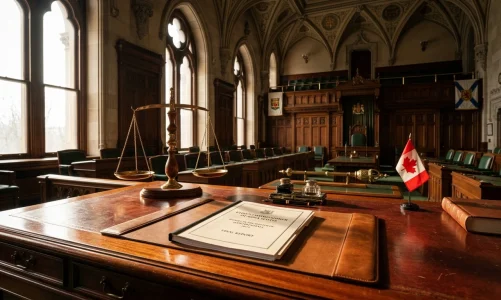
    MLAs & Campaign Donations on Official Email Government Ethics and Transparency

    MLAs & Campaign Donations on Official Email

    September 1, 2026August 30, 2026DemocracyLawBlog.comLeave a Comment on MLAs & Campaign Donations on Official Email
    The Role of Grassroots Lobbying in Canadian Politics: Power Unleashed Government Ethics and Transparency Lobbying and Advocacy

    The Role of Grassroots Lobbying in Canadian Politics: Power Unleashed

    July 29, 2026DemocracyLawBlog.comLeave a Comment on The Role of Grassroots Lobbying in Canadian Politics: Power Unleashed
    Requirements for Registering as a Lobbyist in Canada: Ultimate Guide Government Ethics and Transparency Lobbying and Advocacy

    Requirements for Registering as a Lobbyist in Canada: Ultimate Guide

    June 21, 2026August 14, 2026DemocracyLawBlog.comLeave a Comment on Requirements for Registering as a Lobbyist in Canada: Ultimate Guide
    Restrictions on Lobbying Activities for Former Officials: Key Facts Government Ethics and Transparency Lobbying and Advocacy

    Restrictions on Lobbying Activities for Former Officials: Key Facts

    June 1, 2026DemocracyLawBlog.comLeave a Comment on Restrictions on Lobbying Activities for Former Officials: Key Facts
    Federal Lobbyist Registry: Compliance Essentials Unveiled Government Ethics and Transparency Lobbying and Advocacy

    Federal Lobbyist Registry: Compliance Essentials Unveiled

    April 22, 2026May 7, 2026DemocracyLawBlog.comLeave a Comment on Federal Lobbyist Registry: Compliance Essentials Unveiled
    Ethical Considerations in Government Relations: Gray Areas Decoded Government Ethics and Transparency Lobbying and Advocacy

    Ethical Considerations in Government Relations: Gray Areas Decoded

    April 20, 2026DemocracyLawBlog.comLeave a Comment on Ethical Considerations in Government Relations: Gray Areas Decoded
    Conflict of Interest Commissioner Canada: Watchdog or Lapdog? Conflict of Interest Government Ethics and Transparency

    Conflict of Interest Commissioner Canada: Watchdog or Lapdog?

    April 18, 2026August 14, 2026DemocracyLawBlog.comLeave a Comment on Conflict of Interest Commissioner Canada: Watchdog or Lapdog?
    How Conflict of Interest Rules Apply to Family Members: Shocking Truths Conflict of Interest Government Ethics and Transparency

    How Conflict of Interest Rules Apply to Family Members: Shocking Truths

    April 16, 2026August 14, 2026DemocracyLawBlog.comLeave a Comment on How Conflict of Interest Rules Apply to Family Members: Shocking Truths
    Cooling-off Periods for Former Government Officials: Revolving Door Exposed Conflict of Interest Government Ethics and Transparency

    Cooling-off Periods for Former Government Officials: Revolving Door Exposed

    April 8, 2026August 14, 2026DemocracyLawBlog.comLeave a Comment on Cooling-off Periods for Former Government Officials: Revolving Door Exposed
    Reporting Potential Conflicts of Interest in Government: Whistleblower’s Guide Conflict of Interest Government Ethics and Transparency

    Reporting Potential Conflicts of Interest in Government: Whistleblower’s Guide

    March 11, 2026DemocracyLawBlog.comLeave a Comment on Reporting Potential Conflicts of Interest in Government: Whistleblower’s Guide
    • ← Previous
    Recent Posts
    University students engaged in student union advocacy campaign drafting letter to their Member of Parliament

    Writing to My MP Through Student Union: Complete Advocacy Guide

    September 22, 2026
    wp media democracylawblog com 1f0e69d7

    Writing to Your MP About Student Union Issues: Guide

    September 22, 2026
    British parliamentary and constitutional protocol documents and historical registers illustrating proper honourable titles in the UK

    Proper Honourable Titles UK: Complete British Etiquette & Protocol Guide

    September 22, 2026
    Proper Honourable Titles in the United Kingdom Rules and Precedence

    Proper Honourable Titles in the UK: Official Guide

    September 22, 2026
    How to Get an Education Grant or Bursary from your MP

    How to Get an Education Grant from an MP: Full Guide

    September 21, 2026
    How to Contact Elected Representatives and Legislative Lawmakers

    Contacting Elected Representatives: Complete Guide

    September 21, 2026
    Addressing British Lords and Peerage Etiquette Guide

    Why Use a Title for British Lords: Rules & Etiquette

    September 20, 2026
    Canada Address Check and Canada Post Postal Code Validation Guide

    Canada Address Check: Verification & Postal Tools

    September 19, 2026
    Members of Parliament Parliamentary Chamber and Legislative Duties

    Meaning of MPs: Roles, Powers & Parliamentary Duties

    September 18, 2026
    The Right Honourable Lord Pearce Judicial Decisions and House of Lords Legal Texts

    The Right Hon Lord Pearce: Texts, Decisions & Protocol

    September 16, 2026
    How to Contact Political Candidates Guide

    How to Contact Political Candidates Guide

    September 5, 2026August 30, 2026
    Where to Write the President & Cabinet Members

    Where to Write the President & Cabinet Members

    September 5, 2026August 30, 2026
    Canadian Public Directories & Address Privacy Guide

    Canadian Public Directories & Address Privacy Guide

    September 5, 2026August 30, 2026
    Proper Decorum & Rules of Conduct for Lawmakers

    Proper Decorum & Rules of Conduct for Lawmakers

    September 4, 2026August 30, 2026
    Do UK Public Bodies Have to Reply to MPs

    Do UK Public Bodies Have to Reply to MPs?

    September 4, 2026August 30, 2026
    Blog
    • Contacting Elected Officials
    • Electoral Process and Voting
    • Government Ethics and Transparency
    • Political Communication
    • Political Roles and Responsibilities
    • Political Terminology and Concepts
    • Regional Politics
    Menu
    • Homepage
    • Blog
    • About
    • Contacts
    • Privacy Policy

    Whether you're a political novice or a seasoned policy wonk, there's something here for everyone. Dive into our articles, engage in discussions, and become the informed citizen that would make the Founding Fathers proud (powdered wigs optional).

    Stay informed, stay engaged, and most importantly, stay curious. Because in the end, a well-informed citizenry is the best defense against bad hair days in high office.

    DemocracyLawBlog.com on: WordPress | Welcome to Democracy Law Blog – where we make government comprehension great again! We're online thanks to MagazineBook By OdieThemes
    AI Editorial Policy