✨ This article was AI edited. Editorial responsibility: DemocracyLawBlog.com.
Produced with AI. This article was artificially generated. Editorial responsibility: DemocracyLawBlog.com.
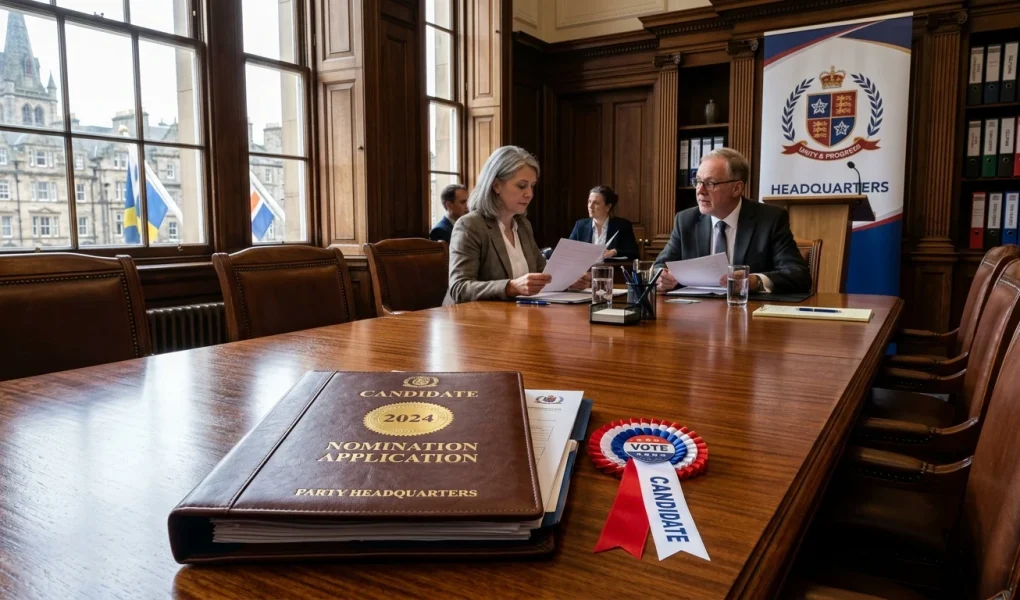
To contact political candidates, nominees, and elected representatives, constituents and researchers must utilize official electoral registry filings (e.g., Elections Canada, UK Electoral Commission, or US Federal Election Commission / FEC candidate databases), verified campaign headquarters directories, local constituency association portals, and official legislative contact channels.
During electoral cycles, hundreds of non-incumbent candidates and party nominees launch public campaigns. Unlike established sitting lawmakers who possess state-funded constituency offices and permanent parliamentary email accounts, prospective candidates and challengers manage communications through campaign committees, volunteer coordinators, and party association executives. Knowing how to locate verified candidate information ensures your policy questions and debate invitations reach decision-makers.
Table of Contents
Public Repositories for Locating Political Candidates
Electoral integrity legislation requires every registered political candidate to submit public financial and contact filings. You can verify and locate any political candidate using statutory public registers:
- National Electoral Commissions: Official bodies like Elections Canada, the Federal Election Commission (FEC), or the UK Electoral Commission publish complete certified candidate nomination lists—including official agent names, campaign headquarters addresses, and contact emails.
- Political Party Riding/Constituency Associations: Local electoral district party executive associations maintain direct email and telephone rosters for certified party candidates.
- Civic Voter Guides & Non-Profit Platforms: Non-partisan civic tech tools (e.g., Vote411, Ballotpedia, Democracy Works) aggregate candidate questionnaire responses, campaign websites, and scheduled town hall debates.
For related guides on contacting government officials, review our guide to using postal codes to locate political representatives and explore the making of political candidates.
Candidate Contact Channels vs. Incumbent Lawmaker Channels
| Feature | Sitting Elected Representative (Incumbent) | Challenger / Political Candidate |
|---|---|---|
| Official Email Domain | Legislative domain (e.g., @parl.gc.ca, @house.gov) | Campaign domain (e.g., @electjane.ca, @smithforcongress.com) |
| Office Operations | State-funded parliamentary & constituency offices | Privately funded campaign headquarters / campaign team |
| Governing Ethics Rules | Parliamentary ethics code; no partisan fundraising from office | Electoral campaign finance laws; maximum donation limits apply |
| Casework Inquiries | Handled by professional civil service caseworkers | Handled by campaign policy directors or volunteer staff |
Step-by-Step Guide to Contacting a Political Candidate
1. Verify Candidate Registration on the Official Electoral Ballot
Ensure the candidate has formally filed nomination papers with the local returning officer. Unregistered exploratory campaigns may operate informal social media accounts, but certified candidates appear on the official government election portal.
2. Direct Inquiries to the Specific Campaign Department
Modern political campaigns divide inbound communications across functional teams:
- Policy & Position Inquiries: Direct to the Campaign Policy Director or Campaign Manager.
- Debate & Media Invitations: Direct to the Press Secretary / Communications Director.
- Volunteer & Event Inquiries: Direct to the Field Organizer / Volunteer Coordinator.
3. Formulate Clear, Respectful Policy Questions
Whether submitting questions for an upcoming candidates’ debate or writing an email inquiry, focus on specific legislative initiatives, local district priorities, and practical policy solutions.
Sample Constituent Policy Inquiry Letter to a Candidate
[Your Full Name]
[Your Residential Address in Electoral District]
[Phone Number | Email Address]
[Date: October 26, 2026]
[Candidate Full Name]
Nominated Candidate for [Party Name]
Electoral District of [Riding / District Name]
[Campaign Headquarters Address]
[City, Province/State, Postal/ZIP Code]
Re: Constituent Policy Inquiry — Infrastructure Funding & Public Transit Priorities for [District Name]
Dear [Mr./Ms./Dr. Candidate Last Name]:
As a resident and registered voter in the [Riding / District Name] electoral district for over a decade, I am writing to inquire about your platform commitments regarding local public transit expansion and municipal infrastructure funding.
Our neighbourhood has experienced rapid population growth, resulting in severe transit congestion along the [Local Transit Corridor / Highway]. If elected to represent our community in the upcoming general election, what specific legislative and budgetary measures will you champion to accelerate transit modernization for our district?
I look forward to reviewing your position and sharing your response with our local neighbourhood association ahead of election day. Thank you for your public service and dedication to our community.
Sincerely yours,
[Handwritten Signature]
[Your Full Name]
Registered Elector, [District Name]
Frequently Asked Questions Regarding Candidate Communications
How do I find out who is running in my electoral district?
Enter your postal code or address into your national electoral commission’s voter portal (such as Elections Canada’s Voter Information Service or your local County Board of Elections) to see a verified list of confirmed candidates.
Are political candidates legally required to answer constituent letters?
While candidates are not legally required by statute to reply, active campaigns maintain strong incentives to respond to prospective voters to earn electoral support.
Can public servants campaign for political candidates?
Public servants may engage in non-partisan civic activities, but statutory public service ethics laws strictly prohibit partisan political campaigning during working hours or using government resources.
How do I invite all candidates to a local community debate?
Send formal written invitations simultaneously to the official campaign managers of all registered candidates, establishing equal speaking times and transparent debate rules.
Get our latest guides, news, and insights highlighted in your Google Search & AI Overviews.