
Voting Laws and Regulations
Voting Laws and Regulations represents constitutional electoral jurisprudence and statutory voting rights that codifies franchise eligibility, ballot access standards, accessibility protections, campaign conduct, and election offenses to ensure fair electoral competition, legal recourse against suppression, and constitutional validity of plebiscites.
Foundational Pillars & Key References
CORE STATUTORY GUIDE
Incarcerated Voting Rights in Canada: The Shocking Reality!
Comprehensive civic guide examining incarcerated voting rights in canada: the shocking reality!, detailing administrative requirements, statutory benchmarks, and procedural compliance for engaged citizens.
PROCEDURAL ANALYSIS
Canada Elections Act: 5 Mind-Blowing Facts You Never Knew!
Comprehensive civic guide examining canada elections act: 5 mind-blowing facts you never knew!, detailing administrative requirements, statutory benchmarks, and procedural compliance for engaged citizens.
LEGISLATIVE PROTOCOL
Who Should I Vote for in Canada? 5 Questions to Guide Your Choice
Comprehensive civic guide examining who should i vote for in canada? 5 questions to guide your choice, detailing administrative requirements, statutory benchmarks, and procedural compliance for engaged citizens.
Administrative Jurisprudence & Statutory Architecture
Voting laws establish the enforceable legal framework that governs who may vote, how ballots must be cast, and how election offenses are prosecuted. From statutory prohibitions against voter intimidation and vote buying to legal mandates requiring employer-granted paid time off to vote, these regulations safeguard franchise integrity. Superior court jurisprudence constantly calibrates voting regulations to ensure they do not create arbitrary barriers for marginalized electors.
Democratic accountability requires an ongoing calibration between institutional authority and public scrutiny. In modern constitutional governance, procedural standards are reinforced by statutory oversight bodies, judicial review standards, and strict administrative law precedents. Understanding these parameters empowers citizens, advocacy organizations, and legal scholars to engage with government entities transparently, effectively, and with verified legal standing.
| Governance Area / Domain | Constitutional Attribute | Procedural Standard & Value |
|---|---|---|
| Universal Suffrage Protections | Constitutional Franchise Right | Constitutional entrenchment guaranteeing every citizen of legal age the fundamental right to vote, strictly limiting state restrictions. |
| Mandatory Employer Voting Hours | Economic Franchise Protection | Statutory requirements obligating employers to provide employees with consecutive paid hours to vote while polls are open. |
| Prosecution of Electoral Offenses | Statutory Enforcement | Enforceable criminal code penalties for impersonation, ballot tampering, bribery, and publishing false election claims. |
| Accessibility & Special Accommodation Laws | Inclusive Voting Mandates | Statutory requirements for tactile ballot templates, mobile polling in hospitals, and language assistance services. |
Data Matrix Source: Codified Administrative Guidelines, Standing Orders, and Published Statutory Reviews cataloged by the Civil Procedure & Statutory Telemetry Desk.
Curated Research Directory & Topic Clusters
Statutory & Procedural Guides
Constituent & Advocacy Telemetry
Authored & Maintained by: Civil Procedure & Statutory Telemetry Desk
Notice: This research synthesis and structural taxonomy models published statutory codes, administrative regulations, and parliamentary procedure for informational and civic planning purposes only. It does not provide certified legal, parliamentary, or governmental counsel. For definitive rulings or case advice, consult an actively licensed attorney or official parliamentary officer in your jurisdiction.


Municipal Campaign Finance Rules: Exposed – Read Before Voting!

Incarcerated Voting Rights in Canada: The Shocking Reality!

Canada Elections Act: 5 Mind-Blowing Facts You Never Knew!
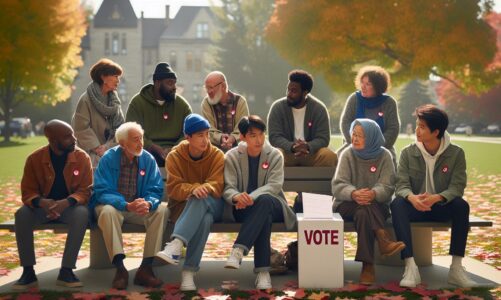
Who Should I Vote for in Canada? 5 Questions to Guide Your Choice

Do Hutterites Vote in Canada? Insights into Communal Voting
Did Canada Vote to Let People Have Sex with Animals? Examined
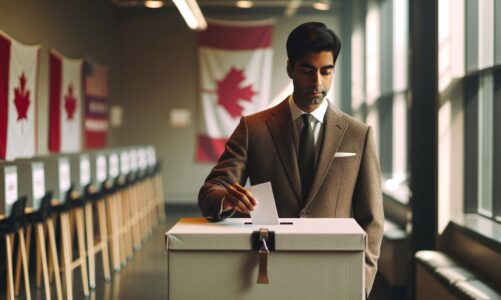
Can a Candidate Vote for Himself in Canada? The Surprising Answer
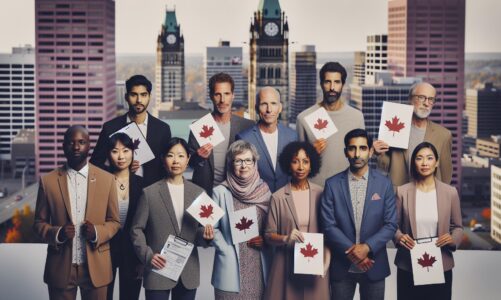
Can You Vote in a Different City in Canada? Mobility Options

Can You Vote with Your Face Covered in Canada? Legal Details
Electoral Statute Matrix: Voting Laws and Regulations
| Electoral Law Topic | Governing Statute / Ruling | Statutory Rule / Threshold | Practical Impact on Voters |
|---|---|---|---|
| Photo ID Requirements to Vote in Canada | Canada Elections Act s. 143(2) | 3 legal ID options: 1 government photo ID, 2 approved non-photo IDs, or vouching | Voters without photo ID still cast ballots using a Voter Information Card + bill |
| Prisoner Voting Rights in Canada | Sauvé v. Canada (2002 SCC 68) & Charter s. 3 | Supreme Court struck down all sentence-length exclusions for incarcerated electors | All incarcerated citizens aged 18+ vote by special ballot in federal elections |
| Lowering the Federal Voting Age to 16 Debate | Canada Elections Act s. 3 & Bill C-210 Proposals | Current federal and provincial voting age remains 18 across Canada | Advocates cite 16-year-old taxpayers; opponents cite civic maturity benchmarks |
| Does the Popular Vote Matter in Canada? | Single-Member Plurality (First-Past-the-Post) System | 338–343 independent riding pluralities decide Parliament rather than national totals | National popular vote shapes minority outcomes and $1.75–$2+ historical seat math |
| How to Vote from Abroad in Canada | Canada Elections Act Special Voting Rules (Part 11) | Special ballot applications close 6:00 PM EST on Tuesday, 6 days pre-poll | Completed ballots must reach Ottawa or an embassy before polls close on election day |
Institutional Research Desk: Democracy Law Statutory Research Desk — Notice: This electoral law matrix models published provisions of the Canada Elections Act, Charter Section 3 jurisprudence, and Special Voting Rules for educational use only. Consult Elections Canada or licensed counsel for formal legal opinions.
Frequently Asked Questions: Voting Laws and Regulations
Is government-issued photo ID strictly mandatory to vote in a Canadian federal election?
Photo ID is not strictly mandatory under Section 143 of the Canada Elections Act. Electors choose among 3 options: 1 government photo ID with address, 2 approved non-photo pieces (such as a Voter Information Card and utility bill), or sworn vouching.
Are incarcerated individuals legally allowed to vote in Canadian federal elections?
Yes; in Sauvé v. Canada (Chief Electoral Officer), 2002 SCC 68, the Supreme Court of Canada invalidated federal restrictions on prisoner voting under Charter Section 3. Every incarcerated Canadian citizen aged 18 or older votes by special ballot regardless of sentence length.
Why can a Canadian party win fewer total votes than a rival yet win more seats?
Canada uses Single-Member Plurality (First-Past-the-Post) across 338 to 343 individual ridings. Because only the top candidate in each district wins a seat, concentrated regional support can yield more seats despite a lower national popular vote share (such as 33.1% in 2019).
What is the minimum legal voting age for federal and provincial elections in Canada?
Section 3 of the Canada Elections Act and all 10 provincial election statutes set the legal voting age at 18 years on polling day. Although parliamentary private bills have proposed lowering the threshold to 16, none have passed into law.