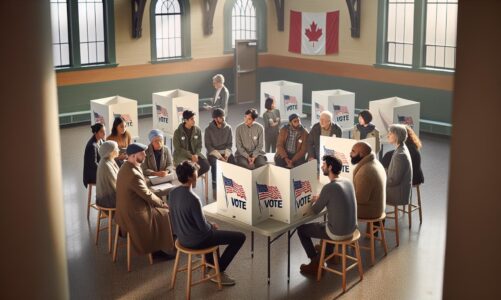
Hutterite voting in Canada represents a distinctive intersection between Canadian constitutional voting rights and Anabaptist communal religious traditions. While adult Hutterites hold full legal rights as Canadian citizens to vote in federal, provincial, and municipal elections under the Canadian Charter of Rights and Freedoms, electoral participation is typically mediated by colony leadership consensus, prioritizing communal unity and agricultural policy over partisan politics.
Did you know that while voting is a essential right in Canada, not all communities engage with it likewise? The Hutterites, a communal religious group known for their close-knit lifestyle, offer a unique perspective on voting practices within Canada’s democratic framework. Understanding whether and how Hutterites participate in elections sheds light on broader questions of cultural values, civic engagement, and the balance between individual rights and communal beliefs. For readers curious about how diverse communities navigate participation in the democratic process, exploring the Hutterite approach provides valuable insights into the complex relationship between tradition and modern citizenship. This article unpacks the history, challenges, and current realities of Hutterite voting, offering a clear look at how communal identity shapes political involvement in Canada. By delving into this topic, you’ll gain a deeper gratitude of the varied ways democracy is experienced across the country and why it matters for inclusive portrayal.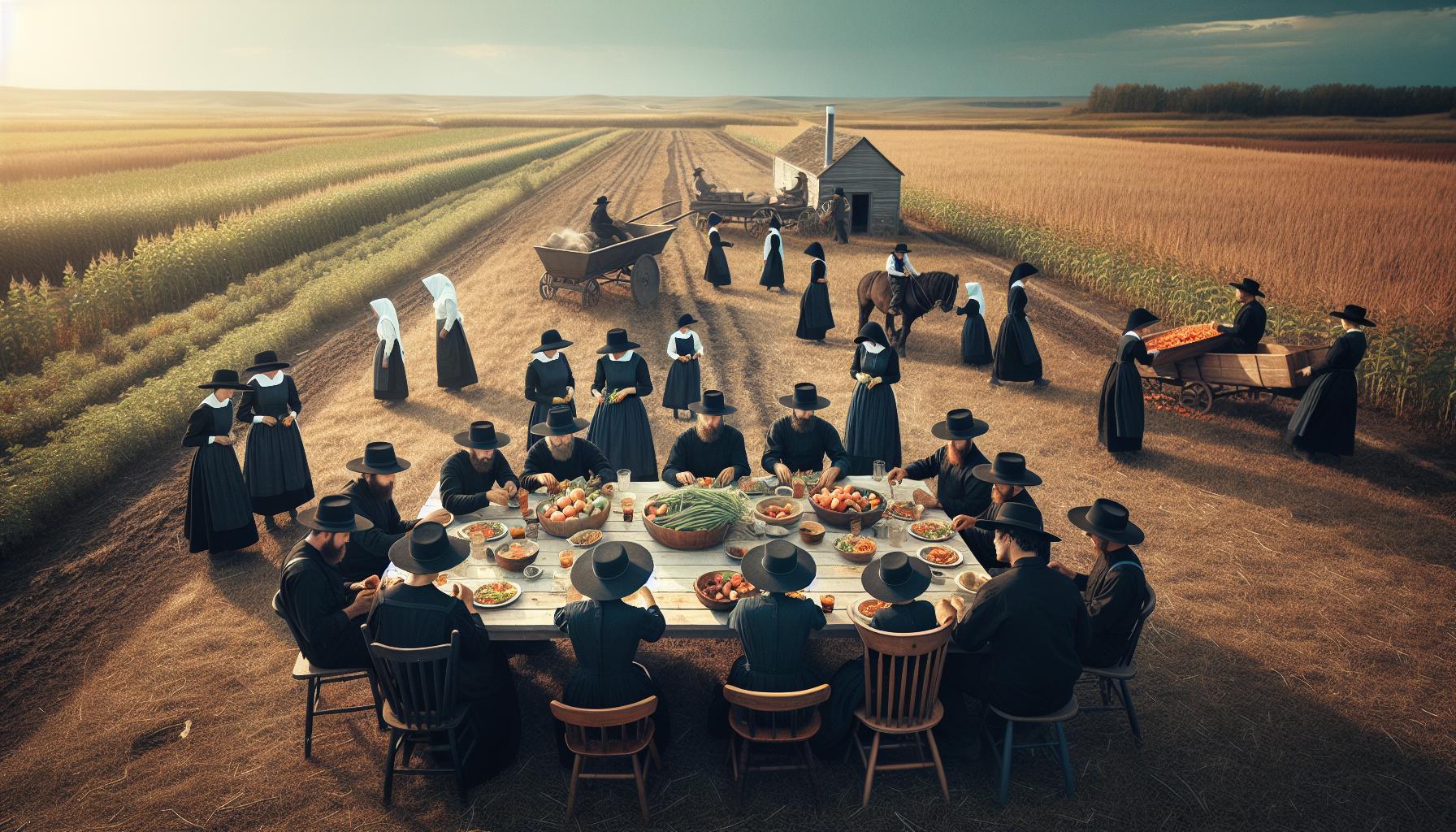
Table of Contents
- Understanding the Hutterite Community and Culture
- Historical Context of Hutterite Political Engagement
- Charter Rights vs. Theological Neutrality: Section 3 Freedoms in Communal Colonies
- Legal and Social Factors Influencing Hutterite Voting Rights
- Patterns and Trends in Hutterite Voting Participation
- Impact of Communal Living on Individual Voting Behavior
- Comparison of Hutterite Voting with Other Communal groups
- Challenges and Misconceptions About Hutterite Electoral Involvement
- How Canadian Electoral Systems Accommodate Communal Voting
- Influence of Religion and Leadership on hutterite Voting Decisions
- Case Studies of Hutterite Voting in Recent Canadian Elections
- The Role of Education and Awareness in Encouraging Voting
- future Prospects for Hutterite Political Participation in Canada
- Communal Religious Traditions and Charter Rights to Political Participation
- Frequently asked questions
- Q: How does communal decision-making influence Hutterite voting behavior in Canada?
- Q: What challenges do Hutterites face when participating in Canadian elections?
- Q: Why is there limited public data on Hutterite voting patterns in Canada?
- Q: How do Canadian electoral laws accommodate the unique voting needs of Hutterite colonies?
- Q: Can Hutterite communal leadership influence election outcomes within their communities?
- Q: What role does education play in encouraging voting among Hutterite youth?
- Q: how does Hutterite voting compare with other communal religious groups in Canada?
- Q: When have Hutterites historically shifted their political participation in Canada?
- Insights and Conclusions
Understanding the Hutterite Community and Culture
The Hutterite community represents a distinct example of communal living rooted in deep religious tradition and shared values.Originating from 16th-century Anabaptist movements in Europe, Hutterites emphasize collective ownership, mutual aid, and simplicity in daily life. Their colonies, often set in rural areas of Canada and the northern United States, are largely self-sufficient, with members pooling resources and responsibilities rather than prioritizing individual wealth or status.This tight-knit social fabric profoundly shapes their cultural practices and outlook, including how they relate to broader societal institutions like political systems.
At the heart of Hutterite culture is a strong sense of community governance,where key decisions-including those related to colony management and religious practice-are made collectively through elected leadership roles such as Ministers and Secretaries. This democratic element within the colony, however, operates differently from conventional Western political structures, as the community prioritizes consensus and spiritual guidance over individual political autonomy. The way these internal decision-making processes function provides notable context for their relationship to public voting, highlighting the balance Hutterites maintain between individual rights and communal duty.
- Shared ownership and communal resources: Property and income are held collectively, which fosters interdependence and reduces personal competition.
- Religious foundation: Daily life,education,and social norms are deeply influenced by their Anabaptist beliefs,stressing humility,peace,and obedience.
- Community roles: Leadership positions are earned through election, reflecting trust and spiritual stewardship rather than political ambition.
Understanding these cultural underpinnings is crucial for anyone exploring why Hutterites might approach voting in Canada with unique perspectives. Their decisions about participation in elections are not merely political acts but are informed by centuries of communal living and theological reflection. For readers seeking to engage with or respect the Hutterite way of life, appreciating this interplay between faith, community, and governance offers meaningful insight into their complex social dynamics.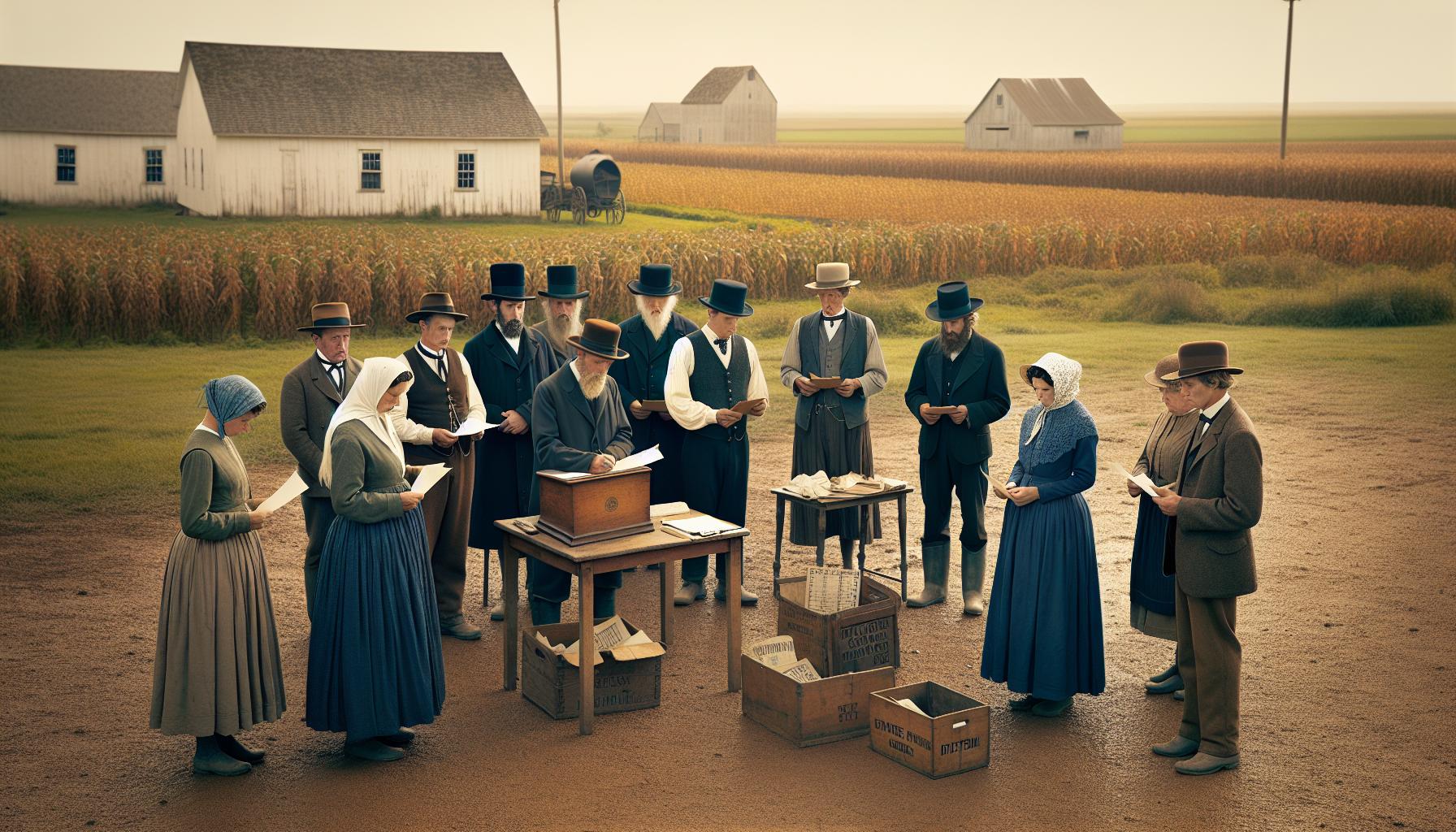
Historical Context of Hutterite Political Engagement
Few religious communities illustrate the interplay between faith, communal identity, and political engagement as distinctly as the Hutterites. Originating from the radical Anabaptist movements of the 16th century, their early experiences with persecution and displacement deeply shaped their political stance. Historically, Hutterites distanced themselves from broader political arenas, choosing rather to focus on their internal community governance and spiritual objectives. This historical caution towards state involvement often translated into a measured approach to voting and political participation once they settled in North America.
When Hutterites established colonies in Canada during the late 19th and early 20th centuries, they brought with them these inherited values of separation from secular authorities, prioritizing communal unity and religious obedience over individual political expression.Voting, unlike private matters within the colony, was viewed through a complex lens balancing their duties as citizens with their spiritual commitments. While Canadian laws guaranteed Hutterites the right to vote, historically many refrained or engaged minimally in political processes, reflecting both their communal decision-making ethos and hesitance toward secular political influence.
internal Governance as a Foundation for Political Decisions
Hutterite colonies operate on a democratic yet spiritually guided model where all adult members participate in choosing leaders like Ministers and Secretaries by majority vote. This familiar practice of communal ballots within the colony fosters a collective sense of responsibility and exemplifies their belief in shared stewardship over individual power. However, this process differs markedly from typical electoral voting in democratic societies because it is deeply interwoven with religious accountability and consensus-seeking. Understanding this internal political foundation is key to grasping why Hutterite individuals may approach public elections with caution or defer voting decisions to the colony’s leadership consensus[[1]](https://en.wikipedia.org/wiki/Hutterites).
Shifts in Political Engagement Over Time
over the decades, as Canadian society has evolved and legal frameworks more explicitly protected minority rights, some Hutterite communities have gradually adapted their engagement with public voting. this evolution is neither uniform nor rapid but reflects growing awareness of civic responsibilities balanced against religious traditions. Some colonies now encourage voting as an expression of conscientious citizenship while still valuing collective discernment in how and when to participate. for example, younger generations educated outside the colony may be more inclined to vote individually whereas older members might maintain a communal perspective on political involvement[[3]](https://hutterites.org/day-to-day/structure/decision-making/).
- Historical caution: Rooted in persecution fears, political disengagement protected community cohesion.
- Communal decision-making: Colony votes on leaders illustrate the collective nature of governance.
- Modern adaptation: Increasing emphasis on civic participation balanced with faith commitments.
the historical context of the Hutterite political engagement underscores a unique negotiation between preserving religious tradition and integrating into Canadian democratic life. Visitors, policymakers, and scholars seeking to understand or work with Hutterite communities gain invaluable insight by recognizing this nuanced past and its ongoing influence on voting behavior today.
Charter Rights vs. Theological Neutrality: Section 3 Freedoms in Communal Colonies
The constitutional foundation of Hutterite voting resides in Section 3 of the Canadian Charter of Rights and Freedoms, which guarantees every citizen of Canada the democratic right to vote in elections of members of the House of Commons or of a legislative assembly. However, theological tenets of the Schleitheim Confession (1527) and two-kingdom theology have historically urged strict separation from worldly political governance:
- Conscientious Electoral Participation: Rather than viewing the ballot as an assertion of individual political identity, colonies that choose to participate frequently do so through collective discernment, casting ballots on issues directly impacting land ownership, rural taxation, and communal property rights.
- Secret Ballot Mechanics: Canadian electoral law ensures that every vote cast at polling stations (or mobile voting stations servicing remote rural areas in Alberta, Saskatchewan, and Manitoba) is strictly private, preserving individual choice even within communal cultures.
- Religious Accommodation in Identification: Historical jurisprudence—including supreme court precedents regarding photo identification requirements—has navigated religious objections to photography while establishing robust statutory verification methods for voting eligibility.
Legal and Social Factors Influencing Hutterite Voting Rights
In Canada,legal recognition of voting rights for minority religious groups like the Hutterites has evolved alongside broader human rights protections,laying a foundation that affirms their place within democratic society while respecting communal values. Even though Hutterites hold full Canadian citizenship and thus the unambiguous right to vote, their unique communal lifestyle and social norms create a nuanced landscape where legal rights and social expectations intersect in complex ways. This delicate balance affects how voting rights are exercised, often refracted through the lens of collective decision-making rather than purely individual expression.
Socially, the Hutterite commitment to community cohesion and religious obedience exerts a strong influence on electoral participation. While Canadian law imposes no barriers, the colony’s internal guidance and cultural preferences may encourage members to approach voting with caution. Frequently enough, decisions about whether and how to vote are influenced by colony leaders, who serve as spiritual and administrative authorities. This means that even though voting remains a personal right, the social fabric of the Hutterite colony plays a pivotal role in shaping political behavior, emphasizing harmony over political individualism. Such dynamics show how legal rights exist within real-world social contexts that can facilitate or limit political engagement.
Legal Accommodations and Social Norms in Practice
Government policies increasingly aim to accommodate communal ways of life while upholding electoral fairness. For example, election officials understand that Hutterite voters may prefer to vote as part of group discussions or align with recommendations from colony elders, reflecting an effective recognition of communal voting influences without compromising individual rights. Moreover, special efforts to make voting accessible-such as mobile poll stations near rural colonies-help ease logistical barriers without pressuring Hutterites to vote against communal preferences.
- Legal protections: Guaranteed voting rights under Canadian law, including protections for religious freedom.
- Social mediation: Colony leadership’s influential role in shaping voting decisions within communal values.
- Practical adaptations: Election services accommodating rural and communal living situations.
Understanding these factors underscores the importance of viewing Hutterite voting as a dialog between legal frameworks and deeply rooted social traditions. It also highlights why external observers must approach electoral participation in Hutterite communities with sensitivity, recognizing that voting behavior is embedded in collective identity and faith-based priorities alongside Canadian civic rights[[1]](https://en.wikipedia.org/wiki/Hutterites).
Examples Illustrating legal and Social Interplay
In Alberta during the mid-20th century, legal battles over Hutterite rights demonstrated both the resilience of their communal culture and the incremental adaptations to Canadian democratic norms. Despite initial reticence,court rulings reaffirmed Hutterites’ right to participate electorally,gently nudging some communities toward greater political involvement. More recently, some colonies have revisited their collective hesitations about voting, especially in provincial elections that have direct impacts on agricultural policies affecting their communal farms. These shifts show that while legal safeguards provide a foundation, social factors within colonies ultimately guide how voting is embraced or deferred.
Both Canadian electoral law and Hutterite social ethics continue to influence one another,shaping a distinctive political participation model-one that balances individual rights with a shared,faith-driven approach to civic duty. For readers interested in promoting informed engagement, recognizing these intersecting factors helps foster respectful dialogue and thoughtful support for how hutterites navigate their voting rights in Canada.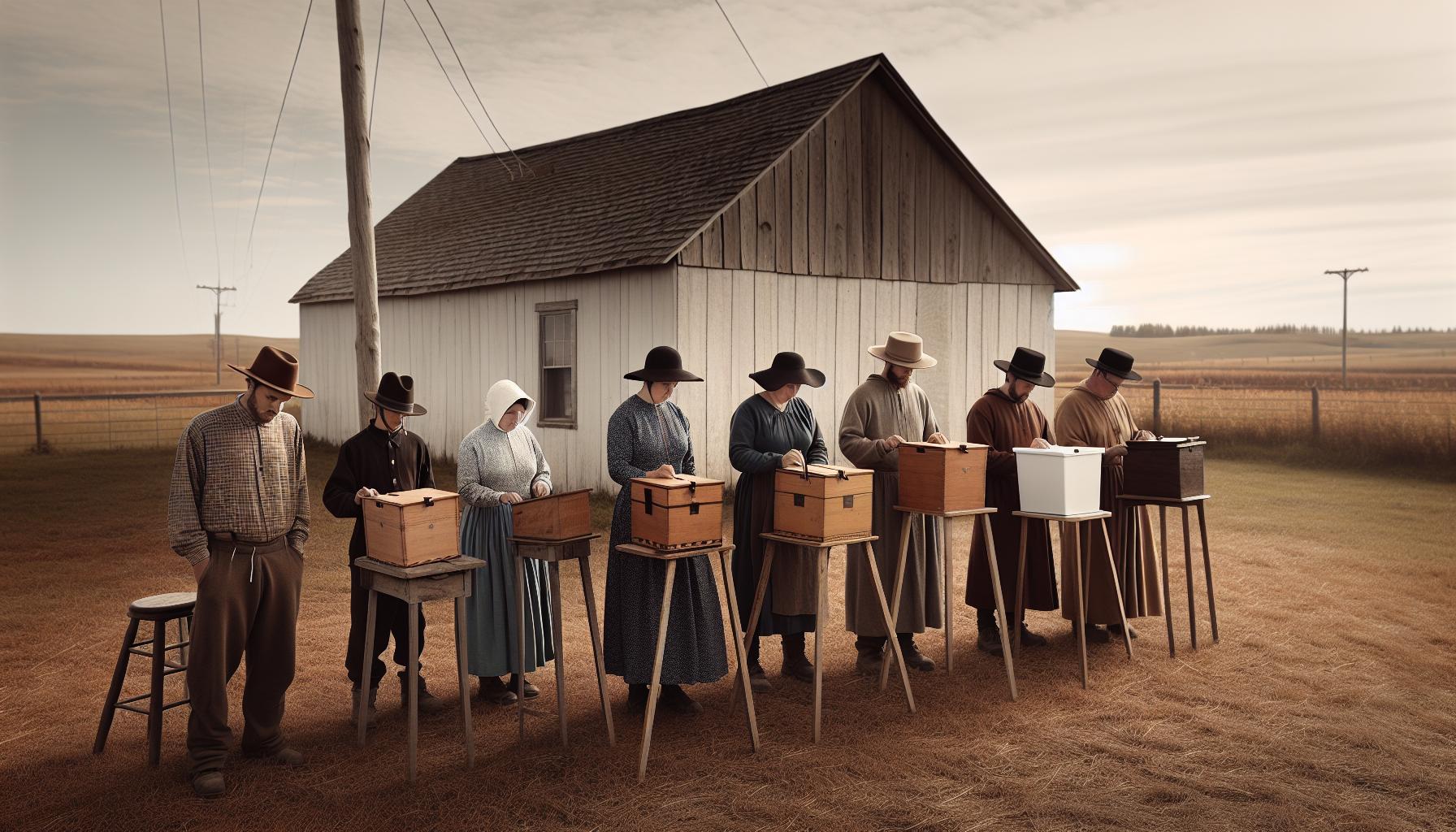
Patterns and Trends in Hutterite Voting Participation
Voting patterns among Hutterite communities reveal a distinctive blend of communal values and cautious political engagement, shaped by their commitment to group cohesion and religious principles. While every adult member holds the individual right to vote under Canadian law, actual participation varies substantially across colonies, influenced by internal discussions and leadership guidance. Some colonies adopt a more reserved approach, refraining from voting to maintain unity and avoid political divisiveness, whereas others participate selectively, especially when elections directly affect agricultural policies or local governance impacting their communal way of life.this selective participation often emerges from careful deliberations within the colony, where elders and ministers provide counsel grounded in religious teachings and practical considerations. The collective nature of decision-making means that voting is frequently approached not as a personal act but as a reflection of shared values and community priorities. In recent decades, a subtle trend has shown gradual openness to electoral involvement in certain areas, motivated by desires to protect communal interests without compromising religious convictions. However, the Hutterite ethos still generally favors political neutrality, highlighting a key tension between civic duty and communal harmony.
Key Influencers on Voting Behavior
- Colony leadership: Ministers and elders play a decisive role in framing the colony’s stance on voting, frequently enough promoting cautious engagement or abstention based on their interpretation of scripture and community needs.
- issue relevance: Participation tends to increase when elections involve direct impacts on land rights, farming regulations, or rural community support, aligning with the Hutterites’ practical concerns.
- Generational shifts: Younger members of colonies sometimes exhibit curiosity about political processes, though they still navigate these interests within the boundaries set by community norms.
These factors create a nuanced electoral landscape reflecting both respect for Canadian democratic ideals and the preservation of the Hutterites’ distinct identity. For election officials and civic educators,recognizing these patterns supports more effective engagement by respecting communal decision-making rhythms and offering voting options that accommodate collective preferences without infringing on individual rights.
Practical Advice for Engagement
For those working to support hutterite electoral participation, it is essential to approach communities with sensitivity and flexibility. This includes providing accessible voting facilities near colonies, allowing group discussions before voting, and engaging with colony leaders to understand their perspectives. Facilitating educational sessions that clarify voting procedures while honoring religious and cultural values can also ease hesitancy and empower informed decisions without pressuring participation.
By appreciating the delicate balance in Hutterite voting behavior-a balance between individual rights and community consensus-stakeholders can foster respectful, inclusive democratic participation that honors the Hutterites’ unique cultural fabric.
Impact of Communal Living on Individual Voting Behavior
Few communities illustrate the profound influence of communal living on individual civic choices better than the Hutterites. Rooted in a shared commitment to collective ownership and mutual accountability, the daily lives of Hutterite members revolve around consensus and cooperation, shaping how each individual approaches voting-not as an isolated act, but as an extension of the community’s unified voice. This interconnected dynamic means that voting decisions frequently enough emerge from group discussions, where the potential impact on the colony’s welfare and cohesion takes precedence over personal political preferences.In practical terms, the communal surroundings encourages members to seek guidance from colony leaders such as ministers and elders, whose perspectives carry significant weight in shaping collective attitudes towards elections.This leadership acts as a moral and strategic compass, helping the community navigate the balance between exercising democratic rights and preserving internal harmony. For instance, when elections pertain directly to agricultural policies or local governance affecting the colony’s livelihood, collective deliberations may lead to encouraged participation-reflecting a protective stance towards communal interests. Conversely, in situations deemed politically divisive or irrelevant to their way of life, the community may collectively choose abstention, emphasizing their priority on spiritual and social unity.
How Communal Values shape Voting Decisions
- Consensus over individualism: Members typically discuss electoral options as a group before making decisions, ensuring actions reflect shared values rather than individual impulses.
- Leadership guidance: Ministers and elders provide interpretive frameworks that connect political decisions to religious teachings, promoting cautious or selective voting.
- Protecting communal interests: Voting participation often aligns with issues directly impacting land, farming, or local services essential to the colony’s sustainability.
- Minimizing conflict: By approaching voting as a collective matter, colonies reduce the risk of internal divisions that could arise from differing political views.
For election officials and civic educators, understanding this tightly knit ecosystem is vital. Strategies that acknowledge the communal context-such as coordinating voting opportunities near colonies and involving leadership in awareness campaigns-respect the Hutterites’ social structure while encouraging informed participation. Encouraging open dialogue within colonies about political processes,without pressuring individuals,helps honor the community’s values and supports members in making voting choices that align with their shared ethos.
In essence, the communal lifestyle fundamentally transforms voting from a personal civic duty into a carefully mediated communal act. The result is a nuanced interplay between individual rights and collective identity, where the social fabric and spiritual convictions of the Hutterites work together to shape their unique pattern of electoral engagement.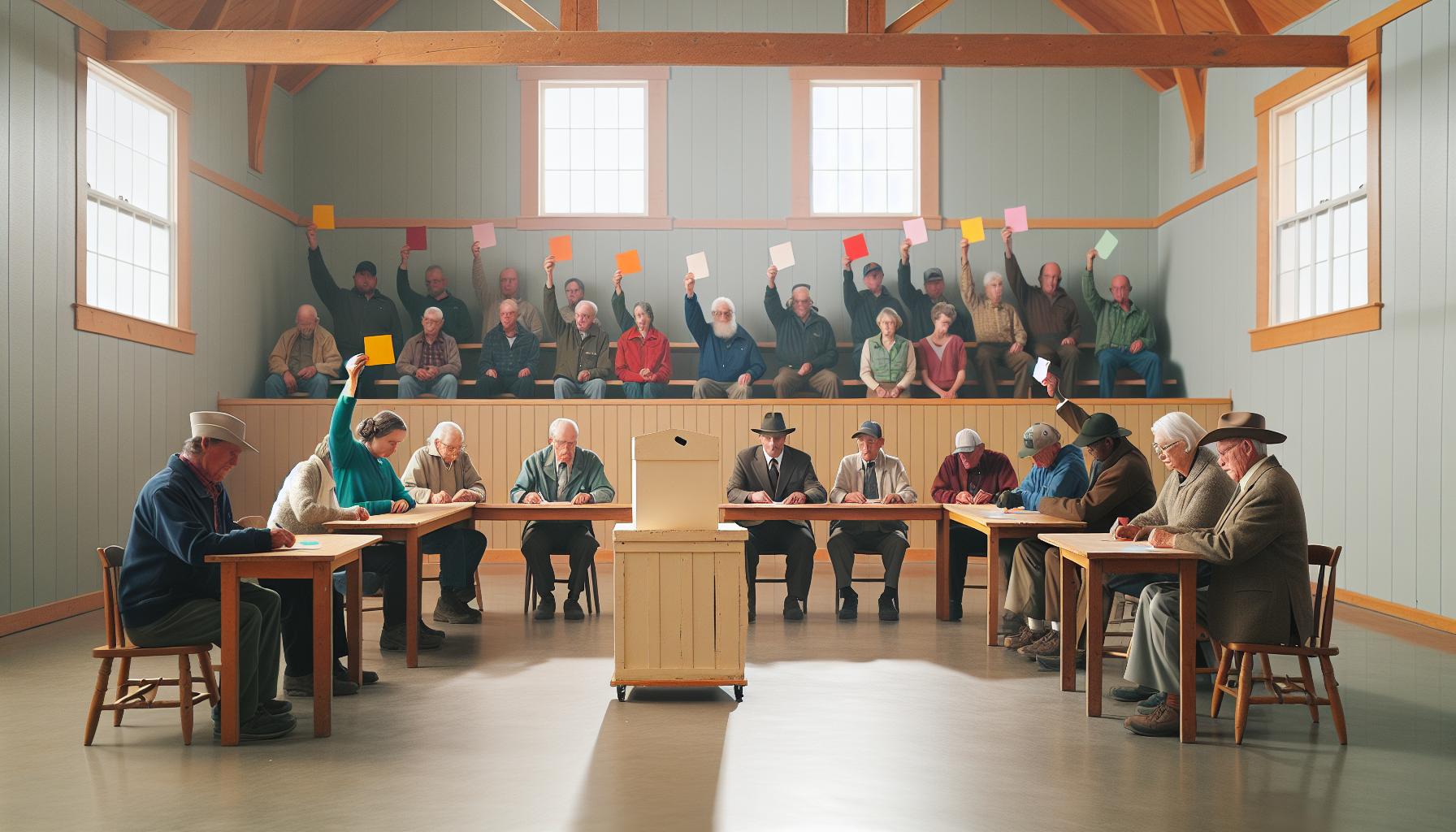
Comparison of Hutterite Voting with Other Communal groups
Communal groups across North America exhibit fascinatingly diverse approaches to voting,shaped by their spiritual values,social structures,and historical experiences. The voting behavior of Hutterites, with their emphasis on collective consensus and strong leadership guidance, offers a distinct contrast to other communal or ethnoreligious groups like the Amish or Mennonites, whose engagement with electoral politics frequently enough reflects different balances between individual autonomy and community influence. Understanding these differences provides valuable insights into how communal identity intersects with civic participation.
For instance, the Amish are generally more reticent to participate in government politics, guided by principles of separation from the worldly political system and a focus on maintaining simplicity and humility. While individual Amish members technically have voting rights and can exercise them, the community does not typically organize or encourage electoral involvement, frequently enough viewing such participation as potentially disruptive to spiritual harmony. The Mennonites, meanwhile, tend to display a broader range of political engagement, with many congregations actively encouraging informed voting aligned with Christian ethics, yet still valuing individual conscience in the decision-making process. In contrast, hutterites prioritize a communal decision-making process where voting decisions are frequently enough discussed and decided collectively, reflecting a shared responsibility rather than an individual choice.
Key Differences in Communal Voting Practices
- decision-Making Structure: Hutterites rely heavily on colony leadership and community consensus, while groups like the Mennonites emphasize individual discernment within a faith-informed framework.
- Political Engagement Level: Hutterites may selectively engage depending on issues affecting their communal life (e.g., farming policies), whereas Amish engagement is minimal and Mennonites frequently enough actively participate on a broader range of issues.
- Role of Religion and Tradition: All three groups integrate religious teachings with civic behavior, but differ in the extent to which political involvement is seen as compatible or necessary relative to spiritual priorities.
This communal approach of the Hutterites has practical implications for voter outreach and electoral processes in Canada.Officials aiming to increase participation among Hutterite colonies benefit from recognizing the importance of engaging colony leaders and framing issues in ways that resonate with communal interests. Conversely, outreach to other communal groups might need to adopt tailored strategies that respect the nuances of individual versus collective decision-making and varying openness toward political involvement.
| Communal Group | Voting Orientation | Decision-Making Style | Political Engagement Focus |
|---|---|---|---|
| Hutterites | Selective and communal | Consensus and leadership-guided | Issues directly affecting the colony |
| Amish | generally non-participatory | Individual, with community caution | Minimal-Bible-based separation from politics |
| Mennonites | Active and individual conscience | Individual within faith ethics | Broad civic and social issues |
By appreciating these distinctions, civic educators and policymakers can better foster constructive political participation that honors both communal values and democratic rights. This approach not only strengthens voting turnout but also respects the unique cultural fabric that groups like the Hutterites contribute to Canada’s diversity.
Challenges and Misconceptions About Hutterite Electoral Involvement
Few communities embody the principle of collective decision-making quite like the Hutterites, whose political participation often challenges common assumptions about voting behaviors in communal societies. A significant misconception is that Hutterites do not vote at all,stemming from their communal lifestyle and religious commitments that prioritize unity and shared values over individual expression. In reality, Hutterite voting is nuanced, deeply intertwined with their faith and social structure, and selective rather than absent. Understanding these subtleties helps dispel myths and highlights the importance of respecting their unique approach to civic engagement.
One frequent challenge arises from the perception that Hutterites are politically disengaged due to their strict communal living. Instead, their voting behavior reflects a collective process where decisions are typically made through consensus under the guidance of colony leadership. This structure can be misunderstood as coercion or lack of autonomy, yet it is rooted in a deeply held belief that submitting personal will for the greater good strengthens both faith and community. Recognizing this communal decision-making framework is crucial for political organizers and policymakers seeking to engage Hutterite voters effectively.
Common Misunderstandings and Practical Insights
- Individual vs. Collective Choice: While members legally possess the right to vote independently, Hutterite practices emphasize group reflection and leadership consultation before elections, prioritizing colony welfare over personal preference.
- Selective Political Engagement: Hutterites often vote primarily on issues impacting their communal life, such as agriculture policy or rural growth, rather than broad partisan politics, which can lead to the misconception that they are politically apathetic.
- Legal and Social Constraints: Historical controversies surrounding voter identification and residency requirements have sometimes hindered their participation, reinforcing stereotypes about disengagement, though these obstacles have been challenged successfully in courts.
To foster better electoral inclusion, election officials and civic educators should approach Hutterite communities with cultural sensitivity, acknowledging their collective mindset. Outreach efforts that involve colony elders and frame political issues in terms of communal impact rather than individual gain can yield higher participation rates. Additionally, clarifying legal voting rights and accommodating colony-specific needs improves trust and accessibility. For example, some colonies have advocated successfully for voting arrangements that respect their communal identity, such as mobile polling stations or group voting processes that align with their traditions[[1]](https://peacefulsocieties.uncg.edu/canadian-election-politics-and-the-hutterites/).
In sum, overcoming challenges in understanding Hutterite electoral involvement requires moving beyond surface assumptions, appreciating the role of faith-guided leadership, and the communal ethos in shaping political participation. Embracing these perspectives allows for more effective engagement strategies that honor both democratic principles and the Hutterite way of life.
How Canadian Electoral Systems Accommodate Communal Voting
The Canadian electoral system’s flexibility plays a crucial role in accommodating the unique communal voting practices of the Hutterite communities. While Canadian law upholds the individual right to vote,election authorities recognise that some voters live in close-knit colonies where decisions and perspectives are often shared collectively.This understanding has prompted tailored approaches that respect Hutterite cultural values without compromising the integrity of the democratic process.
Several provinces have implemented practical measures to ensure Hutterite voters can participate more easily and comfortably. For example, mobile polling stations or special voting days are arranged to visit remote colonies, minimizing travel barriers and respecting the colony’s communal lifestyle. These accommodations help address logistical challenges such as transportation difficulties or strict communal routines that might otherwise reduce voter turnout. Such adaptations demonstrate a commitment to inclusion by bringing the democratic process physically closer to voters whose social environment differs from that of urban populations.
Legal Provisions Supporting Communal Voting Needs
- Voter Identification Flexibility: Recognizing that conventional residential addresses may not apply neatly to communal living, election officials offer tailored ID verification methods that take colony structure into account.
- Group voting Awareness: While voting must remain confidential and individual, officials acknowledge group discussion and decision-making dynamics and approach community engagement accordingly.
- Election Outreach: Engagement with colony elders and leaders ensures that election information is communicated effectively, often through community meetings or printed materials framed around collective interests.
Such as, some Hutterite colonies have successfully advocated for voting stations located nearby or at their colonies during elections, enabling entire communities to participate without disrupting their daily lives.This approach contrasts starkly with rigid systems that require all voters to travel significant distances to centralized polling locations. By responding to the distinctive needs of communal groups, Canadian election agencies demonstrate a model of inclusivity that balances respect for cultural practices with the maintenance of secret, individual ballots.
Practical Tips for Election Organizers and Civic Educators
To foster meaningful engagement, election officials and educators working with Hutterite communities might consider:
- Collaborating closely with colony leadership: Gaining trust and insight into community rhythms encourages respectful, culturally appropriate outreach.
- Emphasizing the communal impact of elections: Messaging focusing on policies affecting agriculture, rural development, and shared resources resonates well with communal values.
- Facilitating flexible voting options: Offering mail-in ballots or advance polls tailored to colony schedules supports higher participation.
These strategies underscore Canadian electoral systems’ recognition of diversity in voting experiences and the importance of creating pathways that honor both collective identities and individual democratic rights.By embracing such accommodations, Canada enables Hutterite voters to express their political voices in ways that are authentic to their communal life while participating fully in national and local elections.
This interplay between legal frameworks,adaptive logistics,and respectful community engagement offers a compelling model for accommodating communal voting preferences across diverse cultural contexts within Canada.
Influence of Religion and Leadership on hutterite Voting Decisions
Within Hutterite communities, religious principles and leadership structures play a pivotal role in shaping members’ voting behaviors and political engagement. Unlike many individualistic societies, decision-making in Hutterite colonies often reflects a collective spirituality where leaders-notably Ministers and Elders-offer guidance rooted in shared faith and communal values. This unique dynamic means that political choices are frequently viewed through the lens of religious teachings and the overall welfare of the colony, rather than personal preference alone.
The Ministers, who are elected by the community for their spiritual and administrative leadership, hold significant influence over how information about elections and candidates is interpreted for the colony. Their role extends beyond spiritual care into daily governance, which naturally includes framing political participation as a communal responsibility. When election issues intersect with topics that affect the colony-such as agriculture policies,education,or rural development-the guidance from these leaders often encourages the community to vote in ways that align with the collective good and uphold religious values [[1]](https://hutterites.org/day-to-day/structure/election-ministers/).Consequently, when facing elections, many members look to sermons, community discussions led by elected officials, and theological interpretations before casting their ballots.
Leadership as a Bridge Between Faith and Civic Duty
The intertwining of religious belief and practical leadership means that voting in Hutterite communities is less about individual political ideologies and more about serving the colony’s spiritual and material welfare. Elders and Ministers often organize group discussions to ensure all members understand the stakes of an election in a context that honors their faith and traditions. These gatherings emphasize shared values such as stewardship, community cohesion, and peace, which can shape voting preferences toward candidates or parties perceived as supportive of these priorities.
- Collective Guidance: voting decisions usually follow detailed group conversations facilitated by elected leaders, reducing confusion and aligning individual votes with communal interests.
- Religious Framing: Election issues are interpreted through scriptural and doctrinal insights, helping members reconcile their civic duties with their faith.
- Trust-based Leadership: Because Ministers are elected and respected for their spiritual and administrative wisdom,their electoral advice carries considerable weight within the colony.
Practical Tips for Engaging with Hutterite electoral Practices
For election officials, educators, and civic organizers aiming to work effectively with Hutterite voters, recognizing the central role of religious leadership is essential. Approaches that respect the colony’s decision-making process-by involving Ministers in election communication,such as-build trust and improve meaningful participation. tailoring voter education materials to reflect communal values and framing political engagement as an extension of religious stewardship can resonate deeply.Moreover, respecting the elected leaders’ role by consulting them before introducing new voting initiatives or materials acknowledges the unique social structure of hutterite life and ensures that election campaigns are culturally sensitive. This practice often results in higher turnout and stronger electoral integrity within these colonies.
By appreciating how faith and leadership intertwine to influence voting, observers and participants alike gain a clearer understanding of why Hutterite voting patterns differ from mainstream practices. This insight encourages more thoughtful dialogue about religious communal voting and highlights the importance of collaboration between election authorities and faith-based communities in Canada and beyond.
Case Studies of Hutterite Voting in Recent Canadian Elections
Election cycles involving hutterite colonies in Canada reveal a captivating interplay between communal values, legal frameworks, and political participation.Despite their distinctive communal lifestyle, Hutterite colonies have increasingly engaged with Canadian elections, frequently enough overcoming significant legal hurdles to ensure their voice is heard as a group. One notable example comes from Alberta, where in 2007, the Alberta Court of Appeals vetoed a government requirement that voters cast ballots individually outside of their colonies-marking a clear recognition of the colonies’ communal voting customs and enabling greater access to the democratic process for Hutterite voters [[1]](https://peacefulsocieties.uncg.edu/canadian-election-politics-and-the-hutterites/). This case underscores how legal acknowledgement of communal voting can facilitate political engagement while respecting unique cultural practices.
Certain recent elections illustrate how the Hutterite community’s voting pattern aligns closely with leadership-driven consensus rather than individual partisan preference. Voting in these colonies frequently enough occurs collectively, under the guidance of elected spiritual leaders who interpret political platforms through the lens of the community’s core religious beliefs. For example, in rural ridings where agriculture and communal welfare take center stage, hutterite voters commonly rally behind candidates advocating for sustainable farming policies, rural development funding, and education programs that harmonize with their values. this collective deliberation ensures that the entire colony’s vote is cast in a unified manner, often resulting in predictable, yet highly purposeful, electoral outcomes.
Examples of Communal Voting Outcomes
| Election Year | Province | Key Voting Issue | Hutterite voting Approach | Effect on Local Results |
|---|---|---|---|---|
| 2007 | Alberta | Voting Location Accessibility | Legal victory allowing on-site colony voting | Increased Hutterite turnout and visibility |
| 2015 | Saskatchewan | Rural Economic Support | Colony-wide consensus supporting pro-agriculture candidates | Contributed to tighter races in rural constituencies |
| 2019 | Manitoba | Education and Community Services | Guided voting through Elders’ recommendations emphasizing faith-compatible policies | Solidified community’s influence in select ridings |
Insights and Practical Advice for Election Officials
Understanding these case studies provides valuable lessons for election officials and civic educators.When engaging with Hutterite voters,it is crucial to recognize the communal structure as not just a social arrangement but a decisive political force. Officials should consider:
- Cooperation with Colony Leaders: Prior coordination with Ministers and Elders ensures election processes respect communal decision-making timelines and practices.
- Facilitating In-Colony Voting: Advocating for or implementing voting measures that allow ballots to be cast within the colony reduces turnout barriers and honors communal traditions.
- Tailored Voter Education: Educational materials that reflect the community’s values and collective framework can enhance informed participation.
By integrating these insights, election stakeholders can foster more inclusive and culturally sensitive democratic participation, helping to bridge the gap between traditional communal lifestyles and modern political processes in Canada.
recent Canadian elections demonstrate that while the Hutterite community’s voting style remains grounded in collective religious leadership and communal decision-making,it is by no means at odds with the democratic system. Instead, with thoughtful accommodation and respect, their voting practices enrich the political landscape and highlight the adaptability of Canada’s electoral frameworks to diverse cultural contexts.
The Role of Education and Awareness in Encouraging Voting
Voter education plays a transformative role in bridging the Hutterite community’s unique communal decision-making traditions with Canada’s democratic electoral system. While voting within Hutterite colonies is typically guided by spiritual leaders and collective consensus,fostering greater awareness around the mechanics and significance of elections helps community members connect their shared values with broader civic responsibilities. Education tailored to the Hutterite worldview can demystify voting procedures and address practical challenges, empowering the colonies to participate confidently and purposefully.
One effective approach involves collaborating closely with colony leaders to deliver culturally relevant voter information that resonates with communal beliefs.Such initiatives often focus on explaining key election dates, the importance of confidential ballots, and how government policies impact issues central to Hutterite life-like agriculture, education, and rural development. By framing voter education within familiar social and religious contexts, educators can enhance comprehension and engagement. For example, incorporating storytelling or discussion formats that mirror the community’s practice of collective dialogue encourages critical reflection on political choices in a way that feels both natural and respectful.
Practical Strategies to Enhance Voting Awareness
- Customized Educational Materials: Use simple, clear language and visuals that align with communal values to explain voting rights, procedures, and key issues.
- Workshops with Spiritual Leaders: Involve ministers or elders directly in voter education sessions to reinforce trust and legitimacy.
- On-site information Sessions: Hold presentations within colonies to reduce barriers related to travel or unfamiliar settings.
- Peer Sharing and Encouragement: Promote discussions among community members to spread awareness through trusted interpersonal networks.
These methods not only improve logistical knowledge but also strengthen the sense that voting is an extension of the community’s collective faith and stewardship. By linking political participation with spiritual and social identity, awareness campaigns can nurture a more informed electorate that respects both Hutterite traditions and Canadian democratic values.
Real-World Impacts of Awareness Efforts
Several recent Canadian elections have demonstrated tangible benefits when voter education is adapted sensitively to Hutterite contexts. For instance, in Manitoba’s 2019 provincial election, elders’ active involvement in educating their communities about candidates’ stances on education and community services helped solidify the colony’s united voting approach. Increased turnout and clearer communication with election officials emerged as direct outcomes, helping the community wield meaningful influence while maintaining its cohesion. These successes underscore the critical role of awareness not just for participation rates, but for enhancing the quality and intentionality of Hutterite voting practices within the Canadian democratic framework.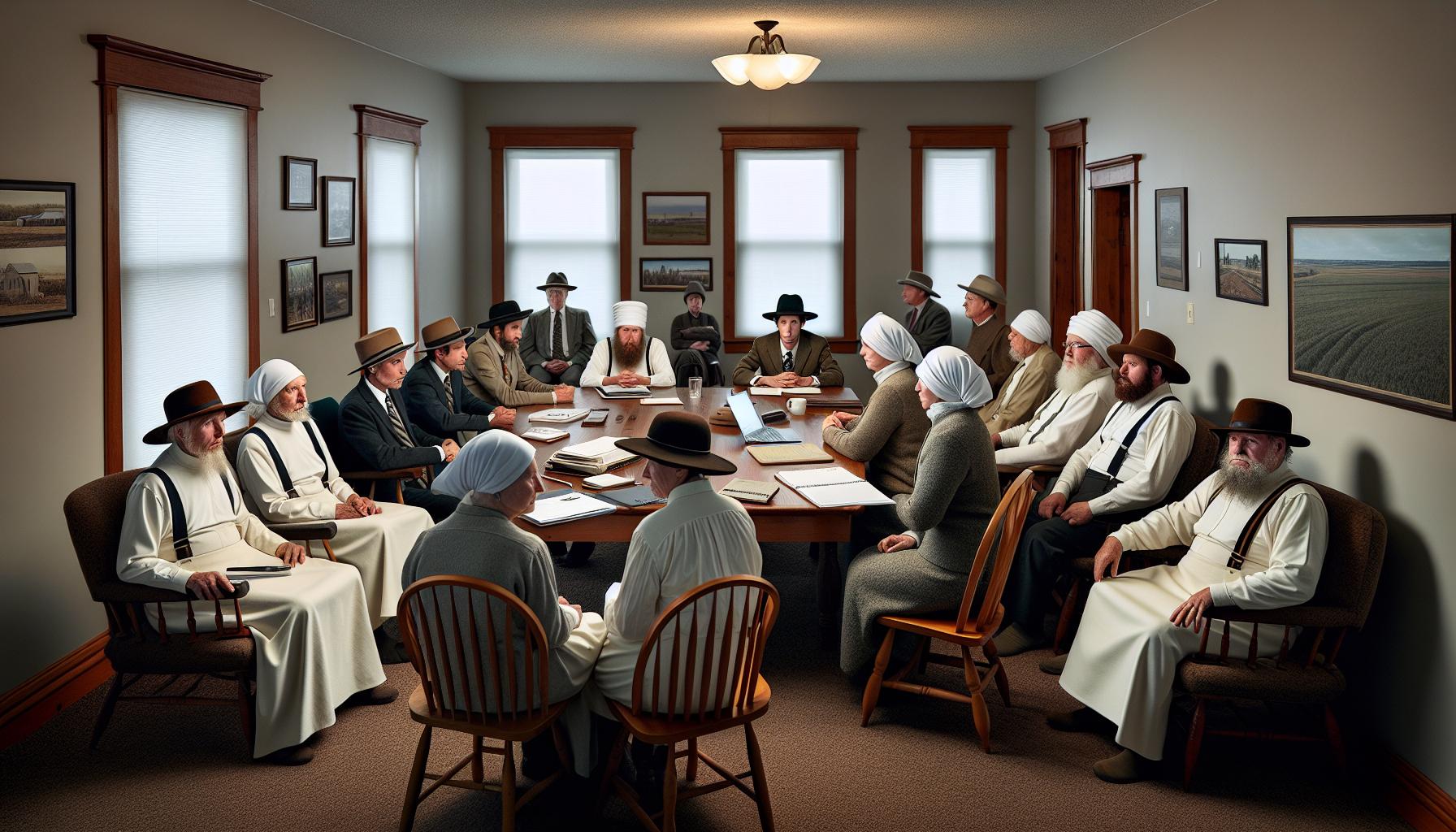
future Prospects for Hutterite Political Participation in Canada
In recent years, the evolving interplay between traditional Hutterite communal values and the democratic framework of Canada suggests a cautiously optimistic outlook for greater political participation within these communities. Despite their historical reticence toward individual electoral engagement, the increasing awareness initiatives and respectful dialogue around voting rights indicate a path forward where Hutterite voices can be both preserved and amplified. This trajectory hinges largely on the continued collaboration between colony leadership and external election bodies to ensure culturally sensitive access and education about political processes.
One promising development is the growing recognition of the unique Hutterite governance system,which blends spiritual leadership with community decision-making,as compatible with collective voting approaches. Unlike conventional individual ballots, many Hutterite colonies adopt consensus or elected representatives to cast votes that reflect the colony’s unified position. This approach respects their core communal ethos while still aligning with Canadian electoral laws, opening space for political engagement that honors tradition. Encouraging and supporting such models can help reduce barriers that have long discouraged individual members from participating in elections and enhance the meaningfulness of their contributions.
Steps Toward Enhanced Political Integration
- Strengthening Trusted Partnerships: Continuous engagement between electoral officers and colony elders helps build mutual understanding and trust, which is crucial for overcoming logistical or ideological hurdles.
- Tailored Civic Education: Developing voter education programs that integrate Hutterite values, possibly delivered by community insiders, can demystify voting and increase enthusiasm without compromising religious principles.
- Recognition of Communal voting Practices: Legal frameworks could be further adapted to formally acknowledge communal ballots or representation models reflective of Hutterite governance, making voting more accessible.
- Encouraging Youth Participation: As younger generations become more aware of their dual identities-as Hutterites and Canadian citizens-supporting their political literacy will be key to future engagement.
While challenges remain, including balancing religious convictions with the demands of civic participation, recent examples demonstrate that Hutterite communities can navigate these complexities successfully. As an example, Manitoba’s 2019 provincial election saw several colonies actively informed and participating through their elders, reinforcing that political involvement need not dilute communal cohesiveness but can rather serve to protect and advocate for community interests within the broader democratic stage.
Looking ahead,fostering respectful dialogue that bridges indigenous Hutterite values with the Canadian political system will be essential. As awareness increases and election frameworks become more accommodating, Hutterite political participation is highly likely to grow not only in quantity but in the quality of engagement-reflecting a nuanced commitment to faith, community, and citizenship alike. The future holds promise for this unique population to influence public discourse and policies that impact rural life, education, and social welfare, all while preserving the integrity of their collective way of life.
Communal Religious Traditions and Charter Rights to Political Participation
The constitutional interface between religious conviction and democratic enfranchisement in Canada is governed by Section 3 of the Canadian Charter of Rights and Freedoms. Within Hutterite colonies across Western Canada (particularly in Alberta, Saskatchewan, and Manitoba), the relationship with political voting reflects deeply rooted historical and legal dynamics:
- Theological Doctrine of Non-Resistance: Grounded in sixteenth-century Anabaptist theology, traditional Hutterite teachings emphasize a separation between the kingdom of God and secular government, leading many colonies to historically avoid active partisan politics.
- Unrestricted Constitutional Enfranchisement: Canadian law imposes no religious restrictions on voting eligibility. Individual Hutterite colony members who are Canadian citizens aged 18 and older possess the absolute constitutional right to cast ballots in federal, provincial, and school board elections.
- Elections Canada Rural Accommodations: Statutory election administrators coordinate with colony leadership to establish accessible mobile polling stations and respect conscientious photographic identification exemptions in accordance with the Canada Elections Act.
Frequently asked questions
Q: How does communal decision-making influence Hutterite voting behavior in Canada?
A: Communal decision-making heavily shapes Hutterite voting behavior as members frequently enough align their votes with colony consensus, ensuring collective representation.This cooperation emphasizes shared values over individual preference,reinforcing communal unity. For more on this social dynamic, see the section on *Impact of Communal Living on Individual Voting Behavior* in the article.
Q: What challenges do Hutterites face when participating in Canadian elections?
A: Hutterites face challenges such as balancing religious principles with political engagement and overcoming misconceptions about their voting intentions. Additionally, logistical barriers in remote colonies may complicate access to polling stations. The article’s *Challenges and Misconceptions About Hutterite Electoral Involvement* section offers detailed insights.
Q: Why is there limited public data on Hutterite voting patterns in Canada?
A: Limited public data exists as Hutterite voting is communal and confidential, making individual voting patterns hard to track. Their preference for privacy and collective decision-making also reduces public disclosures. Understanding this subtlety helps clarify electoral research findings linked in *Patterns and Trends in Hutterite Voting Participation*.
Q: How do Canadian electoral laws accommodate the unique voting needs of Hutterite colonies?
A: Canadian electoral laws accommodate Hutterites through provisions like mail-in ballots and mobile polling stations,facilitating voting in remote communal settings. These accommodations ensure their political participation respects both legal rights and communal lifestyles, detailed in *how Canadian Electoral Systems Accommodate Communal Voting*.
Q: Can Hutterite communal leadership influence election outcomes within their communities?
A: Yes, hutterite communal leaders often guide voting decisions, reflecting shared religious and cultural priorities. Leadership influence helps maintain voting consistency but respects individual rights under Canadian law. For an in-depth review, refer to *Influence of Religion and Leadership on Hutterite Voting Decisions* in the main article.
Q: What role does education play in encouraging voting among Hutterite youth?
A: Education promotes political awareness among Hutterite youth by highlighting the importance of civic duty and informed voting within their communal context.Access to education fosters balanced engagement, strengthening future electoral participation as discussed in *The role of Education and Awareness in Encouraging Voting*.
Q: how does Hutterite voting compare with other communal religious groups in Canada?
A: Hutterite voting is similar to other communal religious groups in prioritizing collective consensus, though distinct in its structured colony hierarchy. unlike some groups, Hutterites have unique accommodations adapting voting to communal life. See *Comparison of Hutterite Voting with Other Communal Groups* for detailed contrasts.
Q: When have Hutterites historically shifted their political participation in Canada?
A: Historical shifts in Hutterite political participation often follow changes in legislation or social integration, marking key moments when colonies became more politically engaged. Review *Historical Context of Hutterite Political Engagement* for notable examples and turning points.
—
For deeper insights, explore the linked article sections to enhance your understanding of Hutterite voting dynamics in Canada. Engaging with these topics encourages informed discussions and supports extensive knowledge on communal voting practices.
Insights and Conclusions
Understanding how Hutterites participate in Canada’s voting system offers valuable insights into communal decision-making and cultural dynamics. If you’re curious about the broader impact of communal groups on Canadian politics, explore our detailed articles on faith-Based Voting Patterns in Canada and The Role of Minority Communities in Elections. These resources can deepen your understanding and reveal trends worth following.
Don’t miss the chance to stay informed-subscribe to our newsletter for the latest updates on voting behaviors and social dynamics across Canada. If you have questions or experiences related to communal voting, share your thoughts in the comments below-we’re eager to hear from you! For further exploration, check out our guide on How Minority Communities Influence policy Changes. Engaging with these topics not only enriches your knowledge but also supports thoughtful discussions on civic participation and cultural identity.
Get our latest guides, news, and insights highlighted in your Google Search & AI Overviews.