did you know that in Canada, the right to vote is broadly protected for all citizens, regardless of mental health or cognitive disabilities? Understanding whether mentally disabled individuals can exercise their voting rights is crucial-not only for those directly affected but also for families, caregivers, and advocates seeking to support full civic participation.This article explores the legal framework that safeguards voting rights for people with mental disabilities, dispels common misunderstandings, and provides valuable resources to help navigate the electoral process confidently. By shining a light on this topic, we aim to empower readers with clear, practical information about inclusion in our democratic system and ensure no one is excluded from shaping Canada’s future. Keep reading to learn about the rights, challenges, and supports related to voting for mentally disabled Canadians, and discover how democracy truly belongs to everyone.
Table of Contents
- Voting Rights for Mentally Disabled Canadians Explained
- Legal Criteria for Voting eligibility in Canada
- Common Misconceptions About Mental Disability and Voting
- How Mental Capacity Is Assessed for Voting Purposes
- Protections Against Disenfranchisement and Discrimination
- Accessible Voting Resources for People with Disabilities
- Role of Guardians and Representatives in voting
- Impact of Voting Rights on Mental Health and Civic Inclusion
- Provincial Differences and Election Laws Affecting Disabled Voters
- Steps to Register and Vote If You Have a Mental Disability
- FAQ
- Q: How can people with mental disabilities request voting assistance in Canada?
- Q: What protections exist against discrimination for mentally disabled voters in Canadian elections?
- Q: Can guardians control or restrict the voting rights of mentally disabled individuals in Canada?
- Q: Are there specialized voting resources tailored for people with mental disabilities in Canada?
- Q: How do provincial laws impact the voting experience of mentally disabled Canadians?
- Q: When should mentally disabled individuals register to vote, and what is the process?
- Q: Why is voting critically important for people with mental disabilities in Canada?
- Q: What should a mentally disabled voter do if they encounter accessibility barriers on election day?
- To Wrap It Up
Voting Rights for Mentally Disabled Canadians Explained
Many Canadians with mental disabilities retain the full right to vote, underscoring the basic principle that voting is a cornerstone of democratic inclusion and civic engagement. The Canadian legal framework does not categorically exclude people based on mental disability; rather, it emphasizes the individual’s status as a citizen above any medical or psychological diagnosis. This inclusive approach aligns with Canada’s commitment to protect electoral rights under the Charter of Rights and Freedoms, ensuring people with mental disabilities can participate meaningfully in elections just like all other citizens.
While some may question whether mental capacity impacts voting eligibility,the law clearly avoids broad restrictions. In fact, Canadian courts and advocacy groups have reinforced that legislated barriers attempting to disenfranchise individuals based on mental incapacity are generally unlawful and run counter to democratic values. Moreover, the right to vote is interpreted broadly as not just casting a ballot, but engaging fully and effectively in the electoral process. This means that even individuals with cognitive or intellectual challenges are supported to vote with dignity and autonomy whenever possible.
Practical Support for Voters with Mental Disabilities
To help navigate the voting process, many accessible resources and accommodations are available, designed specifically with mental disabilities in mind.For example:
- Assisted Voting: Voters may bring support persons or have help from election officers to understand ballot options and complete their vote confidentially.
- Accessibility Tools: Simplified information, easy-read guides, and voting aids are often provided to ensure clarity and confidence in decision-making.
- Flexible Voting Locations: some polling stations offer quieter environments or extended voting hours to reduce stress and overwhelm.
These measures are essential in enabling all voters to participate without feeling marginalized or confused.
Guardianship and Voting Rights
It is vital to note that having a legal guardian or representative does not automatically remove someone’s right to vote. Guardianship laws vary across provinces but generally do not override an individual’s electoral rights. Rather, guardians can assist where desired, ensuring a person’s preferences and voice are respected rather than substituted. Promoting supported decision-making aligns with modern human rights standards by valuing the autonomy and will of people with disabilities over paternalistic restrictions.By framing voting as a key avenue for civic inclusion, Canadian law and society emphasize that voters with mental disabilities are equally entitled to influence the decisions shaping their communities. This recognition helps combat stigmas and empowers individuals to embrace their identity as active participants in democracy, fostering meaningful inclusion across all levels of government.

Legal Criteria for Voting eligibility in Canada
Many Canadians might be surprised to learn that mental disability itself does not bar an individual from voting in federal elections. Canadian law focuses primarily on citizenship and age rather than cognitive or psychological status when determining voter eligibility. To vote federally, one must simply be a Canadian citizen and at least 18 years old on election day, regardless of any mental health or disability diagnoses. This approach reflects the country’s strong commitment to inclusivity and equitable participation in democracy, recognizing the right to vote as a fundamental citizenship privilege[[[1]](https://www.elections.ca/content2.aspx?section=vote&dir=app&document=page-b&lang=e).
Unlike some jurisdictions where mental capacity assessments might restrict voting rights, Canada has shifted away from such practices. The absence of a legal requirement to prove mental capacity means people with mental disabilities are presumed to have the right to vote, unless explicitly disqualified under very narrow and specific legal circumstances, which are rare. Courts have consistently reinforced that voting should not be denied solely on the basis of intellectual or cognitive challenges. This ensures that electoral rights do not become a tool for unjust disenfranchisement or discrimination[[[3]](https://ccla.org/our-work/fundamental-freedoms/democratic-rights/voting-rights/).
Key Eligibility Criteria
- citizenship: Being a Canadian citizen is the foundational requirement for voting eligibility in federal elections.
- age: Voters must be at least 18 years old on election day.
- Residency and Registration: Voters must be registered on the federal voters list and provide identification proving their identity and current address.
It’s important to note that possessing a legal guardian or representative does not disqualify someone from voting. Guardianship generally pertains to decision-making in personal or financial matters and does not automatically revoke voting rights. Instead, the electoral system encourages supported decision-making, whereby individuals may receive assistance to better understand their choices without losing autonomy over their vote.
Practical Takeaways
if you or someone you support has a mental disability, the best practical advice is to focus on ensuring registration on the voters list and obtaining the necessary identification. Accepted ID documents include things like a voter information card combined with another ID that shows your name and current address, even if expired, or alternatively, two pieces of ID, one with a current address[[[3]](https://liberal.ca/voting-id-requirements/). election officers are trained to assist all voters, including those with disabilities, to facilitate a respectful and accessible voting experience.
This legal framework not only upholds the right to vote but also fosters a democratic environment where all citizens, regardless of mental ability, can participate fully and meaningfully. Advocates argue that this inclusiveness strengthens communities and affirms the dignity of individuals by recognizing their voice in the political process.
Common Misconceptions About Mental Disability and Voting
Many people mistakenly believe that having a mental disability automatically disqualifies someone from voting, but this is a widespread myth that does not hold up under Canadian law or practice. In reality, Canadian electoral rules prioritize fundamental citizenship criteria-being 18 or older and a Canadian citizen-over any assessment of mental capacity or cognitive function. This reflects a broader respect for individual rights and acknowledges that voting is a basic democratic entitlement, not a privilege granted based on perceived mental fitness. Misunderstandings about the role of mental disability in voting can discourage participation or create unneeded barriers for those who otherwise have every right to cast a ballot.
One prevalent misconception is that mentally disabled individuals lack the capacity to make informed choices at the ballot box. Though, the law explicitly avoids such subjective assessments; it recognizes that people with disabilities, including mental health conditions, are fully capable of expressing political preferences. Even for those who need support in understanding their options, the electoral system encourages assisted decision-making rather than exclusion. For example, voters can bring translators, interpreters, or trusted supporters to the polling station to help clarify the process, without sacrificing their control over the vote itself[[2]](https://elections.bc.ca/2024-provincial-election/ways-to-vote/voting-accessibility/).
Another common misunderstanding is the assumption that having a legal guardian or representative automatically revokes a person’s voting rights. While guardianship may govern areas related to finances or healthcare, it does not extend to voting eligibility in Canada. Supported decision-making frameworks emphasize empowerment rather than restriction, enabling voters with disabilities to participate meaningfully. This approach aligns with recent legal rulings that reject discrimination based on cognitive impairments and reinforce the principle that everyone’s voice matters equally in our democracy[[[3]](https://ccla.org/our-work/fundamental-freedoms/democratic-rights/voting-rights/).
- Myth: Mental disability means you cannot vote.
Fact: Eligibility depends only on citizenship and age, not mental capacity. - Myth: Legal guardianship removes voting rights.
Fact: Guardianship generally does not affect a person’s right to vote. - Myth: Voters with disabilities must prove mental competence.
Fact: Canadian law does not require a mental capacity test to vote.
Understanding and dispelling these misconceptions is crucial for fostering accessibility and confidence in the voting process. Empowering voters with mental disabilities to participate fully not only upholds their rights but also enhances community representation and inclusion. If you or someone you support has questions about voting rights or needs assistance, resources are available through provincial election offices and advocacy groups to ensure that the voting experience is respectful, supportive, and barrier-free.
How Mental Capacity Is Assessed for Voting Purposes
Voting in Canada is rooted in the principle that citizenship and age-not mental capacity-determine eligibility. Unlike some jurisdictions that impose cognitive tests or assessments before allowing someone to vote, Canadian law expressly avoids such barriers. This means there is no formal evaluation or certification process assessing a person’s mental capacity for voting purposes. The electoral system recognizes that mental disability or cognitive impairment does not inherently diminish an individual’s right to participate in democracy.
That said, supporting those who may need help navigating the voting process is a key focus. Canadian election authorities encourage voters to use any accommodations or assistance available without jeopardizing their autonomy over the ballot. Such as, electors can bring trusted people-such as family members, caregivers, or interpreters-to help explain how to vote or clarify candidates’ platforms, while the final decision and mark on the ballot remain theirs alone. This approach embodies the concept of assisted decision-making rather than exclusion, promoting inclusion and respect for voters with disabilities, including those with mental health conditions.
Why No Mental Capacity Test?
There are practical and ethical reasons for the absence of mental competency assessments tied to voting eligibility:
- Protecting Democratic Rights: Voting is recognized as a fundamental citizenship right that should not be denied based on subjective interpretations of ability.
- Avoiding Discrimination: Mandatory mental capacity evaluations coudl be misused to disenfranchise vulnerable populations, contradicting Canadian human rights standards.
- Promoting Inclusion: Every individual’s political voice is valued, regardless of cognitive status, reinforcing social inclusion and self-expression.
The Canadian legal framework rejects the notion that diminished cognitive function equates to political incompetence. Instead, it respects individuals’ autonomy and capacity to engage at their own level of understanding, supported by appropriate accommodations when necessary.
What If Someone Has a Legal Guardian?
Having a guardian or representative appointed for personal or financial matters does not translate into lost voting rights.Guardianship in Canada typically does not extend to decisions about voting unless explicitly restricted by court order,which is rare and extraordinary. People under supported decision-making arrangements can still vote, often with help navigating ballots or polling procedures, but retain control of their own vote.This aligns with recent legal trends and human rights advocacy that emphasize empowerment over exclusion.
If concerns arise about a voter’s ability to understand the ballot, election staff are trained to provide assistance while safeguarding the person’s right to vote independently and confidentially. this balance strikes a respectful tone and practical solution for inclusivity.
| Common Questions | What You Should Know |
|---|---|
| Is there a test to prove mental competence before voting? | No, Canadian law expressly does not require this. |
| Can someone with a legal guardian still vote? | Yes, guardianship usually does not affect voting rights. |
| Can assistance be allowed at polling stations? | Yes, voters can bring trusted helpers or use interpreters without losing control over their vote. |
Understanding that voting rights in Canada are preserved irrespective of mental capacity removes unnecessary obstacles and encourages civic engagement for all Canadians. If you or someone you support has questions about voting procedures or needs tailored assistance, reaching out to election offices or disability advocacy groups can provide guidance and help ensure every voice is heard.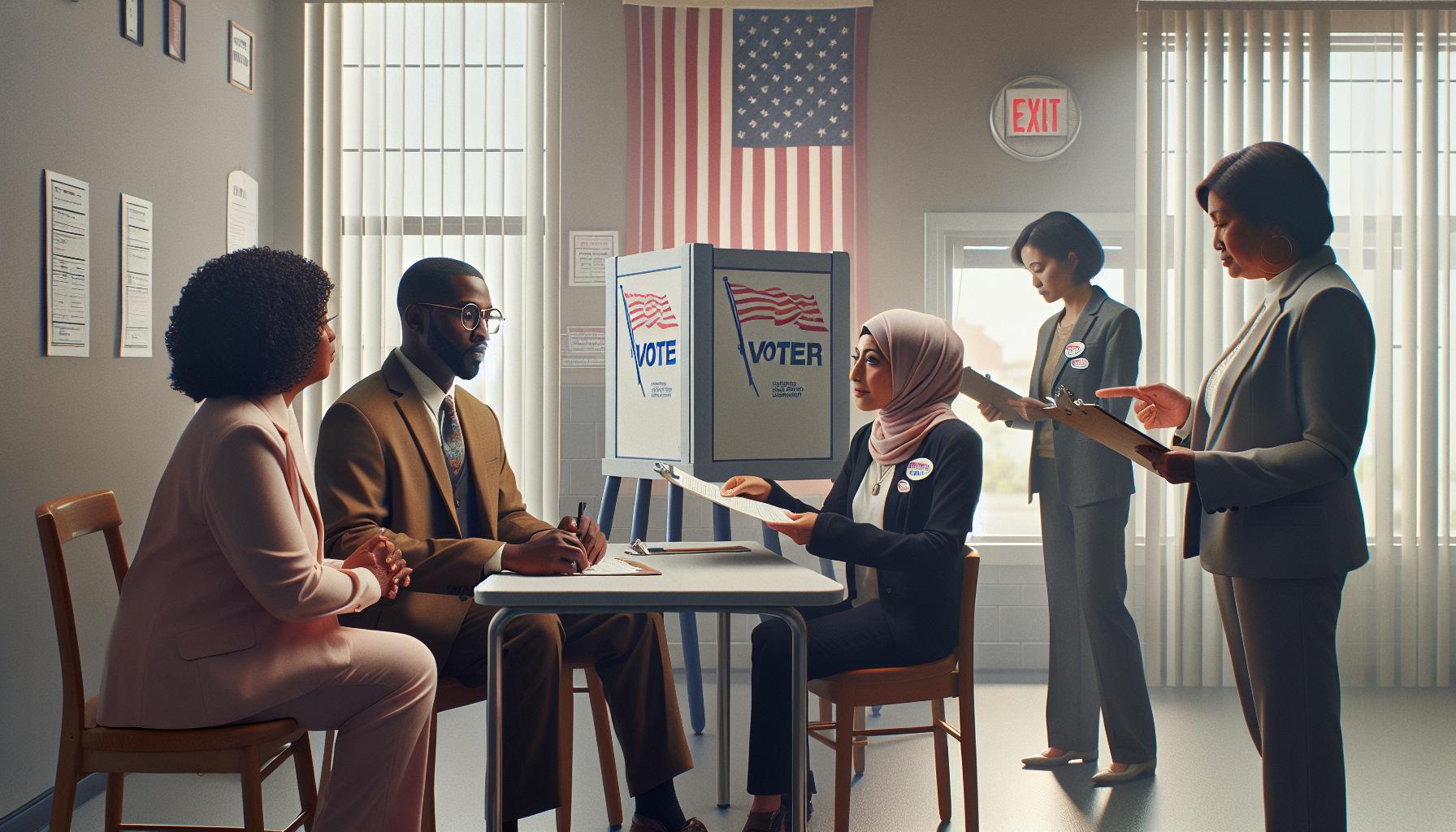
Protections Against Disenfranchisement and Discrimination
millions of Canadians with mental disabilities continue to break down barriers and assert their fundamental right to vote, supported by a legal environment designed to prevent disenfranchisement and discrimination. Despite historic challenges faced by people with disabilities worldwide, Canadian law firmly upholds that voting rights belong to all citizens regardless of mental capacity. This commitment ensures that no one is arbitrarily excluded from participating in democratic processes due to cognitive impairments or mental health conditions.
The foundation of these protections lies in both federal statutes and human rights principles that reject discriminatory practices. As an example, the Canadian Charter of Rights and Freedoms protects against unjust restrictions on the right to vote, while laws such as the Accessible Canada Act and provincial human rights codes specifically address accessibility and equal treatment for persons with disabilities. Together, these frameworks make it unlawful for election officials or any other parties to impose unnecessary barriers or question eligibility based solely on mental disability.
Key Legal Safeguards and Practical Support
Even when mental capacity is questioned, stringent legal safeguards work to prevent disenfranchisement. Voting eligibility is based on citizenship and age alone; there is no mental competency test or evaluation required.In rare cases where guardianship exists, voting rights are retained unless a clear court order states or else, which is exceptionally uncommon.This means that individuals with legal representatives continue to have full voting rights, ensuring their voices are heard rather than silenced.
- Assisted Voting Is Encouraged: Voters can bring helpers such as family members, caregivers, or interpreters to the polling station, who can explain the voting process or help understand the ballot, without influencing the person’s choices.
- Election Staff Training: Polling personnel receive specialized training to assist voters with disabilities respectfully and confidentially, promoting autonomy while providing necessary support.
- Accessible Voting Facilities: Physical and procedural accommodations, including accessible polling stations and option voting methods, help reduce barriers to participation.
These measures exemplify Canada’s approach of empowerment through inclusion and accommodation rather than exclusion due to perceived limitations. By valuing every citizen’s political voice,the electoral system helps foster not just legal equality but meaningful participation.
How to Address and Prevent Discrimination
If a person with a mental disability faces difficulties or discrimination while attempting to vote, various legal recourses and advocacy channels exist. Election authorities and human rights commissions welcome reports of any exclusionary practices or accessibility failures. Engaging these bodies early can lead to prompt resolutions and systemic improvements.Some practical steps to safeguard your voting rights include:
| Action | Description |
|---|---|
| Request Assistance | Invite a trusted helper to accompany you at the polling place to clarify procedures. |
| Know Your Rights | Understand that no mental testing or exclusion based on cognitive ability is legally permitted. |
| Report Issues | Contact election offices or human rights commissions if you encounter barriers or discriminatory attitudes. |
| use Alternative Voting Options | Explore advance polls,mail-in ballots,or accessible voting stations designed to accommodate disabilities. |
Together, these protections and resources create a voting landscape that recognizes and celebrates the democratic participation of Canadians with mental disabilities. Upholding these rights not only prevents disenfranchisement but also enriches our democracy through diverse voices and perspectives.

Accessible Voting Resources for People with Disabilities
Voting access for people with mental disabilities in Canada has advanced significantly to ensure that physical, sensory, and cognitive challenges do not translate into barriers at the ballot box. Across provinces and territories, election authorities have implemented a suite of resources designed to make voting not only possible but a dignified, respectful experience. These measures reflect a profound understanding that accessibility is multi-faceted-encompassing everything from information clarity to physical infrastructure and procedural adaptability.
Many jurisdictions offer alternative voting methods such as mail-in ballots, telephone voting, or advance polls, which help accommodate voters who may find traditional polling places challenging to navigate. Such as, some provinces provide specially designed accessible voting kits with straightforward language and large print, paired with audio aids or screen readers for those with visual impairments. Additionally, trained poll workers are available to support voters through the process without compromising their autonomy, providing clear explanations and patiently addressing any questions.
- Assistance at Polls: Voters may bring someone they trust-family members,caregivers,or support workers-to assist with reading or marking the ballot.
- Accessible Polling Stations: Locations are selected or retrofitted to include ramps, automatic doors, clear signage, and private voting booths tailored for wheelchairs or other mobility devices.
- Information in Plain Language: Election materials are increasingly offered in easy-to-read formats that eliminate jargon and simplify instructions, aiding voters who benefit from more straightforward dialog.
Additional Supportive Technologies and Services
Emerging tools further empower voters with cognitive disabilities to participate confidently. Some provinces have rolled out electronic voting aids that guide users with step-by-step prompts or allow for adjustable settings to meet individual needs. Moreover, outreach programs collaborate with disability advocacy groups to raise awareness about voting rights and available accommodations well before election day, reducing anxiety and confusion for new or first-time voters.
| Resource | Description | Who It Supports |
|---|---|---|
| Accessible Voting Kits | Plain-language ballots with tactile or audio components | Voters with visual or cognitive disabilities |
| Assisted Voting | Support persons allowed at polls to help with reading or marking ballots | Voters needing guidance without undue influence |
| Alternative voting Methods | Advance polls, mail-in ballots, telephone voting | Those unable to attend polling stations physically |
| Specialized Poll Worker Training | Training focused on respectful, confidential service for voters with disabilities | All voters requiring assistance |
While resources vary somewhat by location, the consistent theme is empowerment through choice and support rather than exclusion. Many election offices also provide hotlines or online chat services where people with disabilities can ask about their options ahead of time, ensuring their voting experience matches their needs and preferences. Ultimately, such initiatives not only uphold legal requirements but cultivate an inclusive democracy where the voices of Canadians with mental disabilities are fully embraced and valued.
Role of Guardians and Representatives in voting
In Canada, the involvement of guardians or representatives in the voting process is a sensitive and important issue that balances respect for an individual’s autonomy with the need for supportive assistance. Contrary to common fears, having a guardian does not inherently strip a person of their right to vote.In practice, guardians often play a facilitative rather than a restrictive role, helping voters with mental disabilities navigate complex electoral procedures while respecting their personal choices and preferences. This approach ensures that each voter maintains as much independence as possible.Guardians or representatives are permitted to assist with tasks such as reading or interpreting voting materials, marking ballots at the voter’s direction, or helping a voter physically access polling stations. Though, it is indeed critical that their involvement is non-coercive and focused on supporting the voter’s intent, not influencing their political decisions. Canadian election laws emphasize the voter’s right to privacy and freedom from undue influence,which means representatives must act as enablers,not decision-makers. Many jurisdictions provide guidance and training to guardians and support workers, reinforcing ethical standards and confidentiality during the voting process.
- Facilitated Balloting: Guardians can accompany voters into private voting booths, assisting as needed while ensuring that the final vote reflects the voter’s own choice.
- Legal Framework: There is no law in Canada that automatically denies voting rights based on the presence of a guardian; eligibility is primarily determined by citizenship, age, and residency.
- Empowerment Through Education: Election agencies often offer resources specifically designed for guardians and representatives to better understand how to support voter independence effectively.
It is not uncommon for families or caregivers to worry about the fairness and security of voting when a voter relies on external help. to address these concerns, many provinces have introduced accessible voting kits and alternative voting methods-such as mail-in ballots or telephone voting-that reduce the need for physical assistance at polling sites. For example, a voter with cognitive challenges might find it easier to vote independently using a mail-in ballot with clear, plain-language instructions than to rely heavily on a guardian in person.
Ensuring Respect and Autonomy in Voting support
Creating a respectful voting experience is key to reinforcing the fundamental democratic principle that all Canadians, including those with mental disabilities, deserve to have their voices heard. Guardians and representatives who approach their role with humility and care can be invaluable allies in this endeavor. Advocates also encourage voters and their families to communicate openly about preferences for assistance ahead of election day, ensuring that voters feel confident and supported without feeling pressured or diminished.
By truly centering voter dignity and choice, the collaboration between voters and their guardians adds a vital layer of inclusive participation that enriches Canadian democracy.
Impact of Voting Rights on Mental Health and Civic Inclusion
Participating in elections is far more than a civic duty-it plays a crucial role in fostering a sense of belonging and empowerment, especially for people with mental disabilities. Being able to vote affirms an individual’s role as an active member of society,which can have profoundly positive effects on mental health by promoting self-esteem,autonomy,and social inclusion. When people feel their voices matter, it reduces feelings of isolation and highlights their value within the community.
For many individuals with mental disabilities, exercising the right to vote can serve as a meaningful way to assert control over personal and societal decisions.This act of engagement counters stigma and challenges misconceptions that people with cognitive or mental health challenges are incapable or uninformed voters. Civic participation often strengthens confidence and can motivate individuals to seek further involvement in community issues or advocacy, generating a positive cycle of empowerment.
bridging the Gap: Support and Inclusion Through Voting
Creating accessible voting environments directly supports mental well-being by reducing anxiety around the electoral process. Features such as clear instructions, plain-language materials, assisted voting options, and flexible voting methods (like mail-in ballots or advance polls) help ease barriers that might otherwise discourage participation. When voters know that appropriate accommodations are available, they often experience less stress and greater satisfaction with their engagement.
- Positive Identity reinforcement: Voting lets people affirm their citizenship and personal identity, which is essential for mental wellness.
- Civic Empowerment: Feeling heard in political processes encourages long-term involvement and increases social connectedness.
- Reduction of Social Isolation: Participation fosters interactions with various societal groups, enhancing inclusion.
Practical Advice for Voters and Supporters
For those living with mental disabilities and their caregivers, preparing ahead of elections improves the voting experience and its emotional impact. Discussing voting preferences, exploring accessible resources, and understanding available assistance options empower voters to make informed choices confidently. Encouraging open dialogue about the voting process helps demystify the experience and can turn it into an event that strengthens mental resilience.
It’s also important for families and guardians to recognize their role in supporting without overshadowing voter autonomy,preserving dignity through respectful assistance. Advocacy groups across Canada often provide workshops and materials aimed at reinforcing the positive connection between voting and mental health, helping communities build stronger, more inclusive democracies.
By embracing the right to vote as a tool for mental health and community inclusion, Canada continues progressing toward a society that honors the full participation of all its members-demonstrating that democracy thrives when every voice counts.
Provincial Differences and Election Laws Affecting Disabled Voters
voting rights for Canadians with mental disabilities are protected federally,yet the way these rights are applied can differ significantly across provinces and territories due to variations in local election laws and administrative procedures. This patchwork of regulations can sometimes create confusion and barriers for voters who require accommodations. Understanding these regional nuances is critically important for ensuring full democratic participation and enabling voters with disabilities to access the support they need.Some provinces have enacted specific legislation or policies that explicitly promote accessible voting and guard against disenfranchisement of persons with disabilities,including those experiencing mental health challenges. For example, several jurisdictions provide options for assisted or proxy voting, extended voting periods, and flexible identification requirements, which help overcome common obstacles. Meanwhile, others may have more restrictive rules that unintentionally exclude or intimidate voters with cognitive impairments. Because provincial election authorities operate independently,the availability of accessible tools,voter education campaigns,and accommodations can vary widely.
Key Areas of Variation Across Provinces
- Voter Identification Requirements: Some provinces accept broader forms of ID or allow affidavits for voters lacking standard ID, while others have stricter rules that may disproportionately impact vulnerable groups.
- Assisted Voting and Support: Policies differ on whether voters can have an aide, family member, or advocate assist them privately in casting their ballot, which can be essential for those with mental disabilities seeking dignity and independence.
- Advance and Mail-In Voting Options: Jurisdictions offering multiple voting methods empower voters to choose environments and timing that reduce anxiety and cognitive load, fostering higher participation.
- Training for Poll Workers: The degree of training on disability awareness and accommodation strategies impacts how comfortable voters feel and how well their needs are met at the polls.
| Province/Territory | Notable Accessibility Measures | Assistance Allowed | Advance/Mail Voting Availability |
|---|---|---|---|
| Ontario | Required accessible polling places; voter assists allowed | Yes, including family or support persons | Yes, multiple options available |
| British Columbia | Enhanced outreach; braille and large print materials | Yes, accompanied voting | Yes |
| Alberta | Some accessibility improvements, but ID rules moderately strict | Assistance allowed but must be impartial | Yes, limited advance polls |
| Nova Scotia | Some support for voters needing assistance; ongoing improvements | Yes, with specified guidelines | Yes |
| Quebec | Accessible polling stations; unique ID card systems | Assistance permitted | Yes |
practical Tips for Voters and Their Support Networks
Before election day, it helps to research your province’s specific voting guidelines related to disability access. Contacting local election offices can clarify what accommodations are offered and how to arrange for assistance, if needed. Many provinces also have accessible information resources-sometimes in multiple formats such as braille or audio-to ensure voters fully understand the process.
If you are a caregiver, advocate, or guardian, encourage open discussion with the voter about their preferences and the type of support they want. respecting autonomy while offering appropriate help balances protection with empowerment. As an example, some voters might prefer private assistance, while others may feel comfortable voting independently with accessible aids available.
These provincial differences highlight an ongoing need for harmonized standards and broader outreach to guarantee that voting remains a right that is both protected and practical for Canadians with mental disabilities, no matter where they live. Staying informed and proactive about local voting laws can make all the difference in transforming good intentions into meaningful access and inclusion.

Steps to Register and Vote If You Have a Mental Disability
Navigating the voter registration and voting process can feel overwhelming for many, but for Canadians with mental disabilities, understanding each step and knowing what supports are available can make all the difference in exercising their democratic rights confidently and independently. fortunately,federal protections guarantee the right to vote without discrimination,and many provinces offer accommodations that ease common barriers related to registration and voting. Being aware of these options ahead of time empowers voters and their support networks to plan effectively.
The initial step involves confirming voter eligibility and registering on the voters list, which can frequently enough be done online, by mail, or in person at local election offices. For those who may find digital forms or paperwork challenging, caregivers or trusted advocates can assist with registration while respecting the voter’s preferences. It’s important to remember that mental disability alone does not automatically disqualify someone from registering or voting unless a court has formally revoked their rights, a rare and carefully controlled legal circumstance. When registering, having accessible identification ready is key, but if standard ID poses a challenge, some provinces allow alternatives such as affidavits or broadened ID options to accommodate diverse situations[2].
Planning and Voting Day Options
Once registered, exploring how and where to vote can reduce stress and boost participation. many provinces enable early, mail-in, or proxy voting, which lets voters avoid crowded or overly stimulating polling stations. Using advance polls or voting by mail is especially helpful for individuals who prefer a calm, controlled environment or who worry about anxiety on voting day. Voters can also request assistance at polling places, with some jurisdictions allowing a family member, support person, or impartial aide to help mark the ballot, ensuring the process honors both dignity and independence.
| Voting Method | Benefit for Voters with Mental Disabilities | Availability |
|---|---|---|
| In-Person Voting | Access to accessible polling stations and trained staff | Nationwide, varies by province |
| Advance Polls | Less crowded, flexible timing reduces cognitive overload | Common in most provinces |
| Mail-In Ballots | Vote from home, space for support, reduces sensory stress | Increasing availability, varies |
| Proxy or Assisted Voting | Allows trusted assistance when independence is challenged | Available in several provinces with guidelines |
Tips to simplify the Process
- Reach Out Early: Contact your provincial or local election office well before election day to learn about specific accommodations, voting options, and ID requirements.
- Prepare Identification: Gather acceptable IDs or inquire about alternative proof if standard documents aren’t easily accessible.
- Discuss Preferences: Whether you are a voter or a supporter, communicate openly about the level of help desired-some prefer complete independence with accessible tools, while others benefit from thoughtful assistance.
- Practice Voting Steps: Reviewing the ballot format in advance or using mock ballots can definitely help reduce confusion and build confidence.
- Remember Your Rights: knowing that the Canada Elections Act protects your right to vote can empower you to ask for accommodations or speak up if any barriers are encountered[1].
By breaking down the process into manageable parts and leveraging the rights and resources available, Canadians with mental disabilities can participate fully in the democratic process, enriching both their communities and their own sense of civic inclusion.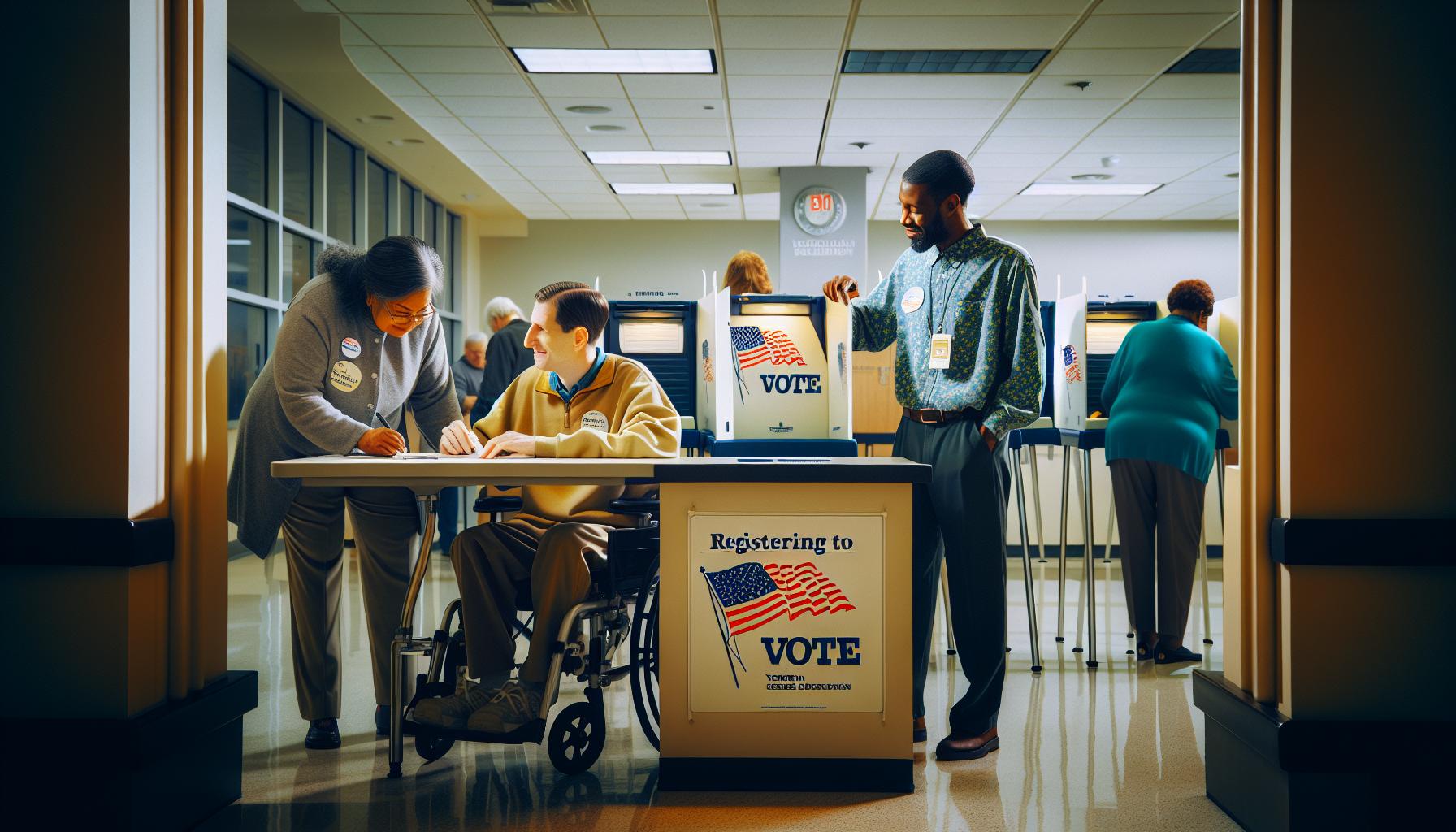
FAQ
Q: How can people with mental disabilities request voting assistance in Canada?
A: People with mental disabilities can request voting assistance by bringing a trusted person to help mark their ballot or by contacting Elections Canada to arrange accommodations like accessible voting locations. These supports ensure voters with disabilities can participate independently and confidently. learn more about accessible voting resources in the relevant section of the article.
Q: What protections exist against discrimination for mentally disabled voters in Canadian elections?
A: Canadian law prohibits discrimination against mentally disabled voters, guaranteeing equal access and the right to vote. Legislation and policies, such as those enforced by the Canadian Human Rights Tribunal, ensure non-discriminatory voting processes and accessible polling stations. Refer to the section on protections and discrimination for detailed rights.
Q: Can guardians control or restrict the voting rights of mentally disabled individuals in Canada?
A: In Canada, guardians cannot legally restrict or override voting rights of mentally disabled individuals unless a court specifically removes those rights. The focus remains on empowering voters through support rather than disenfranchisement. see the section on guardians and representatives for guidance on voting roles.
Q: Are there specialized voting resources tailored for people with mental disabilities in Canada?
A: Yes, Canada provides specialized resources such as accessible polling stations, simplified ballots, and assistance options for people with mental disabilities.These resources promote independent and informed voting experiences.Check the article’s accessible voting resources section for practical steps.
Q: How do provincial laws impact the voting experience of mentally disabled Canadians?
A: Provincial election laws vary but generally uphold the right of mentally disabled citizens to vote with accommodations as needed. Some provinces offer additional supports or registration options to ease voting access. For a detailed comparison, see the section on provincial differences and election laws.
Q: When should mentally disabled individuals register to vote, and what is the process?
A: Mentally disabled Canadians should register before election deadlines, either online, by mail, or in person, similar to all voters. If assistance is needed, trusted representatives can help with registration to ensure timely and accurate voter enrollment. Refer to the registration guide in the article for step-by-step instructions.
Q: Why is voting critically important for people with mental disabilities in Canada?
A: Voting empowers mentally disabled individuals, enhancing civic inclusion and mental health through participation in democratic processes. Exercising the vote affirms their voices and rights within canadian society. Explore the article’s section on impact for deeper insights.
Q: What should a mentally disabled voter do if they encounter accessibility barriers on election day?
A: If faced with accessibility barriers, voters should immediately report issues to election officials or contact Elections Canada for assistance. Alternative voting options like home voting or advance polls may be available. For more, see the accessible voting resources section and act early for solutions.
—
For more on voter rights and practical resources for mentally disabled Canadians, explore [Voting Rights for Mentally Disabled Canadians Explained] and [Accessible Voting Resources for People with Disabilities] within this guide to deepen your understanding and participation confidence.
To Wrap It Up
Understanding the voting rights of mentally disabled people in Canada is crucial for ensuring inclusive and fair democratic participation. If you or someone you know is looking for clear guidance on voting eligibility or resources to support voter registration, now is the time to explore the available tools and advocacy services.Don’t miss out on empowering your community by staying informed and taking action today.
To deepen your understanding, check out related topics such as Understanding Disability Rights in Canada, How to Register to Vote in Canada, and Accessible Voting Resources. These links offer practical next steps and additional support to help navigate the voting process with confidence. Sign up for our newsletter to receive the latest updates on voting rights and accessibility, and join the conversation by sharing your experiences or questions in the comments below. Together, we can ensure every voice is heard in Canada’s elections.
Get our latest guides, news, and insights highlighted in your Google Search & AI Overviews.