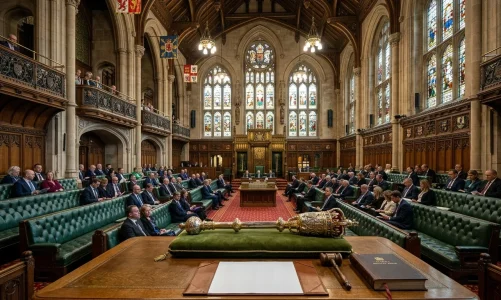
MP and MLA Roles
MP and MLA Roles represents parliamentary constitutional jurisprudence and representative governance that delineates the constitutional powers, legislative duties, committee responsibilities, and constituency casework functions of elected representatives to ensure effective parliamentary scrutiny, responsive constituent advocacy, and constitutional checks and balances.
Foundational Pillars & Key References
CORE STATUTORY GUIDE
Meaning of MPs: Roles, Powers & Parliamentary Duties
Comprehensive civic guide examining meaning of mps: roles, powers & parliamentary duties, detailing administrative requirements, statutory benchmarks, and procedural compliance for engaged citizens.
PROCEDURAL ANALYSIS
What Is a Canadian MLA? Roles and Powers Explained
Comprehensive civic guide examining what is a canadian mla? roles and powers explained, detailing administrative requirements, statutory benchmarks, and procedural compliance for engaged citizens.
LEGISLATIVE PROTOCOL
What Does the MLA Do? 5 Key Powers That Shape Your Community
Comprehensive civic guide examining what does the mla do? 5 key powers that shape your community, detailing administrative requirements, statutory benchmarks, and procedural compliance for engaged citizens.
Administrative Jurisprudence & Statutory Architecture
Members of Parliament (federal) and Members of the Legislative Assembly (provincial) hold dual constitutional roles: legislators representing the sovereign public in parliamentary assemblies, and local ombudsmen advocating on behalf of individual constituents. Within the legislature, members debate legislation, scrutinize supply and budgetary appropriations, and cross-examine ministers during Question Period. In their constituencies, members navigate bureaucratic agencies to resolve citizen administrative disputes.
Democratic accountability requires an ongoing calibration between institutional authority and public scrutiny. In modern constitutional governance, procedural standards are reinforced by statutory oversight bodies, judicial review standards, and strict administrative law precedents. Understanding these parameters empowers citizens, advocacy organizations, and legal scholars to engage with government entities transparently, effectively, and with verified legal standing.
| Governance Area / Domain | Constitutional Attribute | Procedural Standard & Value |
|---|---|---|
| Legislative & Committee Functions | Statute Deliberation | Drafting bills, reviewing clause-by-clause amendments in standing committees, and voting on supply motions. |
| Constituency Casework Services | Administrative Intervention | Assisting constituents with departmental logjams, social assistance claims, and official petition presentations. |
| Parliamentary Privilege Protections | Constitutional Immunity | Absolute immunity from civil defamation for statements made in the chamber, safeguarding unfettered debate. |
| Party Discipline & Free Votes | Caucus Mechanics | Balancing constituent representation against caucus voting whips and government confidence motions. |
Data Matrix Source: Codified Administrative Guidelines, Standing Orders, and Published Statutory Reviews cataloged by the Civil Procedure & Statutory Telemetry Desk.
Curated Research Directory & Topic Clusters
Statutory & Procedural Guides
Constituent & Advocacy Telemetry
Frequently Asked Questions
What is the legal meaning of Parliamentary Privilege for MPs and MLAs?
Parliamentary privilege grants elected members constitutional immunity from civil arrest or defamation suits for statements delivered during legislative proceedings, preserving free speech in parliament.
How do committee assignments differ from chamber debate?
Standing committees perform the granular work of parliament, calling expert witnesses, hearing public testimony, and conducting detailed clause-by-clause reviews of proposed bills.
Can an MP overturn a formal administrative decision made by a government department?
No, members cannot unilaterally overturn statutory decisions, but they can formally inquire into procedural irregularities, request expedited reviews, and demand ministerial accountability.
Authored & Maintained by: Civil Procedure & Statutory Telemetry Desk
Notice: This research synthesis and structural taxonomy models published statutory codes, administrative regulations, and parliamentary procedure for informational and civic planning purposes only. It does not provide certified legal, parliamentary, or governmental counsel. For definitive rulings or case advice, consult an actively licensed attorney or official parliamentary officer in your jurisdiction.