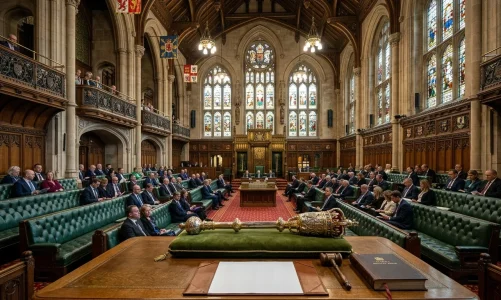
Did you know that each canadian province’s everyday decisions-like education funding, healthcare services, and local infrastructure-are shaped by elected representatives called Members of the Legislative Assembly (MLAs)? These individuals serve as the vital link between your community and the provincial government, advocating for local needs while helping to create laws that affect your daily life. Understanding what an MLA is and the specific roles and powers they hold can empower you to engage more effectively with your government and help you see how policy decisions are made on your behalf. Whether you’re curious about how your voice is represented or want to know who shapes the rules in your area, this guide breaks down the key responsibilities and influence of Canadian mlas, shedding light on their essential role in our democratic system. Read on to discover how MLAs contribute not just to government debates, but also to the tangible betterment of communities across Canada.
Table of Contents
- What Does MLA Stand For in Canada?
- Key responsibilities of a Canadian MLA
- How MLAs Are Elected: The Process Explained
- the Legislative Powers of Canadian MLAs
- differences Between MLAs and Other Canadian Politicians
- How mlas Influence Provincial Policies
- Daily life and Challenges of an MLA
- Common Misconceptions About Canadian MLAs
- How Citizens Can Engage with Their MLA
- The Role of MLAs in Community Development
- Training and qualifications Needed to Become an MLA
- Recent Changes Impacting MLA Roles and Powers
- Faq
- Q: How do Canadian MLAs balance constituency needs with provincial priorities?
- Q: What limitations restrict the legislative powers of a Canadian MLA?
- Q: Why is MLA transparency important in provincial governance?
- Q: How do Canadian mlas contribute to crisis management in their provinces?
- Q: When do Canadian MLAs typically participate in caucus meetings, and why are these meetings critically important?
- Q: What ethical standards must Canadian MLAs uphold during their term?
- Q: How can citizens effectively communicate concerns to their Canadian MLA?
- Q: What role do Canadian MLAs play in shaping provincial budgets?
- Key Protocols & Standards: Mlas
- To Wrap It Up
What Does MLA Stand For in Canada?
In the Canadian political landscape, the abbreviation MLA stands for Member of the Legislative Assembly. This title refers to elected representatives who serve in the provincial or territorial legislatures across Canada,acting as the direct link between citizens and their provincial governments. each MLA represents a specific geographic area known as a constituency or riding, giving voice to the concerns and interests of their local community at the provincial level.
Unlike Members of Parliament (MPs),who operate at the federal level,MLAs focus on regional issues such as education,healthcare,transportation,and local economic growth,which fall under provincial jurisdiction. Their role is both legislative and representative, meaning they contribute to creating, debating, and amending laws within their province, while also ensuring constituents’ needs and opinions are heard in legislative discussions. Such as, an MLA in Alberta works with provincial policies that directly affect albertans’ daily lives, from infrastructure priorities to environmental stewardship[1].
What Being an MLA Involves
Beyond the formal title, the role of an MLA can vary depending on their party affiliation, seniority, and assigned committee work. Many are known as ”private members,” who sit behind Cabinet Ministers but still advocate passionately for their constituents. MLAs often sponsor bills, participate actively in committees, and work within their political caucus to shape policy decisions before they reach the floor of the legislature. This dual responsibility – representing local interests while collaborating on broader provincial strategies - highlights the dynamic nature of their position[1].
- Direct representation: Acting as a community advocate in the legislative assembly.
- Legislative duties: Debating bills,proposing amendments,and voting on laws affecting their province.
- Committee participation: Engaging in detailed policy review and scrutiny behind the scenes.
- Constituency work: Helping constituents navigate government services and addressing local concerns.
By understanding what MLA stands for and what the role encompasses,citizens can better appreciate the vital connection these representatives maintain between local communities and provincial governance,ensuring a responsive and accountable democratic process across Canada.
Key responsibilities of a Canadian MLA
Few public roles combine the demands of lawmaking and community advocacy quite like those of a Canadian MLA. These elected officials are the frontline representatives of provincial governance, holding a unique position that requires balancing responsibilities within the legislature and direct service to their constituents. Their work is essential not onyl in shaping provincial laws but in ensuring that the voices and concerns of everyday citizens are heard where decisions are made.
MLAs carry a multi-faceted portfolio of duties. In the legislative assembly, they actively participate in debating bills, scrutinizing government spending, and crafting policies that affect areas like healthcare, education, and infrastructure – all critical to provincial well-being. This role requires a deep understanding of complex issues and the ability to negotiate and collaborate effectively with fellow MLAs, ministers, and bureaucrats. Many also serve on specialized committees where detailed examination of legislation and government programs takes place, allowing them to influence policy at a nuanced level.
At the constituency level, MLAs act as accessible advocates who help constituents navigate government services and resolve issues ranging from social assistance to land-use planning. This personalized support frequently enough involves meeting with residents, businesses, and community groups to listen, advise, and respond to local priorities. Because every riding has its unique challenges and opportunities, prosperous MLAs tailor their approach to fit their community’s needs, ensuring broader provincial policies reflect grassroots realities.
- Advocate for Constituents: Representing and voicing local concerns in the legislature.
- Legislative Participation: Voting on, debating, and amending laws and budgets.
- Committee Work: Investigating specific issues and holding government accountable.
- Community Engagement: Maintaining an open office to assist constituents directly.
- Caucus Collaboration: Strategizing policy direction within their party caucus.
Understanding these responsibilities can empower citizens to engage productively with their MLA, knowing precisely how these officials contribute to both provincial governance and local development. For example,when a new healthcare policy is debated,an MLA’s insights from constituent meetings can shape amendments ensuring that rural or urban needs are equally considered. This dual role not only enriches policy outcomes but also strengthens democratic accountability across Canada’s provinces and territories[[[[[1]][[2]][[3]].
How MLAs Are Elected: The Process Explained
few aspects of Canadian democracy are as direct and tangible to local communities as the election of MLAs (Members of the Legislative Assembly). These elections determine who will represent each electoral district’s interests in the provincial government, making them pivotal moments that shape policy at the grassroots level. Understanding how MLAs are elected demystifies the process and empowers voters to participate knowledgeably in shaping their provincial leadership.
The election process for MLAs typically follows a first-past-the-post (FPTP) voting system within provincial ridings. In each riding, candidates-who can be affiliated with registered political parties or run as independents-compete to win the highest number of votes. The candidate with the most votes, even if not a majority, wins the seat and becomes the MLA for that district. this straightforward system emphasizes local representation and clear outcomes but also prompts ongoing discussions about proportionality and voter engagement.
Candidate Nomination and Campaigning
Before the election itself, aspiring MLAs must undergo a nomination process. This involves securing the endorsement of a political party or filing as an independent candidate by submitting required paperwork and meeting specific criteria set by the provincial electoral authority. Such as, in British Columbia, candidates must submit a nomination package including signatures from eligible voters within their riding and a financial deposit, demonstrating community support and readiness to campaign (3).
Once nominated, candidates engage in localized campaigning-attending events, canvassing door to door, and participating in debates-to connect with constituents and present their platforms. Voters often weigh factors such as party affiliation, candidate experience, community involvement, and stance on pressing provincial issues like healthcare and education. This campaigning period is crucial not only for voter education but for candidates to build trust and visibility in their communities.
Voting and Determining the Outcome
On election day, registered voters in each riding cast a secret ballot for their preferred candidate. Voter eligibility and registration rules vary slightly by province but generally require Canadian citizenship,residency in the province,and age of majority status. Election officials tally votes manually or electronically depending on the province and declare the winning candidate shortly thereafter. The total number of MLAs elected from each party frequently enough dictates which party forms the government and can appoint the Premier.
- Election timing: Provincial elections are held every four years or earlier if a legislature is dissolved.
- By-elections: If an MLA resigns or passes away mid-term, a by-election is held to fill the seat.
- Voter turnout: Provincial turnout rates vary but tend to reflect local engagement on key issues.
As an example, in provinces like Alberta or Ontario, the number of ridings can be several dozen to over a hundred, making the collective vote a crucial indicator of political direction. For voters, this underscores how each ballot contributes not only to their local representation but to shaping the province’s overall political landscape.
By grasping these steps-from nominating candidates to casting votes-citizens can better appreciate how their participation in MLA elections directly influences provincial policies and governance. Awareness of the process also equips voters to hold elected mlas accountable, ensuring that those chosen truly reflect the values and needs of their communities.

the Legislative Powers of Canadian MLAs
in Canada’s provincial legislatures, Members of the Legislative Assembly (MLAs) serve a pivotal role in shaping lawmaking and governance, but their legislative powers are nuanced and function within a broader parliamentary system. While an individual MLA does not wield sweeping authority independently, the collective work of MLAs defines provincial policy direction and legislative priorities. This means the power to create, amend, or reject laws rests primarily with the Legislative Assembly as a whole – not any single member acting alone.
MLAs actively participate in legislative debates, scrutinize government proposals, and vote on bills. Through participation in committees, they have the opportunity to examine legislation more closely, propose amendments, and hold government agencies accountable. This collaborative process is crucial; it ensures diverse voices and regional concerns are reflected in provincial laws. Such as, an MLA from a rural riding might push for infrastructure investments tailored to their community, shaping how provincial funds are allocated. Such influence is gained not through unilateral power but through negotiation,advocacy,and alliance-building within caucuses and across party lines.
Though not all MLAs hold ministerial portfolios, those who do exercise executive authority within their assigned departments, implementing policies and managing public services. However, it is meaningful to understand that most MLAs act primarily as legislators rather than executive decision-makers. Their power is largely procedural and representative – translating constituent needs and priorities into legislative action and public policy discussions.
- Bill Introduction and Debate: mlas may introduce private member bills to highlight specific issues or policy ideas,even if these bills rarely become law without broader support.
- committee Work: Serving on standing committees allows MLAs to influence how laws are shaped and to perform oversight of government spending and implementation efforts.
- Question Period and Motions: MLAs can question government ministers, pressing for clarity and accountability, often using question period to raise urgent local matters.
For citizens seeking to understand the legislative impact of their MLA, it helps to track how actively their representative participates in debates, committee reports, and constituency outreach. An engaged MLA can amplify local concerns into provincial solutions, even within the limits of formal legislative powers. This collective and procedural nature of MLA authority underscores the importance of voting for representatives who are effective communicators, skilled negotiators, and committed advocates for their communities.

differences Between MLAs and Other Canadian Politicians
Members of the Legislative Assembly (MLAs) represent the cornerstone of provincial governance in Canada, yet their role is distinctly different from other elected officials such as Members of Parliament (MPs) or municipal councillors. While all these politicians serve the public interest, MLAs specifically focus on provincial matters-education, healthcare, transportation, and natural resources-which vary substantially from federal priorities or local government responsibilities. Unlike MPs who legislate on national issues like defense,immigration,and foreign policy,MLAs operate within a more localized legislative environment that directly affects day-to-day services in their ridings.
Moreover, the scope and scale of an MLA’s work tend to be more community-oriented and regionally tailored than federal politicians. For example, an MLA from British Columbia might prioritize resource management or Indigenous affairs within provincial jurisdiction, whereas an MP might engage with international trade agreements that indirectly impact those areas. Additionally, MLAs usually have more direct and frequent contact with constituents to address highly specific local concerns, while MPs balance these with broader national interests. This proximity means MLAs often act as the first line of government contact for everyday provincial issues, making their role both highly accessible and deeply rooted in community needs.
Distinct Powers and Responsibilities
While both MLAs and MPs participate in lawmaking,their legislative powers are confined to their respective jurisdictions. MLAs engage in passing provincial statutes and scrutinizing the provincial government’s activities, whereas MPs focus on federal law. This division highlights the importance of knowing which representative to approach based on the issue at hand. As an example,if a citizen has concerns about provincial health services or education funding,their MLA is the appropriate contact-not their MP. Similarly, municipal councillors address hyper-local issues like city infrastructure and zoning bylaws, a different governance layer altogether.
- MLAs: provincial legislation, oversight of provincial ministries, constituency advocacy on provincial matters.
- MPs: National legislation,federal oversight,broader international and interprovincial issues.
- Municipal Councillors: City or town regulations, local services, community planning.
Understanding these differences can empower citizens to better engage with their elected officials and get more timely solutions.
Examples Highlighting the Differences
Consider a scenario involving transportation funding. An MLA may lobby for provincial highway improvements or local transit expansions, often involving coordination with the provincial Ministry of Transportation. Meanwhile, an MP might focus on federal infrastructure grants or interprovincial transportation policies that require large-scale negotiation. Similarly, when debates arise over education curriculum changes, this is squarely within the provincial MLA’s domain, while MP involvement would be minimal.This separation of roles ensures governments operate efficiently within clearly defined roles, but it also means that citizens need to understand these distinctions to direct concerns appropriately. By recognizing who holds decision-making power over specific issues, constituents can save time and advocate more effectively.
MLAs serve as dedicated provincial representatives whose work is intimately tied to local communities and provincial legislation, distinctly shaping how everyday policy affects residents.Appreciating how their responsibilities differ from MPs and municipal officials enriches civic understanding and enhances democratic participation.
How mlas Influence Provincial Policies
Influencing provincial policies is one of the most impactful ways MLAs serve their communities, shaping the everyday lives of their constituents through legislation and advocacy.Their ability to influence starts within the legislative assembly, where MLAs debate, amend, and vote on bills that govern areas such as healthcare, education, infrastructure, and natural resources-all basic to provincial governance.unlike federal politicians, mlas have a more immediate grasp of local issues and often raise concerns and priorities that reflect the unique needs of their constituency, translating these into actionable policies at the provincial level.
MLAs also exert influence by participating in specialized committees that scrutinize government programs and expenditures. These committees are essential platforms where detailed policy discussions occur behind the scenes. Such as,an MLA serving on a health committee can advocate for specific mental health services in rural areas or push for improved hospital funding. Through such committee work, MLAs hold provincial ministries accountable while ensuring policies remain closely aligned with public needs. Their role as liaisons between the government and local communities allows them to bring practical insights and frontline feedback to policy formulation.
- Advocacy for Constituency Needs: By engaging directly with residents, local organizations, and stakeholders, MLAs gather critical input that influences policy decisions tailored to their region.
- collaborative policy Development: MLAs often work within party caucuses or across party lines to promote legislation that reflects shared goals or emerging provincial priorities.
- Championing Private members’ Bills: While most legislation originates from the Cabinet, MLAs can introduce private members’ bills to highlight specific issues or test new ideas relevant to their community.
Taking a real-world example, an MLA in alberta might push for environmental regulations that protect regional watersheds, balancing economic interests with sustainability concerns-a nuance often overlooked in broader national debates.This targeted involvement means MLAs not only influence how provincial resources are allocated but also champion policies that resonate deeply with the lived experiences of their constituents.
Ultimately,the effectiveness of an MLA’s influence on provincial policies hinges on their ability to navigate political channels,build strong relationships with government officials,and maintain consistent engagement with the public. Citizens who understand this dynamic can better collaborate with their MLA by voicing concerns, attending town halls, or participating in consultations, thereby helping shape the legislative agenda in meaningful ways.
Daily life and Challenges of an MLA
Few careers demand as dynamic and multifaceted a commitment as that of a Member of the legislative Assembly (MLA) in Canada. Each day presents a balancing act between legislative duties, constituent engagement, and political collaboration, requiring MLAs to be both adept policymakers and accessible community leaders. The frequently enough-unseen challenge is managing these responsibilities alongside the expectations of their political parties and the scrutiny of public life.
The Multifaceted Workload of MLAs
A typical day for an MLA involves a mixture of activities ranging from attending legislative sessions, participating in committee meetings, and consulting with colleagues on policy matters. Beyond the formal proceedings, MLAs spend considerable time listening to constituents’ concerns-whether through scheduled office hours, community events, or informal conversations. This constant interaction helps MLAs stay attuned to local issues but can also create pressure to address diverse and sometimes competing demands.Unlike federal politicians, MLAs often face tighter deadlines and must respond quickly to regional matters, making time management a crucial skill.
- Legislative Responsibilities: Debating bills, voting on legislation, and working on committees that influence provincial governance.
- Constituent Services: Assisting residents with access to government programs, addressing grievances, and facilitating dialog between local and provincial institutions.
- Party Collaboration: Engaging in caucus meetings, strategy sessions, and collaboration to achieve shared political goals and advance legislation.
Challenges That Shape an MLA’s Role
One of the greatest challenges MLAs face is striking a balance between partisan politics and non-partisan advocacy for their constituents. While party loyalty can dictate certain voting patterns, MLAs must remain responsive to their community’s unique needs, which sometimes requires navigating internal disagreements or advocating for minority views within their caucus. Additionally, the demands of public scrutiny and media attention can complicate decision-making processes and heighten pressure to deliver tangible results.moreover, many MLAs represent large geographic ridings, especially in provinces like alberta and British Columbia, making travel a significant part of their routine. These journeys support face-to-face engagement but add to the physical and emotional toll of the job,especially when urgent local issues arise between legislative sittings.
Practical tips for Citizens and Aspiring MLAs
If you’re a constituent looking to engage meaningfully, consider attending town halls or community meetings hosted by your MLA, as these forums are designed for dialogue and input on pressing concerns. For those thinking about a career as an MLA, developing strong communication skills, an understanding of parliamentary procedure, and resilience against high-pressure environments will be invaluable. Effective MLAs consistently prioritize:
- Active Listening: Understanding constituent needs through ongoing engagement.
- Collaboration: Building relationships across party lines and with government officials.
- Adaptability: responding swiftly to emerging issues and adjusting strategies as required.
In practice, an MLA in a rural British Columbia riding might need to juggle urgent infrastructure requests, environmental concerns, and local economic development initiatives all within the same week. Success in this role demands not just policy savvy but also empathy, diligence, and a resilient spirit committed to public service.
By understanding the complexities of an MLA’s daily life, constituents can better appreciate the dedication required and find effective avenues for communication. This mutual respect and cooperation create a foundation for stronger, more responsive provincial governance.
Common Misconceptions About Canadian MLAs
Many people often assume that the role of a Member of the legislative Assembly (MLA) in Canada is straightforward or limited strictly to debating laws in the provincial legislature. However, the reality is far more nuanced. While MLAs indeed participate in legislative sessions and influence provincial governance, much of their work revolves around being accessible community advocates who balance regional interests with party objectives. This essential but sometimes invisible work often goes unrecognized, leading to several common misconceptions about their duties and influence.
One frequent misunderstanding is that MLAs have significant individual power to directly change laws or federal policies. In truth, MLAs contribute to law-making as part of a collective process within their party caucus and the legislative assembly. Their influence is frequently enough incremental and requires negotiation and collaboration rather than unilateral decision-making. Additionally, MLAs are sometimes viewed as detached political elites; however, many spend substantial time in their constituencies responding to everyday concerns-ranging from health services access to infrastructure maintenance-and serve as vital links between citizens and the provincial government.
Another misconception relates to the expectation that MLAs can resolve all community problems instantly. Constituents may assume MLAs have direct control over budgets or administrative decisions. while MLAs can advocate fiercely on behalf of their constituents and hold government departments accountable, actual implementation rests with bureaucrats and ministries. This distinction is important to understand for realistic expectations about what an MLA can deliver and underscores the collaborative nature of governance. Recognizing this also encourages more productive engagement between residents and their MLAs.
- MLAs are solely legislators: In fact, they combine law-making with constituent services and party work.
- they hold executive power to enact immediate changes: Rather, they influence government operations through advocacy and participation in committees.
- MLAs are disconnected from local issues: Many prioritize regular community engagement and operate as crucial conduits for public concerns.
Understanding these realities encourages more informed and constructive interactions with MLAs. For citizens, approaching MLAs with clear, evidence-based concerns and recognizing the complexity of provincial governance yields stronger relationships and better outcomes. For aspiring MLAs, dispelling these myths reinforces the importance of resilience, collaboration, and patience in public service.
How Citizens Can Engage with Their MLA
citizens who actively engage with their MLA frequently enough experience a tangible impact on both their local communities and provincial policies. Even a simple step like reaching out with a well-organized, respectful message can open doors to meaningful dialogue. MLAs are there to represent the interests of their constituents, making your voice a vital element in shaping the decisions that affect everyday life-whether it’s about healthcare access, education funding, or infrastructure projects.
When reaching out, clarity is key.Providing personal stories or concrete examples related to an issue helps mlas understand its importance and urgency from a grassroots viewpoint. As an example, a constituent concerned about mental health resources might share how current gaps affect their family’s wellbeing, which can make the case more compelling. Engaging via multiple channels-email, phone calls, attending town hall meetings, or even social media-can also increase the chances your concerns are heard promptly. Many MLAs hold regular office hours or community forums specifically for this purpose, so keeping an eye on local announcements is beneficial.
- Be clear and concise: Outline your concern and what outcome you hope to see.
- Stay respectful and constructive: Positive relationships foster better collaboration.
- Follow up: Demonstrating ongoing interest shows genuine commitment and encourages responsiveness.
- Participate in public consultations: MLAs and their offices often seek citizen input on upcoming legislation or local projects.
Leveraging Community Groups and Coalitions
Joining forces with community organizations or special interest groups can amplify your influence. Many mlas pay close attention when they receive input from established groups that represent broader community perspectives. For example, healthcare advocates, seniors’ organizations, or youth councils frequently enough coordinate letters, petitions, or meetings with MLAs to highlight key issues.Collective action demonstrates that the concerns raised reflect shared priorities, increasing the likelihood of meaningful policy consideration.
By staying informed and proactive, citizens not only help hold MLAs accountable but also build partnerships that contribute positively to community development. Ultimately, understanding the roles and limits of an MLA allows for realistic expectations and a more effective use of democratic channels. Engaging thoughtfully is not just about raising problems-it’s about collaborating to find solutions that work for everyone.

The Role of MLAs in Community Development
Community development is frequently enough at the heart of an MLA’s work, as they serve as vital bridges between provincial governments and the everyday needs of their constituents. Far beyond legislation, MLAs actively engage with local groups, organizations, and citizens to help shape projects and policies that directly impact neighborhoods and regions. Their role often involves identifying community priorities, advocating for resources, and facilitating partnerships that promote social and economic well-being.
To effectively contribute to community growth,MLAs regularly consult with a wide range of stakeholders-from Indigenous leaders to non-profit organizations and local businesses. This dialogue ensures that diverse voices are heard and that development initiatives are inclusive and culturally sensitive. For example, Joan Phillip, Parliamentary Secretary for Community Development and Non-Profits in BC, exemplifies how Indigenous leadership can guide community-focused strategies to address specific needs such as housing, education, and cultural preservation[[[[[1]](https://www2.gov.bc.ca/gov/content/governments/organizational-structure/cabinet/cabinet-ministers/parliamentary-secretary-community-development-non-profits).
Key Ways MLAs Support community Development
- Advocacy and Resource Mobilization: MLAs champion funding and program delivery by pitching local needs to provincial ministries and leveraging government initiatives tailored to community priorities.
- Community Consultation: Holding town halls,participating in roundtables,and engaging via social media platforms allow MLAs to gather input and keep development projects aligned with citizen expectations.
- Collaboration and Partnerships: by connecting various sectors-such as housing, healthcare, education, and social services-MLAs help streamline efforts and create thorough solutions.
- Monitoring and Accountability: MLAs facilitate transparency by ensuring community projects meet deadlines, budgets, and quality standards through continuous oversight.
For constituents hoping to maximize their MLA’s impact on community development,proactive engagement is essential. This means sharing specific concerns or ideas that highlight the broader community effect, such as the need for affordable housing that benefits families and seniors alike, or supporting youth services that reduce local crime rates. Active participation in public consultations, coalition building with community coalitions, and respectful ongoing dialogue helps MLAs advocate more effectively on your behalf.
This blend of representation, advocacy, and collaboration underscores how MLAs are not only lawmakers but also community catalysts who help translate provincial policies into tangible local progress. Their unique position enables them to balance legislative responsibilities with hands-on efforts that nurture stronger, more resilient communities.
Training and qualifications Needed to Become an MLA
Few political roles in Canada require a formal academic credential as much as a genuine commitment to public service and understanding of community needs. Interestingly, becoming a Member of the Legislative Assembly (MLA) does not hinge on holding a college degree or specific professional background; rather, it requires meeting legal eligibility criteria and demonstrating leadership qualities that resonate with voters. This accessibility opens doors for a broad spectrum of Canadians-from grassroots activists to business leaders-to aim for legislative office.
Legally, candidates must be Canadian citizens aged 18 or older and residents of the province where they intend to run. Beyond these baseline qualifications, prospective MLAs should be free from disqualifications such as certain judicial roles or bankruptcy restrictions.While political parties often build training programs and mentorship opportunities to prepare their candidates, individuals can also gain invaluable experience by volunteering in community organizations, attending civic forums, or working directly with elected officials. This hands-on involvement fosters key skills like public speaking, negotiation, and policy analysis-traits essential for legislative success[[2]](https://www.legassembly.sk.ca/about/how-the-legislative-assembly-works/election-of-a-member/).
Building Skills and Experience Outside Formal education
- Community Engagement: Active participation in local boards, service clubs, or advocacy groups equips future MLAs with insight into constituent priorities and effective advocacy techniques.
- Communication Proficiency: The ability to articulate complex issues clearly and listen thoughtfully to diverse perspectives strengthens public trust and legislative influence.
- Understanding Government Structure: Familiarity with parliamentary procedures,provincial policies,and the nuances of legislative debate enhances a candidate’s readiness to legislate effectively.
For those concerned about overcoming barriers such as limited political networks or resources,it’s encouraging to note that Canadian politics does not mandate political lineage or wealth to enter the running. Many MLAs have emerged from “average Joe” backgrounds, proving that dedication and community connection often mean more than pedigree[[3]](https://www.reddit.com/r/alberta/comments/10m8l9l/can_any_average_joe_run_and_become_an_mla_or_mp/). Aspiring candidates can also take formal preparatory steps through internship programs offered by several provincial legislatures, which combine paid work experience with comprehensive learning about political processes and constituent relations. These programs can act as powerful springboards into elected office.
Ultimately, the pathway to serving as an MLA blends statutory eligibility with practical experience and a genuine passion to represent the public. Whether it’s through grassroots activism, professional development, or mentorship, prospective MLAs benefit most when they invest early in learning how to connect, communicate, and contribute to their communities’ broader goals.
Recent Changes Impacting MLA Roles and Powers
In recent years, the role and authority of MLAs across Canada have been reshaped by evolving political norms, legislative reforms, and growing public expectations for transparency and accountability. These shifts reflect a broader trend toward modernizing provincial governance structures to enhance the effectiveness of legislators while ensuring they remain closely connected to their communities. Notably, MLAs are now navigating an environment where digital engagement, ethical oversight, and constituent responsiveness have become central to their daily responsibilities.
One significant development has been the increased emphasis on transparency and conflict-of-interest regulations, which has introduced stricter rules on financial disclosures and gift acceptance.These measures not only protect the integrity of the legislative process but also empower MLAs to build greater trust with voters. Additionally, many provinces have updated their rules around MLA conduct, including clearer guidelines on the use of public resources and social media communications, reflecting the realities of 21st-century politics.
Enhanced Legislative Tools and Constituent Support
Alongside procedural reforms, technological advancements have granted MLAs new tools to better serve their constituents. Enhanced digital platforms allow for more efficient communication, case management, and community consultation that transcend customary office hours and geographic limitations. MLAs are increasingly equipped with data analytics and real-time policy tracking tools that support informed decision-making and proactive issue resolution.
Furthermore, recent amendments in some provinces have expanded MLAs’ roles in oversight committees and independent commissions, providing them greater influence over budget allocations and policy reviews. This shift encourages a more collaborative and scrutinized approach to governance, reinforcing the balance between government accountability and legislative independence.
- Key practical advice for MLAs: Staying current with transparency regulations and mastering digital engagement platforms is crucial for building credibility and maintaining voter trust.
- For constituents: Familiarity with these reforms can empower voters to hold MLAs accountable and better understand how their representatives operate within a modern legislative framework.
- Upcoming trends: Expect further integration of artificial intelligence and open data initiatives aimed at fostering inclusive, evidence-based policymaking at the provincial level.
the landscape of MLA responsibilities continues to evolve in response to societal demands and technological breakthroughs. Staying adaptable and informed is essential for MLAs who aspire to be effective advocates and community leaders in this progressive political climate.
Faq
Q: How do Canadian MLAs balance constituency needs with provincial priorities?
A: Canadian MLAs balance local constituency concerns with broader provincial goals by actively engaging with their community while participating in legislative debates and committees. This dual focus helps them advocate for local interests and contribute to provincial policy, ensuring effective representation. learn more about MLA community roles in the Role of MLAs in Community Development section.
Q: What limitations restrict the legislative powers of a Canadian MLA?
A: canadian MLAs cannot enact laws independently; their legislative powers are limited to proposing bills, debating, and voting within the assembly. They must work within party policies and provincial constitutions, ensuring lawmaking aligns with democratic processes. For detailed insights, see the Legislative Powers of Canadian MLAs section.
Q: Why is MLA transparency important in provincial governance?
A: MLA transparency builds public trust by keeping constituents informed about decisions, expenses, and political actions. Clear MLAs encourage accountability, which strengthens democracy and encourages citizen engagement-explore strategies in the How Citizens Can Engage with Their MLA section.
Q: How do Canadian mlas contribute to crisis management in their provinces?
A: MLAs play a crucial role in crisis management by supporting emergency legislation, coordinating with local agencies, and communicating vital facts to constituents. Their local presence allows swift, effective responses tailored to community needs. Consider community development insights for further understanding.
Q: When do Canadian MLAs typically participate in caucus meetings, and why are these meetings critically important?
A: MLAs usually meet in caucus before legislative sessions to discuss party strategy, policy development, and debate stances. These meetings unify party positions and prepare MLAs for effective legislative collaboration, reinforcing their legislative and political roles. See Key Responsibilities for context.
Q: What ethical standards must Canadian MLAs uphold during their term?
A: Canadian MLAs must adhere to ethical standards including integrity, conflict of interest avoidance, and confidentiality. These obligations maintain public confidence and ensure that decisions prioritize constituents over personal gain. For more, review related policies in the Common Misconceptions About Canadian MLAs section.
Q: How can citizens effectively communicate concerns to their Canadian MLA?
A: Citizens can contact MLAs via email, phone, town halls, or social media to voice concerns or request assistance. Building a respectful dialogue facilitates attention to local issues and encourages MLAs to act on behalf of constituents. See the How Citizens Can Engage with Their MLA section for practical tips.
Q: What role do Canadian MLAs play in shaping provincial budgets?
A: MLAs review, debate, and vote on provincial budgets, influencing spending priorities that affect health, education, and infrastructure. Through committee work, MLAs help ensure funds are allocated fairly and effectively according to regional needs. Expand your knowledge in the how MLAs Influence Provincial Policies section.
Key Protocols & Standards: Mlas
When reviewing requirements regarding mlas within Canadian legal, electoral, and parliamentary frameworks, accuracy and proper procedural adherence are paramount. Ensuring correct alignment with official guidelines guarantees clear communication and compliance with regulatory standards.
- Jurisdiction & Procedure: Determine whether the matter pertains to municipal, provincial, or federal governance before initiating formal actions.
- Record Documentation: Retain verified copies of all submissions, date stamps, and official case numbers for administrative review.
What is the recommended protocol regarding mlas?
Always verify jurisdictional authority, adhere to official formatting standards, and retain comprehensive documentation for future verification.
To Wrap It Up
Understanding the crucial roles and powers of a Canadian MLA provides valuable insight into how provincial governance shapes our communities. now that you know how MLAs represent your interests and influence legislation, why not explore more about Canada’s political landscape? Check out our detailed guides on provincial government functions and how federal and provincial roles connect to deepen your civic knowledge.
Ready to stay informed and engaged? Subscribe to our newsletter for the latest updates on Canadian politics, or dive into our resource library for tools to better understand local governance. If you have questions or experiences to share about mlas in your area, leave a comment below-we’d love to hear from you and keep the conversation going. by continuing to explore topics like provincial elections and legislative processes, you’ll gain a broader perspective on how your voice matters at every level of government.
Get our latest guides, news, and insights highlighted in your Google Search & AI Overviews.