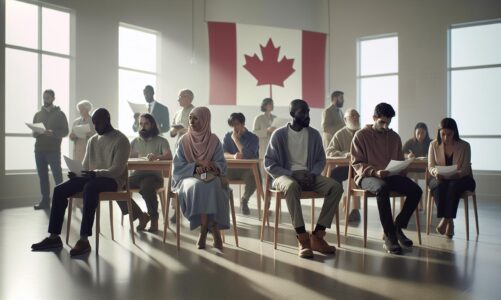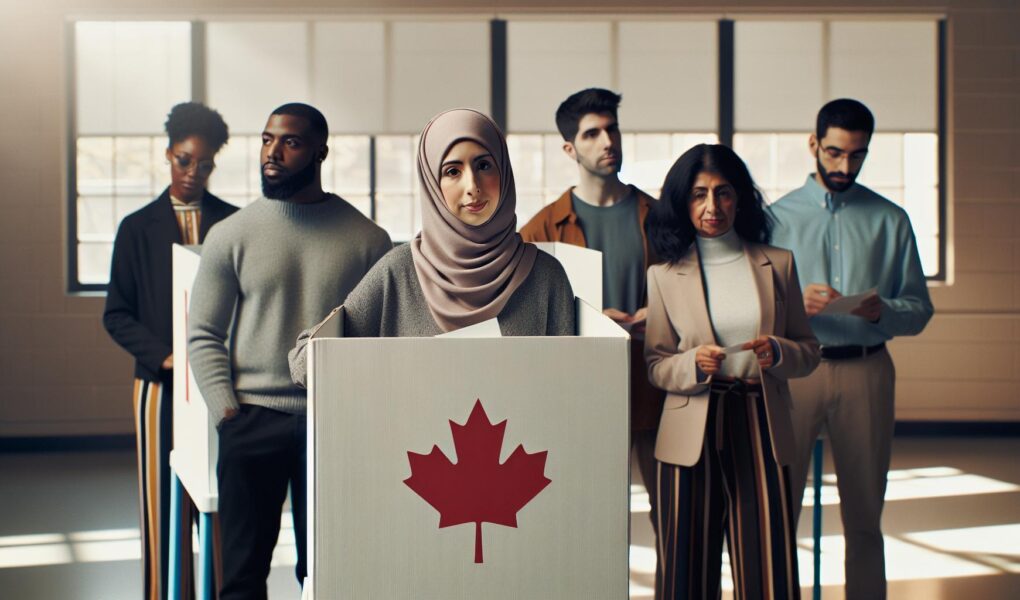
Did you know that in Canada, voting with your face covered has been a topic of legal and public debate for over a decade? Whether it’s for religious reasons, health precautions, or personal comfort, many wonder: Can you actually vote while wearing a mask or face covering? Understanding the rules surrounding face coverings at polling stations is crucial as it touches on both voting rights and security measures. This issue gained particular attention during elections when officials had to balance respecting individual freedoms with verifying voter identity. If you’ve ever questioned how face coverings impact your ability to cast a ballot, you’re not alone. This guide breaks down the key legal details and practical considerations, helping you navigate what’s allowed and what you might expect at the polls. By exploring these rules, you can approach election day with confidence, knowing your rights and responsibilities clearly. Keep reading to uncover the meaningful facts about face coverings and voting in Canada – a topic that remains relevant in today’s evolving social and political landscape.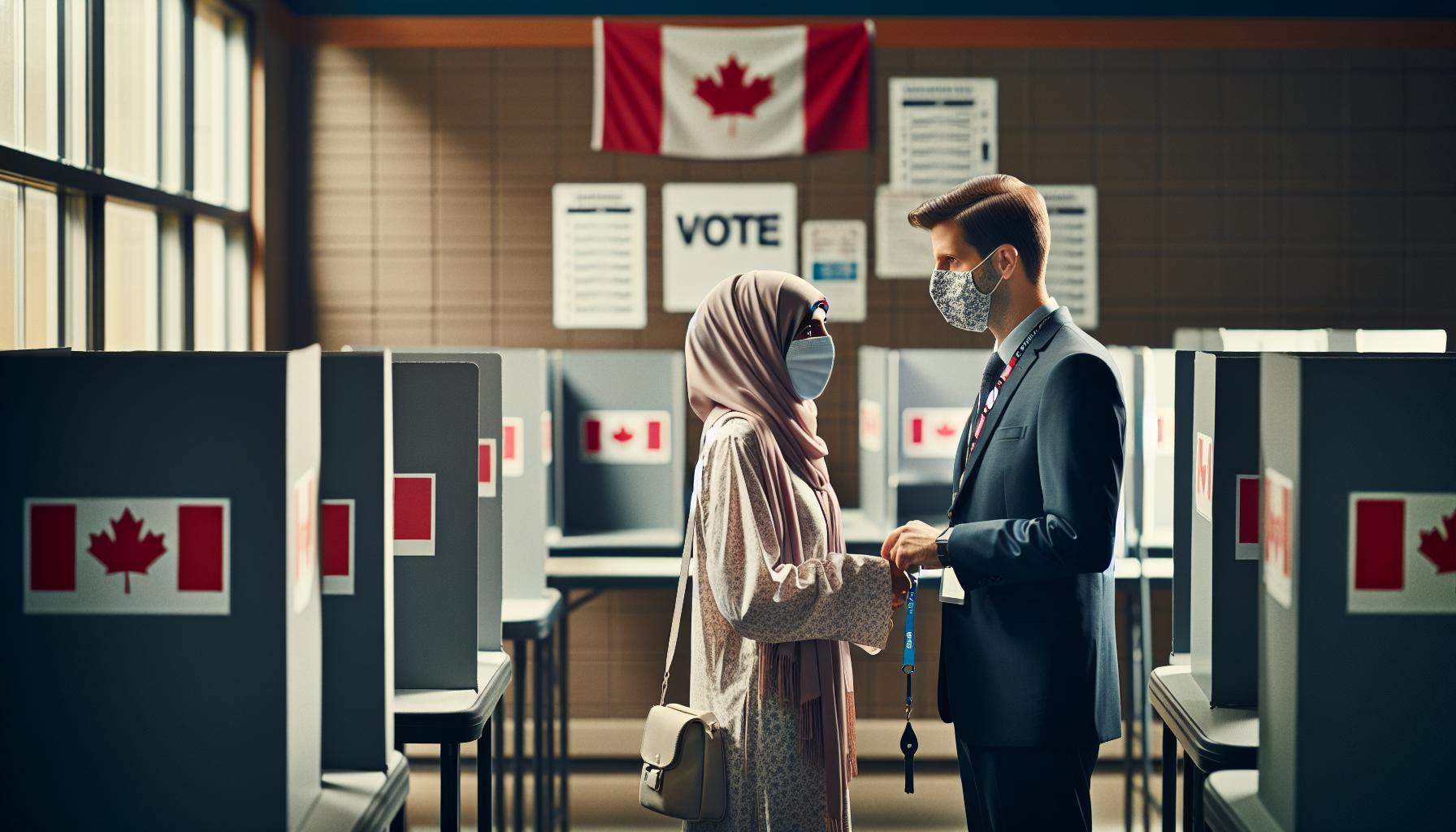
Table of Contents
- Voting with a Face Covering in Canada: What the Law Says
- Legal Requirements for Voter Identification and Appearance
- Exceptions for Religious and Medical face coverings
- How Face Coverings Impact Voting Procedures
- Rights and Responsibilities of Voters Wearing Masks
- Common Misconceptions About Facial Coverings at Polls
- Provincial Variations in Face Covering Voting Rules
- Security Measures Balancing Privacy and Identification
- Practical Tips for Voting Safely with a Covered Face
- Recent legal Changes Affecting Face Coverings and Voting
- How Election Officials Handle Face Coverings on Election Day
- FAQ
- Q: Are voters required to prove their identity if they wear a face covering in Canadian elections?
- Q: How do election officials verify identity when a voter’s face is covered?
- Q: can wearing a face covering delay the voting process at Canadian polling stations?
- Q: Are there specific rules for voting while wearing masks during advance polls in Canada?
- Q: What should I do if I refuse to remove a face covering when asked at the polls?
- Q: How does voting with a face covering impact voter privacy in Canada?
- Q: Can children or caregivers wear face coverings when accompanying voters to Canadian polling stations?
- Q: Are there penalties for wearing face coverings meant to obstruct voting identity unlawfully?
- Insights and Conclusions
Voting with a Face Covering in Canada: What the Law Says
In Canada, voting remains accessible and secure even when a voter’s face is covered, though specific rules ensure a balance between personal freedoms and electoral integrity. The law recognizes the diversity of reasons for wearing a face covering-ranging from religious observance and health precautions to personal comfort-and accommodates these within the voting process. Though, while face coverings such as niqabs, masks, or scarves are permitted, election officials must verify each voter’s identity, wich occasionally requires temporarily lifting or lowering the covering to confirm the person’s identity without compromising privacy or dignity.
Election law across Canadian jurisdictions generally mandates that voters show their face to an election officer for identification purposes once thay arrive at the polling station. This requirement is crucial to prevent impersonation and maintain trust in the election’s legitimacy. Still, voters with religious or medical reasons for covering their faces are protected under human rights laws, ensuring they cannot be denied the right to vote on this basis.In practice, this means election officials are trained to handle face coverings respectfully-arranging for identity confirmation in a private area when necessary, so that the voter’s dignity and religious beliefs are preserved.
- Face covering types generally accepted: medical masks, religious garments (e.g., niqabs and burqas), and other protective coverings.
- Verification procedures: temporary lifting or brief removal of the face covering in a private space for ID verification only.
- Legal protections: anti-discrimination measures uphold the right to vote while wearing religious or medical face coverings.
The federal and provincial frameworks harmonize to provide clear guidelines that facilitate voting with a face covering while maintaining security standards. These rules gained heightened public attention during events like the niqab debate in Quebec and public health mandates during the COVID-19 pandemic when many voters routinely wore masks at the polls. As an example,election officials across Canada recognize a “face covering is a face covering,” meaning the material or design-whether a surgical mask or a clown mask-does not exempt a person from following the ID verification procedure,though allowances are made for genuine health and religious concerns [[1]](https://www.cbc.ca/news/politics/mask-face-covering-voting-1.3266109).
Ultimately, voters can confidently wear face coverings when voting but should prepare to cooperate with officials when asked to identify themselves in a discreet and respectful manner. This approach keeps voting accessible, inclusive, and secure, allowing all Canadians to participate in the democratic process without unnecessary barriers or discomfort.
Legal Requirements for Voter Identification and Appearance
Many Canadians might be surprised to learn that while face coverings are generally permitted at polling stations, election law requires voters to reveal their face briefly to an election officer for identity verification. This step is essential to confirm a voter’s identity and prevent impersonation, which helps maintain the integrity and fairness of the election process. Without this verification, the risk of fraudulent voting increases, threatening public trust in the democratic system.
The process is typically straightforward and handled with sensitivity to privacy concerns. election officials are trained to ask voters to temporarily lift or lower their face covering just long enough to confirm that the person standing before them matches the identification provided. This measure applies regardless of the type of face covering worn-whether a medical mask, religious garment like a niqab or burqa, or any other form of face covering. importantly, this verification is done discreetly, frequently enough in a private area if requested, ensuring dignity and respect for voters’ personal and religious beliefs.
- ID verification is mandatory: All voters must show their face and valid identification upon arrival at the polling station.
- Type of covering is irrelevant: Whether surgical masks or more elaborate facial coverings are worn, verification procedures remain consistent.
- Reasonable accommodations provided: Individuals with religious or medical reasons for face coverings receive appropriate treatment in compliance with human rights laws.
In some provinces, such as Ontario and Alberta, voters have options for what forms of ID to present, and photo ID is not always mandatory as long as other documents confirming name and address are supplied. Election bodies across Canada share common principles: voter identification, including visual confirmation, ensures security while accommodating legitimate face-covering practices. This balance reassures voters they can exercise their democratic rights without unnecessary barriers, while election officials uphold the law’s integrity and fairness. Preparing to cooperate calmly when asked to show your face will help streamline your voting experience, making the process smooth and respectful for all involved[[2]](https://www.elections.on.ca/en/voting-in-ontario/id-to-vote-in-provincial-elections.html)[[3]](https://www.elections.ab.ca/voters/id-required-to-vote/).
Exceptions for Religious and Medical face coverings
It’s important to recognize that Canadian election law thoughtfully accommodates voters who wear face coverings for religious or medical reasons, balancing election integrity with respect for individual rights. While showing one’s face briefly for identity verification is a standard part of the voting process, exceptions exist to ensure that peopel are not forced to remove coverings when doing so could cause harm or infringe on deeply held beliefs.
For example, religious garments like niqabs or burqas, worn by some Muslim women, are respected in polling places.Election officials understand these practices and will provide options that protect voters’ dignity and privacy. Typically, if a voter requests, this identity confirmation can be conducted discreetly – often behind a privacy screen or in a separate area away from other voters – so the process remains respectful without drawing undue attention. This approach reflects a broader commitment under human rights frameworks to accommodate religious freedom wherever possible without compromising the voting process.
Medical reasons for face coverings are similarly respected.Individuals who experience health conditions that make removing a mask risky-such as respiratory illnesses or immune system concerns-can maintain their coverings if an election official agrees that removal would be harmful. In these cases, officials apply a degree of flexibility while still fulfilling the need for identity verification, sometimes relying on additional forms of identification or conducting visual confirmation in a manner sensitive to the person’s condition. This flexibility helps strike a balance between public health needs and election security[[1]](https://lop.parl.ca/sites/PublicWebsite/default/en_CA/ResearchPublications/LegislativeSummaries/392LS572E).
- Discreet identity checks: Voters can request a private space for verification.
- Alternative identification: Providing additional documents when face verification is challenging.
- Health considerations: Officials may waive face-revealing requirements if removal causes medical harm.
Understanding these exceptions can ease anxieties for voters who wear face coverings due to faith or health and encourage full participation in elections. If you belong to a faith community or have medical concerns, it’s advisable to arrive early and inform poll staff about your needs. This allows extra time to ensure accommodations are handled efficiently, making your voting experience both respectful and secure.
How Face Coverings Impact Voting Procedures
canadian voting procedures accommodate face coverings thoughtfully, recognizing the diverse reasons why a voter might wear one-ranging from religious beliefs to health-related concerns. While the law requires verification of a voter’s identity, the process is designed to be flexible and respectful, ensuring all eligible voters feel welcomed and secure when they come to cast their ballots. This balance between security and accommodation is a hallmark of Canada’s inclusive electoral approach.
When voters arrive with face coverings, the standard procedure typically involves a brief, discreet confirmation of identity. Rather than requiring removal of masks or religious garments in full view of others, election officials are trained to offer a private space or a screened area where this can be done respectfully. For instance, women wearing niqabs can verify identity without removing their veil publicly, a practice supported by Elections Canada policies and the broader legal framework protecting religious freedom [[2]](https://www.ctvnews.ca/politics/article/elections-canada-policy-allows-women-to-wear-niqabs-while-voting/). Similarly, voters wearing medical masks because of health vulnerabilities are granted accommodations, with officials applying flexibility such as accepting additional forms of ID or confirming with minimized exposure of the face.
Practical Implications for Voters and Poll Staff
Implementing these exceptions can extend the time it takes to complete the verification process, which is why voters advised to notify poll workers ahead or arrive early enjoy smoother experiences. Poll officials are trained to balance vigilance with sensitivity, ensuring that while the voter’s identity is confirmed, the dignity and privacy of the individual are fully preserved. Furthermore, the accommodating procedures do not compromise the integrity of elections because identity verification remains thorough, just adapted to individuals’ needs.
- Private verification: Election staff may led voters to a quiet corner or behind a privacy screen to confirm ID securely and discreetly.
- Alternative documentation: Voters can present additional identification if face verification is complicated by coverings.
- Patient, respectful communication: Poll workers are instructed to explain procedures clearly while maintaining a welcoming habitat.
In practice, the presence of face coverings does not hinder the overall efficiency or security of the voting process but requires understanding and patience from both voters and officials. These accommodations reflect Canada’s commitment to inclusivity, demonstrating that election procedures can evolve thoughtfully without sacrificing trust or accessibility for all Canadians.
| Scenario | Voting Procedure Adaptation | Voter Recommendation |
|---|---|---|
| Religious face coverings (e.g., niqab) | Discreet identity check behind privacy screen | Request accommodations early, arrive with ID |
| Medical masks due to health concerns | Acceptance of additional ID, minimized mask removal | Inform poll officials about conditions upfront |
| Non-religious or optional face coverings | Standard identity verification applies | Follow poll worker instructions |
Rights and Responsibilities of Voters Wearing Masks
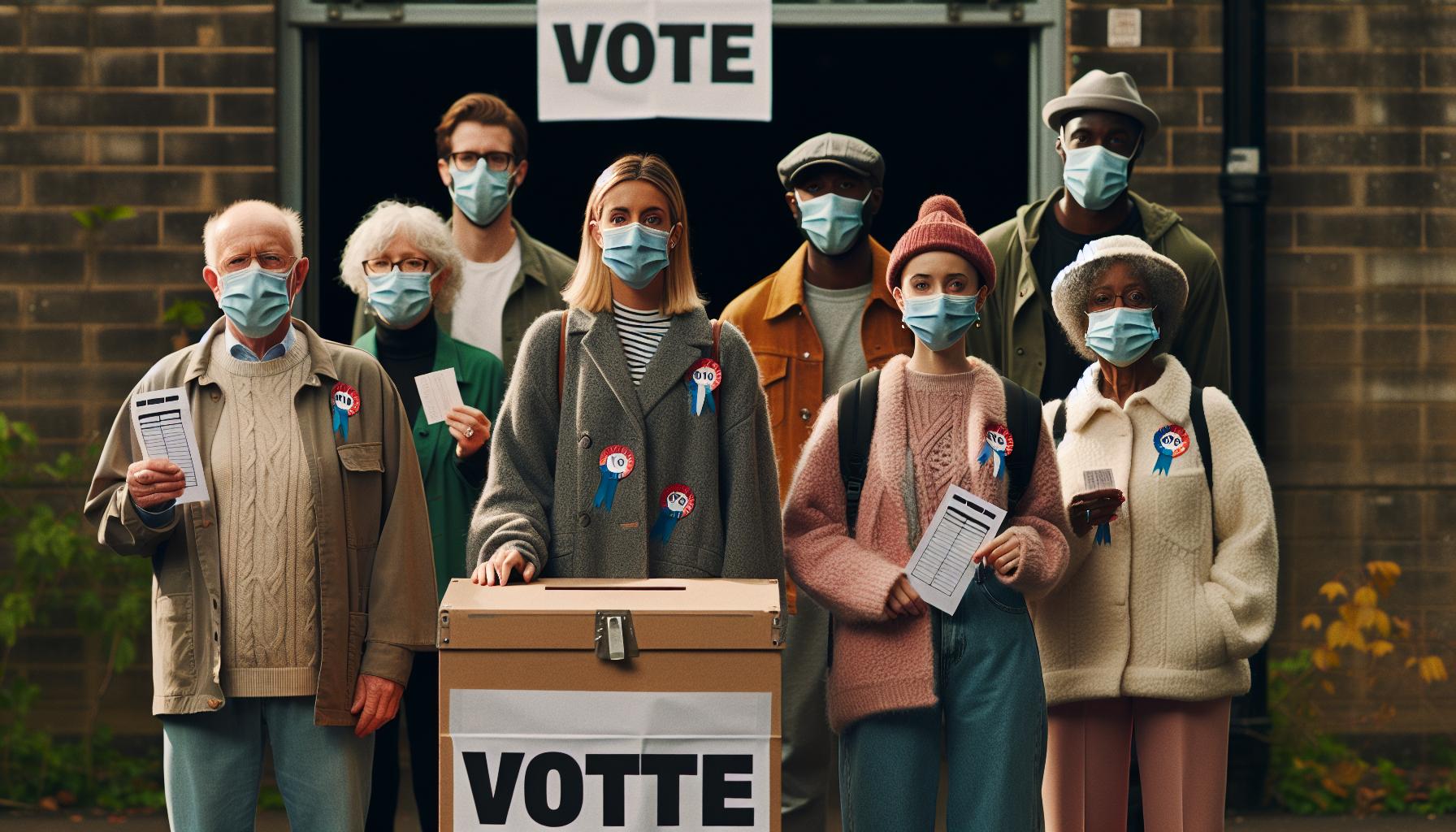
Few civic experiences require as delicate a balance between personal rights and public trust as voting with a face covering in Canada. While voters have a essential right to privacy, religious expression, and health safety, this must be harmonized with the legal obligation to verify identity securely at the polls. Understanding these rights-and the corresponding responsibilities-ensures that voters who wear masks, whether for religious, medical, or other reasons, can participate fully without unnecessary barriers or misunderstandings.
Voters wearing face coverings have the right to respectful accommodations that protect their dignity and privacy. For example, individuals who wear religious garments like niqabs or hijabs may request private or screened identity verification. Similarly,those with medical concerns that necessitate masks can expect polling officials to be flexible,such as allowing for minimal mask removal or accepting supplementary ID. However, exercising these rights responsibly means cooperating with election staff and following established procedures to confirm identity. Transparency and communication go a long way-voters who inform poll workers about their needs beforehand frequently enough encounter smoother, faster check-ins.
Key Responsibilities for Voters Wearing Face Coverings
- Arrive Prepared: Bring acceptable identification and be ready to briefly reveal your face in a private setting if requested. This helps avoid delays and supports election integrity.
- Communicate Clearly: Politely inform election officials of any face covering requirements and ask for accommodations early in the process to ensure privacy and respect.
- Be Patient: Identity verification may take slightly longer, especially in busy polling stations, so remaining calm and cooperative helps maintain a positive atmosphere.
- Follow Instructions: Election workers are trained to balance security with accommodation. Adhering to their guidance facilitates a smooth voting experience for everyone.
Real-world examples illustrate how these rights and responsibilities play out. During the 2021 federal election, Elections Canada implemented policies enabling voters to wear masks freely while ensuring safe identity confirmation took place behind screens or in quiet corners. This approach upheld both voter privacy and election security-a model that continues to guide current practice. Voters who understand that their cooperation is vital to this process feel empowered and respected, reinforcing trust in the electoral system.
By embracing both their rights and responsibilities, voters with face coverings contribute to an election environment that is inclusive, secure, and efficient. This not only guarantees their voice is heard but also supports the collective integrity of Canadian democracy.
| Voter Right | Corresponding Duty |
|---|---|
| Right to wear face coverings for religious or medical reasons | Responsibility to cooperate with discreet identity verification procedures |
| Right to privacy during verification | Responsibility to request accommodations early and follow poll worker instructions |
| right to vote without discrimination | Responsibility to present valid ID and comply with identification rules |

Common Misconceptions About Facial Coverings at Polls
It’s a common misunderstanding that wearing any type of face covering at the polls automatically disqualifies a person from voting or triggers suspicion. In reality, Canadian election laws take a nuanced approach that respects religious freedoms, health needs, and privacy while maintaining election security. As an example, voters wearing niqabs, medical masks, or even less conventional coverings have the legal right to cast ballots, provided they comply with standard identification verification procedures. This balance often surprises those unfamiliar with the adaptable policies in place.
Another misconception is that removing face coverings in public polling stations compromises privacy or forces unwanted exposure. However,election officials are trained to manage these situations sensitively. identity verification typically occurs in private or behind screens, allowing voters to briefly reveal their faces without feeling exposed to others. This thoughtful accommodation addresses concerns people raise about dignity and safety,fostering an environment where voters feel respected and secure. During Canada’s 2021 federal election, for example, these methods were actively employed to ensure smooth processing of masked voters, reinforcing that legal protocols protect both security and individual rights[[2]](https://macleans.ca/politics/ottawa/can-those-wearing-a-niqab-vote-in-an-election-where-the-niqabs-a-hot-issue/).
Clarifying What Counts as Acceptable Identification When Wearing Face Coverings
There’s also confusion about whether face coverings affect what forms of ID are valid. The laws remain consistent: voters must present government-issued photo ID that matches their personal details. Wearing a mask or religious garment does not negate the ID’s relevance but may require the voter to briefly reveal their face to confirm identity against the photo. Poll workers appreciate when voters come prepared to accommodate this request, which expedites the process. In cases of medical masks or face coverings used during pandemics, voters are encouraged to communicate openly with election staff, enabling tailored accommodations that minimize inconvenience.
Addressing Misbeliefs Linked to Security Risks
Some worry that allowing face coverings at the ballot station invites voter fraud or disrupts the integrity of elections. While security is paramount, Canada’s laws and election protocols counter this by enforcing strict identity verification behind protective measures. Election officials are equipped to identify and handle irregularities without singling out those wearing face coverings. This ensures that everyone, from those with religious obligations to individuals concerned about health risks, can participate fully without stigma or suspicion.
- Masks and coverings are legally permitted, not a barrier to voting.
- Private identity verification processes protect voter privacy.
- Communication between voters and poll staff smooths the process.
- Security measures remain robust despite accommodation for coverings.
By understanding these clarifications, voters can confidently approach election day with realistic expectations and the knowledge that their rights are well protected under Canadian law.This helps dispel myths, encouraging more inclusive participation across diverse communities.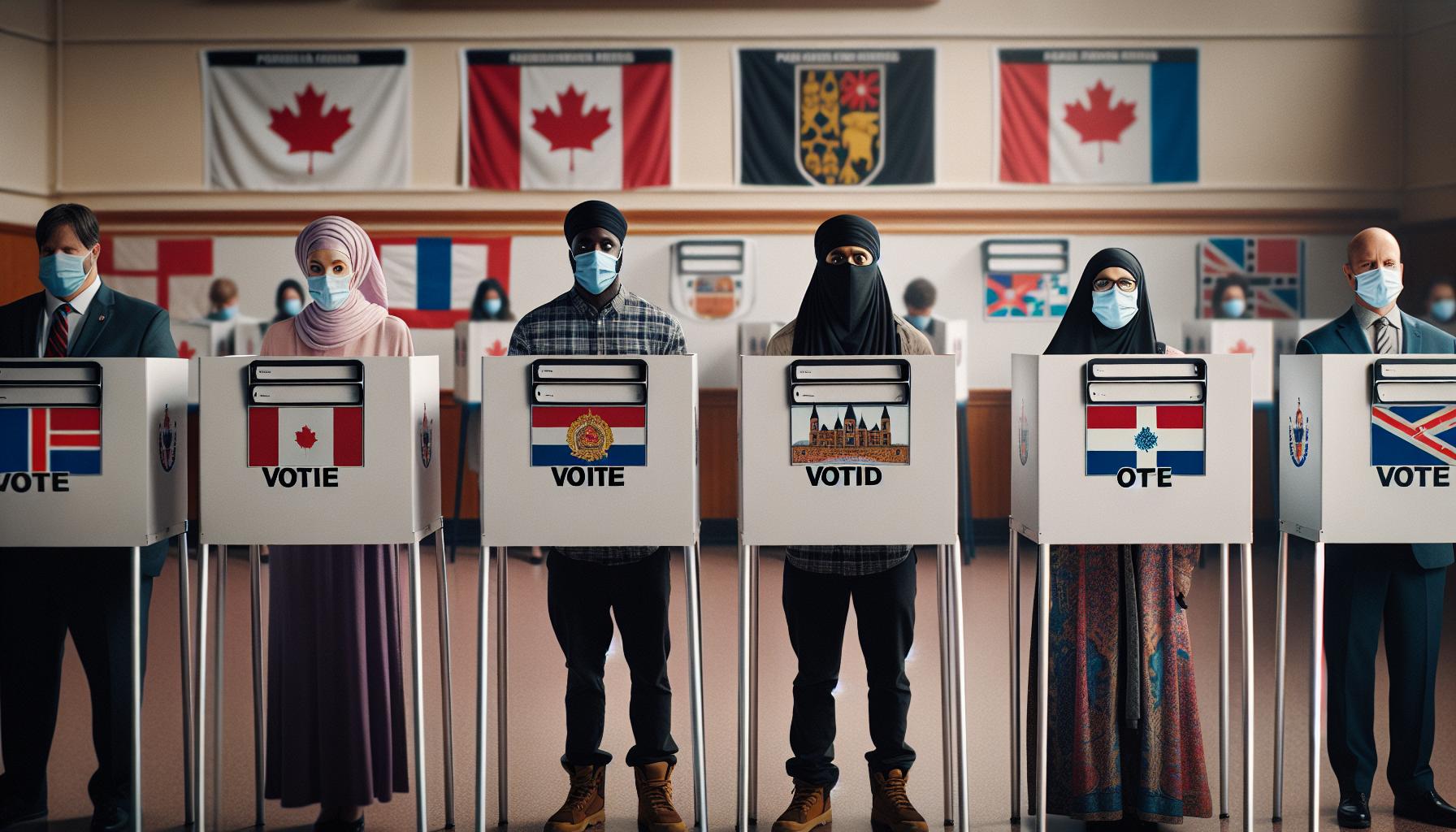
Provincial Variations in Face Covering Voting Rules
Face-covering regulations at polling stations in Canada are not uniform across all provinces, reflecting regional priorities, health situations, and cultural considerations.While federal elections generally maintain a consistent framework, provincial and municipal elections often exhibit some variation in how face coverings are managed, especially in light of recent public health circumstances. Understanding these nuances can help voters prepare better and avoid last-minute surprises on voting day.
Some provinces require voters to momentarily remove masks or face coverings for identification purposes, albeit in a discreet way that respects privacy. For example, during Quebec’s municipal elections, voters must “momentarily withdraw” their masks so that poll workers can verify their identity closely, but this is conducted behind privacy screens to ensure dignity and comfort[[2]](https://montrealgazette.com/news/local-news/youll-have-to-remove-your-mask-to-vote-in-quebecs-municipal-elections). Other provinces may adopt similar measures but differ on whether this applies to all forms of face coverings or only masks worn for health reasons. Awareness of these subtle differences helps voters know what to expect and prepare accordingly.
Practical Variations and Common Approaches
- Temporary Removal for Identification: Provinces commonly require brief removal or lowering of face coverings just long enough to verify identity, often implemented behind protective shields or in private areas to enhance voter comfort.
- Respect for Religious Coverings: Many provinces explicitly accommodate religious face coverings like niqabs or hijabs,permitting voters to keep them on while verifying identity in a respectful manner – for example,through private screening or by a same-gender election official,where possible[[1]](https://macleans.ca/politics/ottawa/can-those-wearing-a-niqab-vote-in-an-election-where-the-niqabs-a-hot-issue/).
- Mask Mandates and Exceptions: in provinces with ongoing mask mandates (especially during health emergencies), voters often must comply with mask policies but can request accommodations if medically necessary.
| Province/Territory | Face Covering Identification Requirements | Religious Covering Accommodation | Notes |
|---|---|---|---|
| Quebec | Mandatory temporary removal behind privacy screen | Religious coverings respected; private verification available | Applied in municipal elections; strong privacy emphasis |
| Ontario | Brief removal/adjustment as needed for ID check | Religious coverings accommodated with private screening | Consistent with federal guidelines, flexible polling stations |
| British Columbia | removal or adjustment requested in private area | Respect for religious face coverings; same-gender official when possible | Emphasis on voter comfort and dignity |
| Alberta | Face coverings removed for ID verification | Private verification for religious coverings supported | Health mask policies may apply during pandemics |
Being Prepared and Knowing Your Rights
if you plan to vote in a provincial or municipal election, double-check your local election authority’s instructions well in advance. Many official websites provide detailed guidance on how to handle face coverings on voting day, including the availability of private spaces for identity checks or options to request same-gender election staff. Communicating openly and respectfully with poll workers often results in a smoother experience,especially if you have specific religious or medical reasons for wearing a face covering.
Voters should also bring valid government-issued photo ID and be prepared to briefly lower or remove the mask just enough for the poll workers to match their face with their ID photo. This process aims to protect the integrity of the vote while balancing respect for individual rights and privacy. Ultimately, the variations reflect an ongoing effort to maintain safe, inclusive, and accessible elections across Canada’s diverse provinces in changing public health contexts.
Security Measures Balancing Privacy and Identification
Many voters may feel uneasy about the delicate balance election officials must maintain between verifying identity and protecting personal privacy when face coverings are involved. Securing the integrity of the vote requires confirming that the person casting the ballot matches the photo on their government-issued ID, yet this process must be handled with utmost respect, particularly for individuals wearing masks for religious, cultural, or medical reasons. This balance involves carefully designed procedures that both uphold safety and honor voter dignity.
To achieve this, polling stations often implement private areas or use privacy screens where voters are asked to temporarily lower or lift their masks just long enough for identity verification. This thoughtful approach reinforces confidentiality,ensuring that sensitive details is not visible to other voters or staff. For example, in provinces like Quebec and British Columbia, such private verification spaces are standard practice, while election officials may also accommodate requests for a same-gender staff member to conduct this check when religious coverings are involved. This helps prevent any discomfort while maintaining the necessary security standards[[1]](https://macleans.ca/politics/ottawa/can-those-wearing-a-niqab-vote-in-an-election-where-the-niqabs-a-hot-issue/) [[2]](https://montrealgazette.com/news/local-news/youll-have-to-remove-your-mask-to-vote-in-quebecs-municipal-elections).
Key Practices Supporting Privacy and Security
- Discrete Identity Confirmation: Voters are frequently enough guided to a secluded spot to briefly unveil their face for ID verification, minimizing exposure to others and preserving personal privacy.
- Respect for Religious and Medical Needs: Poll workers receive training to recognize and accommodate special circumstances, including allowing face coverings to remain on during verbal identity confirmation or with the assistance of visual cues.
- Use of Protective Barriers: Obvious shields and partitions serve dual roles-helping prevent disease transmission while creating a respectful boundary during identity checks.
practical examples underscore the success of these measures. During Quebec’s municipal elections, poll workers explain the process calmly and provide privacy screens to make voters feel cozy when momentarily removing masks. Similarly, Ontario election guidelines emphasize flexibility, allowing temporary adjustments of face coverings only as long as necessary to verify identification.These thoughtful protocols accommodate diverse voter needs without compromising election security.
Ultimately, ensuring a secure yet inclusive voting environment depends on clear communication and prepared election staff. Voters are encouraged to come prepared with valid photo ID and to kindly inform poll workers ahead of time if they require particular accommodations. This cooperative dynamic promotes trust and accessibility, reinforcing a democratic process that respects privacy while safeguarding the legitimacy of each vote.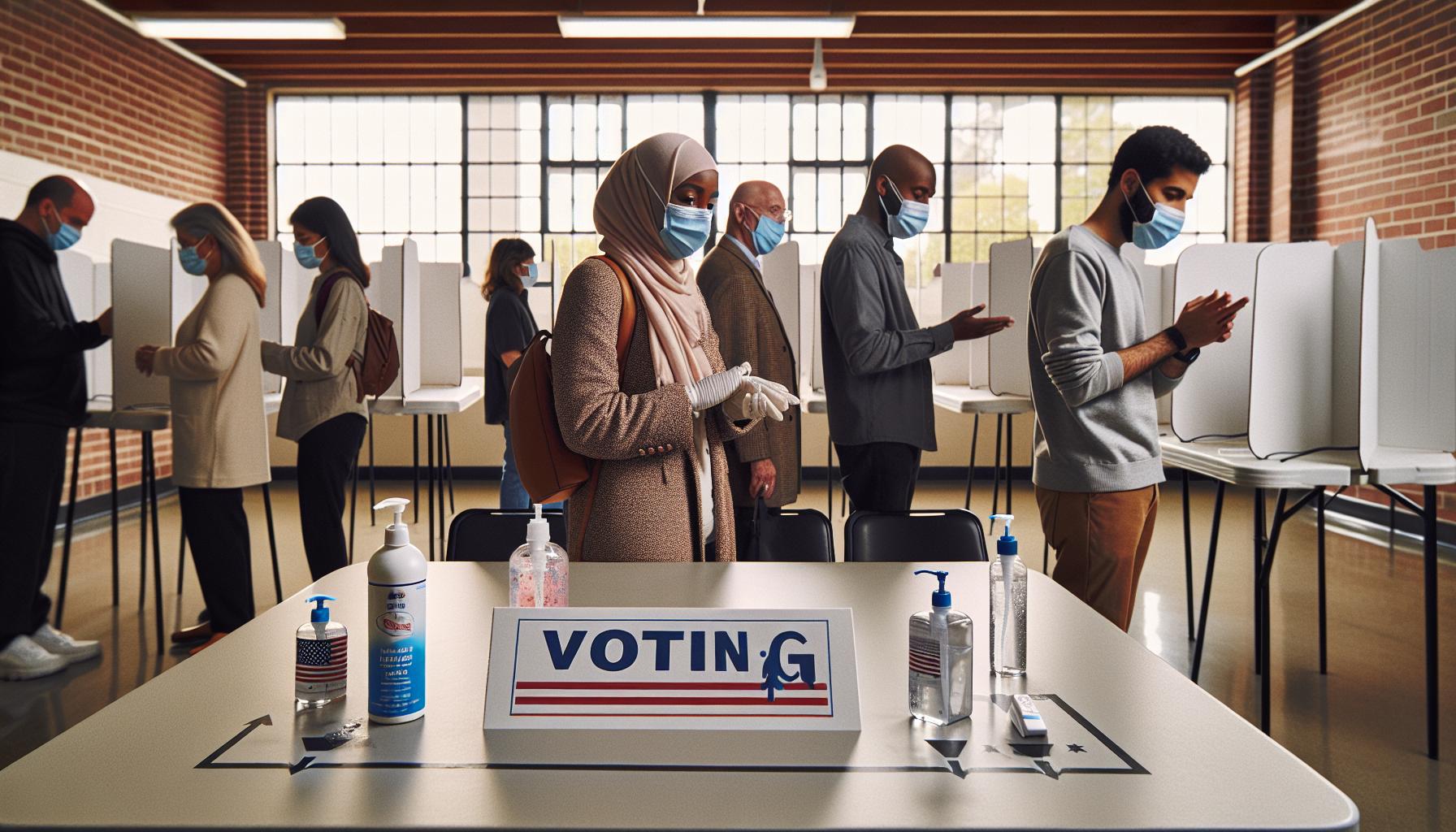
Practical Tips for Voting Safely with a Covered Face
Few aspects of voting are as crucial as ensuring that every eligible voter can participate comfortably and securely-even when face coverings are involved. With evolving health guidelines and diverse cultural practices, it’s increasingly common to encounter voters wearing masks or other facial coverings on election day. To navigate this responsibly, it’s helpful to be aware of simple but effective steps that make the process smooth for both voters and election officials.
Before you head to the polling station, make sure to bring the appropriate government-issued photo identification. This remains the key to a hassle-free identity check. Arriving prepared minimizes the time you’ll need to lift or remove your mask briefly for verification. If you wear a face covering for religious or medical reasons, don’t hesitate to inform poll workers ahead of time or upon arrival-election teams are trained to respect your needs and accommodate with privacy measures such as screens or same-gender staff for identity confirmation.
What to Expect at the Polling Station
- Temporary Mask Adjustment: You will likely be asked to momentarily lower or lift your face covering just enough for an election official to compare your face with your ID photo. This takes only a few seconds and typically happens in a private area to maintain discretion.
- Privacy Assurance: polling places often designate quiet spaces or use privacy shields during this step, ensuring others cannot see your uncovered face. This protects your personal dignity and reduces any discomfort.
- Clear Communication: Feel free to request any accommodations, such as having a same-gender official assist you or choosing a time when fewer people are around, thereby enhancing your comfort during the process.
Additional Tips for a Smooth Voting Experience
- Arrive Early or during Off-Peak Hours: To avoid crowds and have more time for necessary verification, consider visiting your polling station during less busy times.
- Practice Your ID Presentation: Have your ID out and ready to show, and find a way to comfortably lower your mask without exposing yourself to cold or discomfort, especially in winter months.
- Follow Official Instructions: Election officers are trained to assist and guide you respectfully. Trust their procedures-they are designed to keep voting secure while accommodating personal circumstances.
Remember, wearing a face covering should never be a barrier to exercising your right to vote in Canada. Recent elections across provinces like Quebec, Newfoundland, and Alberta have successfully accommodated masked voters, even those voting in creative costumes, without compromising election integrity or safety protocols[[1]](https://www.cbc.ca/news/politics/mask-face-covering-voting-1.3266109)[[3]](https://ca.news.yahoo.com/blogs/canada-politics/masked-voters-casting-ballots-and-its-all-legal-164741686.html). these examples illustrate how thoughtful planning and respectful communication ensure that everyone can participate confidently, regardless of face covering needs.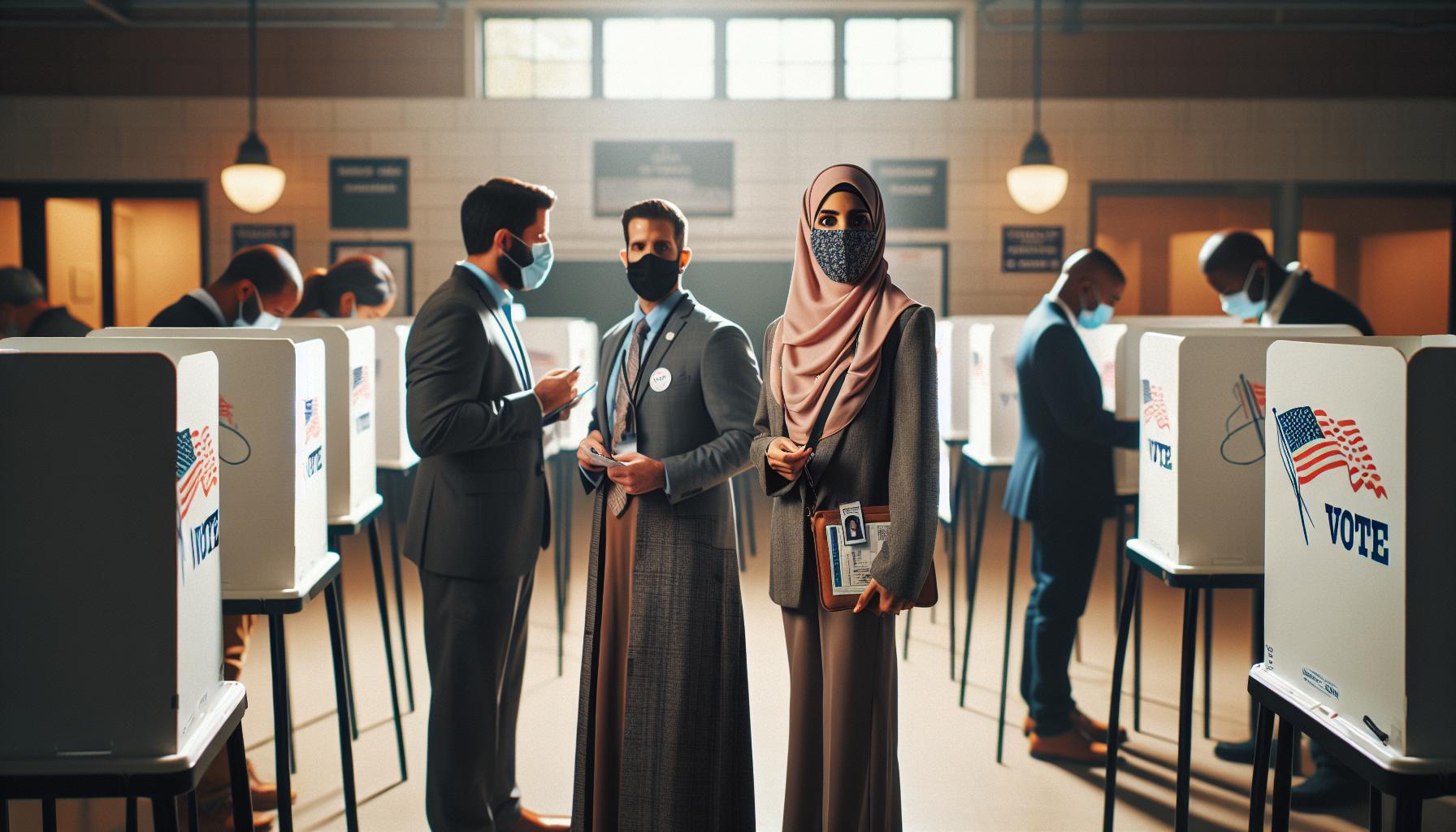
Recent legal Changes Affecting Face Coverings and Voting
Across Canada, laws and guidelines concerning the use of face coverings during voting have evolved significantly, reflecting a balance between public health imperatives and the fundamental right to vote.One of the most notable developments came in the wake of the COVID-19 pandemic when mask mandates and health precautions became widespread. Election authorities quickly adapted to accommodate face coverings while maintaining strict identification protocols to protect the integrity of the electoral process. These changes continue to influence how voters and officials approach mask use at the polls today.
Recent legal measures explicitly recognize and protect the need for voters to wear masks for medical or religious reasons,removing previous ambiguities that sometimes caused confusion at polling stations. As an example,some provinces have updated their election laws or policies to clarify that a voter may wear a face covering and only needs to briefly uncover their face in a private,discreet setting for identity verification. This legal accommodation aims to reduce barriers without compromising security. Additionally, several jurisdictions have incorporated flexibility for voters who may face difficulties removing masks, such as those with respiratory conditions or those who observe facial coverings as part of their faith.
How These Changes Impact Voters
- Enhanced Privacy Protections: Legal updates often mandate that mask removal for ID confirmation happens behind privacy screens or in a separate area to respect voter dignity.
- Clear Guidelines for Election Officials: Training now routinely includes how to handle face covering situations sensitively, reducing instances of conflict or misunderstanding.
- Support for accessibility: Voters with health vulnerabilities are assured they won’t be forced to remove masks openly, providing peace of mind and encouraging participation.
The legal climate has also addressed challenges raised by mask requirements from a public safety standpoint. Some conservative legal advocacy groups have questioned mandatory mask policies at polling stations, arguing potential impacts on voting rights. However, courts and election bodies have generally upheld measures that allow for brief, supervised face uncovering solely when necessary for identification, emphasizing the importance of both safety and fundamental electoral rights [[1]](https://ca.topclassactions.com/lawsuit-settlements/coronavirus-covid-19/elections-canada-could-be-violating-right-to-vote-by-requiring-mask-says-conservative-legal-advocacy/).
These evolving legal frameworks signal a responsive and respectful approach that prioritizes voter inclusion and public health. To ensure a seamless experience on election day, voters are encouraged to review specific provincial rules in advance and communicate their needs openly with election officials, who are trained to accommodate various circumstances efficiently and courteously.
How Election Officials Handle Face Coverings on Election Day
Navigating the intersection of health safety and voter accessibility,election officials across Canada have adopted thoughtful strategies to manage face coverings on election day,ensuring a smooth and respectful voting experience for everyone. Most importantly, officials understand that while masks are critical for public health, verifying a voter’s identity remains a non-negotiable part of the process. Consequently, procedures have been refined to strike a careful balance between these priorities.
When a voter arrives wearing a face covering, election staff are trained to approach the situation with sensitivity and clarity. Typically, if identification verification requires the voter’s face to be visible, the voter will be politely asked to momentarily lower their mask or uncover their face in a private area away from the public eye. This practice respects the individual’s dignity and privacy while fulfilling legal requirements.Such accommodations are especially critically important for those who wear masks for religious or medical reasons, who may feel apprehensive about removing coverings in front of others.
- Private Verification Areas: Many polling stations have designated screened or secluded spaces where voters can briefly reveal their face for ID checks, preventing unnecessary public exposure.
- Clear Communication: Voters are informed ahead of time through signage or verbal instructions about what to expect, minimizing confusion and easing anxieties related to mask removal.
- Flexible Approaches: If a voter cannot remove a mask due to health reasons, some jurisdictions permit alternative identification confirmation methods or the presence of an election official to witness the process discreetly.
Election workers receive training that emphasizes respectful interactions and non-confrontational procedures. This training includes guidance on recognizing legitimate reasons for mask-wearing and how to accommodate those needs without compromising the security of the ballot. For example, if a voter declines to briefly uncover their face without a valid reason, officials may follow layered protocols-such as requiring a private meeting or supervisor involvement-to resolve the matter while upholding voting rights.
These thoughtful adaptations demonstrate the ongoing commitment of Canada’s election system to uphold democratic participation without sacrificing health and safety. Voters are encouraged to bring necessary identification and, when possible, check their local election authority’s guidelines about face covering policies to ensure a smooth experience. Above all, election officials are prepared to handle face coverings with professionalism and care, reflecting a democratic ethos that respects both the person and the process.
FAQ
Q: Are voters required to prove their identity if they wear a face covering in Canadian elections?
A: Yes, voters with face coverings must still prove their identity by presenting valid ID or swearing an oath if unable to show ID. Face coverings do not exempt voters from identification requirements but election officials provide accommodations to balance privacy and security. See Legal Requirements for Voter Identification for details.
Q: How do election officials verify identity when a voter’s face is covered?
A: Election officials may ask voters to briefly remove or lift their face covering in private to confirm identity, or voters can take a sworn oath if they prefer not to reveal their face. This process ensures secure voting while respecting individual privacy. More on How Election Officials Handle face Coverings section.
Q: can wearing a face covering delay the voting process at Canadian polling stations?
A: Wearing a face covering may cause a minor delay due to identity verification steps, but election staff are trained to handle these situations efficiently, minimizing wait times and ensuring smooth procedures.See how Face Coverings Impact Voting Procedures for advice on voting safely and quickly.
Q: Are there specific rules for voting while wearing masks during advance polls in Canada?
A: Yes,voters can wear masks during advance polls,and even unusual face coverings like costumes are permitted if identification protocols are followed. This applies across provinces, ensuring voters can participate comfortably while maintaining election integrity.For more, check Provincial Variations in Face Covering Voting Rules.
Q: What should I do if I refuse to remove a face covering when asked at the polls?
A: If you refuse, you may be required to swear a special oath affirming your identity instead of removing your face covering, per Elections Canada guidelines. This protects your right to vote while maintaining security standards. See Exceptions for Religious and Medical Face Coverings for options.
Q: How does voting with a face covering impact voter privacy in Canada?
A: voting with a face covering enhances privacy for individuals who prefer to keep their identity discreet, such as for religious reasons.Election protocols strive to balance privacy rights with identification needs, detailed under Security Measures Balancing Privacy and Identification.
Q: Can children or caregivers wear face coverings when accompanying voters to Canadian polling stations?
A: Yes, children and caregivers can wear face coverings at polling stations to ensure health safety, though only eligible voters need to verify their identity. This makes voting safer for families, aligning with recommendations in Practical Tips for Voting safely.
Q: Are there penalties for wearing face coverings meant to obstruct voting identity unlawfully?
A: Wearing face coverings with intent to impersonate or obstruct identity verification may lead to legal consequences under Canadian election laws. Voters must comply with election rules to ensure their ballot counts. Check Rights and Responsibilities of Voters Wearing Masks for lawful voting guidance.
For in-depth guidance, explore our sections on Voting with a Face Covering and Identity Verification procedures** to prepare effectively. Your secure vote matters-stay informed and confident when voting with a face covering in canada.
Insights and Conclusions
Understanding the legal nuances of voting with your face covered in Canada ensures you can confidently participate in the democratic process without uncertainty. While certain coverings may be permitted, it’s essential to be aware of identification requirements and polling station protocols to avoid any issues on election day. To further explore your voting rights, check out our detailed guides on government ID requirements and the election process in Canada.
Don’t wait-make sure you’re prepared for the next election by reviewing practical resources like voter registration tools and in-person voting tips. If you have questions or want personalized advice,consider signing up for our newsletter or contacting our experts for a consultation. Share your experiences and thoughts below, and explore our related articles on Canadian voting laws and election day readiness to stay informed and engaged in your civic duties. Your voice matters, and being informed is the first step to making it heard.
Get our latest guides, news, and insights highlighted in your Google Search & AI Overviews.