
In Canada’s 2021 federal election, the battle for the popular vote revealed surprising insights about the nation’s political landscape. While the Liberal Party secured a strong lead in overall vote share, the close contest with the Conservatives highlighted shifting voter priorities and regional dynamics. Understanding who truly won the popular vote goes beyond headlines-it sheds light on how Canadians’ voices were expressed and the implications for future governance. Whether you’re a political enthusiast, a concerned citizen, or simply curious about how election results reflect broader social trends, this breakdown uncovers the key details and unexpected twists that influenced the outcome. Exploring these results can help you grasp how democratic participation shapes policy directions and national leadership, making the story of the 2021 popular vote not just about numbers but a window into Canada’s evolving political identity.
Table of Contents
- Understanding Canada’s 2021 Popular Vote Overview
- which Parties Garnered the Most Votes in 2021
- Regional Breakdown of Canada’s Popular Vote Results
- Impact of the Popular Vote Versus Seat Count Explained
- Voter Turnout Influence on the 2021 Popular Vote
- Why the Popular Vote Doesn’t Always Decide the Winner
- Comparison: 2021 Popular Vote vs Previous Elections
- Demographic Trends Shaping the 2021 Popular Vote
- How Third Parties Affected the Popular Vote Outcome
- Surprising Shifts and swing Ridings in 2021
- The Role of Electoral System in Popular Vote Impact
- What the 2021 Popular Vote Signals for Canada’s Future
- Frequently asked questions
- Q: How did the 2021 popular vote results differ from the seat count outcomes in Canada?
- Q: What role did smaller parties play in shaping the 2021 Canadian popular vote?
- Q: Why can the popular vote winner in Canada differ from the party that forms government?
- Q: How have demographic changes influenced Canada’s popular vote trends since 2021?
- Q: When does voter turnout most affect the popular vote results in canadian elections?
- Q: What unexpected regional shifts influenced the 2021 popular vote in Canada?
- Q: How does the popular vote in Canada compare to other countries with similar electoral systems?
- Q: What insights can the 2021 popular vote provide for predicting future Canadian elections?
- Future Outlook
Understanding Canada’s 2021 Popular Vote Overview
In the 2021 canadian federal election, the distribution of the popular vote presented a captivating insight into the contry’s political dynamics. Although the Conservative Party won the popular vote with approximately 33.7% of ballots cast,it was the Liberal Party,led by Justin Trudeau,that secured the most seats in Parliament and thereby retained government. This divergence between popular support and seat count highlights how Canada’s electoral system translates votes into political power, often sparking debates about portrayal and fairness.
Understanding the popular vote in this election helps clarify underlying voter preferences across the country and challenges assumptions about party dominance. for example,despite trailing in the popular vote with 32.6%, the Liberal Party’s targeted strength in key ridings allowed it to win 160 seats, a gain of three from the previous election. Meanwhile, the Conservatives, with a slight edge in raw votes, ended up with 119 seats, a net loss of two. These results reveal how geographic distribution and regional concentrations of support can significantly influence the parliamentary outcome and the political landscape as a whole.
From a practical viewpoint,voters and political observers should pay close attention to not just the percentage of votes parties receive nationwide but were those votes are cast. In Canada’s first-past-the-post system, winning a riding by a single vote yields the same seat count as winning by thousands, so broad but thin support does not always convert into greater parliamentary presence. This phenomenon underscores the importance of strategically focusing on swing ridings and regions with competitive races, which often decide the balance of power.
- Popular vote advantage does not guarantee government formation.
- Regional distribution of votes critically shapes election outcomes.
- Understanding vote patterns aids in predicting key battlegrounds for future elections.
This 2021 election showed that the popular vote is an essential yet incomplete measure of political success-one that reflects voter sentiments but must be contextualized within the electoral system’s mechanics for a fuller understanding.
which Parties Garnered the Most Votes in 2021
In the 2021 Canadian federal election,the contest for the popular vote showcased a fascinating split among the leading parties,reflecting diverse voter priorities and regional dynamics. While the Conservative Party edged out with the highest share of the popular vote at approximately 33.7%, it did not translate into a parliamentary majority. the Liberals, led by Justin Trudeau, secured around 32.6% of the popular vote but managed to convert their support into significantly more seats, underlining how strategic vote concentration across key regions can outweigh raw vote totals.
Beyond these two dominant parties, the New Democratic Party (NDP) also played a notable role, garnering close to 17.8% of the popular vote. Even though this was not enough to secure official party status in Parliament due to seat count requirements, the NDP’s popular support influenced the broader distribution of votes, shaping the competitive landscape by perhaps narrowing opportunities for Conservatives and liberals in many ridings. Likewise, the Bloc Québécois maintained a regional presence in Quebec with about 7.6% of the popular vote, reinforcing the unique political identity of that province within the federal system.
This distribution reflects more than just numbers-it highlights the importance of vote efficiency and geographic strategy in Canada’s first-past-the-post electoral system. Parties that concentrate votes in winnable ridings tend to come out ahead in seat counts even if they trail in total votes nationwide. For voters and political analysts alike, understanding which parties garnered the most votes is not only about percentages but also recognizing how these numbers interact with Canada’s regional diversity and electoral arrangements to shape governance.
- Conservatives led the popular vote with 33.7% but won fewer seats than the Liberals.
- Liberals secured 32.6% and focused strategically on battleground ridings to win 160 seats.
- NDP captured nearly 18% of votes, affecting overall vote splits, particularly in urban and progressive areas.
- Regional players like the Bloc Québécois maintained essential voter bases, impacting vote distributions in Quebec.
| Party | Leader | Popular Vote % | Seats Won |
|---|---|---|---|
| Conservative Party | Pierre Poilievre | 33.7% | 119 |
| Liberal Party | Justin Trudeau | 32.6% | 160 |
| New Democratic Party (NDP) | Jagmeet Singh | 17.8% | 25 |
| Bloc Québécois | Yves-François Blanchet | 7.6% | 32 |
For anyone looking to interpret the popular vote, it’s crucial to appreciate that a party’s overall vote percentage is just one piece of the puzzle. The electoral map, regional voter concentrations, and local contest dynamics frequently dictate who ultimately forms government. This knowledge can guide voters in understanding how their ballots contribute to the national outcome and help parties refine their campaign focus to maximize seat gains rather than just broad voter appeal.
Regional Breakdown of Canada’s Popular Vote Results
canada’s vast geography and rich regional diversity deeply shaped the outcomes of the 2021 popular vote, reinforcing that national numbers alone don’t capture the full story behind election results. Each part of the country reflected unique political preferences,influenced by local economies,cultural identities,and historical voting patterns. Understanding how votes were distributed regionally offers valuable insight for voters and political strategists alike, highlighting where support was strong and where competition intensified.
In Western Canada, particularly Alberta and Saskatchewan, the conservative Party maintained a dominant foothold, consistently securing strong backing from voters concerned about energy policies and fiscal conservatism. This region contributed heavily to the Conservatives’ lead in the popular vote nationwide.Meanwhile,the Liberals found their core support largely consolidated in urban centres across Ontario and Quebec,especially in Toronto,Ottawa,and Montreal,where progressive policies and multicultural appeal resonate more robustly. The NDP made notable inroads in major cities across British Columbia and parts of Ontario, capitalizing on urban progressive voters focused on social justice, climate change, and affordable housing.
- Quebec’s distinct political landscape showcased a competitive split,with the Bloc Québécois holding firm to their traditional bases,primarily in francophone areas outside Montreal.
- Ontario, the largest province by population, emerged as a critical battleground where small percentage shifts could (and did) heavily influence overall seat distribution.
- Atlantic provinces largely leaned Liberal, benefiting from targeted outreach and federal investments that bolstered regional economies.
| Region | dominant Party | Key Characteristics |
|---|---|---|
| Western Canada (Alberta, Saskatchewan) | Conservatives | Focus on energy, fiscal conservatism, rural voter base |
| Ontario | Liberals/NDP | Urban progressive voters, battleground ridings, diverse demographics |
| Quebec | Bloc Québécois/Liberals | Francophone influence, identity politics, regional nationalism |
| Atlantic Canada | Liberals | Strong federal ties, economic reliance on government support |
| British Columbia | Mixed (Liberals & NDP) | Environmental concerns, urban-rural divides |
This regional pattern underscores the importance of targeted campaigning and policies tailored to local issues.For voters,recognizing how regional priorities shape party dominance can enhance engagement by clarifying why certain ridings become battlegrounds and others remain strongholds. Similarly, parties can leverage this knowledge to allocate resources efficiently, concentrate efforts on swing areas, and craft messaging that resonates at a local level rather than relying solely on national narratives.
For example, the narrow margins in suburban Toronto ridings showed how shifting voter sentiment, even by a few percentage points, could flip seats and drastically affect government formation. In contrast, safe ridings in the Prairies or Quebec provided strong guarantees of party support but contributed less to the fluidity of overall results. This delicate balance of regional strengths and weaknesses makes Canada’s electoral landscape both complex and dynamic.
Impact of the Popular Vote Versus Seat Count Explained
Canada’s 2021 federal election once again highlighted the intriguing dynamics between the popular vote-the total number of votes cast nationwide for each party-and the actual seat count that determines who forms government. While it might seem intuitive that the party with the most votes overall should win the most seats, the reality is shaped heavily by Canada’s single-member plurality system (also called “first-past-the-post”). This system awards each riding’s seat to the candidate with the most votes in that district, not necessarily reflecting the national popular vote proportions.
One striking example in 2021 was how the Liberal Party secured a minority government despite the conservative Party capturing a greater share of the popular vote. This outcome occurred because Liberal votes tended to be more efficiently distributed. They managed to win more ridings by narrow margins in key battleground areas like Ontario and Quebec, whereas Conservative votes were heavily concentrated in strongholds such as Alberta and Saskatchewan, translating to large margins in fewer ridings but less seat gain overall. Understanding this distribution helps voters and analysts appreciate that winning more votes nationally doesn’t always mean winning the most seats.
Why Vote Distribution Matters More Than Vote Totals
The fundamental factor behind this discrepancy is the geographic spread of party support. A party that wins many ridings by slim margins capitalizes on vote efficiency, converting those votes directly into seats. Conversely, accumulating vast majorities in fewer ridings or finishing as a close second in many places generates votes that don’t translate into seats.For practical insight:
- Small shifts in voter support in swing ridings-such as suburban Toronto or parts of British columbia-can flip multiple seats and greatly influence government formation.
- Safe ridings with lopsided victories offer fewer strategic advantages as votes beyond what is needed to win don’t boost seat counts.
- Regional concentration of parties like the Bloc Québécois and Conservatives affects the overall popular vote but may limit their seat gains nationally.
looking Ahead: What This Means for voters and Parties
For voters, grasping this nuance encourages attention not just to which party leads nationally, but where competition is tightest locally. If electoral reform ever gains traction, debates often center on whether Canada’s current system fairly translates popular will into legislative power. For political parties, winning elections requires more than broad national appeal; it demands targeted, region-specific campaigns designed to maximize seat wins.
| Aspect | Effect on Popular Vote vs Seats |
|---|---|
| Vote Concentration | High concentration in few ridings inflates popular vote count but limits seats |
| Vote efficiency | Winning many ridings by small margins maximizes seats even with fewer overall votes |
| Regional Support | Strong regional bases can boost popular vote but may restrict seat distribution nationally |
| Swing Ridings | Small voter shifts have outsized impact on seat outcomes and government formation |
In essence, the 2021 election underscored that while the popular vote offers a snapshot of national political preferences, the distribution and strategic weight of those votes ultimately shape the political landscape in Parliament. Voters seeking representation aligned with their values should stay informed about local riding dynamics, recognizing that every vote contributes to the intricate mosaic of Canada’s democracy.
Voter Turnout Influence on the 2021 Popular Vote
Voter participation plays a decisive role in shaping the outcome of any election, and Canada’s 2021 federal vote was no exception. Although much attention often focuses on which party received the highest number of votes, the level of voter turnout significantly colors the popular vote landscape. Low or uneven turnout across regions or demographics can amplify or diminish the visible support for particular parties, sometiems skewing perceptions of national political momentum.
In 2021, overall voter turnout hovered around 62%, a slight downturn compared to previous federal elections. this modest drop had nuanced effects on the popular vote distribution. Regions with traditionally higher abstention rates, such as parts of Atlantic Canada and certain urban centres, saw fewer total votes counted, impacting the totals for parties relying heavily on those constituencies. Conversely, areas with mobilized voter bases-often competitive swing ridings in Ontario and Quebec-showed stronger turnout, which amplified the support for parties engaged in targeted ground campaigns.
How Turnout Shapes Vote Weight Beyond Numbers
Turnout does more than just change raw vote totals-it influences which votes carry more weight in deciding seat distribution and the popular vote’s interpretation.For example:
- High mobilization in Swing Ridings: when voter engagement surges in competitive districts, small changes can flip ridings and alter not only seat counts but also the overall popular vote standing.
- Low Turnout in “Safe” Ridings: In areas where outcomes are seen as predictable, diminished turnout may mean fewer votes contribute to a party’s national totals without affecting seat control.
- Demographic Turnout Variations: Younger voters and marginalized communities traditionally have lower participation rates, which can suppress the popular vote for parties with strong appeal among those groups.
understanding these dynamics empowers voters and analysts to appreciate that boosting turnout in key regions and demographics remains a critical factor in influencing both who wins locally and the overall narrative of popular support.
Engaging Voters to Impact Future Popular Vote Trends
For those interested in seeing their political values better reflected in national outcomes, participation remains the single most effective tool. Practical steps to encourage broader voter engagement include:
- Community outreach: Supporting or organizing local efforts to reach underrepresented groups can elevate participation rates and sway electoral results.
- Education on Voting Processes: Demystifying how votes translate to seats encourages informed and motivated voting habits.
- Early and Choice Voting options: Taking advantage of early voting, mail-in ballots, and accessible polling stations removes barriers that often depress turnout.
By recognizing the profound influence turnout has on the popular vote, Canadians can push for more representative elections where every vote contributes meaningfully to the country’s political direction. This awareness fosters a more engaged electorate and encourages parties to cultivate broader appeal beyond their traditional bases.
Why the Popular Vote Doesn’t Always Decide the Winner
In Canadian federal elections, winning the most votes nationwide doesn’t necessarily mean a party will form the government. This counterintuitive outcome stems from Canada’s use of the “first-past-the-post” (FPTP) electoral system, where victory depends on securing the most seats in individual ridings-not the total popular vote.as an inevitable result,a party can accumulate a large number of votes concentrated in specific areas yet still fail to convert that support into a majority of seats,while another with less overall vote share might win more districts and form the government.
This phenomenon played out notably in the 2021 election,where the distribution of votes mattered more than the sum total. Such as, parties with concentrated regional support frequently enough win many ridings with large margins, accumulating “surplus” votes that don’t translate into additional seats. Conversely, parties whose support is spread thinly across multiple ridings may garner considerable national vote totals but fail to capture enough individual seats to gain power. This geographic factor means that vote efficiency-how well votes convert into seats-is crucial. It also explains why parties prioritize campaigning in swing ridings, where small shifts in voter support can lead to seat changes that materially affect the election outcome.
Understanding the Seat-Vote Disparity
to put it simply, the popular vote is an aggregate measure, but our political system rewards victories riding by riding. Imagine two parties competing in ten ridings:
| Riding | Party A Votes | Party B Votes | Winner |
|---|---|---|---|
| 1 | 10,000 | 8,000 | Party A |
| 2 | 12,000 | 11,000 | Party A |
| 3 | 15,000 | 5,000 | Party A |
| 4 | 4,500 | 6,000 | Party B |
| 5 | 3,000 | 7,000 | Party B |
| 6 | 4,000 | 6,500 | Party B |
| 7 | 3,500 | 5,500 | Party B |
| 8 | 2,000 | 8,000 | Party B |
| 9 | 500 | 4,500 | Party B |
| 10 | 1,000 | 3,000 | party B |
In this simplified example, Party A wins three ridings by large margins but loses seven ridings by smaller margins. Party B, with fewer overall votes nationally, secures more seats by winning more ridings. This illustrates how “efficient” vote distribution yields more seats,despite a smaller popular vote share.
What This Means for Voters and Parties
Understanding this seat-vote dynamic can empower voters to better grasp why parties focus their resources and messaging on key battleground areas. For those interested in maximizing the impact of their vote, this highlights the importance of targeted voter engagement in swing ridings, where each vote carries more potential to influence seat counts and, ultimately, government formation.
Moreover, recognizing that the popular vote alone doesn’t decide the winner offers valuable context for interpreting election night results. It discourages complacency in regions perceived as “safe” and encourages broader participation, as even small shifts in competitive ridings can reshape Parliament.
- Practical tip: If you live in a highly competitive riding, your vote may have more influence than average in determining who sits in parliament.
- For parties: Strategically allocating campaigning efforts and resources to ridings where vote margins are tight can make a decisive difference.
While some Canadians advocate for electoral reform to align seat counts more directly with the popular vote, the current system remains firmly rooted in Canada’s political tradition. Until such changes occur,understanding this fundamental electoral nuance helps make sense of election outcomes that might otherwise seem surprising or unfair.
Comparison: 2021 Popular Vote vs Previous Elections
One of the most striking features of the 2021 Canadian federal election was how the popular vote reflected both continuity and change when compared to previous elections. While the major parties-the Liberals and Conservatives-continued to command the lion’s share of votes nationwide, subtle shifts in their vote shares and the evolving performance of third parties highlighted a changing political landscape. This contrast offers crucial insights for voters, analysts, and political strategists alike about the underlying patterns that shape election outcomes over time.
Unlike some past elections where one party might have enjoyed a clear popular vote lead,2021 saw a narrower margin between the top contenders. The Liberals, while still maintaining enough support to form a minority government, experienced a slight dip in their overall vote percentage compared to 2019, signaling some erosion of their base. Meanwhile, the Conservatives regained some ground, highlighting a competitive swing in certain regions. This tug of war in the popular vote reflects broader dynamics such as changing voter priorities, reaction to government performance, and demographic shifts-which have all shaped trends seen in previous electoral cycles.
Key Differences and Trends Over Recent Elections
- Vote share volatility: The Liberals’ decline from their dominant position in 2015 to a more modest plurality in 2021 illustrates how voter loyalty can fluctuate even for established parties.
- Third-party influence: While smaller parties like the NDP and Bloc Québécois have historically made regional impacts, their popular vote shares wax and wane significantly. The 2021 results showed a modest rebound for the NDP after previous dips, which altered the competitive landscape in several ridings.
- Geographic distribution: Previous elections saw the Conservatives solidify rural and suburban support, while the Liberals traditionally dominated urban centers.Subtle shifts in these patterns in 2021 suggest evolving voter concerns and demographic trends, such as urban diversification and economic uncertainty.
Practical Lessons from Past Versus 2021 Popular Vote Patterns
for voters seeking to understand how their participation fits into the bigger picture, comparing recent popular vote trends can clarify how strategic engagement shapes electoral outcomes. For example, recognizing that shifts in tight ridings or demographic groups-like younger voters or specific ethnic communities-can ripple into changes in the popular vote, voters can better appreciate the value of targeted outreach and informed candidate choices. Politicians and campaigners can similarly learn that past election strategies may require adjustments to remain effective in a changing electorate.
| Election Year | Liberal Popular Vote (%) | Conservative Popular Vote (%) | NDP Popular Vote (%) | Bloc Québécois Popular Vote (%) |
|---|---|---|---|---|
| 2015 | 39.5% | 31.9% | 19.7% | 4.7% |
| 2019 | 33.1% | 34.3% | 15.9% | 7.6% |
| 2021 | 32.6% | 33.7% | 17.9% | 7.6% |
These figures illustrate how fluctuations, even of a few percentage points, can dramatically alter the electoral map and the eventual composition of Parliament.Awareness of such nuances can empower voters to approach elections with a clearer understanding of the stakes involved.
Ultimately, comparing the 2021 popular vote to previous elections reminds us that while certain voting patterns show persistence, others are more fluid and susceptible to timely political and social factors. Staying informed about these trends not only enriches democratic participation but also helps citizens anticipate how their collective choices may influence Canada’s political future.
Demographic Trends Shaping the 2021 Popular Vote
Voter behavior in the 2021 Canadian federal election reflected significant demographic undercurrents that shaped the overall distribution of the popular vote. One notable trend was the growing political influence of younger voters, who increasingly prioritized issues like climate change, economic inequality, and social justice. This cohort showed stronger support for parties with progressive platforms, particularly benefiting the New Democratic Party (NDP), which saw a modest rebound in vote share compared to previous elections. Younger demographics’ engagement signals a shift toward issue-based voting and a potential realignment in future electoral outcomes.Another key demographic factor was the rising diversity within Canada’s urban centers, where immigration continues to reshape the population makeup. Liberal candidates retained strong support in metropolitan areas such as toronto and Vancouver, largely due to their policies on immigration and multiculturalism. This demographic consistently favors parties perceived as inclusive and forward-looking on social policies. Conversely, Conservative gains in suburban and rural areas reflect different economic priorities and demographic profiles, including older voters and communities more focused on traditional industries and fiscal conservatism.
Regional and Ethnic Dynamics
- Urban vs. Rural Divide: Urban voters leaned more heavily toward the Liberals and NDP, while rural regions remained Conservative strongholds. This divide is not only geographic but also tied to economic opportunities and access to services.
- Indigenous voters: Indigenous communities, often underrepresented in voter turnout statistics historically, showed increased mobilization efforts. Their voting patterns largely favored progressive parties addressing reconciliation and social support.
- Ethnic Minorities: Ethnic minority groups, particularly in large cities, have tended to support the Liberals, aligning with their inclusive immigration and multicultural policies, impacting vote tallies in key ridings.
These subtle but impactful demographic trends underscore the importance for parties to tailor their platforms and outreach if they want to win over a broad and changing electorate. Recognizing that demographic factors like age, ethnicity, and place of residence have tangible effects on voter preferences can definitely help both candidates and voters understand election results beyond simple partisan divides.
Strategies for Future Engagement
To adapt to these demographic realities, political campaigns might consider:
- developing targeted messaging that resonates with younger voters’ values and concerns.
- Investing in multicultural outreach programs in diverse urban constituencies.
- Addressing rural economic challenges while respecting local cultural priorities.
By embracing these demographic influences as part of a holistic electoral strategy, parties can better navigate Canada’s evolving political landscape-a factor that will continue to shape popular vote outcomes in upcoming elections.
How Third Parties Affected the Popular Vote Outcome
In many elections,the influence of smaller parties and autonomous candidates is frequently enough underestimated,yet in the 2021 Canadian federal election,third parties played a subtle but meaningful role in shaping the overall popular vote landscape. Beyond the major players-Liberals,conservatives,NDP,Bloc Québécois,and Greens-third-party entities and less prominent political groups contributed to vote splitting,altered regional dynamics,and introduced new issues into the national conversation.These factors can shift voter behavior enough to affect both the popular vote totals and, at times, the distribution of seats in key ridings.
Third parties, by their nature, tend to attract voters who feel that the major parties do not fully represent their priorities, whether rooted in specific policy ideas, regional interests, or ideological nuances. For example, smaller environmentalist parties or single-issue groups tend to siphon votes from the Green Party or NDP, especially among progressive voters dissatisfied with mainstream choices. Similarly, certain regional parties or independents attract voters seeking more localized representation, which can dilute support for the larger parties in their areas. This fragmentation often results in a more diverse spread of votes, which can indirectly benefit one major party by drawing potential competition away from another.
Strategic considerations and Vote Splitting
- Impact on Vote Margins: In tightly contested ridings, third parties rarely win seats but can significantly affect outcomes by splitting votes. For instance, votes going to independent or third-party candidates might have, if consolidated, changed the winner from one major party to another, thereby influencing overall seat tallies despite small popular vote shares.
- Advocacy and Issue Representation: Third parties can push specific issues higher onto the national agenda, which major parties sometimes adopt to reclaim voters. This dynamic underscores how third parties shape the election’s discourse beyond raw vote counts.
- Voter engagement and Choice: Inclusion of multiple parties broadens voter choice, potentially increasing engagement among disenfranchised or cynical voters. This effect helps explain pockets of increased turnout where alternative parties ran active campaigns.
Understanding the role of third parties also requires recognizing their regulatory and operational context. in Ontario, for example, “third parties” encompass persons or groups engaging in political advertising who are not official parties, candidates, or constituency associations, affecting campaign dynamics by influencing voter perceptions and behaviors through advertising efforts [[1]](https://www.elections.on.ca/en/political-entities-in-ontario/third-parties.html).
For voters and campaign strategists alike, appreciating the nuanced impact of third parties means acknowledging that election outcomes are not solely dictated by the headline vote percentages of large parties. Rather,the broader political ecosystem includes smaller players whose presence can tip scales in unexpected ways. This insight can inform campaign decisions, such as where to allocate resources or how to frame platforms to appeal to voters whose first preference might lie outside the traditional political spectrum.
In practical terms:
- Campaigns benefit from monitoring third-party activity and tailoring messaging to reclaim or resonate with voters who might drift toward these alternatives.
- Voters should consider how their choices for smaller parties might influence seat outcomes, especially in competitive ridings, balancing passion for specific issues with strategic voting considerations.
By recognizing the subtle yet strategic influence of third parties, anyone interested in Canadian politics gains a richer, more accurate picture of how the popular vote unfolded in 2021 and what it might imply for future electoral contests.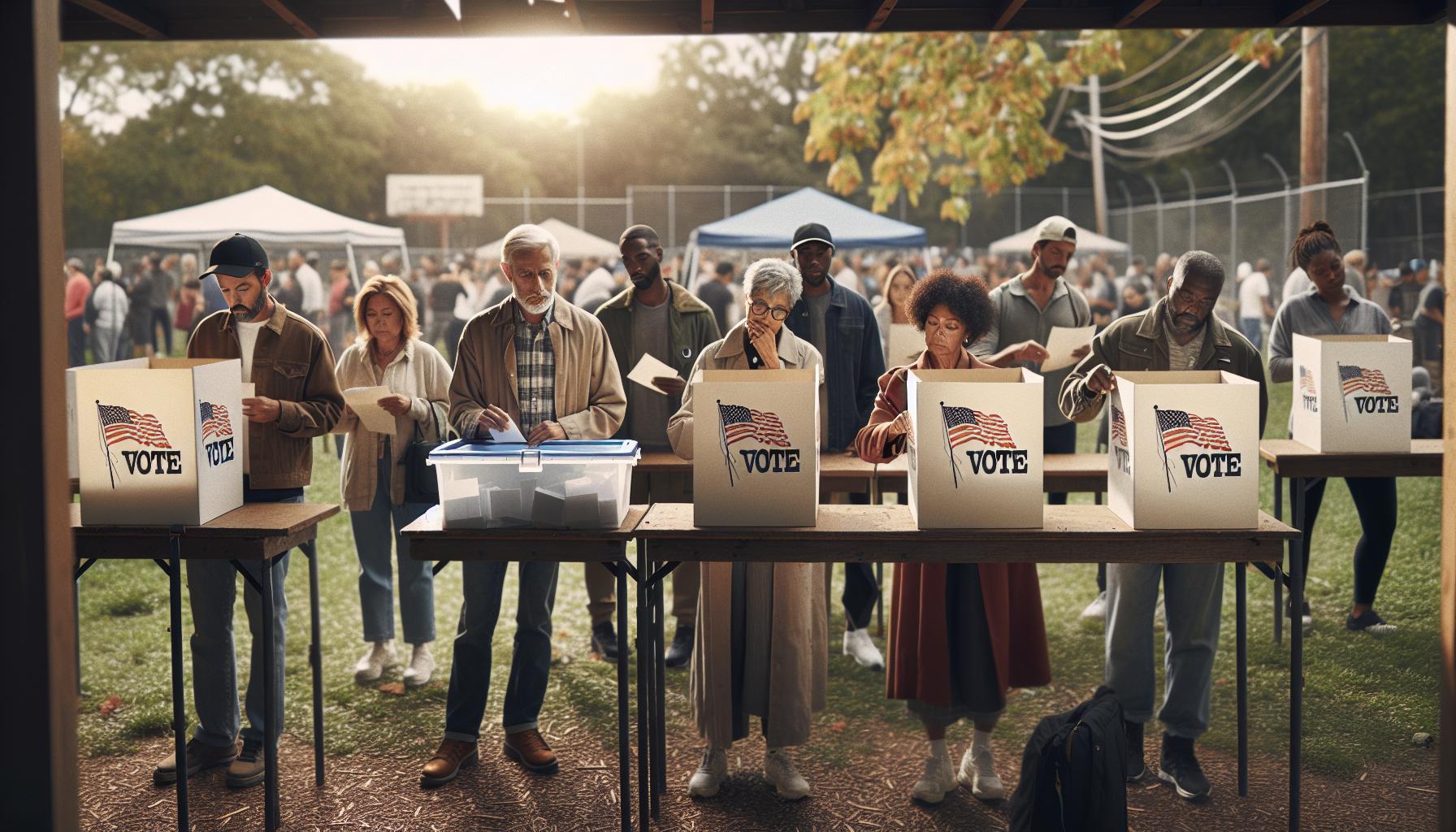
Surprising Shifts and swing Ridings in 2021
Few elections underscore the unpredictable nature of Canadian politics quite like the 2021 federal race, where several unexpected shifts in voter allegiance reshaped the electoral map. These surprising changes were particularly evident in swing ridings-districts where margins of victory were razor-thin and traditional party loyalties less entrenched. Understanding these dynamics is crucial for voters, analysts, and campaigners alike, as they highlight how local factors and strategic campaigning can overturn long-standing patterns and influence national outcomes.
Several ridings across Canada demonstrated how small shifts in voter turnout and party support could tip the balance. For example, in certain suburban Toronto and Vancouver seats, tight contests between the Liberals and Conservatives revealed how demographic changes-such as urban growth and increasing multicultural populations-altered the political landscape. Simultaneously occurring, the New Democratic Party (NDP) made notable inroads in parts of British Columbia and Ontario where working-class concerns resonated strongly, leveraging local issues like affordable housing and climate policies to peel voters away from their usual affiliations. These swing ridings often showcased voter volatility, where campaigns emphasizing targeted outreach and grassroots mobilization saw dividends.
Factors Behind the Swing Riding Surprises
- Candidate Profiles and Local Issues: In many competitive districts, the appeal and visibility of individual candidates played a decisive role. Charismatic local figures who connected authentically with constituents were able to outperform national party trends.
- Strategic Voting: Voters consciously opting for the “lesser of two evils” to prevent an undesired party’s victory caused vote consolidation that shifted outcomes unexpectedly in key ridings.
- Impact of Third Parties: As discussed previously, third-party candidates sometimes catalyzed vote splitting, indirectly influencing which major party won the seat, particularly in tight races where even a small margin mattered.
For anyone watching future Canadian elections, mapping and analyzing these swing ridings becomes a practical exercise. Campaign teams should consider investing resources where small changes in strategy could sway the vote, while voters might want to prioritize awareness of local dynamics over broader national narratives. Below is an illustrative snapshot highlighting a few critical ridings with notable 2021 results:
| Riding | Dominant Shift | 2021 Outcome | Key Influencing factor |
|---|---|---|---|
| Burnaby South, BC | NDP gain from Liberal | NDP 40.3%, Liberal 30.4% | Strong grassroots campaign and local engagement |
| Edmonton Southeast,AB | Liberal gain from Conservative | Liberal win signaling inroads in Conservative territory | High-profile candidate and shifting urban demographics |
| Montreal Centre,QC | Bloc Québécois retention with tight margin | Bloc 29.5%, Conservative 29.4% | Localized nationalist messaging with Conservative challenge |
These examples demonstrate the fluidity and complexity of Canadian federal politics in 2021, where no riding is truly safe and where voter engagement at the local level can overturn national assumptions. Whether you’re a politically engaged citizen or a campaign strategist, understanding these subtle but decisive shifts equips you to better anticipate future electoral contests and their broader consequences.
By paying close attention to swing ridings, stakeholders gain insight into how demographic change, issue salience, and strategic voting interplay to reshape Canada’s popular vote-and influence parliamentary representation-in surprising and consequential ways[[1]](https://en.wikipedia.org/wiki/2021_Canadian_federal_election)[[2]](https://www.strategicvoting.ca/swingdistrictsfed2021.php)[[3]](https://www.reuters.com/world/americas/what-are-key-races-canadas-federal-election-2025-04-22/).
The Role of Electoral System in Popular Vote Impact
Popular vote totals frequently enough tell only part of the story in Canadian federal elections.This is because Canada employs a first-past-the-post (FPTP) electoral system, where each of the 338 electoral districts, or ridings, elects one Member of Parliament (MP) based on who receives the most votes in that riding – regardless of whether they have an absolute majority. This system inherently creates a significant divergence between the overall popular vote share and the distribution of seats in the House of Commons.
Under FPTP, it’s entirely possible for a party to secure the most votes nationwide but fall short in seat count, or vice versa. The 2021 election provided a clear example: while the Liberal Party won the most seats and formed the government, the popular vote was split relatively closely among major parties, and in some regions, third-party and regional candidates earned meaningful vote shares that influenced the outcomes indirectly. The geographic concentration of support matters immensely; a party with broad but shallow national support might win fewer seats than a party with intense local backing in key districts.
How the Electoral System Shapes Vote Translation
- Vote Efficiency: Parties aim to win ridings by the smallest margin that guarantees victory, maximizing efficiency. Winning with excess votes beyond what is necesary does not increase seat count, but “wasted” votes can occur when candidates lose by narrow margins.
- Regional Strengths: Parties with strongholds in particular provinces-such as the Bloc Québécois in Quebec or the Conservatives in Alberta-can accumulate seats even if their national vote share is limited. This territorial focus boosts seats disproportionately compared to the popular vote.
- Impact on Third Parties: Smaller parties frequently enough face challenges under FPTP as their support is spread too thinly to capture ridings outright. Yet in swing ridings, their presence can split votes, indirectly affecting the major parties’ seat outcomes.
One practical takeaway for voters and campaigners is the strategic importance of targeting ridings where vote margins are tight. Rather than focusing solely on boosting a party’s national vote share,focusing resources on swing ridings can radically influence parliamentary representation. this also explains why regional and demographic factors influence campaign strategies intensely-knowing where to mobilize supporters can convert seemingly small shifts in popular vote into decisive seat gains.
| Party | 2021 Popular Vote (%) | Seats Won | Notes on Vote Distribution |
|---|---|---|---|
| Liberals | 32.6% | 160 | Strong urban support, especially in Ontario and Quebec |
| Conservatives | 33.7% | 119 | Vote concentrated in rural and western provinces |
| New Democratic party (NDP) | 17.8% | 25 | Support focused in specific urban and working-class areas |
This disparity highlights why the popular vote is often not the best predictor of who will govern-the electoral system’s structure means that seat counts drive power,not raw vote totals. For citizens seeking electoral reform, this discrepancy fuels debates about proportional representation versus first-past-the-post, underscoring the impact of system design on democratic outcomes.
Understanding these dynamics equips readers to interpret election results more critically and appreciate why tactical voting, targeted campaigns, and regional strategies dominate Canadian politics.Engaged voters can benefit from focusing not just on parties’ national platforms, but on how their local votes will translate into seats under Canada’s unique electoral framework[1][2].
What the 2021 Popular Vote Signals for Canada’s Future
Canada’s popular vote patterns in 2021 reveal important signals about the evolving political landscape and voter priorities that are likely to shape future elections. Despite the close split between major parties, the nuanced differences in regional support and the role of third parties highlight a more fragmented electorate. This fragmentation suggests that political parties will need to adopt more refined and targeted strategies rather than relying on broad national messaging alone.
The rise in support for smaller parties and fluctuating voter turnout in certain key regions underscores the importance of engaging diverse demographic groups, such as younger voters and urban professionals, who have shown shifting allegiances. For readers and voters, this means that simply backing a party based on traditional loyalties may be less effective than understanding local riding dynamics and the specific issues driving turnout. Campaigns that prioritize grassroots mobilization and tailored outreach-focusing on community concerns like climate policy, economic recovery, and social justice-are increasingly critical.
Shaping campaign Strategies Through Regional and Demographic Insights
- Regional Diversity: Parties must recognize the distinct political landscapes of provinces and cities. For example, the Bloc Québécois’ sway in Quebec or the Conservatives’ strength in Alberta indicates deeply rooted regional identities that influence voting behavior beyond national party platforms.
- Demographic engagement: Younger voters and diverse ethnic communities are becoming pivotal swing groups. Their concerns often revolve around progressive social policies, digital economy opportunities, and climate change, signaling where parties can innovate to capture wider support.
- Third-Party Influence: Smaller parties, even if not winning many ridings outright, shape vote splits and compel larger parties to address issues they might otherwise neglect, increasing the overall complexity of voter choice.
This multipolar environment means future federal elections may hinge on coalition-building and strategic alliances, even in a first-past-the-post system. For voters, it reinforces the importance of awareness about how their ballot impacts not just their preferred candidates but also the wider balance of power in Parliament.
By studying the 2021 results, political observers and citizens alike can appreciate that Canada’s electoral future will be defined by adaptability, targeted dialog, and inclusive policy platforms that address the country’s diverse and changing electorate. This insight provides a roadmap for voters wishing to make informed decisions that resonate beyond just tallying popular votes to influencing effective representation.
Frequently asked questions
Q: How did the 2021 popular vote results differ from the seat count outcomes in Canada?
A: The 2021 popular vote saw some parties winning a higher percentage of votes nationally but fewer seats due to Canada’s first-past-the-post system. This means the popular vote winner did not always translate into the most parliamentary seats. For deeper insights,see our section on *Impact of the Popular Vote versus Seat Count Explained*.
Q: What role did smaller parties play in shaping the 2021 Canadian popular vote?
A: Smaller and third parties like the Greens and Bloc Québécois influenced vote splitting and regional outcomes in 2021, affecting major party results. Their presence impacted total vote shares, especially in swing ridings. Learn more in our *How Third Parties Affected the Popular Vote Outcome* section.
Q: Why can the popular vote winner in Canada differ from the party that forms government?
A: canada’s electoral system awards seats by riding, not by popular vote. Thus, a party can win more overall votes but fewer seats, leading to minority or coalition governments. For explanations, explore *Why the Popular vote Doesn’t Always Decide the Winner*.
Q: How have demographic changes influenced Canada’s popular vote trends since 2021?
A: shifts in age,ethnicity,and urbanization have impacted voting patterns,contributing to evolving popular vote distributions. Younger voters and diverse communities increasingly shape outcomes. See the *Demographic Trends Shaping the 2021 Popular Vote* for detailed analysis.
Q: When does voter turnout most affect the popular vote results in canadian elections?
A: Voter turnout impacts results significantly in closely contested ridings or regions. Higher turnout can swing the popular vote by amplifying underrepresented groups. Refer to *Voter Turnout Influence on the 2021 Popular Vote* for best practices on increasing electoral participation.
Q: What unexpected regional shifts influenced the 2021 popular vote in Canada?
A: Some provinces and suburban areas experienced surprising swings toward either liberals or Conservatives, altering popular vote shares dramatically. These shifts frequently enough occurred in swing ridings pivotal to overall outcomes. Review *Surprising Shifts and Swing Ridings in 2021* for specifics.
Q: How does the popular vote in Canada compare to other countries with similar electoral systems?
A: Like other first-past-the-post systems, Canada frequently enough sees discrepancies between the popular vote and seat distribution, unlike proportional systems which align seats more closely with votes. This comparison highlights the need for electoral reform debates,related to content in *The role of Electoral System in Popular Vote Impact*.
Q: What insights can the 2021 popular vote provide for predicting future Canadian elections?
A: the 2021 popular vote reveals emerging party strengths, regional bases, and demographic influences critical for forecasting. Observing these trends helps predict which parties may gain ground or lose support,discussed in *What the 2021 Popular Vote Signals for Canada’s Future*.
*For further insights on these topics, explore the linked sections in the main article and stay updated on Canada’s evolving political landscape.*
Future Outlook
Understanding who won the popular vote in Canada’s 2021 federal election reveals important insights beyond just the seat count, highlighting voter trends and regional shifts that shape the political landscape. If you found this breakdown enlightening, explore our in-depth analysis of Canada’s electoral system and the impact of voter turnout to deepen your understanding even further. Don’t miss our latest coverage on key policy debates shaping future elections-perfect for staying informed and ready to engage.Take the next step by subscribing to our newsletter for timely updates and expert perspectives on Canadian politics. If you have questions or unique insights about the 2021 popular vote results, share them in the comments below-your voice matters in this ongoing conversation.For a comprehensive view on election dynamics or how the popular vote influences governance, check out our resources and tools designed to keep you informed and empowered. Stay connected, explore more, and be part of the debate shaping Canada’s future.
Get our latest guides, news, and insights highlighted in your Google Search & AI Overviews.