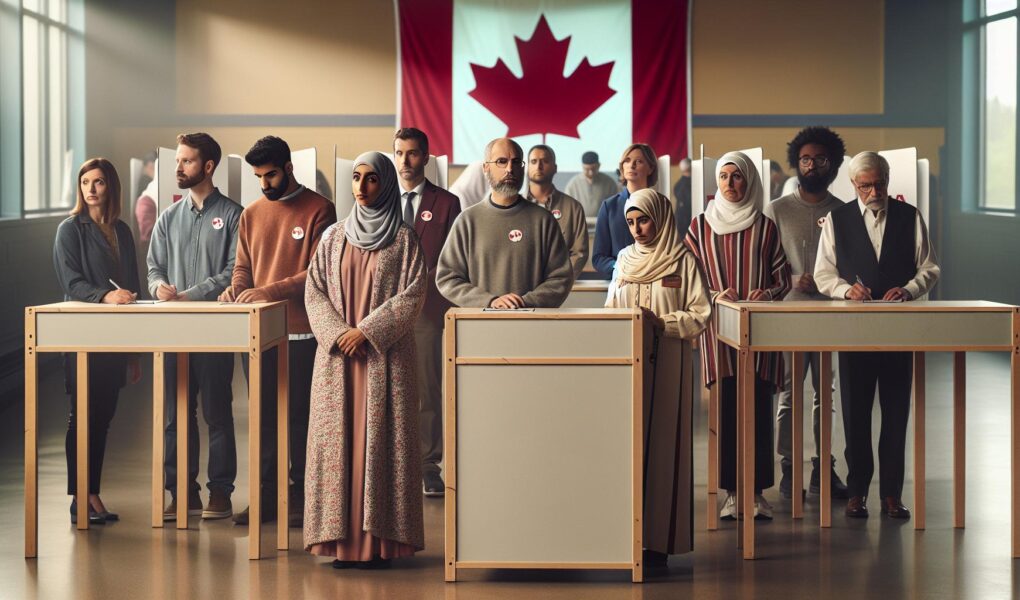
Did you know that Muslim voters influence the outcomes in as many as 60 to 80 federal ridings across Canada, making their participation a important force in national elections? Understanding how Muslims vote in Canada offers valuable insights into the intersection of cultural values, civic responsibilities, and community priorities. This isn’t just about numbers-it’s about how diverse identities shape political engagement and policy outcomes in a multicultural society. for anyone interested in the dynamics of canadian democracy or the voices that contribute to it, exploring the motivations and concerns behind Muslim voting patterns helps shed light on broader themes of portrayal, justice, and inclusion. As we delve into this topic, you’ll gain a clearer picture of how faith, culture, and civic life intertwine, offering a richer understanding of Canada’s evolving political landscape. Whether you’re a voter, policymaker, or simply curious, this overview invites you to appreciate the complexity and significance of this influential community’s role in shaping Canada’s future.
Table of Contents
- Muslims in canada: Demographic and Cultural Overview
- Key Factors Influencing Muslim Voting Behavior
- Religious Values and Political Preferences
- Impact of Identity and Community Networks on Voting
- Role of Canadian Multiculturalism in Civic Engagement
- Patterns of Electoral Participation Among Muslim Canadians
- Influence of Immigration Background and Generational differences
- Muslims’ Views on Canadian Political Parties and Policies
- media Influence and Information Sources for Muslim Voters
- Challenges and Misconceptions About Muslim Voters in Canada
- Case Studies: muslim Voting Trends in Recent Elections
- Future Outlook: Emerging Trends in muslim Civic Participation
- Frequently asked Questions
- Q: How do Muslim community organizations in Canada influence voting behavior?
- Q: What role does Islamophobia play in shaping Muslim voting patterns in Canada?
- Q: How do generational differences effect the political views of Muslims in Canada?
- Q: Where can Canadian Muslims find reliable non-partisan voting resources?
- Q: Why do some Muslim voters in Canada prioritize international issues in their voting decisions?
- Q: How does canadian multiculturalism support Muslim voter participation?
- Q: What challenges exist for accurate data collection on Muslim voting patterns in Canada?
- Q: How can Canadian Muslims increase their electoral impact in future elections?
- To Conclude
Muslims in canada: Demographic and Cultural Overview
Muslims represent one of Canada’s fastest-growing and most diverse religious communities, with their presence deeply woven into the country’s multicultural fabric. As of recent census data, over 4% of the Canadian population identify as Muslim, a figure that continues to rise fueled by immigration, refugee resettlement, and natural population growth. This demographic vitality is mirrored by significant cultural diversity; Canadian Muslims hail from a wide range of ethnic backgrounds, including South Asian, Middle eastern, African, and Southeast Asian origins, each bringing unique cultural traditions and languages, which shape their collective identity and community life.
This rich diversity affects not only social experiences but also political engagement and voting behavior. Many Canadian Muslims live in major urban centers such as Toronto, Vancouver, and Montreal, where community networks often provide crucial support systems and platforms for civic participation. These networks, including mosques, cultural organizations, and advocacy groups, play a pivotal role in informing and motivating voters. For newcomers,engagement with these networks serves as a bridge to understanding Canadian political processes and identifying community priorities that influence collective voting patterns.
- age and Generational Composition: The Muslim population in Canada tends to be relatively young, with a large proportion under 40 years old. This youthful demographic is significant because it often correlates with evolving political aspirations and openness to diverse ideologies within the community.
- Immigration History: Many Muslims in Canada are first- or second-generation immigrants, which adds layers of experience and perspective concerning policies related to immigration, integration, and multiculturalism.
- Religious Practice and Identity: While Islamic belief binds the community, the spectrum of religious observance varies widely-from secular to highly devout-impacting not only personal values but also communal political priorities.
Understanding Social and cultural Dynamics
The combination of ethnic heterogeneity and shared faith creates a complex identity landscape for Muslims in canada. Such as, a Canadian Muslim of Pakistani background may have different cultural practices, languages, and political concerns than a Somali Muslim or a Lebanese Muslim, yet all may find common ground thru shared religious values and experiences of living as a minority in Canada. Awareness of this nuanced cultural mosaic is essential for anyone seeking to understand or engage with Muslim voters on Canadian political issues.
Moreover, the canadian policy environment, which emphasizes multiculturalism as a core national value, provides both opportunities and challenges for muslim communities. Multicultural policies encourage the preservation of cultural identity alongside integration into Canadian society, often fostering a sense of belonging and investment in civic participation. Tho, Muslims may also face challenges stemming from societal misconceptions, racial profiling, or discrimination, which influence attitudes towards political institutions and voting behavior. Community organizations actively work to combat such challenges, creating educational campaigns and forums that empower Muslims as informed voters and civic participants.
By appreciating the demographic and cultural contours of the Muslim community in canada, political actors, policymakers, and civic educators can develop more tailored outreach efforts that recognise both diversity and unity within this vital segment of the Canadian electorate. Practical engagement initiatives-such as hosting culturally sensitive voter education sessions and supporting bilingual political resources-are proven strategies that enhance participation and representation among Muslim Canadians.
Key Factors Influencing Muslim Voting Behavior
The voting behavior of Muslim Canadians is shaped by a combination of religious values, cultural identity, and socio-political contexts, making their political participation both dynamic and multifaceted. While religious affiliation plays an important role, it interacts closely with other factors such as community ties, immigration experiences, and generational perspectives. This complex interplay results in voting patterns that are not monolithic but rather responsive to the priorities and challenges faced by different segments of the community.
Community networks-including mosques, cultural organizations, and advocacy groups-often form the backbone of political mobilization within Muslim populations.These spaces act as hubs for facts dissemination and discussion, helping voters navigate Canadian political landscapes. For many first- and second-generation immigrants, such networks provide essential support in understanding policy issues related to multiculturalism, immigration, and social justice, which frequently emerge as decisive themes during elections. Practical engagement strategies that leverage these connections, such as hosting voter education sessions in multiple languages or culturally relevant forums, have proven effective in increasing turnout and political awareness.
Intersecting Influences: Religion, identity, and Socio-Political Priorities
While Islamic beliefs frequently enough guide ethical considerations around governance, justice, and social welfare, voting decisions are not driven solely by religion. The diversity in religious observance-from secular to devout-means that political preferences can vary widely even within the community.Factors such as socio-economic status, generational outlooks, and experiences with discrimination also powerfully influence voting choices.Such as, younger Muslim Canadians, who generally demonstrate greater ideological diversity and openness to progressive policies, may prioritize issues like climate change, education, and equity.In contrast, older voters or those with recent immigrant backgrounds might focus more heavily on immigration policy, community safety, or religious accommodation.
Key Considerations for Political Engagement
- Ethnic and cultural diversity: Recognize the distinct backgrounds within the broader Muslim community, as voting motivations can differ markedly between, say, South Asian Muslims and Middle Eastern Muslims.
- Integration and Multiculturalism: Policies that successfully balance cultural preservation with inclusion tend to resonate positively and encourage greater civic participation.
- addressing Misconceptions and Barriers: Combatting stereotypes and providing accessible, clear political information strengthens trust and counters voter apathy.
By appreciating these nuanced factors, political campaigns and policymakers can craft more inclusive outreach initiatives that respect the Muslim community’s plurality, fostering not only higher voter turnout but also substantive engagement in Canada’s democratic process.
Religious Values and Political Preferences
Faith frequently enough serves as a profound compass for many Muslim Canadians, shaping their worldview and informing their civic engagement. Yet, the relationship between is far from uniform; rather, it reflects a spectrum of interpretations and priorities within the community. While Islamic teachings emphasize justice, equity, and compassion, voters draw upon these principles in varied ways depending on personal conviction, life experiences, and the social context of Canada’s multicultural landscape.Political decisions among Muslim Canadians frequently reflect an alignment with candidates and platforms that address core Islamic ethical concerns such as social justice, poverty alleviation, and human rights. for instance, policies promoting inclusivity, anti-discrimination measures, and fair immigration practices resonate deeply, echoing values embedded in Islamic social ethics.However, this alignment does not translate into monolithic political support. The community’s rich ethnic and cultural diversity means that religious values intertwine with other socio-political factors, creating a nuanced tapestry of political behavior.
- Religious Observance Levels: More devout Muslims may prioritize issues such as religious accommodation, freedom of expression, and support for Islamic charities and institutions.
- Ethical Governance: Candidates’ perceived integrity and commitment to justice can strongly influence electoral choices, reflecting Islamic teachings on moral leadership.
- Community Impact: policies affecting family,education,and social welfare often guide preferences,as these domains are highly valued within Muslim cultural frameworks.
Understanding these dynamics offers practical pathways for political actors seeking meaningful engagement. outreach that respectfully acknowledges religious values-without reducing voting behavior to simplistic assumptions-can build trust and foster dialog. Emphasizing shared values such as fairness, compassion, and community well-being opens space for alliances across diverse voter groups while authentically connecting with Muslim Canadians’ deeply held convictions. For example, hosting interfaith forums or collaborating with local mosques for policy discussions has proven effective in bridging political discourse with religious sensibilities, cultivating a more informed and active electorate.
Impact of Identity and Community Networks on Voting
Communal ties and identity form powerful lenses through which many Muslim Canadians approach their voting decisions.The sense of belonging to a particular ethnic, linguistic, or religious community often shapes how political messages are received and prioritized. For many voters, community networks provide not only social support but also crucial information channels that influence perceptions of candidates and policies. this interconnectedness means that endorsements or critiques circulating within mosques, cultural centers, or community organizations can substantially sway individual choices, turning collective identity into a catalyst for civic engagement.
Moreover, these networks foster a shared political consciousness rooted in both local and transnational concerns. As a notable example,ongoing global issues affecting Muslim-majority countries frequently enough surface in community discussions,intertwining with Canadian political debates on immigration,human rights,or social justice. As a result, candidates who demonstrate awareness of or responsiveness to these concerns tend to gain favor within these voter circles.This dynamic encourages political actors to engage more thoughtfully with Muslim Canadians by recognizing the layered identities that encompass religious commitment, ethnic heritage, and Canadian citizenship.
Practical Ways Community networks Shape Voting Patterns
- Grassroots Mobilization: Community leaders and activists often organize voter registration drives and informational sessions, increasing turnout by addressing barriers such as language or unfamiliarity with the electoral process.
- Information Sharing: Informal platforms like WhatsApp groups or mosque bulletin boards circulate candidate profiles, policy summaries, and election reminders, making community spaces hubs of political awareness.
- Role Models and representation: Seeing members of one’s own community in political office or advisory roles boosts confidence in electoral participation and the belief that votes can effect change.
These community-based influences emphasize that voting behavior among Muslim Canadians cannot be understood in isolation from the social environments that nurture political identity. Encouraging political outreach that partners with trusted community institutions, respects cultural nuances, and facilitates multilingual engagement can bridge gaps and mobilize voters more effectively. Such as, organizations like the Canadian-Muslim Vote have successfully harnessed these networks to amplify Muslim voter impact nationwide, demonstrating the power of identity-linked community engagement in shaping election outcomes [[2]](https://canadianmuslimvote.ca/). Similarly, Muslim civic organizations have played an instrumental role in Canada’s 2025 general election, coordinating efforts across provinces to ensure that Muslim electoral power was visible and impactful [[3]](https://www.youtube.com/watch?v=qvw4IH4QYh0).
Ultimately, recognizing and valuing the intricate relationships between identity, community, and political participation invites a more nuanced understanding of Muslim canadians as active, discerning voters whose choices are informed by a rich tapestry of social belonging and personal conviction.
Role of Canadian Multiculturalism in Civic Engagement
Canadian multiculturalism provides a vibrant and dynamic backdrop that profoundly shapes Muslim Canadians’ civic engagement and voting behaviors. Far from a mere policy framework, multiculturalism in Canada actively fosters an inclusive environment where diverse identities-ethnic, religious, and cultural-are acknowledged and valued within the public sphere.For many Muslim Canadians, this recognition validates their dual identities as both Canadian citizens and members of global communities, empowering them to participate confidently in electoral politics without sacrificing cultural authenticity.
This inclusive ethos encourages Muslim voters to engage with political issues not only through the lens of religious values but also within the broader context of their lived multicultural experience in canada. For instance, policies promoting anti-discrimination, religious freedom, and equitable access to services resonate strongly, often motivating Muslim Canadians to support candidates perceived as champions of diversity and social justice. Moreover, multiculturalism cultivates a rich ecosystem of community organizations that serve as bridges between political institutions and Muslim voters, helping to translate complex policy debates into culturally relevant dialogues and actionable civic participation.
Multiculturalism as a Catalyst for Political empowerment
- Safe Civic Spaces: Multiculturalism fosters platforms like community centers and cultural festivals where Muslim Canadians can openly discuss political issues while celebrating identity,reducing feelings of marginalization that can inhibit voting.
- Policy Responsiveness: Political parties acknowledging and incorporating multicultural values tend to receive stronger engagement, as Muslim voters frequently enough look for assurances that their unique social and religious needs will be addressed in governance.
- Cross-Community Solidarity: Multiculturalism encourages alliances across diverse ethnic and faith groups, enhancing collective advocacy efforts on common concerns such as immigration fairness, anti-racism, and social equity.
A practical example of multiculturalism’s impact is evident in voter outreach campaigns that tailor messaging to reflect multilingual, multicultural realities. By deploying culturally competent educators and translators during election periods, these efforts reduce barriers associated with language and cultural nuances. Furthermore,the multicultural environment incentivizes politicians to cultivate respectful dialogues around Islam and Muslim identities,combating stereotypes and building reciprocal trust. Through sustained and respectful engagement, multiculturalism not only broadens Muslim Canadians’ political participation but also enriches the overall democratic fabric of Canada by making governance more representative and responsive.
By understanding how multiculturalism shapes civic engagement, stakeholders-from policymakers to community leaders-can better design inclusive outreach strategies that respect Muslim Canadians’ complex identities and elevate their voices in the democratic process. This approach not only strengthens participation rates but also nurtures a sense of belonging that fuels long-term political investment and empowerment within this growing and diverse electorate.
Patterns of Electoral Participation Among Muslim Canadians
The electoral participation of Muslim Canadians has seen noteworthy evolution over recent decades, reflecting broader shifts in political awareness and community mobilization. Recent elections reveal that Muslim voters are increasingly proactive,not merely casting ballots but engaging in campaign activities,community forums,and issue advocacy. This growth is fueled by a blend of cultural pride, political empowerment, and a recognition of voting as a tool to influence policies affecting their communities.In fact,Muslim communities often turn out in significant numbers in key ridings,making them a pivotal demographic whose votes can sway election results in close contests.
Participation trends are shaped by both grassroots institution and targeted voter engagement initiatives. Entities such as MuslimsVote.ca and The Canadian muslim Vote (TCMV) play critical roles in educating and mobilizing voters, ensuring that Muslim Canadians are informed about candidates and political platforms relevant to their concerns [[1]](https://canadianmuslimpac.ca/2025/03/26/cmpac-launches-muslimsvote/)[[2]](https://www.facebook.com/canadianmv/). These campaigns often address language barriers, cultural nuances, and the unique intersection of religious and civic identities, offering multilingual resources and culturally sensitive outreach. This approach helps convert political apathy into active participation, especially among first-generation immigrants who might initially face hurdles in navigating Canada’s political system.
Factors Enhancing Voter Engagement
- Community Networks: Mosques and cultural associations serve as hubs for disseminating electoral information and hosting voter registration drives.
- Youth Involvement: Younger muslim Canadians, often second-generation or beyond, tend to show higher participation rates, driven by both social media campaigns and interest in civil rights issues.
- issue-based Voting: Key concerns such as immigration reform, anti-Islamophobia measures, and social justice policies strongly motivate voter turnout.
Another compelling pattern is the dynamic interplay between generational status and electoral behavior. While older Muslim immigrants may initially focus on securing basic rights and community acceptance, their children and grandchildren often expand their political horizons to include broader societal issues, fostering a sustained commitment to voting and public participation. This generational momentum not only enhances overall turnout rates but also diversifies the political priorities within Muslim communities, reflecting Canada’s evolving multicultural landscape.
Muslim Canadians’ electoral engagement is marked by increasing sophistication and strategic participation. With ongoing efforts to nurture informed voting and amplify Muslim voices, the community continues to assert itself as a crucial and conscientious element of Canada’s democratic process, poised to shape the future political landscape.
Influence of Immigration Background and Generational differences
The landscape of Muslim voting in Canada is deeply shaped by immigration backgrounds and generational shifts, revealing a rich tapestry of political engagement that evolves with time. Many first-generation immigrants arrive with political priorities rooted in securing community recognition, safeguarding religious freedom, and addressing immigration and settlement challenges.Their voting behavior often reflects a pragmatic approach to politics, focusing on candidates and parties that promote inclusivity, anti-discrimination laws, and social support systems essential for establishing a stable foothold in canadian society.
In contrast, second and third-generation Muslim Canadians tend to engage with politics through a broader societal lens, often blending their cultural heritage with a strong Canadian identity. These younger voters are more likely to champion issues such as social justice, environmental sustainability, and equity, sometimes extending beyond strictly religious or community-based concerns. This shift is largely influenced by their upbringing in Canadian multicultural settings and greater exposure to diverse political debates through education and media. They also frequently harness digital platforms and social media to mobilize peers, advocate for voting, and participate in community dialogues, increasing their impact on elections more than previous generations.
- First-generation voters may prioritize policies on immigration reform, anti-Islamophobia measures, and economic integration.
- Younger generations emphasize civil rights, systemic equity, and progressive policies reflecting wider Canadian values.
- Community institutions continue to play a bridging role, helping newer immigrants navigate political participation.
Understanding these generational differences is crucial for candidates and political organizations aiming to engage Muslim voters authentically. Practical steps include offering multilingual voter guides, recognizing cultural sensitivities, and addressing both immigrant-specific and broader youth concerns. Community-led organizations like MuslimsVote.ca illustrate this dual approach by providing tailored resources and fostering inclusive conversations that respect the diverse experiences within the Muslim population. by acknowledging these layered identities, political engagement efforts can be better targeted – encouraging not just voting, but sustained participation across generations.
| Generational Group | Key Political Priorities | Engagement Methods |
|---|---|---|
| First-Generation Immigrants | Immigration policy, religious freedom, anti-discrimination | Community centers, mosque outreach, ethnic media |
| Second/Third-Generation Youth | Social justice, climate action, broader civil rights | Social media, campus groups, inclusive political forums |
This dynamic interplay between immigration experiences and generational outlooks creates a uniquely Canadian Muslim voter base-diverse but united by an aspiration to shape a society that reflects both their heritage and their future. Harnessing this vitality through culturally nuanced, multigenerational outreach continues to redefine Muslim civic participation, making it one of the most promising constituencies in Canada’s evolving political mosaic.
Muslims’ Views on Canadian Political Parties and Policies
Muslim Canadians exhibit a nuanced and evolving perspective toward political parties and policies, shaped by the interplay of their diverse backgrounds, religious beliefs, and experiences within Canadian society. While no single party commands unanimous loyalty, many muslim voters are drawn to platforms that emphasize inclusivity, anti-discrimination measures, and social justice-issues that resonate deeply within their communities. This approach often translates into strong support for parties that explicitly advocate for immigrant rights, civil liberties, and multiculturalism, as well as those that aim to combat islamophobia and provide clear protections for religious freedom.
Though, Muslim voters do not universally align with one political party; their choices are influenced by intersecting factors such as immigration status, generational identity, and specific policy priorities. For instance, first-generation Muslim immigrants may prioritize parties promising robust immigration reform, family reunification policies, and economic integration programs. In contrast, younger Muslim Canadians-often more socially and politically diverse-tend to support parties with progressive stances on climate change, gender equity, and reconciliation with Indigenous peoples. These voters are also responsive to candidates’ attitudes toward global issues impacting Muslim communities, including Canadian foreign policy perspectives on the Middle East and anti-racism initiatives.
- Liberal Party: Often favored for its track record on diversity, inclusion, and immigration reform, appealing to a wide demographic of Muslim voters.
- New Democratic Party (NDP): Resonates with younger voters focused on social justice, equity, and environmental action, aligning with progressive values.
- Conservative Party: Mixed support, sometimes attracting voters prioritizing economic policies or those seeking stability, though concerns about social conservatism and immigration rhetoric can dampen enthusiasm.
- Smaller parties and independents: Increasingly gaining attention where candidates engage directly with Muslim constituencies on local issues and anti-discrimination efforts.
Practical Engagement Tips for Political Candidates
prosperous engagement with Muslim voters extends beyond party platforms to respectful, consistent community interaction. Candidates who demonstrate authentic understanding of Muslim Canadians’ lived realities and provide clear positions on critical issues tend to build trust. Practical steps include offering multilingual campaign materials, participating in community forums at mosques and cultural centers, and addressing concerns about hate crimes and equitable access to social services. Highlighting commitments to combat Islamophobia and advocating for equitable participation in public life can also sway undecided voters.
| Key Policy Areas | Muslim Voter Concerns | Effective Campaign Strategies |
|---|---|---|
| Immigration & Settlement | Family reunification, refugee policies, integration support | Community outreach, immigrant-language resources |
| Religious Freedom & Anti-Discrimination | Protecting religious rights, combatting Islamophobia | Public commitment statements, support for hate crime legislation |
| social Justice & Equity | Address systemic discrimination, poverty reduction | Engagement with youth groups, forums on equity and human rights |
By comprehensively addressing these priority areas, political parties and candidates not only appeal to Muslim voters but also strengthen the broader coalition that supports inclusive governance in Canada. The continued rise of platforms like MuslimsVote.ca reflects a growing trend where Muslims actively educate themselves on party policies and use their collective electoral power to influence both local and national politics, advocating for a Canada that truly represents its diverse populace.
media Influence and Information Sources for Muslim Voters
The media landscape significantly shapes how Muslim voters in Canada access information and engage with political discourse. With a diverse community comprising multiple generations and varied immigration backgrounds, media consumption among Muslim Canadians is multifaceted. Many rely on a combination of conventional news outlets, ethnic and religious media, and increasingly, digital platforms and social networks to form their political opinions and keep abreast of issues relevant to their communities. this diversity in information sources reflects the community’s need for both mainstream canadian perspectives and culturally specific content that addresses their unique concerns.
Community media, including ethnic newspapers, radio programs, and television channels in languages such as Arabic, Urdu, Somali, and Punjabi, play a vital role in bridging gaps between Canadian politics and Muslim voters’ lived experiences. These outlets frequently enough provide nuanced coverage on immigration policies, religious freedoms, and social justice topics from perspectives that resonate culturally and linguistically. Moreover, mosques and community centers increasingly sponsor discussion panels, video content, and newsletters that provide voter education tailored to Muslim Canadians. This local and culturally grounded media helps combat misinformation and fosters greater civic awareness.
digital Media and Social Networks as Modern Influencers
Along with traditional outlets, digital media-including social media platforms like Facebook, Twitter, Instagram, and WhatsApp-have emerged as primary sources for political information, especially among younger Muslim Canadians. Activist groups and grassroots organizations utilize these platforms to share timely updates on candidates, policies, and voting procedures. As an example, online campaigns highlighting anti-Islamophobia initiatives or immigrant rights gain traction rapidly, helping mobilize younger voters and first-time participants. To fully engage Muslim voters through digital avenues, political campaigns often produce multilingual content that addresses specific community concerns, making information more accessible and relatable.
Practical Tips for Political engagement Through Media
Effective communication with Muslim voters requires recognizing the media channels they trust and frequently use. Political candidates aiming to connect authentically should consider the following strategies:
- Engage Ethnic and Religious Media: participate in interviews and provide op-eds in community-specific outlets to reach diverse linguistic groups.
- Leverage Social Media Responsively: Use culturally sensitive messaging, emphasize inclusivity, and facilitate two-way dialogues – responding promptly to community concerns.
- Create Multilingual Materials: Distribute accessible voting guides and policy summaries in common languages spoken by Muslim Canadians to remove language barriers.
- Partner with Community Influencers: Collaborate with respected religious leaders, youth organizers, and local activists who can amplify key messages and drive turnout.
| Media Type | Role & Influence | Recommended Engagement Approach |
|---|---|---|
| Ethnic & Religious Media | Trusted source for culturally relevant news and analysis | Contribute interviews, sponsor community events, provide translated materials |
| Social Media Platforms | Key for rapid information sharing and youth engagement | Develop interactive campaigns, utilize video content, respond promptly to feedback |
| mainstream Canadian Media | Critically important for national policy coverage and broader societal context | Ensure visibility through mainstream channels, emphasize inclusive messaging |
Understanding the varied media ecosystems that Muslim Canadians navigate enables more effective voter outreach and meaningful civic participation. When political messages meet community members where they are-across languages, generations, and platforms-the likelihood of informed and confident electoral engagement grows, fostering a more representative political landscape in Canada.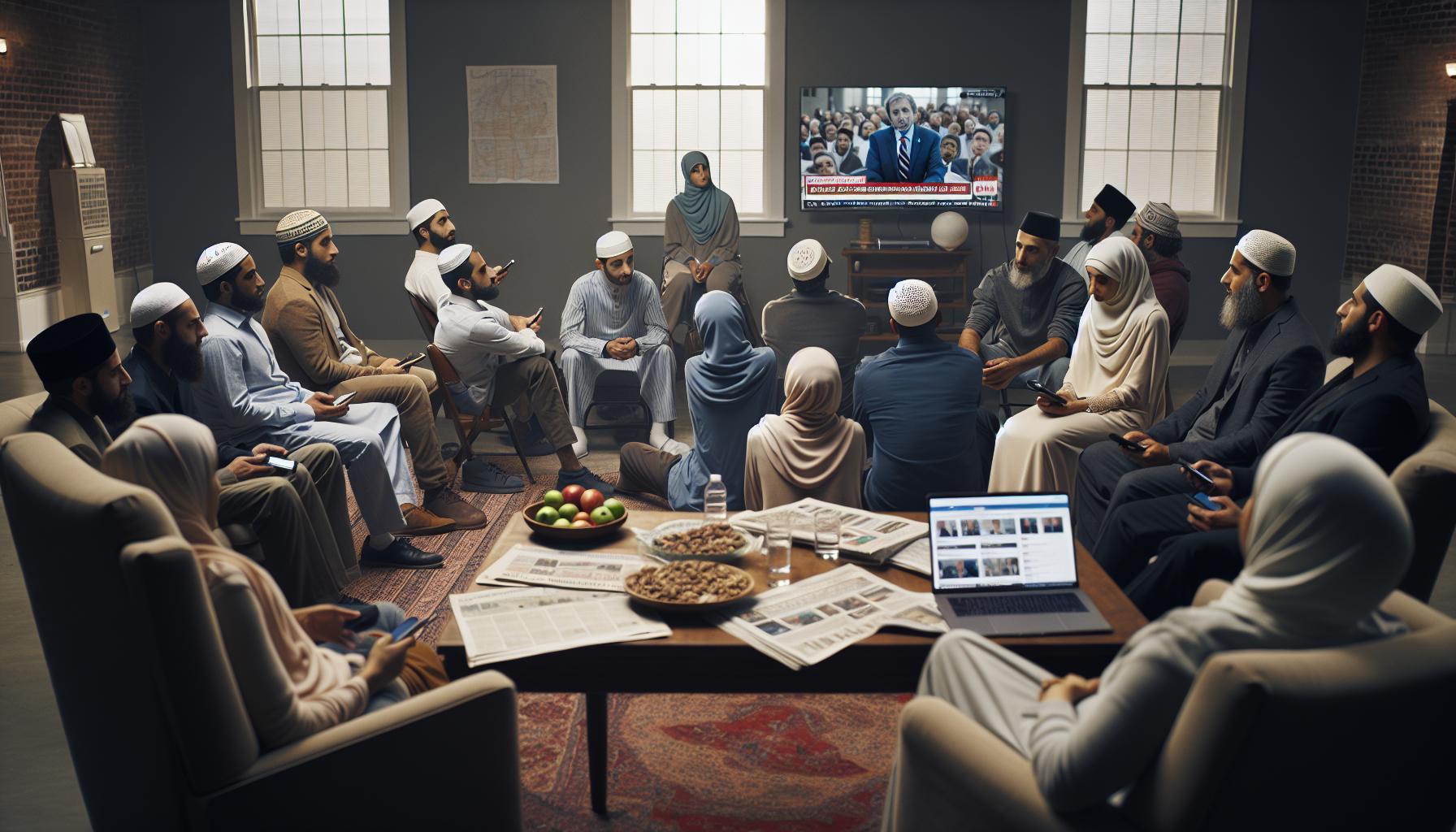
Challenges and Misconceptions About Muslim Voters in Canada
It is indeed a common misconception that Muslim voters in Canada form a monolithic bloc driven solely by religious identity. In reality,the Muslim community is highly diverse,encompassing a range of ethnic backgrounds,cultural traditions,generational experiences,and political priorities. This diversity results in complex voting patterns that cannot be easily predicted by assuming uniformity in beliefs or behaviors. Recognizing this complexity is key to understanding how Muslims engage in Canadian politics, which varies widely based on factors such as immigration history, socioeconomic status, and personal values.
Another frequent challenge is the tendency to stereotype Muslim voters as politically disengaged or hesitant to participate due to perceived marginalization or fear of discrimination. Contrary to this narrative, studies and civic engagement initiatives show increasing voter turnout and activism within Muslim communities across Canada. Groups such as The Canadian muslim Vote (TCMV) have worked tirelessly to empower Muslims through voter education, community outreach, and advocacy, proving that engagement can thrive when barriers such as misinformation and language are addressed effectively[[1]](https://canadianmuslimvote.ca/). However, political campaigns and media often overlook these efforts, perpetuating outdated assumptions that downplay the community’s growing influence.
Common Misunderstandings That Hinder Engagement
- Religion as the Sole Deciding Factor: While faith can shape values and priorities, many Muslim voters also weigh other issues like economic policy, healthcare, education, and climate change just as heavily.
- monolithic Political Allegiances: Muslim voters do not uniformly support a single party or ideology; preferences fluctuate according to candidate platforms, regional concerns, and evolving societal contexts.
- Homogeneity Across Generations: First-generation immigrants often have different political outlooks than Canadian-born Muslims, influenced by their distinct integration experiences and levels of connection to Canadian social norms.
These misunderstandings can result in missed opportunities for meaningful dialogue and tailored voter outreach. Campaigns that fail to recognize such nuances risk alienating Muslim voters or delivering messages that do not resonate, ultimately reducing participation.
Practical Advice for Overcoming Barriers
Political parties and advocacy groups looking to genuinely engage Muslim voters should:
- Invest in Community Partnerships: collaborate with local mosques, cultural organizations, and youth groups to build trust and facilitate candid conversations.
- Emphasize Multidimensional Messaging: Address wide-ranging policy concerns beyond religion, highlighting common ground and shared civic goals.
- Provide Multilingual Access: Disseminate information in key languages spoken within Muslim communities to overcome linguistic challenges.
- Confront Stereotypes Head-On: Use public platforms to debunk myths, showcase Muslim voter diversity, and highlight success stories of participation and leadership.
By adopting these approaches, political actors and media can create an environment where Muslim Canadians feel seen, heard, and motivated to participate based on their varied identities and civic aspirations.
| Misconception | Reality | Impact on Civic Engagement |
|---|---|---|
| Muslims vote as a single bloc | voting preferences vary widely by individual priorities and background | Oversimplifies outreach strategies and limits effective engagement |
| Religious concerns override all other issues | Economic, social, and local issues equally influence votes | Leads to narrow messaging that may not resonate broadly |
| Low political participation due to marginalization | Active voter education and mobilization efforts are increasing turnout | Provides incentive for campaigns to invest in community engagement |
Understanding and addressing these challenges is essential for anyone seeking to foster an inclusive and representative democratic process in Canada. As Muslim Canadians continue to shape the political landscape, dispelling misconceptions will pave the way for stronger civic participation and more nuanced electoral conversations.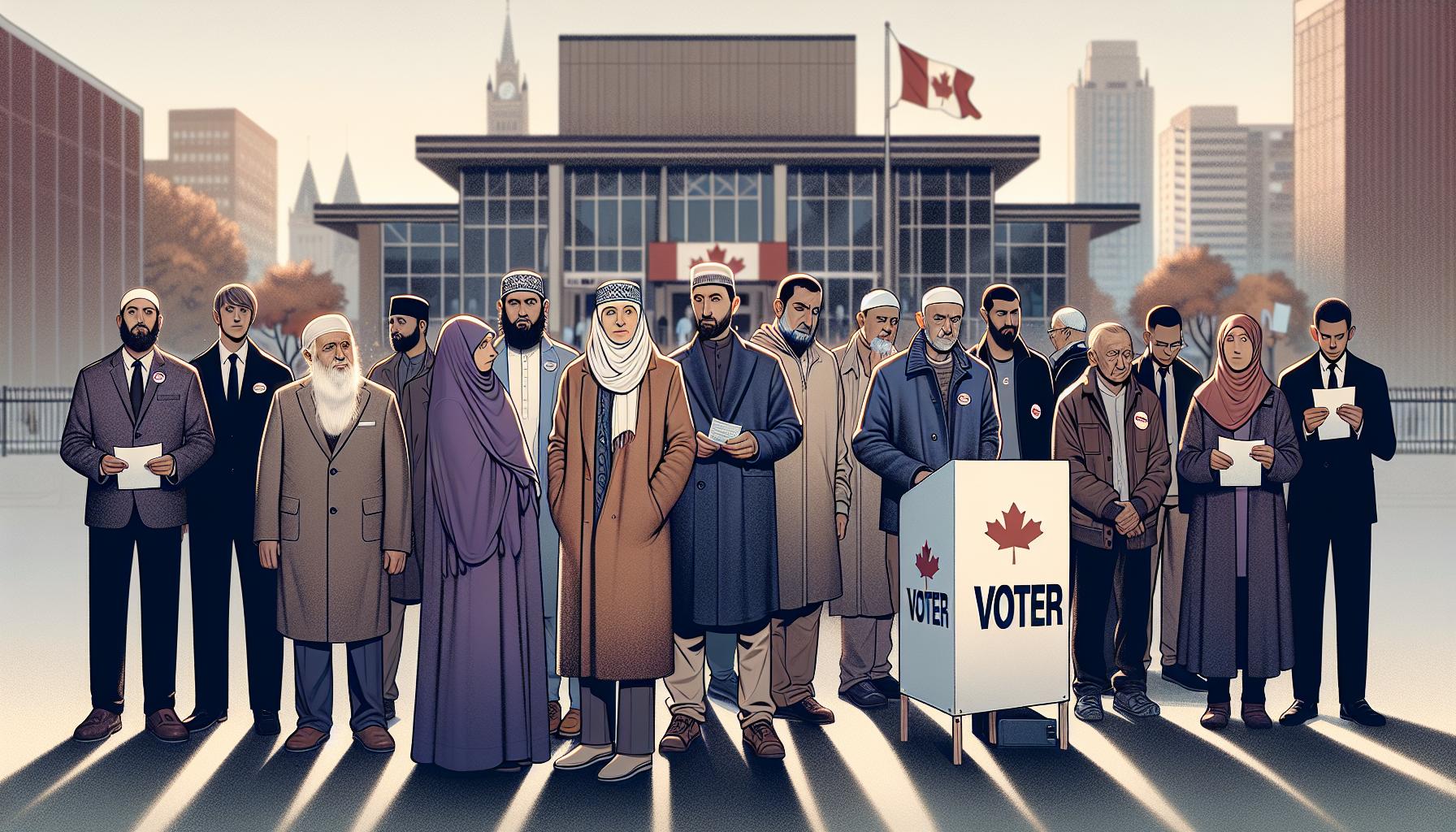
Case Studies: muslim Voting Trends in Recent Elections
In recent federal and provincial elections, the voting behavior of Muslim Canadians has revealed a engaging tapestry of engagement that defies simple categorization. One compelling example comes from urban centres like Toronto and Vancouver, where diverse Muslim communities actively participated in the 2021 federal election, demonstrating both high voter turnout and a nuanced distribution of support across multiple political parties. This trend reflects not only a growing awareness of political empowerment but also a refined weighing of issues that extend far beyond religious identity, including economic policy, social justice, and immigration reforms.
Several ridings with significant Muslim populations have highlighted how local candidates’ outreach strategies and community engagement can influence voting patterns.as an example, in the riding of Scarborough Center, strong efforts by community groups and organizations such as The Canadian Muslim Vote to promote voter education helped increase turnout noticeably. These initiatives emphasize multilingual resources and culturally relevant campaigning,which have proven vital in overcoming traditional barriers such as linguistic challenges or political mistrust.This approach underscores that effective engagement depends less on assumptions about homogenous voter preferences and more on genuine connection and dialogue.
Key Lessons from Electoral Engagement
- Community-Led Mobilization Drives Results: Groups embedded within Muslim communities, particularly youth organizations and local mosques, have successfully fostered a sense of political agency that translates into voter participation.
- Issue salience Shapes Vote Choice: Economic stability,healthcare access,and anti-discrimination policies frequently enough outweigh single-issue voting based on religion or foreign affairs,revealing a pragmatic approach to electoral decisions.
- Generational Diversity Affects Outcomes: Younger Canadian-born Muslims tend to prioritize progressive social policies more strongly than some first-generation immigrants, illustrating evolving values within the community over time.
| Election Year | Notable Muslim Population Riding | Voter Turnout Trend | Dominant Voting Motivations |
|---|---|---|---|
| 2019 | Vaughan-Woodbridge (ontario) | Up 7% from previous election | Economic policies, healthcare, candidate accessibility |
| 2021 | scarborough centre (Ontario) | Increased community voter drives | Anti-discrimination efforts, education reform, local issues |
| 2022 | Burnaby South (British Columbia) | Stable but high turnout | Climate change, housing affordability, social inclusion |
These case studies also highlight the risks of treating Muslim voters as a uniform group. political parties that have tailored their platforms to reflect the multifaceted concerns of Muslim Canadians often gain traction, whereas those relying on monolithic assumptions frequently miss meaningful connections. Importantly, the success stories from recent elections underscore how targeted, respectful outreach-embracing the community’s diversity-can unlock significant civic participation, shaping electoral outcomes while enhancing democratic inclusivity.
Future Outlook: Emerging Trends in muslim Civic Participation
The landscape of Muslim civic participation in Canada is evolving rapidly, marked by increasing political awareness and innovative approaches to engagement. A notable trend is the rise of youth leadership within Muslim communities, driven by a digitally connected generation that leverages social media platforms and grassroots organizing to amplify their political voice. This younger cohort not only demands representation on issues such as climate change, social justice, and equitable immigration policies but also actively challenges stereotypes by promoting nuanced narratives around Muslim identities and civic contributions.
Simultaneously, Muslim community organizations are expanding their roles beyond voter mobilization to include broader political education and leadership development. Efforts focus on equipping members with skills to engage effectively in policy debates and run for office, fostering a pipeline of Muslim candidates and decision-makers. Campaigns such as those led by MuslimsVote.ca showcase how tailored, multilingual outreach and culturally sensitive information can break barriers like political mistrust and language gaps, encouraging sustained civic involvement across generations [[1]](https://muslimsvote.ca/)[[2]](https://canadianmuslimpac.ca/2025/03/26/cmpac-launches-muslimsvote/).
Growing Political Diversity and Issue Complexity
Muslim Canadians increasingly reflect a broad spectrum of political beliefs informed by diverse personal experiences, immigration histories, and generational perspectives. This trend discourages one-size-fits-all assumptions, pushing political parties to engage with the community on multiple fronts-from economic possibility and housing affordability to human rights and foreign policy nuances. Recognizing this, candidates and policymakers who demonstrate genuine understanding and responsiveness to intersectional concerns often see elevated support.
- Intersectional Advocacy: Integrating concerns such as gender equity and Indigenous reconciliation into political conversations resonates strongly with many Muslim voters.
- Localized Engagement: Attention to specific community needs in ridings with significant Muslim populations leads to more meaningful and sustained voter participation.
- Collaboration Across Groups: Joint initiatives between Muslim organizations and other civic stakeholders enhance resource sharing and broaden impact.
| Emerging Focus Areas | Implications for Civic Participation |
|---|---|
| digital political Mobilization | Increased voter education,peer-to-peer outreach,real-time issue advocacy |
| Leadership Development | More Muslim candidates & policymakers,stronger community representation |
| Youth Engagement | Promotion of progressive policy priorities,intergenerational dialogue |
For those seeking to support or engage with Muslim voters effectively,understanding this emerging dynamism is key.Supporting culturally relevant voter education, fostering youth empowerment, and emphasizing inclusive policy platforms can create meaningful connections.Political actors and community leaders alike benefit by investing in long-term dialogues rather than transactional outreach, recognizing the evolution underway in how Muslim Canadians participate in the democratic process.Looking ahead, the marriage of community-rooted efforts with innovative communication tools promises to enhance Muslim Canadians’ political visibility and influence, contributing to a more vibrant and representative Canadian democracy.
Frequently asked Questions
Q: How do Muslim community organizations in Canada influence voting behavior?
A: Muslim community organizations in Canada play a key role in voter education and mobilization by hosting forums, distributing information, and encouraging civic participation. These groups help bridge cultural values and political engagement, increasing turnout and informed voting among Muslims. Learn more in the article section on community networks for deeper insights.
Q: What role does Islamophobia play in shaping Muslim voting patterns in Canada?
A: Islamophobia influences voting by motivating Canadian Muslims to support parties that promote inclusion and combat discrimination. It heightens political awareness and can lead to strategic voting aimed at protecting civil rights.Understanding this dynamic helps contextualize electoral choices beyond religious factors.
Q: How do generational differences effect the political views of Muslims in Canada?
A: Generational differences impact political priorities, with younger Muslims often emphasizing social justice and progressive policies, while older generations may focus on immigration and economic stability. Recognizing these trends helps explain diversity within Muslim voting behavior, detailed under immigration background and generational differences in the main article.
Q: Where can Canadian Muslims find reliable non-partisan voting resources?
A: Canadian Muslims can access reliable voting resources through organizations such as The Canadian-Muslim vote (TCMV) and MuslimsVote.ca, which provide non-partisan guidance, candidate information, and voter registration assistance to empower informed decisions. These platforms are essential for civic engagement and community empowerment [3] [2].
Q: Why do some Muslim voters in Canada prioritize international issues in their voting decisions?
A: Many Canadian Muslims consider international issues like Palestine due to strong cultural and religious ties, influencing their vote to support parties that address these concerns. This dimension enriches the understanding of voting motivations that go beyond local or national policies.
Q: How does canadian multiculturalism support Muslim voter participation?
A: Canadian multiculturalism fosters an inclusive environment encouraging Muslim civic engagement by recognizing and respecting diverse identities. This approach enables Muslims to maintain cultural heritage while actively participating in voting, enhancing democratic representation. More on this is discussed in the role of Canadian multiculturalism section.
Q: What challenges exist for accurate data collection on Muslim voting patterns in Canada?
A: challenges include privacy concerns, diverse community definitions, and the lack of granular data on religious identity in official surveys. These factors make it arduous to fully capture Muslim voting trends, stressing the need for targeted civic studies and community-led research.
Q: How can Canadian Muslims increase their electoral impact in future elections?
A: canadian Muslims can increase electoral impact by organizing community voter drives, engaging youth in politics, and collaborating with non-partisan groups for voter education. Active participation strengthens their collective voice and shapes party platforms more effectively. Explore strategies in the article’s future outlook section.
For more detailed exploration, consider visiting the sections on patterns of electoral participation and community networks within the main article to deepen your understanding and involvement in Canadian civic life.
To Conclude
Understanding how Muslims vote in Canada offers valuable insights into the intersection of cultural identity and civic participation. By recognizing the diverse factors that influence voting behaviors, you gain a clearer picture of the meaningful role Canadian muslims play in shaping political landscapes. To deepen your knowledge, explore related discussions on civic engagement and the impact of Muslim voters in Canada’s electoral process.
Ready to take the next step? Discover practical resources and community initiatives that empower informed voting decisions, such as the Canadian Muslim Vote campaign and ongoing civic education efforts. Don’t miss out on staying informed-subscribe to our newsletter for the latest updates and expert analysis on culture,politics,and voting trends within Canada’s Muslim communities.
We invite you to share your thoughts and experiences in the comments below, and explore more on topics like voter education and multicultural political engagement. Engaging with these conversations not only enriches your understanding but also supports an informed and active electorate.Your involvement matters-join the dialogue today!
Get our latest guides, news, and insights highlighted in your Google Search & AI Overviews.