Did you know that while international students contribute richly to Canada’s campuses and communities, their voting rights differ significantly from Canadian citizens? If you’re studying in Canada and wondering whether you can vote in federal, provincial, or municipal elections, this guide will clear up the confusion. Understanding who can vote and how is essential-not only to know your rights but also to grasp how democracy works in your host country. Whether you’re curious about eligibility, registration processes, or how international students participate in Canadian elections, this article will provide you with clear, practical information. By exploring these key points, you’ll gain insight into your role as a resident or future citizen and how your voice fits into Canada’s democratic landscape. Keep reading to learn everything you need to know about voting as an international student in Canada and why it matters for your experience and engagement in this diverse nation.
Table of Contents
- Who Is Eligible to Vote in Canadian Elections?
- Voting Rights of International Students Explained
- How to Register to vote as an International Student
- Understanding Federal, Provincial, and Municipal Voting Rules
- Common Misconceptions About Student Voting Rights
- The Impact of Voting on International Students’ Canadian Experience
- Alternatives to Voting for International students
- Key Deadlines and Important Dates for Voter Registration
- Legal Consequences of Voting Ineligibly in Canada
- How student Advocacy Groups Support Voting Awareness
- Frequently Asked Questions
- Q: Can international students vote in Canadian municipal elections?
- Q: How does being a temporary resident affect an international student’s voting rights in Canada?
- Q: Are there any exceptions that allow international students to vote in Canada?
- Q: what options do international students have to participate politically if they cannot vote?
- Q: Why can’t international students vote in Canadian elections despite living here?
- Q: Can international students vote if they become permanent residents while studying in Canada?
- Q: How does voting by mail work for Canadians living abroad, and can international students use this?
- Q: When should international students expect key voting dates to be announced in Canadian elections?
- The Conclusion
Who Is Eligible to Vote in Canadian Elections?
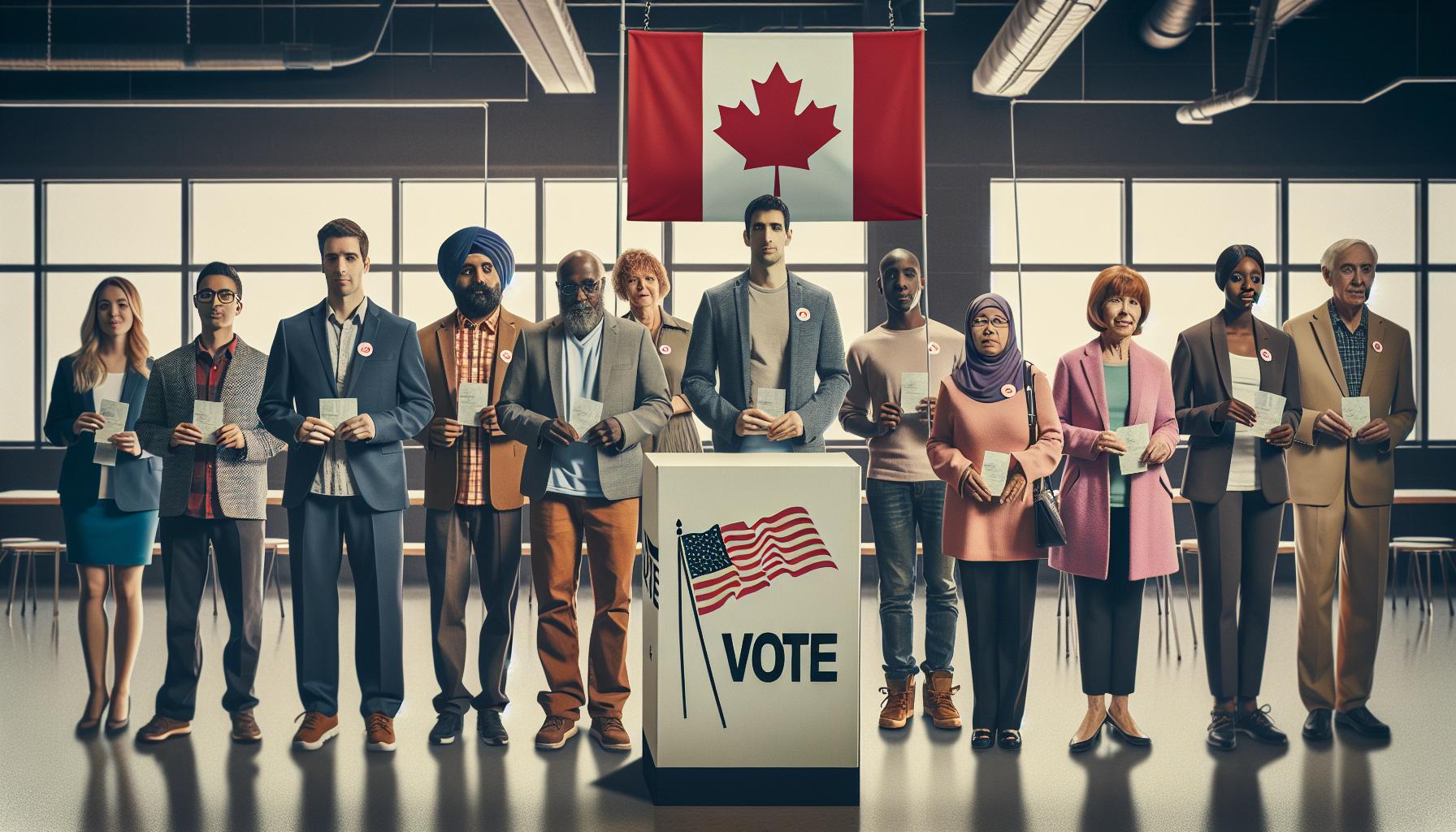
Few things are as fundamental to democratic participation as the right to vote, yet understanding exactly who is eligible to vote in canadian elections can be surprisingly complex-especially for newcomers like international students. In Canada, the right to vote is closely tied to citizenship status, meaning that only Canadian citizens meet the basic legal requirements to participate in federal, provincial, and municipal elections. This distinction is crucial for international students who may otherwise assume that residency or enrollment at a Canadian institution automatically grants them voting rights.
To be eligible to vote in federal elections, an individual must be:
- a Canadian citizen, not just a permanent resident or resident for study/work purposes,
- at least 18 years of age on election day,
- and able to prove their identity and current address within the electoral district where they intend to vote.
This means that international students, who typically hold study permits but have not acquired Canadian citizenship, are not eligible to vote in any federal, provincial, or municipal elections, despite living and studying in Canada for extended periods.However, it’s worth noting that Canadian election law is consistent across provinces and municipalities concerning this citizenship requirement, although some local jurisdictions may have additional specifics on residency and registration procedures.
Understanding the Citizenship Requirement
Citizenship is the primary gateway to voting rights and reflects the principle that voting is a privilege linked to formal membership in the Canadian political community. Even permanent residents, who may live, work, and study here indefinitely, do not qualify to vote under federal law. To vote, an individual must first complete the naturalization process and officially become Canadian citizens. This explains why international students-even those who are long-term residents and active community members-are legally excluded from participating in Canadian elections.
Eligibility Beyond Citizenship
Once citizenship is confirmed, age and residency come into focus. canadian citizens must be at least 18 years old on election day.Additionally, voters need to register and provide proof of identity and address, which may include government-issued ID with photo and current address or two pieces of authorized ID, one with a name and another with an address. Election agencies like Elections Canada maintain lists of registered voters and provide multiple easy ways to register ahead of or on election day itself.For international students keen on political engagement, understanding these eligibility barriers helps clarify their role within the Canadian democratic process and encourages exploring non-voting forms of participation, such as advocacy, volunteering in campaigns, or staying informed about political issues affecting their communities.
| Eligibility Criteria | Requirement |
|---|---|
| Citizenship | Must be a Canadian citizen (not a permanent resident or international student) |
| Age | At least 18 years old on election day |
| Residency | Must reside in the electoral district where registering to vote |
| Identification | Must provide valid ID proving identity and address |
By knowing who can vote and why, international students can better understand the legal framework governing elections in Canada and find othre meaningful ways to engage with their communities until they are eligible to vote themselves. For those considering Canadian citizenship, this eligibility information also serves as a useful roadmap as they plan their path to fuller participation in Canada’s democratic life.
Voting Rights of International Students Explained

Millions of international students choose Canada each year for its high-quality education and vibrant multicultural surroundings, yet many are surprised to learn that their ability to influence Canadian democracy through voting is limited. Despite living,studying,and often contributing significantly to their local communities,international students do not have the legal right to vote in federal,provincial,or municipal elections unless they have obtained Canadian citizenship. This clear distinction stems from Canada’s fundamental rule that voting is a right reserved exclusively for citizens, reflecting the close connection between citizenship and political participation.
One practical implication is that even students who have been residents in Canada for several years under study permits or work permits must wait until they complete the naturalization process before gaining voting privileges.This citizenship requirement is consistent across all levels of government. While international students cannot cast a ballot, they can still deeply engage with Canadian political life by volunteering in campaigns, participating in community forums, or advocating on issues that matter to them. These avenues provide meaningful ways to stay connected to democratic processes, build networks, and understand how policies might affect their future if they pursue citizenship.
Key Eligibility Factors Explained
- citizenship: Only Canadian citizens have the right to vote. Holding a study or work permit does not confer voting eligibility.
- Age: Voters must be at least 18 years old on election day.
- Residency: Voters must reside in the electoral district where they intend to vote and provide current proof of address.
- Identity Verification: Valid government-issued ID or option authorized documents are required to register and vote.
The citizenship requirement often leads to misunderstandings among international students, many of whom assume that being a long-term resident or taxpayer should automatically grant voting rights.However, Canada’s legal framework prioritizes citizenship as a formal marker of political inclusion. This approach is designed to maintain the integrity of the electoral system and ensure that voters have a genuine stake in Canada’s future. For international students, becoming a Canadian citizen remains the key milestone that enables full participation in democratic decisions.
International students aiming to eventually vote should focus early on gaining permanent resident status and then tracking eligibility timelines for citizenship applications. Meanwhile, involvement in non-voting activities, such as student government organizations or issue-based advocacy groups, offers valuable learning experiences and strengthens their voice within the community. This active engagement can help new Canadians transition smoothly into voting citizens once they meet all eligibility requirements.
| Eligibility Requirement | Clarification |
|---|---|
| Canadian Citizenship | Mandatory for all federal, provincial, and municipal elections. |
| Age | Minimum 18 years old on election day. |
| Residency | Must live in the electoral district where voting is intended. |
| Identification | Government-issued photo ID or two pieces of authorized ID (one with name, one with address). |
How to Register to vote as an International Student

Many international students are eager to participate in canadian elections, but understanding the registration process reveals a crucial truth: only Canadian citizens can formally register to vote. This means that for most international students, registration to vote is tied directly to obtaining citizenship first. However, once citizenship is acquired, registering to vote becomes a straightforward but important step to ensure your voice is counted.
If you have taken that vital step to become a Canadian citizen, registering to vote begins with confirming your eligibility: you must be at least 18 years old on election day and reside in the electoral district where you plan to vote. Registration can be done online, by mail, or in person at designated offices such as Elections Canada or Service Canada centers. For students who recently became citizens, it’s helpful to check your voter registration status early, as updates to the voters’ list can take several weeks before an election.
Practical Steps to Register
- Check Eligibility: Confirm Canadian citizenship and age requirements.
- Gather Documentation: Valid government-issued ID showing your name and residential address is necessary for registration and when voting.
- Register Online: Use Elections Canada’s online registration portal for a swift and easy sign-up.
- Update Address: If you have moved recently-common for students between semesters-ensure your voter registration reflects your current residence.
For international students who have not yet become citizens,there is a route to stay connected with elections through the International Register of Electors. This register allows Canadians living abroad, including former students who have returned to their home countries, to vote by mail in federal elections. Applying involves completing an application form and submitting proof of Canadian citizenship. While this does not apply to current study permit holders who are not yet citizens, the option illustrates how Canada facilitates voting rights beyond its borders for qualified electors[[[[[2]](https://www.elections.ca/content.aspx?section=vot&dir=reg/etr&document=index&lang=e)[[3]](https://travel.gc.ca/travelling/living-abroad/elections-faq).
Engaging with the Process
Although the initial path to registration may feel restrictive, taking advantage of voter registration once eligible is a powerful way to participate in shaping the community that international students often call home. Universities often partner with Elections Canada or local governments to organize voter registration drives and provide informational sessions.Students who have become citizens should seize these opportunities to register promptly, sidestepping last-minute barriers during election seasons.
By understanding and preparing for these registration steps early, international students transitioning to Canadian citizenship can seamlessly integrate into the political fabric. Simultaneously occurring,maintaining awareness of voter registration timelines and documentation requirements positions future voters for success,ensuring their hard-earned right to vote is exercised without delay.
| Step | Action | Notes |
|---|---|---|
| 1 | Confirm Canadian citizenship and age 18+ | Citizenship is mandatory; must be 18 on election day. |
| 2 | Gather valid ID | Government-issued photo ID showing name and residential address recommended. |
| 3 | Register Online or in Person | Use Elections Canada portal or visit Service Canada/Elections Canada offices. |
| 4 | Maintain up-to-date address | Essential if moving between residences, especially common among students. |
Understanding Federal, Provincial, and Municipal Voting Rules

Voting in Canada happens at multiple levels-federal, provincial or territorial, and municipal-each governed by its own set of rules, timelines, and eligibility criteria. Understanding these layers is essential, especially for new Canadian citizens who might wonder where and how they can cast their vote. While the federal government sets broad standards, provinces and municipalities hold important authority over local elections, creating nuanced differences that voters need to navigate carefully.
At the federal level, eligibility to vote requires Canadian citizenship and residency within the electoral district on election day, as well as being at least 18 years old. This applies uniformly across provinces and territories when electing Members of Parliament. Though, provincial and municipal elections each come with their own regulations. Such as, the province of Ontario allows Canadian citizens who live in the province to vote in provincial elections once they are 18, but municipal rules can vary widely: some municipalities require residency within city limits, while others may have additional registration steps. It’s critically important to confirm these specifics based on where you live to avoid confusion or missed voting opportunities.
Key Differences to Consider
- Residency Requirements: While federal elections require residency in a federal electoral district, provincial elections often require residency in the province, and municipal elections require living within the municipal jurisdiction.
- Voter Registration: Federal voters can register online, by mail, or in person, but provinces and municipalities may have their own registration systems, deadlines, and processes.For example, some provinces automatically update voter lists using driver’s license databases, while others require proactive registration.
- ID Requirements: Though federal elections allow a range of identification options (two pieces showing your name and address, or one piece in certain circumstances), provincial and municipal elections may impose their own ID regulations, so always check ahead.
Practical Tips for New Citizens and students
for international students who have recently become citizens, it’s crucial to register for each election type according to local rules. Staying informed means you can participate fully and avoid surprises on election days. Universities and local community organizations frequently enough host informational sessions and voter registration drives tailored to new canadians-taking advantage of these resources can simplify what might seem like a complex process.
Here’s a simple breakdown to keep track of voting rules across election levels:
| Election Level | Eligibility | Residency Requirement | registration Method |
|---|---|---|---|
| Federal | Canadian citizen, 18+, residency in the federal electoral district | Must reside in the electoral district on election day | Online, mail, in person at Elections Canada or Service Canada |
| Provincial/Territorial | Canadian citizen, 18+, residency in the province/territory | Must reside in the province or territory | Varies; often automatic via provincial databases or requires registration |
| Municipal | Varies but usually Canadian citizen or permanent resident, 18+, residency in the municipality | Residency within the municipality | Varies by municipality; check local city or town website |
By appreciating these differences and confirming your eligibility ahead of upcoming elections, you can confidently exercise your voting rights where applicable. This knowledge also helps clarify common misunderstandings about international students’ ability to vote: citizenship is key, and your voting opportunities expand as you engage with each government level properly. Being a well-informed voter not only respects the legal framework but also empowers you to contribute meaningfully to the Canadian communities you’re part of.
Common Misconceptions About Student Voting Rights

Few topics spark as much confusion and lively debate as whether international students can participate in Canadian elections. it’s a common assumption that being a resident student automatically grants voting rights, but Canadian law draws firm lines around citizenship that are critical to understand.This distinction is not meant to exclude, but rather to uphold a consistent legal framework that shapes the democratic process across all levels of government.
Many international students believe they can vote simply because they live, study, and contribute to communities in Canada. However,while international students may have strong ties to their local neighborhoods and campuses,voting eligibility at the federal level strictly requires Canadian citizenship. Some provinces and municipalities may permit permanent residents – but generally not international students on study permits - to vote in local elections, which is a nuance often missed. For example,specific municipalities have explored allowing permanent residents to vote in municipal elections,yet these rules rarely extend to individuals with temporary study status.
- “Student votes” or mock elections: Many schools run simulated voting activities to educate youth and foster democratic engagement but these do not confer legal voting rights.
- Voting in party leadership races: Occasionally, political parties may permit non-citizens, including international students, to participate in internal party votes (such as selecting new leaders). This,however,is separate from official public elections and varies by party.[1]
- Residency vs. citizenship confusion: Living in Canada for several years on a study permit does not equal automatic voting rights; citizenship status remains the defining factor federally.
Practical Advice for International Students
Understanding these distinctions helps prevent unintentional ineligible voting, which can carry serious legal consequences.International students should clarify their voter eligibility before attempting to register or cast ballots to avoid jeopardizing their status. Instead, international students can focus on ways to engage civically beyond voting – such as volunteering, advocacy, or participating in campus political discussions.
Schools and community groups often hold information sessions to explain these nuances and support students in navigating the political landscape. Being informed also prepares international students for the eventual transition to citizenship, unlocking full voting rights and an even stronger voice in shaping Canada’s future.
By dispelling these common myths, international students can channel their energy into meaningful political involvement appropriate to their current status, while planning strategically for full participation when eligible. This approach respects Canada’s electoral laws and empowers students as active,responsible community members.
The Impact of Voting on International Students’ Canadian Experience Participating in elections, where permitted, or engaging in campus-organized “student votes” and political discussions can foster a greater understanding of local civic issues and the democratic process. Such involvement empowers international students by encouraging active citizenship and informed dialog, which contribute to feeling more integrated and valued within Canadian society. Moreover, awareness of voting limitations often motivates students to explore pathways to permanent residency and citizenship, aligning their longer-term goals with the possibility to fully participate in elections. Understanding the nuances around voting rights also encourages international students to approach their role in canadian democracy thoughtfully and lawfully, avoiding the consequences of ineligible voting. Institutions and student groups play a crucial role in offering support and education, turning this initial period of exclusion from the electoral process into an opportunity for civic growth. Ultimately, this dynamic enhances the international student experience, not by mere participation in elections, but through fostering a responsible, engaged, and politically aware community prepared for full democratic participation down the road. Much of the value in alternative political engagement lies not only in current participation but in planning for future voting rights. By cultivating an understanding of Canada’s political landscape, international students position themselves as informed and active future voters. Relationships built through volunteering and advocacy can also create supportive networks that assist in navigating the path to permanent residency and citizenship. Exploring these avenues offers a sense of empowerment while respecting legal boundaries around electoral participation. It encourages a proactive approach to citizenship, turning the constraint of ineligibility into an opportunity for civic growth and deeper integration into Canadian life. Federal elections typically require voters to be registered before polling day. Advance registration allows Canadians to receive a voter information card, which includes details on polling locations and times-critical logistics for any potential future voter. Registration normally closes on the day before election day, but registering well in advance can prevent last-minute complications. Such as, elections Canada recommends updating your registration details whenever you move or change your contact information, which can be conveniently done online at any time outside election periods[[[[[1]](https://www.canada.ca/en/revenue-agency/services/tax/individuals/topics/about-your-tax-return/tax-return/completing-a-tax-return/personal-address-information/elections-canada.html). even though international students cannot register to vote unless they acquire Canadian citizenship, staying informed about these dates allows them to engage with election cycles more meaningfully. some students begin registration processes immediately after obtaining citizenship, underscoring the value of early awareness around these timelines.
Many international students are eager to engage in Canada’s democratic process, seeing voting as a powerful way to influence issues that impact their daily lives and communities. Although federal voting rights are reserved exclusively for Canadian citizens,the desire to participate reveals a deeper connection between students and their adopted home. This connection can profoundly shape their Canadian experience, even if the ballot box itself remains out of reach during their studies.Alternatives to Voting for International students

Many international students find themselves eager to contribute to Canadian society but face the limitation of not being eligible to vote in federal, provincial, or municipal elections. However, there are numerous meaningful ways to engage politically and socially that extend beyond casting a ballot. These alternatives not only enrich their experience but also build skills and connections valuable for eventual citizenship and deeper civic involvement.Engage in Campus and Community Advocacy
While the ballot box is off-limits, participating in campus politics or local advocacy groups offers international students a platform to express their views and influence university policies or community initiatives. Joining student associations, advocacy campaigns, or cultural clubs can empower students to raise awareness on issues affecting them and fellow peers, from housing affordability to mental health support.Such involvement helps develop leadership skills and fosters a sense of belonging within the academic community.Participate in Educational “Student Vote” Programs
Many Canadian universities and high schools run mock elections or “student vote” initiatives parallel to official elections. These programs educate students about the political process, key issues, and candidates, providing a practical simulation of voting. For international students, this experience builds political literacy in a safe and inclusive environment while encouraging thoughtful discussions with fellow students and faculty. It’s an excellent stepping stone toward future participation when citizenship is attained.Build Political Knowledge and Community Connections
Key Deadlines and Important Dates for Voter Registration

Navigating voter registration timelines can seem daunting, especially within Canada’s nuanced electoral system. For international students keen to understand how timing affects their eligibility-now or in the future-knowing key deadlines is crucial. Even though international students currently cannot vote in Canadian federal, provincial, or municipal elections, familiarizing themselves with registration dates helps prepare for eventual citizenship and the responsibilities that come with it.Critically important Voting and Registration Dates to Track
Practical Tips for Staying Ahead
| type of Election | Typical Registration Deadline | Polling Period | Relevance for International Students |
|---|---|---|---|
| Federal | Day before election | Advance poll 2-3 days before election day | Preparation for future voting rights after citizenship |
| Provincial | Varies, often 7-10 days before election | Advance poll varies by province | Understanding provincial voting rules |
| Municipal | Varies widely by municipality | Advance polls sometimes offered | Varies; ineligible for voting as non-citizens |
For international students, knowledge is empowerment – even if the ballot box isn’t accessible yet. Monitoring registration and election day deadlines offers a head start on civic participation as future Canadian voters while aligning with broader efforts in campus advocacy and political education.
Legal Consequences of Voting Ineligibly in Canada

Casting a ballot in a Canadian election is a right reserved exclusively for Canadian citizens, and participating without this status carries serious legal repercussions. It might be tempting for excited international students to engage prematurely in the electoral process, but understanding the strict consequences of ineligible voting serves as a crucial deterrent. Violating these rules isn’t just a minor offense-it could lead to criminal charges, fines, and even jeopardize future immigration or citizenship applications.
Under Canadian law,knowingly voting when not entitled to do so is an offense punishable by fines up to $5,000 and/or imprisonment for up to six months. This applies to federal, provincial, and municipal elections. For instance, there are documented cases where non-citizens, including international students, have faced formal investigations and indictments for attempting to vote illegally, emphasizing how Canadian authorities actively enforce electoral laws to protect the integrity of elections [[3]](https://www.justice.gov/usao-ednc/pr/alien-charged-illegal-voting-federal-elections). Beyond monetary penalties, ineligible voting can damage an individual’s credibility with immigration services, possibly complicating permanent residency or citizenship applications down the line.
Key Points to Avoid Legal Trouble
- Verify Your Eligibility Before Voting: If you’re unsure whether you qualify to vote, always check with Elections Canada or provincial election offices before any election date.
- Never Attempt to Register as a voter: Registration requires proof of Canadian citizenship. Submitting false information can lead to fraud charges.
- Report Any Mistaken Registrations or Votes: If you realize you accidentally voted or got registered without eligibility, notify local election authorities promptly to mitigate consequences.
For international students eager to participate civically, a better path lies in education and advocacy rather then premature voting. Engaging in campus elections, volunteer roles, or awareness campaigns helps build understanding and readiness for when citizens’ rights are eventually attained. This approach respects legal boundaries while nurturing democratic engagement.
| potential Outcome | Details |
|---|---|
| Fines | Up to $5,000 for illegal voting offenses |
| Imprisonment | Up to 6 months in severe cases |
| Immigration Impact | May delay or negatively affect citizenship and permanent residency applications |
| Criminal Record | Possible, affecting future opportunities and legal status |
Understanding these repercussions helps international students make informed choices and avoid legal risks. Remember, the privilege to vote comes with eligibility rules that safeguard Canadian democracy, and respecting them ensures your long-term opportunities within the country remain secure.
How student Advocacy Groups Support Voting Awareness

Few resources are as vital to empowering students,especially international students,as dedicated advocacy groups that provide clear,accessible information about voting rights and engagement in Canada’s political process. These organizations serve as trusted guides, helping students navigate the complex legal landscape surrounding electoral participation and ensuring they understand their rights and limitations. by bridging the gap between election authorities and the student community, advocacy groups reduce confusion and dispel myths about who can vote, ultimately preventing unintentional violations that could carry serious consequences.Student advocacy groups often collaborate with universities and community partners to host workshops, webinars, and information sessions focused on Canadian electoral laws-as they specifically pertain to international students. These programs tend to emphasize practical awareness, such as explaining why only Canadian citizens may vote and highlighting the penalties associated with illegal voting.Beyond legal education, many groups encourage meaningful civic engagement through alternative avenues like campus elections or volunteering in local campaigns, allowing international students to cultivate a strong connection to Canadian democracy without breaching legal boundaries.
Practical Ways advocacy Groups Support Voting Awareness
- Providing Tailored Resources: accessible guides, faqs, and explainer videos that demystify federal, provincial, and municipal voting rules for international students.
- Hosting Interactive Events: Q&A panels and seminars featuring election officials or legal experts who respond directly to students’ concerns about voter eligibility and registration processes.
- Promoting Respectful Dialogue: Creating platforms where students can discuss civic issues and learn how to advocate for themselves even before gaining voting rights.
- Partnering with Student Governments: Helping international students participate in non-citizen voting opportunities, such as campus-level elections, thereby fostering early democratic involvement.
One notable example is the University of Manitoba’s Student Advocacy office, which provides a safe, informative space for students to ask questions and receive support regarding academic and legal rights, including election-related issues. Their proactive approach ensures all students can participate in campus life meaningfully while fully understanding the boundaries set by federal and local law[[[[[1]](https://umanitoba.ca/student-supports/academic-supports/student-advocacy). Similarly, broader networks like the Federal Student Advocacy Alliance broaden this impact by connecting students across Western Canada to federal advocacy opportunities, amplifying youth voices in ways that respect legal voting restrictions but still promote active citizenship[[[[[2]](http://canadianstudents.ca/advocacy/).By empowering students with knowledge and encouraging alternative forms of political participation, advocacy groups enhance the educational experience and help international students build a foundation for responsible citizenship. This proactive support fosters a more informed, engaged community that respects Canada’s electoral integrity while preparing international students for their future roles as eligible voters.
Frequently Asked Questions
Q: Can international students vote in Canadian municipal elections?
A: International students generally cannot vote in Canadian municipal elections as voting eligibility frequently enough requires Canadian citizenship or permanent residency. Though, some municipalities may have specific rules. Check local election guidelines and explore alternatives like community engagement discussed in the article’s Understanding Federal, Provincial, and Municipal Voting Rules section for more details.
Q: How does being a temporary resident affect an international student’s voting rights in Canada?
A: Being a temporary resident means international students do not have the right to vote in federal or provincial elections as voting requires citizenship.Temporary residency status limits electoral participation, but students can still engage in civic life through advocacy groups, which is covered in How Student advocacy Groups Support Voting Awareness.
Q: Are there any exceptions that allow international students to vote in Canada?
A: No exceptions allow international students to legally vote in federal or provincial elections in canada. Only Canadian citizens can vote in these. Some exceptions exist for permanent residents in specific municipal votes, but these are rare. Learn more from the voting Rights of International Students Explained section.
Q: what options do international students have to participate politically if they cannot vote?
A: international students can participate in political discussions, volunteer for campaigns, or join advocacy groups to influence policies. They may also engage in consultations and community events. Explore these alternatives in detail under Alternatives to Voting for International Students.
Q: Why can’t international students vote in Canadian elections despite living here?
A: Voting rights in Canada are tied to citizenship or permanent residency, so international students cannot vote legally as they have temporary status. This protects the integrity of the electoral process. For a detailed explanation, see Common Misconceptions About Student Voting Rights.
Q: Can international students vote if they become permanent residents while studying in Canada?
A: International students who become permanent residents still cannot vote in federal and provincial elections until they apply for and receive Canadian citizenship. However, permanent residents may be eligible to vote in some municipal elections-check local regulations and the understanding Federal, Provincial, and Municipal Voting Rules section.
Q: How does voting by mail work for Canadians living abroad, and can international students use this?
A: Voting by mail abroad is available only for Canadian citizens living outside Canada, not for international students on study permits. Eligible voters can register on the International Register of Electors to receive a mail-in ballot. more info is available through Elections Canada and related official resources[2], [3].
Q: When should international students expect key voting dates to be announced in Canadian elections?
A: Key voting dates and registration deadlines are announced by Elections Canada and provincial agencies well before each election. International students should monitor official sources and refer to the Key Deadlines and Critically important Dates for Voter Registration for timely updates to stay informed.
—
For more detailed guidance,don’t forget to review related sections in the full guide and stay connected with student advocacy groups promoting voter awareness.
The Conclusion
Understanding whether international students can vote in Canada is crucial for staying informed and empowered. While voting rights for international students are limited, knowing your eligibility and potential pathways to participate in Canadian elections ensures you remain engaged in your community. If you’re interested in how permanent residency or citizenship affects voting, be sure to explore our detailed guides on Canadian citizenship requirements and how to apply for permanent residence.
To stay updated on your rights as an international student and other important topics, consider signing up for our newsletter-packed with expert advice and practical tips. Don’t miss out on resources that help you navigate Canadian life confidently. Have questions or experiences to share? Drop a comment below or join our community forum to connect with others on similar journeys. Keep exploring our site for more insights on voting, residency, and student life in Canada to stay informed and ready for the next steps.
By revisiting key terms like “international student voting rights in Canada” and ”Canadian electoral eligibility,” this guide aims to support your journey toward informed civic participation and encourage ongoing engagement with our resources.
Get our latest guides, news, and insights highlighted in your Google Search & AI Overviews.