Did you know that in canada, you can often vote without presenting customary government-issued photo ID? Understanding the identification requirements-and accepted alternatives-can make the voting process smoother and less stressful, especially if you’ve misplaced yoru ID or don’t have one readily available. For many voters, knowing exactly what documentation is needed or what can substitute for official ID is crucial to exercising their democratic right without needless hurdles. This guide will clarify when ID is necesary, explore acceptable alternative forms of identification, and address common concerns to ensure you feel confident and prepared on election day. By unpacking these details,we aim to empower voters across Canada to participate fully in elections,no matter their situation. Keep reading to discover practical options that make voting accessible and worry-free.
Table of Contents
- What Types of ID Are Required to Vote in Canada
- Accepted Alternatives to Government-Issued Photo ID
- How to Prove Identity and Address Without Photo ID
- Voting Without ID: Provincial Variations Explained
- Step-by-Step Guide to Voting Without Traditional ID
- Common Challenges Faced by Voters without ID
- Rights of Indigenous Voters Without Standard ID
- Impact of ID Rules on Voter Turnout and Accessibility
- How to Obtain Acceptable ID for Voting Quickly
- Legal Safeguards Protecting Voters Without ID
- Tips for First-Time voters Without Formal Identification
- Faq
- Q: How can voters prove their identity at the polling station without government-issued photo ID in Canada?
- Q: What alternative documents are accepted to prove your address when voting without photo ID in Canada?
- Q: where can voters find help if they do not have any acceptable ID to vote in Canada?
- Q: Why are there differences in ID requirements for voting across Canadian provinces?
- Q: How do Indigenous voters in Canada vote if they don’t have standard forms of identification?
- Q: What steps can first-time voters take if they lack formal ID in Canada?
- Q: When is providing ID mandatory to vote in Canadian federal and provincial elections?
- Q: How can voters quickly obtain acceptable ID for upcoming elections in Canada?
- Closing Remarks
What Types of ID Are Required to Vote in Canada

Many Canadians might assume that a government-issued photo ID is the sole document accepted at the polls, but the reality is more accommodating and inclusive than you might expect. While proving your identity and address is a legal requirement to vote in federal elections, Elections Canada recognizes a variety of documents designed to ensure no eligible voter is left behind due to ID accessibility issues.This flexible approach helps accommodate a broad range of voters,from new Canadians to Indigenous peoples and first-time voters without traditional identification.
Types of Acceptable Identification
The standard and most straightforward form of voter ID includes government-issued photo identification, such as a driver’s license, passport, or provincial health card with a photo. However, if you don’t have access to photo ID, Elections Canada provides pathways to prove your identity and address through alternatives. You must present either:
- One piece of government-issued ID with your photo, name, and address (e.g., driver’s license, passport, or a Métis card where applicable), or
- Two pieces of authorized ID showing your name, with at least one also showing your address.
Types of accepted ID that do not necessarily include a photo, but can be paired, include a bill, bank statement, government cheque, or a letter from a recognized authority confirming your address. Métis cards, for example, are acknowledged as valid for option two when combined with another document that shows address [[1]](https://www.elections.ca/content2.aspx?section=faq&document=faqidv⟨=e).
If you don’t carry traditional photo ID, don’t panic. The dual-document option greatly expands access: showing two pieces of acceptable ID, such as a provincial health card without a photo combined with a recent utility bill or government correspondence, fulfills the requirement. This flexibility ensures voters who might face barriers-such as seniors, young voters, or those newly settled-can still participate confidently in democracy.
To minimize confusion on election day, check ahead to see which combinations you have available. Also, having a document confirming your current residential address enhances your speed at the polls and reduces the need for additional verification.
This inclusive identification system balances the need for secure voting processes with practical access considerations, helping to uphold the fundamental right to vote for all Canadians, nonetheless of their ID situation. For specific lists of accepted documents and more details on accepted alternatives, Elections Canada’s official FAQ is a valuable resource [[1]](https://www.elections.ca/content2.aspx?section=faq&document=faqidv⟨=e).
Accepted Alternatives to Government-Issued Photo ID
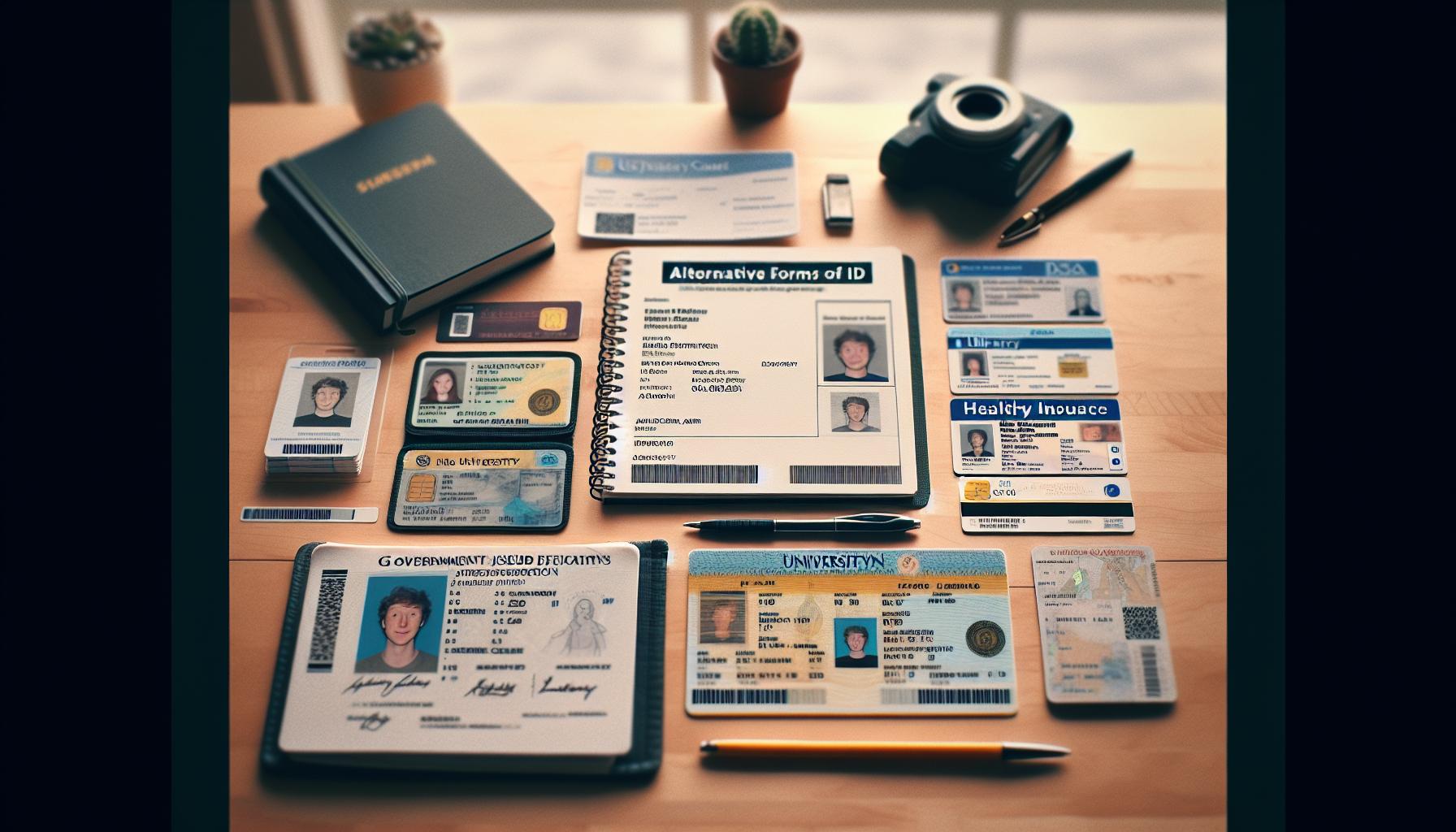
Many Canadians aren’t aware that presenting a government-issued photo ID isn’t the onyl way to confirm identity at the polls. In fact,Elections Canada accommodates a broad range of identification methods to ensure no eligible voter is excluded due to lack of traditional photo ID. This flexibility is especially meaningful for people who may not have driver’s licenses or passports, such as seniors, young voters, recent immigrants, or those living in remote areas.
If you don’t have a single government-issued document displaying your photo, name, and address, you can still prove your identity and residency by bringing two separate pieces of authorized ID. One key rule is that at least one of these documents must show your current address, and both must have your name. this means that non-photo IDs like bank statements, utility bills, government-issued letters, or a provincial health card without a photo become invaluable when paired together. Such as, combining a bank statement with a letter from a government agency confirming your address fulfills the requirement securely and conveniently. Métis cards, even though they frequently enough lack a photo, can also be used in conjunction with another proof of address, recognizing the unique identity needs within Indigenous communities.
- One piece of government-issued photo ID with your name and address, such as a driver’s license, passport, or photo health card; or
- Two permitted documents that together prove your name and address, for example:
- A provincial health card (without a photo) + a recent utility bill
- A government cheque + a bank statement
- A letter from the Income Assistance office + a bank statement
By providing these alternatives, the system ensures inclusivity without compromising security. Preparation is key: knowing which documents to bring before election day can save time and reduce stress. Since acceptable documents vary somewhat between jurisdictions and elections,checking Elections Canada’s official list or your provincial requirements can help you assemble your identification ahead of time. This approach exemplifies Canada’s commitment to making voting accessible to all citizens, regardless of whether they carry traditional photo ID.For further details, elections Canada maintains an up-to-date FAQ and ID search tool that can help you verify your documentation ahead of voting day [[2]](https://www.elections.ca/content.aspx?section=vot&dir=ids&document=index⟨=e).
How to Prove Identity and Address Without Photo ID
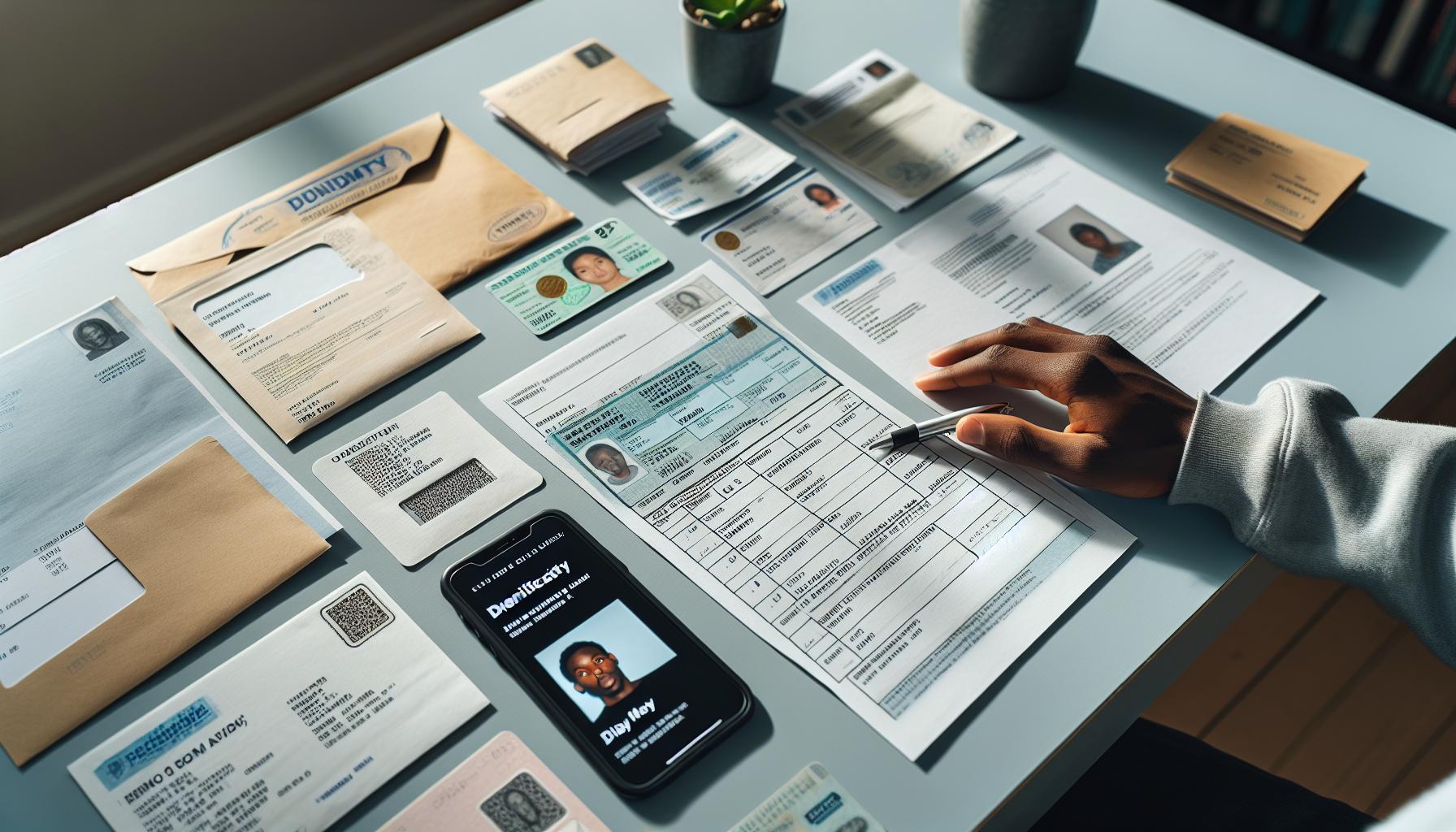
Many voters in Canada may worry that lacking a government-issued photo ID coudl prevent them from casting a ballot, but the system is designed to be inclusive and practical. Instead of relying solely on a single photo ID, Elections Canada permits the use of two alternative documents that together verify both your identity and your current address. This flexibility recognizes that many citizens-such as seniors, students, recent immigrants, and those living in remote communities-may not have easy access to government-issued photo identification.
To meet the requirements without a photo ID, you need to provide two pieces of authorized identification: both must include your name, and at least one must clearly show your current residential address. Examples of acceptable documents include a provincial health card without a photo (which verifies identity but not address), alongside a recent utility bill or bank statement that confirms your residence. As an example, bringing a letter issued by a government agency combined with a recent bank statement is a valid way to establish your identity and where you live. This approach also accommodates Indigenous voters who may rely on Métis cards or other community identification that often lacks a photo but can be paired with proof of address.
Practical Tips for Assembling Acceptable document Pairs
- Provincial health card (no photo) + recent utility bill or bank statement
- Government cheque + bank statement
- Letter from Income Assistance or other government office + bank statement
- Métis card + recent utility bill
before heading to the polling station, it’s a good idea to review Elections Canada’s latest ID list or consult your province’s specific guidelines since acceptable documents may differ slightly by area and election type[1]. Preparing these documents in advance helps avoid any last-minute confusion and ensures a smooth voting experience.
This two-document framework balances accessibility and security by allowing voters without traditional photo IDs to confidently affirm their eligibility and residency. it’s a testament to Canada’s commitment to making voting inclusive, recognizing that identity proof doesn’t always come in a single official card, but often from a combination of everyday, trusted documents.
Voting Without ID: Provincial Variations Explained

Voting procedures and ID requirements differ notably across Canada’s provinces and territories, reflecting local legislative priorities and community needs. While most jurisdictions adhere to a principle similar to that of Elections Canada-accepting either a single government-issued photo ID or two documents that together confirm identity and address-there are critically importent nuances to keep in mind that can impact how voters without traditional IDs participate.
In British Columbia, such as, voters must prove both identity and residency, but the province offers three flexible methods to satisfy this requirement. They can present a single government-issued photo ID with an address, two pieces of ID where one shows the address, or even bring an attestation from an elector who knows them in the community confirming their identity and residence. This last option is particularly accommodating for those who face difficulty obtaining standard identification, such as marginalized populations or transient residents[1].
Alberta’s approach aligns closely with the federal system but includes specific documentation lists that may differ slightly, emphasizing the importance of checking provincial guidelines before election day. They too require ID showing your name and address,with options to combine government correspondence and non-photo cards to meet the criteria. Policies are updated regularly to ensure inclusivity and reflect demographic realities, so voters shoudl review the latest from Elections Alberta before heading to the polls[3].
Practical Considerations and Examples
- Attestation by an Elector: In provinces like BC, if you lack ID or proof of address, a person from the same electoral district who has valid ID may attest on your behalf, helping remove barriers for those in difficult situations.
- Use of Community Identification: Indigenous voters might utilize community-issued IDs, such as Métis cards, and pair them with proof of address documents accepted provincially.
- Alternative Documentation: Recent utility bills, government letters, or bank statements are widely accepted as proof of address, which, when combined with a non-photo card like a health card, satisfy requirements in many jurisdictions.
As there is no single uniform rule across Canada, preparing ahead by consulting your local election authority’s guidelines ensures your documents will be accepted. Knowing your provincial specifics can ease anxiety and help maintain voting rights, especially for those without a standard government photo ID. This adaptability within and across provinces showcases Canada’s commitment to voting accessibility while safeguarding electoral integrity.For the most current and region-specific instructions, visiting provincial election websites or contacting local returning officers is always recommended, making your voting experience as smooth and inclusive as possible.
Step-by-Step Guide to Voting Without Traditional ID

Navigating the voting process without traditional government-issued identification may seem daunting, but Canada’s electoral systems include safeguards and alternative options to ensure everyone’s voice can be heard. Across many provinces and federally, voters who lack a photo ID can still participate by providing a combination of other documents or relying on personal attestations, reflecting a commitment to inclusion and accessibility.
Start by checking your specific provincial or federal guidelines as rules vary. Generally, if you do not have a government-issued photo ID with your current address, you can bring two pieces of identification: one that proves your identity (such as a health card or student ID) and another that confirms your residential address (like a recent utility bill or bank statement). These documents don’t need to be photo IDs but must collectively confirm who you are and where you live. If you don’t have any formal ID at all, some provinces-like British Columbia-allow you to bring an elector from the same voting district who has valid ID to vouch for your identity and residency through a signed attestation form. This option is especially valuable for those in transitional living situations or marginalized communities.
What You’ll Need and What to Expect at the Polls
- Step 1: Prepare Your Documents
Gather at least two pieces of ID to prove your identity and address. Acceptable options often include government correspondence, utility bills dated within the past few months, bank or credit card statements, student or employee ID cards, or health cards without photos. - Step 2: Double-Check Local Rules
Visit your provincial election website or Elections Canada’s resources to verify which documents are accepted and whether attestation by another elector is allowed in your jurisdiction. - Step 3: Visit Your Designated Polling Station
Upon arrival, present your documents or attestation form as required. Election officials are trained to assist voters without traditional ID to ensure the process is respectful and straightforward. - Step 4: Complete Balloting
Onc your identity and address are verified, you will receive your ballot.If you use the attestation option, the witnessing elector’s identification will also be recorded according to the process.
Example Scenario
Imagine you have a health card with no photo but no recent utility bill. In a province like Alberta or Ontario, you could show your health card (proof of identity) and a government-issued letter or bank statement with your address to satisfy ID requirements. In British columbia, if you lack address confirmation documents, you might bring a trusted neighbor who knows you and has proper ID to sign an attestation form confirming your address and identity.This flexibility prevents disenfranchisement due to missing typical identification.
| Document Type | Common Uses | Notes |
|---|---|---|
| Government-issued photo ID | Driver’s license, passport, provincial ID card | Preferred but not always mandatory |
| Non-photo government ID | Health card, birth certificate | Must be paired with proof of address |
| Proof of address documents | Utility bills, bank statements, government letters | must be recent (typically within 3 months) |
| Elector attestation | Signed statement by another voter confirming your identity and address | Available in select provinces like BC |
By taking these practical steps and understanding the alternatives, voters who lack traditional photo ID can confidently approach the polls and exercise their democratic rights. Preparing in advance and knowing your provincial parameters will significantly reduce any confusion or barriers on election day, ensuring that citizenship is the true qualification-not the possession of a particular card.
Common Challenges Faced by Voters without ID
Many voters face significant hurdles when trying to cast their ballot without traditional identification, even though Canadian electoral systems have made progress in offering alternatives. One major challenge is simply understanding the complexity and variety of ID requirements, which differ not only between federal and provincial elections but vary across provinces themselves. This can create confusion at the polls and lead to anxiety or reluctance, especially for first-time voters, newcomers, seniors, or marginalized groups who might potentially be less familiar with the rules or lack easy access to accepted documents.
another obstacle lies in the documentation itself. Although alternatives to government-issued photo ID exist-such as a combination of non-photo identification and proof of address-securing these documents can be tough. People experiencing homelessness, those in transient living conditions, or individuals without regular mail service may struggle to produce recent utility bills or government correspondence needed to confirm their address. this issue highlights the critical importance of personal attestations used in provinces like British Columbia, where a registered elector can vouch for a voter’s identity and residency, but this option is not universally available yet.
Practical Barriers at the Polling station
Voters without standard ID sometimes encounter inconsistencies in how election officials interpret or apply rules, which can lead to frustration or even denial of the right to vote. Although training has improved,human error and variations in local practices remain concerns. for example, a voter might bring a health card and a bank statement but face skepticism if the documents don’t perfectly match the current address on the voter list. In such cases, knowing your rights and the accepted document lists beforehand becomes invaluable. Preparation can ease this experience:
- Confirm in advance which documents are acceptable in your province or federally.
- Bring multiple forms of ID and proof of address when possible to avoid last-minute issues.
- ask for assistance from election officials-they are there to help, not hinder, the voting process.
Unique Challenges for Vulnerable Communities
Indigenous voters, youth aging out of family documents, and recent immigrants may disproportionately face ID challenges when voting. For example, many Indigenous people may not have current government-issued photo ID so they rely heavily on attestation provisions or community-based verification, where available. Furthermore,socio-economic barriers such as limited access to a fixed address,reliance on informal housing,or systemic distrust toward government processes can compound difficulties,underscoring the need for ongoing outreach,education,and flexibility in ID requirements.
By recognizing these common challenges, voters can better prepare and advocates can continue pushing for electoral reforms that prioritize accessibility and inclusivity, ensuring that the right to vote remains truly global.
| Common Challenge | Who It Affects Most | Tips to Overcome |
|---|---|---|
| Confusion over differing ID rules | First-time voters, newcomers | Check official election resources early |
| Difficulty providing proof of address | Homeless, transient populations | Use elector attestation if available |
| Inconsistent application at polls | All voters without standard photo ID | Bring multiple documents, stay calm, ask officials for clarification |
| Lack of government-issued photo ID | Indigenous peoples, low-income individuals | explore non-photo ID alternatives; community attestation |
Rights of Indigenous Voters Without Standard ID

Voters from Indigenous communities often face unique challenges in presenting traditional government-issued photo ID when going to the polls. Many Indigenous people may not have access to current photo identification due to historical, geographic, or socio-economic barriers. Recognizing this, Canadian electoral laws in several provinces provide flexible alternatives to ensure Indigenous voters can exercise their right to vote without being excluded or unduly burdened.
One of the most important accommodations is the use of attestation from a registered elector, who can vouch for the identity and residency of an Indigenous voter lacking standard ID. This community-based verification is particularly important in Indigenous communities where formal documentation of address or photo ID may be limited. In areas where attestation is permitted, trusted community members-such as elders or local leaders-can assist voters by confirming their identity and residential ties. This helps bridge the gap caused by systemic challenges in accessing government-issued documents.
Practical Alternatives and Resources
In addition to attestations, Indigenous voters can often use alternative forms of ID accepted by election officials. Examples include:
- Band membership cards or letters from Indigenous governance bodies confirming residency
- Certificates of Indian Status (also known as status cards), which provide official recognition without necessarily having a photo
- Letters from Indigenous organizations, social service agencies, or health providers that confirm identity and address
Voters who rely on these alternatives should prepare by checking the specific ID requirements for their province or territory well in advance of election day. Election agencies frequently update their accepted documents list on official websites, and many have Indigenous liaison officers trained to assist voters navigating these nuances.
Overcoming Systemic Barriers
The lack of traditional ids among Indigenous voters often intersects with broader systemic issues, including housing instability or limited access to mail services. To actively support Indigenous participation, some provinces have implemented targeted outreach programs with Indigenous communities, offering information sessions, mobile voter registration, and assistance obtaining necessary documentation.Voters are encouraged to:
- contact local election offices or Indigenous Services Canada for guidance on acceptable ID alternatives.
- Confirm the availability of attestation options and identify potential electors who can provide these endorsements.
- Plan ahead to secure any supplementary documents such as letters from recognized Indigenous authorities.
These steps empower Indigenous voters by respecting cultural contexts and reducing barriers rooted in documentation challenges, ensuring the democratic process is as inclusive as possible.
| Barrier | Common Indigenous Solutions | Helpful Tips |
|---|---|---|
| Limited access to government-issued photo ID | Use of attestation by registered electors; acceptance of Band cards or status cards | Prepare attestation ahead; ask community leaders for support |
| No fixed mailing address for proof of residency | Community letters or official Indigenous institution correspondence | Collect any letter confirming residence; confirm acceptability with election office |
| Language or procedural confusion at polling stations | Indigenous election liaisons and outreach programs | seek out Indigenous support staff; request assistance if unsure |
By fostering awareness of these rights and alternatives, Indigenous voters can confidently approach the ballot box without the fear of being turned away due to ID limitations, reinforcing that voting accessibility is a shared priority throughout Canada.
Impact of ID Rules on Voter Turnout and Accessibility

Millions of Canadians navigate voting day with ease, but for some, presenting acceptable identification can be a significant hurdle-one that directly impacts voter turnout and accessibility. Strict ID requirements, while safeguarding the integrity of elections, can unintentionally disenfranchise individuals who face barriers to obtaining or carrying traditional government-issued photo ID. These challenges tend to disproportionately affect marginalized groups such as Indigenous peoples, seniors, recent immigrants, and younger voters, highlighting the importance of flexible alternatives that promote inclusion without compromising election security.
Many provinces and territories have recognized these challenges and expanded their list of accepted ID or introduced alternative verification methods like attestation by electors, which allows a registered voter to confirm the identity and residence of someone without ID. This system has made a tangible difference in enabling more Canadians to participate,especially those in remote or underserved communities. For example, Indigenous voters can rely on community referrals or letters from recognized Indigenous organizations as valid proof, promoting a culturally sensitive approach that respects unique circumstances.
Practical Benefits and Accessibility Boosts
- Increased participation: by accepting a broader range of documents such as utility bills, bank statements, or even government correspondence without photo ID, election authorities help ensure that fewer potential voters feel discouraged or turned away at the polls.
- Reduced procedural confusion: Extensive voter education campaigns on acceptable ID forms and how to use attestation help alleviate the anxiety of those uncertain about eligibility, especially first-time voters and Indigenous communities.
- Supportive infrastructure: Many election offices now provide Indigenous liaison officers and mobile voting units that meet voters where they are, further removing barriers related to ID and accessibility.
By fostering awareness of accepted alternatives and proactively addressing systemic barriers, jurisdictions have seen measurable improvements in electoral inclusion without compromising on the verification of voter identity.
balancing Security with Accessibility
While strict ID rules are essential for combating voter fraud and bolstering public confidence in elections, overly rigid policies risk suppressing turnout by creating unnecessary obstacles. Election officials must carefully calibrate these policies to balance security and accessibility. Recognizing this delicate equilibrium, legal safeguards across Canada provide voters multiple pathways to establish their identity, reflecting the principle that no eligible citizen should be denied the right to vote simply because of missing traditional identification.
| Challenge | Impact on Turnout | Effective accommodations |
|---|---|---|
| Lack of government-issued photo ID | Discourages or prevents voting for marginalized groups | Use of attestation, alternative documents, Indigenous community outreach |
| Difficulty proving current residence | Creates confusion at the polls, potentially delaying or denying ballot access | Acceptance of community letters, mail from social agencies, flexible proof-of-address options |
| Limited voter information or support | Increases no-show rates due to uncertainty about ID rules | targeted education campaigns, Indigenous liaison support, mobile registration clinics |
Ultimately, fostering a voting habitat that prioritizes both security and inclusivity strengthens democracy by ensuring every eligible voice is heard. Canadians are encouraged to familiarize themselves well in advance of election day with the variety of accepted ID options and community resources available to avoid last-minute surprises that can deter participation.
For those without traditional identification, advance preparation and engagement with local election offices or community organizations can make a meaningful difference. Understanding and utilizing alternatives like attestation or non-photo documents empowers voters to confidently assert their right to vote, demonstrating that thoughtful ID accommodations are vital to a healthy, representative democracy.
How to Obtain Acceptable ID for Voting Quickly

For many Canadians,obtaining acceptable identification quickly for voting can feel daunting,especially if traditional government-issued photo ID is not readily available. However, the process can often be simpler and faster than expected. Election agencies across Canada recognize that eligible voters may face barriers to conventional ID and have put in place multiple pathways to help individuals obtain or confirm acceptable identification efficiently, sometimes within days or even at the polling station itself.
One immediate option is to utilize alternative forms of ID that combine proof of identity with proof of address, such as recent utility bills, bank statements, or government correspondence. These documents, when paired with an elector’s declaration or attestation by another registered voter, can satisfy voting requirements in many jurisdictions. For voters lacking these documents, many provinces allow attestation, where a registered voter or an election official confirms your identity and residence, eliminating the need for standard photo ID altogether. This method is especially useful for those who may have lost documents or recently moved and don’t yet have updated ID.
Practical Steps to Expedite Your ID Acquisition
- Contact your local election office early: Many offices offer expedited services or can guide you to the quickest route for obtaining an acceptable ID, such as special voter ID cards or letters confirming your registration.
- Explore government-issued alternatives: If you need photo ID, consider applying for a provincial identification card, which is often quicker to obtain than a driver’s license. Many provinces have streamlined application processes for these cards, especially for non-drivers.
- Use community resources: Indigenous voters or those in remote communities can ask local Indigenous organizations or community leaders for letters of confirmation, which some jurisdictions accept as valid proof of identity and address.
- leverage mobile or advance voting options: In some regions, mobile voting units or advance polls offer on-the-spot support for voters without traditional ID through attestation processes or by issuing temporary voting credentials.
Examples That Highlight Speed and Simplicity
As an example, Elections Canada allows voters to bring multiple pieces of non-photo ID that, combined, prove identity and address without requiring a separate photo ID. Voters can show a bank statement and a telephone bill, for example, along with signing an oath confirming their identity. Additionally, provinces like Alberta have introduced legislation permitting attestation by another elector, meaning if you bring someone who knows you and is registered, that person can vouch for you. This can bypass the often time-consuming process of obtaining formal ID.
| Method | Average Time to Obtain | Suitability |
|---|---|---|
| Attestation by Elector | Immediate (on voting day) | Voters without any acceptable ID; requires a vouching registered voter |
| Alternative Documents (Utility bills, bank statements) | Immediate (if documents are on hand) | voters lacking photo ID but with proof of residence |
| Provincial Non-Driver ID Card | Days to weeks, expedited in some regions | Voters needing government-issued photo ID quickly |
| Community Letters for Indigenous Voters | Varies; can be same day if requested early | Indigenous voters without traditional ID |
By approaching your local election office well ahead of election day and taking advantage of these flexible options, you can ensure you have acceptable ID in hand without unnecessary delay.Remember that election officials are trained to assist voters facing ID challenges, so don’t hesitate to inquire about services tailored to your needs. Quick preparation paired with knowledge of your jurisdiction’s ID rules will minimize stress and help secure your right to vote.
For extensive details, visiting resources like Elections Canada’s official site or provincial election authorities’ guidance pages can offer tailored instructions relevant to your location and circumstances [[2]](https://www.elections.ca/content2.aspx?document=index⟨=e§ion=id).
Legal Safeguards Protecting Voters Without ID

Few aspects of Canadian voting laws are as thoughtfully designed as the legal protections that ensure eligible voters are not disenfranchised simply as they lack traditional identification. Across the country, a robust framework exists to balance the integrity of elections with accessibility, recognizing that not everyone possesses government-issued photo ID or standard proof of address. These safeguards help maintain the democratic principle that voting is a fundamental right accessible to all qualified citizens.
Many provinces and territories have embedded provisions that explicitly permit alternative methods of confirming a voter’s identity and residency. As a notable example, attestation procedures allow a registered voter or an election official to vouch for the identity and address of someone without ID, effectively bypassing the rigid requirement for government-issued documentation. This legal mechanism is a testament to Canada’s commitment to inclusivity, reducing barriers for people who might potentially be homeless, displaced, or or else unable to produce standard forms of identification at the polls. Alberta’s recent legislation exemplifies this by formally authorizing attestation as a valid route to casting a ballot without traditional ID [1].
Protections That Empower Indigenous Voters and Vulnerable Populations
Recognizing the unique challenges faced by Indigenous voters and individuals in remote or marginalized communities, election laws often include tailored provisions. In many jurisdictions, letters from Indigenous leaders or community organizations are accepted as valid proof of identity and residence.These legal safeguards acknowledge historical and ongoing systemic barriers to obtaining government-issued ID and ensure that cultural and community ties are recognized equivalently. This approach fosters a more equitable voting environment, where the right to vote transcends standard bureaucratic hurdles.
Ensuring Fairness While Preventing Fraud
critically, these legal safeguards are carefully balanced to uphold election security. While alternative identification methods promote inclusivity, all voters are required to make an oath or declaration affirming their identity, deterring impersonation or fraudulent voting. Election officials receive specialized training to apply these rules consistently and fairly, ensuring that exceptions do not compromise the election’s integrity. This dual focus-on accessibility and security-reflects an evolved understanding of voter identification laws as tools for enabling participation rather than disenfranchisement.
- Be aware of attestation rights: If you lack traditional ID, ask at your local polling station or election office about bringing a registered elector to vouch for you.
- Bring alternative proof: documents like recent utility bills or government correspondence often suffice when combined with a signed declaration.
- Use community verification: Indigenous and remote community members can inquire about letters of confirmation accepted in their area.
- Know your jurisdiction’s rules: ID requirements vary provincially, so checking ahead ensures smooth voting on election day.
By understanding these legal protections and preparing accordingly, voters without conventional identification can confidently exercise their democratic rights. The Canadian system’s thoughtfully constructed safeguards reassure all eligible voters that lack of perfect paperwork does not mean loss of voice. This commitment to balancing accessibility with electoral integrity preserves a truly inclusive democracy.
Tips for First-Time voters Without Formal Identification

Many first-time voters may feel uncertain about the voting process, especially when they don’t have traditional government-issued photo ID. It’s critically important to know that in Canada, lacking formal identification does not automatically exclude you from voting.Election laws across provinces have thoughtfully incorporated flexible methods to verify your identity and address, ensuring your voice can still be heard. Preparing ahead can make your voting experience smooth, empowering you to participate confidently in democracy’s vital act.
One practical step is to connect with your local election office well before election day to clarify what documentation might work for you. In many cases, you can present non-photo documents such as utility bills, bank statements, or government correspondence, often combined with an attestation or sworn declaration to confirm your identity and address. If you don’t have these, remember you can ask a registered voter from your electoral district to vouch for you at the polling station – a powerful option that removes common barriers for those without standard ID. This attestation process is a concrete example of how voting systems uphold inclusivity without compromising election integrity[[[3]](https://www.elections.ca/content2.aspx?document=index⟨=e§ion=id).
Build confidence with these practical tips
- Research your province’s ID requirements early: Rules vary,so knowing specific accepted documents and attestation options for your area saves time and stress.
- Bring any supporting documents possible: Even if you lack formal photo ID, letters from community groups, school IDs, or government mail can help establish your identity or address.
- Identify a registered voter who can vouch for you: This person must be on the voter list and willing to accompany you at the polling station to attest to your identity and residence.
- Arrive prepared to make a declaration: You will likely be asked to swear or affirm your identity and eligibility before casting your ballot-this step reinforces both honesty and accessibility.
- ask election officials for guidance: They are trained to assist voters without traditional ID and will explain your options on site.
By approaching the process informed and ready,first-time voters can navigate the system with ease – the commitment to breaking down ID barriers means your lack of formal identification is not a hurdle,but simply another detail election workers are prepared to address. Remember, the ultimate goal of Canada’s voting regulations is to ensure everyone eligible participates fully, keeping democracy vibrant and fair[[1]](https://www.elections.on.ca/en/voting-in-ontario/id-to-vote-in-provincial-elections.html).
Faq
Q: How can voters prove their identity at the polling station without government-issued photo ID in Canada?
A: Voters without government-issued photo ID can often prove their identity by signing a voter declaration and presenting alternative documents, such as a utility bill or bank statement showing their name and address. This process varies by province, so check local guidelines for accepted options to ensure smooth voting. Learn more in our section on *Voting without ID: Provincial variations Explained*.
Q: What alternative documents are accepted to prove your address when voting without photo ID in Canada?
A: Accepted alternatives to prove address without photo ID typically include government-issued documents like utility bills, bank statements, or rental agreements dated within a certain timeframe. These must clearly display the voter’s name and current address.Refer to the *Accepted Alternatives to Government-Issued Photo ID* for specific examples by region.
Q: where can voters find help if they do not have any acceptable ID to vote in Canada?
A: Voters lacking acceptable ID can visit local election offices or call electoral helplines for guidance. Many provinces offer affidavit options or allow a witness to verify identity. Check the *Step-by-Step Guide to Voting Without traditional ID* for detailed assistance and contact information to ensure your vote counts.
Q: Why are there differences in ID requirements for voting across Canadian provinces?
A: ID requirements vary across provinces due to differing election laws and regulations designed to balance voting access with fraud prevention. Each province sets its own list of acceptable ids and alternatives, reflecting local priorities and demographics. For detailed provincial differences, see *Voting without ID: Provincial Variations Explained*.
Q: How do Indigenous voters in Canada vote if they don’t have standard forms of identification?
A: indigenous voters can frequently enough use special provisions allowing them to vote without standard ID by providing alternative documents or through affidavit declarations. Election officials are trained to support Indigenous communities to ensure their voting rights.For specifics, consult the *rights of Indigenous Voters Without Standard ID* section.
Q: What steps can first-time voters take if they lack formal ID in Canada?
A: First-time voters without formal ID should prepare by gathering any documents proving identity or residency, such as bank statements or school records. Arrive early at polling stations and ask election officers about affidavit options. Our article’s *Tips for First-Time voters Without Formal Identification* details how to be fully prepared.
Q: When is providing ID mandatory to vote in Canadian federal and provincial elections?
A: Providing ID is generally mandatory in all canadian federal and provincial elections to verify identity and residency. However, accepted ID types and alternatives may differ by region. Voters without usual ID can still vote by following special declaration procedures outlined under *Legal Safeguards Protecting Voters Without ID*.
Q: How can voters quickly obtain acceptable ID for upcoming elections in Canada?
A: to quickly obtain acceptable ID, voters can apply for government-issued photo identification such as a provincial ID card or passport. Some provinces offer streamlined processes for election purposes. Visit your local government service or election office early, and see *How to Obtain Acceptable ID for Voting Quickly* for practical tips.
*For more detailed guidance and up-to-date info, explore our related sections linked above to ensure you’re prepared to vote confidently-no matter your ID situation.*
Closing Remarks
Understanding your options for voting without traditional ID in Canada ensures your voice counts when it matters most.Whether you rely on accepted alternatives or make a solemn declaration, every step empowers you to participate confidently in the democratic process.Don’t wait-check out our detailed guides on voter ID requirements and how to register correctly to avoid last-minute hurdles.
Ready to take action? explore our resources on proving your identity and address, learn about election day tips, and sign up for our newsletter to stay informed about upcoming federal elections and voting policies. Have questions or experiences to share? Join the conversation below and connect with community members engaged in making voting accessible to all Canadians. for more insights, see our posts on voter registration processes and election readiness to keep your civic engagement strong.
By staying informed and prepared, you strengthen your ability to vote without ID in Canada and navigate accepted alternatives smoothly. Your participation fuels a more inclusive democracy-so dive deeper into our resources and make your vote count today!
Get our latest guides, news, and insights highlighted in your Google Search & AI Overviews.