Did you know that involving children in the voting process can spark early interest in democracy and civic responsibility? If you’re wondering whether you can bring your child with you to vote in Canada, you’re not alone. Many parents want to make voting a family experience but aren’t sure about the rules or the best way to do it. Bringing your child to the polling station can be a valuable chance to teach them about the importance of voting and how democracy works firsthand. This guide will clarify what’s allowed, share helpful tips for a smooth voting day, and highlight ways to make the experience positive for both you and your child. Whether you’re a first-time voter or a seasoned participant, understanding the ins and outs of bringing children along can definitely help ensure that your trip to the polls is informative, efficient, and family-friendly. Keep reading to learn how to turn your voting day into a meaningful moment that inspires the next generation of voters.
Table of Contents
- Bringing Children to the Polls in Canada: What You Need to Know
- Legal Rules About Children at Voting Stations
- How to Prepare Your Child for Voting Day
- Practical Tips for Voting with Kids in Tow
- Common Questions About Kids at Polling Places
- Safety and Etiquette When Voting with Children
- Exploring Educational Benefits of Voting Together
- handling Unexpected Situations on Voting day
- Additional Resources for Voters with Children
- Frequently asked Questions
- Q: can I bring My Child Inside the Polling Station When I Vote in Canada?
- Q: Are There Any Age Restrictions for Children Accompanying Voters on Election Day?
- Q: What Are the Best Activities to Keep Children Engaged While I Vote?
- Q: How Early Should I Plan to Arrive If I’m Bringing Kids to Vote?
- Q: Can I Use a Stroller or car Seat Inside the Polling Station?
- Q: what Should I Do If My Child Becomes Upset or Distracted While Voting?
- Q: Can Bringing My Child to the Polls Encourage Their Future Voting Participation?
- Q: Are There Resources Available to Help Explain Voting to Young Children on Election Day?
- Final Thoughts
Bringing Children to the Polls in Canada: What You Need to Know
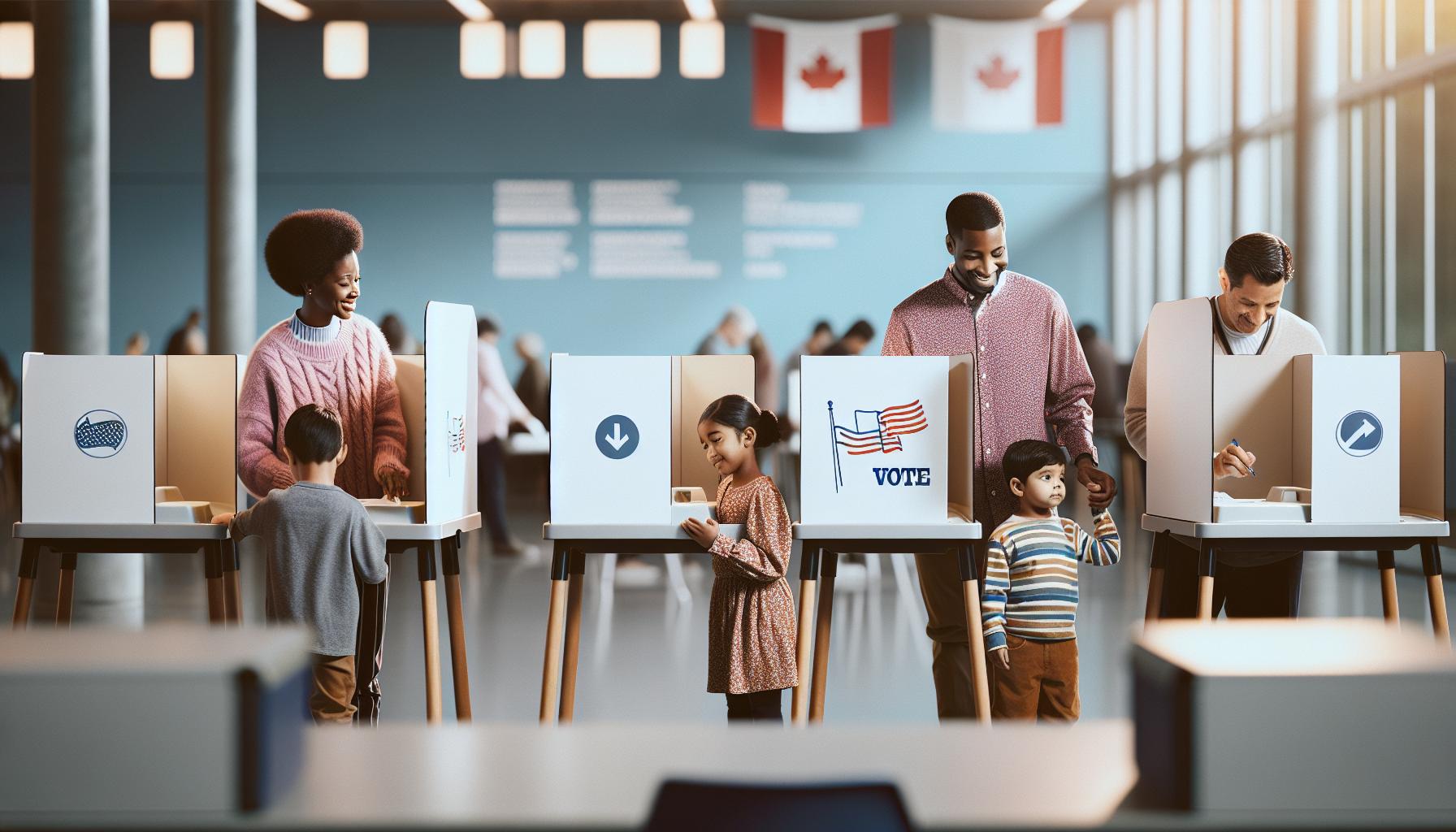
Many Canadian parents see voting day as a prime opportunity to introduce their children to the democratic process firsthand. Bringing children along when you vote not only demystifies what can seem like a complex civic duty but also models active citizenship essential for fostering engaged future voters. Canadian polling stations generally welcome voters accompanied by children, making it an accessible and inclusive experience for families. This shared outing allows children to observe the respectful atmosphere and logistical flow of elections, helping them understand the significance of participating in a democratic society.
While there are no legal restrictions preventing parents or guardians from bringing children into polling places, it’s important to be mindful of the environment and the privacy of others. Children’s presence should not interfere with the voting process or distract officials and other voters. Parents often find it helpful to prepare children for what to expect-such as waiting in line or the quiet setting-so the experience remains calm and positive. For example,discussing why voting matters or what the polling staff do can turn waiting times into engaging conversations,reinforcing learning in a real-world context.
Practical Considerations for Voting with Children
- Timing Your Visit: Choosing less busy times to vote, such as early morning or later in the evening, can reduce wait times and minimize stress for kids.
- Bringing Essential Items: Snacks, water, and small quiet activities can help keep children comfortable and occupied.
- Respecting Others’ Privacy: Remind children to stay close and avoid approaching voters confidentially marking their ballots.
- Using the Opportunity to Teach: Consider pointing out signage,explaining ballot boxes,and discussing the importance of community involvement.
Parents who integrate these strategies report a smoother experience, enabling voting day to double as a memorable lesson in civic responsibility. This approach aligns with broader efforts to encourage youth political awareness and participation over time, starting from an early age. Bringing children along is not just about logistics-it’s a powerful way to plant the seeds of democratic engagement, showing the next generation that their voices matter by example.
Legal Rules About Children at Voting Stations
While many might wonder if children can accompany their parents into voting stations in Canada, the good news is there are no legal prohibitions against bringing them along. canadian electoral law primarily focuses on protecting the integrity and privacy of the voting process rather than restricting who may be present in the polling place. This means that parents and guardians are free to bring their children with them, enabling families to experience democracy in action together without legal hindrance.
However, it’s important to remember that the voting area is a place where confidentiality and order must be maintained. Children are welcome provided that their presence does not disrupt the atmosphere or interfere with the work of election officials and the privacy of voters marking their ballots. This balance ensures everyone can participate comfortably and securely. For instance, parents might be asked to keep children close or quiet if they’re becoming a distraction during the voting process.
- No Age Restrictions: There is no minimum or maximum age limit for children accompanying voters into polling stations.
- Privacy Considerations: Children should be supervised to respect the secrecy of the ballot,avoiding exposure to how others vote.
- Polling Staff Authority: Election officers have the discretion to address any disturbances or privacy concerns, which may occasionally require parents to manage their children accordingly.
Understanding these practical guidelines can definitely help parents prepare for a smooth visit. Bringing children along is a powerful way to demystify elections and demonstrate respect for democratic institutions, as long as everyone upholds these principles of privacy and order.This approach fosters a respectful environment, reinforcing the democratic values that underpin Canadian elections while nurturing children’s civic awareness from an early age. For more data on voting procedures and accessibility, official resources such as Elections Canada provide helpful FAQs and detailed guidance[[1]](https://electionsanddemocracy.ca/canadas-elections/faq-students-asked-we-answered).
How to Prepare Your Child for Voting Day
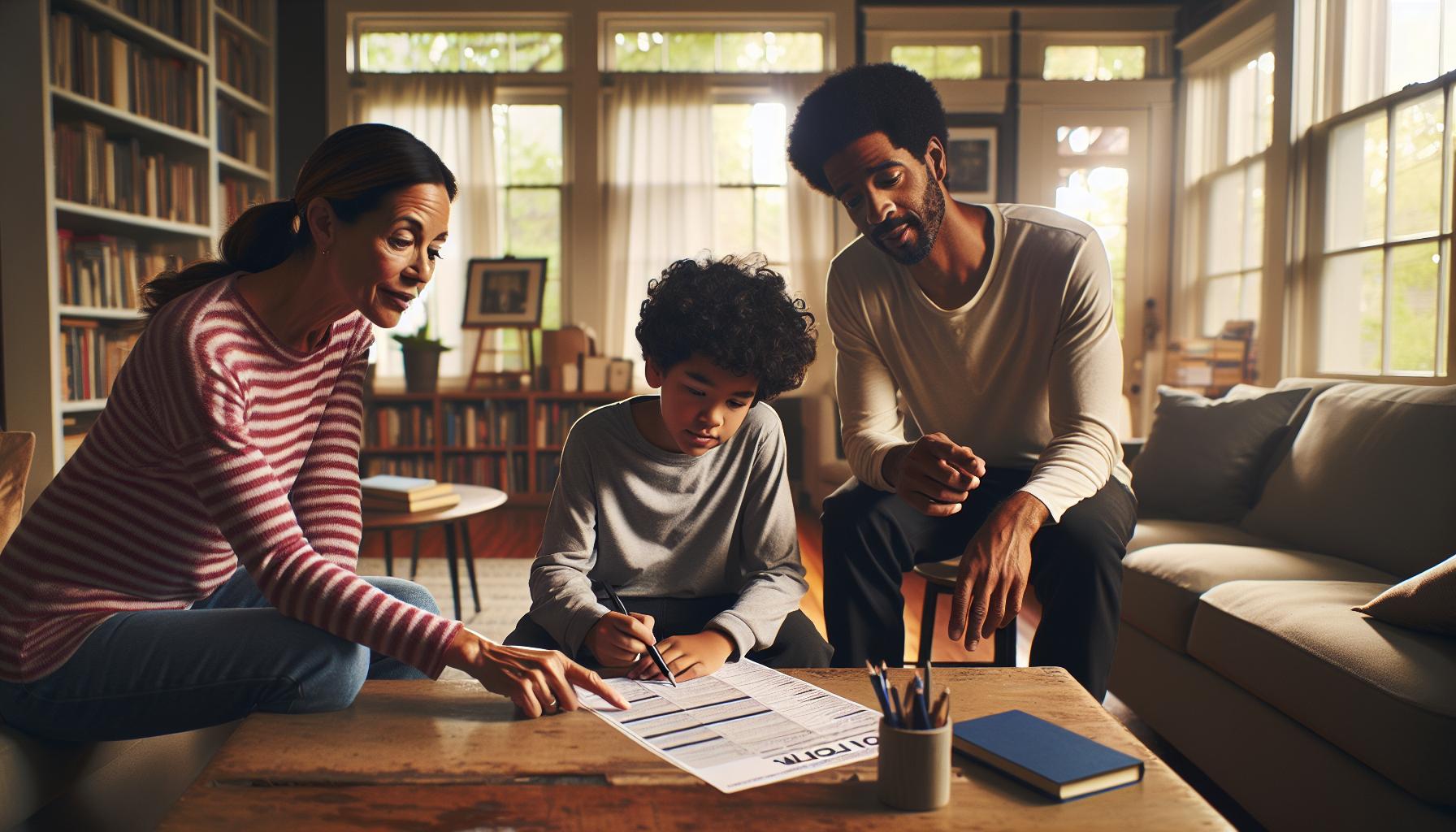
Bringing children to the polls offers a unique opportunity to introduce them to the democratic process in a hands-on, memorable way. to make this experience positive and educational, preparation is key. Start by having a simple conversation beforehand explaining why voting matters and what happens at the polling station. Tailoring this explanation to your child’s age helps them feel included without overwhelming them with details. For younger kids, framing it as ”helping make choices for your community” can spark curiosity, while older children might appreciate understanding the concept of civic duty.
Setting expectations about behavior and the environment can also ease potential challenges on voting day. Explain that the voting place is quiet and private, so they’ll need to stay close and speak softly. Role-playing the experience-such as practicing how to wait patiently in line or what an election worker might say-can help your child feel confident and less restless when the time comes.You might even bring a small, quiet activity like a colouring book or a toy to help keep them calm during any waiting periods.
Helpful Preparations for a Smooth Visit
- Discuss Privacy Respect: Emphasize that voting is secret, and it’s important not to watch or ask questions about how others vote.
- Bring Essentials: Pack snacks, water, and small entertainment, especially if you expect a line or wait.
- Arrival Timing: Visiting during less busy hours can reduce stress and distractions for both you and your child.
Children observing elections might ask questions or show surprise at the formal process. Use these moments as teachable ones by engaging them in age-appropriate discussions about why everyone’s voice matters, even those who cannot yet vote. This not only fosters understanding but also plants seeds for future civic engagement-possibly shaping the mindset of future voters. Preparing your child thoughtfully beforehand ensures that your voting trip is smooth, respectful to others, and impactful for your family’s civic education.
Practical Tips for Voting with Kids in Tow
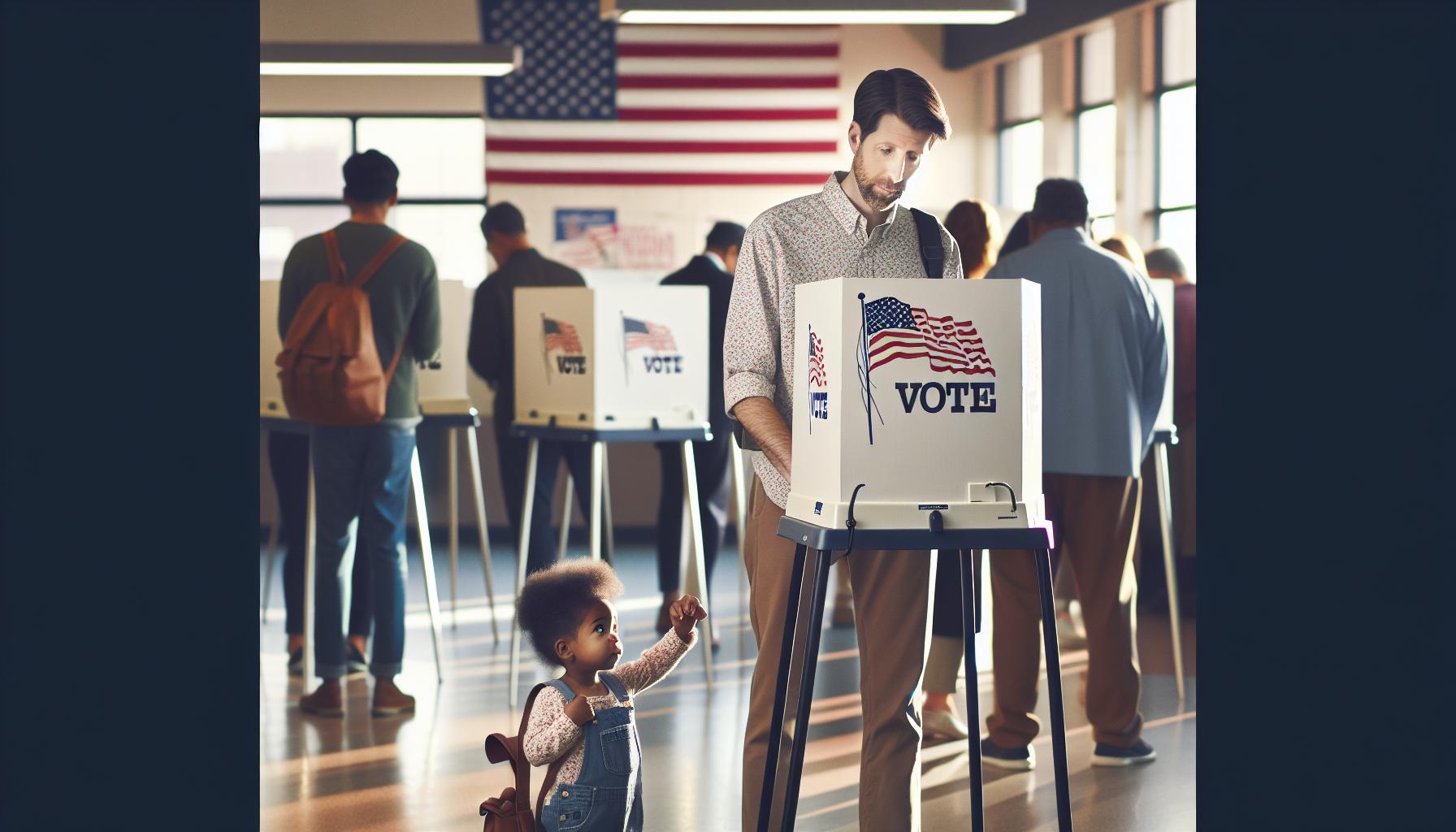
Bringing children along to vote can transform an otherwise routine errand into a meaningful family experience that plants early seeds of civic awareness. However, the practical side of managing kids in a polling station – often a quiet, formal environment with potential waits – calls for some thoughtful preparation. Simple strategies can keep children engaged, comfortable, and respectful of the process, turning voting day into a smooth, positive memory rather than a stressful outing.
one of the most effective approaches is to anticipate the challenges your child might face during the visit. Pack a small bag with quiet activities like colouring books or puzzles to help them stay occupied while in line or during any unexpected delays. Bringing snacks and water is also essential, as a hungry or thirsty child is more likely to get restless. To avoid peak hours, consider timing your visit mid-morning or early afternoon on election day, when lines tend to be shorter and the atmosphere less hectic. This reduces wait times and gives kids more opportunity to observe calmly.
It also helps to gently reinforce the atmosphere they’ll encounter – voting places are often quiet and require respectful behavior. Role-playing a mock voting scenario at home can familiarize your child with what to expect, including waiting patiently and whispering if they want to ask questions. Emphasize the importance of privacy and explain why you won’t be sharing who you voted for, helping them understand the respect voters are due. if your child is older, you might encourage them to quietly observe what election workers do to see democracy in action firsthand – this can deepen their interest and understanding.
- Bring Essentials: Snacks, water, and quiet toys or books to keep kids occupied during waits.
- Plan Timing: Choose less busy times to minimize crowds and wait times.
- Set Expectations: Explain the quiet nature of polling stations and respect for others’ privacy.
- Engage with Curiosity: Invite questions before and after voting to nurture civic awareness gently.
By integrating these tips, parents can not only manage the practicalities but use voting day as an early lesson in civic participation that respects the democratic process. The experience becomes more than a task – it’s an opportunity to instill values and curiosity that may influence your child’s future as an informed voter.
Common Questions About Kids at Polling Places
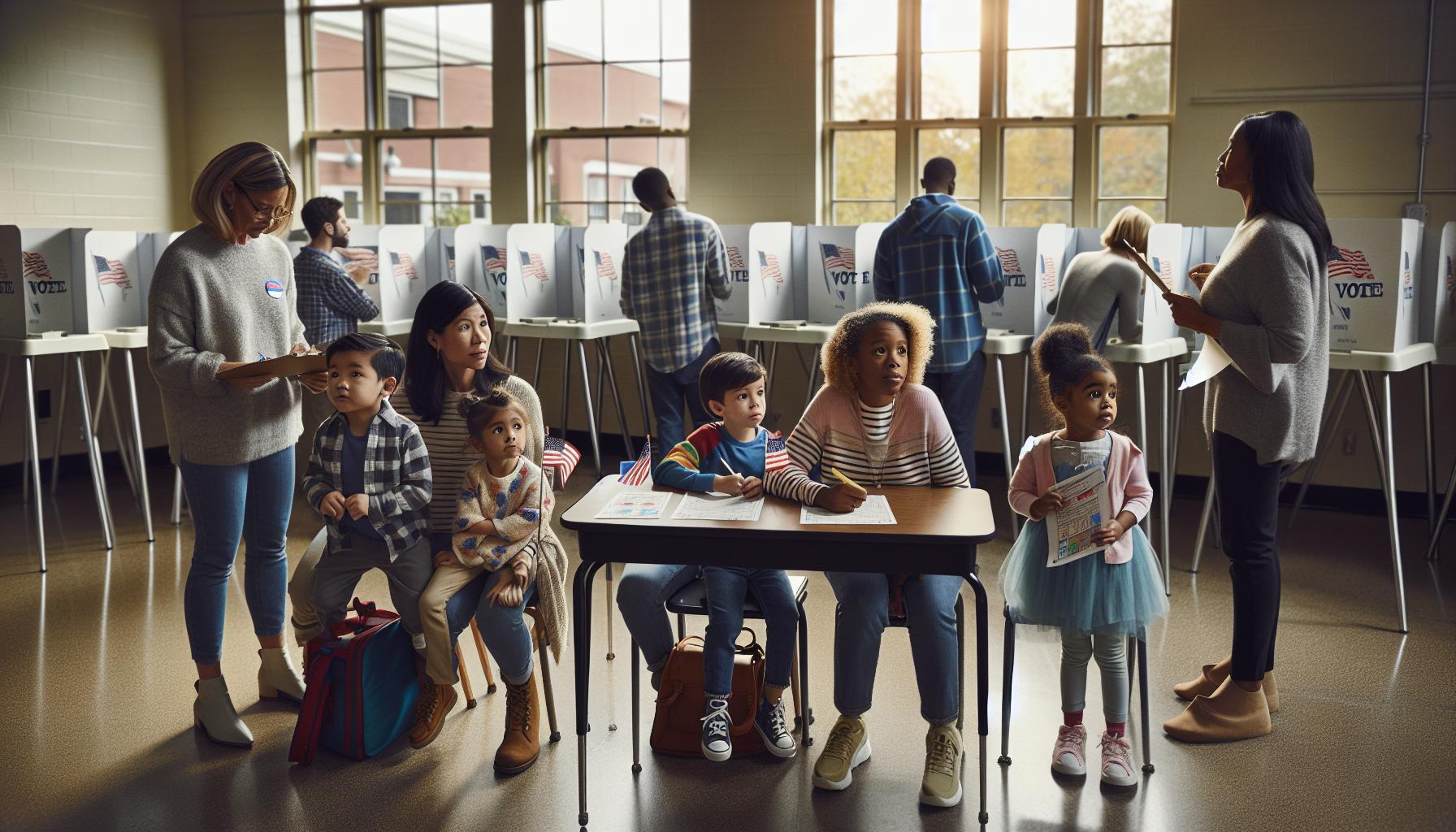
Few experiences offer as direct an introduction to democracy as stepping into a polling station with your child in tow. Many parents wonder about the basics-Is it allowed to bring children inside? Will they be welcome? What should I do if they get restless? These common questions deserve clear answers and practical guidance to ensure your family outing is both respectful and enriching.
Most Canadian polling stations happily accommodate children accompanying adults who are casting their ballots. There is no legal restriction preventing you from bringing your child inside the voting area, provided that they behave appropriately and don’t disrupt the process. Election staff understand that voting can involve waiting, and many are prepared to see children in the line or waiting areas. However, it’s important to model and explain the quiet, orderly atmosphere expected to maintain the dignity and privacy inherent in the democratic procedure.
- Can my child accompany me right up to the voting booth? Yes, children can be with you as you mark your ballot, though only the registered voter may handle and submit the ballot itself to preserve confidentiality.
- what if my child becomes noisy or restless? Having quiet activities and snacks on hand can help, but if your child needs a break, stepping outside briefly until they calm down is perfectly acceptable.
- Are there any age restrictions for children in polling places? There are no minimum or maximum age limits for children present, but very young children should be supervised closely for their safety and the courtesy of others.
Dealing with Curiosity and Questions
Children often ask why adults don’t share their vote and why the room is so quiet. This is an excellent teaching opportunity. Explaining the concept of voting privacy can foster respect for individual choice and democracy. Simple phrases like, “Everyone has an critically important voice, and we respect that by not talking about our vote,” can definitely help them grasp this. Encouraging them to observe quietly what election workers do turns a passive wait into an active civics lesson.
Preparing for Special Circumstances
Sometimes, election day involves long waits or crowded locations. If your child has sensory sensitivities or requires specific accommodations, many polling stations are wheelchair accessible and strive to provide a welcoming environment.Checking in advance with local elections offices-such as elections Canada or provincial bodies-can identify facilities with family-friendly amenities. This forethought can alleviate stress and make the experience smoother for everyone involved.
| Common Question | Helpful Tip |
|---|---|
| Can I use a stroller inside? | Most polling places allow strollers,but narrow aisles mean you may need to park it outside the voting booth area temporarily. |
| Can children help with voter ID? | Only the registered voter can present ID, but older children can watch the process to learn about voter identification. |
| Is photography allowed at polling stations with children? | Photography is generally prohibited inside polling stations to protect voter privacy. |
By anticipating these common questions and planning ahead, you can transform voting day into a positive, memorable experience. Bringing children to the polls not only normalizes participation in democracy but also nurtures their understanding of civic responsibility from an early age.
Safety and Etiquette When Voting with Children
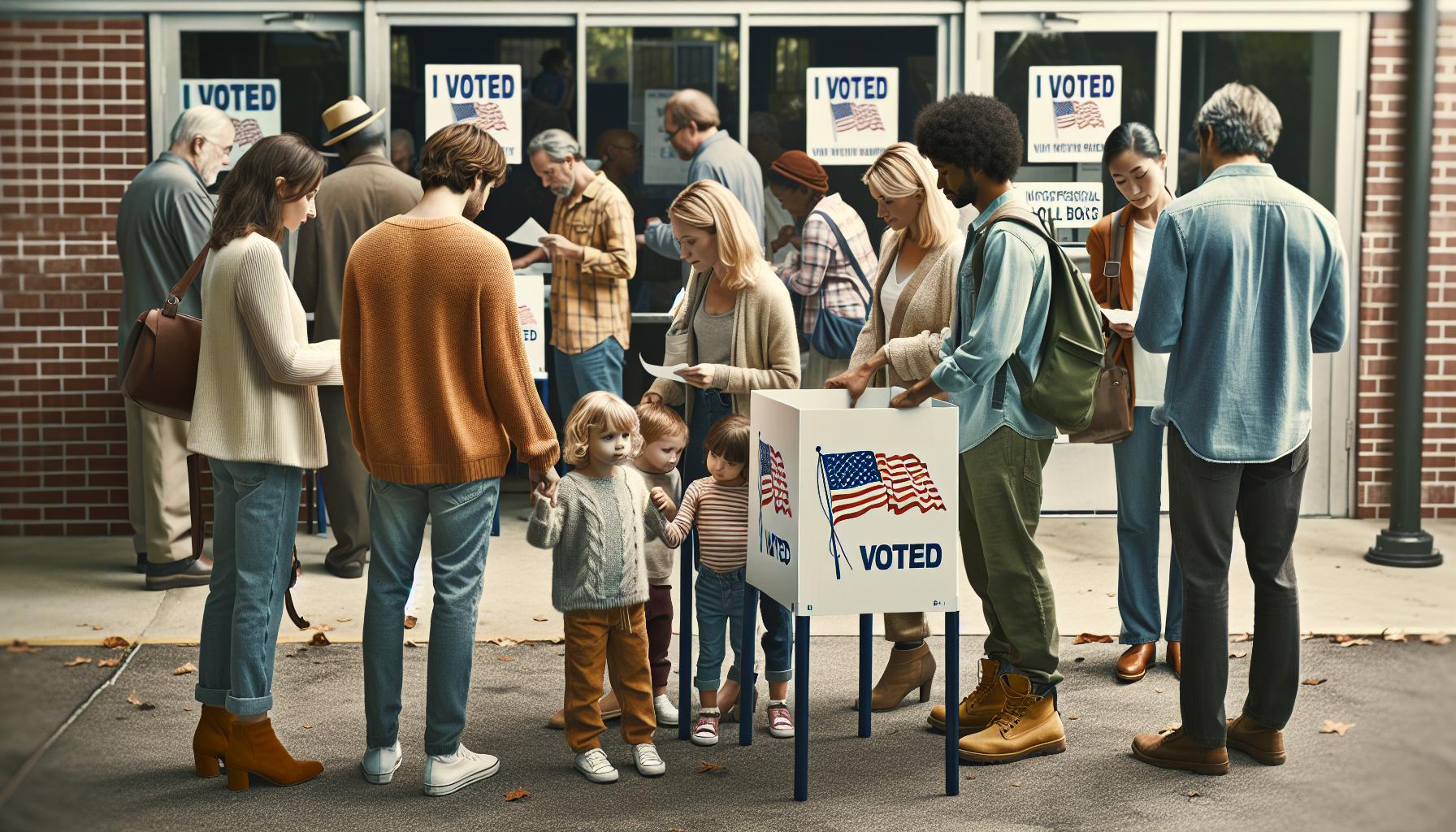
Few experiences in civic life highlight the importance of patience and decorum quite like voting day, and bringing children along can add extra layers of both joy and challenge. Ensuring safety and maintaining proper etiquette during the voting process helps create a calm environment where every voter’s rights are respected and children absorb positive examples of civic engagement. It’s essential for parents or guardians to balance their child’s curiosity and energy with the solemnity and privacy that voting entails.
To keep the experience safe and respectful, it’s important to always supervise children closely, especially in busy polling places where there may be crowds and tight spaces. Children should be guided to stay clear of others’ ballots and personal space, and reminded quietly about the importance of respecting the confidential nature of the vote. Bringing along quiet activities like coloring books or small puzzles can prevent restlessness while modeling appropriate behavior. If a child becomes disruptive or overwhelmed, it’s perfectly acceptable-and often appreciated by election staff-to step outside briefly to calm down or address any needs.
Upholding respect for privacy and order
An important aspect of etiquette during voting involves teaching children about voting privacy without overwhelming them.Adults can explain, in simple terms, why silence and discretion matter: voting is a private choice, and respecting that creates fairness in democracy. Parents can demonstrate this by speaking softly, refraining from discussing their vote aloud, and encouraging children to observe quietly. Children entrusted with the responsibility to accompany you close to the voting booth benefit from clear instructions about boundaries, such as not touching ballots or election materials.
Practical guidelines to enhance safety
- Monitor physical safety: Hold hands in crowded areas and be aware of sharp corners, doors, and election equipment that may pose hazards.
- Manage personal space: Encourage children to respect others’ space, reminding them that the polling place is a shared environment.
- Dress for comfort: comfortable shoes and weather-appropriate clothing help maintain a steady mood and prevent irritability.
- Limit distractions: Devices or toys that can be used quietly may ease the wait without disturbing others.
By maintaining these simple but purposeful behaviors, families not only ensure everyone’s safety but also model the respectful civic participation that children will remember and emulate. the voting station is an opportunity to nurture attentive citizenship in young minds – aligning courtesy with a real-world experience of democracy in action.
Exploring Educational Benefits of Voting Together
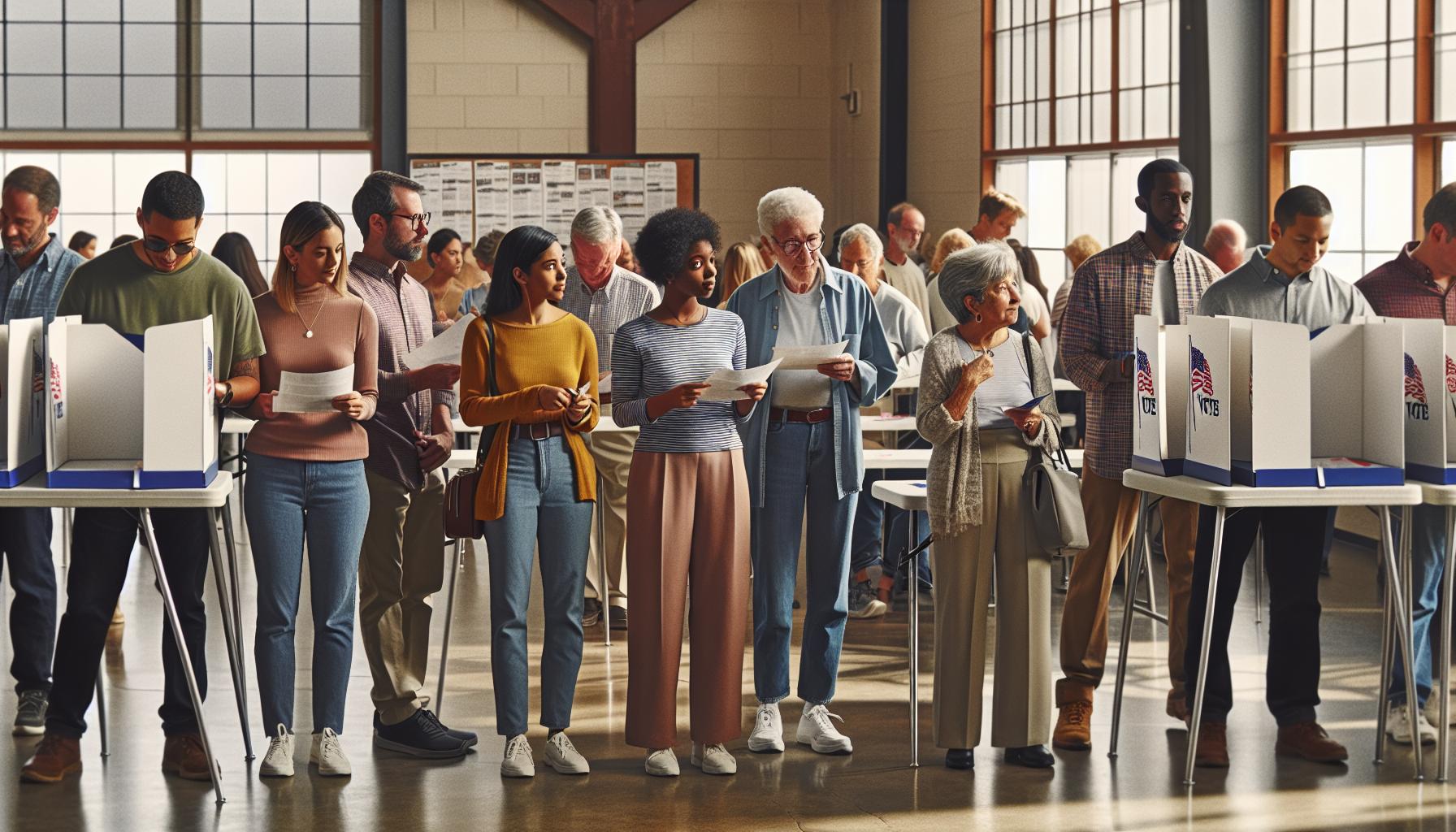
Voting day offers a unique and powerful teaching moment that can spark children’s curiosity about democracy and the role they will one day play as active citizens. When children accompany adults to the polls, they witness firsthand the importance of civic responsibility - seeing that voting is a valued right and a thoughtful process. This experience lays a solid foundation for developing informed, engaged future voters who understand that their voice matters in shaping their community and country.
Bringing a child to vote provides an authentic context for adults to explain concepts such as fairness, portrayal, and decision-making in government in a tangible way. Parents or guardians can use simple, relatable language to describe why elections matter and how different choices influence everyday life.This also opens the door to discussing fairness and respect, such as the private nature of ballots and why every vote is confidential. Over time, these explanations foster critical thinking and encourage children to ask questions about current events, governance, and their own values.
Fostering Civic Engagement Through Modeling and discussion
Children often learn best through observation, so letting them see calm, respectful interactions at polling stations models the type of behavior expected in democratic participation. Parents can highlight the importance of patience, taking turns, and listening to different points of view even when opinions vary. A shared voting experience also encourages family dialog about policies, candidates, and community issues, allowing children to hear diverse perspectives and develop empathy.
- Ask simple questions: ”What choices are being made here?” or “Why do you think people vote?”
- Discuss decision-making: Show how votes impact real-world issues that affect all ages, like schools, parks, and healthcare.
- Connect voting to everyday life: Explain how voting is like choosing a leader in school or making family decisions.
This ongoing conversation plants the seeds of lifelong voter engagement and an informed citizenry.
Interactive Learning Opportunities Beyond the Polls
Parents can extend the educational value by planning activities before and after voting day to deepen children’s understanding. For example, reviewing a sample ballot at home, watching age-appropriate news segments, or participating in school civics projects enriches the hands-on experience. Some families create “mock elections” that help children practice making choices and appreciating the democratic process in a low-pressure setting.
| Activity | Purpose | Recommended Age |
|---|---|---|
| Mock Polling Station | Practice voting etiquette and exploring ballot options | 5-12 years |
| Storybooks on democracy and voting | introduce concepts of fairness and leadership | 3-8 years |
| Family Discussion on current Events | Encourage critical thinking and informed opinions | 10+ years |
By blending direct experience with creative learning, families help children see voting not simply as a one-time act but as an essential responsibility tied to community wellbeing and personal empowerment. This nurtures a warm, enduring respect for democracy that can positively influence their choices as adult voters.
handling Unexpected Situations on Voting day
Even with the best plans, voting day can present moments of unpredictability-especially when children are involved. Polling stations are generally busy spaces filled with people, lines, and sometimes unexpected delays, all of which can test the patience and comfort of both adults and kids. Staying calm and flexible helps turn these moments into valuable learning experiences rather than stressful hurdles. Remember that election workers and volunteers are usually very understanding of families and can offer assistance if needed.
One common surprise might be longer-than-expected waiting times.Children may become restless or curious about the activity around them, so having quiet activities or snacks on hand can be a great way to keep them engaged. Portable coloring books, small toys, or simple games on a phone or tablet can maintain your child’s interest while you wait. Also, use these times for gentle conversation about what is happening and why patience is an critically important civic virtue-not just at the polls, but in everyday life.
Occasionally, there may be questions about whether children can enter certain areas of a polling station, especially if space is limited or specific COVID-related measures are in place. If you encounter a situation where staff request that children wait outside or in a designated area,explain to your child the reason in simple terms,emphasizing respect for the rules and the privacy of other voters. When possible, look for comfortable nearby spots where your child can stay safely within sight while you complete your voting. Bringing someone else along to assist-such as another adult or older sibling-can also ease these moments.
Quick Tips for Handling Unexpected Moments with Kids
- Explain changes calmly: Children respond well to clear and honest dialogue about adjustments or delays.
- Bring comfort items: A favorite small toy, blanket, or snack can soothe anxious or tired children quickly.
- Involve children when safe: Allow your child to observe or ask questions about the voting process when appropriate, helping them feel part of the experience.
- Be prepared for lines: Vote during off-peak hours if possible, or plan for extra wait time to reduce stress.
Everyone’s voting experience is unique, and turning unexpected moments into teachable opportunities fosters resilience and curiosity in young learners. Your calm leadership during these situations not only keeps the day on track but also models adaptability under changing circumstances-a key skill for any future voter.
Additional Resources for Voters with Children
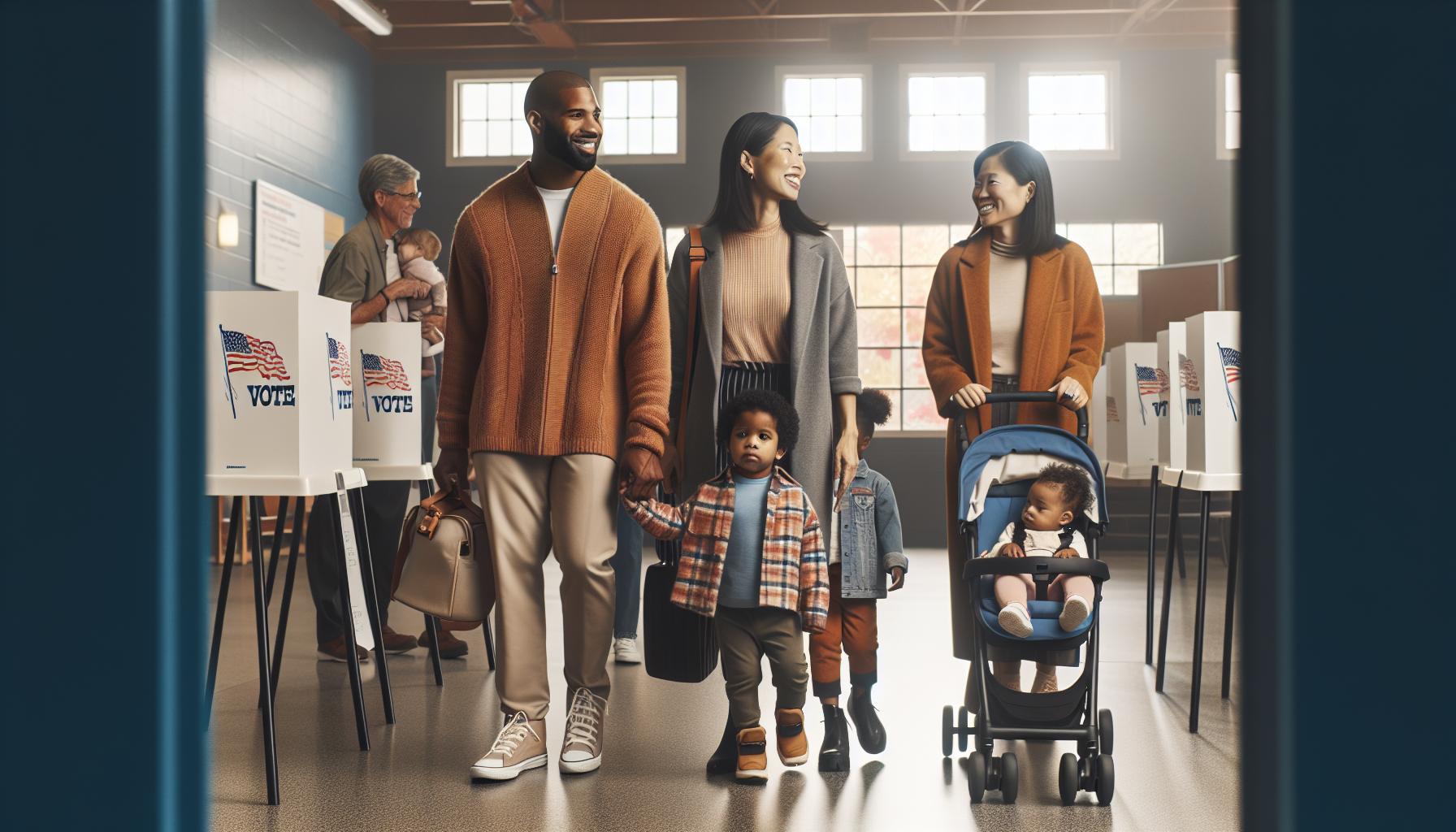
many parents and caregivers find that accessing the right resources can transform voting day from a potentially stressful outing into a meaningful family experience. Fortunately, several Canadian organizations and initiatives offer valuable tools and guidance specifically designed to support voters who bring children to the polls. From educational materials to practical checklists, these resources empower adults to engage their kids in the democratic process while ensuring the day runs as smoothly as possible.
One excellent starting point is Children First Canada, which emphasizes the importance of involving young people in civic life. Their campaigns not only advocate for child-friendly policies but also provide accessible information that can definitely help parents explain the significance of voting in relatable terms [1]. Alongside this, programs like Student vote Canada simulate election experiences for students by allowing them to participate in mock votes alongside real elections, creating interactive opportunities for children to understand and practice democratic decision-making [3]. These initiatives can enhance the lessons you share on voting day and encourage ongoing conversations about citizenship.
Helpful Websites and Tools
- Elections Canada: Their official site offers downloadable guides on voting procedures, frequently asked questions about children at polling stations, and tips for voters with families.
- Local Library and Community Centers: Many host civic engagement events or provide child-friendly materials to help explain voting concepts.
- Interactive Apps and Games: There are various online tools and apps designed to teach kids about elections, democracy, and civic responsibility in fun, age-appropriate ways.
Additionally, consider connecting with local community groups or schools that might offer workshops or family voting events. Engaging children in related activities outside of election day-such as watching debates together or creating simple ballots at home-can definitely help normalize the process and make actual voting trips less intimidating.
Ultimately, tapping into these resources not only supports a calmer, more educational voting experience but also builds the foundation for lifelong voter participation. By preparing with the right tools, families can nurture informed, confident future voters while turning election days into meaningful teaching moments.
Frequently asked Questions
Q: can I bring My Child Inside the Polling Station When I Vote in Canada?
A: yes, you can bring your child inside the polling station while you vote. Children are generally welcome in polling places, but it’s important to supervise them closely and follow any location-specific guidelines. For tips on managing kids at the polling place, see the Practical Tips for Voting with Kids in Tow section.
Q: Are There Any Age Restrictions for Children Accompanying Voters on Election Day?
A: There are no age restrictions preventing children from accompanying voters, but young children must be supervised at all times for safety and respect of the voting environment. Review Legal Rules About Children at Voting Stations for specific polling place rules and recommendations.
Q: What Are the Best Activities to Keep Children Engaged While I Vote?
A: Bringing quiet activities like coloring books, small puzzles, or educational games helps keep children engaged during your wait. This creates a calm environment and demonstrates the educational benefit of voting together-check Exploring Educational Benefits of voting Together for more ideas.
Q: How Early Should I Plan to Arrive If I’m Bringing Kids to Vote?
A: Arrive early to avoid long lines and reduce your children’s wait time. Early arrival helps manage stress for both parents and kids. Prepare by reading How to Prepare Your Child for Voting Day to ensure a smooth voting experience.
Q: Can I Use a Stroller or car Seat Inside the Polling Station?
A: Most polling stations allow strollers and car seats, but be mindful of space limitations and accessibility. Confirm with your local polling place beforehand and review Safety and Etiquette When Voting with Children to ensure comfort for everyone.
Q: what Should I Do If My Child Becomes Upset or Distracted While Voting?
A: If your child gets upset, step outside or find a quiet area nearby to calm them down. This keeps the voting process smooth for everyone.See Handling Unexpected Situations on voting Day for practical advice on managing such moments.
Q: Can Bringing My Child to the Polls Encourage Their Future Voting Participation?
A: Yes, involving children in the voting process fosters civic education and encourages future voter participation. Sharing the experience creates lasting impressions. Learn more in the Exploring Educational Benefits of Voting Together section for ways to nurture democratic values.
Q: Are There Resources Available to Help Explain Voting to Young Children on Election Day?
A: Yes, many resources and guides are available to explain voting in kid-friendly ways.* Check local libraries or Additional Resources for Voters with children in the article for free tools that help make voting an engaging learning experience.
For detailed guidance and further tips, explore our full article sections on voting with children.*
Final Thoughts
bringing your child to vote in Canada can be a meaningful way to model civic engagement and create lasting memories. While children can’t cast ballots themselves, understanding what to expect and how to prepare ensures a smooth and confident Voting Day experience for you and your family. Don’t wait-check your local voting regulations today and plan your visit to the polling station with these helpful tips in mind.For more insights on civic participation and Election Day readiness, explore our detailed guides on voter ID requirements, advance voting options, and what to bring to the polling station. ready to stay informed? Sign up for our newsletter to receive timely updates and expert advice directly to your inbox. Have questions or experiences to share? Leave a comment below-we’d love to hear from you and help you get ready for your vote!