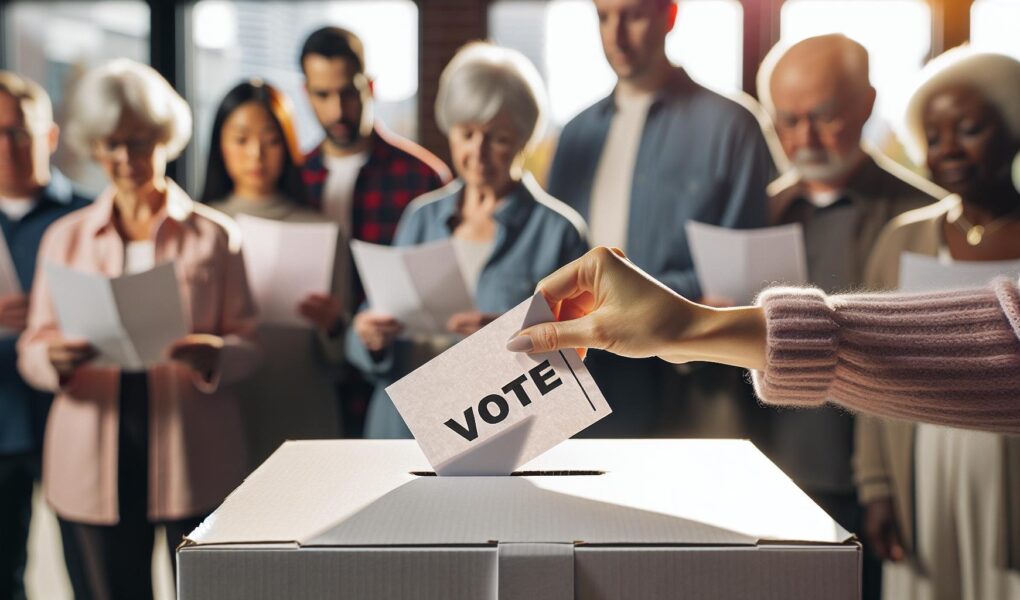
Did you know that nearly half of Canadian voters frequently enough choose to cast their ballots early, well before election day? Understanding how and when these early votes are counted is crucial for anyone following election results or planning to vote themselves. This article unpacks the election timeline in Canada, clarifying exactly when early votes are included in the final tally and why the process matters for transparency and trust in our democracy. Whether you’re curious about how your early vote impacts the outcome or want to know how election officials manage thousands of ballots collected in advance, this insight will help you navigate the voting process with confidence and clarity. keep reading to demystify early voting and see how it shapes the democratic process in Canada.
Table of Contents
- How Early Voting Works in Canada Explained
- Key Dates in the Canadian Election Timeline
- When and How Early Votes Are Counted
- Impact of Early Voting on Election Results
- Understanding Mail-in and Proxy Voting Processes
- Common Misconceptions About Early Vote Counting
- Accessibility and Security of Early Voting Methods
- Role of Election Officials in Vote Counting
- How Early Voting Influences Voter Turnout
- Recent Changes in Canadian Early Voting Rules
- Comparing Early Voting Practices in Canadian Provinces
- FAQ
- Q: When are early votes officially counted in Canadian federal elections?
- Q: How does the early vote counting process impact the speed of election results?
- Q: Can early votes affect the final election outcome in close races?
- Q: Are there safeguards to ensure early votes are securely counted without errors?
- Q: Why don’t early votes get reported immediately on election night?
- Q: How do early vote counting rules in Canada compare with other countries?
- Q: What happens if an early vote is challenged or disputed?
- Q: How can voters verify their early vote was counted in the election results?
- The Way Forward
How Early Voting Works in Canada Explained

Voting before election day has become an increasingly popular option across Canada, offering greater adaptability and convenience for those who want to participate in democracy but might be restricted by time or mobility on the official election day. Early voting typically takes place during advance polling days, which are set in the weeks leading up to the election. These days allow registered voters to cast their ballots at designated polling stations, often located in community centers, libraries, or government offices, making the voting process accessible and straightforward.
What sets early voting apart in Canada is not just the timing, but also the controlled and secure manner in which votes are handled. Whether at an Elections Canada office or participating in advance polls, voters mark their ballots confidentially, which are than securely stored until the official count begins. Early votes are as valid and critically important as those cast on election day, and they are incorporated into the final results just as rigorously. For example, elections officials use a special ballot system at Elections Canada offices during early voting, ensuring a standardized and secure process irrespective of when the vote is cast[[3]](https://www.elections.ca/content2.aspx?section=spr&dir=voting&document=votecoff⟨=e).
- Advance Polling Days: Typically span several days (usually 10 days), allowing people to vote at specified locations ahead of election day.
- Special ballot Voting: Enables voters who cannot attend in person-such as military personnel, Canadians living abroad, or those with special circumstances-to vote early through mail-in or at designated locations.
- Identification Requirements: Voters need to present valid identification at advance polls, similar to election day, ensuring the integrity of the process.
For those looking to take advantage of early voting, checking the official Elections Canada website or provincial election authorities’ pages ahead of time is crucial to find when and where advance polling or special ballots are available[[1]](https://www.elections.ca/content2.aspx?section=vote&document=index⟨=e). This proactive approach can help avoid last-minute surprises and ensures everyone can participate without barriers.
Practical Tips for Early Voters
- Plan ahead to visit advance polls on days that best fit your schedule.
- Bring all required identification to speed up the check-in process.
- Remember that while you vote early, your ballot isn’t counted promptly; all votes are tallied together after polls close on election day.
By taking advantage of early voting options, Canadians benefit from a more accessible democratic process that respects individual schedules while maintaining strict security and accuracy in the counting of every vote.
Key Dates in the Canadian Election Timeline

Elections in Canada follow a precise timeline that balances the need for accessibility with the integrity and security of the voting process. Understanding the key dates within this timeline can definitely help voters plan their participation effectively and clear up confusion about when and how early votes are collected and ultimately counted. From the official announcement of an election to the final vote tally, each stage has specific deadlines and opportunities designed to create an inclusive, clear democratic process.
The official election period begins with the issuance of the writ, a formal order that triggers the election countdown. This marks the start of campaigning and the setting of advance polling dates.Typically, advance polls open about two weeks before election day and run for roughly 10 days. These days provide flexibility, allowing voters to cast their ballots early at designated polling locations nationwide, such as community centers and government offices. Early votes cast during advance polling days are securely stored and not counted until after polls close on election day, ensuring fairness and preventing premature disclosure of results. Additionally, special ballots-such as mail-in ballots for Canadians living abroad or military personnel-have their own submission deadlines, which often occur several days before or immediately after election day to accommodate postal delivery times [[2]](https://www.elections.ca/content2.aspx?section=kdt&document=index⟨=e).
Essential Dates to Keep in Mind
- Writ Day: Election officially called,beginning the formal campaign and election period.
- Advance Polling Period: usually spans 10 days before election day; voters can visit advance polls to cast early ballots.
- Special Ballot Deadline: Last date to apply for and submit special ballots, including mail-in and proxy votes.
- Election Day: The final in-person voting day, after which all ballots-early, special, and on-the-day votes-are securely transported for counting.
- Official Results Announcement: Election officials commence tabulation and validation immediately after polls close, with results typically released within hours, depending on the complexity.
An example that illustrates the importance of these dates occurred in the 2021 federal election, where over 4 million Canadians voted during advance polling-a substantial portion of the total electorate. The results reflected a broad portrayal of voter participation precisely because the timeline provided sufficient opportunity for early voting.Staying informed about these dates can definitely help voters confidently contribute their voice without worry about missing critical windows or misunderstanding when their vote will be included in the final count.
For voters,a good rule of thumb is to regularly consult official resources such as Elections Canada or provincial election authorities,which publish detailed election calendars well in advance. These resources also clarify the deadlines for special ballots and identification requirements at advance polls, helping ensure ballots are valid and counted properly. Planning ahead not only helps avoid last-minute rushes but reinforces the confidence that every vote will be treated with the utmost care and rigor[[2]](https://www.elections.ca/content2.aspx?section=kdt&document=index⟨=e).
| Key Date | Description | Typical Timeline |
|---|---|---|
| Writ Issued | Official start of the election period | Day 0 |
| Advance Polling Opens | Start of early voting period | ~Day 10 after writ |
| Advance Polling Closes | End of early voting period | ~Day 19 after writ |
| Special Ballot Return Deadline | Last date to submit mail-in or proxy ballots | Election Day or a few days after |
| election Day | Final day to vote in person | ~Day 21 after writ |
| Counting and Results | Ballots counted, results announced | After polls close on Election Day |
By familiarizing themselves with these stages, voters can better understand how their early votes fit into the overall election process and gain peace of mind knowing their participation shapes democracy on election day and beyond.
When and How Early Votes Are Counted

casting an early vote is a convenient way to participate in Canadian elections, but many wonder when these ballots actually get counted. Despite being submitted well before election day, early votes-including those cast at advance polls, through mail-in ballots, or via proxy-are securely stored without being tallied until the official close of polls on election night. This procedure ensures the integrity of the process and protects against any premature release of partial results, maintaining fairness and public confidence in the outcome.
Once polls close on election day, election officials begin the meticulous process of sorting and counting all ballots-early, special, and same-day votes-together. Early ballots are transported under strict security protocols to central counting locations or returning offices, where they are carefully verified alongside on-the-day votes. This combined counting approach allows for a comprehensive tally and prevents statistical bias that could arise if early votes where counted separately; it reflects the full democratic participation at a single, definitive moment.
How Votes Are Processed After Polls Close
- Verification: Ballots from advance polls and special ballots undergo authentication to confirm voter eligibility and ballot validity.
- Sorting: Votes are categorized by electoral district and type (advance, mail-in, proxy, or election day) but are not separately tallied until all ballots are accounted for.
- Counting: Counting teams use standardized procedures,often involving multiple election officials to enhance accuracy and transparency.
- Result Compilation: Final counts from all ballots are aggregated to produce the official result announced to the public.
For example, during the 2021 federal election, over 4 million Canadians voted in advance polls, representing a significant share of total votes. These early ballots were securely kept and only included in the final count after election day, contributing to the representative outcome that mirrored widespread voter engagement across the country. This method also keeps voter choices confidential throughout the process, as no results leak before all votes are counted.Understanding this timeline helps clarify a common misconception that early votes are “counted early” or reported separately; rather, they bolster the accuracy and inclusivity of the final results by ensuring every valid vote is treated equally. Voters can be confident that their early participation is fully recognized and accounted for in the official tally,reinforcing the democratic principle of one person,one vote.
| Stage | Activity | When It Happens |
|---|---|---|
| Advance Polling | Voters cast early ballots at designated locations | Starts ~10 days before election day |
| Ballot Security | early votes securely stored until polls close | Throughout advance voting period until election day |
| Polls close | Official end of voting | Evening of election day |
| Verification & Sorting | Ballots checked and organized | Immediately after polls close on election night |
| Counting | Votes tallied, including early and special ballots | After verification, starting election night |
| Results Announcement | Official results released to the public | Hours after polls close, varying based on district |
early votes in Canada are given the same careful treatment as on-the-day ballots, with counting deliberately held until all polls have closed nationwide.This ensures a seamless, secure, and transparent counting process-key pillars that uphold the trust Canadians place in their electoral system.
Impact of Early Voting on Election Results

Long before election night arrives, early voting sets an critically important stage that can subtly shape election outcomes and voter behavior. With millions of Canadians opting to cast ballots ahead of time, the sheer volume of early votes reflects a more engaged and flexible electorate. This shift not only eases congestion at polling stations on election day but also provides a clearer picture of voter turnout trends well before the final tally is revealed. While early votes remain confidential and are only counted alongside all others after polls close, their collective influence is undeniably significant in shaping the democratic process.
Early voting often broadens the electorate by making voting more accessible and convenient, especially for those who might face scheduling conflicts or mobility challenges on election day.Increased participation from diverse demographic groups can alter the dynamics of a race, potentially benefiting candidates who successfully engage advance voters. As a notable example, careful outreach during the early voting period can mobilize younger voters, seniors, or busy professionals who might or else abstain. Elections Canada’s experience in recent polls illustrates how advance voting helps capture a more representative snapshot of public sentiment across regions, which in turn affects campaign strategies and candidate messaging.
Benefits of early Voting on Election Outcomes
- improved Voter Turnout: Easier access encourages participation from traditionally underrepresented groups.
- Reduced Election Day Pressure: Spreads voter turnout over multiple days,minimizing lines and logistical bottlenecks.
- Enhanced Campaign Adaptability: Campaigns can adjust messaging based on early turnout patterns and emerging voter concerns.
Conversely, early voting introduces strategic complexities in how results are interpreted during the election night. Because early ballots are counted together with election day votes, partial tallies during the evening do not reveal the true state of the race until the full count is complete. This method prevents early vote results from skewing public perception or prematurely influencing voter sentiment. Practically,this means election officials and candidates must exercise patience and caution,understanding that early votes contribute to a comprehensive and fair reflection of the electorate’s will only at the close of the entire process.
early voting’s impact on election results extends beyond mere convenience. It fosters a more inclusive democracy by empowering a wider spectrum of voters while maintaining rigorous standards of fairness and transparency. By strategically incorporating early votes into the final count, Canadian elections uphold the integrity of the process and ensure that every vote-nonetheless of when it was cast-holds equal weight in determining the nation’s political future.
Understanding Mail-in and Proxy Voting Processes

Casting a ballot without physically attending a polling station has become an essential option for many Canadians, especially those facing mobility issues, remote locations, or time constraints. Mail-in and proxy voting processes provide flexible, secure alternatives-empowering voters to participate fully in democracy on their own terms. Understanding how these methods work, and what safeguards are in place, helps demystify early voting and reassures voters about the integrity of their contributions.
Mail-in voting, officially known as voting by special ballot, allows eligible Canadians to request a ballot package sent directly to their home. Voters fill out their choice privately and return the sealed ballot by mail or through secure drop-off locations before the deadline. This process requires careful planning, as Election Canada sets strict timelines for receiving and validating ballots to ensure they are counted alongside in-person votes after polls close.Many voters appreciate this option for its convenience, especially during inclement weather or when physical distancing measures apply. To avoid common pitfalls such as missing the return deadline or improperly filling out the ballot, voters are advised to follow the clear instructions included in their mail packages and to send ballots back promptly.
Proxy voting caters to those who cannot vote in person and have no access to mail-in ballots but trust someone else to cast their vote on their behalf. By appointing a proxy, a voter authorizes a trusted individual to attend the polling station and cast a ballot for them. This requires proper registration with Elections Canada and adherence to verification procedures to maintain voting confidentiality and prevent fraud. Such provisions are vital for seniors, persons with disabilities, or people temporarily away from their home riding. Understanding the eligibility and official process for appointing a proxy is crucial for those considering this option-it involves formal documentation and sometimes advance notice to electoral authorities.
Practical Tips for a Smooth Mail-in or Proxy Voting Experience
- Request early: Submit your mail-in ballot submission well ahead of election deadlines to avoid delays from postal services.
- Follow instructions: Carefully complete all required sections on mail-in ballots and ensure your signature matches registration records.
- Secure your ballot: Seal your ballot envelope properly to maintain confidentiality and protect the integrity of your vote.
- Confirm proxy credentials: If voting by proxy, confirm your appointee meets eligibility requirements and understands their responsibilities.
- Track or confirm receipt: When possible, use tracking services or contact Elections Canada to confirm your mailed ballot has been received and accepted.
Employing these methods recognizes the diverse realities of Canadian voters and enhances participation without compromising electoral fairness. As with in-person early voting, mail-in and proxy ballots are included in the final count only once polls close on election day, ensuring every vote carries equal weight. This system reflects the Canadian commitment to accessibility while upholding strict security protocols that foster public trust in the democratic process.
Common Misconceptions About Early Vote Counting

Early voting frequently enough sparks curiosity and, naturally, some misunderstandings about how those ballots are handled and counted. One of the most common myths is that early votes are tallied immediately after they are cast,influencing ongoing election dynamics. In Canada, though, all ballots-whether cast during advance polls, by mail-in special ballots, or on election day-are securely stored and only officially counted once the polls close. This approach ensures that every voter’s ballot,irrespective of when it was submitted,has equal weight in the final result,maintaining fairness and electoral integrity.
Another frequent misconception is that early votes might be separated or treated differently, potentially affecting their validity or how they influence local results. In reality, advance votes are combined with those from election day, processed collectively by election officials under consistent, transparent procedures. This uniform handling prevents any undue bias and supports an accurate reflection of the electorate’s choice. To safeguard transparency, observers and scrutineers are present during the counting process, a critical part of Canada’s robust election oversight system.
People sometimes question whether mail-in ballots face a higher risk of being excluded due to postal delays or errors. While timely submission is essential-mail-in ballots must arrive by polling close to be counted-Election Canada provides clear timelines and allows secure drop-off locations to mitigate these risks. Voters are urged to request their mail-in packages early and follow all instructions carefully to avoid common pitfalls like missed deadlines or incomplete forms. This diligence helps ensure their voices are counted and underscores the system’s commitment to accessibility alongside security.
Tips to Avoid Common Confusions
- count timing: Know that counting begins only after polls close on election day, no matter when the vote was cast.
- Validity assurance: Early votes undergo the same verification processes as election day ballots to confirm eligibility and accuracy.
- Tracking your vote: Use available tools such as ballot tracking for mail-in votes and confirm proxy credentials if applicable.
- Trust in the system: Understand that strong safeguards and oversight eliminate concerns over premature counting or preferential treatment.
Clear communication and transparency continue to be central to dispelling doubts surrounding early vote counting. By appreciating the careful coordination behind the scenes, voters can participate with confidence, reassured that their early participation contributes meaningfully and securely to Canada’s democratic process.
Accessibility and Security of Early Voting Methods

Security and accessibility are the twin pillars that uphold confidence in early voting methods across Canada. From the moment a voter casts a ballot during advance polls or by mail, stringent procedures ensure both the integrity of the vote and ease of participation for all eligible Canadians. These safeguards are designed not only to protect against fraud and errors but also to accommodate the diverse needs of the electorate-making early voting a reliable and inclusive option.
Advance polls are strategically placed in accessible public venues, often including multi-day availability, to fit a range of schedules and physical capabilities. Polling stations commonly provide wheelchair access, assistive devices, and support for voters with disabilities or language barriers. simultaneously occurring, mail-in ballots offer an essential alternative for those unable to visit polling places-whether due to health, mobility, or geographic isolation. Each mailed ballot is carefully tracked and securely sealed,with clear instructions to help voters avoid common mistakes such as incomplete forms or late submission. Election officials emphasize that ballots must be received by the official close of polls to count, and many jurisdictions provide multiple secure drop-off points as alternatives to postal delivery, reducing the risk of delay.
How Security Measures Work Behind the Scenes
- Chain of Custody: Every early ballot is logged and handled under strict protocols that document its journey from the voter to secure storage,preventing tampering or loss.
- Verification Procedures: Early votes undergo the same rigorous identity and eligibility checks as those cast on election day, ensuring fairness.
- secure Storage: Until counting begins, ballots are kept in locked containers within guarded facilities, with access limited to authorized election officials and observers.
- Transparency: The presence of impartial scrutineers and public observers during ballot processing provides an additional layer of accountability.
For voters, understanding these security features can instill greater trust and encourage early participation. For example,in remote northern communities,mobile polling stations and special mail-in ballot services serve as lifelines,enabling residents to vote easily and securely despite geographical challenges. Similarly, older adults and individuals with disabilities often find early voting methods preferable because they reduce crowds and wait times.
Ultimately, the combination of thoughtful accessibility measures and robust security protocols reassures Canadians that early voting is both convenient and credible. By taking advantage of these options-and following provided guidelines carefully-voters can have confidence their voices will be counted accurately and without bias, well before the final election results are announced.
Role of Election Officials in Vote Counting

From the moment ballots arrive at counting centres, election officials play an indispensable role in preserving the integrity and accuracy of the electoral process. These experts are meticulously trained to handle each step with the utmost attention to detail, ensuring that early votes-whether cast at advance polling stations or submitted by mail-are treated with the same rigor and transparency as those cast on election day itself. Their work builds public trust by guaranteeing that every eligible vote is accurately recorded and fairly considered.
Election officials begin by securely receiving and cataloguing early ballots, adhering to strict chain-of-custody protocols that track the ballot’s journey from voter to storage. Once the advance polls close, they carefully verify voter eligibility by cross-referencing the information on ballots against the official voter registry. This crucial verification process helps prevent double voting and ensures that only valid ballots proceed to the counting stage. Throughout this procedure, the presence of autonomous scrutineers and party representatives adds an extra layer of oversight, providing confidence that the process is both impartial and transparent.
Counting With Care and Precision
- Segregation and Preparation: Early ballots are sorted separately but combined with election day votes during official counts, maintaining clarity over voting periods.
- Manual and Automated Counting: In many jurisdictions, ballots undergo dual scrutiny where machine tallies are cross-checked with manual counts to minimize errors.
- Reconciliation Reports: Officials generate detailed reports reconciling the number of ballots received, counted, and rejected, which are published for public review.
This meticulous approach means that delays in announcing results are often necessary but are a trade-off for accuracy and fairness. As a notable example, in recent Canadian federal elections, timing mechanisms prevent any early public release of partial results from advance polls to avoid influencing voter behavior on election day. Instead, official results are compiled and made public only after all ballots-including early, mail-in, and election day votes-have been tallied.Practical advice for voters who use early voting options is to ensure their ballots are properly filled out and submitted on time, as election officials rely heavily on clear markings and timely receipt. Staying informed about local polling guidelines and deadlines helps voters avoid disqualification or delays in counting. Ultimately, the dedication and expertise of election officials behind the scenes protect the democratic process, transforming early ballots from simple pieces of paper into voices that contribute meaningfully to Canada’s election outcomes.
How Early Voting Influences Voter Turnout

Convenience and flexibility have become powerful motivators encouraging more Canadians to participate in elections, with early voting playing a key role in reshaping voter engagement across the country. By allowing individuals to cast ballots ahead of election day, early voting removes barriers such as work schedules, family commitments, and unforeseen emergencies that frequently enough prevent people from voting. This freedom to choose when and where to vote has been shown to contribute positively to overall voter turnout, making the democratic process more inclusive and representative.
The option to vote in advance benefits diverse groups in particular. For example, seniors, people with disabilities, and those living in remote or rural areas gain easier access to polling stations, while shift workers and parents can avoid the crowds and time pressures of election day. Studies of Canadian elections indicate that advance polls tend to attract younger voters and first-time participants, demographics historically underrepresented at the polls. This suggests that early voting not only increases turnout but also strengthens democratic participation by engaging a broader spectrum of citizens[[3]](https://publications.gc.ca/collections/collection_2014/elections/SE7-3-2007-1-eng.pdf).
Practical Insights for Maximizing Early Voting
- Plan Ahead: Since early voting periods typically span several days or weeks before election day, scheduling your vote early ensures it’s cast without last-minute stress or conflicts.
- Stay Informed on Locations: Check official Elections canada resources for advance polling site addresses and hours, as these may differ by region and election cycle.
- Be Mindful of Deadlines: If voting by mail or special ballot, submit your forms promptly to guarantee your vote is counted within the official timelines.
early voting enhances the voting experience by accommodating varied lifestyles and circumstances across Canada, effectively removing obstacles that might discourage electoral participation. By making voting more accessible and convenient, early voting initiatives contribute significantly to higher voter turnout and a more engaged electorate.
Recent Changes in Canadian Early Voting Rules

Canada’s early voting landscape has evolved significantly in recent years, reflecting a growing commitment to making elections more accessible and adaptable to modern voters’ needs. One of the most notable developments includes expanded advance poll periods, allowing voters more opportunities to cast their ballots ahead of election day.Instead of the conventional three or four days, certain federal and provincial elections have seen advance polling stretched to over two weeks, accommodating people’s busy schedules and reducing congestion at polling stations.
Another key change involves the streamlined process for mail-in ballots and special ballots, especially considering lessons learned during the COVID-19 pandemic. Electoral bodies have enhanced their systems to simplify application procedures, improve tracking, and ensure faster processing times, thereby increasing voter confidence that their early votes are securely received and counted. These improvements have helped mitigate concerns about delays or lost ballots that historically discouraged some voters from utilizing mail-in options.
Practical Changes Impacting Voters
- Extended Advance Poll Days: More days mean less pressure to vote on a limited schedule,helping voters avoid long lines and restrictive timing.
- Easier Access to Mail-In Ballots: Enhanced online application portals and clearer guidelines make it simpler to request and submit ballots from home.
- Improved Security Measures: New verification technologies and stricter chain-of-custody protocols ensure the integrity of early votes, addressing common security concerns.
These adjustments are not only practical in improving the voter experience but also play a critical role in reinforcing public trust in the democratic process. Such as, recent federal elections have seen an uptick in early voting participation that correlates with these reforms, highlighting that when voters feel their early ballots are secure and valued, they are more likely to engage sooner rather than later. As Canadian electoral authorities continue to refine these rules, ther is a clear focus on making early voting not just an option but a preferred, dependable choice.
Looking ahead, voters should stay informed about updates from Elections Canada and provincial election offices, as rules and deadlines can differ depending on the jurisdiction and election type. planning ahead and understanding these recent changes will ensure every Canadian can take full advantage of early voting opportunities without risk or confusion.
Comparing Early Voting Practices in Canadian Provinces

Across Canada, the approach to early voting varies noticeably by province, reflecting distinct regional priorities, logistical considerations, and legislative frameworks. These differences create a diverse landscape where voters’ experiences can change significantly depending on where they live. For instance, while most provinces now offer extended advance polling periods, the exact number of days, availability of special ballots, and accessibility accommodations can differ – impacting how accessible early voting is to different populations.
In practice, provinces like Alberta and British Columbia have embraced multi-day advance polls ranging from eight to ten days, enabling voters greater flexibility. Alberta, such as, expanded advance voting provisions under recent electoral reforms, making it easier to vote in person without the pressure of a single early voting day. Simultaneously occurring, provinces such as Ontario maintain a shorter advance voting window but compensate by promoting robust mail-in ballot options, which have been refined to offer secure, trackable, and user-pleasant processes.Key distinctions also arise in how mail-in and proxy voting are facilitated: some provinces require stricter eligibility criteria for mail ballots, whereas others have simplified these requirements to encourage broader participation.
Provincial Variations and What They Mean for Voters
- Advance Poll Duration: Extended periods, like BC’s eight-day advance voting versus quebec’s traditional three-day window, allow voters more opportunity to avoid lines and schedule conflicts.
- Mail-In Voting Policies: While most provinces have streamlined mail-in ballot requests, differences exist in submission deadlines and verification processes, affecting voter confidence and ballot acceptance.
- Accessibility Supports: Provinces vary in providing specialized services such as mobile polling stations, telephone voting for specific electorates, and enhanced accommodations for persons with disabilities.
| Province | Advance Poll Days | Mail-In Ballot Accessibility | Notable accessibility Features |
|---|---|---|---|
| Alberta | 8 days | Easier online applications, earlier deadlines | Mobile polling stations, outreach to seniors |
| British Columbia | 8 days | Expanded eligibility for mail ballots | accessible voting kits, voter assistance services |
| ontario | 3 days | User-friendly mail ballot system, enhanced tracking | telephone voting in remote areas |
| Quebec | 3 days | More restrictive mail ballot eligibility | Additional in-person accommodations |
Understanding these provincial nuances helps voters plan better: knowing when and where they can cast an early ballot, what documentation or applications they might need, and how their ballot is handled post-submission. As a notable example, a voter in Alberta who cannot attend advance polls due to work might still confidently request a mail-in ballot well ahead of time, taking advantage of the province’s streamlined system. Conversely, a Quebec voter might prioritize in-person early voting due to postal restrictions.
Ultimately, while the core purpose of early voting-enhancing accessibility and convenience-is shared nationally, the specific methods and regulations are tailored provincially.Staying informed about local rules not only ensures voters make effective use of available options but also fosters trust that their early votes are counted securely and fairly,no matter where they cast them.[2][3]
FAQ
Q: When are early votes officially counted in Canadian federal elections?
A: Early votes in Canada are officially counted starting one hour before election day polls close, as permitted by the Canada Elections Act to expedite results reporting. This allows advance ballots to be processed while regular polls are still open, speeding up election night reporting [1].For detailed timing, refer to the When and How Early Votes Are Counted section of the article.
Q: How does the early vote counting process impact the speed of election results?
A: Counting early votes before election day polls close significantly accelerates the reporting of election results, providing Canadians with faster updates on outcomes. This proactive counting helps media and officials share real-time results without waiting for all polls to close, enhancing transparency and voter engagement [1]. Explore more in the impact of Early Voting on Election Results section.
Q: Can early votes affect the final election outcome in close races?
A: Yes,early votes can be decisive in tight races since they are fully valid and counted along with election day votes. Early voting trends often indicate shifts in voter sentiment and can influence campaign strategies. Check the How Early Voting Influences Voter Turnout section to understand their broader role in election dynamics.
Q: Are there safeguards to ensure early votes are securely counted without errors?
A: Early votes are protected by strict security and verification protocols, overseen by trained election officials to prevent fraud and ensure accuracy. Ballots are securely handled and stored until counted, maintaining election integrity. For specifics, see the accessibility and Security of Early Voting Methods section.
Q: Why don’t early votes get reported immediately on election night?
A: Early votes begin counting before polls close but are not released until official tabulations are complete to maintain fairness and avoid influencing voters still casting ballots. This controlled reporting ensures transparency without affecting voter behavior. Learn more in the Role of Election Officials in Vote Counting section.
Q: How do early vote counting rules in Canada compare with other countries?
A: Canada uniquely allows early ballots to be counted up to one hour before polls close to speed results,whereas many countries only count votes after all polls close. This balance speeds reporting but maintains election day transparency. For a provincial and international comparison, visit the Comparing Early voting Practices in Canadian Provinces section.
Q: What happens if an early vote is challenged or disputed?
A: Any disputed early vote undergoes a formal review process by Elections Canada, ensuring ballots meet all eligibility criteria before being counted.Challenged ballots are securely segregated and investigated to uphold election integrity without delaying overall counting. details can be found in the Role of Election Officials in Vote Counting section.
Q: How can voters verify their early vote was counted in the election results?
A: Voters can verify their early vote was counted through Elections Canada’s online tools and follow-up notifications where available. Tracking mechanisms and public reporting increase transparency and confidence in the voting process. For further guidance, see the Understanding Mail-in and Proxy Voting Processes section.
For more insights on early voting and vote counting, explore our comprehensive sections on the election timeline and voting methods to stay informed and engaged.
The Way Forward
Understanding when and how early votes get counted in Canada is essential for making informed decisions during election season. If you’re eager to learn more about the election timeline or the voting process,don’t miss our detailed guides on How to Vote in Canada and Understanding Canadian Election Rules. Staying informed ensures your vote truly counts, so why wait? Explore these resources now to prepare for upcoming elections with confidence.
If you have any questions about the early voting process or want to share your voting experience, join the conversation below. For the latest updates and expert insights on Canadian elections,subscribe to our newsletter-delivering authoritative information straight to your inbox. Remember, every vote matters, and knowing when early votes are counted can help you engage more effectively in the democratic process. Keep exploring our site for more valuable election tips and stay ahead in your civic participation journey.
Get our latest guides, news, and insights highlighted in your Google Search & AI Overviews.