Did you know Canadian employees are legally entitled to time off work to vote in federal elections? However, exactly how much time and when it must be granted depends on specific employer obligations and provincial rules. Understanding these rights helps ensure you don’t miss the chance to participate in democracy, even with a busy work schedule. Whether you’re juggling late shifts or early mornings, knowing when and how your employer must accommodate your vote can make a real difference. This guide breaks down what Canadian law requires, clarifies exceptions, and offers practical insights so you can plan ahead and exercise your voting rights with confidence. Keep reading to learn how the rules apply to you and how to navigate voting day without workplace stress.
Table of Contents
- Employer Legal Obligations for Voting Time Off in Canada
- Provincial and Territorial Variations Explained Clearly
- Who Qualifies for Voting Leave and Eligibility Rules
- How Much Paid or Unpaid Time Off Are Employees Entitled To?
- Step-by-Step Guide to Requesting Voting Leave from Your Employer
- Impact of Voting leave on Employment Rights and Benefits
- Common Employer Challenges and How They Address Voting Leave
- What Happens If Employers Deny Time Off to Vote?
- Voting Time Off Rules for Shift Workers and Hourly Employees
- recent Changes and Updates in Canadian Voting Leave Laws
- Tips for employers to Support Voting Rights and Compliance
- Frequently asked questions
- Q: How much time off to vote do employees typically receive in Canada?
- Q: When should I notify my employer to request time off to vote?
- Q: Are remote or gig workers entitled to time off to vote in canada?
- Q: How does time off to vote work for employees working overnight or split shifts?
- Q: What rights do employees have if their employer refuses to give time off to vote?
- Q: can an employer require proof that I voted in exchange for time off?
- Q: Does the obligation to provide time off to vote vary by province in Canada?
- Q: How can employers support employees’ right to vote beyond providing time off?
- Insights and Conclusions
Employer Legal Obligations for Voting Time Off in Canada
One of the most empowering features of Canadian democracy is the guaranteed right of employees to have sufficient time to vote on election day. Employers are legally obligated under the Canada Elections Act to provide their employees with at least three consecutive hours off to vote if they do not have that amount of time available outside working hours.This requirement ensures that civic participation is accessible,even for those with demanding work schedules. However, the actual timing of this voting leave must accommodate the employer’s convenience, striking a balance between employees’ democratic rights and operational needs [1].
It’s vital to recognize that not all workers are subject to the exact same rules.Such as, employees involved in transportation services, such as those operating land, air, or water vehicles outside their polling division, may be excluded from this entitlement if granting time off would interfere with essential services [1]. This nuance underscores how the legislation considers sector-specific demands while preserving the intent to facilitate voting access whenever feasible.
How This Works in Practice
Employers must assess schedules and offer time off flexibly. For instance, if an employee’s shift overlaps entirely with polling hours-such as an 8 a.m. to 8 p.m.schedule-then the employer is generally expected to provide the three consecutive hours off either at the beginning or the end of the shift. This practical approach helps employees avoid missing their chance to vote while allowing businesses to maintain normal operations during peak hours [2].
Beyond compliance, employers should be mindful of the potential consequences of denying voting leave. The law imposes penalties for interference-ranging from fines up to $50,000 to possible imprisonment-especially in cases involving intimidation or undue influence preventing employees from exercising their right to vote [3]. Such statutory safeguards emphasize the importance Canada places on protecting employees’ voting rights as a pillar of democratic society.
Key Points Employers Should Remember
- Provide three consecutive hours off if employees do not already have that time outside work to vote.
- Schedule time off flexibly based on employer convenience but with the employee’s voting window as a priority.
- Recognize exceptions,such as transportation employees working outside their polling division,where operational needs may override voting leave.
- Avoid interference or discouragement that could be interpreted as obstructing voting rights.
Meeting these obligations not only aligns with legal requirements but also fosters a workplace culture that respects employees’ civic duties. Many employers find that supporting voting leave enhances morale and reflects positively on their commitment to community engagement, creating long-term goodwill that benefits both employee and employer alike.
Provincial and Territorial Variations Explained Clearly
Across Canada,the right to take time off work to vote is widely recognized,but the exact rules and entitlements can differ noticeably between provinces and territories. This patchwork of regulations reflects local priorities and administrative frameworks, making it essential for both employers and employees to understand regional nuances to ensure compliance and smooth facilitation of voting rights.
For example, most jurisdictions require employers to provide at least three consecutive hours off if the employee’s working hours don’t already allow sufficient time to vote. However, the actual length of voting leave and whether it’s paid varies. In British Columbia, voters are entitled to four consecutive hours off work on voting days, which exceeds the federal minimum and reflects the province’s commitment to broader access during elections [3].Meanwhile, Ontario typically aligns with the three-hour minimum but provides guidelines on when the voting leave should be scheduled, ofen accommodating start or end of shift preferences.
Another layer of variation arises in how these rules apply to specific industries and employee groups. As a notable example, transportation workers engaged in operations outside their polling division-like long-haul truck drivers or airline staff-may not always receive protected voting leave if granting time off would disrupt essential services [1]. This exception is recognized federally and in several provinces, balancing democratic rights with critical service continuity. Employers in these sectors frequently enough work alongside government election agencies to find flexible solutions, such as early or absentee voting options, helping employees exercise their vote without compromising operational demands.
Key Provincial and Territorial Highlights at a Glance
| Province/Territory | Minimum Voting Leave | Paid or Unpaid | Special Provisions |
|---|---|---|---|
| british Columbia | 4 consecutive hours | Typically unpaid (varies by employer) | Advance and final voting days eligible |
| Ontario | 3 consecutive hours | paid if work hours don’t allow voting time | exemptions for transportation employees |
| Alberta | 3 consecutive hours | Generally unpaid unless contract states otherwise | Polling day and advance polls |
| Quebec | 3 consecutive hours | Paid | Applies to both municipal and provincial elections |
| Yukon | 3 consecutive hours | Paid | Includes territorial and federal elections |
This snapshot underscores the importance of checking local legislation and collective agreements since voting leave can be subject to provincial labor codes or specific public sector rules. The interplay of federal and jurisdictional laws means employers, especially those operating in multiple regions, must stay up to date to avoid inadvertently violating employee rights or incurring penalties.
Beyond legal minimums, thoughtful employers use these variations as an opportunity to demonstrate civic leadership. For example, some companies in provinces with unpaid voting leave proactively offer paid hours or flexible scheduling to encourage participation, recognizing the broader societal benefits of an engaged workforce. By understanding and respecting provincial and territorial differences, employers can craft voting leave policies that not only comply with the law but also foster a positive culture around democratic involvement.
Who Qualifies for Voting Leave and Eligibility Rules
Voting leave rights in Canada extend broadly across the workforce, ensuring most eligible voters can participate in elections without sacrificing their income or job security. Generally, anyone eligible to vote in federal, provincial, or territorial elections qualifies for voting leave. This includes employees registered on the voters’ list, as well as those who meet the age and residency requirements set by the specific jurisdiction. However, the precise eligibility can vary slightly depending on the rules of the election and employer obligations under federal or provincial legislation.
Employers must provide voting leave if an employee’s regular work hours do not give them at least three consecutive hours to cast their ballot during polling times. This right applies to full-time, part-time, and casual employees alike-even those with irregular or shift-based schedules-so long as they are qualified voters. For example, a part-time employee whose shift starts early and ends close to polling station closing time is entitled to the necessary hours off to vote.It’s certainly worth noting that employers cannot require proof of voting or penalize employees for taking time off to vote,highlighting the legal protection of this civic duty[[[2]](https://www.citationcanada.com/blog/article/voting-leave-canadian-employer-responsibilities/),[[[3]](https://www.elections.ca/content2.aspx?section=faq&document=faqtimo&lang=e).
Special Eligibility Considerations
- New Voters or Those Voting outside Their Riding: Employees who are voting for the first time or who vote by mail or at advance polls also generally qualify for the same leave provisions.
- Shift Workers and Hourly Employees: Shift workers with odd hours or those whose workdays span polling station hours retain their voting leave entitlement. Employers frequently enough manage this by allowing voting break in the shift or adjusting work start and end times to accommodate voting.
- Employees in Mandatory or Essential Services: Although voting leave rights apply broadly, exceptions exist for roles where granting leave would cause significant operational disruption (e.g., emergency services, critical transportation). These cases are rare and usually involve consultation with election officials to provide alternatives like absentee or early voting.
Despite an employee’s clear entitlement, practical eligibility often depends on the intersection of election timing and work schedules. For example, an employee working outside the local polling area who cannot vote in person might potentially be encouraged to use absentee ballots, which eliminates the need for voting leave. Employers benefit from clear interaction and education about these provisions to ensure they are fairly and effectively implemented.
By understanding who qualifies and the situational nuances,both employees and employers can navigate voting leave with confidence,supporting democratic participation while balancing workplace responsibilities. Aligning workplace policies with these eligibility rules not only ensures legal compliance but also reinforces a culture that values civic engagement[[[3]](https://www.elections.ca/content2.aspx?section=faq&document=faqtimo&lang=e).
How Much Paid or Unpaid Time Off Are Employees Entitled To?
Most Canadian employees are entitled to time off from work to vote, but exactly how much time and whether it is paid or unpaid depends on several factors, including the length of their shift and whether they have enough time during their scheduled hours to cast a ballot. the Canada Elections Act mandates that if an employee’s regular working hours do not allow for at least three consecutive hours to vote during polling station hours, the employer must provide sufficient time off to fulfill this minimum voting window.This leave is generally provided as paid time off, ensuring employees can participate in democracy without losing income [3].
As a notable example, if an employee’s shift overlaps almost entirely with polling hours but includes a sufficient break or off-duty period of at least three hours, the employer is not required to provide additional leave. Though, if an employee’s work schedule tightens those windows-say a morning start that ends close to polling close time-the employer must grant paid voting leave to cover the time needed to vote. This provision applies whether the employee is full-time, part-time, casual, or works irregular shifts, reinforcing equitable access to voting across job types.
Factors Influencing Paid vs. Unpaid Leave
- Federal Elections: under federal law, employers must provide paid voting leave as described above.
- Provincial and Territorial Elections: Variations can occur, with some provinces requiring paid voting leave, while others may only require unpaid time off. It’s critically important to verify the specific rules in the relevant jurisdiction.
- Special Voting Situations: Employees voting outside their local polling stations or using special ballots may not need additional time off but must plan ahead, often receiving their ballots by mail, reducing the need for workplace accommodations.
Practical Examples to Illustrate entitlements
| Employee Scenario | Time Off Required | Paid or Unpaid |
|---|---|---|
| Employee working 9am – 5pm; polling open 9am – 8pm,with a 30-minute lunch break at noon | No additional leave needed (3+ consecutive hours off to vote during polling hours exists) | Not applicable |
| employee working 7am – 12pm; polling closes at 8pm | 3 hours paid leave after shift to vote | Paid |
| Part-time employee working 3pm – 7pm | Paid leave before or after shift to ensure 3 hours off to vote | Paid |
Employers must also avoid penalizing employees for taking voting leave,meaning no deductions in pay or disciplinary action for using entitled voting time. This protection underscores the importance Canada places on civic participation as a right supported by employment law. While some employers may find scheduling accommodations challenging, open communication and flexible shift adjustments can satisfy legal obligations without disrupting operations.
most Canadian workers receive paid voting leave,providing the time necessary to vote if their work hours do not already allow at least three consecutive hours for this purpose.However, local laws may create variability, especially at the provincial or territorial levels, so staying informed about jurisdiction-specific legislation can help employees and employers alike navigate voting leave smoothly.Planning ahead, particularly for shift workers or those voting outside their home riding, ensures this entitlement is meaningful and accessible to all.
Step-by-Step Guide to Requesting Voting Leave from Your Employer
It’s surprising how many employees hesitate to ask for voting leave, even though it’s a legal right that helps safeguard democratic participation. Navigating the process of requesting time off can feel daunting if you’re unsure how or when to approach your employer. A thoughtful, proactive approach can make the conversation straightforward and ensure your right to vote is respected without workplace conflict.
Start by reviewing your work schedule in relation to polling hours. If your shifts don’t provide a continuous three-hour window to vote, you’re eligible to request paid time off under the Canada Elections Act or relevant provincial legislation. Early planning is key-try to submit your request several days before election day to allow your employer adequate time to arrange coverage. Many employers appreciate this courtesy, which helps avoid last-minute disruptions.
Key Steps to Request Voting Leave
- Check your eligibility: Confirm your voting hours and verify if your shift overlaps without sufficient opportunity to vote.
- Prepare your request: Whether verbally or in writing, clearly state the specific times you will need off within polling hours. Explicitly mention your right to paid voting leave to support your request.
- Choose the right moment: Approach your supervisor or HR contact in a professional, timely manner. Avoid peak business hours, if possible, to ensure your request receives full attention.
- Offer flexibility: Suggest possible workaround options, such as swapping shifts or working extra hours before or after your leave, which can make granting your request easier for your employer.
- Confirm arrangements: Once approved, get confirmation in writing (email is sufficient) to prevent misunderstandings on election day.
Many employees have found that emphasizing voting as a civic obligation, coupled with a reasonable time-off request, encourages positive employer responses. For example, a retail worker planning an evening shift overlapping with polling hours once proposed arriving an hour early the next day to help restock inventory; this goodwill gesture helped secure her paid leave without friction.
If you’re voting via special ballot or mail-in options (such as when abroad or hospitalized), you may not require leave but should still notify your employer to ensure clear communication. Remember that employers may not penalize you or deduct wages for voting leave, reinforcing your protection under election laws[[[2]](https://www.elections.ca/content2.aspx?section=faq&document=faqtimo&lang=e).
Clear communication, timely requests, and an understanding of your legal rights create a win-win situation for employees and employers alike, ensuring your voice is heard in every election without workplace stress.
Impact of Voting leave on Employment Rights and Benefits
Few workplace rights are as clearly protected and yet underutilized as the right to take time off to vote in Canada. Voting leave is designed to ensure that employees can fulfill their civic duty without compromising their employment status or benefits.Importantly, exercising this right does not negatively affect your job security or accrued entitlements, which makes understanding its impact essential for all workers.
When an employee takes time off to vote, this absence is deemed excused under the Canada elections act and various provincial laws. This means that employers cannot count voting leave as a disciplinary absence or use it against the employee in performance evaluations. Furthermore, employees must be compensated for the hours taken off to vote if their work schedule does not allow three consecutive hours to vote during polling hours. This paid leave is separate from sick days, vacation time, or other leave entitlements-voting leave is a standalone right protected by law [3].
maintaining Employment Benefits and Seniority
Taking voting leave has no negative impact on employment benefits such as pensions, seniority, or premium pay eligibility. as voting leave is officially recognized as work time for pay purposes, it is indeed treated the same as if the employee had worked those hours.This ensures the employee’s continuous service remains uninterrupted, which is crucial for benefits that accumulate with length of service. Such as, an employee who regularly earns overtime or shift premiums will still have those entitlements unaffected by the hours granted for voting leave.
Employees’ Obligations and Employer Protections
while employees have the right to paid time off to vote, they do share responsibility in requesting leave appropriately. Providing reasonable notice helps the employer arrange staffing without conflict, maintaining workplace productivity. Conversely, employers must respect these requests and cannot require employees to relinquish their voting rights. Any form of retaliation, wage deduction, or penalty for taking voting leave is illegal and can result in complaints to labor authorities or electoral commissions.
- Tip for employees: Notify your employer several days in advance and provide a straightforward clarification referencing your statutory right to paid voting leave.
- Tip for employers: Document requests and approvals to ensure transparency and compliance. Encouraging a culture that supports voting also enhances morale and community engagement.
voting leave stands as a protected right that coexists harmoniously with employment rights and benefits, reinforcing that participation in democracy need not come at a professional cost. Employers and employees alike benefit from understanding this framework, resulting in empowered voters and stable workplaces.
Common Employer Challenges and How They Address Voting Leave
Navigating the balance between operational demands and supporting employees’ democratic rights often presents a unique challenge for employers across Canada. One common hurdle is scheduling conflicts, especially in workplaces with tight staffing or essential services where coverage must be maintained. Employers frequently worry that granting voting leave could disrupt workflow, particularly when multiple employees request time off together or when polling hours overlap with critical shifts. However, proactive communication and planning can mitigate these concerns effectively.Employers benefit from establishing clear internal policies that outline the process for requesting voting leave, including reasonable notice periods. By encouraging employees to inform management well in advance, businesses can anticipate absences and adjust schedules accordingly. such as,rotating schedules or temporary shift swaps allow employers to maintain productivity without infringing on workers’ rights. It’s also helpful to educate supervisors about the legal protections surrounding voting leave to prevent misunderstandings or inadvertent denial of this statutory right.
Common Areas of Misunderstanding and Their Solutions
A frequent source of confusion pertains to whether voting leave must be paid time off. Employers sometimes mistakenly believe that unpaid leave is permissible or that only certain employees qualify. Clarifying that provincial and federal laws generally require paid leave when employees lack adequate uninterrupted time to vote within their shifts prevents conflicts and ensures compliance. Additionally, addressing misconceptions about advance notice-highlighting that while reasonable notice is expected, it cannot be unreasonably withheld-helps create a respectful and transparent process.
employers also face the practical challenge of accommodating shift workers or employees with irregular hours. Scheduling voting leave for these employees typically demands more flexibility, such as permitting leave outside normal polling hours or allowing voting on alternative days when advance polls are open. Solutions frequently enough include:
- Flexible scheduling: Allowing shift swaps or modified start/end times.
- Advance polling options: Encouraging use of early voting opportunities to reduce absenteeism on election day.
- Open communication: Inviting employees to discuss their voting needs confidentially,fostering trust.
Addressing Potential Concerns Over Abuse or Operational Impact
Some employers worry about misuse of voting leave or a potential flood of last-minute requests disrupting business continuity. Emphasizing documentation is key-tracking requests and approvals ensures transparency and deters abuse while maintaining respectful accommodations. Implementing a straightforward, documented approval process that aligns with legal requirements protects both parties.
Real-world examples include companies that integrate voting leave requests into their standard time-off management systems, allowing HR teams to forecast staffing needs around elections. By framing voting leave as part of broader workplace respect for civic duties, employers can cultivate a positive company culture that values employee engagement and community participation.
Ultimately, addressing these challenges with clarity, flexibility, and respect transforms voting leave from a potential headache into an opportunity for employers to demonstrate their commitment to social responsibility while maintaining smooth operations.
What Happens If Employers Deny Time Off to Vote?
Few situations can cause as much frustration for employees as being denied the right to take voting leave, especially given the importance of participating in democratic processes. In Canada, most jurisdictions have clear legal protections that require employers to provide time off to vote, typically when employees do not have sufficient time outside working hours to vote. When an employer refuses or neglects this obligation, the consequences can extend beyond immediate inconvenience to potential legal ramifications and strained workplace relations.
Employees who are denied time off to vote should first remind their employer of the applicable legal rights under federal or provincial election laws, which generally mandate voting leave as paid time off if there’s insufficient time during the workday to vote. For example,in many provinces,if an employee does not have three consecutive hours outside polling hours,employers must grant time off with pay to cast their ballot[[[3]](https://hicksmorley.com/2025/04/14/canada-heads-to-the-polls-employers-obligation-to-provide-paid-time-off-to-vote-in-the-upcoming-federal-election/). If the refusal persists, employees can seek recourse through provincial labor standards offices or human rights commissions, which can investigate complaints and enforce compliance. These agencies often offer confidential assistance and may facilitate mediation between the employee and employer.
Practical Steps for Employees Experiencing Denial of Voting Leave
- Document the interaction: Keep records of requests for voting time off and any employer responses or denials.
- Reference the law: politely inform the employer of the specific legal requirements applicable in your jurisdiction.
- Utilize internal policies: Engage HR or consult any formal workplace procedures related to voting leave or accommodation requests.
- Contact regulatory bodies: If necessary,file a complaint with provincial labor standards or employment rights agencies.
Employers denying voting leave also risk damaging their reputation and employee morale. In addition to potential legal action, such refusals can erode trust, reduce employee engagement, and lead to public criticism-particularly in companies emphasizing social responsibility. Proactive employers avoid such risks by educating management, maintaining transparent voting leave policies, and planning ahead during election periods. Taking these steps reduces contentious situations and fosters a workplace culture that values civic participation.
In jurisdictions where employers fail to comply, labor authorities have the power to impose penalties or orders for compensation. Some provinces empower employees to seek back pay or other remedies if denied voting leave unlawfully. Therefore, employers are best advised to treat voting leave requests seriously and understand that denying this protected right may result in formal proceedings, costly fines, or strained employer-employee relations. respecting voting leave is not only a legal obligation but a foundational aspect of supporting democracy and workplace fairness.
Voting Time Off Rules for Shift Workers and Hourly Employees
For many shift workers and hourly employees, fitting in time to vote on Election Day can be especially challenging. Unlike typical 9-to-5 employees, those with rotating shifts or irregular schedules may face limited windows to visit polling stations without missing work. Recognizing this, Canadian laws in most provinces ensure that employers provide reasonable time off to vote, typically when an employee does not have sufficient non-working hours to cast their ballot.
In practical terms,if a shift worker’s schedule doesn’t allow for at least three consecutive hours outside the polling hours,employers are generally required to grant paid time off to vote. This rule protects employees working early mornings, late evenings, or overnight shifts who might or else miss the opportunity to vote due to their working hours. For example, an overnight shift ending at 7 a.m. might leave only a small gap before polling stations open at 9 a.m.,triggering the employer’s obligation to provide paid voting leave. Conversely, if a worker’s shift ends with a reasonable block of free time before or after the polls close, no additional time off may be mandated.
Considerations Unique to Hourly Employees and Shift Patterns
- Notification Timing: Employees should notify employers as early as possible about their intention to vote to facilitate scheduling adjustments.Some workplaces have formal procedures for requesting voting leave, while others handle requests informally.
- Paid vs. Unpaid Leave: Most provinces require paid leave specifically where an employee lacks sufficient time before or after work. Though, in some territories, only unpaid leave is mandated unless or else negotiated.
- Shift Swapping and Flexibility: Employers may accommodate voting by allowing shift swaps or flexible scheduling, which can benefit both parties by minimizing operational disruption.
- Multiple Elections or By-elections: For workers in essential services or with irregular schedules, cumulative voting days can be challenging. Some employers proactively create policies that clarify voting leave entitlements to avoid confusion during frequent election cycles.
Employers should also be mindful that some shift workers,especially those working irregular or split shifts,might never have a continuous three-hour window outside polling hours. In these cases, providing voting leave is not just a legal obligation but a critical step to support democratic participation. For employees, understanding their rights and engaging early with supervisors can help smooth the process, ensuring voting time does not come at the cost of lost wages or workplace tension. Ultimately, fostering open communication and clear policies benefits both employers and employees, upholding civic duties while maintaining operational needs.
recent Changes and Updates in Canadian Voting Leave Laws
While the essential right to take time off work to vote remains firmly protected across Canada, recent legislative and policy updates have sharpened the clarity and enforcement mechanisms surrounding voting leave, reflecting evolving work patterns and technological shifts. One notable trend is a stronger emphasis on ensuring paid leave where needed, alongside clearer employer responsibilities to accommodate employees whose working hours overlap significantly with polling times. This bolsters democratic participation at a time when many Canadians work non-traditional hours or remotely.
In particular, amendments and clarifications in several provinces have addressed ambiguities about how much time off must be granted, how employers calculate eligibility, and the consequences of failing to comply.For example, some recent provincial guidelines now explicitly require employers to provide at least three consecutive hours off during the time polls are open, unless an employee’s scheduled work hours already allow this window outside their shift. This mirrors standards under the Canada Elections act but with added local enforcement support to prevent employer resistance[1]. Employers are also reminded that they cannot make deductions from wages nor penalize employees for voting leave, reinforcing that this time off should be treated as paid work time[3].
Greater Focus on Shift Workers and Special Cases
Recent changes have particularly recognized the challenges faced by shift workers, who frequently enough have no natural break outside polling hours. Legislation increasingly mandates that if an employee’s shift does not permit three continuous hours for voting, the employer must provide sufficient paid time off to reach that threshold. For example, an employee working a long evening shift with no available gap before polls close must be allowed leave at the start or end of their workday to vote[2]. Exceptions remain for certain transportation employees working across polling divisions,but this is tightly constrained and the employer has to demonstrate operational necessity.
Another recent development in some jurisdictions is the promotion of flexible solutions, such as shift swaps, advance voting facilitation, or extended polling hours, which can alleviate pressure on businesses and voters alike. This aligns with a broader push by employer associations and labour groups to cultivate election-friendly workplace practices beyond the baseline of legal requirements.
Practical Considerations for Employers and Employees
To stay compliant and support employees effectively,employers should:
- Update policies to explicitly mention voting leave entitlements consistent with the latest provincial and federal regulations.
- Communicate early with employees about their plans to vote, allowing for scheduling adjustments well ahead of Election Day.
- Document requests and accommodations to ensure transparency and avoid disputes or misunderstandings.
- Be aware of regional differences-some provinces require only unpaid voting leave, while others guarantee paid time off, so localized compliance is essential.
By understanding and implementing these recent updates, employers can help remove barriers to voting while maintaining operational continuity and their legal obligations.Employees, in turn, can confidently assert their right to participate in democracy without fear of losing income or job security.
| Key Update | Implication for employers | Implication for Employees |
|---|---|---|
| Clearer requirement for 3 consecutive hours off during polling hours | Mandatory scheduling adjustments; no wage deductions for voting leave | Guaranteed paid time off where working hours overlap with voting hours |
| Special protections for shift workers and transportation employees | Accommodate shift swaps & provide voting leave unless operationally impossible | Voting access regardless of irregular hours |
| Increased emphasis on communication and documentation | Maintain records to support compliance; minimize disputes | Early notification enhances smooth time-off approvals |
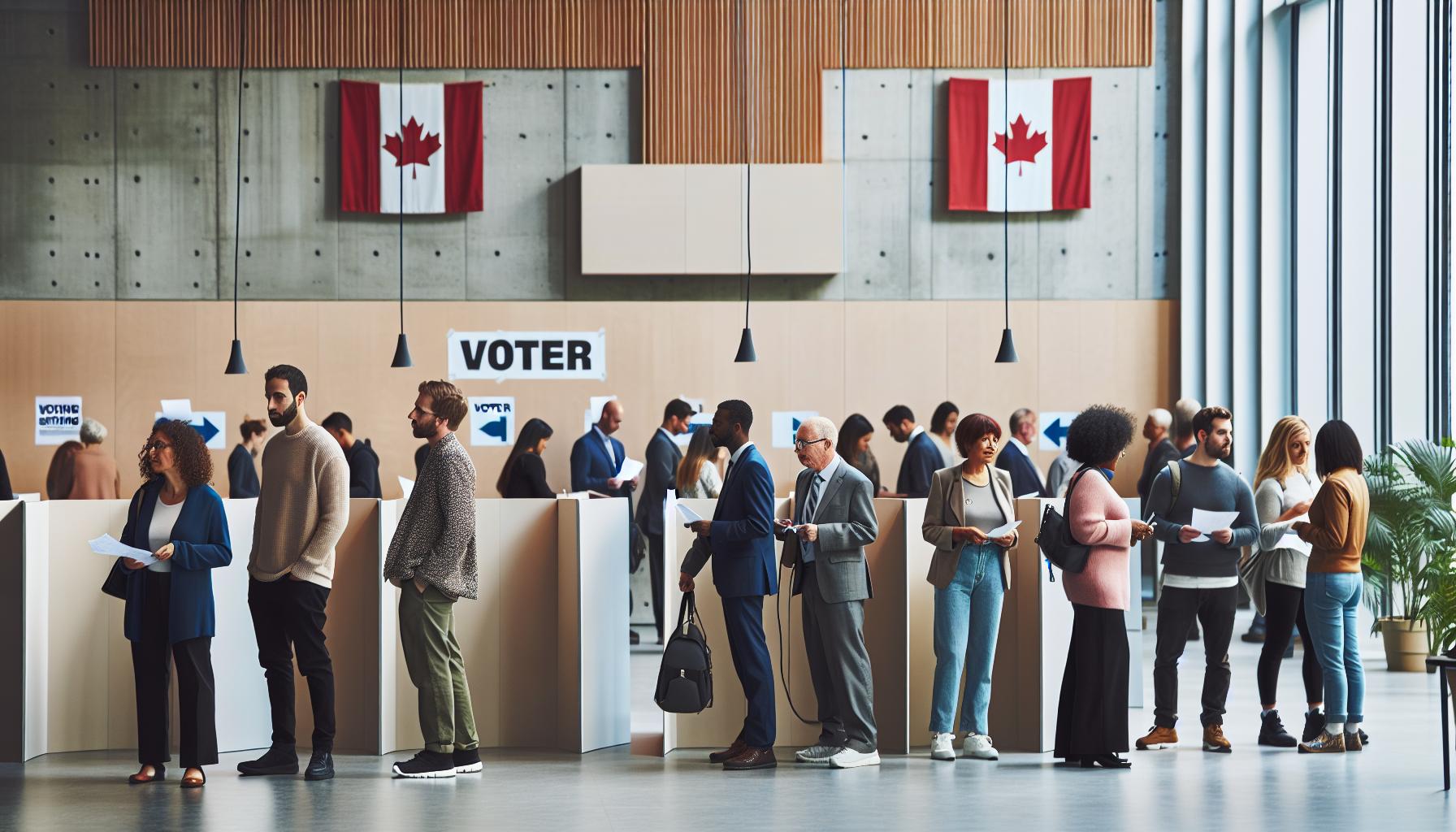
Tips for employers to Support Voting Rights and Compliance
The ability to vote is a cornerstone of democracy, yet without proper employer support, many employees might struggle to cast their ballot without risking income or job security. Taking proactive steps not only fulfills legal obligations but also fosters a workplace culture that respects civic participation.Employers who champion voting rights often see benefitted employee morale and public reputation, providing a win-win across the board.
One of the most effective ways to support voting access is to implement clear, written policies that outline voting leave entitlements consistent with applicable federal, provincial, or territorial laws. This eliminates ambiguity and ensures all employees know their rights and the process for requesting time off. For example, a company intranet or employee handbook can host updated voting leave policies and FAQs, emphasizing that time off for voting is paid and without penalty when required.
Effective communication before election periods is crucial. Encouraging employees to notify managers early enables smoother scheduling adjustments – especially for shift workers or those with rigid hours. Employers might consider sending reminders or holding brief info sessions well ahead of Election Day to clarify expectations and address concerns.This proactive dialogue often helps avoid last-minute disruptions and demonstrates genuine commitment.
- Maintain thorough records of time-off requests and approvals related to voting,safeguarding against compliance issues or misunderstandings.
- Offer flexible accommodations where possible, such as permitting shift swaps, adjusted start/end times, or promoting advance voting resources to minimize operational impacts.
- Train supervisors on legal requirements and company policies concerning voting leave, so frontline managers can confidently and fairly respond to employee inquiries.
| Best Practice | Example | Benefit |
|---|---|---|
| Early communication | Email reminders 2-3 weeks prior to election with instructions | Reduces scheduling conflicts; enhances employee trust |
| Flexible scheduling | Allow shift swaps or staggered hours for employees working polling hours | Maintains productivity while ensuring voting access |
| Policy transparency | Clearly stated voting leave rules on HR portals and handbooks | Prevents disputes and ensures consistent application |
By embedding these practices into everyday management,employers signal that they value democratic participation as a shared responsibility. Beyond legal compliance, fostering such an environment can reduce employee anxiety around voting, making it easier for people to fulfill their civic duties. Ultimately, balancing operational needs with employees’ voting rights strengthens workforce engagement and upholds Canada’s democratic ideals.
Frequently asked questions
Q: How much time off to vote do employees typically receive in Canada?
A: Employees in Canada are generally entitled to enough time off to get three consecutive hours to vote during polling hours. The exact length varies depending on work schedules, but employers must provide paid time off if employees cannot vote outside their working hours. Learn more in the section on [How Much Paid or Unpaid Time Off Are Employees Entitled To?] for specifics.
Q: When should I notify my employer to request time off to vote?
A: It’s best to inform your employer as early as possible, ideally a few days before election day, so they can arrange your schedule accordingly. Advance notice helps employers accommodate voting leave smoothly, as detailed in the [Step-by-Step Guide to Requesting Voting Leave].
Q: Are remote or gig workers entitled to time off to vote in canada?
A: Generally, time off to vote applies to employees under employment standards laws, so remote or gig workers who are independent contractors may not be covered. However, some provinces have specific provisions-check local laws or consult your contract for clarity.
Q: How does time off to vote work for employees working overnight or split shifts?
A: Employers must arrange schedules so employees with night or split shifts receive three consecutive hours during polling times to vote, either before or after their shift. This ensures equitable voting access regardless of irregular working hours, as discussed in [Voting Time Off Rules for Shift Workers and Hourly Employees].
Q: What rights do employees have if their employer refuses to give time off to vote?
A: If denied time off, employees can file a complaint with provincial labour boards or Elections Canada. Employers cannot penalize or deduct pay for voting leave, and enforcement mechanisms exist to protect voting rights, detailed under [What Happens If Employers Deny Time off to Vote?].
Q: can an employer require proof that I voted in exchange for time off?
A: No, employers cannot legally require proof of voting to grant time off. Voting is a private civic duty, and time off must be provided based on work hours needing accommodation, without demanding confirmation of actual voting.
Q: Does the obligation to provide time off to vote vary by province in Canada?
A: yes,while the Canada Elections Act sets federal standards,provincial and territorial laws can modify requirements for provincial and municipal elections. Always check local regulations explained in the section on [Provincial and Territorial Variations].
Q: How can employers support employees’ right to vote beyond providing time off?
A: Employers can share voting details, adjust shift schedules proactively, and promote awareness of voting options like advance or special ballots. These tips enhance compliance and encourage civic participation, as outlined in [Tips for Employers to Support Voting Rights and Compliance].
For deeper insights, explore the full guide on managing voting leave and employer obligations, ensuring your rights and responsibilities are clear and well implemented.
Insights and Conclusions
Understanding your rights to time off to vote in Canada is essential for both employees and employers to ensure compliance and support democratic participation. If you haven’t already, consider reviewing detailed employer obligations and practical tips to smoothly accommodate voting time off. Staying informed now can prevent confusion on election day and empower you to take action confidently.
For more guidance on employment rights and workplace policies,explore our related articles on employee leave entitlements and Canadian workplace compliance. Don’t miss out on signing up for our newsletter to receive the latest updates on labor laws and voting regulations directly in your inbox. if you have questions or want personalized advice, our consultation services are just a click away.
Feel free to share your experiences or ask questions below to join the conversation-your input helps build a stronger, informed community. Keep exploring to stay ahead on all workplace rights and civic duties; your voice matters,both at work and at the ballot box.