Did you know that as a Canadian living abroad, you still have the power to shape Canada’s future by casting your vote in federal elections? Voting from outside the contry may seem complicated, but it’s a straightforward process designed to keep you engaged irrespective of where life has taken you. Whether you’re working, studying, or traveling overseas, ensuring your voice counts is easier than many realize. Understanding the step-by-step process not only empowers you to participate confidently but also helps you avoid common pitfalls that could delay or invalidate your ballot. this guide will walk you through everything you need to know-from registering to receiving and returning your ballot-so you can make your vote count from anywhere in the world. Stay tuned to discover how to navigate the process smoothly and uphold your rights as a Canadian citizen abroad.
Table of Contents
- Understanding Eligibility to Vote from Abroad in canada
- How to Register as an Overseas Voter for Canadian Elections
- Step-by-Step Guide to Requesting Your Mail-In Ballot
- Important Deadlines for Voting from Outside Canada
- How to Complete and Return Your Ballot Securely
- Tracking Your Ballot and Confirming Vote submission
- Common Challenges and How to Avoid Voting Errors
- Using Online Tools and Resources for Overseas Voting
- Voting by Proxy or Special Arrangements for Canadians Abroad
- Updates and Changes in Canadian Overseas Voting Laws
- Frequently Asked Questions
- Q: How can I update my address for voting if I move abroad after registering?
- Q: What identification do I need to include when returning my mail-in ballot from abroad?
- Q: Can I vote electronically or online in a Canadian federal election from abroad?
- Q: what should I do if my mail-in ballot does not arrive on time before the election?
- Q: How do I track the status of my overseas ballot once it’s mailed back to Canada?
- Q: Are there specific mailing instructions for returning ballots from certain countries?
- Q: Can Canadian citizens abroad vote in by-elections, or only federal general elections?
- Q: How can I get assistance if I encounter problems voting from abroad?
- future Outlook
Understanding Eligibility to Vote from Abroad in canada
When Canadian citizens live abroad, many assume their voting rights become complicated or even void, but the truth is far more empowering. Canada recognizes the importance of allowing its citizens overseas to participate in federal elections, reflecting the country’s commitment to inclusive democracy. Whether you’re a permanent expatriate, a student, or temporarily abroad for work, your vote remains an essential part of shaping Canada’s future-provided you meet certain straightforward eligibility criteria.
At the core, eligibility hinges on citizenship and the timing of your last stay in Canada. To vote from abroad, you must be a Canadian citizen who is at least 18 years old on election day and must have resided in canada at some point after turning 18. This crucial requirement ensures that voting rights are tied not merely to citizenship but also to a connection with Canadian residency. For example, a citizen who moved abroad as an adult or spent time living in Canada after turning 18 is eligible; those who never resided in Canada past that age cannot vote in federal elections.
- Age: You must be 18 years or older on election day.
- Citizenship: Be a Canadian citizen.
- Previous residence: Have lived in Canada at some point after your 18th birthday.
- Registration: Be registered or register as an overseas voter prior to voting.
It’s meaningful to note that residency abroad does not disqualify you or limit how long you can be out of the country and still vote federally. Unlike some other countries with time limits on overseas voting, Canada allows citizens living anywhere in the world to vote, regardless of how many years have passed since they last lived in Canada, provided they meet the residency-after-18 condition. This offers great adaptability for Canadians working internationally or living abroad long-term but still invested in Canadian politics.
Strong awareness of this eligibility framework helps prevent common misconceptions that might stop eligible voters from participating. For example, some Canadians mistakenly believe they must return physically to Canada to vote or that dual citizenship complicates their status. Tho, the key factors are Canadian citizenship and previous residency, not current place of residence or having additional citizenship. Ensuring you meet these criteria empowers you to engage fully in canada’s democratic process from anywhere in the world.
why Verifying Your Eligibility Matters
Verifying your eligibility early in the process is critical because it directly impacts your ability to register and receive a mail-in ballot. Canadian election authorities provide accessible resources to confirm eligibility and support overseas voting. Before you initiate registration, take a moment to reflect on your citizenship status, your age, and whether you lived in Canada after turning 18.This foundation will save you time and help avoid errors during registration, ensuring your vote counts without delay.
By understanding these essential points, you’re well on your way to maintaining your democratic rights regardless of your physical location. Overseas Canadians have a powerful voice, and knowing how to qualify is the first step toward making sure that voice is heard loud and clear.
How to Register as an Overseas Voter for Canadian Elections
Voting from abroad is not only possible but also designed to be straightforward for Canadians who meet the eligibility criteria. Registering as an overseas voter is the crucial next step after confirming your eligibility, and fortunately, the Canadian electoral system simplifies this process by providing clear, accessible methods to ensure your voice can be heard – no matter where you live.
To begin, you must register with Elections Canada as an overseas elector. This can be done online through the official Elections Canada website or by submitting a paper registration form by mail or fax. During registration, you will need to provide details that confirm your Canadian citizenship, identity, and previous residence in Canada after turning 18. Offering accurate information is vital, as registration errors can delay or invalidate your ability to vote. It’s worth noting that once registered, your status as an overseas elector remains active for up to six years, unless you return to Canada and update your status.
Essential Documents and Information Needed
- Proof of Canadian citizenship: This could be a valid Canadian passport or citizenship card.
- Valid identification: Examples include a driver’s license or provincial health card.
- Details about your last Canadian address where you lived after age 18: This confirms your eligibility based on prior residency.
- Current overseas mailing address: Necessary for receiving election materials.
A key advantage of registering early is the flexibility it affords you during election periods.Once registered, Elections Canada will send you a mail-in ballot automatically for every federal election and referendum occurring while you remain outside Canada. For example, John, a Canadian citizen residing in Germany who registered online six months ago, was able to receive his ballot promptly during the last federal election without any hiccups. Taking such proactive steps reduces the risk of last-minute complications and ensures that your vote counts.
If you are new to the overseas voter registration process,keep in mind that each election cycle requires you to verify or update your registration details,especially if you’ve changed mailing addresses. Staying on top of your registration helps avoid delays in ballot delivery. Utilize the Elections Canada website’s “Registration Status” tool to check your current registration and make changes if needed. Taking a moment to confirm your information well before election day can make all the difference in participating smoothly and confidently.
by understanding and following these registration steps, overseas Canadian voters can ensure they remain fully engaged in shaping Canada’s future – no matter where life takes them.
For more detailed guidance and access to registration forms,you can visit the official Elections Canada page dedicated to overseas voting.
Step-by-Step Guide to Requesting Your Mail-In Ballot
Requesting your mail-in ballot as a Canadian living abroad is a crucial step that ensures your vote reaches home securely and on time. What many find encouraging is how streamlined the process has become through Elections Canada, which strives to make overseas voting accessible without unneeded hurdles. Once you are registered as an overseas elector,you don’t need to worry about missing your ballot for each federal election-Elections Canada will send it directly to your overseas address automatically. However, understanding the detailed steps can help you feel confident and prepared.
The first step after confirming your overseas elector registration is to keep your contact details current. If you’ve recently moved, promptly update your mailing address with Elections Canada.This guarantees that the ballot package arrives at your correct overseas location without delay.Next, simply watch for the mailing from Elections Canada, which will include the essential voting materials: your official ballot, a secrecy envelope, and a return envelope pre-addressed to the appropriate returning officer in Canada. Make sure to read through all instructions carefully when you receive the package, as these provide vital guidance on filling out your ballot correctly.
Key Actions to Do When You Receive Your ballot
- Check the package contents promptly: Verify that all components (ballot, secrecy envelope, and return envelope) are included and in good condition.
- Fill out your ballot thoughtfully: Mark your choices clearly according to the instructions. Ambiguous markings might lead to your vote not being counted.
- Seal the ballot inside the secrecy envelope: This step protects your selection and ensures confidentiality.
- Place the secrecy envelope inside the return envelope: Before sealing, ensure you have signed any required declaration on the return envelope to validate your vote.
To illustrate, consider Sarah, a Canadian expatriate living in Japan.On the day she received her ballot package, she immediately reviewed the materials, marked her choices, then carefully sealed and signed the return envelope as instructed. She mailed it the same day using her local postal service, confident that her vote would count. This example highlights the importance of acting promptly once the ballot arrives,minimizing the risk of postal delays affecting your vote’s arrival by the deadline.
remember that mailing standards and postal transit times vary worldwide, so send your ballot back as early as possible.Late submissions might not be accepted, invalidating your vote despite your efforts to participate. Planning ahead, staying organized, and following all instructions diligently are the best ways to ensure your voice is heard, even from halfway across the globe.
Important Deadlines for Voting from Outside Canada
Deadlines are often the biggest hurdle for overseas voters, but with a clear grasp of the timeline, you can confidently ensure your vote is counted without surprises. Voting from abroad involves added time considerations, mainly due to international mailing, which varies widely depending on your location. Because of this, planning your voting schedule well in advance is critical – mailing your ballot back too late, even if filled out perfectly, risks disqualification.
Elections Canada sets firm deadlines to receive your completed mail-in ballot, and these cutoffs are non-negotiable since ballots must arrive by election day itself or before. To avoid missing these deadlines, it’s best to anticipate possible postal delays by mailing your ballot as soon as you receive your voting package. Some countries experience postal transit times of up to three weeks or more, making early action imperative.
Critical Timeline Tips for Overseas Ballots
- Confirm your registration well before the election: Register as an overseas elector at least several weeks in advance to ensure your ballot package is sent out in time.
- Watch for your ballot package arrival: Expect your official voting materials approximately 10-20 days after the election is called, though this varies.
- Return your completed ballot without delay: Mail it immediately upon completion to accommodate international postal transit.
- Double-check local postal holidays or disruptions: Unexpected events can slow mail service; plan accordingly.
To illustrate, imagine Mark, a Canadian living in Brazil. He received his ballot a full three weeks before election day, which is blessed given the notoriously slow mail service in his area. Knowing the importance of timelines, Mark mailed his ballot the same day, confident it would make the deadline. Delaying even a few days could jeopardize his ballot’s arrival on time.
When organizing your timeline,also remember that Elections Canada does not accept ballots postmarked after election day,so your return envelope’s postage date must be on or before the election date to count. consider using express postal services or courier options when feasible to guarantee timely delivery. Early voting preparations, paired with awareness of your local mail system, are your best tools for seamless participation in Canadian elections from afar.
How to Complete and Return Your Ballot Securely
Casting your vote from abroad is not just a matter of filling out a paper-it involves careful attention to security and detail to ensure your voice is heard without compromise. One of the most important aspects is safeguarding the secrecy of your ballot and making sure all required steps are correctly followed to avoid disqualification. Many overseas voters find this process straightforward once they understand the critical elements in completing and returning their mail-in ballot securely.
When you receive your ballot package, take a moment to carefully read all enclosed instructions. The package typically contains the ballot itself, a privacy envelope, a declaration form, and a return envelope. It’s crucial to place your completed ballot inside the privacy envelope first. This double-envelope system protects your vote’s confidentiality. Next, insert this sealed privacy envelope into the declaration envelope and sign the declaration on the outside as required. Your signature confirms your identity and eligibility, which is essential for the ballot to be accepted.
Tips for Ensuring Your Ballot’s Security and Timely Return
- Use permanent ink: Fill out your ballot with a pen (black or blue ink is preferred) to avoid smudging or possible rejection.
- Do not mark the ballot outside the designated areas: Any extraneous marks may invalidate your vote.
- Sign the declaration carefully: Missing or mismatched signatures are among the most common reasons ballots are rejected, so follow instructions closely.
- Keep your seal intact: Don’t tamper with or damage the privacy envelope, and ensure the declaration envelope is sealed securely.
Once sealed and signed, prioritize getting your ballot returned as soon as possible. In some regions, postal systems can be unpredictable or slow, so opting for a reliable courier or express mail service might be worth the extra expense for peace of mind. Remember that ballots must bear a postmark on or before election day, so returning your ballot early is always the safest approach.
For example, consider Sophia, a Canadian living in Italy. Knowing that local post delays are common just before holidays, she used a courier service to send her completed ballot directly to Canada. This proactive step eliminated any risk of postal delays or lost mail, giving her confidence that her vote would arrive in time and be counted securely. Your best defense against voting complications abroad is adopting similar best practices customized to your local mailing conditions.
By carefully following these steps and prioritizing secure, timely mailing, you can confidently participate in Canadian federal elections from anywhere in the world, knowing your vote is both private and protected.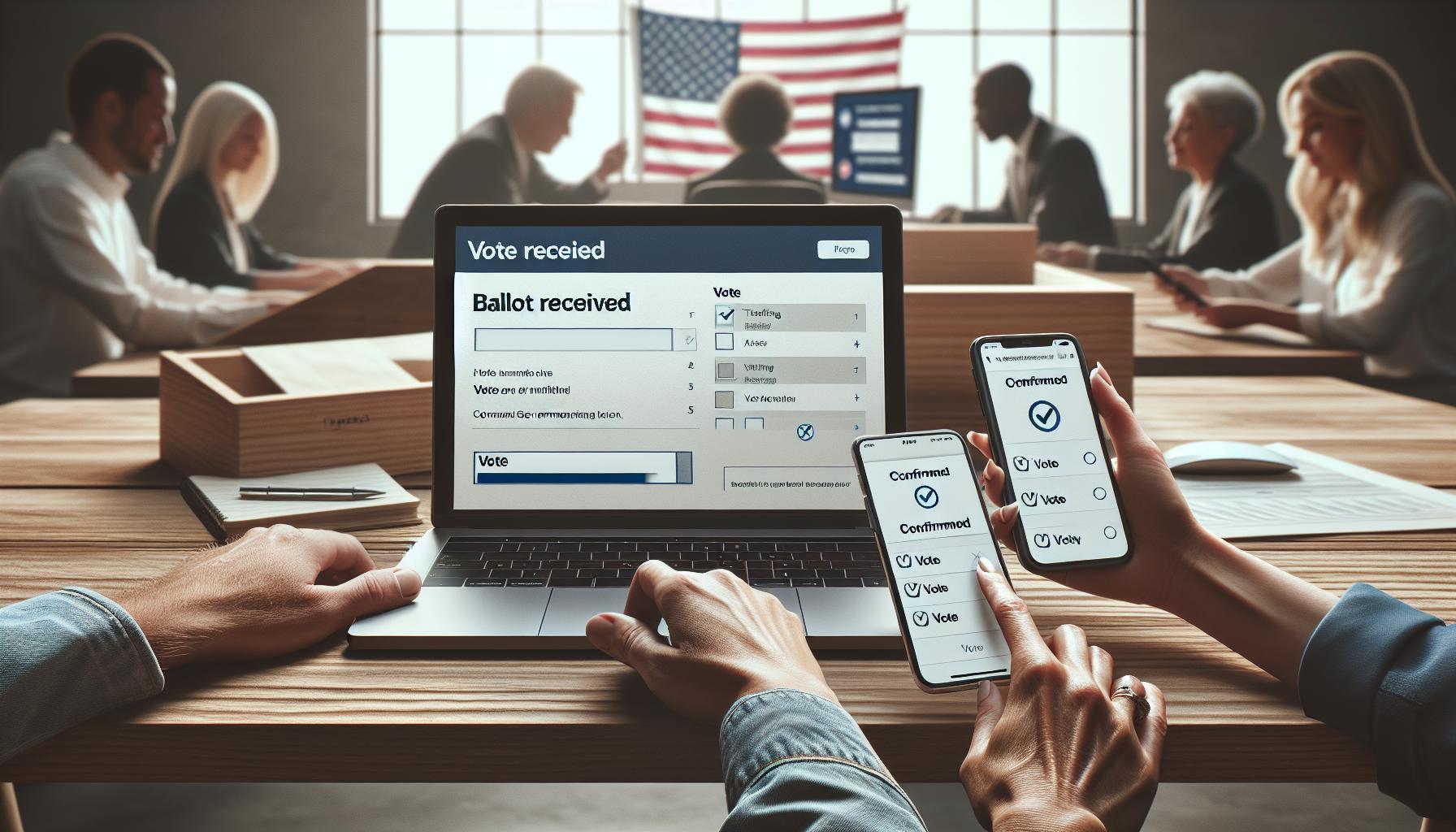
Tracking Your Ballot and Confirming Vote submission
Tracking the journey of your mailed ballot can provide invaluable peace of mind, especially when voting from thousands of miles away. Unlike voting in person, where your ballot is instantly submitted, overseas voters must rely on postal and courier systems, which can be unpredictable. Fortunately, Elections Canada has developed tools and procedures that allow voters abroad to stay informed about the status of their ballot after it’s been sent, helping to ensure your vote is successfully received and counted.
Once you’ve returned your sealed declaration envelope,you should make a note of the date it was posted-remember,ballots must bear a postmark on or before election day to be considered valid. For added confidence, using a courier or express mailing service often includes a tracking number. This lets you monitor your package’s progress online in real time,reducing uncertainty and helping you estimate delivery times. If you are using regular postal services, follow up with your local post office or check online postal tools if available. Always hold onto any receipts or tracking information until you receive confirmation from Elections Canada.
Confirming That your Ballot Has Been Counted
elections Canada provides a secure platform called the International Register of electors (IRE) where overseas voters can confirm their registration status and track whether their mailed ballot has been received and accepted. After your ballot arrives, it undergoes verification to ensure all declaration forms are properly completed and your identity is confirmed. This process may take several days depending on postal delays and election office workload, but keeping tabs through the IRE system reduces anxiety.If there are issues – such as missing signature verification – Elections Canada will attempt to contact you for clarification, so it’s critically important to provide current contact details when registering.
Tips for Effective Ballot Tracking and Follow-Up
- Register for electronic updates: When available,opt into email or SMS notifications from Elections Canada to receive real-time status updates.
- Keep your contact details current: Ensure your phone number and email linked to your registration remain active while the ballot is in transit.
- Act quickly if contacted: If Elections Canada reaches out about an issue with your ballot, respond promptly to avoid disqualification.
- Use reliable mailing services with tracking: Services like DHL, FedEx, or other global couriers often provide detailed shipment tracking and faster delivery times than regular postal services.
For example, James, a Canadian living in Brazil, used registered mail with tracking to send his ballot. Within two weeks, he was able to confirm via the IRE portal that his ballot had been received and accepted, allowing him to relax knowing his vote counted. Embracing these tracking and confirmation methods can transform the sometimes nerve-wracking mail-in voting experience into one of accountability and assurance.
Common Challenges and How to Avoid Voting Errors
Casting your vote from abroad is an empowering way to stay connected to Canadian democracy, but the process is not without its pitfalls. Many overseas voters unintentionally make mistakes that can delay or even invalidate their ballots. Common issues include improperly filling out essential forms, missing key deadlines, and misplacing crucial identification requirements. Being aware of these challenges upfront can save you time and frustration, ensuring your voice is heard without complication.
one frequent stumbling block is incomplete or incorrect declaration envelopes. This envelope must be filled out carefully and signed exactly as your identification indicates. For instance, failing to sign in the designated area or using a variant of your name that doesn’t match your voter registration can result in your ballot being rejected. Additionally, voters sometimes neglect to include a copy of acceptable ID or submit documents that are outdated or unclear. to avoid these errors, double-check all instructions provided by Elections Canada and prepare your documentation well in advance of mailing your ballot.
Key Mistakes to Avoid When Voting from Abroad
- Missing or Late Mail-In Ballots: Postal delays are common worldwide. Mailing your ballot early and ideally by courier reduces the risk of your vote arriving after election day, which invalidates it.
- Incorrect or Missing Signatures: Your declaration form must be signed correctly. No signature or a signature that differs from your registration file can disqualify your vote.
- Using Outdated Voter Information: If you have moved or changed your name, update your registration before requesting a ballot to avoid mismatches.
- Failing to Follow Instructions: overlooking any step-such as including required ID, sealing the declaration envelope correctly, or completing all fields-may lead to rejection.
Another practical tip is to keep a detailed checklist during the voting process. This habit helps ensure every form,signature,and document is accounted for before sending your ballot. Some voters have found success by creating a personal “voting kit” with all necessary materials and instructions, minimizing last-minute oversights.
Some Canadians living abroad have also shared how maintaining good communication lines with Elections Canada can be a game changer. If you receive any notifications about problems with your ballot, responding promptly and clearly can save your vote from being disqualified. For example, one overseas voter in Germany quickly corrected a missing signature on time, thanks to a timely email from election officials, which ultimately ensured their ballot was counted.
Taking a proactive approach by understanding the common hurdles and meticulously following every guideline turns overseas voting from a daunting challenge into a straightforward, rewarding experience. Not only does this careful preparation protect your vote, but it also contributes to the overall integrity of Canadian elections.
Using Online Tools and Resources for Overseas Voting
Navigating the overseas voting process can feel overwhelming, but leveraging the online tools and resources provided by Elections Canada and other official platforms can make a significant difference. These digital aids are designed not just to simplify the process but also to keep you informed at every step, ensuring your vote is submitted accurately and on time.Whether you’re confirming your eligibility, registering to vote, or tracking your ballot, turning to trusted online portals offers real-time updates that reduce uncertainty and enhance your voting confidence.
One of the most valuable resources is the Elections Canada website, where you can easily register as an overseas voter, request your mail-in ballot, and review thorough instructions tailored specifically for Canadians abroad. the site offers clear FAQs and downloadable guides which can clarify common points of confusion-like how to complete your declaration envelope correctly or what forms of identification are acceptable. setting up email alerts or subscribing to newsletters can also notify you of any changes related to deadlines,advances in voting procedures,or legal updates affecting expatriate voters.
Maximizing Online Tools for a Smooth Voting Experience
- Voter Registration Portals: Many voters benefit from using the online portal to update personal information such as addresses or name changes, preventing errors that could invalidate their ballots.
- Ballot Request Systems: Requesting your vote-by-mail package online substantially speeds up the process, allowing you to cancel or amend requests if necessary.
- Official Voting Tutorials and Webinars: Elections Canada periodically offers webinars or video tutorials demonstrating step-by-step how to complete voting forms correctly from abroad, which can be invaluable.
- Tracking and Confirmation Services: Some jurisdictions provide tracking facilities that let you monitor your ballot’s journey and confirm once it has been received and accepted, reducing anxiety around postal delays.
An example that illustrates the power of these online resources comes from a Canadian expatriate living in Japan who used the official Elections Canada portal to register and request their ballot three months before the election. By regularly checking the site’s updates and using email reminders, they avoided common pitfalls like missing deadlines or submitting incomplete forms. When postal delays began affecting mail delivery locally, they swiftly switched to courier options recommended on the site, ensuring their ballot arrived on time.
The key takeaway is that the digital landscape supporting overseas voting is continually evolving to meet the needs of canadians around the globe. By embracing these online tools and approaching the process proactively, voters save themselves stress and contribute to upholding the integrity and accessibility of Canadian elections-even from thousands of miles away. For further details and to access these tools, visiting Elections Canada’s overseas voting section is the best first step [[2]](https://www.elections.ca/content2.aspx?section=svr&document=index&lang=e).
Voting by Proxy or Special Arrangements for Canadians Abroad
Many Canadians living abroad worry about how they can cast their vote if circumstances prevent them from personally handling their mail-in ballots.While voting by proxy-that is, authorizing someone else to vote on your behalf-is commonly available in certain domestic contexts, Canadian federal elections have strict rules that limit the use of proxies for overseas voters. Though, understanding these nuances can definitely help expatriates explore alternative voting solutions or special arrangements to ensure their voice is counted.
Federal election rules in Canada do not generally permit proxy voting from abroad. unlike some jurisdictions that allow proxy votes for overseas citizens, Canadians living outside the country are required to submit their ballots by mail or through other authorized courier services themselves. This means you cannot designate someone in Canada, such as a family member or trusted friend, to physically cast your ballot on your behalf. This policy helps maintain the security and integrity of each vote, ensuring that ballots genuinely reflect the will of individual voters.
Despite this limitation, there are a few special arrangements and supportive practices to be aware of:
- voting assistance for Canadians with disabilities abroad: While proxy voting is not permitted, some accommodations exist for voters with disabilities who may require assistance in completing or returning their ballots. These voters can seek help from authorized agents, including relatives, friends, or election officers, but they must still sign and submit their own declaration forms.
- military and diplomatic personnel: Members of the Canadian Armed Forces and diplomats posted overseas often have access to special voting protocols that facilitate their participation. These provisions may include closer liaison with election officials or dedicated channels for ballot distribution and return.
- Use of secure courier services and postal options: Given the absence of proxy voting, planning ahead to use reliable international mail or courier services is critical. Some expatriate voters coordinate with trusted contacts to receive ballots early and return them promptly via tracked delivery methods.
Practical Tips for Overseas Voters Who Require Assistance
If you anticipate difficulty managing your ballot abroad, consider these strategies to navigate the process smoothly:
- Enroll early: Register as an overseas voter well before election deadlines to allow enough time for mail transit and any assistance you may require.
- Communicate with Elections Canada: The official elections body provides support and guidance for special cases. Reach out ahead of time to clarify your options.
- Leverage trusted contacts: Even though proxies cannot vote for you, involving family members or friends as logistical helpers-such as ensuring your ballot reaches the post office on time-can alleviate stress.
One expatriate living in Germany shared how coordinating with their local Canadian embassy helped them receive expert advice and timely ballot delivery, ultimately enabling them to vote confidently despite challenging postal service delays. Such proactive engagement illustrates how special arrangements-though not literal proxy voting-can help overcome barriers.
Ultimately, while Canadian law restricts proxy voting for citizens outside the country to uphold electoral integrity, understanding the scope of assistance and planning accordingly ensures that every eligible voter abroad can participate fully in Canadian federal elections with confidence and security.
For official updates on voting policies and special accommodations, regularly consult Elections Canada’s resources to stay informed on any changes that may affect overseas voters [1], [3].
Updates and Changes in Canadian Overseas Voting Laws
Voting laws and procedures evolve continually to address changing demographics and technological advances,and canadian absentee voting for citizens living abroad is no exception. Recent updates reflect a broader commitment to making the voting process more accessible and secure for expatriate Canadians, while balancing the need to maintain rigorous electoral integrity.
One significant enhancement has been the modernization of the International Register of Electors, which now streamlines registration for overseas voters. This initiative minimizes paperwork, offering improved options to update addresses and receive information electronically. As a result, overseas voters experience fewer delays in receiving their ballots, helping to counteract common challenges related to international postal services. Additionally, there is increased emphasis on online communication channels, with Elections Canada expanding digital tools to provide timely reminders about registration deadlines and ballot submission dates.
Another key development involves refined delivery and return options for mail-in ballots. While proxy voting remains prohibited, as this safeguards the authenticity of each vote, recent pilot programs have explored the use of trusted courier services in selected regions. These experiments aim to reduce transit times and loss risks, especially in countries with unreliable postal systems. For example, a Canadian voter in Southeast Asia shared how opting for a courier service helped them meet submission deadlines despite local postal inefficiencies, illustrating a practical workaround within the framework of the law.
Adapting to Global Challenges and Voter Needs
- Extended timelines: Recognizing the unpredictability of international mail, Elections Canada has adjusted some voting deadlines to provide additional buffer days for overseas voters.
- Expanded accessibility: Special accommodations for voters with disabilities living abroad have been clarified and reinforced, ensuring that more Canadians can seek authorized assistance without compromising personal voter declarations.
- Outreach programs: Partnerships with Canadian embassies and consulates have been strengthened, offering voters easier access to official voting materials and personalized support, especially in areas with large expatriate populations.
Staying informed about these updates enables overseas voters to navigate the process confidently. It is indeed highly recommended to check Elections Canada’s official website periodically for real-time announcements and to register early to take full advantage of any new conveniences or accommodations. Planning ahead becomes even more crucial as the voting landscape grows more responsive to diverse voter needs beyond Canadian borders[[[[[1]](https://travel.gc.ca/travelling/living-abroad/elections-faq),[[[[[3]](https://www.elections.ca/content.aspx?section=vot&dir=reg/etr&document=index&lang=e).
Frequently Asked Questions
Q: How can I update my address for voting if I move abroad after registering?
A: To update your address after moving abroad, you must notify Elections Canada by submitting a new registration or updating your voter information online or by mail. This ensures your mail-in ballot is sent to the correct overseas address. Check the How to Register as an Overseas Voter section for detailed steps to keep your information current.
Q: What identification do I need to include when returning my mail-in ballot from abroad?
A: When returning your mail-in ballot, include the completed declaration form and any required ID, such as a copy of your Canadian passport or driver’s license. This verifies your identity and helps avoid rejection. See How to Complete and Return Your Ballot Securely for specifics on accepted ID documents.
Q: Can I vote electronically or online in a Canadian federal election from abroad?
A: Currently, casting a ballot electronically or online from abroad is not permitted in Canadian federal elections. Voting from overseas is mainly conducted via mail-in ballots, as explained in the Step-by-Step Guide to Requesting Your Mail-In Ballot.
Q: what should I do if my mail-in ballot does not arrive on time before the election?
A: If your ballot hasn’t arrived, contact Elections Canada immediately to request assistance or verify your registration. Early request is crucial to avoid delays. Refer to Critically important Deadlines for Voting from Outside Canada for timelines to apply early and ensure timely receipt.
Q: How do I track the status of my overseas ballot once it’s mailed back to Canada?
A: You can track your ballot status by contacting Elections Canada or using any online tracking services provided. Confirming your vote’s receipt reassures your participation is counted. Visit the Tracking Your Ballot and Confirming Vote Submission section for recommended methods.
Q: Are there specific mailing instructions for returning ballots from certain countries?
A: Yes, some countries require using specific postal services or additional customs forms to send ballots securely to Canada. Always verify mailing requirements based on your location, and consult the How to Complete and Return Your Ballot Securely section to avoid postal delays or lost ballots.
Q: Can Canadian citizens abroad vote in by-elections, or only federal general elections?
A: Canadian citizens residing abroad can vote in both federal general elections and by-elections, provided they meet eligibility and registration criteria for overseas voters. Ensure you’re registered correctly regardless of election type by reviewing the Understanding Eligibility to Vote from Abroad in Canada section.
Q: How can I get assistance if I encounter problems voting from abroad?
A: If you face issues voting from abroad, contact Elections Canada’s overseas voting help line or consult online resources for troubleshooting. Early communication prevents errors. For practical tips, see common Challenges and How to Avoid Voting errors. Don’t hesitate to seek help to ensure your vote counts!
—
For detailed procedures and additional resources, explore the full guide sections linked above. Staying informed guarantees your voting experience from abroad is smooth and secure.
future Outlook
Ready to make your voice heard in the next Canadian election from abroad? By following these proven steps, you can confidently complete your absentee ballot and participate fully in shaping Canada’s future. Don’t wait-register and request your overseas voting materials now to avoid last-minute hurdles. for more detailed information on voter eligibility and deadlines, explore our guide on Canadians abroad voting options and stay updated with the latest election news.
If you’re looking to deepen your understanding, check out related topics like [how to maintain your Canadian voter registration abroad] and tips on [ensuring your ballot is counted].Stay engaged by subscribing to our newsletter for election updates and expert advice, and feel free to share your questions or experiences in the comments below. Your vote matters-let us help you make it count, no matter where you are in the world.