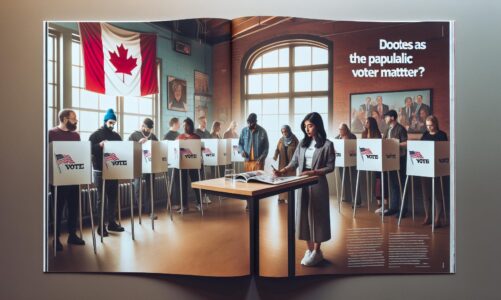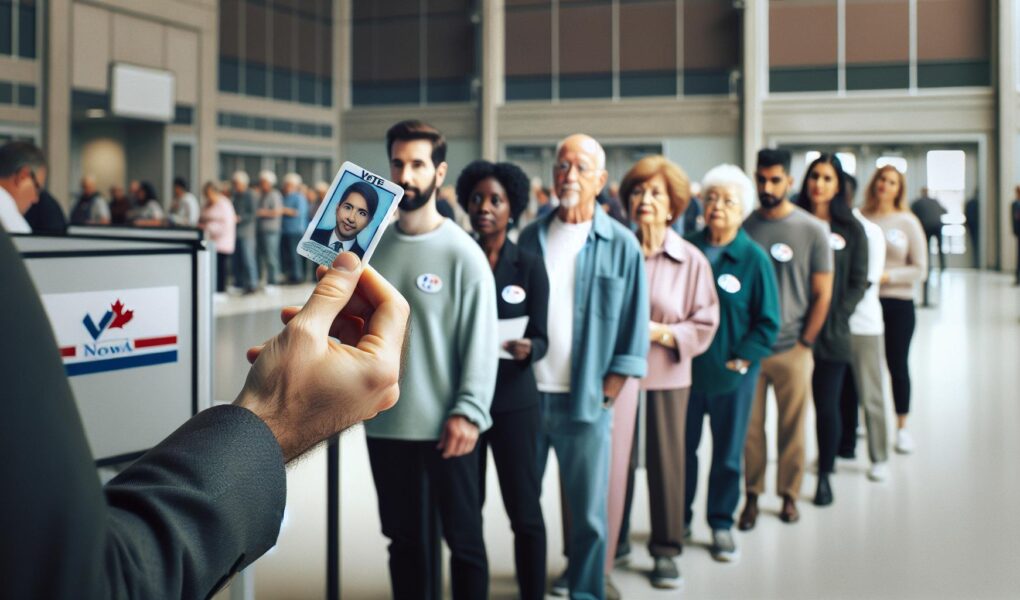
did you know that to cast your vote in Canada, you need to prove both your identity and your residential address-but not necessarily with a photo ID? Understanding the latest requirements can save you time and stress on election day. Whether you have a driver’s license, a government-issued ID, or other accepted documents, knowing what counts helps ensure your voice is heard without hassle. This guide unpacks the current rules and options for voter identification, making it easier for you to meet the requirements confidently and exercise your right to vote. Keep reading to discover exactly what you need to bring to the polls and how Canada’s flexible ID policies aim to balance security with accessibility. By the end, you’ll be equipped with clear, practical facts to navigate voting smoothly and confidently.
Table of Contents
- What Are the current Photo ID Requirements to vote in Canada
- Why Photo ID Matters: Voter identification Explained
- Acceptable Forms of Photo ID for Canadian Elections
- How to Obtain an Election ID Card if You Lack Photo ID
- Provincial Variations in Voter ID Rules Across canada
- Common Challenges and Myths About Photo ID When Voting
- Impact of Photo ID Laws on Voter Access and Participation
- how Election Officials Verify Voter Identity Without Photo ID
- Recent Changes and Updates to Canadian Voting ID Policies
- Frequently asked questions
- Q: Can I use a non-photo ID to vote in Canada?
- Q: How does Elections Canada verify voter identity without photo ID?
- Q: What should I do if I don’t have any ID to vote in Canada?
- Q: Are there exceptions to photo ID requirements for Indigenous voters or remote communities?
- Q: How do provincial voter ID rules differ from federal requirements in Canada?
- Q: Can I use a digital or mobile ID to vote in Canadian elections?
- Q: Why does Canada not require mandatory photo ID to vote like some other countries?
- Q: How can I update my address on my voter ID before an election?
- The Conclusion
What Are the current Photo ID Requirements to vote in Canada

Many voters in Canada are often surprised to learn that while identification is required to vote, having a photo ID is not always mandatory. Canadian election laws prioritize adaptability and accessibility, striking a balance between verifying voter identity and minimizing barriers. Unlike some countries with strict photo ID mandates, Canadian voters can use various forms of ID, combining photo and non-photo options, to prove their identity and address on election day.
that said, having an accepted form of photo identification certainly simplifies the voting process. For instance, presenting a driver’s license or a provincial/territorial identification card with your photo and current address usually allows you to cast your ballot without additional steps. However,many voters do not carry these cards regularly or may lack one entirely,so Elections Canada and provincial authorities provide choice means to confirm identity-a key feature of the Canadian system designed to include all eligible voters.
- photo ID is sufficient but not always required: You can show one piece of government-issued photo ID that also has your current address, such as a driver’s license.
- Combination of two documents: If you don’t have one piece of valid photo ID with address, you may present two pieces of ID, one having your name and the other your address, to prove residency and identity.
- Special provisions exist for those lacking ID: Voters who don’t have any ID can have another elector from the same polling division confirm their identity, facilitating participation without conventional documents.
This layered identification system helps ensure that no eligible voter is excluded for simply lacking a particular type of photo ID. It also reflects how Canadian elections emphasize trust and accessibility over rigid requirements,minimizing disenfranchisement. By understanding these options, voters can approach election day confidently, knowing multiple pathways exist to verify their identity.
For example, if someone doesn’t have a government-issued photo ID, they might bring two documents like a utility bill and a bank statement, or they can have their identity vouched for by a trusted neighbor who is also voting.This flexibility has been crucial in encouraging high voter turnout and inclusiveness across diverse communities in Canada,especially for seniors,students,and newcomers who may not own standard photo IDs.
For more detailed guidance on what specific IDs are accepted and how to prepare before voting, Elections Canada offers comprehensive resources, including the option to request a free Voter Information Card, which itself can serve as part of the identification process[[1]](https://www.elections.ca/content2.aspx?section=vote&dir=vic&document=index&lang=e).
Why Photo ID Matters: Voter identification Explained

Many people may be surprised to learn that Canada’s voting system does not strictly require a photo ID to participate in elections, a distinction that sets it apart from many other democracies around the world. This approach reflects a purposeful effort to balance electoral integrity with inclusivity, ensuring that eligible voters can confidently cast their ballots without facing unnecessary barriers. While photo identification undeniably streamlines the identification process, Canadian election laws are designed to accommodate voters who might not carry or possess government-issued photo ID, helping maintain broad access to the democratic process.
Photo ID plays a crucial role as a quick and reliable tool for election officials to confirm that voters are who they say they are and reside at the address on file. Presenting a single government-issued photo ID with a current address-like a driver’s license or provincial ID card-allows voters to be verified promptly,making the voting experience smoother and faster. However, Canadians who don’t have one-piece photo ID can use a combination of documents to prove identity and address, or even have their identity vouched for by another elector from the same polling division. This flexibility acknowledges real-world circumstances, such as seniors who may have lost their licence, students who have moved away from home, or newcomers yet to obtain full photo ID credentials.
- Photo ID offers convenience: It simplifies check-in and reduces wait times at polling stations.
- Two-document option provides flexibility: Allows voters to mix non-photo and photo documents to meet identification requirements.
- Vouching keeps voting accessible: Trusted community members can help those without ID to participate fully.
By incorporating multiple pathways for identity verification, Canadian elections emphasize trust and community support rather than rigid checkpoints. This method reduces the risk of disenfranchisement due to lack of ID while still maintaining safeguards against fraud. For voters unsure about what forms of ID to bring on election day, understanding these options in advance can remove anxiety and empower more Canadians to take part confidently. In a diverse society, the ability to use various proofs of identity respects different life situations, making voting more inclusive without compromising election security.
Acceptable Forms of Photo ID for Canadian Elections

One of the most user-amiable aspects of Canada’s voting system is the flexibility it offers when it comes to acceptable forms of photo ID. Unlike jurisdictions that mandate a single rigid form of identification, Canadian election officials accept a range of government-issued photo IDs that include a current residential address, making it easier for many Canadians to participate without unnecessary hurdles. This approach recognizes that in modern life, people may carry different types of identification depending on their age, profession, or lifestyle.
Commonly accepted photo IDs include documents like a valid driver’s license, which most voters have, but also provincial or territorial identification cards issued by government authorities for non-drivers. These IDs must clearly show the voter’s full name and current address, ensuring a straightforward matching process with voter registries. Other acceptable options might include a Canadian passport or a Native Status card if it includes a photo and address, even though many passports lack an address and so may require supplementary proof.This variety provides pathways for seniors, students, and individuals in transition to verify their identity smoothly.
Examples of Acceptable Government-Issued Photo ID
- Driver’s License: Issued by the province or territory, showing full name and current address.
- Provincial or Territorial Photo ID Card: For those without a driver’s license, providing official government photo ID and address.
- Permanent Resident Card: When it contains a photo and current address, it can serve as valid ID.
- secure Indian Status Card: With photo and address, acceptable in most cases.
- Canadian Passport: Generally accepted when combined with another document showing current address, since many passports do not list an address.
For voters without these specific forms of photo ID,Canadian election regulations also make it possible to combine non-photo documents that prove identity,such as a birth certificate or health card,with separate proof of residency,like a utility bill or bank statement. The system even allows for “vouching,” were another elector from the same polling division can confirm a voter’s identity. Together, these options illustrate the system’s balanced goal: to facilitate voting access while maintaining robust safeguards against election fraud.Understanding which forms of ID to bring to the polls can eliminate confusion and anxiety on election day. If you are unsure whether your ID qualifies, Elections Canada provides an up-to-date list of acceptable documents well in advance, and many municipalities offer information sessions or voter assistance to clarify doubts. This inclusive approach encourages participation by accommodating diverse needs without compromising the integrity of the electoral process. For more information, voters can also update their voter registration or receive reminders by checking the Elections Canada section on their tax return, ensuring their information remains current and the right ID is on hand[[1]](https://www.canada.ca/en/revenue-agency/services/tax/individuals/topics/about-your-tax-return/tax-return/completing-a-tax-return/personal-address-information/elections-canada.html).
How to Obtain an Election ID Card if You Lack Photo ID

many Canadians find themselves without conventional photo ID when it comes time to vote, but the good news is that the electoral system is designed to be inclusive. Recognizing that not everyone possesses a driver’s license or government-issued card with a photo,Elections Canada provides a straightforward solution: the free Voter Identification Card. This card is specifically issued to registered voters who lack photo ID and serves as an official government-issued document that easily meets voting requirements.
Obtaining this election ID card is a simple process that can remove a common barrier to voting. Eligible voters can request the card ahead of election day by contacting Elections Canada. The application often requires proof of residence-such as a utility bill, bank statement, or government correspondence-to confirm your address and validate your eligibility. Once processed, the card is mailed directly to your home, arriving well in advance to be presented at the polling station.This service ensures that even those without standard photo identification have a hassle-free way to confirm their identity and participate in the democratic process.
Steps to Get Your Voter Identification Card
- Check your registration: Confirm you are registered to vote thru Elections Canada’s website or by calling their office.
- Request the card: Submit a simple form online, via phone, or by mail asking for a Voter Identification Card.
- Provide proof of residence: Include documents such as a utility bill, bank statement, or government correspondence showing your current address.
- Receive your card: The card is mailed to your home,ready to be used on election day as valid ID at the polling station.
For voters who may face difficulties in obtaining or receiving the card in time, Canadian election rules allow for “vouching.” This means another registered voter in the same polling division can confirm your identity, further easing access and supporting those who might or else be excluded.This layered approach reflects Canada’s commitment to balancing the protection of electoral integrity with broad voter participation.
By offering a formal election ID card and the option for vouching, Elections canada acknowledges the diverse circumstances Canadians face, whether due to age, financial constraints, or lifestyle. For example,new immigrants or seniors who haven’t updated their documentation can still confidently cast their ballots.this inclusive framework stands as a model for accessibility that encourages every eligible citizen to have their voice heard without unnecessary obstacles[[1]](https://electionsanddemocracy.ca/election-simulation-toolkit-0/voter-identification-cards).
Provincial Variations in Voter ID Rules Across canada

While Canada maintains a generally consistent federal standard for voter identification, the specific rules and procedures can vary noticeably from one province or territory to another, reflecting local governance and electoral body practices. Understanding these variations can help voters prepare appropriately and avoid surprises at the polls, especially those who move frequently or live near provincial borders.Across Canada, most provinces follow the federal guideline that allows voters to present either a government-issued photo ID with their name and address or two pieces of non-photo ID (one bearing the name and another the address). However, some provinces have tailored approaches that influence how strictly photo IDs are emphasized or what alternative options are accepted. For instance, provinces like Ontario and British Columbia often align closely with federal practices, offering mechanisms such as voter cards and vouching to support those without photo ID. In contrast, provinces such as Alberta may rely more heavily on specific forms of government-issued photo ID for vote verification.
- British Columbia: Voters can present a BC Services Card or a Driver’s Licence as photo ID, or provide two pieces of ID if one contains an address. Vouching is also accepted, allowing another voter to attest to identity.
- Ontario: Allows photo ID or two pieces of ID with name/address, and election officials issue “voter information cards” that aid identification, alongside vouching provisions.
- Quebec: Primarily requires one piece of photo ID with name and address, reflecting a stricter identification protocol designed to balance security and access.
- Alberta: Has robust verification rules requiring more standardized government-issued photo IDs,but has complimentary provisions such as registration lists verified with ID to assist eligible voters.
For voters, the best approach is to check ahead of time which IDs are accepted in their province and what supplemental options exist. This saves unnecessary trips to polling stations and reduces stress, notably for groups such as seniors or newcomers who may not have traditional photo ID. Such as, if a voter only has identification without a photo, confirming whether “two non-photo IDs” work where they live can ensure smooth voting.Alternately, requesting a free election ID card or using vouching where allowed can be reliable fallbacks.
Many provincial election websites provide detailed checklists and sample IDs accepted in their jurisdiction. In fact, some provinces have created easy-to-navigate tools to help voters pinpoint exactly what they need based on their unique situation. These localized resources are invaluable – confirming these details well before election day empowers voters with confidence and avoids last-minute complications.
| Province/Territory | Photo ID Required? | Two Non-Photo IDs Allowed? | Vouching Allowed? |
|---|---|---|---|
| British Columbia | Optional (Photo ID preferred) | Yes | Yes |
| Ontario | Optional (Photo ID or two non-photo IDs) | Yes | Yes |
| Quebec | Yes (One photo ID required) | No | No |
| Alberta | Yes (Photo ID required) | No | No |
| Nova Scotia | No (Various accepted IDs) | Yes | Yes |
Ultimately, appreciating the differences in voter ID rules across provinces not only helps individual voters but also underscores Canada’s dedication to making elections accessible and secure at multiple government levels.Being informed lets voters confidently participate and ensures their right to vote is upheld irrespective of where they live.
Common Challenges and Myths About Photo ID When Voting

Many voters are surprised to learn that photo identification requirements in Canada are often more flexible than they expect. A common misconception is that a government-issued photo ID, such as a driver’s licence or passport, is mandatory at every election across all provinces. in reality, Canadian election laws provide multiple options that accommodate voters who may not possess traditional photo ID, minimizing barriers to participation. Understanding these provisions can help ease voter anxiety and prevent unnecessary last-minute challenges at polling stations.
One widespread myth is that voters without photo ID cannot cast a ballot. However,most provinces offer alternative means of proving identity,such as presenting two non-photo documents-one proving identity and another proving address-or using a designated voter information card issued before the election. Additionally,many regions allow vouching,whereby another registered voter can attest to a voter’s identity,ensuring those without standard IDs are still enfranchised. For example, in British Columbia and Ontario, voters who lack photo ID have access to such accommodations, which significantly broaden access and uphold democratic inclusion.
Key Practical Considerations for voters
- Check Accepted IDs Early: because ID rules vary by province, researching acceptable documents ahead of time is essential. Provincial election websites often provide clear checklists and helpful guides tailored to local requirements.
- Don’t Assume You need a photo ID: Many voters assume photo ID is compulsory nationwide; however, alternatives such as election cards and vouching are often sufficient.
- Request a Free Election ID Card: If you lack standard proof of identity, you can apply for an election ID card at no cost. This simple step removes many hurdles and is underutilized by eligible voters.
Dispelling Misinformation Through Awareness
Rumors sometimes suggest that stricter photo ID rules are a deliberate tactic to suppress certain voter groups, but Canadian electoral authorities prioritize accessibility alongside security. Measures like accepting multiple forms of ID, offering election ID cards, and permitting vouching demonstrate a balanced approach.In provinces such as Quebec and Alberta, where photo ID rules are more stringent, election bodies still allow alternative verification methods, such as registering voters on-site by confirming information in provincial registries.By understanding the nuances rather than relying on assumptions or misinformation, voters can confidently prepare their documentation to meet requirements without stress. This knowledge empowers everyone, especially marginalized groups who might face difficulties obtaining photo ID, to participate fully in Canada’s democratic process.
| Myth or Challenge | Fact and Practical Advice |
|---|---|
| Photo ID is always required to vote. | Many provinces accept two non-photo IDs or the official voter information card. Check your local rules before election day. |
| If I don’t have photo ID, I can’t vote. | Options such as vouching and election ID cards help those without photo ID cast their ballots. |
| obtaining a voter ID card is tough or costly. | Election ID cards are free and easy to apply for-contact your local election office well ahead of time. |
| Vouching threatens election security. | Vouching is a secure, regulated process involving sworn affidavits by voters and election officials to confirm eligibility. |
while photo ID plays an vital role in safeguarding elections,Canadian voting laws are designed with flexibility to avoid disenfranchising eligible voters.knowing the facts about ID requirements, alternatives, and provincial distinctions can save time and reduce voting day stress, ultimately supporting broad democratic participation.
Impact of Photo ID Laws on Voter Access and Participation

Photo ID requirements have a nuanced effect on voter access and participation across Canada. While their purpose is to enhance election security by confirming voter identity, these laws can sometimes create obstacles for groups who may struggle to obtain standard photo identification, such as seniors, newcomers, Indigenous peoples, and low-income individuals. Recognizing this, Canadian election authorities have incorporated flexible alternatives to balance accessibility with integrity, ensuring no eligible voter is disenfranchised due to lack of photo ID.
Several provinces provide options such as presenting two non-photo IDs,using an official voter information card sent before elections,or employing a vouching system where a registered voter can confirm someone’s identity. These provisions substantially mitigate barriers, especially for vulnerable populations. Such as, in Ontario, voters who lack photo ID can either show a combination of documents or have another voter vouch for them, which maintains inclusive access while preserving verification standards. This demonstrates that photo ID laws in Canada are not one-size-fits-all but tailored to enhance participation without compromising trust in the electoral process.
Balancing Security and Inclusion
Election officials understand that emphasizing rigid photo ID rules without alternatives risks suppressing turnout among certain demographics. So, the presence of multiple pathways to confirm identity supports broad participation while safeguarding against fraud. Voters unfamiliar with these alternatives are encouraged to prepare by:
- Contacting local election offices early to find out accepted ID types
- Requesting a free election ID card, especially if they lack traditional photo IDs
- Bringing supplementary documentation and a vouching witness when necessary
By proactively accessing these options, voters can avoid unexpected hurdles at the polls and confidently fulfill identification requirements.
Real-World Impacts and Continuing Challenges
while these flexible ID policies promote inclusion, challenges persist for some communities. Remote or marginalized voters may face logistical difficulties in obtaining even alternative IDs or securing a vouching witness. Additionally, misinformation about strict photo ID mandates can cause undue anxiety and discourage voter turnout. Ongoing public education campaigns and outreach efforts remain crucial to dispel myths, clarify options, and emphasize that Canadian election laws are designed for both accessibility and legitimacy.
| Common Barrier | Supportive Measures |
|---|---|
| Lack of government-issued photo ID | Free election ID cards available upon request in most provinces |
| Concerns about voter eligibility without ID | Vouching permitted with safeguards, confirmed by election officials |
| Limited awareness of accepted ID alternatives | Information campaigns and provincial election websites provide clear guidance |
Ultimately, photo ID laws in Canada reflect a careful balance: reinforcing electoral integrity while championing the democratic principle that every eligible citizen’s voice counts. Understanding these provisions empowers voters to navigate identification requirements smoothly, thereby supporting robust participation across Canada’s diverse population.
how Election Officials Verify Voter Identity Without Photo ID

Far from relying solely on photo identification, Canadian election officials employ several effective methods to verify voter identity that prioritize accessibility without compromising security. this inclusive approach recognizes that photo IDs are not always accessible to every eligible voter, and alternatives play a critical role in ensuring democratic participation. For instance, many jurisdictions allow voters to present a combination of supporting documents-such as utility bills, bank statements, or government-issued non-photo ids-that together confirm both identity and address. This flexibility helps bridge gaps for those lacking government-issued photo identification while maintaining robust verification standards.
One prominent alternative is the use of a “vouching” system, where a registered voter who knows the person can attest to their identity and residency.This practice, common in provinces like Ontario, allows an eligible voter without traditional ID to still cast their ballot by having another voter serve as a credible witness.The voucher affirms the individual’s eligibility, and election officials keep careful records of vouches to prevent abuse. This method balances trust and verification, reflecting community ties rather than rigid documentation requirements.
Practical Steps Voters Should Consider
- Gather Alternative documentation: Voters without photo ID should collect two pieces of authorized non-photo ID that together prove their identity and residential address. Examples include bank statements, government letters, or even student cards accompanied by utility bills.
- Bring a Vouching Witness: If lacking sufficient documentation, bring along a trusted registered voter who can vouch for your identity and address at the polling station.
- Request an Election ID Card: Many provinces offer free election-specific photo ID cards to those without standard IDs. Requesting one ahead of time ensures effortless verification at the polls.
The combination of these strategies reflects Canada’s commitment to multiple verification pathways, fostering confidence in the integrity of elections while avoiding barriers for vulnerable groups.
Verification Beyond the Polls
Election officials also cross-reference voter lists, which are updated regularly through interactions with government agencies and tax records, further reducing the likelihood of fraudulent votes. This background system supports on-the-spot verifications without relying solely on documents presented by voters. Election staff members are trained to assess the totality of presented information-including possible exceptions permitted under provincial rules-and make informed decisions aimed at preserving both accessibility and electoral fairness.
| Verification Method | Description | applicable Example |
|---|---|---|
| Two Non-Photo IDs | Combining documents like a bank statement and a utility bill | Ontario allows this for voters without photo ID |
| Vouching | A registered voter attests to another’s identity and residence | common provision in Ontario and some other provinces |
| Election ID Card | A free, official photo ID issued specifically for voting purposes | Available by request in many provinces, including British Columbia and Manitoba |
By offering these varied but carefully regulated pathways, Canadian elections remain both secure and inclusive, ensuring no eligible voter is denied the ability to cast their ballot simply due to gaps in photo identification.
Recent Changes and Updates to Canadian Voting ID Policies

In recent years, Canadian voting ID policies have been carefully adjusted to enhance both accessibility and election security. A key shift has been toward offering voters more flexibility in how they prove their identity and residence. Rather than imposing strict photo ID requirements that might exclude certain groups, election authorities continue to embrace multiple verification methods. This helps ensure that eligible canadians-including seniors, youth, and newcomers-can participate in elections without unnecessary obstacles.
Several provinces have expanded or reinforced options such as the free election ID card program and the “vouching” system, where a registered voter can confirm another’s identity at the polling station.These adaptations reflect a pragmatic understanding that not all voters have convenient access to traditional photo ids like driver’s licenses or passports.Such as, Manitoba and British Columbia maintain readily accessible election ID cards, while Ontario continues to enable vouching alongside accepted non-photo ID combinations. These layered safeguards have proven effective in upholding ballot integrity without disenfranchising those lacking standard photographic identification [[1]](https://www.elections.ca/content2.aspx?document=index&lang=e§ion=id).
Balancing Security and Accessibility
Amendments to election statutes at the provincial level – such as Alberta’s Bill 54, which revises identification rules – illustrate how Canadian jurisdictions strive to streamline voter verification while accommodating diversity in documentation.The ongoing updates often clarify exactly which documents count as appropriate ID, and how voters can combine multiple non-photo ids to satisfy requirements. For instance, voters may present a combination such as a government cheque and a utility bill, or a student card paired with a bank statement, to establish both identity and address. This dual-document approach remains widespread as a practical alternative to single-photo ID demands [[2]](https://www.elections.ab.ca/voters/id-required-to-vote/).When preparation is key, voters are encouraged to:
- Check their provincial or federal election website ahead of time to confirm accepted ID options and deadlines for obtaining an election-specific photo ID card.
- Consider requesting an election ID card early if they lack standard photo ID,as these cards are issued free of charge and provide convenient proof of identity tailored for voting.
- Bring a vouching witness when needed to attest to their residency and identity, especially in provinces where this method remains a supported safeguard.
These practical steps remove uncertainty on election day and contribute to a smoother voting experience without compromising security.
Looking Ahead: Evolving Practices and Ongoing Dialog
The evolution of Canadian voter ID laws continues, with election bodies actively monitoring the impact of new rules on turnout and voter confidence. Discussions frequently highlight the importance of balancing fraud prevention with the right to accessible voting. Future adjustments may further refine which documents qualify and enhance voter education campaigns to reduce confusion. Importantly, Canadian election officials remain committed to a flexible, inclusive framework-one that respects the diversity of voters’ circumstances while maintaining public trust in democratic processes.
| Recent policy Update | Key Feature | Impacted Provinces/Areas |
|---|---|---|
| Enhanced Election ID Card Programs | Free issuance and clearer application process | British Columbia, Manitoba, Ontario, others |
| Expanded Non-Photo ID Acceptance | Allowing combinations of two non-photo documents | Ontario, Alberta, Nova Scotia |
| Formalized Vouching Procedures | Recorded vouches to prevent misuse, training for election workers | Ontario and select provinces |
By proactively adjusting voting ID policies with real-world voter needs in mind, Canada advances a democratic system that is both secure and welcoming to all eligible citizens.
Frequently asked questions
Q: Can I use a non-photo ID to vote in Canada?
A: Yes, non-photo IDs are accepted if they show your name and address, such as a utility bill or bank statement. You can also bring two pieces of ID, one with your name and another with your address, to meet voter ID requirements without photo ID. Learn more in the *Acceptable Forms of Photo ID* section for voting guidance.
Q: How does Elections Canada verify voter identity without photo ID?
A: Elections Canada verifies voter identity by matching the name and address on non-photo ID(s) with the voter register. Voters can present two pieces of ID showing name and address or use the *Voter Information Card* alongside one ID. This process ensures secure voting without mandating photo ID [[1]].
Q: What should I do if I don’t have any ID to vote in Canada?
A: If you lack ID, you can complete a *Voter Information Card* application or get an *Election ID card* for free before election day. Alternatively, bring a friend or relative with ID to vouch for your identity at the polling station, ensuring you can still vote securely.
Q: Are there exceptions to photo ID requirements for Indigenous voters or remote communities?
A: Yes, Elections Canada works with Indigenous and remote communities to offer alternatives like *mobile polling stations* or use of supporting witnesses if photo ID is unavailable, ensuring equitable access while maintaining voter integrity.
Q: How do provincial voter ID rules differ from federal requirements in Canada?
A: Provincial ID requirements vary; some provinces do not require photo ID but accept non-photo ID with an address, while federal elections accept similar ID combinations. Check the *Provincial Variations in Voter ID Rules* section for detailed provincial differences and what to bring to vote locally [[3]].
Q: Can I use a digital or mobile ID to vote in Canadian elections?
A: Currently, Canadian elections do not accept digital or mobile-only IDs. Voters must provide physical ID documents to verify identity, as this ensures security and prevents fraud during voting. Physical IDs listed in official guidelines remain the standard.
Q: Why does Canada not require mandatory photo ID to vote like some other countries?
A: Canada balances security with accessibility by allowing multiple forms of ID,focusing on inclusivity to maximize voter participation. This approach reduces barriers for voters without photo ID while maintaining election integrity, detailed in *Why Photo ID Matters*.
Q: How can I update my address on my voter ID before an election?
A: You can update your address online or by contacting Elections Canada to ensure your voter information card reflects your current address. This helps avoid issues at the polls and ensures your ID matches the voter register, essential for smooth voting [[1]].
For detailed insights, explore related sections in the article and stay informed to confidently meet the latest Canadian voter ID requirements.
The Conclusion
Understanding the latest photo ID requirements is essential to ensure your voting experience in Canada is smooth and hassle-free. Whether you need a government-issued photo ID or other acceptable identification, staying informed empowers you to participate confidently in every election. To prepare effectively, explore our detailed guides on voter eligibility and how to register online, which complement what you’ve learned here.
Don’t wait until election day-check your ID options now and take advantage of available resources to confirm your readiness. If you have questions or need personalized assistance, consider subscribing to our newsletter for timely updates or connecting with our community through comments below. For further insight into related topics like electoral process updates, keep browsing to stay ahead of all voting essentials. Your informed participation helps strengthen democracy,and we’re here to support you every step of the way.