Did you know that in canada, voter registration is largely automatic, relieving citizens from the hassle of signing up themselves? Unlike in many countries, including the United States, the Canadian government takes proactive steps to register eligible voters using existing government data, helping to protect and promote voting rights. This streamlined system not only simplifies the voting process but also encourages higher turnout by removing common barriers like missed registration deadlines. If you’ve ever wondered how automatic voter registration works,why it matters,and what lessons other countries might learn from Canada’s approach,you’re in the right place. Understanding this process can provide valuable insights into making elections more accessible, accurate, and fair-not just in Canada but around the world. Let’s explore how this system functions and why it’s a crucial step toward stronger democratic participation.
Table of Contents
- Is voter Registration Automatic Across Canada?
- How Eligibility Affects Voter Registration Process
- Step-by-Step Guide to Registering to Vote Manually
- Understanding Voter Registration Updates and Maintenance
- Provincial Differences in Voter Registration Rules
- How Canadian Elections Database Collects Voter Information
- What Happens If You’re Not Automatically Registered?
- The Role of Identification in Voter Registration
- How to Check Your Voter Registration Status Quickly
- Impact of Automatic Registration on Voter Turnout
- Common Myths About Canadian Voter Registration Revealed
- Future Trends: Will Voter Registration Become Fully Automatic?
- Q&A
- Q: How does Elections Canada update voter information for automatic registration?
- Q: Why aren’t all eligible Canadians registered automatically to vote?
- Q: can Canadian citizens living abroad register automatically to vote in federal elections?
- Q: What should I do if my personal information changes after automatic voter registration?
- Q: How does automatic voter registration affect new Canadians who recently received citizenship?
- Q: Is it possible to opt out of automatic voter registration in Canada?
- Q: How often does Elections Canada verify the accuracy of automatically registered voters?
- Q: What can I do if I’m not found in the automatic voter registration database during election time?
- Wrapping Up
Is voter Registration Automatic Across Canada?

Many Canadians might assume that voter registration is an automatic process nationwide, but the reality is more nuanced. While Elections Canada has increasingly streamlined voter registration through data-sharing initiatives with various government sources,automatic registration does not uniformly apply to every eligible voter across all provinces and territories. This means that some citizens may find themselves automatically added to voter lists,while others still need to take additional steps to register manually or update their information before an election.
The federal government makes notable efforts to maintain a complete and up-to-date National Register of Electors by integrating data from tax records,immigration,and other sources. However,automatic registration is conditional on the availability of accurate government information and meeting certain eligibility criteria,such as Canadian citizenship and age requirements. Provinces and territories may also have varying degrees of reliance on this federal database, which can affect how automatic voter registration is applied in your region. Such as, some provinces enhance automatic registration with supplementary provincial databases, while others rely more heavily on manual registration at polling stations.
Practical Implications for Voters
- If you recently moved: Even with automatic registration programs, it’s vital to verify that your new address is reflected in the voter database to receive accurate information about your polling station.
- If you are a new citizen: Automatic registration may not capture your eligibility immediately. You may need to register manually once you receive citizenship.
- If you are unsure about your registration status: Checking your status online or contacting your local election office ahead of time ensures you won’t face unexpected hurdles on election day.
Understanding the nuances of how automatic registration works-and were it doesn’t-can empower you to take control of your voter status. Despite the strides made toward automatic updates,the system still benefits from the vigilance of informed voters who confirm and maintain their registration details regularly. This proactive approach helps ensure a smooth voting experience and supports the integrity of Canada’s democratic process.
How Eligibility Affects Voter Registration Process

Eligibility is the cornerstone of how voter registration functions in Canada, shaping who enters the voter list automatically and who must advocate for their place on it. While the system aims to be inclusive and streamlined, it’s important to recognize that only individuals meeting certain criteria are considered for automatic registration. These criteria typically include Canadian citizenship, residence in the relevant electoral district, and being at least 18 years old on election day. Without satisfying these basic qualifications, automatic inclusion on voter lists isn’t feasible – underscoring the crucial role eligibility plays in the registration landscape.
One practical implication of eligibility relates to new Canadian citizens.Even though they fulfill the citizenship requirement, there can be a delay before their information is updated within federal databases used for automatic voter registration. consequently, recent citizens might need to manually register to ensure they are listed in time for an election. A similar dynamic affects Canadians who have recently moved; address changes don’t always propagate instantly through government records,which can lead to voters being registered at outdated locations unless they verify and update their information. Taking proactive steps, such as confirming your registration status using official online portals, can prevent surprises on election day.
Key Eligibility factors Affecting Registration
- Age: Only those who are at least 18 years old on election day are eligible.
- Citizenship: canadian citizenship is mandatory; permanent residents and others cannot be registered.
- Residency: Voters must reside within the electoral district where they wish to be registered; out-of-province addresses might require special registration procedures.
Understanding these factors not only clarifies why some voters are automatically registered but also highlights why others may need to take manual action. Provinces vary in how extensively they rely on federal data; some augment the National Register of Electors with provincial databases to enhance coverage. However, irrespective of regional differences, maintaining up-to-date personal information remains the best way to safeguard your right to vote without complications. By staying informed about eligibility requirements and how they intersect with registration mechanisms,voters can confidently navigate the system and participate fully in Canada’s democratic process.[2]
Step-by-Step Guide to Registering to Vote Manually
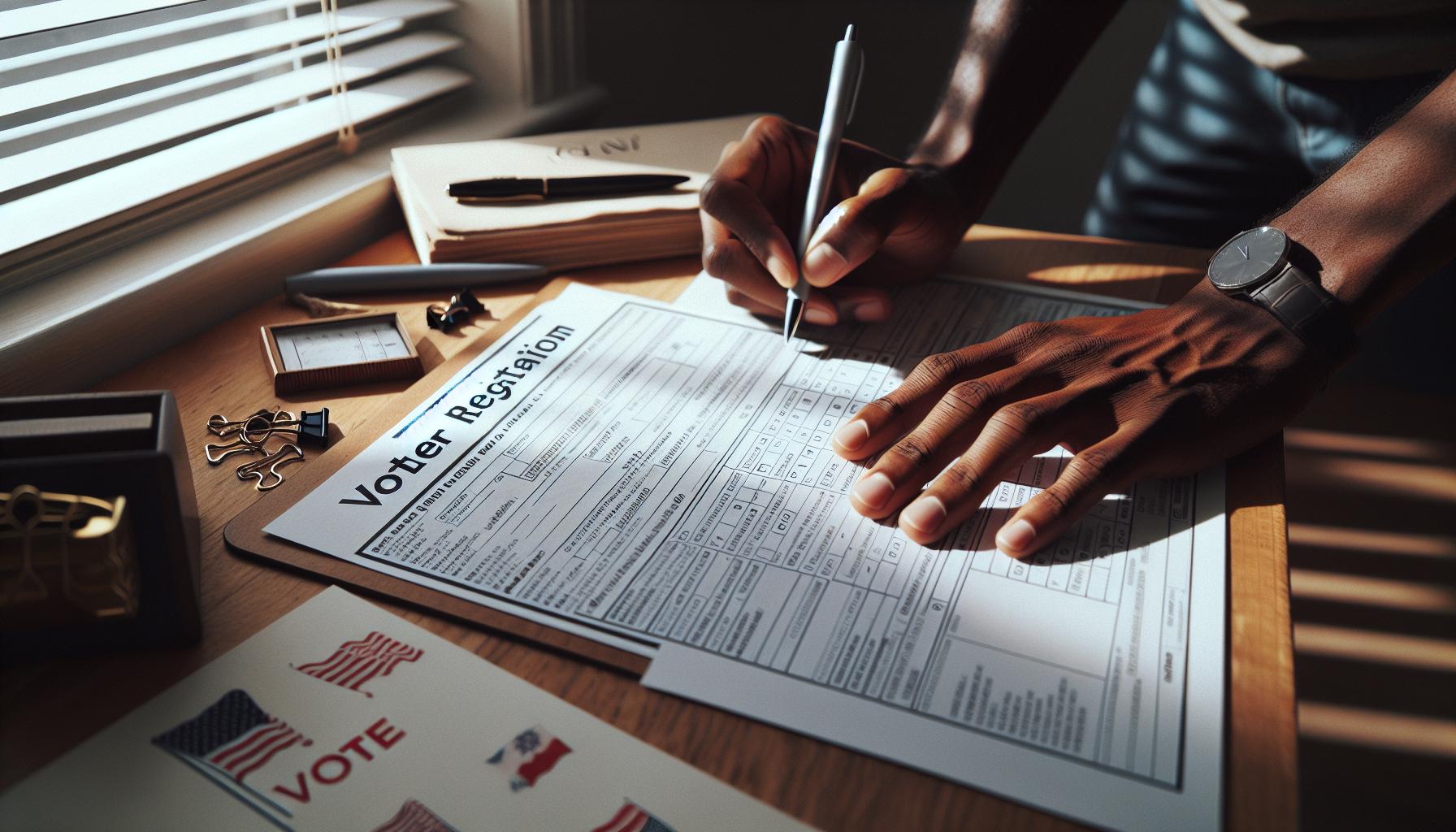
Sometimes, despite Canada’s efforts toward automatic voter registration, many individuals still need to take matters into their own hands to ensure they can vote. manually registering to vote is straightforward and accessible – knowing how to navigate the process can save stress and guarantee participation in upcoming elections.
The first step involves confirming your eligibility: you must be a Canadian citizen, at least 18 years old on election day, and reside in the electoral district where you wish to vote. Once eligibility is verified,you can register online,by mail,by phone,or in person at an Elections Canada office or voter registration location. Online registration is often the fastest and simplest route. For example, Elections Canada provides a user-friendly online portal where you can complete your registration or update your details quickly from home. If you prefer in-person visits, polling stations during advance voting days or Elections Canada offices allow you to register on the spot, often even on election day itself[[[2]].
Key Information You’ll Need to Register
- full legal name
- Date of birth
- Current residential address (where you live)
- Identification documents confirming your identity and address (examples include a Canadian passport, driver’s license, or government-issued ID)
If you’re registering by mail or phone, providing an address where you can receive ballots or election-related correspondence is critical.Additionally, recent citizens or those who have recently moved should be especially diligent. For example,a newcomer who just got citizenship might not yet appear on automatic lists and should register manually soon after eligibility is confirmed to avoid last-minute issues.
Practical Tips to Smooth the Process
- Double-check your registration status online before the election to make sure you’re listed correctly at your current address.
- Keep identification documents handy when registering, especially if doing so in person or by phone.
- Update your address as soon as you move to ensure the voter registry matches your actual residence,avoiding being assigned to the wrong polling station.
- Take advantage of voter registration drives often held at universities, community centers, or public events to register conveniently.
by taking proactive steps and understanding the registration options, you not only secure your right to vote but also help maintain the accuracy and integrity of the voter lists, which underpin Canada’s democratic process. Manual registration remains a vital tool for many Canadians, filling the gaps where automatic registration may not yet reach. For personalized assistance, Elections Canada’s official website offers up-to-date links, guidance, and contact information to walk you through every step of registration[[[2]].
Learn more and register online here.
Understanding Voter Registration Updates and Maintenance

Keeping voter registration information current is essential to ensuring that every eligible Canadian can participate in elections smoothly.Even with increasing strides toward automatic registration, maintaining accurate voter records requires proactive effort from individuals. Changes in address, name, or citizenship status-common life events-can easily cause discrepancies in the voter database if not promptly updated, perhaps leading to misplaced ballots or confusion on election day.
Why Maintaining your Voter Information Matters
When your voter record is accurate, it directly affects which electoral district you’re assigned to and where you will vote. For example,if you move to a new city or province but don’t update your address with Elections Canada,you might find yourself registered to vote in your old riding. This not only complicates your ability to cast a ballot but can also skew depiction data. Inaccurate records can also cause delays or additional identification requirements at polling stations, increasing stress for voters.
Automatic updates happen periodically by cross-referencing data from government agencies-such as tax records and immigration files-but these updates aren’t instantaneous or guaranteed for everyone. That’s why it’s wise to regularly verify and maintain your voter registration, especially after any personal changes. As an example,a new citizen or someone who recently returned from living abroad should check their status to confirm their inclusion on updated lists[[1]][[[2]].
Practical ways to Keep Your Voter Record Updated
- Check your voter registration status online ahead of elections. Elections Canada provides tools that allow you to quickly search your registration by name and address.
- Update your information promptly when moving or after a legal name change. You can do this through online portals, by phone, mail, or in person at voting locations.
- Notify Elections Canada of any changes in your citizenship status, especially if you recently became a canadian citizen.
- Review correspondence from Elections Canada during election periods carefully-any information on updates or issues with your registration will be provided here.
Examples That Highlight the Importance of maintenance
Consider Julia, who moved from Toronto to Vancouver six months before a federal election but didn’t update her address. On election day, she arrived at her new polling station only to find her name wasn’t on the voter list. Because she hadn’t updated her information, Julia had to vote via a special ballot, which involved extra steps and longer wait times. Had she updated her address earlier, she would have enjoyed a seamless voting experience.
Another case is Amir, a new Canadian citizen who assumed his name would automatically appear on voter lists. However, it wasn’t until he manually registered online and confirmed his details that he was fully recognized in the voter database-ensuring no surprises during the next election[[[2]].
By staying engaged with your voter registration status, you help ensure your voice is heard without hiccups. Keeping these records accurate not only benefits you but also contributes to the democratic system’s integrity, ensuring electoral rolls truly reflect the population.
Check and update your voter registration online here.
Provincial Differences in Voter Registration Rules
Canada’s voter registration landscape is a patchwork of nuanced provincial and territorial rules that can considerably impact how residents register and participate in elections. While federal elections benefit from a centralized approach overseen by Elections Canada, provincial and municipal levels frequently enough implement their own methods, timelines, and eligibility criteria. This reality means that voter registration is not uniformly automatic across the country-such as, some provinces have embraced automatic registration systems, while others still rely heavily on manual registration or periodic voter drives.
Understanding these differences can make all the difference for voters,especially for those who have recently moved or are new Canadians. take British Columbia and Ontario, for instance: BC has implemented more comprehensive data-sharing agreements with provincial agencies, allowing for more frequent automatic updates of voter lists. In contrast,provinces like Alberta and Saskatchewan may require voters to proactively register or update their information closer to an election,often via online portals or in-person registration drives. This results in varying degrees of convenience for electors depending on where they live.
Key Variations in Provincial Voter Registration Approaches
- Registration Methods: Provinces like Quebec limit automatic voter registration mainly to those who file provincial taxes, whereas Nova Scotia integrates health card data to supplement voter lists.
- Timing and Frequency of updates: Some provinces conduct annual updates to their electoral rolls,while others wait until shortly before an election,potentially leading to delays in recognizing new residents.
- Identification Requirements: The ID rules can also vary-for example, PEI allows a wider range of ID options to prove residency, while Manitoba applies stricter identity verification protocols.
- special Provisions: Several provinces proactively reach out to Indigenous communities or transient populations to facilitate registration, whereas others rely predominantly on self-initiated registration and updates.
These distinctions underscore the importance of checking specific provincial guidelines well before an election, especially for people who have recently relocated, changed their name, or obtained citizenship. For example, a resident of Newfoundland who moved from another province may find their name absent on the voter list if they haven’t registered manually or updated their details with the provincial electoral office. Meanwhile, a resident of Quebec might be automatically included but still needs to confirm their address to ensure they vote in the correct district.
To avoid surprises on election day, it is practical to:
- Consult your provincial or territorial election authority’s website for precise registration rules and deadlines.
- Register or update your information as soon as possible if you are living in a province with less comprehensive automatic registration systems.
- Keep personal identification and proof of residency handy with attention to what your province specifically accepts at polling stations.
- Subscribe to election updates and reminders from provincial authorities to stay informed about any changes.
By acknowledging and preparing for these provincial nuances, voters can ensure they are correctly registered and ready to cast their ballot without unnecessary delays or complications. This attentiveness not only enhances the individual voting experience but also supports the integrity and accuracy of provincial electoral systems across Canada.
How Canadian Elections Database Collects Voter Information

In Canada, the process of assembling and maintaining the national voter database is a elegant blend of data integration, periodic updates, and cross-agency collaboration. Rather than relying solely on individual registration, federal and provincial election authorities tap into multiple governmental records to identify eligible voters and keep the lists as current as possible. This system balances convenience and accuracy,although the degree of automation varies by province.
At the federal level, Elections Canada collects voter information primarily from public datasets such as tax records, immigration databases, and provincial health registries.These sources serve as foundational layers to establish initial eligibility-confirming citizenship, age, and residency. as a notable example, when a newcomer to Canada obtains citizenship, that information flows into federal databases and can trigger inclusion in the voter list. Provincial agencies often share data with Elections Canada to improve synchronization, particularly for updating addresses or removing names due to death or relocation.
How Data is Updated and Verified
As people move, change names, or or else alter their status, the voter database is not static. Election authorities regularly perform data matching exercises between election rolls and other government records to identify discrepancies. In provinces like British Columbia, data-sharing agreements with ministries of health and finance enable continuous, sometimes real-time updates. Other provinces may conduct annual or pre-election sweeps to refresh their information.To accommodate changes that aren’t captured through data sharing-such as new voters who recently obtained citizenship or those who moved from another jurisdiction-manual registration options remain essential.
- Cross-Agency Data Integration: Utilizing databases from taxation, health, immigration, and vital statistics offices.
- Data Matching and Cleansing: Removing duplicates, updating addresses, and deleting ineligible names through automated matching protocols.
- Manual Input and confirmation: Allowing voters to register or update details online, by mail, or in person to supplement automated data.
Examples Illustrating the System in Action
A practical example is in Ontario, where provincial tax records are regularly compared against the voter registry to catch new eligible individuals or flag outdated address information. Meanwhile, in Nova scotia, health card data plays a key supplementary role, helping to capture residents who might otherwise slip through cracks due to infrequent manual updates. These proactive data sharing efforts significantly reduce the time lag between a change in a voter’s information and its reflection in official records, ultimately improving the reliability of voter lists before an election.For voters, this means that while routine changes-such as moving within the same province-could be updated automatically behind the scenes, action may still be needed if personal details are not reflected accurately. Regularly checking and, if necessary, updating your voter registration ensures you receive notification materials on time and vote in the correct electoral district.
Practical Tips for Voters
- Keep personal information consistent: Use the same name and address across government documents to help automatic updates.
- Monitor communications: Election offices frequently enough send voter information cards; discrepancies should prompt immediate contact.
- Use online tools: Many provinces provide swift online checks to verify registration status and update details.
The integration of diverse government data sources into the Canadian elections database exemplifies a modern approach to voter registration-one that leverages technology to minimize administrative burdens while empowering citizens to maintain control over their voting status. As this system evolves, greater automation and integration may continue to enhance both accuracy and access for all eligible voters.
What Happens If You’re Not Automatically Registered?

In Canada, although efforts to automate voter registration have improved significantly, not everyone is seamlessly added to the voter lists. If the system hasn’t captured your information automatically, it doesn’t mean you are excluded from voting-it simply means taking some proactive steps to ensure your eligibility is recognized and your details are up to date. Recognizing these gaps is essential because failing to register manually, when needed, can result in missing out on your democratic right to vote.
When you find that you are not automatically registered,the first and most important action is to register yourself manually. This can often be done conveniently on election day at your assigned polling station, where election officials can help you add your name to the voter list after verifying your identity and residency. Alternatively, you can register ahead of time through Elections Canada’s online portal or by mail, with clear instructions on required identification and address verification. These options ensure that those who have recently moved, naturalized citizens, or individuals in unique circumstances can still exercise their franchise without hassle.
Steps to Take If Not Automatically Registered
- Check your registration status online: Use tools provided by Elections Canada or your provincial election office to confirm if your name is on the voters’ list before election day.
- Bring proper identification: On election day, bring documents that prove your identity and address such as driver’s license, utility bills, or government-issued ID.
- Register in person at polling stations: You can update or add your information at the polling station by completing a registration form.
- Contact local election offices: if you need assistance or guidance, election offices can provide tailored support for registration concerns.
In provinces or territories without full automatic registration systems, newcomers and those who recently changed address or citizenship status must be especially vigilant.Such as, a new Canadian citizen may not appear automatically on the voter list until provincial agencies share updated citizenship records with Elections Canada, which might happen weeks or months later. Meanwhile, manual registration safeguards ensure these voters have the chance to participate without delay.
Practical Example: Ontario voters New to Citizenship
| Scenario | Automatic Registration Status | Recommended Action |
|---|---|---|
| new citizen who recently obtained Canadian citizenship | Often not immediately registered automatically | Manually register online or at polling station with proof of citizenship and address |
| Resident who recently moved within the same province | May have updated address automatically but verify to ensure accuracy | Check registration status online; update if necessary |
| First-time voter reaching voting age | May or may not be automatically added depending on province | register manually before election day or at polling station |
Ultimately, understanding what to do if your name doesn’t appear on voter lists is vital for preserving your voting rights. Taking swift, clear action-like registering manually and verifying personal information-bridges the gap between automated systems and individual responsibility. This two-pronged approach guarantees that no eligible Canadian misses their chance to have a say in federal or provincial elections. For comprehensive support, the Elections Canada website offers user-friendly resources and contact options to help guide you through the process smoothly[[1]](https://www.canada.ca/en/revenue-agency/services/tax/individuals/topics/about-your-tax-return/tax-return/completing-a-tax-return/personal-address-information/elections-canada.html)[[3]](https://www.elections.ca/content2.aspx?section=reg&document=index&lang=e).
The Role of Identification in Voter Registration
One of the most crucial steps in the voter registration process across Canada involves presenting valid identification. Identification is not just a bureaucratic formality; it serves as a safeguard ensuring that every vote cast is legitimate and that voters meet eligibility criteria. Whether you are registering automatically or manually, the right documents confirm your identity and residency, both of which are fundamental to maintaining the integrity of the electoral system.On election day, if you find yourself not on the voter list or in need of updating your registration details, having proper identification ready can make the difference between exercising your democratic rights smoothly or encountering delays. Elections Canada and provincial authorities generally accept government-issued photo ID, such as a driver’s license or a provincial ID card. However, if you do not have photo ID, alternative combinations of documents are accepted-such as a utility bill along with a government-issued document bearing your name. This flexibility accommodates voters who may not have conventional forms of ID but can still verify their identity and address reliably.
Commonly Accepted Forms of Identification
- government-issued photo ID: Driver’s license,passport,or provincial/territorial ID card
- Two-piece ID without photo: Combination of a document with your name (e.g., bank card or health card) and a document with your address (e.g.,utility bill or lease agreement)
- Proof of canadian citizenship: For some registration scenarios,such as new citizens registering for the first time,citizenship documents may be required alongside standard ID
In circumstances where automatic registration depends on third-party data sharing-for example,when provincial agencies provide citizenship status or address updates to Elections Canada-identification still plays a pivotal role at the voting station. New Canadian citizens, for example, often must show proof of citizenship and residence when registering manually, ensuring that only eligible voters gain access while facilitating their smooth inclusion in the voters’ list. This balance between accessibility and verification highlights the importance of identification in both protecting and enabling the right to vote.
Ultimately, being prepared with the correct forms of identification empowers voters to participate fully, irrespective of whether their registration is automatic. Checking the specific ID requirements ahead of time, especially if you plan to register in person or register for the first time, can save time and stress. For those unsure about which documents to bring, Elections Canada offers detailed resources and guidance to help you arrive at the polls fully prepared and confident[[1]](https://inspirerlademocratie-inspiredemocracy.ca/act/regist/registering/index-eng.aspx)[[[2]](https://www.canada.ca/en/revenue-agency/services/tax/individuals/topics/about-your-tax-return/tax-return/completing-a-tax-return/personal-address-information/elections-canada.html).
How to Check Your Voter Registration Status Quickly

Knowing whether you are properly registered to vote can save you time and stress on election day. Fortunately, in canada, checking your voter registration status is a straightforward process that can often be completed online in just a few moments. This quick verification provides peace of mind and ensures that your information is current, so you don’t encounter any surprises when you head to the polls.The easiest way to confirm your registration status is by visiting Elections Canada’s official voter registration website. There, you can quickly enter some basic personal details to see if your name appears on the voters’ list for your current address. This service also allows you to update your information if you have recently moved or changed your name, helping to keep your registration accurate without hassle. Many provinces and territories offer similar online tools tailored to their local elections, reflecting slight regional differences but generally maintaining the same ease of access[[3]](https://www.elections.ca/content2.aspx?section=reg&document=index&lang=e).
Practical Steps to Check Your voter Information
- Visit the official Elections Canada website or your provincial election authority’s portal.
- Enter required details such as your full name,date of birth,and postal code.
- Review your registration status and details including your polling station location.
- Update your information if necessary to reflect any changes in address or personal details.
For those who prefer not to verify their status online, it’s also possible to check in person at your designated polling station or local election office. Having your government-issued ID ready will expedite the process, especially if staff need to update your registration.Remember, even if you’re uncertain about your registration, you can still register or update your details on election day at the polling station. Being proactive, though, by confirming your status ahead of time, helps avoid any last-minute complications.
This digital accessibility not only keeps the process convenient but also supports electoral integrity by helping elections Canada and provincial agencies maintain an accurate, up-to-date voters list. Checking your status quickly and frequently-especially before an election-ensures you’re always ready to participate fully in Canada’s democratic process without unnecessary delays or surprises.
[3]
Impact of Automatic Registration on Voter Turnout

One of the most compelling advantages of automatic voter registration (AVR) is its potential to boost voter turnout by removing common barriers tied to manual registration. When citizens are automatically registered through government data sources such as health cards or driver’s licenses without having to take extra steps, it ensures a broader segment of the population is eligible to vote with minimal friction. This seamless approach particularly benefits groups who traditionally face challenges in the registration process, including young voters, newcomers, and those who frequently change addresses.
Evidence from jurisdictions that have implemented AVR shows an encouraging trend in voter participation. While Canada does not have fully automatic nationwide registration, efforts to integrate provincial and federal data have streamlined registration significantly, leading to higher early turnout and more inclusive voter lists. For example, Elections Canada leverages administrative data to maintain updated voter records, which facilitates easier access to the ballot and reduces the likelihood of eligible voters missing out due to incomplete registration[[3]](https://www.elections.ca/content.aspx?section=res&dir=rec/eval/pes2021/evt&document=p10&lang=e). This contrasts with places where registration remains burdensome,often resulting in lower engagement.
Key Benefits of Automatic Registration
- Reduces administrative hurdles: When registration is automatic, voters are less likely to forget or delay signing up, increasing overall participation.
- Increases accuracy: Integration with government databases ensures voter information is current, decreasing errors and election-day surprises.
- Promotes equity: It levels the playing field for marginalized or transient populations who may otherwise be disenfranchised.
- Streamlines election administration: Officials can focus on outreach and education instead of addressing registration issues.
From a practical standpoint, automatic registration doesn’t completely eliminate the need for voters to confirm and update their details – especially after moving or changing names – but it greatly simplifies the process. Consequently, more Canadians are able to participate without unnecessary administrative barriers, which ultimately fosters a stronger democracy.
examples and Practical Advice
If you’re new to an area or voting for the first time, you’ll likely find that your provincial or federal voter registry has already done much of the work for you. Nonetheless, it’s wise to check your voter status well before election day and update any changes. As studies show, places with robust automatic registration systems frequently enough see a jump in early and general election turnout, demonstrating how accessibility directly influences voter behavior[[[2]](https://www.bbc.com/news/articles/cp3129z5kyko).
while Canada’s voter registration system isn’t yet fully automatic nationwide, the move toward greater automation is a key driver in encouraging voter participation. Citizens benefit from less hassle and increased inclusivity,while election agencies gain more reliable voter lists-a win-win dynamic that supports a vibrant electoral process.
Common Myths About Canadian Voter Registration Revealed

It’s a common misconception that every eligible Canadian citizen is automatically registered to vote without exception. While Canada has made significant strides toward automatic voter registration by leveraging government databases to update and maintain voter rolls, the reality is more nuanced. Not all provinces have fully integrated systems, and certain conditions-such as being a first-time voter, a recent mover, or not having recent contact with government services-can affect whether your name appears on the voter list automatically.
Another widespread myth is that voter registration in Canada is an all-or-nothing process requiring individuals to take proactive steps every election. In truth, most Canadians find their information already on the voters’ list thanks to routine updates from administrative data sources like health records and tax files. However, this doesn’t mean the system is flawless. Voters are encouraged to verify and update their information regularly to avoid confusion on election day,especially if they have changed their address or legal name as the last election[[1]](https://www.elections.ca/content2.aspx?section=reg&document=index&lang=e).
Many believe identification requirements are overly stringent or that lacking certain IDs could bar someone from voting. Canadian elections are intentionally designed to be accessible. While acceptable identification is necessary to confirm identity and residence, there are multiple options beyond just a driver’s license or passport. For example, utility bills, government letters, or even having someone vouch for you at the polling station can help validate your eligibility. This flexibility aims to lower barriers for all eligible voters, debunking the myth that ID requirements are prohibitive.
- Check your voter registration status ahead of time: Visit Elections Canada’s online tools or your provincial election office website to confirm your details.
- Update your information promptly: Even if you are on the list,changes in address or name must be reported to ensure you receive accurate voting information.
- Understand what counts as valid ID: Familiarize yourself with acceptable documents to avoid surprises when you vote.
By dispelling these myths, voters can approach election day with confidence, knowing that Canada’s voter registration system strives to be inclusive and straightforward while continually improving through automation and data integration.
Future Trends: Will Voter Registration Become Fully Automatic?

Advancements in technology and data integration suggest that fully automatic voter registration in Canada is on the horizon, though it remains a complex undertaking. The country has already demonstrated significant progress by linking voter lists to administrative data sources such as health insurance registries and tax records. These efforts have streamlined the process for millions, reducing the need for manual registration and minimizing errors.However, ensuring that every eligible citizen is captured accurately and securely requires navigating privacy concerns, data-sharing agreements, and the challenges posed by population mobility.
One of the key obstacles to complete automation lies in accounting for those with limited engagement in traditional government systems-such as young voters entering the system for the first time, recent immigrants, or individuals living in remote or Indigenous communities. Without consistent data updates from these populations,automatic registration systems may inadvertently exclude or misrepresent them. To address this, a hybrid approach combining automated data matching with targeted outreach is likely the most practical path forward in the near term.
How Improvements Could benefit voters
- Reduced administrative burden: Fully automatic registration means fewer steps for voters, making elections more accessible, especially for people who face barriers to registration.
- More accurate and up-to-date voter rolls: Real-time data syncing with government databases can better reflect changes in residence, status, or eligibility.
- Increased voter participation: By reducing bureaucratic hurdles, especially for marginalized groups, automatic registration can boost turnout and enhance democratic engagement.
- Improved election planning and resource allocation: Accurate voter lists help electoral bodies efficiently organize polling stations, manpower, and voting materials.
To move closer to fully automatic registration, provinces and the federal government must continue to invest in robust data security practices and clear policies that respect voter privacy.Public education will also play a critical role: voters need assurance that their personal information is protected and understand how their data is used to safeguard democracy.While some regions, like Ontario, have pioneered online updates and provincial efforts toward automatic list maintenance [1], the goal of universal auto-registration will require harmonized standards, ongoing technological innovation, and collaboration across multiple government agencies. As these systems evolve, voters can expect greater convenience alongside safeguards to ensure that no eligible participant is left off the list.
| Current Status | Challenges | Opportunities |
|---|---|---|
| Partial automation using health and tax data | Privacy concerns; reaching under-registered populations | Integrate more diverse data sources; outreach programs |
| Diverse provincial approaches and system maturity | Lack of standardized processes across regions | Federal-province collaboration for uniform standards |
| Manual updates remain necessary for some voters | Manual errors; duplicated or outdated records | Improved data syncing and verification tools |
By embracing a future where technology complements traditional processes, Canada can enhance the inclusiveness and efficiency of its electoral system. Individuals are encouraged to continue verifying their voter registration status regularly and report any changes to support accurate records and help ease the transition toward a more automated voting landscape.
Q&A
Q: How does Elections Canada update voter information for automatic registration?
A: Elections Canada updates voter information automatically by cross-referencing government databases like tax records and immigration data. This ensures eligible Canadians are registered without manual input, but voters should still check their status regularly. For more details, see the section on Understanding Voter Registration Updates and Maintenance in the main article.
Q: Why aren’t all eligible Canadians registered automatically to vote?
A: Not all eligible canadians are automatically registered because some provinces have different registration methods and data-sharing limitations. Also, new citizens or those who recently moved may require manual registration to ensure accuracy.Learn more under Provincial Differences in Voter Registration Rules in the article.
Q: can Canadian citizens living abroad register automatically to vote in federal elections?
A: Canadian citizens living abroad are generally not automatically registered but can register online or by mail if they have lived in Canada within the last five years. To vote abroad, they must actively register through Elections Canada’s International Register. see How to Check Your Voter Registration Status Quickly for guidance.
Q: What should I do if my personal information changes after automatic voter registration?
A: If your address or identification details change, you should update your voter registration manually online or by contacting Elections Canada to keep your information accurate. This prevents issues at the polling station.refer to Understanding Voter Registration Updates and Maintenance for step-by-step instructions.
Q: How does automatic voter registration affect new Canadians who recently received citizenship?
A: New Canadians are not always registered automatically upon citizenship because their data may not yet be integrated into the National Register of Electors.They should confirm their status and register manually if necessary. More info is available in What Happens If You’re Not Automatically Registered?
Q: Is it possible to opt out of automatic voter registration in Canada?
A: there is no formal opt-out option for automatic voter registration sence it aims to promote democratic participation. Though, personal data privacy is protected under federal law, and voters can contact Elections Canada with concerns. For privacy details,see the article’s segment on How Canadian Elections Database Collects Voter information.
Q: How often does Elections Canada verify the accuracy of automatically registered voters?
A: Elections Canada conducts regular verification using multiple data sources every few years to maintain accurate voter lists, ensuring eligible voters are included and duplicates removed. Voters should still verify their registration before elections as explained under How to Check Your Voter Registration Status Quickly.
Q: What can I do if I’m not found in the automatic voter registration database during election time?
A: If you’re not registered automatically, you can register in person at your polling station or online before election day to vote. Carry proper ID to confirm eligibility.For full guidance, see What Happens If You’re Not automatically Registered? in the main article.
These FAQs are crafted to complement existing content, incorporating long-tail keywords and natural language for SEO and rich snippet optimization while encouraging further engagement with the main article.
Wrapping Up
Understanding how voter registration works in Canada is essential for ensuring your voice is heard in every election. While automatic registration streamlines the process for many, it’s important to confirm your status and explore available resources to stay fully informed.Don’t wait-check your registration today and stay prepared for upcoming elections to make the most of your voting rights.
To learn more about participating in Canadian elections, visit our detailed guides on voter eligibility and how to vote, or explore tools that help you verify your registration status. Signing up for our newsletter is also a great way to receive timely updates and expert insights, helping you navigate the electoral process with confidence. if you have questions or want to share your experience, join the conversation in the comments below-your engagement helps build a more informed community.
By staying proactive with voter registration and election preparation, you not only fulfill a civic duty but also empower yourself within Canada’s democratic process. Keep exploring related topics like election deadlines and voter ID requirements to deepen your knowledge and ensure you never miss an opportunity to vote.