Did you know that when Canadians head to the polls, they’re not just choosing a Prime Minister-they’re voting for a variety of vital offices and issues that directly shape thier communities and country? Understanding exactly what people vote for in Canada is essential for making informed decisions that impact everything from local services to national policies. Whether you’re a first-time voter or simply curious about how Canadian democracy functions, exploring the different roles on the ballot and the key issues up for debate can empower you to participate confidently and effectively. This guide breaks down the offices Canadians elect and the critical topics at stake, helping you grasp how each vote contributes to shaping the future. By gaining insight into what’s behind the choices on election day, you’ll be better equipped to connect your values with the candidates and initiatives that matter most. Keep reading to discover what goes on your ballot and why your vote truly counts.
Table of Contents
- Understanding Canadian Voting: Offices on the Ballot
- Federal, Provincial, and Municipal Elections Explained
- Key Political Offices Canadians elect and Their Roles
- Major issues Driving Canadian Voters Today
- How Electoral Districts Shape Canadian Voting
- The Impact of Party Platforms on Voter Decisions
- voting Systems and Methods Used in canada
- Youth and First-time Voter Priorities in Canada
- Regional Differences in Voting Behavior and Issues
- The Role of Indigenous Representation in Canadian Elections
- How Media Influences What Canadians Vote For
- Future Trends Shaping Canadian Electoral Choices
- Frequently Asked Questions
- Q: How can I find my local Elections Canada office to vote or get election information?
- Q: What types of government decisions do Canadian voters influence besides electing officials?
- Q: Why do some canadian voters choose to focus on local issues rather than national ones?
- Q: How do voting options like advance polls and mail-in ballots affect voter turnout in Canada?
- Q: What roles do lesser-known political offices play in Canadian elections?
- Q: How does voter registration work for first-time Canadian voters?
- Q: when and how are new electoral districts created or adjusted in Canada?
- Q: What are the best resources for staying updated on election issues and candidates in Canada?
- In Summary
Understanding Canadian Voting: Offices on the Ballot
Elections in Canada are more than just opportunities to select leaders-they are moments that shape how democracy functions across multiple layers of governance. Canadians don’t vote only for a single office; rather, they participate in elections that determine representatives at the federal, provincial, and municipal levels, each with distinct roles and responsibilities. Understanding what offices are on the ballot empowers voters to make informed decisions about who will influence everything from national policies to community services.
At the federal level, Canadians elect Members of Parliament (MPs) who represent geographic electoral districts called ridings.These MPs form the house of Commons, where they debate and pass laws affecting the entire country-including foreign affairs, national defense, and economic policies. The leader of the party that wins the most seats typically becomes the prime Minister, who leads the federal government. Meanwhile, provincial elections select Members of the Legislative Assembly (MLAs), Members of Provincial Parliament (MPPs), or similar titles depending on the province, who decide on matters like healthcare, education, and transportation within their jurisdiction. Municipal elections, on the other hand, enable voters to choose mayors, councillors, or trustees who manage local services including public transit, policing, parks, and zoning laws.
- Federal offices: Members of Parliament, Prime Minister, and cabinet ministers.
- Provincial/territorial offices: MLAs or equivalents, premiers, and provincial cabinet members.
- Municipal offices: Mayors, councillors, school board trustees, and other local officials.
One distinct feature of Canadian elections is that candidates on the ballot often come from political parties, but independent candidates can also run. Voters thus face choices that combine personal qualifications with party platforms that reflect broader policy positions. For example, a federal election campaign might focus heavily on climate change or the economy, while a municipal vote could revolve around local infrastructure or housing affordability.
Engaging in these multiple layers of voting not only influences immediate leadership but shapes public policy from coast to coast. for new voters, learning which offices appear on ballots and what powers these officials hold is a foundational step in exercising their civic rights effectively. To prepare, reviewing local election guides or government resources can clarify which candidates and positions will appear on individual ballots in any given election cycle, simplifying participation. This layered system reflects Canada’s commitment to representative democracy and helps ensure that governance is responsive at all levels-from national decisions with international consequences down to everyday community choices.
Federal, Provincial, and Municipal Elections Explained
Every election in Canada is a chance to shape governance on multiple fronts-from the halls of Parliament in Ottawa to the city council chambers in your hometown.Canadians don’t simply vote for a single official; rather, they participate in a complex electoral mosaic that spans federal, provincial or territorial, and municipal levels, each with distinct responsibilities impacting daily life and long-term policy.
At the federal level, voters elect Members of Parliament (MPs) to the House of commons. Each MP represents a defined geographic area, or riding, and their collective decisions influence matters such as national security, trade, immigration, and the federal budget. The political party securing the most seats usually forms government, with its leader becoming the Prime Minister who appoints cabinet ministers to oversee key portfolios. This level lays the groundwork for broad policies affecting every Canadian, from international relations to economic strategy.
Provincial and territorial elections focus more squarely on regional priorities, electing representatives such as Members of the Legislative Assembly (MLAs), Members of Provincial Parliament (MPPs), or their equivalents, depending on the jurisdiction. These elected officials influence healthcare systems, education programs, infrastructure funding, and resource management within their provinces or territories. Premiers, who lead the provincial governments, emerge from these elected representatives and work alongside cabinet ministers much like their federal counterparts but on a more local scale.
Municipal elections bring government closest to the community, electing mayors, city councillors, and school board trustees. These officials manage neighborhood services including public transit, waste management, policing, parks, and local zoning laws-issues that frequently enough have immediate impact on residents’ quality of life. In many cases, municipal candidates run as independents without party affiliation, which can lead to more personalized campaigns focused on local concerns.
- Federal offices: Members of Parliament, Prime Minister, cabinet ministers.
- Provincial/territorial offices: MLAs/MPPs,premiers,provincial cabinet members.
- municipal offices: Mayors, councillors, school board trustees, local officials.
Understanding these distinctions empowers voters to evaluate candidates not just on party lines but by considering the scope of authority and service that each office entails.For example, pressing issues like climate policy or federal taxation will primarily be addressed at the federal level, while concerns like hospital funding or public school curricula fall within provincial mandates.Local infrastructure, housing developments, and public safety tend to be municipal responsibilities. Therefore, when preparing to vote, it’s practical to research which positions appear on your ballot and focus attention on the candidates’ platforms relevant to their jurisdiction’s domain.
For those casting a ballot for the first time or looking to deepen their civic engagement, reviewing official election resources and local guides can clarify the roles on offer and the timing of different elections, which often don’t occur simultaneously. This multi-tiered voting process reflects Canada’s commitment to responsive democracy by ensuring that decision-making authority is appropriately distributed and accountable from national capitals to neighbourhood streets [1] [2].
Key Political Offices Canadians elect and Their Roles
Elections in Canada offer voters a powerful way to influence how their communities and country are governed across multiple levels. Each office on the ballot carries distinct responsibilities that directly affect daily life and national priorities, making it essential for voters to understand not just who they are voting for, but what those roles entail. From the national stage of Parliament to local council chambers, the diversity of elected positions reflects Canada’s layered democracy.
At the federal level, canadians primarily elect Members of Parliament (MPs) who represent specific electoral districts, or ridings. MPs debate and vote on laws affecting everything from trade and defence to immigration and national budgets. The political party with the most MPs usually forms government, led by the Prime Minister. This office not only sets broad policies but also appoints cabinet ministers who oversee key portfolios like health, finance, and surroundings. Knowing the powers of your MP and the Prime Minister can help you better evaluate campaign promises and how they align with national goals.Provincial and territorial elections fill crucial regional roles where elected officials shape policies closer to home. Members of the Legislative Assembly (MLAs), Members of Provincial Parliament (MPPs), or their equivalents wield authority over education, healthcare, infrastructure, and natural resources. The premier, elected from among these representatives, directs the provincial government’s agenda. Voters should pay particular attention to the local context during these elections, as provincial decisions frequently enough determine accessible services and quality of life factors right in their backyard.
Municipal elections, though sometimes overlooked, govern the issues that residents interact with daily. Mayors and city councillors manage public transit, emergency services, parks, and zoning laws. School board trustees decide on local education policies. Since many municipal candidates run independently of party lines, these elections emphasize personal connection and practical problem-solving. Understanding the layers of responsibility can empower voters to hold officials accountable and advocate for priorities that matter most in their communities.
- Federal-level: Members of Parliament, Prime Minister, cabinet ministers
- Provincial/Territorial-level: MLAs/MPPs, premiers, provincial cabinet members
- Municipal-level: Mayors, city councillors, school board trustees, and local officials
| Office | primary Responsibilities | Example Impact |
|---|---|---|
| Member of Parliament (MP) | National legislation, federal budgets, immigration policy | Influences federal healthcare funding, defence spending |
| Premiers | Provincial policy leadership, education and health systems management | Shapes hospital wait times, school curricula |
| Mayor | Local governance, city services, community development | Affects public transit schedules, zoning for housing projects |
By familiarizing themselves with these distinct roles, voters can better navigate ballot choices and understand the realistic scope of what elected officials can change. For example, if climate change policies are a priority, consider the federal parties’ platforms and cabinet composition. If public school enhancement is key, look to provincial candidates. For neighborhood safety or park maintenance issues, municipal candidate priorities need scrutiny. This clarity not only deepens civic engagement but helps ensure that votes translate into meaningful accountability and progress in areas that matter most.
Major issues Driving Canadian Voters Today
Voters across Canada weigh a complex array of concerns that frequently enough reflect both immediate needs and long-term visions for their communities and the nation. While issues vary somewhat by region and level of government, certain themes consistently shape electoral decisions. From economic security and healthcare services to climate change and social justice, Canadians are keenly attuned to how political promises will influence their daily lives and future opportunities.
One of the most pressing focuses for many Canadians today is economic stability, particularly as inflation, housing affordability, and job security remain at the forefront of public worry. Federal platforms frequently address these through proposals on tax reform, investment in infrastructure, and support for small businesses. Meanwhile, provincial candidates often highlight their plans to improve public services and create local jobs, reflecting the direct impact provincial policies have on sectors such as healthcare and education. As an example, voters may scrutinize how a party’s stance on affordable housing aligns with their own community’s needs-whether that means expanding social housing or incentivizing private development.
Environmental Concerns and Climate Action
Climate change continues to drive voter engagement, especially among younger Canadians and urban populations deeply affected by environmental risks. National parties’ commitments to emissions reductions, clean energy investments, and conservation efforts frequently become decisive factors for voters prioritizing sustainability. At the provincial level,decisions around natural resource management and energy policy can also sway opinions,especially in regions reliant on industries like oil and gas where economic and environmental interests must be carefully balanced.Understanding where candidates stand on these issues helps voters align their choices with their environmental values without losing sight of regional economic realities.
Healthcare, Indigenous Representation, and Social Equity
Accessible healthcare remains a critical issue, with voters closely watching platforms that promise to reduce wait times, expand mental health services, and improve elder care. Given the provincial role in healthcare management, provincial elections see intense debate over system efficiency and funding. meanwhile, Indigenous representation and reconciliation have gained increasing prominence. Voters concerned with social equity expect candidates across all levels of government to propose actionable commitments toward addressing past injustices, improving living conditions, and supporting Indigenous self-governance. These issues intersect with broader calls for inclusivity, social justice, and systemic reform, influencing voter preferences substantially.
- Economic Issues: Inflation, housing affordability, job creation
- Environmental Policies: Climate change mitigation, energy transition
- Healthcare Access: Wait times, mental health, pandemic preparedness
- Social Justice: Indigenous rights, equity, reconciliation efforts
By focusing on these themes and comparing party platforms closely, voters can better assess which candidates genuinely understand and intend to tackle the issues that matter most to them.Staying informed about how federal, provincial, and municipal platforms address these priorities empowers Canadians to make choices that reflect their values and hopes for the country’s future, beyond party slogans or surface-level promises. For example, understanding that federal policies primarily influence immigration reform and national climate commitments, while provincial governments are responsible for hospital funding and education curricula, can definitely help voters direct their attention appropriately during each election cycle[[[[[1]](https://newsinteractives.cbc.ca/features/2025/federal-party-platforms/).
How Electoral Districts Shape Canadian Voting
Electoral districts, known as ridings in canada, form the essential building blocks of the country’s democratic process. Each district elects one representative to various levels of government-federal, provincial, or municipal-making the drawing and composition of these boundaries crucial in shaping electoral outcomes. The way districts are configured influences not only which candidates appear on the ballot in a given area, but also how well voters perceive their community interests are being represented. This sense of connection between a voter and their riding often determines engagement and turnout, underscoring the tangible impact that electoral boundaries have on democracy.Population shifts and demographic changes prompt periodic redistributions of electoral districts, ensuring fair representation as communities grow or shrink. This process is guided by independent commissions that analyze census data and consult local stakeholders to balance equitable population sizes with community coherence and geographic considerations. For example, urban ridings might have smaller geographic areas but denser populations, while rural districts cover expansive territories with fewer residents. Understanding these differences helps voters grasp why their riding may feel very different from another in terms of campaign focus and candidate priorities-urban voters might see election debates center around transit or housing affordability, whereas rural voters may find natural resource management or agricultural policies dominate.
Why Electoral Boundaries Matter to voters
Boundaries influence which political parties can realistically compete in a riding, thereby shaping local political dynamics and voter choice. As a notable example, a suburban riding undergoing demographic change might lean increasingly toward environmental issues or youth-oriented platforms, prompting candidates to tailor their campaigns accordingly. Conversely, if a riding’s boundaries include disparate communities with diverse interests, candidates must balance competing priorities-highlighting how critical these borders are in framing political debate.
- Practical Tip: familiarize yourself with your current electoral district boundaries before voting. Knowing your riding can definitely help you identify all candidates and understand which community issues are likely influencing their platforms.
- Stay Updated: Electoral boundaries can change after redistributions, which take place roughly every ten years. Check official sources for updates to avoid confusion on ballot day.
- Engage Locally: Participate in public consultations during redistribution processes to voice your community’s interests and help shape fair boundaries.
The digital availability of detailed electoral district maps and boundary files, such as those provided by Elections Canada and provincial commissions, has made it easier than ever for voters to explore how their riding is defined and how it compares nationally. These resources allow voters not only to identify their representatives but also to appreciate how regional differences influence election issues and outcomes[[[[[2]](https://open.canada.ca/data/en/dataset/18bf3ea7-1940-46ec-af52-9ba3f77ed708),[[3]](https://redecoupage-redistribution-2022.ca/index_e.aspx). By understanding the foundational role of electoral districts, Canadians can make more informed decisions that truly reflect their local realities, paving the way for stronger democratic representation at every level of government.
The Impact of Party Platforms on Voter Decisions
Canadian voters often find themselves weighing party platforms as the compass guiding their choices at the ballot box. These platforms distill a political party’s vision into concrete promises and policy proposals, offering voters a roadmap of potential government actions on issues that affect daily life.In a landscape where multiple parties vie for attention,understanding the nuances of each platform can clarify what a party truly stands for and how those commitments might translate to real-world impact.
The influence of platforms goes beyond mere policy lists; they frame the election narrative and serve as a benchmark for accountability post-election. Such as, current federal platforms show distinct priorities: the Liberal Party often highlights climate action and social investment, while the Conservative Party emphasizes economic growth and energy sector development. Simultaneously occurring, emerging parties may focus on niche or regional concerns like affordable housing or indigenous rights, tailoring messages to resonate in their specific electoral ridings. Carefully analyzing these positions can definitely help voters decide which party aligns best with their values and local needs, especially when a riding’s demographic or economic profile influences which issues dominate the conversation[[[[[1]](https://newsinteractives.cbc.ca/features/2025/federal-party-platforms/).
Making Sense of Complex Platforms
Evaluating party platforms can seem daunting given their length and policy detail, but breaking them down into key issue areas can make this process manageable. Voters might consider:
- Relevance: Which policies directly affect your community, family, or career?
- Feasibility: are the promises financially and politically realistic?
- Long-term impact: How might these proposed changes shape Canada’s future socially, economically, and environmentally?
Engaging with official party websites, debates, and trusted independent analyses helps create a clearer picture. Beyond the promises, observing past performance or party discipline can indicate how likely a party is to follow through. for instance, exploring stances on immigration reforms may resonate more with voters in rapidly growing cities, whereas those in resource-dependent regions may prioritize energy and environmental policies[[[[[1]](https://newsinteractives.cbc.ca/features/2025/federal-party-platforms/).
Practical Tips for Voters
To maximize the impact of party platforms on your voting decision:
- Compare platforms side-by-side: Note similarities and divergences, especially on high-stakes issues like healthcare, climate change, and economic policy.
- Look for local adaptations: Some parties tailor promises to provincial or even municipal concerns, reflecting the multi-level nature of Canadian politics.
- Participate in community discussions: Town halls or candidate forums often reveal how parties plan to implement their platforms at the riding level.
- Stay informed on updates: Platforms can evolve during a campaign, so revisit official sources for the latest information before voting.
Ultimately, party platforms shape voter decisions not just by outlining policy proposals but by offering a vision for Canada’s path forward. Being an informed voter means looking beyond slogans and headlines to understand how these platforms interact with your riding’s unique challenges and opportunities. This thoughtful approach can empower Canadians to vote with confidence and a clear sense of purpose.
voting Systems and Methods Used in canada
Elections in Canada rely on voting systems designed to translate voter choices into political representation effectively. While Canada primarily uses the First-Past-the-Post (FPTP) system for federal and provincial elections-a winner-takes-all approach where the candidate with the most votes wins-there are important variations and emerging discussions about alternative methods that better reflect voter preferences[1].
With FPTP, each electoral district, or “riding,” elects one representative to Parliament or a provincial legislature. This system is straightforward and easy to understand, making voting accessible for most Canadians. Though, it can sometimes result in a party winning a majority of seats without receiving a majority of the popular vote. For example,a party might secure many ridings with narrow wins while losing others by large margins,affecting the overall representation balance. This has spurred debate about the benefits of other voting methods such as proportional representation or ranked ballots, especially at the municipal level in some provinces.
How voting Happens Across Levels of Government
At the federal and provincial levels, voters traditionally mark an “X” beside their preferred candidate’s name on paper ballots or through electronic voting machines in some areas. The simplicity of casting a single vote for one candidate corresponds with Canada’s single-member district approach. Municipal elections, though, frequently enough use varied systems depending on the jurisdiction. Some municipalities employ ranked ballots, which ask voters to rank candidates in order of preference, allowing for instant runoffs if no candidate achieves a majority initially.This system can yield more representative outcomes and encourages candidates to appeal broadly.
- Federal/Provincial Elections: First-Past-the-Post in single-member ridings
- Municipal Elections: Mix of First-Past-the-Post and ranked ballot systems
- By-Elections: Typically follow the same system as general elections to fill vacant seats
Understanding which system applies in your election helps you vote strategically. such as, in an FPTP election, voting for a less popular candidate might inadvertently help elect your least favorite candidate if it splits the vote. Conversely, ranked ballots allow you to express more nuanced preferences without “wasting” your vote, as your second or third choices can carry weight if your top pick is eliminated. Always check official election resources or local government websites ahead of time to learn your region’s voting process.
Along with ballots, accessibility options have improved to help Canadians of diverse needs participate fully. These include advance polls, mail-in ballots, and assistance at polling stations. knowing your district’s electoral system and polling options can empower you to cast a meaningful vote with confidence.
| Election Level | Typical Voting System | Examples of methods |
|---|---|---|
| Federal | First-Past-the-Post | Single-member ridings, paper ballots |
| provincial | Mostly First-Past-the-Post, some experiments | Single-member ridings, occasional electronic voting |
| Municipal | Varies by city (FPTP or ranked ballots) | Ranked ballots in cities like London, Ontario |
By grasping these systems and methods, voters not only participate more effectively but can also engage in informed discussions around electoral reforms that reflect the evolving needs of Canada’s democracy. The way votes are cast ultimately shapes the government and policies that will impact communities across the country[2], 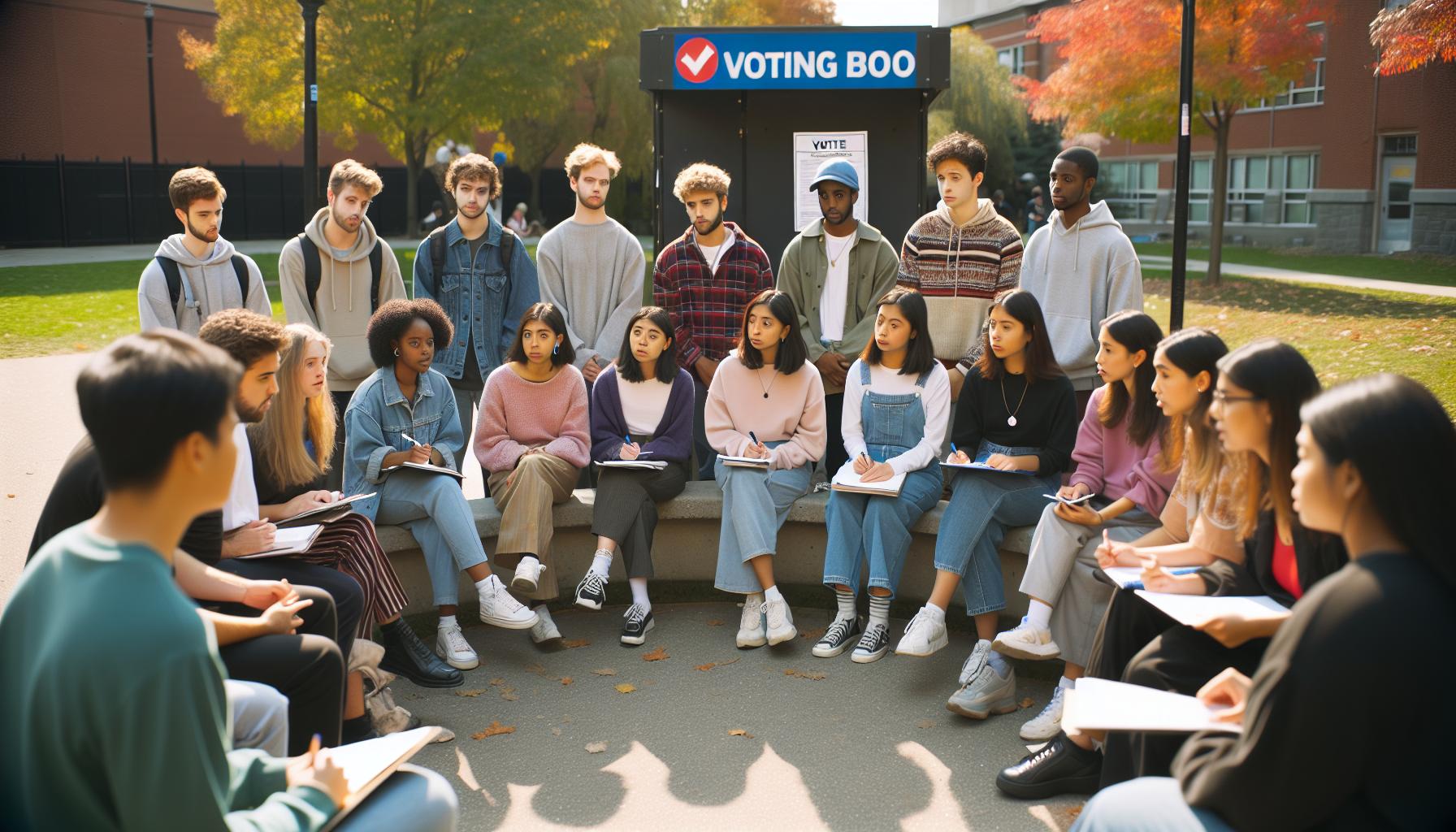
Youth and First-time Voter Priorities in Canada
Millions of young Canadians cast their ballots for the first time each election cycle, bringing fresh perspectives and new priorities to the democratic process. Youth voters often approach elections with concerns that reflect their unique stage in life-such as education affordability, climate action, job opportunities, and mental health services.These issues frequently shape not only their candidate choices but also their engagement with political discourse, making understanding these priorities crucial for anyone interested in the dynamics of Canadian elections.
Key Priorities Among Young and First-Time Voters
Many young Canadians prioritize:
- Climate Change & Environmental Policies: With a growing urgency around climate issues, younger voters tend to support candidates and platforms that propose strong environmental protection, renewable energy investments, and sustainable economic policies.
- education and Student Debt: Access to affordable post-secondary education and the burden of student loans are often top concerns, influencing preferences for parties that commit to funding education or reforming tuition costs.
- Employment and Economic Stability: Job security,wage growth,and support for innovation and entrepreneurship matter deeply,especially as young people enter an evolving labor market impacted by automation and the gig economy.
- Mental Health and Social Services: Increased awareness of mental health has shifted voter expectations toward accessible, extensive healthcare programs that include robust mental health provisions.
Encouraging Meaningful Participation
To empower first-time voters, practical advice can help demystify the electoral process:
- Research Party Platforms: Young voters benefit from comparing how parties address youth-specific issues. For instance, reviewing summaries of policy priorities-including those outlined by groups like the Assembly of First Nations’ 2025 federal priorities document-can highlight commitments to Indigenous youth and community prosperity[1].
- Understand Voting Methods: Knowing that some municipal elections use ranked ballots while federal and provincial races generally use First-Past-the-Post can help youths cast votes that truly reflect their preferences.
- Engage Beyond Voting: Volunteering for campaigns, attending debates, or participating in youth forums can foster a deeper connection to civic duties and influence political conversations within communities.
Real-World Impact
Such as, in recent elections, parties proposing stronger climate action plans or student debt relief packages often saw higher youth engagement and turnout. recognizing these trends, political campaigns increasingly tailor messaging and platforms to resonate with young adults. This reciprocal influence underscores that youth voters are not just future participants-they actively shape present-day political landscapes.
| Youth Priority | Why It Matters | Example Policy Focus |
|---|---|---|
| Climate Action | Urgent concern for long-term planetary health | Carbon pricing, renewable energy investments |
| education | Financial accessibility and quality of education | Tuition reduction, student debt forgiveness |
| Employment | Stability entering the workforce | Job training programs, minimum wage laws |
| Mental Health | Holistic well-being influences academic and social success | Expanded mental health funding, youth counseling services |
By recognizing and addressing the priorities of young and first-time voters, Canada’s democratic process becomes more inclusive and responsive. This engagement fosters government policies that better reflect the voices of all generations, paving the way for a resilient and representative society.
Regional Differences in Voting Behavior and Issues
Canada’s vast geography and diverse population mean that voting behavior and political priorities can vary dramatically from one region to another. These differences reflect not just cultural and economic diversity,but also historical experiences and localized issues that shape how communities engage with the electoral process. As a notable example, what resonates with voters in resource-rich provinces like Alberta may differ considerably from the concerns of urban electorates in Ontario or the unique priorities of Atlantic Canadians.
Understanding these regional dynamics is crucial for anyone looking to grasp the full picture of Canadian elections. Western provinces often emphasize economic growth tied to natural resources,energy policy,and provincial autonomy. in contrast, voters in Quebec may prioritize the preservation of French language and culture, as well as distinct social policies influenced by the province’s civil law tradition and identity politics. Meanwhile, Atlantic Canada frequently focuses on economic diversification, fisheries management, and federal support for rural and aging populations. These distinct concerns influence both the party platforms presented and which candidates ultimately secure votes.
how regional Issues Shape Party Support
Political parties often tailor their messages to address regional priorities, which explains why electoral maps in Canada show clear geographic patterns of support. For example:
- Prairie Provinces (Alberta, saskatchewan, Manitoba): Voters tend to support parties championing fossil fuel industries and opposing carbon taxes, reflecting concerns over job security and economic stability tied to oil and agriculture.
- Ontario: As the country’s most populous province with diverse urban and suburban populations, issues like healthcare funding, public transit, and housing affordability often dominate voter concerns.
- Quebec: Discussions about Quebec’s autonomy, language laws, and secularism strongly influence voting decisions, alongside traditional left-right economic debates.
- Atlantic Canada: Economic revitalization and federal investment projects are pivotal, with voters favoring parties promising to address demographic challenges such as outmigration and aging communities.
Recognizing these differences can help voters better contextualize the promises made by candidates and parties during campaigns. it also encourages respectful engagement with perspectives that may differ depending on regional upbringing or economic realities.
If you’re trying to make sense of how regional differences affect elections, consider the following approaches:
- Research Local Issues: Beyond national headlines, investigate key concerns within your specific electoral district or province-whether through local news sources, community forums, or candidate debates.
- Compare Regional Party Platforms: Political parties frequently enough publish tailored platforms that address local priorities. Understanding these variations can clarify where a party stands on issues that matter most where you live.
- Engage with diverse Voices: Interacting with voters and activists from other regions can broaden your outlook and highlight the multifaceted nature of Canadian political life.
Examples Illustrating Regional Voting Patterns
| Region | dominant Issues | Typical Electoral Pattern |
|---|---|---|
| Western Provinces | Energy policy,provincial rights,agriculture | Strong support for conservative and pro-resource parties |
| Ontario | Healthcare,infrastructure,economy | Mixed support; urban areas lean liberal,rural more conservative |
| Quebec | Language,cultural identity,social programs | Support for nationalist parties or federal parties with distinct Quebec platforms |
| Atlantic Canada | Economic development,fisheries,aging population | Preference for parties promising targeted federal investment |
By appreciating the regional nuances in Canadian voting behavior,voters can make more informed choices and better understand the motivations driving election outcomes across the country. Such awareness also fosters a more inclusive political dialogue that respects Canada’s rich tapestry of voices and experiences.
The Role of Indigenous Representation in Canadian Elections
Many Canadians may not realize that Indigenous peoples have played a pivotal role in shaping the country’s democratic landscape, especially given the complex history surrounding their voting rights. Indigenous representation in elections today is more than a matter of fairness; it is essential for ensuring that Indigenous voices, experiences, and priorities influence policy decisions that directly affect their communities and the nation as a whole. After decades of exclusion-federal voting rights for First Nations peoples without enfranchisement conditions were only fully guaranteed in 1960-there has been significant progress,but challenges remain in fostering meaningful political participation and representation[[[[[2]](https://www.elections.ca/content.aspx?section=res&dir=rec/part/abo&document=index&lang=e).
At the federal and provincial levels, Indigenous candidates are increasingly elected to offices, bringing unique perspectives and expertise to legislative debates. Their representation helps highlight critical issues such as treaty rights, land claims, environmental stewardship, healthcare access, and education reforms tailored to Indigenous realities. for voters interested in casting ballots that reflect reconciliation efforts and social justice, supporting Indigenous candidates or parties with strong commitments to Indigenous issues can be a powerful way to enact change. There are also Indigenous-specific electoral districts in some provinces, designed to increase Indigenous participation by creating constituencies where Indigenous voters constitute a significant portion of the electorate.
Why Indigenous Representation Matters
- Elevating Indigenous Priorities: Indigenous politicians often champion culturally relevant policies and advocate for reforms that address systemic inequities, which might otherwise be overlooked in mainstream platforms.
- Building Trust in the Electoral System: Increased Indigenous presence in government encourages greater electoral engagement among Indigenous voters, helping to overcome historical distrust caused by exclusion and marginalization.
- Influencing Broader Policy Agendas: Indigenous elected officials can shape national conversations on climate change, resource development, and social programs, ensuring Indigenous perspectives are integrated into these critical issues.
Practical Tips for Engaging with Indigenous Representation
If you want your vote to contribute to amplifying Indigenous voices in Canadian politics, consider these approaches:
- research Local Indigenous Candidates: Many federal and provincial races feature Indigenous candidates whose platforms focus on community-specific issues.
- Understand Indigenous Electoral Districts: Where applicable, learning about Indigenous ridings or constituencies can clarify how representation is structured in your area.
- Support Indigenous-Led Political Organizations: Organizations and advocacy groups led by indigenous peoples frequently enough provide candidate endorsements and voter education resources specifically for Indigenous communities.
Examples of Indigenous Political Influence
| level of Government | Role of Indigenous Representatives | Impact areas |
|---|---|---|
| Federal Parliament | Advocacy on Indigenous rights and national policies | Land treaties,climate policy,healthcare reform |
| Provincial Legislatures | Influence over education,resource management | Language preservation,local governance,child welfare |
| Municipal Governments | Direct community representation and service delivery | Housing,infrastructure,cultural initiatives |
Understanding the pivotal role Indigenous representation plays in Canadian elections broadens the democratic conversation and brings critical issues to the forefront. For all voters, recognizing this dimension of electoral politics helps build a more inclusive political culture reflective of Canada’s diverse and evolving identity[[[[[1]](https://en.wikipedia.org/wiki/List_of_Indigenous_Canadian_politicians).
How Media Influences What Canadians Vote For
Media platforms are among the most powerful forces shaping voter perceptions and choices in Canada’s elections. From traditional outlets like television and newspapers to social media channels and podcasts, the diverse media landscape offers canadians numerous ways to receive political information – each with its own influence on how issues and candidates are framed.This influence extends beyond mere reporting; media often sets the agenda by highlighting specific topics, framing key narratives, and sometimes amplifying particular voices over others, thus steering public debate and voter priorities.
In recent elections, the role of digital media has become especially significant. Social media platforms enable rapid dissemination of information, but they also complicate the information environment through the spread of misinformation, targeted political ads, and algorithm-driven content bubbles. Such as, during the 2025 Canadian federal election, concerns emerged around AI-generated spam and foreign interference attempts exploiting gaps in platform enforcement, affecting voter perceptions and engagement in real time[[[[[2]](https://dfrlab.org/2025/04/29/how-social-media-shaped-the-2025-canadian-election/). This means voters must develop critical media literacy skills to differentiate credible sources from misleading content and navigate political messaging with discernment.
Practical Tips for Engaging critically with Election Media
- Diversify Your News Sources: Rely on a mix of traditional and digital media outlets to gain balanced perspectives. Consider sources with differing editorial views to avoid echo chambers.
- Verify Political Claims: Fact-check political statements using reputable fact-checking organizations and watch for sensationalized headlines that can distort the substance of issues.
- Be Wary of Social Media Algorithms: Recognize that platforms prioritize content likely to engage users, which may skew political information toward emotion or controversy rather than nuance.
- Engage in Community Discussions: Participate in local forums or moderated debates, which often provide more depth about candidates’ positions and local issues than national headlines allow.
The Media’s Impact on Voter Decision-Making
The ways media frames a campaign-whether by focusing on leadership personalities, policy promises, or controversies-clearly affect which issues voters see as priorities. For instance, heavy media attention on economic management or climate change during an election cycle can elevate those topics in voters’ minds, influencing which candidates or parties they support. Moreover, local media plays a crucial role in highlighting candidates’ community ties and local concerns, which can be decisive in municipal or provincial elections where national narratives may be less relevant.
| Media Type | Typical influence on Voter Behavior | Examples |
|---|---|---|
| Traditional media (TV, Newspapers) | Sets formal political agenda; trusted for in-depth reporting | election debates broadcast, editorial endorsements |
| Social media | Rapid information spread; emotional engagement; risk of misinformation | Political ads on Facebook; viral Twitter threads on candidates |
| Radio & Podcasts | Offers niche, often detailed discussions; builds community trust | Political talk shows focused on regional issues |
Ultimately, media consumption shapes not just what Canadians vote for but how they conceptualize political choices. Being an informed voter today involves navigating a complex media ecosystem thoughtfully, seeking diverse viewpoints, and remaining vigilant against manipulative or biased messaging. This informed engagement empowers voters to make choices based on comprehensive understanding rather than surface-level soundbites.
Future Trends Shaping Canadian Electoral Choices
The Canadian electoral landscape is evolving rapidly, shaped by technological innovation, demographic shifts, and growing public awareness around social and environmental issues. One striking trend is the increasing integration of digital tools in voting and political engagement-from electronic voting pilots in some jurisdictions to the widespread use of social media as a platform for political discourse.While these changes promise greater accessibility and convenience, they also raise questions about cybersecurity, misinformation, and digital divides, prompting both voters and election officials to adapt to a more complex information environment.
At the same time, younger generations of Canadians are influencing electoral priorities by demanding that candidates and parties address climate change, affordable housing, mental health, and systemic equity with bold, forward-looking solutions. This shift demonstrates a growing voter base that is not only more engaged but also expects openness and accountability in governance. The diversity of Canada’s population continues to increase, bringing new voices and perspectives into political debates, which will reshape party platforms and campaign strategies accordingly.
Emerging Influences on Voter behavior
- Data-Driven Campaigning: Political parties use sophisticated data analytics to tailor messages and mobilize supporters more effectively. Understanding this trend can help voters recognize targeted messaging and remain critical of how their data is used.
- Electoral Reform Discussions: Renewed interest in alternative voting systems, like ranked ballots or proportional representation, reflects mounting public concern over fair representation and weakening trust in traditional first-past-the-post results.
- Environmental and Indigenous Issues: As climate crises intensify and Indigenous reconciliation progresses, these topics gain prominence in electoral debates, influencing which candidates resonate with voters concerned about justice and sustainability.
These transforming dynamics highlight the importance of staying informed about not just the issues, but also the mechanisms of elections and power. Voters who actively engage with these trends will be better equipped to advocate for meaningful change and hold elected officials accountable in a complex and rapidly shifting political environment.
| Trend | Potential Voter Impact | Example |
|---|---|---|
| Increasing Use of AI in Campaigns | Personalized outreach; risk of misinformation | AI-driven chatbots engaging voters during 2025 federal election |
| Focus on Climate Policy | mobilizes environmentally conscious younger voters | Green Party gains in urban and coastal ridings |
| Enhanced Indigenous Representation | broadened policy discussions, improved voter inclusivity | Record Indigenous candidates and MP seats in 2025 |
Frequently Asked Questions
Q: How can I find my local Elections Canada office to vote or get election information?
A: You can find your nearest Elections Canada office by visiting the official Elections Canada website’s Voter information Service. These offices provide assistance with voter registration and election day voting details. Checking early helps you prepare for voting in your electoral district efficiently [3].
Q: What types of government decisions do Canadian voters influence besides electing officials?
A: Beyond electing representatives, Canadian voters influence policy directions and local issues through referendums and plebiscites held occasionally. Participating in consultations or public votes allows citizens to impact decisions on community projects, environmental policies, and more, complementing elected office roles.
Q: Why do some canadian voters choose to focus on local issues rather than national ones?
A: Many voters prioritize local issues because municipal and provincial governments directly affect daily life-like education, healthcare, and infrastructure.Understanding your region’s unique challenges can guide more impactful votes and engagement; see regional differences in voting behavior for deeper insights.
Q: How do voting options like advance polls and mail-in ballots affect voter turnout in Canada?
A: Advance polls and mail-in ballots increase accessibility by allowing voters to cast ballots before election day or remotely. These methods improve turnout by accommodating busy schedules or mobility constraints and ensure inclusive participation in federal, provincial, and municipal elections.
Q: What roles do lesser-known political offices play in Canadian elections?
A: Offices such as school board trustees and regional district directors address specific community needs like education policies and local planning. Although less publicized, voting for these officials shapes essential services and governance in your community and should not be overlooked.
Q: How does voter registration work for first-time Canadian voters?
A: First-time voters must register online or at their local Elections Canada office before voting. Registration requires proof of identity and address, and registering early ensures you receive accurate information about where and how to vote, which is especially important for youth engagement.
Q: when and how are new electoral districts created or adjusted in Canada?
A: New electoral districts are created or adjusted every 10 years after the national census to reflect population changes. Independent commissions review boundaries to maintain fair representation, impacting where Canadians vote and which offices they elect [3].
Q: What are the best resources for staying updated on election issues and candidates in Canada?
A: Reliable resources include the Elections Canada website, local Elections Canada offices, and nonpartisan civic groups.Engaging with official voter guides and verified news outlets helps voters assess party platforms and issues, ensuring informed decisions ahead of any election.
For more detailed information, explore sections like How Electoral Districts Shape Canadian Voting and The Impact of Party Platforms on Voter Decisions in our main article.Stay informed and participate actively in shaping Canada’s future!
In Summary
understanding what Canadians vote for-from key political offices to pressing issues-empowers you to participate confidently in every election. If you want to deepen your knowledge, explore our detailed guide on canada’s election process and learn how each level of government impacts your daily life. Don’t miss our expert breakdown of current political priorities shaping voter decisions nationwide.
Ready to stay informed and make your voice heard? Sign up for our newsletter for the latest insights on Canadian politics, issues, and voting tips. Have questions or want to share your thoughts? Join the conversation below and connect with a community passionate about democracy.By staying engaged and informed, you’re taking the next step toward meaningful participation in Canada’s electoral future.