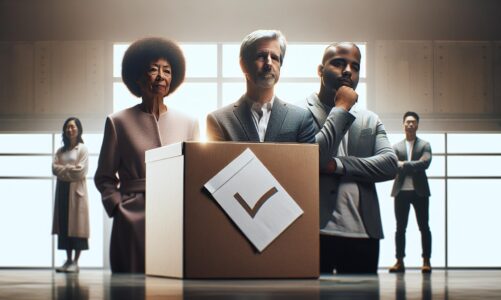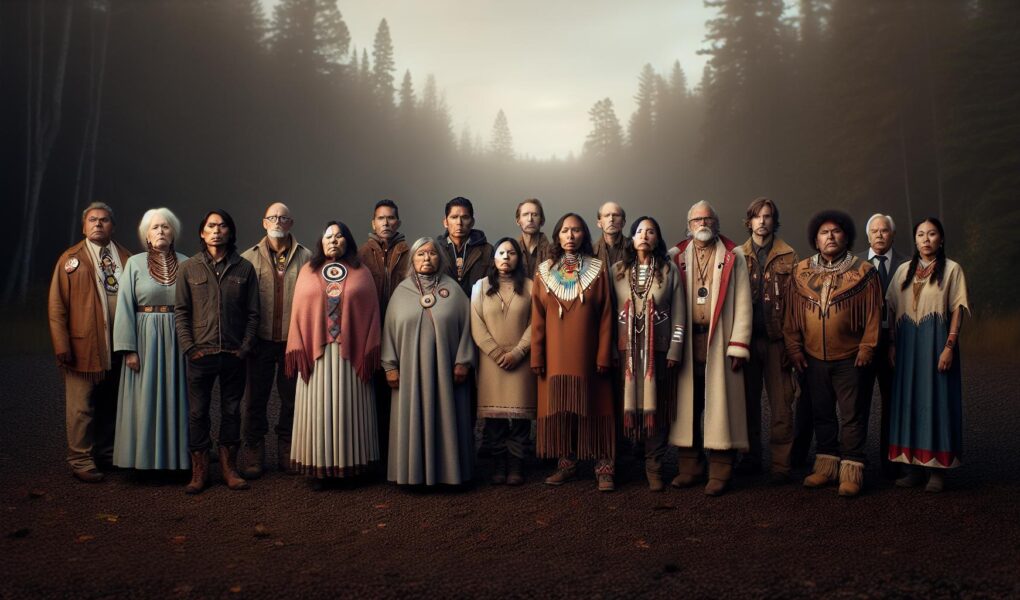
Did you know that Indigenous people in Canada were systematically excluded from voting for decades, despite being full citizens? Understanding when and how Indigenous peoples gained the right to vote uncovers a crucial chapter in Canada’s journey toward equality and justice. This timeline not only traces key legal milestones but also reveals the ongoing challenges Indigenous communities have faced in asserting their political voice. Whether you’re exploring Canadian history,advocating for Indigenous rights,or simply curious about democracy’s evolution,learning this history highlights the resilience behind a fundamental human right that shapes our society today. Keep reading to discover the pivotal moments that transformed Indigenous suffrage and what they mean for Canada’s democratic landscape. [[1]] [[2]] [[3]]
Table of Contents
- Historical Voting Rights Restrictions for Indigenous Peoples in Canada
- Key Legal Milestones Granting Indigenous Voting rights
- Provincial Variations in Indigenous Voting rights Over Time
- The Impact of the 1960 canadian Federal Vote extension
- role of Indigenous Activism in Changing Voting Laws
- Challenges Indigenous Voters Faced After Gaining the Vote
- Modern Advances in Indigenous Electoral Participation
- How Voting Rights Affect Indigenous Political Representation
- Comparing Indigenous Voting Rights in Canada and Other Countries
- Ongoing Barriers and Efforts to Improve Indigenous Voting Access
- Frequently asked questions
- Q: How did Indigenous voting rights in Canada differ before and after 1960?
- Q: What were common barriers Indigenous voters faced after gaining the right to vote in Canada?
- Q: How do provincial voting laws impact Indigenous voter turnout in Canada today?
- Q: Why is Indigenous political representation important after gaining voting rights in Canada?
- Q: What role has Indigenous activism played in securing voting rights in Canada?
- Q: How do Canada’s Indigenous voting rights compare internationally?
- Q: What steps can be taken to improve Indigenous voter access in future elections?
- Q: How has the introduction of online and mail-in voting affected Indigenous voter participation in Canada?
- Key Protocols & Standards: People Apart Of Indigenous Getting The Right To Vote In Canada
- Insights and Conclusions
Historical Voting Rights Restrictions for Indigenous Peoples in Canada

Long before Indigenous peoples in Canada could exercise their democratic rights, systemic barriers effectively excluded them from voting. From Confederation in 1867, Indigenous status and enfranchisement were deeply intertwined wiht colonial policies aimed at assimilation and control rather than inclusion.For much of Canadian history, Indigenous peoples-especially those recognized as “Status Indians” under the Indian Act-were legally barred from voting in federal elections unless they renounced their Indian status, a process called enfranchisement that came with important personal and cultural costs.
This exclusion was not merely a bureaucratic hurdle but a reflection of broader colonial attitudes that denied Indigenous peoples political agency.The Indian Act’s enfranchisement policy,introduced in the late 19th century,essentially forced Indigenous individuals to give up their treaty rights,culture,and identity in exchange for the right to vote. Many Indigenous people resisted this coercive policy, valuing their community membership and identity over participation in a system that marginalized them. As a result, Indigenous voters remained marginalized for decades, unable to influence decisions that directly affected their lives and lands.
Throughout the early and mid-1900s, Indigenous people encountered significant legal restrictions and social obstacles that varied by province and federal jurisdiction. Some provinces imposed additional barriers or extended voting privileges only partially, creating a patchwork of disenfranchisement. Such as, even when Indigenous individuals could vote in certain provinces, their participation was frequently enough limited by discriminatory practices, lack of accessible polling stations on reserves, and systemic underrepresentation in political processes. These compounded challenges meant that even those few Indigenous voters who navigated legal restrictions faced an uphill battle to exercise their democratic rights fully.
- Enfranchisement policies demanded cultural assimilation for voting rights.
- Federally,Indigenous people could only vote if they gave up their legal status.
- Provincial voting rights varied greatly, creating inconsistencies.
- Social and logistical barriers remained even when legal restrictions eased.
understanding this fraught history sheds light on why the struggle for Indigenous suffrage in Canada was more than a legal issue-it was a fight for recognition, respect, and survival of identity. For contemporary indigenous voters and advocates, knowing this background is essential to appreciating ongoing efforts to remove barriers and ensure equitable participation in Canadian democracy.[[1]] [[2]]
Key Legal Milestones Granting Indigenous Voting rights

Canada’s path toward recognizing Indigenous peoples’ right to vote is marked by significant legal milestones that reflect a slow, uneven progress shaped by complex political and social forces. One striking fact is that it was not until 1960 that all Status Indians gained the unconditional right to vote in federal elections-a milestone that came after nearly a century of exclusion and conditional enfranchisement, revealing just how recent full electoral inclusion really is.
Early changes to voting rights came primarily through legislation intertwined with assimilation policies. The Indian Act’s enfranchisement policies in the late 19th and early 20th centuries were explicitly designed to encourage Indigenous people to give up their legal status and cultural identity in exchange for limited political rights. However, these policies were coercive and rejected by many Indigenous communities.The gradual dismantling of these provisions unfolded over decades, often requiring Indigenous voters to meet specific qualifications or renounce status to participate. This approach created a fragmented landscape of voting rights that varied across jurisdictions and time periods.
Important Legislative Landmarks in Indigenous Enfranchisement
- 1951 Amendments to the indian Act: These amendments removed some of the more coercive aspects of enfranchisement, such as mandatory loss of status for Indigenous Canadians who earned degrees or served in the military, opening doors to limited political participation without full assimilation.
- 1960 Federal Election Act Change: The landmark federal law granted all Status Indians the right to vote in federal elections without giving up their Indian status. This final federal barrier ensured the removal of enfranchisement as a prerequisite for voting, a transformative step in Indigenous political rights.
- Provincial Voting Rights: Before 1960, provinces individually determined Indigenous voting eligibility for provincial elections. For example, Ontario granted voting rights to Indigenous peoples in provincial elections as early as 1934, while others lagged behind.
Practical Takeaways for Indigenous Voters and Advocates
Understanding these milestones is key to navigating today’s electoral environment. Even after receiving the formal right to vote, Indigenous communities frequently enough faced-and in certain specific cases continue to encounter-barriers such as remote polling locations and voter identification issues. Awareness of the historical context helps underline the importance of electoral education, advocacy for accessible voting opportunities on reserves, and ongoing legal reforms to address lingering inequalities. Indigenous-led organizations continue to build on this legal foundation by working to improve voter engagement and representation.
| Year | Legal Milestone | Impact |
|---|---|---|
| 1951 | Indian Act amendments | Relaxed some enfranchisement conditions, began reversing forced assimilation |
| 1960 | Extension of federal vote to all Status Indians | Universal federal voting rights without loss of status |
| 1934 | Ontario extends provincial vote to Indigenous peoples | Early provincial enfranchisement precedes federal reform |
By considering these key moments, readers gain a clearer picture of both the legal struggles Indigenous peoples faced and the nature of their victories. These milestones serve not just as historical facts but as reminders that voting rights are foundational to political agency and community empowerment. While the right to vote is now legally guaranteed, the fight for true electoral equity and representation continues to this day.
Provincial Variations in Indigenous Voting rights Over Time
Long before the federal government extended voting rights to all Indigenous peoples in 1960, provincial governments carved out a patchwork of eligibility rules that created vastly different experiences across Canada. This uneven landscape reflected varying political climates, local pressures, and entrenched attitudes toward Indigenous communities. Some provinces moved sooner to grant Indigenous residents the right to vote in provincial elections, while others lagged behind, leaving many Indigenous peoples disenfranchised for decades.
Ontario stands out early on as a notable example, having granted provincial voting rights to Indigenous people as far back as 1934. This progressive move was ahead of its time and contrasted sharply with other regions where Indigenous voting rights were tied to onerous conditions, such as renouncing Indian status or meeting property ownership criteria. For voters and advocates, this variation meant that Indigenous political participation was not only a matter of federal law but also deeply influenced by local and regional policies, creating a fragmented experience across the country.
Critical Differences Among Provinces
- British Columbia delayed Indigenous voting rights in provincial elections until 1949, partly due to the dominance of settler attitudes resistant to Indigenous enfranchisement.
- Manitoba and Saskatchewan followed suit only after World War II, motivated partly by Indigenous veterans returning and demanding full citizenship rights.
- In contrast, Quebec did not fully extend provincial voting rights to Indigenous peoples until nearly the same time as the federal government’s 1960 decision, reflecting slower regional acceptance.
These provincial variations posed practical challenges for Indigenous voters: their ability to participate in provincial democratic processes depended not only on their status but also on where they lived. Such regional disparities also impacted local political representation and the ability for Indigenous voices to influence policies at the provincial level.
What This Means for Voters and Advocates Today
Understanding these regional differences is vital when looking at Indigenous voter engagement across Canada. For advocates working to increase Indigenous participation, recognizing that past provincial variations still have echoes today is critically important in framing electoral education programs and voter outreach. Indigenous voters may face lingering confusion over their rights, especially in provinces with a history of delayed enfranchisement or where jurisdictions continue to treat Indigenous electorates inconsistently.For Indigenous communities, this history underscores the need for tailored strategies that consider provincial election laws and voting accessibility issues unique to their region. Advocates can support this by:
- Partnering with provincial electoral offices to ensure Indigenous perspectives inform voting policies
- Providing clear, culturally appropriate election facts that accounts for historical voting restrictions
- Promoting local leadership that can bridge Indigenous communities and provincial political systems
| Province | Year Indigenous Voters Granted Provincial Voting Rights | Notes |
|---|---|---|
| Ontario | 1934 | Early provincial enfranchisement ahead of federal law |
| British Columbia | 1949 | Extended rights later with societal resistance |
| Manitoba | Post-WWII (Late 1940s) | Influenced by Indigenous veterans’ advocacy |
| Saskatchewan | Post-WWII (Late 1940s) | Similar to Manitoba’s timeline |
| Quebec | Circa 1960 | Close to federal enfranchisement date |
By contextualizing these provincial disparities, Indigenous voters and allies can better appreciate both the strides made and the persistent regional complexities. This awareness enriches efforts to ensure electoral justice is not simply a federal mandate but a truly inclusive reality that addresses local histories and ongoing challenges.
The Impact of the 1960 canadian Federal Vote extension

The 1960 extension of the federal vote to all indigenous peoples was a landmark turning point in Canada’s democratic landscape, marking the official recognition of Indigenous citizens as full participants in the country’s electoral process. Before this change, many Indigenous Canadians were excluded from voting federally unless they gave up their Indian status-a choice that forced them to renounce significant cultural and legal rights. This federal enfranchisement not only corrected a glaring injustice but also symbolized a pivotal shift toward acknowledging Indigenous peoples as equal stakeholders in canadian society.Yet the effects of this enfranchisement went beyond legal recognition.For many Indigenous communities, gaining the vote was both empowering and complex. While the extension removed a major electoral barrier, it did not immediately erase entrenched social and systemic obstacles. Voting access remained challenging due to geographic isolation in some communities, limited infrastructure, and a lack of culturally relevant electoral information. indigenous voters frequently enough faced administrative hurdles, such as difficulties in registering or skepticism from local officials unaccustomed to Indigenous participation. Recognizing these challenges helps explain why increased political engagement was gradual rather than instantaneous.
Practical Steps for Enhancing Indigenous Voter Participation Post-1960
- Community-Based Voter Education: Tailoring electoral information to Indigenous languages and cultural contexts strengthens awareness and encourages voter turnout.
- Mobile Polling Stations and Infrastructure Investment: Bringing polling stations closer to remote communities reduces the travel and accessibility burdens that can deter voting.
- Partnerships with Indigenous Leadership: Collaborations between electoral agencies and Indigenous governments help build trust and tailor election processes to community needs.
Despite these ongoing hurdles, the 1960 vote extension laid the foundation for Indigenous peoples to assert their political voice both locally and nationally. It opened doors for Indigenous candidates to run for office and influence policy, gradually shifting the political landscape toward greater inclusivity.Importantly, this reform also highlighted the need for continued vigilance and advocacy, as legal voting rights alone did not guarantee equitable representation or participation. Indigenous activists and communities have as leveraged this enfranchisement to push for reforms addressing the wider systemic barriers that still affect Indigenous voters today.
role of Indigenous Activism in Changing Voting Laws

The drive for Indigenous voting rights in Canada was not granted freely or effortlessly; it was the result of persistent, heroic activism by indigenous leaders and communities who challenged systemic discrimination and government policies that sought to marginalize them politically. Well before the 1960 federal enfranchisement, Indigenous advocates engaged in grassroots organizing, public awareness campaigns, and legal challenges that exposed the injustice of denying voting rights purely based on Indigenous identity. Their activism underscored that voting was not merely a legal entitlement but a fundamental expression of sovereignty, dignity, and citizenship.
indigenous activism uniquely combined cultural resilience with political savvy. Leaders like George Manuel and organizations such as the Assembly of First nations played pivotal roles in lobbying government institutions and educating the public on the necessity of Indigenous inclusion in democratic processes. These efforts highlighted not just the inequality of disenfranchisement but also the broader struggle against colonial policies that sought to assimilate and suppress Indigenous identities. Community-driven petitions, legal appeals, and strategic alliances with sympathetic politicians eventually pressured the federal government to repeal exclusionary voting laws.
Key Strategies and Impact of Indigenous Activism
- Legal Challenges: Indigenous activists strategically used the legal system to challenge the Indian Act provisions that tied voting rights to loss of Indian status, forcing governments to reconsider discriminatory statutes.
- Public Advocacy and education: Mobilizing public opinion through media, lectures, and events helped shift societal views, demonstrating that enfranchisement was a matter of human rights and democratic fairness.
- Political Engagement: Encouraging Indigenous candidates to run for office created visible representation and emphasized indigenous peoples’ capability and right to participate fully in political life.
Today,the legacy of this activism continues to inspire new generations of Indigenous leaders and voters. Understanding the history of Indigenous efforts reminds us that voting rights were-and remain-contested terrain shaped by resilience and collective action.For readers interested in fostering political inclusion, supporting Indigenous-led voter education initiatives and advocating for removal of residual barriers remains vital.Indigenous activism not only changed laws but also transformed the political landscape,making equity in participation a shared societal goal.
Challenges Indigenous Voters Faced After Gaining the Vote
long after Indigenous people in Canada secured the legal right to vote, many continued to face substantive barriers that hindered their full political participation. Gaining the vote did not automatically dissolve systemic challenges embedded within the electoral process, nor did it resolve ongoing social and institutional obstacles rooted in historical marginalization. These challenges often took the form of practical, administrative, and attitudinal barriers, all of which contributed to disproportionately low Indigenous voter turnout and underrepresentation.
One persistent issue involved the geographic isolation of many Indigenous communities.Limited infrastructure and inaccessible polling stations made it challenging for Indigenous voters to cast ballots easily. transportation costs, limited advance polling options, and complicated voter registration processes created tangible hurdles. In some cases, Indigenous voters lacked necessary identification documents due to bureaucratic complexities or displacement, compounding difficulties in meeting voting requirements. Community-driven solutions included coordinated transportation to polling locations and mobile polling stations, which helped mitigate some access barriers.
societal and Institutional Challenges
While legal enfranchisement was a vital first step, Indigenous voters frequently enough contended with widespread discrimination and prejudice from election officials and other voters.Instances of voter suppression tactics, such as misinformation or discouragement campaigns, were reported in various regions. The legacy of colonialism triggered distrust toward governmental institutions, discouraging some Indigenous individuals from engaging with the electoral system. Overcoming this required Indigenous organizations to implement voter education programs that built trust and demystified the voting process, emphasizing how electoral participation can influence community priorities.
- Disenfranchisement through Administrative Policies: Some provinces maintained policies that indirectly suppressed indigenous voters, like residency requirements complicated by the history of forced removals and relocations.
- Language Barriers: Voting materials and ballots were often unavailable in Indigenous languages,limiting comprehension and voter confidence.
- Political Marginalization: Indigenous voices historically lacked representation within political parties, leading to a sense of alienation from mainstream political discourse.
Building Pathways Forward
In addressing these challenges, Indigenous communities and advocacy groups have stressed the importance of culturally relevant voter engagement and electoral reforms. Practical steps include providing polling information in Indigenous languages, training election workers in cultural competency, and promoting Indigenous candidates to amplify community voices. For individuals interested in fostering Indigenous voter participation, supporting local Indigenous-led voter registration drives and advocating for easier voting access-such as mail-in ballots and increased polling stations on reserves-can make a significant difference.
Understanding the multi-layered obstacles faced after enfranchisement underscores that voting rights are about more than legal status-they require proactive inclusivity measures to realize true democratic participation. Only by recognizing and confronting these ongoing barriers can Canada move towards a political system where Indigenous voters are fully empowered and fairly represented.
Modern Advances in Indigenous Electoral Participation

Indigenous electoral participation in Canada has seen significant strides in recent decades, fueled by both technological innovation and a growing recognition of the importance of culturally relevant political engagement.One of the most notable advances has been the expanded use of digital platforms for voter education and registration, which has helped bridge gaps caused by geographic isolation. For many Indigenous communities in remote areas, online resources provide accessible information about voting dates, candidate platforms, and election procedures, often shared via community websites, social media channels, and Indigenous-led organizations.This digital shift makes critically important electoral knowledge more readily available, especially to younger generations who are digitally connected but may feel disconnected from conventional political processes.
Additionally, partnerships between Elections Canada and Indigenous organizations have led to the implementation of mobile polling stations and extended voting periods on reserves and in northern communities. These measures are designed to address enduring logistical barriers, such as travel difficulties and limited transportation infrastructure, thereby facilitating higher turnout. Communities have also benefited from targeted voter engagement campaigns that are jointly developed with Indigenous leaders to ensure messaging resonates with cultural priorities and community values. For example,some regions have introduced voting information in Indigenous languages,combating language barriers that once discouraged participation.
Empowering Voters Through Representation and Education
Voter turnout improves when potential voters see themselves reflected in political candidates. Modern advances include the increasing number of Indigenous candidates running for office at municipal, provincial, and federal levels, which has contributed to greater indigenous visibility in governance. Moreover, Indigenous advocacy groups have played a crucial role in organizing culturally grounded voter education workshops, clarifying how voting impacts issues like land rights, environmental stewardship, healthcare, and education. These workshops frequently enough blend traditional storytelling with contemporary civic education, creating engaging forums that build trust and political efficacy.
- Localized voter registration drives coordinated by Indigenous organizations ensure that residents are registered and understand their voting rights.
- Culturally competent training for election workers helps reduce discrimination and misinformation at polling stations.
- Increased availability of mail-in ballots and early voting options provide flexibility for voters with demanding schedules or remote living situations.
Ultimately, these innovative approaches demonstrate how Indigenous communities are proactively shaping their political futures-not merely relying on legal rights, but actively transforming the electoral landscape to be more inclusive and accessible.For readers interested in supporting this progress, engaging with indigenous-led political advocacy, volunteering for voter outreach initiatives, or promoting policies that improve electoral infrastructure on indigenous lands are meaningful ways to contribute.
| modern Initiative | Description | Impact |
|---|---|---|
| Digital Voter education Platforms | Online resources tailored for Indigenous communities | Increased awareness and participation, especially among youth |
| Mobile and On-Reserve Polling Stations | Polling stations set up in remote and Indigenous locations | Reduced logistical barriers, improved accessibility |
| Indigenous Candidate Support Programs | Training and support for Indigenous political candidates | Higher Indigenous representation in elected offices |
| Culturally Relevant Voter Workshops | educational events integrating Indigenous perspectives | Greater voter confidence and understanding |
How Voting Rights Affect Indigenous Political Representation

Indigenous political representation in Canada has been profoundly shaped by the historical extension of voting rights. Gaining the right to vote did not just symbolize legal inclusion-it opened the door to Indigenous voices influencing political decisions that directly impact their communities.As Indigenous peoples began participating more fully in elections, they also started to challenge the political status quo, pushing for policies and leadership that better reflect their values, needs, and aspirations.
The presence of Indigenous candidates in municipal, provincial, and federal elections has steadily increased, illustrating the link between enfranchisement and representation. When Indigenous voters see candidates who understand their culture and concerns, voter engagement frequently enough improves. This representation fosters political accountability and brings Indigenous issues-such as land rights,access to health care,and education equity-into legislative debates where they might have previously been sidelined. Furthermore, the election of Indigenous leaders not only empowers communities but also encourages the younger generation to engage politically, creating a positive feedback loop of participation and leadership.
Strategies to Strengthen Indigenous Representation
Increasing Indigenous political representation requires ongoing efforts beyond voting rights alone. Community-driven candidate support programs are essential, providing leadership training, campaign resources, and mentorship tailored to indigenous perspectives. These initiatives help dismantle barriers like limited access to funding or political networks that often inhibit Indigenous participation in politics.
- voter Education: Culturally relevant education campaigns inform voters about the importance of their participation and how it translates into real-world changes.
- Candidate Progress: Programs that nurture Indigenous leadership skills and political acumen help prepare candidates for the distinct challenges of electoral politics.
- Electoral Reform Advocacy: Some Indigenous groups advocate for reforms, such as proportional representation or reserved seats, to ensure fairer electoral outcomes.
These strategies are crucial for creating a political environment where Indigenous peoples don’t just vote but have equitable opportunities to lead and influence governance.
Impact on Policy and Community Development
Indigenous representatives often bring unique and urgent priorities to political platforms that can reshape national discussions and local policies. Their lived experience and community connections enable them to advocate effectively for:
- Protection of Indigenous lands and resources, ensuring development does not come at the cost of environmental and cultural heritage.
- Improvement of social services, especially healthcare and education, tailored to Indigenous realities.
- Recognition and implementation of Indigenous rights, including treaty obligations and reconciliation measures.
By holding office, Indigenous politicians act as vital bridges between Indigenous communities and broader governmental structures, helping to ensure policy decisions are informed by Indigenous knowledge and priorities.
Ultimately, voting rights are foundational, but achieving meaningful Indigenous political representation requires sustained commitment-from governments, communities, and individuals-to invest in leadership, voter support, and systemic change. Those interested in fostering Indigenous political empowerment can contribute by supporting Indigenous candidate initiatives, engaging in culturally competent voter education, and advocating for inclusive electoral policies that ensure Indigenous voices are heard loudly and clearly across Canada.
Comparing Indigenous Voting Rights in Canada and Other Countries
The journey toward enfranchisement for Indigenous peoples varies widely across the globe, reflecting diverse colonial histories, legal frameworks, and socio-political dynamics. While Canada’s milestone in 1960, when the federal vote was extended to all Indigenous people regardless of treaty status or enfranchisement, marked a pivotal moment, other countries’ timelines and approaches differ significantly, offering instructive contrasts and shared lessons for Indigenous enfranchisement worldwide.
In countries like the United States and Australia, Indigenous voting rights were also attained unevenly and often late relative to other citizens. For example, many Indigenous Americans technically gained the right to vote with the passage of the Indian Citizenship Act in 1924, but state-level restrictions-such as literacy tests and residency requirements-continued to suppress Indigenous participation well into the mid-20th century.Similarly, Indigenous Australians were excluded from uniform federal voting rights until 1962, with some states allowing voting earlier, but actual enrollment and participation faced barriers related to citizenship status and discriminatory policies. These parallels highlight that legal enfranchisement does not immediately translate into genuine electoral inclusion, an insight valuable for understanding Indigenous political participation in Canada and beyond.
Key Differences and What They Reveal
- Legal vs. Practical Access: Countries frequently enough differentiate between formal voting rights and practical obstacles, such as identification requirements, language barriers, or geographic isolation. Canada faced similar challenges, especially in remote northern communities, prompting ongoing efforts to improve voter access through mobile polls and culturally appropriate voter education.
- Recognition of Indigenous Sovereignty: some nations incorporate Indigenous governance within their electoral systems more explicitly, offering reserved seats or special representation mechanisms (e.g., New Zealand’s Māori electorates), which Canada is increasingly discussing as a way to enhance Indigenous political power beyond standard voting rights.
- Impact of Activism: Indigenous activism played a critical role worldwide-from Canada’s grassroots movements to Australia’s 1967 referendum campaign and the U.S. civil rights era-underscoring the importance of Indigenous-led efforts to challenge systemic exclusion and advocate for complete electoral reforms.
Practical Takeaways for Strengthening indigenous Voting Rights
from these international experiences, communities and policymakers can draw practical advice to bolster Indigenous electoral participation:
- Empower culturally safe and accessible voting environments, incorporating Indigenous languages and customs to reduce alienation and confusion at the polls.
- Implement and support legal frameworks that recognize Indigenous self-determination, potentially including designated Indigenous seats or consultation requirements, to ensure meaningful influence within government structures.
- Address systemic barriers beyond legislation, such as socioeconomic disparities, education gaps, and exposure to institutional racism, which often hinder Indigenous voters despite formal rights.
- Leverage technology and targeted outreach, including mobile polling stations and online voter registration suited to remote communities, as pioneered in parts of Canada and internationally.
| Country | Year of Full Indigenous Voting Rights | Special Indigenous Electoral Provisions | Ongoing Challenges |
|---|---|---|---|
| Canada | 1960 (federal) / Varied provincial timelines | Discussions on reserved seats ongoing | Access in remote areas, voter ID issues, underrepresentation |
| United States | 1924 (Citizenship Act), but varied restrictions followed | No reserved seats, localized tribal governance recognized | State suppression tactics, disenfranchisement persistence |
| Australia | 1962 (federal), earlier in some states | No reserved seats, but formal recognition attempts increasing | Socioeconomic barriers, cultural exclusion, low turnout |
| New Zealand | Mid-19th century (with Māori electorates since 1867) | Reserved Māori seats in Parliament | Balancing general vs. reserved representation debates |
Understanding this broader context enriches the conversation about Indigenous voting rights in Canada, emphasizing that enfranchisement is both a legal milestone and an ongoing process. by learning from other nations’ successes and challenges, Canada-and Indigenous communities themselves-can continue to innovate effective strategies that ensure voting is not only a right but a genuine vehicle for political empowerment and self-determination.
Ongoing Barriers and Efforts to Improve Indigenous Voting Access

Indigenous voters in Canada continue to face a complex web of challenges long after securing the federal right to vote in 1960. Geographic isolation remains one of the most persistent obstacles; many Indigenous communities are located in remote or northern regions where access to polling stations and timely election information can be limited.This physical distance not only complicates voter registration and turnout but also hampers the delivery of culturally relevant voter education, which is crucial for empowering Indigenous electors. Additionally, standard voter ID laws frequently enough disproportionately affect Indigenous peoples, especially those living on reserves or in transient housing conditions where obtaining government-issued identification proves difficult.
efforts to dismantle these barriers have gained momentum in recent years, spearheaded both by Indigenous organizations and government bodies. Mobile polling stations and advancing online registration tools are practical innovations designed to reach voters where they live. As an example, some First Nations communities have collaborated with elections Canada to pilot satellite voting offices or mail-in ballots that respect the unique logistical realities of isolated areas. at the same time, Indigenous-led voter engagement campaigns increasingly stress the importance of culturally safe environments-using Indigenous languages, symbols, and community liaisons to foster trust and reduce alienation at the polls.
Addressing systemic Barriers Beyond Geography
Beyond physical access, systemic issues such as socio-economic disparities, historical distrust in government institutions, and cultural dissonance continue to inhibit full electoral participation. Many Indigenous voters face obstacles stemming from poverty, lack of transportation, and educational inequities that impact civic engagement.Moreover, discriminatory practices or procedures-sometimes unintentional-within electoral systems can discourage Indigenous turnout. In response, community-based organizations are offering voter workshops, civic education tailored to Indigenous contexts, and support services designed to navigate bureaucratic hurdles.
The conversation is also expanding toward political representation that goes beyond the ballot box. Discussions on reserved Indigenous seats within provincial and federal legislatures aim to amplify Indigenous voices and ensure their perspectives shape policy outcomes directly. these dialogues underscore the crucial interplay between access and influence, recognizing that voting rights alone do not guarantee equitable political participation or respect for Indigenous sovereignty.
- Leverage mobile and online voting technologies to accommodate remote populations and improve turnout.
- Create culturally inclusive voter education programs, incorporating Indigenous languages and customs.
- Collaborate with Indigenous leaders and community groups to build trust and tailor electoral processes to local needs.
- Advocate for changes in voter ID and residency requirements to prevent inadvertent disenfranchisement.
| Barrier | Impact on Indigenous Voters | Ongoing Efforts |
|---|---|---|
| Geographic Remoteness | Limited access to polling stations, low information flow | Mobile polling stations, mail-in ballots, online registration |
| Voter ID and Residency Rules | Difficulties obtaining needed ID, proving address | Advocacy for flexible ID policies, community outreach |
| Cultural and Linguistic Barriers | Alienation at polls, lack of relevant information | Indigenous-language materials, culturally safe voter education |
| Systemic Socioeconomic Issues | Lower turnout due to poverty, education gaps | Community-led civic education, support services |
Sustained progress depends on the active involvement of Indigenous communities in shaping policies that affect their electoral participation. By combining technological innovation,culturally centered approaches,and legal advocacy,Canada can continue to narrow the gap between formal enfranchisement and meaningful inclusion-transforming the right to vote into genuine political empowerment.
Frequently asked questions
Q: How did Indigenous voting rights in Canada differ before and after 1960?
A: Before 1960, Indigenous peoples in Canada were largely excluded from federal voting unless they gave up their treaty rights. After 1960, all Indigenous canadians gained the unconditional right to vote federally, marking a major shift in enfranchisement. Learn more about the 1960 federal vote extension in the main article’s timeline section.
Q: What were common barriers Indigenous voters faced after gaining the right to vote in Canada?
A: Despite legal voting rights, Indigenous voters often faced barriers like lack of polling stations on reserves, voter intimidation, and limited voter information access.Understanding these challenges helps identify ongoing efforts to improve Indigenous electoral participation detailed in our coverage of modern advances.
Q: How do provincial voting laws impact Indigenous voter turnout in Canada today?
A: Provincial voting rules vary, affecting Indigenous voter turnout through differences in voter registration, ID requirements, and access to polling stations. For specific provincial differences and their effects on Indigenous communities,see the section on provincial variations in Indigenous voting rights.
Q: Why is Indigenous political representation important after gaining voting rights in Canada?
A: indigenous political representation ensures that Indigenous voices shape policies impacting their communities. voting rights empower Indigenous peoples to elect leaders who reflect their interests, strengthening self-determination and advocacy as discussed under electoral participation impacts.
Q: What role has Indigenous activism played in securing voting rights in Canada?
A: Indigenous activism was crucial in overturning discriminatory laws by raising awareness and pushing governments toward reform. Persistent efforts culminated in key legal milestones, including the 1960 federal vote extension, covered extensively in the history of Indigenous activism in voting rights.
Q: How do Canada’s Indigenous voting rights compare internationally?
A: Compared to other countries, Canada achieved federal Indigenous voting rights relatively late but has progressive policies today. This contrasts with varying timelines and ongoing struggles globally, elaborated in the comparative section on Indigenous voting rights worldwide.
Q: What steps can be taken to improve Indigenous voter access in future elections?
A: Improving access involves increasing polling stations on or near reserves, providing culturally relevant voter education, and reducing bureaucratic voting barriers.For actionable recommendations, see the article’s discussion on ongoing barriers and efforts to enhance Indigenous voting access.
Q: How has the introduction of online and mail-in voting affected Indigenous voter participation in Canada?
A: Online and mail-in voting options have increased accessibility for many Indigenous electors, especially in remote areas, but challenges remain with internet access and voter awareness. Explore these modern advances further in the section about electoral participation technologies.
For a deeper dive into each topic,explore related sections such as Key Legal milestones and Modern Advances in Indigenous Electoral Participation in the complete timeline article.
Stay informed on Indigenous voting rights and help support continued progress in equitable electoral access.
Key Protocols & Standards: People Apart Of Indigenous Getting The Right To Vote In Canada
When reviewing requirements regarding people apart of indigenous getting the right to vote in canada within Canadian legal, electoral, and parliamentary frameworks, accuracy and proper procedural adherence are paramount. Ensuring correct alignment with official guidelines guarantees clear communication and compliance with regulatory standards.
- Jurisdiction & Procedure: Determine whether the matter pertains to municipal, provincial, or federal governance before initiating formal actions.
- Record Documentation: Retain verified copies of all submissions, date stamps, and official case numbers for administrative review.
What is the recommended protocol regarding people apart of indigenous getting the right to vote in canada?
Always verify jurisdictional authority, adhere to official formatting standards, and retain comprehensive documentation for future verification.
Insights and Conclusions
Understanding when Indigenous people gained the right to vote in Canada reveals a critical chapter in the nation’s journey toward equality and justice. This timeline highlights not only the milestone dates but also the ongoing challenges and progress related to Indigenous voting rights and political participation. If you’re interested in deeper insights, explore our articles on Canada’s Indigenous History and The Evolution of voting Rights in Canada to broaden your understanding of these pivotal issues.
To stay informed about important updates and related topics, consider signing up for our newsletter-delivering expert analysis and the latest developments directly to your inbox. Whether you’re researching for advocacy, education, or personal knowledge, our resources and guides will support your next steps. Join the conversation below by sharing your thoughts or questions, and continue exploring how Indigenous rights shape Canada’s future.Your engagement helps foster awareness and change.
Get our latest guides, news, and insights highlighted in your Google Search & AI Overviews.