
Did you know that knowing exactly where to vote is one of the simplest steps you can take to make your voice heard in canada’s federal elections? finding your polling station ensures you won’t miss the chance to participate in shaping the country’s future-a right and obligation that every Canadian citizen values. Whether you’re a first-time voter or returning after years, locating your correct polling place can sometimes feel confusing, especially with changes in electoral districts or voting options. This guide is designed to clear up any uncertainty by walking you through easy, practical steps to find where you can cast your ballot-whether on election day or in advance. By understanding how and where to vote, you empower yourself to take part confidently in the democratic process. Keep reading to discover how rapid and straightforward it is to pinpoint your polling station and join millions of Canadians in exercising this significant right.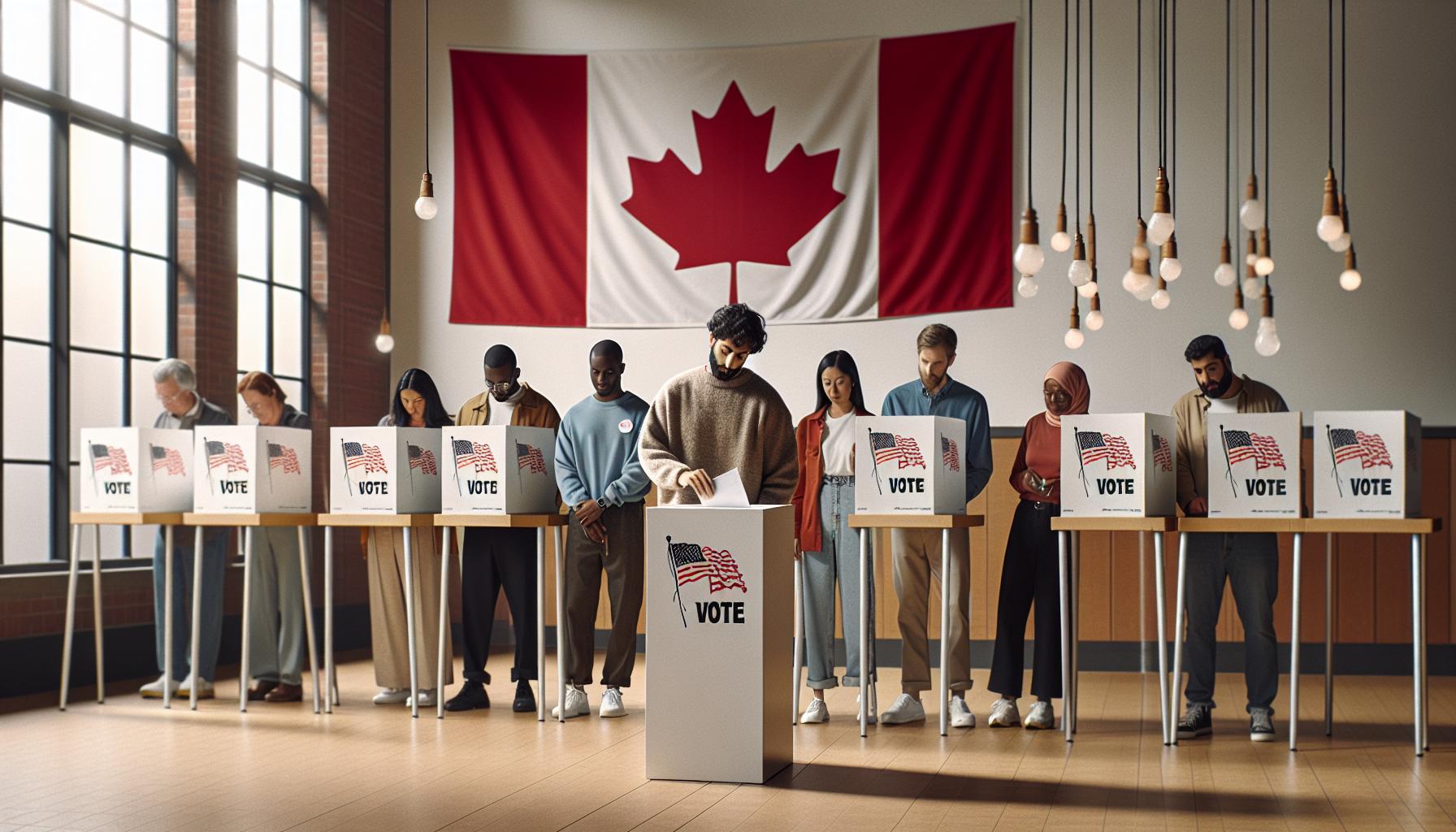
Table of Contents
- How to Locate Your Canadian Polling Station Easily
- Understanding Electoral Districts and Ridings in Canada
- Step-by-Step Guide to Registering to Vote
- Using Online tools to Find Your Polling Location
- Important Identification Requirements for Voting
- What to Expect When You Arrive at Your Polling Station
- Options for Advance and Mail-In Voting in Canada
- Common Issues and How to Resolve Polling Station Problems
- Key Dates and Deadlines for Voting in Canada
- Tips for Voting with Accessibility Needs
- How to Confirm Your Voter Registration Status Online
- Frequently Asked Questions
- Q: Can I change my polling station on election day in Canada?
- Q: How do military personnel find their polling stations in Canada?
- Q: What should I do if my polling station is closed or missing on voting day?
- Q: Are polling stations in Canada accessible for voters with disabilities?
- Q: How early can I vote at my polling station before election day in Canada?
- Q: Can I bring someone with me to the polling station in Canada?
- Q: What documents are accepted as proof of address when voting in Canada?
- Q: How can I verify my polling station if I recently moved within canada?
- Future Outlook
How to Locate Your Canadian Polling Station Easily
Finding your specific polling station in Canada is simpler than you might think, and knowing exactly where to vote can save you time and reduce stress on election day. Every Canadian elector is assigned a polling station based on their residential address and electoral district, so understanding this connection is key. While you might assume you can vote anywhere, federal election rules require voters to go to their assigned civilian polling station-this ensures your vote counts correctly within your electoral riding.
To locate your polling station quickly, start by visiting the official elections Canada website, which provides personalized facts once you enter your home address or postal code. This tool not only confirms the exact location but also shows you the hours it’s open and other relevant details such as accessibility features. If you’ve registered to vote online or by mail, you will often receive a voter information card by mail or email before election day, which clearly states your assigned polling location. Keep this card handy, as poll workers also refer to it for verification.
Practical tips for finding Your Polling Station
- Use your Voter Information card: This official card mailed by Elections Canada contains your polling station address and voting hours. It’s the most direct source for where you need to go.
- Check Online: Visit elections Canada’s polling station locator page. Enter your address or postal code for easy access to your designated polling site.
- Consider Your electoral District: your polling station corresponds to your electoral district, or “riding.” if you’re unsure of your riding, you can look it up online to cross-reference polling station information.
- Plan Ahead: Polling stations are often located in community centers, schools, or municipal buildings. Familiarizing yourself with these places ahead of time makes voting smoother on the actual day.
Even if you find yourself away from home on election day-say at work or travelling-it’s important to remember that voting must be done at your assigned polling station to be valid. While some exceptions exist (such as advance polls or mail-in ballots), showing up at a random polling place will not allow you to cast your vote. By confirming your location ahead and understanding your assigned station, you can participate confidently and efficiently when it counts most [[1]](https://www.elections.ca/content2.aspx?document=faqvot&lang=e§ion=faq).
Understanding Electoral Districts and Ridings in Canada
Every voter in Canada casts their ballot within a specific electoral district, commonly known as a “riding.” These ridings serve as the basic geographic units that structure the country’s representative democracy. Understanding the concept of your electoral district is crucial because your designated polling station is directly tied to it. Each riding has defined boundaries that group communities with similar demographics or geographic proximity, ensuring that representation in Parliament reflects local interests accurately.
Electoral districts vary significantly in size and population, shaped by demographic changes and periodic boundary adjustments managed by independent commissions. For example, urban ridings in cities like Toronto or Vancouver tend to be smaller geographically but densely populated, while rural ridings cover larger areas with sparser populations. This division means your polling location will be selected based on the riding in which your registered address falls, aligning your vote with the candidates running to represent your specific community.
How Riding Boundaries Affect Your Voting Experience
- Polling Station Assignment: You cannot vote at just any polling station; you must go to the one assigned to your riding. this ensures your vote is counted in the correct district.
- Locating Your Riding: Tools on the Elections Canada website allow you to enter your address or postal code to pinpoint your riding and associated polling place.
- Boundary Changes: Electoral district boundaries are reviewed every 10 years following the census, which can change your riding and polling station over time.
If you live near a riding boundary, it’s especially critically important to verify your assigned polling station each election cycle, as even a small shift can meen voting in a different location. Knowing your exact electoral district not only simplifies finding your polling place but also helps you learn about the candidates and issues specific to your area, empowering you to make informed decisions on election day[[1]](https://www.elections.ca/content.aspx?section=res&dir=cir&document=index&lang=e)[[2]](https://en.wikipedia.org/wiki/Electoral_district_(Canada)).
Step-by-Step Guide to Registering to Vote
Even if you’ve never registered to vote before, the process in Canada is straightforward and designed to accommodate a wide range of voters efficiently.What many first-time voters don’t realize is that registration can often be completed on the spot at your polling station, but you also have convenient options to register in advance.This flexibility ensures you can focus on the important part: casting your ballot.Your first step is to confirm your eligibility – you must be a Canadian citizen, at least 18 years old on election day, and have a verifiable Canadian address. If you meet these criteria, registering is as simple as providing proof of identity and your residential address. Examples of accepted identification include a driver’s license,a utility bill,or any government-issued ID that displays your name and address.
How to Register Before Election day
- Online Registration: Some provinces offer online tools where you can confirm or update your registration details ahead of time, saving time at the polls.
- In-Person Registration: Visit your local Elections Canada office or a designated registration center where staff can assist you with the process.
- Mail-in Registration: If you’re living outside Canada or temporarily away, you can apply to be added to the International Register of Electors and receive a special ballot by mail.
When you arrive at your polling station on election day, if you haven’t registered yet, officials will guide you through a quick registration process to ensure you’re added to the voters list, so your vote counts. This helps maintain an inclusive system that encourages participation from every eligible Canadian.
Tips for a Smooth registration Experience
- Have your identification ready: Bringing the right ID with your current address speeds up the process and avoids delays.
- Check your registration status beforehand: Use Elections Canada’s website or provincial voter registration tools to confirm your details and polling location.
- Update your information if needed: Moving recently? Changed your name? Update your address or personal details promptly to remain eligible to vote in the correct riding.
This proactive approach to voter registration ensures that on election day, you can focus on what matters most-making your voice heard confidently and without unnecessary waiting[[3]](https://www.elections.ca/content2.aspx?section=reg&document=index&lang=e)[[1]](https://travel.gc.ca/travelling/living-abroad/elections-faq).
Using Online tools to Find Your Polling Location
Finding your polling location has never been easier, thanks to a range of online tools designed to put this essential information at your fingertips. With a simple input of your postal code or residential address, these services quickly identify the polling station assigned to your electoral district, saving time and eliminating guesswork on election day. Whether you’re voting in a federal, provincial, or municipal election, these resources help ensure you head to the right place to cast your ballot without unnecessary stress.
One of the most reliable tools available is provided by Elections Canada.Their official website offers a user-pleasant polling station locator where voters can enter their details and receive immediate access to their designated voting site, complete with address and directions. This service often includes additional helpful information, such as hours of operation and accessibility features, crucial for planning your visit effectively. Many provinces complement this with their own platforms tailored to local elections, so checking regional election websites can also be beneficial.
Maximizing Online Tools for a Smooth Voting Experience
- Verify your voter registration status concurrently: Many online tools integrate voter registration checks, allowing you to confirm whether your information is current alongside finding your polling place.
- Plan for accessibility needs: Some tools highlight polling stations equipped to support voters with disabilities, including wheelchair access and assistance services, ensuring all Canadians can participate comfortably.
- Utilize mobile apps and services: In addition to websites, mobile-friendly platforms and apps like Vote Compass can offer interactive ways to engage with the election process, though their primary purpose is political alignment rather than locating polling places.
These resources are updated regularly to reflect changes due to boundary adjustments, new polling locations, or shifts in election scheduling, so it’s wise to check your polling station details a few days before voting. By taking advantage of these digital tools, voters can avoid common pitfalls such as showing up at the wrong site or missing polls due to confusion, stepping into election day well-prepared and confident[[1]](https://www.elections.ca/content2.aspx?dir=tol&document=index&lang=e§ion=acc)[[2]](https://votecompass.cbc.ca/).
Important Identification Requirements for Voting
Many Canadian voters underestimate the importance of bringing proper identification when they head to the polling station, but having the right ID can make the difference between a smooth voting experience and an unexpected delay. Canadian election officials require valid proof of identity,and in most cases,proof of your current residential address to ensure that you are eligible to vote in that particular electoral district. Fortunately, the options for acceptable ID are flexible, but knowing what’s accepted ahead of time is essential to avoid any last-minute surprises.
You don’t necessarily need multiple pieces of ID, but you must present either one document that proves both your identity and address, or two documents where one shows your name and the other shows your current address. This may include government-issued IDs such as a driver’s license or a provincial health card if it displays your address. other examples include Canada Post’s voter information card combined with another piece of government-issued ID bearing your name. Métis cards are also recognized as valid ID by Elections Canada, offering an additional option for Indigenous voters [[1]](https://www.elections.ca/content2.aspx?section=faq&document=faqidv&lang=e).
Accepted Forms of Identification: What You Can Use
- One Piece of valid ID with Name and Address: Driver’s license,provincial or territorial ID card,or a government-issued document with your current address
- Two Pieces of ID (One with Name,One with Address): Voter information card plus a bank statement,utility bill,or any government-issued document showing your name or address
- Additional Accepted Documents: Métis cards,certificates of Indian status,or documents certified by a court in Ontario showing name and address
Even expired IDs can be accepted as long as your name and current address on them remain accurate,which allows voters some flexibility if their ID has recently lapsed [[3]](https://liberal.ca/voting-id-requirements/). Remember that photocopies of ID documents are generally not accepted at polling stations; the ID must be shown in its original form, though electronic versions displayed on a mobile device may be permitted for certain official papers.
tips to Avoid ID-Related Issues on Election Day
- Check in advance which documents qualify: Election websites provide lists of accepted ID to help you prepare.
- Bring extra documents: If you’re unsure or don’t have one ID with both name and address, bring two IDs to cover all bases.
- Keep your voter information card handy: This card not only directs you to your polling station but also helps satisfy ID requirements.
- Use your preferred name carefully: If you use a name different from your government-issued ID, advise election staff in advance to ensure smooth verification [[1]](https://www.elections.ca/content2.aspx?section=faq&document=faqidv&lang=e).
By arriving well-prepared with valid identification that meets the guidelines specific to your federal or provincial election, you’ll significantly reduce wait times and avoid being turned away. Understanding these requirements empowers you to vote confidently,focusing on the important task of participating in your democracy.
What to Expect When You Arrive at Your Polling Station
Finding your way into a polling station is frequently enough the moment when theory meets practice on election day.It’s the final step where readiness ensures your voting experience is as smooth and efficient as possible. Upon arrival, you’ll be greeted by election staff who are there to guide you-whether it’s your first time voting or you’re a seasoned participant. Their primary role is to verify your identity and direct you through the process, so knowing what to expect can help ease any nerves.
First, you’ll approach a check-in table where election workers will ask for your identification. Remember to have your government-issued ID or a combination of documents ready (such as a voter information card alongside another piece of ID) to confirm your identity and address. This identification step is crucial because it ties you to your specific electoral district.Once confirmed, your name will be checked off the official voter list. If it’s your first time voting or you’ve recently changed your address, election officials may ask some additional questions to verify your information. Having your voter information card handy can significantly streamline this step, as it includes details like your polling location and registration status.
After check-in, you will be directed to a private voting booth where you can review your ballot away from distractions and choose the candidates or options according to your preferences. Polling stations are designed with privacy in mind, ensuring a confidential and cozy habitat. Should you have any questions about the ballot format or how to mark your choices, election officers are nearby to assist without influencing your decisions.
Tips for a Seamless Visit to Your Polling Site
- Arrive early: Voting at less busy times-such as mid-morning or early afternoon-can reduce wait times.
- Have your information card handy: It makes identification and check-in faster, especially if you’re familiar with your polling station address and hours.
- Know your candidate or party choices: Taking a moment to review your options beforehand helps you vote confidently without delays.
- Ask for assistance if needed: Whether you require help due to accessibility needs or clarity on the ballot, polling staff are trained to support voters respectfully.
In rare cases where your name might not be on the list or there are discrepancies, don’t worry-provisional ballots and other solutions often exist to ensure every eligible vote counts.By understanding these steps, you’ll approach your visit to the polling station with confidence, ready to fulfill your important civic duty without unnecessary hassle [[1]](https://electionsanddemocracy.ca/canadas-elections/canadas-election-process/election-voting).
Options for Advance and Mail-In Voting in Canada
Voting in Canada offers flexibility beyond just the traditional polling station experience, accommodating a range of schedules and personal circumstances. Whether you can’t make it on election day or prefer to vote in the comfort of your home, there are well-established options like advance voting and mail-in ballots designed to ensure every eligible voter can participate conveniently and securely.
Advance voting provides an excellent opportunity to cast your ballot before election day.Typically held over several days leading up to the official day, advance polls are located at accessible community centers, libraries, or municipal offices. These locations are staffed with knowledgeable election officers who follow the same secure and secretive process as on election day, allowing you to vote early without needing to rush or face long lines. If you’re planning to be out of town or have a conflicting schedule on election day, advance voting is often the ideal choice.
For those who find it challenging or unfeasible to visit a polling station in person,voting by mail offers an indispensable option. Canadian citizens eligible to vote can apply for a special mail-in ballot, which is especially beneficial for voters living abroad or individuals with mobility challenges. Once registered for mail-in voting, Elections Canada sends a voting kit directly to your preferred address containing all the necessary materials and clear instructions. You simply mark your choices in private and mail back your completed ballot before the deadline to ensure your vote counts. This process not only preserves voter privacy but accommodates accessibility and convenience at your own pace[[1]](https://electionsanddemocracy.ca/canadas-elections/canadas-election-process/election-voting)[[3]](https://www.elections.ca/voting-by-mail).
Practical Tips for Advance and Mail-In Voting
- Check your eligibility early: To vote by mail, you must apply once an election has been called.For Canadians living abroad, enrolling on the international Register of Electors ensures you automatically receive mail-in ballots for future elections.
- Mark deadlines clearly: Both advance polls and mail-in ballots have specific dates for submitting your vote. Missing these could invalidate your ballot, so plan accordingly.
- Follow instructions carefully: Especially for mail-in ballots,sealing your envelope correctly and including all required forms will avoid delays or your vote being rejected.
- Use advance polls strategically: Popular times can still be busy, so visiting during off-peak hours-such as midday on a weekday-may save time.
With these well-organized alternatives to in-person election day voting, Canada makes it easier than ever for citizens to have their voices heard regardless of scheduling challenges, health concerns, or geographical barriers. Staying informed and preparing your voting method ahead of time empowers a stress-free, convenient electoral experience.
Common Issues and How to Resolve Polling Station Problems
Encountering issues at your polling station can be frustrating, especially on election day when time is limited, and many voters are counting on a smooth experience. Problems may range from long wait times and identification confusion to unexpected polling station closures or access difficulties. Knowing common challenges and having a plan of action can make all the difference in ensuring your vote is counted without undue stress.
One frequent concern is unexpected delays caused by high voter turnout or technical glitches.For example, some voters in Edmonton’s recent municipal election left without voting due to long lines and equipment problems. To mitigate this, arriving at your polling station early or during off-peak hours can help avoid the busiest times. If you anticipate a delay or polling station closure-as happened in some nunavik communities where stations opened late or closed early-contacting Elections Canada or your local electoral office promptly can provide guidance and ensure your vote is accommodated[[2]](https://ccla.org/press-release/ccla-welcomes-elections-canadas-decision-to-investigate-polling-station-issues-in-nunavik)[[3]](https://www.youtube.com/watch?v=IMgddEei-6A).
Another key issue involves identification requirements.Canadian polling stations require voters to present acceptable ID to verify their identity and address.Voters occasionally arrive unaware of the specific documents accepted, which can delay or prevent voting. To avoid this, review the list of approved identification before heading to the polls-this frequently enough includes government-issued photo ID with your name and address or two pieces of authorized non-photo ID. Poll workers can assist if you forget, but planning ahead saves time and frustration.
Steps to Take If You Encounter Problems at the Polls
- Ask for help immediately: Election officers are trained to assist voters with various issues, from ID concerns to locating the correct polling station.
- Request a Provisional Ballot: If your name isn’t on the voter list or you face issues with identification,you can typically request a special ballot to ensure your vote counts pending verification.
- Document the issue: If a polling station is closed early or unstaffed, note the details and contact elections Canada or the provincial election authority as soon as possible.
- Use advance or mail-in voting: If you anticipate problems on election day, plan ahead by voting during advance polls or applying for mail-in ballots to avoid complications.
Maintaining a Neutral and Respectful Voting Environment
It’s critically important to remember that polling places must remain impartial and free from partisan influence. If you notice partisan advertising or feel pressured at a polling location, report it immediately to election officials to protect the integrity of the voting process. Polling stations are designed to be safe,neutral spaces where your vote can be cast freely and confidentially[[1]](https://www.electionsquebec.qc.ca/en/understand/understanding-voting/partisan-publicity-and-persons-allowed-on-polling-station-premises).
By understanding these potential challenges and knowing how to respond,you can confidently navigate any polling station issue. Staying informed and proactive leads to a smoother voting experience and strengthens your role in Canadian democracy.
Key Dates and Deadlines for Voting in Canada
Voting in Canada follows a carefully structured timeline that every eligible voter should keep in mind to avoid missing critical deadlines. Whether you’re a first-time voter or a seasoned participant in federal elections, being aware of the key dates helps ensure you have ample time to register, identify your polling station, and make arrangements to cast your ballot. Particularly during high-turnout elections, waiting until the last minute can lead to frustrations or missed opportunities to vote. Planning ahead by marking these essential dates on your calendar is one of the best ways to guarantee your voice is heard.
Generally, voter registration remains open well before election day, allowing Canadians to confirm or update their information.For the 2025 federal election,registration closes precisely at 6 p.m. on April 22, though you can still register in person at polling stations or Elections Canada offices on election day, April 28.This window ensures flexibility but encourages early registration to reduce lines and administrative hold-ups on voting day. Additionally, advance polling and mail-in ballots offer convenient alternatives for those who cannot or wish not to vote on election day, with advance polls typically closing the same day as registration-April 22 at 6 p.m. Being mindful of these deadlines ensures you won’t miss out on your preferred voting method[[2]](https://www.elections.ca/content2.aspx?section=sec&dir=publipostage&document=guige&lang=e).
key Voting Dates at a glance
| date | Event |
|---|---|
| April 22, 2025 – 6 p.m. | Deadline to register online or update your registration; Last day for advance polls and to request mail-in ballots |
| April 23-27, 2025 | Special ballots available for overseas voters and those who need to vote after advance polls close |
| April 28, 2025 | Election day – vote at your assigned polling station |
If you are voting from abroad, it’s also critically important to register timely, as Canadian citizens overseas must complete registration to receive the necessary voting materials. Missing this step might mean you lose your chance to participate. Beyond deadlines, checking the dates well in advance allows you to plan a stress-free voting experience and avoid last-minute hurdles like finding your polling place or dealing with longer lines.
Practical Advice for Meeting Deadlines
- Register early: Don’t wait until the last minute to register to vote. Early registration guarantees your name is on the voters list and avoids delays on election day.
- Request mail-in ballots promptly: If you prefer to vote by mail,apply before the April 22 deadline. Remember that once you opt for mail-in voting, you cannot change your mind and vote in person later.
- Schedule your voting time wisely: If voting in person,consider going during the advance polling period or early on election day to avoid crowds and long wait times.
- Refresh your knowledge of polling locations: Polling stations can change between elections,so verify your polling place online or on your voter information card before you go.
Being proactive about these dates-whether it’s registering,knowing when and where to vote,or accessing alternative voting options like mail-in ballots-ensures that no administrative detail stands in the way of fulfilling your civic duty. Canadian elections run on a well-organized timeline for a reason: to give every eligible voter the best opportunity to participate in shaping the nation’s future[[1]](https://www.cancham.org/services/2025-canadian-federal-election)[[3]](https://vancouversun.com/news/federal_election/canada-election-2025-important-dates-timelines).
Tips for Voting with Accessibility Needs
Accessible voting is a fundamental right, and Canadian electoral services have made significant strides to accommodate voters with various needs, ensuring no one is left behind. polling stations across the country increasingly offer multiple accessibility features designed to create a welcoming and barrier-free voting experience.From wheelchair ramps and accessible entrances to tactile ballot guides and dialog support, these accommodations aim to empower all voters to participate independently and confidently.
Before heading to your polling station, it’s valuable to reach out to your local Elections Canada office or check their website to learn about specific accessibility options available at your assigned location. Many ridings provide advance notice of services such as sign language interpretation, magnifiers, and assistance for individuals with communication disabilities. In some cases, mobile polling stations visit long-term care homes or seniors’ residences, and voters who meet certain criteria can request to vote at home to avoid transportation difficulties. Planning ahead ensures that necessary arrangements are in place and removes surprises on voting day[[3]](https://inspirerlademocratie-inspiredemocracy.ca/act/regist/accessibility/index-eng.aspx).
Practical tips for a Smooth Voting Experience
- Request assistance early: If you need help with voting or require language or sign language interpreters,contact Elections Canada well before election day.Requests must usually be made by the Tuesday preceding the election.
- Use accessible voting tools: Many polling stations offer braille ballots, large-print materials, and electronic tools to aid voters with visual impairments.
- Bring a support person: If you prefer, you can bring someone with you to assist while you vote, or ask election workers for help if needed.
- Consider advance or special ballots: If mobility or health concerns make attending in person challenging, applying for mail-in or advance polling can offer a more comfortable alternative.
By utilizing these resources and planning accordingly, voters with accessibility needs can navigate their polling stations with confidence. The goal is to make the democratic process as inclusive and stress-free as possible,ensuring that every eligible Canadian has an equal voice in shaping the country’s future[[1]](https://www.cdacanada.com/resources/information-for-people-who-have-disabilities-that-affect-communication/barriers-and-tips-for-different-settings/voting-elections/)[[2]](https://braininjurycanada.ca/en/election-information/voting-accessibility/).
How to Confirm Your Voter Registration Status Online
It’s empowering to know exactly where you stand in the voter registration system before heading to the polls. Confirming your registration status online is the quickest way to prevent surprises on election day, ensuring that your information is accurate and your assigned polling station is correct. This step is especially helpful if you have recently moved, changed your name, or haven’t voted in the last election.
Elections Canada provides an easy-to-use online tool that lets you check your registration status from anywhere. By entering basic details like your name, date of birth, and postal code, you can quickly find out if you’re listed in the National Register of Electors. If your information is outdated or missing, the platform offers direct links to update your details immediately, helping you avoid last-minute hassles at the polling station [[1]](https://www.canada.ca/en/revenue-agency/services/tax/individuals/topics/about-your-tax-return/tax-return/completing-a-tax-return/personal-address-information/elections-canada.html). For younger voters aged 14 to 17, it also confirms registration on the Register of Future Electors, enabling smooth eligibility transitions when they turn 18.
Making the Most of the Online Voter Status Check
Checking your voter registration online isn’t just about confirming if you’re registered. It also reveals your designated electoral district and polling station address, helping you plan your voting trip efficiently. In many cases, the system provides options for advance voting locations and information about voting by mail, which is valuable if you anticipate needing either alternative.
- Verify your identity details: Make sure your full name and birthdate match official records to avoid complications on election day.
- Confirm your polling station: Locate your exact polling place address to save time and avoid confusion.
- Update any outdated info: Quickly make changes to your address or name using the online interface, which syncs with the national database.
- Learn about voting options: Get insights into mail-in or advance polling choices tied to your registration.
The convenience of this online check also means you can perform it anytime leading up to the election, allowing you to address errors or re-register well before voting day. It’s a good habit to repeat this check prior to each election, especially if you’ve moved or experienced life changes.
Real-World Example: Avoiding Last-Minute Surprises
Consider the case of Jamie, who moved to a new city but assumed their previous registration would carry over. By verifying their status online two weeks before the federal election, Jamie discovered their voter card still showed their former address and polling location. This gave Jamie enough time to update the details so their vote counted without delay-avoiding stressful in-person registration or potential disqualification.
Taking a few minutes to confirm your registration status advances your readiness and confidence, allowing you to participate in Canada’s democracy smoothly and stress-free. For more detailed access to online voter services, visit Elections Canada’s official registration portal where many of these tasks can be completed in just a few clicks [[2]](https://ereg.elections.ca/en/ereg/index).
Frequently Asked Questions
Q: Can I change my polling station on election day in Canada?
A: you generally cannot change your assigned polling station on election day if you are registered in a specific electoral district. However, you may be eligible to vote at an Elections Canada office using a special ballot before election day. Check your registration status and options ahead to avoid last-minute issues. See our guide on *confirming voter registration* for more details.
Q: How do military personnel find their polling stations in Canada?
A: Canadian military members vote at designated military polling stations or can apply for a special ballot if deployed away from their home riding. This ensures secure and convenient access to voting regardless of location. Learn about *special ballots* and voting options for remote situations in our advance voting section.
Q: What should I do if my polling station is closed or missing on voting day?
A: If your assigned polling station is closed or missing, contact Elections Canada immediately or visit the nearest elections canada office for assistance. You can also request a special ballot vote if unable to find your location. Review our tips on *resolving polling station problems* to be prepared.
Q: Are polling stations in Canada accessible for voters with disabilities?
A: Yes, Canadian polling stations must provide accessibility accommodations, including ramps, accessible voting booths, and assistance on request. If you require specific support, contact Elections Canada in advance or consult our section on *voting with accessibility needs* for tailored advice.
Q: How early can I vote at my polling station before election day in Canada?
A: Advance voting usually opens 10 to 14 days before election day, allowing voters to cast ballots at designated advance polling stations. Check Elections Canada’s official schedule and your polling location online to plan your visit ahead and avoid election day crowds.
Q: Can I bring someone with me to the polling station in Canada?
A: Yes, voters can bring a companion to a polling station for assistance, especially if needed for language support, mobility, or understanding the voting process. Just inform election officers of any help required when you arrive. This is covered under *accessible voting* policies.
Q: What documents are accepted as proof of address when voting in Canada?
A: accepted proof of address includes government-issued ID with your current address, utility bills, or official correspondence. Some polling stations allow two pieces of ID if one lacks an address. Check Elections Canada’s *ID requirements* for a full list to ensure smooth voting.
Q: How can I verify my polling station if I recently moved within canada?
A: if you have moved, update your voter registration online or at an Elections Canada office promptly. This ensures your polling station reflects your current address. Our section on *registering to vote* explains how to quickly confirm or change your polling location.
—
For more detailed steps on locating and confirming your polling station, refer to the *How to Locate Your Canadian Polling Station Easily* section of our guide. Staying informed helps make your election day experience smooth and stress-free!
Future Outlook
Now that you know how to quickly find your polling station and ensure your vote counts, don’t wait-confirm your location today and mark your calendar for election day. Staying informed about where to vote is the first step to making your voice heard in Canada’s democratic process. If you want to dive deeper, explore our detailed guide on voter eligibility and how to prepare for election day to avoid last-minute surprises.
For more helpful resources, check out our articles on election dates in Canada and how to vote safely during COVID-19, ensuring you have all the latest updates at your fingertips. Ready to stay engaged? Subscribe to our newsletter for timely election reminders and expert tips on Canadian voting procedures. Have questions or experiences about voting? Share them in the comments below to help others and join the conversation! Your vote matters-let’s make sure it counts.