Did you know that Canadians don’t directly vote for their Prime Minister? Instead, the Prime Minister is typically the leader of the party that wins the most seats in the House of Commons. Understanding who actually votes for the Prime Minister and how this process works is key to grasping canadian democracy. Whether you’re a new voter,a student,or simply curious about Canadian politics,this quick explanation will clear up common misconceptions and help you see why every vote in your riding matters. If you’ve ever wondered how the Prime Minister is chosen and what your role is in that process, keep reading-as the answer might surprise you and deepen your appreciation for Canada’s unique electoral system.
Table of Contents
- How Canada’s Prime Minister Is Chosen Explained
- The Role of Canadian Voters in Federal Elections
- How Political Parties Influence the Prime Minister Selection
- Understanding the Electoral Process Behind Prime Minister Votes
- What Happens after Election Day: From Votes to Prime Minister
- The Impact of Riding Votes on Choosing the Prime Minister
- Common Misconceptions About Voting for Prime Minister
- Why Canadians Don’t vote Directly for the Prime Minister
- How Party Leaders Become Prime Minister Candidates
- Key Factors That Determine Who Becomes Prime Minister
- Frequently Asked Questions
- Q: How do political party leaders become the candidates for prime Minister in Canada?
- Q: Why don’t Canadian voters vote directly for the Prime Minister?
- Q: What role does the Governor General play in appointing the Prime Minister?
- Q: How does winning individual ridings affect who becomes Prime Minister in Canada?
- Q: Can a party leader lose their own riding seat but still become Prime Minister?
- Q: When is the Prime Minister officially chosen after election day in Canada?
- Q: How do minority governments affect the selection of the Prime Minister?
- Q: What happens if no party wins a majority in the Canadian federal election?
- To Conclude
How Canada’s Prime Minister Is Chosen Explained
One of the most fascinating aspects of Canadian democracy is how the Prime Minister emerges not from a direct vote but from a complex interplay of elections, party politics, and parliamentary confidence. Unlike some countries where citizens vote explicitly for their head of government, in Canada, the prime Minister is chosen indirectly thru a process rooted in the country’s parliamentary system. This means that while Canadians cast their ballots for local Members of Parliament (MPs) representing their ridings, the leader of the party that wins the most seats is typically invited to become prime minister.
The selection process begins with federal elections, where voters choose their MP based on local candidates.These MPs represent political parties, each led by a party leader who is often the face of that party’s campaign. The party that secures the majority of seats in the House of Commons gains the right to form the government, and its leader becomes the prime Minister. This system emphasizes the importance of party strength in Parliament rather than individual popularity in a nationwide vote for Prime Minister.
Why Indirect Election Matters
This indirect method means Canadians don’t cast a vote explicitly for the Prime Minister, but their vote for a local MP contributes to the overall seat count that determines the government. In practical terms, this means:
- Your vote counts most in your own riding: By voting for a candidate in your area, you help decide which party gains seats.
- Party leadership is crucial: The public often supports a party largely based on the leader’s vision and charisma, even if they don’t vote for that leader directly.
- Coalitions and minority governments: if no party wins a majority, the Prime Minister might potentially be the leader of a minority government or someone who can form coalitions to command confidence.
This system encourages voters to consider the broader political implications of their choice. Such as, a vote for a particular party’s local candidate is not just a vote for that individual but also a vote indirectly supporting the party leader who could become Prime Minister. This dynamic sometimes causes confusion among voters who expect to vote directly for the Prime Minister but instead influence the decision through their elected MP.
Behind the Scenes: The Role of Party Leaders
Party leaders frequently enough become Prime Minister candidates well before election day. their leadership qualities, policies, and public appeal heavily influence the party’s chances to form government. During election campaigns, party leaders travel extensively, articulate national visions, and try to inspire Canadians. But ultimately, it is the collective success of their party candidates across the country that transforms a leader’s ambitions into the reality of becoming Prime Minister.
Understanding this process helps clarify why Canadians don’t just vote for a single figure but participate in a system designed to balance local depiction with national governance. It also highlights the strategic nature of Canadian electoral politics-where voters consider both their community interests and the potential leadership at the federal level, all through the prism of parliamentary democracy.
The Role of Canadian Voters in Federal Elections
Canadian voters play a pivotal role in shaping the federal government,even though they do not cast a direct ballot for prime Minister. Every election,millions of Canadians exercise their democratic right by voting for a local candidate to represent their riding in the House of Commons. This act is far more impactful than it may appear at first glance because each chosen Member of Parliament (MP) collectively determines which party will form the government-and, by extension, who will likely become the Prime Minister.
Understanding how critical each vote is at the riding level helps clarify why Canadian elections focus heavily on local representation. Every electoral district is its own contest, and winning seats across the country is what ultimately gives a party the mandate to govern. Such as, in tightly contested elections, a few key ridings can tip the balance of power, elevating one party to lead and another to the opposition. This local focus means voters should consider not just the popularity of national party platforms, but also the strengths and reputations of the candidates walking the campaign trails in their communities.
How voters Influence the Outcome
While voters don’t vote explicitly for the Prime Minister, their support for a specific candidate indirectly supports the leader of that candidate’s party. This makes voter participation crucial to shaping the national leadership. Here are some practical points for voters to consider when casting their ballot:
- Evaluate the candidate and party affiliation: Your vote supports both the local representative and the broader party, influencing which party gains the confidence of Parliament.
- Recognize strategic voting: In ridings where no single party dominates, some voters choose candidates from parties likely to defeat those they oppose, impacting the parliamentary seat distribution.
- Remember the wider impact: Voting in a riding that’s a stronghold for a particular party still contributes to that party’s seat count, strengthening its claim to government formation.
As an example, during a minority government scenario, the decisions of even a few voters in swing ridings can influence whether a party gains enough seats to govern alone or must negotiate coalitions. This amplifies the influence of each vote beyond the community level.
Because Canada’s electoral system links voter choices to representative democracy, every vote has a ripple effect that extends beyond local concerns. By understanding this, voters can approach elections with a clearer sense of agency and obligation, knowing that their participation directly shapes federal governance-even if indirectly deciding who legislates from Parliament Hill and who ultimately leads the country.

How Political Parties Influence the Prime Minister Selection
political parties play a central role in determining Canada’s Prime Minister, acting as the bridge between individual voter choices in local ridings and national leadership outcomes. While citizens don’t directly vote for the Prime Minister, the political party they support-and the collective success of its candidates nationwide-ultimately selects the leader of the government. This critical relationship means that parties not only run campaigns focused on winning individual seats but also strategically position their leader as the prospective Prime Minister.
At the heart of this process is the party leader, who is typically chosen internally by party members before a general election. Once the leader is established, the party’s candidates across the country campaign to win ridings under that leadership.Because the Prime Minister is the head of the party that controls the majority of seats in the House of Commons, political parties are intensely focused on both national and local electoral strategies, recognizing that winning enough ridings translates directly into political power. Such as, when the Liberal Party won the 2025 federal election, it was Mark Carney’s leadership combined with the party’s nationwide candidate success that positioned him to become Prime Minister[[[[[1]](https://www.npr.org/2025/04/28/nx-s1-5379573/canada-election-mark-carney-prime-minister).
Party Strategy and Leadership Visibility
Political parties carefully craft their narratives around their leader’s vision and competencies to build voter confidence. This means the leader’s public image, policy priorities, and debate performances recieve critically important attention throughout the campaign. Voters often assess candidates not solely on local credentials but also on the attractiveness of the party leader’s platform. As a result, a compelling and well-respected leader can lift the entire party’s prospects, enticing undecided voters to back the party even in ridings where local candidates might be less known.
Maintaining Party Unity and Discipline
Another dimension of party influence is internal cohesion. A party’s ability to present a united front and discipline its Members of Parliament can affect public perception and the leader’s authority. MPs generally adhere to party lines on key votes, reinforcing the legitimacy of the leader’s mandate to govern. This unity is crucial after elections, especially in minority government situations where the balance of power is delicate. Political parties also negotiate coalitions or agreements with smaller parties, leveraging their collective strength to sustain the leader’s position as Prime Minister[[[[[2]](https://www.wilsoncenter.org/sites/default/files/media/documents/article/canada_201.pdf).
- strategic candidate placement: Parties target winnable ridings, deploying resources to maximize seat gains aligned with the leader’s strengths.
- Leader-focused campaigns: Nationwide rallies and media appearances highlight the leader’s vision to unify support.
- internal leadership reviews: Parties may change leaders between elections if they believe a new figure can improve election outcomes and party stability.
In essence, the selection of Canada’s Prime Minister is less about a direct popular vote and more an outcome of political parties’ careful orchestration of leadership choice, candidate selection, and electoral strategy.Understanding this dynamic empowers voters to see the broader influence their riding vote carries-not just in choosing a local representative, but in shaping the national leadership that emerges from the parliamentary system.
Understanding the Electoral Process Behind Prime Minister Votes
Elections in Canada engage millions of voters across thousands of ridings, yet the path to choosing a Prime Minister isn’t a straightforward tally of popular votes. Rather, the electoral process revolves around winning individual seats in the House of Commons, where the leader of the party with the most seats is invited to form the government. This indirect system can be both fascinating and puzzling, but understanding its mechanics clarifies the real impact each vote holds.
When Canadians head to the polls, they cast their ballots for a local candidate representing a political party in their riding-not directly for a Prime Ministerial candidate. Each riding’s election operates independently under a “first-past-the-post” system, where the candidate with the highest number of votes wins the seat. The aggregation of these riding-level victories determines which party holds the majority in Parliament. crucially, the leader of the winning party becomes the Prime Minister. This system means that the distribution of seats across provinces and territories can outweigh the simple national popular vote totals, making some regions strategically more influential than others in shaping leadership.
How ridings Shape National Leadership
As no one votes for the Prime minister directly, understanding riding-level outcomes is vital. Parties focus on “swing ridings”-areas where past voting margins are tight-and invest heavily in resources, outreach, and localized campaigns here. voters in these ridings often have a disproportionate influence on the overall election result because flipping a handful of seats can change which party forms government. Such as, even if a party wins with a pleasant popular vote margin, a poor performance in critical ridings can prevent it from achieving a majority, impacting the Prime Minister’s authority and ability to govern effectively.
practical Tips for Voters
- Know your local candidates: While the national party brand matters, candidates’ connection to their ridings can impact both local services and national outcomes.
- Follow riding race updates: Media frequently enough spotlights key battleground ridings-understanding the dynamics here helps grasp the election’s trajectory.
- Recognize the leader’s role: Though you don’t vote for the Prime minister by name, their popularity and perceived competency can influence your choice of local candidate, as parties campaign using their leader’s platform and vision.
this system encourages parties to balance broad national messaging with tailored local campaigns. The Prime Minister’s mandate is thus a mosaic built from the many individual victories across Canada’s vast and diverse electoral map rather than a direct popular mandate. Appreciating this layered electoral process empowers voters to understand how their riding vote contributes critically to choosing not just their local representative but the country’s next Prime Minister.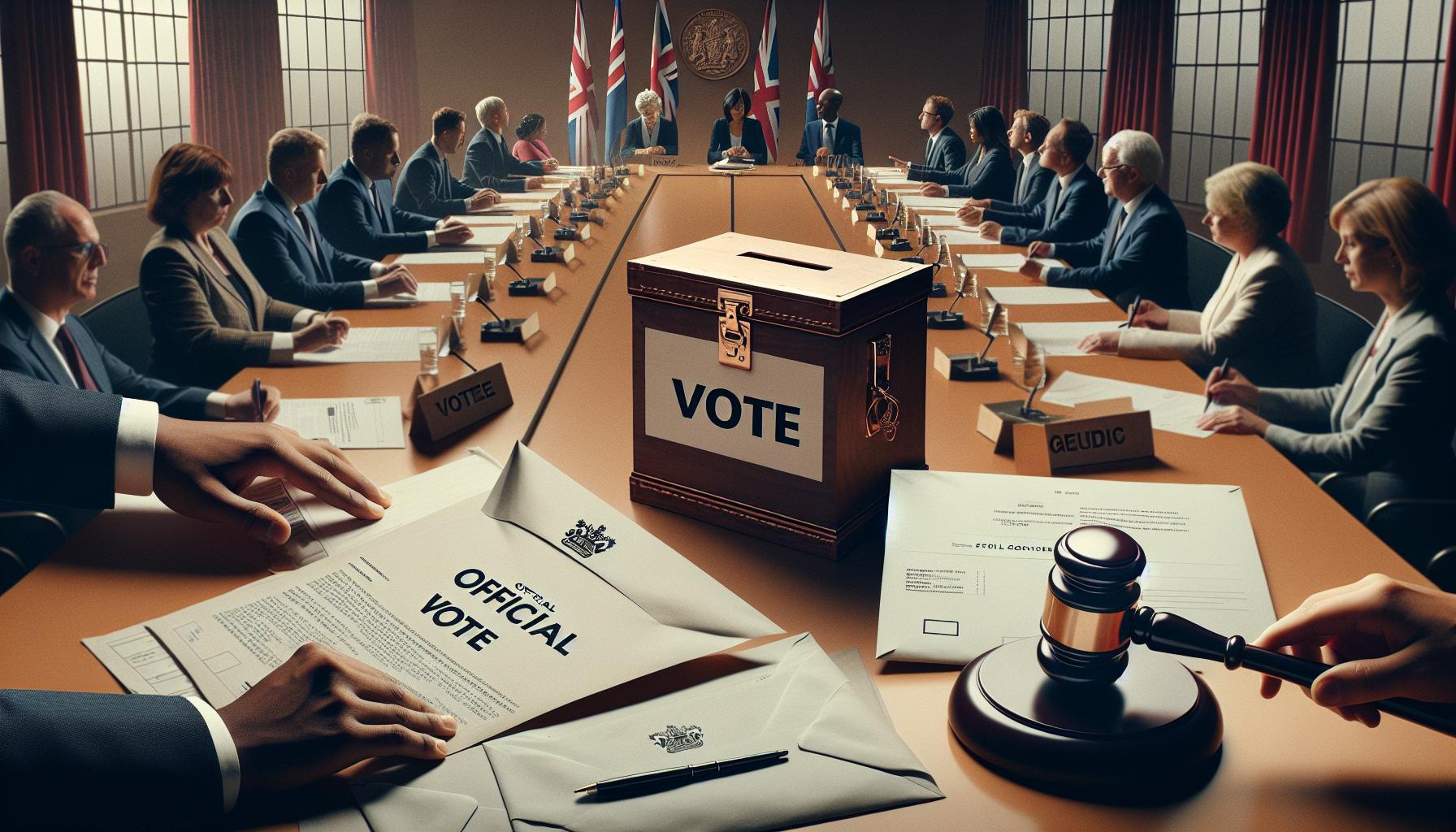
What Happens after Election Day: From Votes to Prime Minister
The moment the polls close, the atmosphere across Canada shifts from anticipation to the detailed process of determining who will lead the nation. While election night media coverage often focuses on the national popular vote percentages and headline-grabbing wins or losses, the real story lies in the final tally of seats won by each party in the House of Commons. This is where raw vote counts transform into political power, and the path to becoming Prime Minister becomes clearer.
Once local results from each riding are officially confirmed, Election Canada compiles the data to establish the distribution of seats in Parliament.The leader of the political party that secures the greatest number of these seats-ideally achieving a majority of the 338 total-is invited by the Governor General to form the government. This formal invitation marks the transition from contender to Prime Minister-designate, a status that only officially culminates in a swearing-in ceremony. It’s important to note that even without an outright majority, a party leader may become Prime Minister by forming a minority government, often negotiating support from other parties on key legislative matters.
During the days following election night,political negotiations and strategic planning begin behind closed doors. If no party wins a clear majority, leaders may enter coalition talks or agreements to gain the confidence of the House, ensuring stability for their proposed government. Voters might feel the process is opaque, but these discussions are a vital part of parliamentary democracy, shaping how the new government will function. Meanwhile, elected Members of Parliament (MPs) begin preparing to represent their ridings, launching the first steps toward legislative work.
- follow official results updates: For those interested, Elections Canada’s website provides real-time ridings-level outcomes as they come in, offering clarity on seat counts and elected representatives.
- Understand the role of the Governor General: This figure plays a constitutional role in inviting the winning party leader to form a government, underlining Canada’s parliamentary traditions.
- Be patient with the process: While election night offers initial snapshots, the full government formation and Prime Minister’s swearing-in can take several days to complete.
Understanding this phase helps clarify why the popular vote percentage often doesn’t tell the full story. For example, a party may win the popular vote but fail to secure the most seats, delaying or preventing their leader from becoming Prime Minister. The distribution of victories across ridings is the true determinant. This makes each riding’s outcome crucial,translating local votes into national leadership through Canada’s unique first-past-the-post electoral system. Knowing these nuances empowers voters to appreciate the full journey from casting a ballot to seeing a new Prime Minister take office.
The Impact of Riding Votes on Choosing the Prime Minister
Every single vote cast in a federal election impacts the political landscape, but in Canada, the influence of votes is most powerfully felt at the riding level. Each of the 338 ridings across the country elects one Member of Parliament (MP) using a first-past-the-post system, meaning the candidate with the most votes, even if not a majority, wins that riding’s seat. This system essentially turns local wins into the building blocks of national power, directly affecting who ultimately becomes Prime Minister.
As the Prime Minister is the leader of the party that holds the most seats in the House of Commons,every riding’s result is a critical piece of the puzzle. Even a narrow victory in a handful of tight races can tip the balance of power. for example, if a political party wins fewer total votes nationwide but secures more ridings by winning key battlegrounds, that party’s leader is positioned to be invited to govern. This explains why some voters are surprised to learn that the national popular vote percentage doesn’t directly determine the Prime Minister – it’s about winning ridings, not just votes.
- Targeted campaigns: Political parties invest heavily in ridings where past results suggest close contests, channeling resources to sway undecided voters or mobilize supporters.
- The power of local candidates: While national party platforms matter, individual MPs’ reputation and connection to their community can sway riding outcomes, affecting the broader election landscape.
- Strategic voting: Voters sometimes cast ballots not solely for their preferred candidate but to prevent a less desired one from winning, especially in ridings with tight races.
This riding-level focus means that even voters living in regions historically dominated by one party have a say in shaping national leadership – their votes matter to candidates and can influence a party’s seat count and the potential for forming government. Understanding how local results fit into the bigger picture allows voters to appreciate that their participation is vital, frequently enough making the difference between a majority government, a minority, or a coalition scenario.
Why Particular Ridings Matter more
Certain ridings, often called swing or battleground ridings, carry outsized importance because their voters have shown variability in past elections. Winning these critical contests provides momentum and crucial seats needed for a party leader to become Prime Minister. Awareness of this dynamic encourages voters to engage actively, realizing their vote can be pivotal not just locally but nationally.
| Riding Type | Description | Implication for National Outcome |
|---|---|---|
| Safe riding | Consistently votes for the same party by a wide margin | Provides reliable seats, but less impact on changing government |
| Swing Riding | Can vote for different parties in different elections | Key battlegrounds that frequently enough decide election outcomes |
| New/changing Ridings | Demographically shifting areas with uncertain voting patterns | Potential wildcards that can influence tightly contested elections |
By focusing efforts on these ridings, political parties craft policies and promises tailored to local concerns, knowing a victory here resonates far beyond the riding’s borders. Ultimately, Canadian voters wield their greatest power not just in picking an MP but collectively shaping who governs the entire country.
Common Misconceptions About Voting for Prime Minister
Voting in Canadian federal elections often leads to misunderstandings about how the Prime minister is actually chosen. Many Canadians assume that casting a vote directly for a party leader determines who becomes Prime Minister, but this is not the case. Instead, voters elect members of Parliament (MPs) in their local ridings, and the leader of the party that wins the most seats ultimately receives the invitation to form government. This subtle yet crucial distinction means that every vote counts toward the makeup of the House of Commons rather than a direct popular vote for the Prime Minister himself or herself.
One common misconception is that the national popular vote directly decides the Prime Minister. In reality, due to the first-past-the-post system, a party can win the greatest number of ridings-and therefore control Parliament-without winning the overall popular vote. This was demonstrated in multiple past elections where parties formed government despite losing the national vote count. It underscores that political power is built on local victories rather than aggregate vote totals across the country.
- Equating votes for MPs with votes for Prime Minister: Voters should understand that their ballot supports a local candidate who aligns with a party and leader, rather than directly choosing the Prime Minister.
- Overlooking the importance of smaller ridings: Even votes in seemingly “safe” or less media-focused regions matter because they contribute to the party’s overall seat count.
- Assuming the Prime Minister is elected by popular mandate: The Prime Minister’s position depends on parliamentary confidence, not a direct electoral mandate from citizens.
Another frequent misunderstanding is the belief that Canadians can vote independently for the party leader of their choice as Prime Minister on election day. Instead,political parties select their leaders through internal processes long before each federal election,often involving party members across the country. These leaders than campaign alongside local candidates during elections.consequently, the electorate’s only formal power is in selecting riding MPs, who collectively determine which leader holds the most seats.
Practical awareness of these facts can help voters appreciate the strategic nature of Canadian elections and how their participation shapes the broader political landscape. For instance, understanding why riding-level outcomes matter explains why some Canadians strategically vote between candidates to influence which party gains or loses power-even if their preferred party’s leader is not running locally. Recognizing these nuances can make voters feel empowered by their ballots, knowing their voice contributes to selecting the government, even if not directly picking the Prime minister.
Key Takeaways
| Common Misconception | Reality | Impact |
|---|---|---|
| Voters choose the Prime Minister directly | Voters elect MPs; Prime Minister is leader of party with most seats | Focus on local riding results rather than national popular vote |
| The party with the most popular votes wins government | Seat count in the House of commons determines government | Local victories in key ridings are decisive |
| Party leaders become candidates on election day | Party leaders are chosen internally well before elections | Voters influence which leader governs by electing party MPs |

Why Canadians Don’t vote Directly for the Prime Minister
Canadian elections operate on a principle that frequently enough surprises newcomers: citizens do not cast their ballots directly for the Prime Minister. Instead, voters elect local representatives-Members of Parliament (MPs)-who then determine the country’s leadership through their collective support in the house of Commons. This indirect system underscores Canada’s commitment to parliamentary democracy, where governing authority arises from the confidence of elected legislators rather than a direct popular vote for the head of government.
This design reflects a practical balance between local representation and national leadership. Canadians vote for candidates in their own ridings, each representing specific geographic regions and community interests. By doing so, voters influence which political party gains the most seats in Parliament, and the leader of that victorious party becomes the Prime Minister. This means that the Prime Minister’s legitimacy depends not on a nationwide popular mandate but on maintaining the confidence of a majority of MPs, a nuance that helps ensure stability and accountability within the government.
- Local representation matters: Every vote helps decide who represents a community’s needs in Ottawa, making it essential to focus on your riding’s candidates.
- Party leadership is predetermined: Political party leaders are chosen internally by party members ahead of elections, so voters influence leadership indirectly by selecting MPs aligned with those leaders.
- Parliamentary confidence drives governance: Even after election day, the Prime Minister must maintain the support of the majority in the House of Commons to govern effectively.
For example, during the 2025 Canadian federal election, Prime Minister Mark Carney’s Liberal Party secured enough parliamentary seats to continue governing, even though the national popular vote was closely contested. Voters didn’t select Carney individually on their ballots; they chose local Liberal candidates whose combined victories allowed Carney, as party leader, to form government. This distinction frequently enough surprises voters used to presidential systems where the executive is elected directly.
Understanding can help clarify the electoral process and highlight the importance of each local race. It encourages voters to engage with their riding candidates and party platforms, knowing that this is how they genuinely influence who will lead the country. In practical terms, concentrating on local contests empowers citizens to shape national leadership through a collective process grounded in parliamentary democracy.
How Party Leaders Become Prime Minister Candidates
It’s easy to assume that the Prime Minister is chosen simply by winning a national vote, but the reality behind how party leaders become candidates who can actually enter that race is far more nuanced and shaped well before election day. Leadership roles within Canada’s major political parties are the result of internal processes that engage party members rather than the general public.This means that becoming a prime Minister candidate requires winning the confidence of your party from the inside out, demonstrating not just popularity among voters but also strong organizational support.
Each federal political party has its own unique rules for selecting leaders, frequently enough through a leadership convention or a series of membership votes. These leadership contests can involve rounds of voting, debates, and extensive campaigning within the party’s grassroots network. Aspiring leaders must build alliances, outline clear policy visions, and appeal to diverse party members across the country. For example, in the lead-up to the 2025 federal election, Mark Carney secured his position as leader of the Liberal Party well in advance, gaining the backing needed to lead the party into the national arena[[[[[2]](https://apnews.com/article/canada-election-trump-carney-poilievre-861f5b00794355b231ee3f218568949b).
- Party membership matters: Only registered party members typically get to vote in leadership races, making membership drives and grassroots organizing critical for leadership hopefuls.
- Internal debates shape candidates: Leadership races allow candidates to present their platforms and answer tough questions, helping members decide who best represents the party’s future.
- Political experience and visibility: High-profile MPs or former cabinet ministers frequently enough have an advantage due to their public profile and established networks within the party.
Once selected, party leaders become the public face of their parties in federal elections, but they must also hold a seat in the House of Commons-either already having one or running in a riding during the election. Being a sitting MP reinforces a leader’s legitimacy and connection to parliamentary democracy. Without winning their riding alongside the broader party’s seat count, even a leader cannot form government.This blend of internal party democracy combined with voters’ choice of local candidates ensures leaders are accountable both to their party and to citizens.
Understanding this layered process clarifies why Canadians don’t vote directly for the Prime Minister but instead participate in a system where party leaders emerge as candidates by first securing trust and authority within their political communities. For voters, this means that supporting a party’s local candidates also indirectly supports their leader’s bid for Prime Minister, two intertwined races running in parallel until election day reveals the final outcome.
Key Factors That Determine Who Becomes Prime Minister
The journey to becoming Canada’s prime Minister hinges on multiple interwoven factors that extend far beyond simply winning an election. One of the most critical elements is the ability of a party leader to command the confidence of both their party members and the general electorate across diverse ridings. To do this,a leader must successfully balance internal party dynamics,public appeal,and strategic campaigning,all while navigating Canada’s unique parliamentary system.
A leader’s popularity within their own party serves as a foundation. Strong grassroots support and savvy organizational skills during leadership contests provide a crucial base of legitimacy.for example, Mark Carney’s rise to lead the Liberal Party demonstrated how securing broad-based backing within the party precedes the national campaign, allowing him to present a united front going into the 2025 federal election[[[[[2]](https://apnews.com/article/canada-election-trump-carney-poilievre-861f5b00794355b231ee3f218568949b). However, internal party support alone is not enough: a prospective prime Minister must also win a seat in the House of Commons by either holding one already or securing it on election night, reaffirming their role as an accountable representative in Canada’s parliamentary democracy.
Broader Electoral Success and Strategic Riding Wins
The most visible requirement is that the leader’s party must win the largest number of seats in the House of Commons – a feat that depends heavily on how well the party’s candidates perform in individual ridings across the country. Because Canadian voters cast ballots for local candidates rather than directly for the Prime Minister,the party’s national seat count depends on cumulative riding victories. Without riding wins backing a strong party vote, even the most popular leader cannot form government. This was evident in the 2025 election, where Carney’s Liberals secured enough seats to form a majority government, while the Conservative leader Pierre Poilievre lost his own riding, preventing him from taking on the Prime Minister role[[[[[1]](https://www.politico.com/news/2025/04/28/mark-carney-wins-canada-prime-minister-election-00314480).
- geographical Balance: Success across multiple provinces and regions is key.Concentrated support in just a few areas rarely translates into government formation.
- Targeting swing Ridings: Winning competitive or undecided ridings can tip the scales for seat counts, making resource allocation during campaigns crucial.
- Candidate Quality: Strong local candidates enhance party credibility and voter confidence,indirectly bolstering the leader’s bids.
Public Image, Policy Appeal, and Leadership Style
Beyond internal party structures and electoral math, the leader’s public persona and policy platforms directly influence their ability to become Prime Minister. Charisma, communication skills, and the capacity to respond thoughtfully during national debates or crises can sway undecided voters and unify party supporters. Leaders must articulate visions that resonate broadly while being adaptable enough to address evolving political landscapes.
Canada’s Prime Ministerial selection also reflects external factors such as economic conditions, geopolitical developments, and rival party tactics.For instance, the 2025 federal election was heavily influenced by international trade tensions and U.S. policies, impacting voter priorities and perceptions of leadership competence[[[[[2]](https://apnews.com/article/canada-election-trump-carney-poilievre-861f5b00794355b231ee3f218568949b).
becoming Canada’s Prime Minister is not determined by a simple majority vote alone. Instead, it is the product of earning trust within a political party, commanding seats in the House of Commons through local victories, projecting effective leadership, and navigating complex national issues. Understanding these factors helps voters appreciate the layered nature of Canada’s parliamentary democracy and why the leader who becomes Prime Minister is frequently enough the one who best manages these multiple demands.
Frequently Asked Questions
Q: How do political party leaders become the candidates for prime Minister in Canada?
A: Political party leaders become Prime Minister candidates by first winning their party’s leadership race.They must then run as candidates in their local ridings during federal elections. If their party wins the most seats, the leader is invited to form the government and becomes Prime Minister. Learn more about how party leaders become PM candidates in the main article for deeper insight.
Q: Why don’t Canadian voters vote directly for the Prime Minister?
A: Canadian voters do not vote directly for the Prime Minister because they elect Members of Parliament (MPs) in their ridings instead. The Prime Minister is the leader of the party winning the most seats in the House of Commons, making this an indirect electoral system. This is explained further in the section Why Canadians Don’t Vote Directly for the Prime Minister.
Q: What role does the Governor General play in appointing the Prime Minister?
A: The Governor general formally appoints the Prime Minister after federal elections, usually the leader of the party with the most seats. This role acts on constitutional convention, ensuring the chosen leader can command the House of Commons. for more details, see the Federal Election Process section in the main article.
Q: How does winning individual ridings affect who becomes Prime Minister in Canada?
A: Winning individual ridings is essential because the Prime Minister must be an elected Member of Parliament. The party that wins the most ridings across Canada forms government,and its leader becomes Prime Minister.explore the impact of ridings in the section on The Impact of Riding Votes on Choosing the Prime Minister.
Q: Can a party leader lose their own riding seat but still become Prime Minister?
A: No, a party leader must win their own riding seat to serve as Prime Minister. Losing their seat disqualifies them from sitting in Parliament, usually prompting party leadership changes. This nuance is covered in How Political Parties Influence the Prime Minister Selection.
Q: When is the Prime Minister officially chosen after election day in Canada?
A: The Prime Minister is officially chosen soon after election day once results confirm which party has the most seats.The Governor General then invites the party leader to form government. The process is detailed in What Happens After Election Day: From Votes to Prime Minister.
Q: How do minority governments affect the selection of the Prime Minister?
A: In minority governments, the Prime Minister must maintain support from other parties in the House of Commons to govern effectively. This can lead to coalitions or agreements that influence who retains the Prime Minister role. For further explanation, refer to Key Factors That Determine who Becomes Prime Minister.
Q: What happens if no party wins a majority in the Canadian federal election?
A: If no party wins a majority, the party with the most seats may try to govern as a minority or form coalitions to keep confidence. The leader of that party remains Prime Minister as long as they maintain House support. Dive deeper in the section Understanding the Electoral Process Behind Prime Minister Votes.
Explore these FAQs alongside the main article sections to fully understand who votes for Prime Minister in Canada and how this pivotal role is determined. For more detailed explanations, check out the How canada’s Prime Minister is Chosen Explained and related sections in the article.
To Conclude
Understanding who votes for the Prime Minister in Canada is key to grasping how Canadian democracy functions and how leadership is chosen. Now that you know the role of Members of Parliament and the election process, why not explore how Canada’s government is structured or the powers of the Prime Minister in more detail? Check out our easy guides on How Canada’s Parliamentary System works and The Role and Responsibilities of the Prime Minister to deepen your knowledge.
Ready to stay informed on Canadian politics and governance? Subscribe to our newsletter for the latest updates, expert insights, and practical resources. If you have questions or want to share your thoughts on Canada’s voting system, drop a comment below – we’re here to help clarify and engage! Dive into related topics like federal elections and voter eligibility as well, ensuring you get the full picture of how leaders are chosen in Canada.Keep exploring, stay curious, and empower yourself with trusted information on who votes for the Prime Minister in Canada.