

Atlantic Canada has long shown a consistent preference for the Liberal Party in federal elections, standing out as a distinct political region within Canada. Understanding why voters in provinces like Nova Scotia, New Brunswick, Prince Edward Island, and Newfoundland and Labrador tend to support Liberal candidates reveals important insights about regional identities, economic priorities, and historical ties.For readers curious about the dynamics shaping Canadian politics, this exploration sheds light on how local issues and cultural values influence voting patterns, offering a clearer picture of why Atlantic Canada remains a Liberal stronghold. Whether you’re a political enthusiast, a regional resident, or simply interested in the forces behind electoral trends, unpacking these regional tendencies deepens your grasp of the evolving national landscape and what it means for future elections. By delving into economic concerns, social policies, and historical connections, this article aims to clarify a voting pattern that often puzzles outsiders but remains central to Canadian political discourse.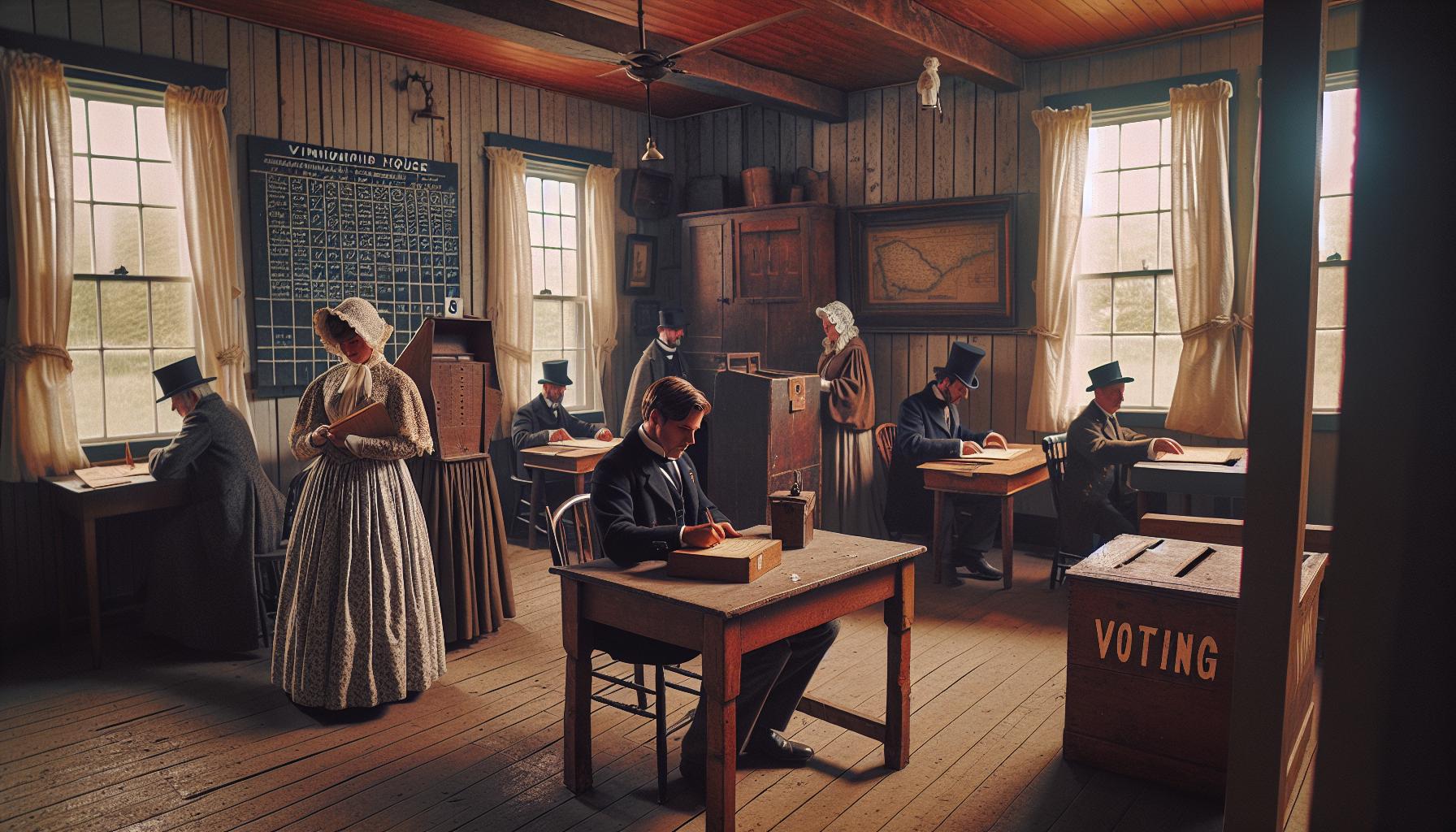
Table of Contents
- Historical voting Patterns in Atlantic Canada Explained
- Key Socioeconomic Factors Influencing Liberal Support
- impact of Regional Identity and Cultural Values
- Role of Economic Policies and Job Market trends
- Influence of Federal-Provincial Relations on Voting Behavior
- How Demographic Changes Shape Political Preferences
- Media Influence and Political Messaging in the Region
- Comparing Atlantic Canada’s Voting Trends to Other Provinces
- Grassroots Movements and Local Liberal Party Strategies
- Future Outlook: challenges and Opportunities for Liberals in Atlantic Canada
- FAQ
- Q: How do social services affect Liberal support in Atlantic Canada?
- Q: What role does youth engagement play in Atlantic Canada’s Liberal voting trends?
- Q: How do rural vs. urban dynamics influence voting behavior in Atlantic Canada?
- Q: Why does federal investment impact Liberal popularity in Atlantic Canada?
- Q: How does immigration influence political preferences in Atlantic Canada?
- Q: When do Atlantic Canadian voters tend to shift away from the Liberals?
- Q: What are the environmental concerns driving Liberal support in Atlantic Canada?
- Q: How do local Liberal party strategies uniquely engage Atlantic Canadian voters?
- The Way Forward
Historical voting Patterns in Atlantic Canada Explained
Atlantic Canada’s political landscape has long been characterized by a strong and consistent preference for the Liberal Party, a pattern deeply rooted in the region’s unique historical and social context. As the early 20th century, the Liberals have frequently enough been seen as the champions of Atlantic Canadian interests, benefiting from policies that addressed the economic and social challenges faced by this largely rural and resource-based region. This allegiance is not incidental but rather the result of a longstanding relationship between the party’s platform and the needs of Atlantic Canadian communities, which have traditionally relied on sectors such as fisheries, shipbuilding, and public service.
The post-World War II era further cemented Liberal dominance as the party implemented social welfare programs and regional growth initiatives that resonated strongly with voters. For many families, the Liberals were associated with stability and the promise of federal investment targeted at improving infrastructure and economic conditions. Over decades, electoral results have reflected this trend; for example, in recent federal elections, the Liberals have routinely won the majority of ridings across Atlantic provinces, including Nova Scotia, New Brunswick, prince Edward Island, and Newfoundland and labrador. With 98% of the polls reporting in a recent election, the Liberals led or held 25 out of 32 ridings, demonstrating their firm grip on the region, while the Conservatives onyl captured a handful [[3]].
Historical Influences Behind Voting Stability
- Economic Dependence on Federal Programs: Many Atlantic canadian communities have historically depended on federal support programs, which the Liberals have often prioritized, aligning local economic interests with party policies.
- Labor and Union Support: Strong labor unions in industries like fishing and manufacturing have traditionally leaned Liberal, seeing the party as more protective of workers’ rights and social benefits.
- Political Tradition and Loyalty: Generational loyalty and cultural identification with the Liberal Party have contributed to a voting culture that favors continuity over radical political shifts.
This pattern of loyalty does not simply reflect voter complacency but is an expression of how political narratives, party strategies, and socioeconomic conditions have intersected over time to build a stable electoral foundation. Understanding these dynamics offers practical insights for both political analysts and campaigners examining how regional specificity shapes long-term political affiliations.
Atlantic canada’s historical voting patterns reveal a complex interplay between economic vulnerability, social policy impact, and cultural-political identity, all of which have forged a durable alliance with the Liberal Party. Recognizing this background helps clarify why Atlantic Canadians often see the liberals as the party best equipped to represent and support their regional interests on the national stage.
Key Socioeconomic Factors Influencing Liberal Support
Atlantic Canada’s enduring loyalty to the Liberal Party is deeply intertwined with the region’s unique socioeconomic landscape. A critical driver of this support lies in how the Liberals have historically aligned their policies with local economic realities-particularly in communities that depend heavily on natural resources, government employment, and federal assistance programs. For many voters here, political preferences are less about party ideology and more about tangible economic security and the expectation that the Liberal government will maintain vital social safety nets and create stable employment opportunities.The region’s labor market conditions further illuminate why Liberal policies resonate so strongly. many Atlantic Canadians work in industries such as fishing, forestry, shipbuilding, and public service, sectors often vulnerable to market fluctuations and international trade shifts. The Liberals’ track record of promoting social welfare, job training programs, and regional development initiatives instills confidence among these workers that their livelihoods and communities will receive federal support during economic transitions.
- Dependence on Federal Social Programs: From income support to healthcare funding, federal initiatives form the backbone of many atlantic households’ social safety nets-programs the Liberals have historically championed and expanded.
- Strong Union Presence: Labor unions in the region, influential in shaping local employment conditions, tend to endorse the liberals for their perceived commitment to protecting worker rights and benefits.
- Economic Diversification Efforts: Liberal investment in infrastructure and emerging sectors, such as green energy and tourism, appeals to voters seeking economic diversification beyond conventional resource industries.
Understanding these factors offers practical insight into how the Liberals maintain their foothold: they don’t just promise change-they deliver programs that directly affect the day-to-day wellbeing of Atlantic Canadians. For candidates and campaigners, this means emphasizing policy proposals that address local employment concerns, healthcare access, and community resilience is key to sustaining Liberal support.
| Socioeconomic Factor | Relevance to Liberal support | Example or Impact |
|---|---|---|
| Reliance on Federal Employment | High percentage of public sector jobs justify preference for parties supporting public investment | Government offices, healthcare facilities, and education institutions remain major employers |
| Resource-Based Economic Vulnerability | Need for protective policies during market downturns favors Liberals’ social safety net expansions | Fishing industry downturns met with federal relief programs |
| Unionization Rates | Union-backed voter blocs tend to align with parties prioritizing labor rights and benefits | Manufacturing and fisheries unions historically endorse Liberals |
This interconnected economic and social fabric means Atlantic Canadians often measure political parties against their capacity to sustain or enhance these supports. So, Liberal platforms tailored with an understanding of these key socioeconomic realities continue to enjoy overwhelming regional endorsement.
impact of Regional Identity and Cultural Values
A defining characteristic of Atlantic Canada’s political landscape lies not just in economics, but deeply rooted in its strong sense of regional identity and shared cultural values.This collective identity influences political loyalty and voting patterns more than many outsiders might expect. Communities here often prioritize social cohesion, mutual support, and the preservation of local traditions, which aligns naturally with the Liberal Party’s emphasis on inclusive policies and federal support systems that respect regional distinctiveness.
Atlantic Canadians tend to view their social and cultural fabric as tightly woven through family ties, small-town networks, and community institutions like churches and local associations. these institutions serve as spaces where political ideas circulate and are contextualized according to communal experiences. The Liberals’ historically collaborative approach-seeking to balance national priorities with regional sensitivities-resonates with voters who value respect and recognition of their unique way of life. Politicians who engage sincerely with these communities and demonstrate understanding of their heritage are often rewarded with lasting electoral support.
- Community-Centric Values: Voting decisions are frequently enough influenced by how well a party’s platform supports community stability, public services, and social programs that reinforce local quality of life.
- Respect for Regional Differences: The Liberal Party’s readiness to accommodate distinct Atlantic concerns, including language, cultural festivals, and rural needs, helps create a sense of political inclusion.
- Legacy of Cooperative Politics: A political tradition emphasizing consensus-building and pragmatic problem-solving matches the everyday realities of Atlantic residents navigating economic uncertainty and rural life.
Balancing Tradition and Progress
While Atlantic Canadians cherish their cultural roots,ther is also a forward-looking pragmatism guiding political choices.Liberals have been able to appeal to this by framing policies that honor traditional industries like fishing and forestry while investing in modernization and diversification. This dual focus on safeguarding heritage and supporting innovation helps voters see the party as a steward of both past and future.For campaigners and policymakers, understanding this nuanced interplay between identity and values is crucial.Highlighting respect for local heritage while demonstrating clear, actionable plans for economic resilience and social wellbeing fosters trust. It’s a reminder that political messages in Atlantic Canada must go beyond slogans, tapping into lived cultural experiences to truly connect.
| Aspect of regional Identity | influence on Political Support | Example |
|---|---|---|
| Strong Community Bonds | Promotes support for policies that sustain social infrastructure | Backing for healthcare and elder care funding in rural areas |
| Collective Resilience | Favors parties committed to economic protection and renewal | Liberal initiatives for fisheries adjustment programs |
| Cultural Recognition | Encourages political inclusion of regional languages and festivals | Support for Acadian cultural events and bilingual services |
By appreciating how Atlantic Canadians intertwine their cultural pride and social values with political choices, Liberals have maintained a distinct advantage in the region. For voters, the party represents not just policy alignment but a genuine acknowledgment of who they are and what they care about-a crucial factor in the enduring political loyalty seen here.
Role of Economic Policies and Job Market trends
Atlantic Canada’s economy has long faced unique challenges stemming from its geographic isolation, limited industrial diversification, and reliance on traditional sectors like fisheries, forestry, and natural resources. These economic realities influence voter preferences heavily, as residents often look to political parties that promise stability, job creation, and sustainable development. The Liberal Party’s economic policies historically resonate because they emphasize targeted support for struggling industries while promoting diversification and modernization efforts essential to long-term regional prosperity.Job market trends in Atlantic Canada show a gradual transition from resource-based employment toward service-oriented and knowledge economy roles. However, much of the region still grapples with higher unemployment rates and youth outmigration compared to the national average. The Liberals’ focus on investment in infrastructure, innovation funding, and workforce retraining programs aligns well with the priorities of communities eager to see new economic opportunities emerge without abandoning their most familiar industries. Voters tend to reward policies that mitigate economic uncertainty by providing direct relief and long-term planning-something Liberal platforms have consistently incorporated.
- Targeted Industry Support: Programs designed to help fisheries and forestry workers adjust to changing global markets have been critical in maintaining social stability and electoral loyalty.
- Infrastructure and Connectivity: Enhancements in transportation, broadband internet access, and green energy projects facilitate regional integration with wider Canadian markets, supporting economic resilience.
- Skills Development: Investments in education and job training address the skill mismatch, especially for younger residents, encouraging them to build careers locally.
Bridging Economic policy and Voter Confidence
Political messaging that clearly connects policy initiatives with direct benefits to local economies is vital for winning support. For example, when Liberal candidates pledge to enhance fisheries management or increase funding for local manufacturing modernization, they tap into deeply felt community concerns about the future of work. This pragmatic economic stewardship builds trust and helps the party stand out amid perceptions of other parties as either too ideologically rigid or disconnected from Atlantic realities.
| Economic Focus Area | Policy Approach | Example |
|---|---|---|
| Traditional Sector protection | Fisheries adjustment programs and forestry subsidies | Liberal investments to modernize processing plants and support fishermen’s incomes |
| Economic Diversification | Promotion of tech startups and tourism growth | Funding for innovation hubs and regional branding campaigns |
| Workforce Development | skills retraining and youth employment initiatives | Apprenticeship programs and educational incentives |
In essence, Atlantic voters tend to favor parties that not only recognize the fragility of their local economies but also demonstrate proactive strategies to sustain and grow them. The Liberals’ track record of blending direct economic interventions with forward-thinking policies offers a compelling narrative that aligns with both the immediate needs and future hopes of Atlantic Canadians. this practical, empathetic approach to economic policy remains a cornerstone of their enduring appeal in the region.
Influence of Federal-Provincial Relations on Voting Behavior
Atlantic Canada’s voting behavior is deeply intertwined with the nuanced dynamics of federal-provincial relations, which considerably shape how residents perceive political parties, especially the Liberals. One compelling reality is that Atlantic Canadians frequently enough measure federal governments by their willingness to respect provincial autonomy while delivering tangible support tailored to the region’s unique needs. This balancing act fosters a political environment where parties demonstrating cooperative federalism and consistent regional investment tend to gain voter confidence.
The Liberal Party’s historical and ongoing engagement with Atlantic provinces exemplifies this dynamic.Their approach has been to actively collaborate with provincial governments to co-develop programs addressing regional priorities,from infrastructure upgrades to fisheries management. By positioning themselves as partners rather than distant policymakers, Liberals have cultivated a reputation for responsiveness and adaptability. This contrasts with perceptions of other parties seen as either overly centralized or insufficiently attentive to Atlantic Canada’s particular challenges, such as demographic shifts and economic transitions.
- Responsive funding Agreements: The Liberals have often negotiated health care and social transfer agreements that recognize provincial fiscal realities, ensuring Atlantic provinces receive fairer shares that support local service delivery.
- Regional Representation: Atlantic MPs within the Liberal caucus frequently advocate for regional interests at the federal level, reinforcing voter trust that their voices matter.
- Policy Flexibility: tailored initiatives such as targeted investments in rural broadband or fisheries innovations showcase Liberal adaptability to provincial priorities.
Trust through Collaboration and Accountability
These cooperative federal-provincial relationships underpin Atlantic Canadians’ political preferences by fostering a sense of partnership rather than imposition. When voters see federal parties respecting provincial jurisdiction and advancing policies aligned with regional aspirations, loyalty often follows. Such as, Liberal governments’ responsiveness during critical moments-such as economic downturns or public health crises-fortifies this trust, signaling accountability and attentiveness that resonate deeply in local communities.
| Aspect | Federal Role | Provincial Role | Impact on Voting Behavior |
|---|---|---|---|
| Health Care Funding | Allocation of federal transfers considering provincial contexts | Local delivery of health services | Greater voter support for federal parties that secure stable funding |
| Economic Development | Provision of grants and innovation funding | implementation of regional economic strategies | Positive perception of parties promoting joint economic growth |
| Environmental Policy | National regulatory framework with funding for green projects | Provincial adaptation to environmental priorities | Support for parties balancing local needs with federal goals |
Ultimately, the interplay between federal initiatives and provincial execution creates a political atmosphere where Atlantic Canadians value parties that demonstrate tangible commitment to regional collaboration. For those interested in engaging Atlantic voters or understanding their political inclinations, recognizing how federal-provincial relations influence local trust and expectations remains crucial.Tailoring political strategies toward partnership, respect for regional governance, and transparent interaction could be decisive in maintaining or shifting electoral loyalty in the years ahead.
How Demographic Changes Shape Political Preferences
One of the most compelling demographic dynamics in Atlantic Canada is the noticeable shift in population composition that directly influences voting patterns, especially Liberal support. While the region faces challenges related to population decline in some provinces, New Brunswick’s recent gain of residents, mostly from Ontario, highlights a subtle yet notable demographic change[[1]](https://www.turnerdrake.com/wp-content/uploads/2024/07/Population-Growth-in-Atlantic-Canada-June-2024.pdf). These interprovincial migrations bring with them new political attitudes and experiences, often reflective of more centrist or progressive values familiar in Ontario, which can reinforce or even amplify the Liberal Party’s appeal. Moreover, the modest increase in Atlantic Canada’s population-rising over 2.6 million with growth of nearly 3% since 2022-also introduces younger families and working professionals whose priorities align with policies that emphasize economic stability, health care, and education[[2]](https://www.canada.ca/en/atlantic-canada-opportunities/corporate/momentum/infographic-demographic.html).
The Aging Population and Its Political Impact
Atlantic Canada has one of the oldest median ages in the country, which naturally shifts political preferences towards parties that prioritize social safety nets, pensions, and accessible healthcare systems. The Liberal Party’s commitment to maintaining and enhancing these services resonates strongly with older voters, who often seek dependable governance to protect retirement security. At the same time, efforts to address rural healthcare delivery and invest in age-friendly infrastructure help solidify this demographic’s support, particularly in more remote areas. Failure to address these concerns risks alienating a key voting bloc deeply invested in stability and measured policy.
Immigration and Newcomer Influence
Although international migration has declined recently, Atlantic Canada has increasingly welcomed immigrants and newcomers, contributing to greater cultural diversity and altering the electorate’s composition[[1]](https://www.turnerdrake.com/wp-content/uploads/2024/07/Population-Growth-in-Atlantic-Canada-June-2024.pdf). This demographic group often seeks inclusive policies,multicultural engagement,and economic opportunities-areas where the liberal Party’s platforms tend to align more than some other federal parties. Municipalities and communities actively integrating immigrants become hubs of Liberal support, where newcomers appreciate targeted programs like language training and settlement services co-developed by federal and provincial governments.
Urbanization and Educational Attainment
Urban centers in Atlantic Canada, such as Halifax, exhibit higher levels of educational attainment and younger populations, both factors correlated with liberal support nationwide[[3]](https://www.canadavisa.com/about-nova-scotia.html). These populations are more likely to prioritize progressive social policies,environmental initiatives,and investments in innovation-core tenets of recent Liberal platforms. Conversely,rural voters,while more mixed in political allegiance,also respond positively when Liberals address rural broadband access and community economic development,demonstrating the party’s ability to bridge urban-rural divides through targeted policies.
- Interprovincial migration: Introduces new political experiences favoring centrism and moderatism.
- Aging population: Emphasizes priorities like healthcare and social security benefiting from Liberal policies.
- Immigration trends: enhance diversity and favor inclusive platforms aligned with Liberal values.
- Urbanization: Concentrates younger, educated voters who support progressive policies.
| Demographic Factor | Political Implication | How Liberals Capitalize |
|---|---|---|
| Population Growth via Interprovincial Migration | Brings centrist voters seeking collaborative governance | Policy flexibility tailored to newcomers’ needs |
| Older Median Age | Focus on healthcare,pensions,and social programs | Targeted investments in health care and seniors’ services |
| Increasing Cultural Diversity | Supports inclusive,multicultural policies | Settler integration programs and anti-discrimination initiatives |
| Urban Population expansion | Higher demand for education,innovation,and environment | Urban infrastructure and green economy investments |
Ultimately,understanding these demographic shifts allows political strategists to tailor Liberal messaging and policies that address emerging needs while reinforcing established support bases. recognizing that Atlantic Canada’s electorate is not monolithic but continuously evolving with nuanced priorities can prove decisive in sustaining Liberal dominance in the region’s complex political landscape.
Media Influence and Political Messaging in the Region
Media channels in Atlantic canada possess a unique power in shaping political perceptions, often blending local concerns with broader national narratives. Unlike larger Canadian regions,Atlantic Canadian media outlets-ranging from community newspapers to regional TV stations and emerging digital platforms-serve as primary sources of facts that frame political discourse in accessible and relatable ways.The effectiveness of Liberal messaging in the region can be partly attributed to the party’s ability to tailor their communications to resonate through these local media ecosystems, embedding policy discussions within the lived experiences of voters.
Political campaigns here benefit from understanding that the Atlantic electorate values authenticity and connection. Liberal candidates frequently enough engage in direct, community-focused media interactions-whether through town halls broadcast on local radio or targeted social media content reflecting regional identities. This strategic focus not only enhances trust but also counters narratives that might paint federal parties as too distant or disconnected. Furthermore, the region’s modest population and close-knit communities mean that stories about individual candidates’ involvement in local issues often gain traction quickly, influencing wider voter sentiment.
Messaging Strategies that Resonate
A critical element in successful political messaging is emphasizing economic stability, healthcare, and social supports-topics that consistently dominate regional media coverage and voter concern.The liberals’ communication efforts typically leverage this by spotlighting concrete initiatives, such as investments in rural healthcare infrastructure or funding for job creation programs tailored to the region’s industries. By anchoring abstract policies in everyday impact, the party’s messaging gains clarity and credibility across media platforms.
- Use of local spokespersons: Highlighting community leaders and reputable local voices endorsing Liberal policies creates stronger media narratives.
- Multichannel outreach: Combining traditional media (newspapers,radio) with digital channels (Facebook groups,Instagram) ensures broad demographic reach.
- Responsive storytelling: Quickly addressing regional concerns or misinformation through media statements keeps the party’s image positive and proactive.
The Role of Media Literacy and Voter Engagement
Voters in Atlantic Canada show a growing awareness of media influence on politics, making media literacy a key factor in how political messaging is received. Educational campaigns and community discussions regarding critical evaluation of news sources have empowered voters to discern biased reporting or misleading narratives, increasing demand for transparency. This environment challenges political actors, including Liberals, to maintain high standards of communication honesty and avoid overpromising.
Moreover, political messaging that incorporates interactive media-such as live Q&A sessions on social platforms or podcasts featuring local topics-reflects an evolution in engaging with younger, more digitally active voters.By adopting these methods, Liberal campaigns ensure they remain relevant amid shifting consumption habits, reinforcing their connection with Atlantic Canadians across age groups.
| Media influence Aspect | Impact on voters | Liberal Party Response |
|---|---|---|
| Localized News Coverage | heightens focus on regional issues and candidate profiles | Customized policy messaging tailored to community priorities |
| Social Media Engagement | Expands reach among younger demographics and newcomers | Active presence on digital platforms, targeted campaigns |
| Media Literacy | Encourages critical consumption of political information | Transparent communication, rapid fact-checking efforts |
| Community-based Storytelling | Builds trust through relatable narratives and endorsements | Collaboration with local figures and grassroots influencers |
Understanding the intersection of media influence and regional political messaging equips parties and voters alike with insights essential for meaningful democratic engagement. For the Liberals in Atlantic Canada,aligning media strategy with local values and communication norms has been a cornerstone in nurturing lasting voter support.
Comparing Atlantic Canada’s Voting Trends to Other Provinces
Atlantic Canada stands out in the Canadian political landscape for its consistent Liberal support, a dynamic that contrasts notably with patterns found in other provinces. While many regions across Canada exhibit fluctuating allegiances between Conservative,Liberal,and New Democratic parties,Atlantic Canada often demonstrates greater electoral stability favoring the Liberals,shaped by unique historical,socioeconomic,and cultural factors. This steadiness can be partly attributed to the region’s collective priorities and close-knit communities, which favor policies centered on social support, economic development, and healthcare-areas traditionally emphasized by Liberal platforms.
One of the key distinctions when comparing Atlantic voting trends to provinces like Alberta or saskatchewan lies in economic context. Western provinces tend to be heavily influenced by resource-driven industries such as oil and gas, fostering a political climate that frequently enough aligns with Conservative narratives focused on market liberalization and fiscal conservatism. In contrast, Atlantic Canada’s economic challenges-including slower growth, reliance on fisheries, and emerging service sectors-create a voter base that gravitates toward parties promising robust government intervention and social programs tailored to regional needs. This difference underscores why the Liberals’ regional messaging, which highlights investments in healthcare infrastructure and job creation, resonates more strongly in Atlantic areas than it might elsewhere.
Unique Regional factors Versus National Trends
- community orientation: Atlantic voters prioritize connection and trust, factors that sometimes give advantage to candidates who visibly engage with local issues rather than broader ideological appeals.
- Economic vulnerability: the relative economic fragility compared to provinces with booming resource sectors influences a preference for parties promoting economic stability and social safety nets.
- Cultural cohesion: Shared historical experiences and a strong sense of regional identity create political solidarity that differs distinctly from more heterogeneous provinces.
Compared to provinces like Ontario or British Columbia, where urban-rural splits produce varied and often sharply divided political landscapes, Atlantic Canada’s smaller population and compact municipalities foster more uniform voting blocs. This homogeneity simplifies political outreach for the Liberals, enabling them to focus on targeted campaigns that address localized concerns with greater precision. Moreover, Atlantic provinces have been slower to shift toward populist or right-wing trends that have gained traction elsewhere, reflecting a more moderate electorate pleasant with centrist policy frameworks.
| Province/Region | Dominant Political Trend | Economic Influence | Voter Priorities |
|---|---|---|---|
| Atlantic Canada | Liberal stronghold with stable support | Reliance on fisheries,public sector,and emerging industries | Healthcare,social programs,job security |
| Western Canada (Alberta,SK) | Predominantly Conservative with resource sector focus | Oil,gas,agriculture | Economic liberalization,energy policies |
| Ontario | Mixed with competitive Liberal,Conservative,NDP presence | Manufacturing,services,technology | Economic growth,infrastructure,healthcare |
| British Columbia | Progressive tilt with growing Green influence | Forestry,tech,tourism | Environment,housing affordability,social equity |
Understanding these contrasts is essential for political strategists and voters alike. For example, Liberal candidates aiming to expand appeal outside Atlantic Canada may need to adjust messaging to address the priorities of regions where market-driven policies or environmental concerns dominate. Conversely, Atlantic Canada’s unique profile offers a blueprint for how political parties can build lasting support when they align programs with deeply rooted community values and economic realities. Recognizing these nuances offers readers practical insight into why political loyalty varies so markedly across Canada and how parties can tailor their approaches by region.
Grassroots Movements and Local Liberal Party Strategies
Local engagement remains a cornerstone of political success in Atlantic Canada, where the connection between candidates and communities often surpasses broad policy platforms in electoral importance. Grassroots movements here have historically energized voters by tapping into localized concerns and fostering a sense of ownership over political processes. The Liberal Party, recognizing this dynamic, has strategically cultivated a network of community-focused activists, volunteers, and organizers who serve as vital conduits between the electorate and party leadership. This bottom-up approach not only amplifies the party’s presence across small towns and rural areas but also reinforces trust through consistent,face-to-face interaction.
In many Atlantic ridings, Liberal campaigns leverage deep-rooted relationships with local organizations-such as labor unions, fishermen’s associations, and community service groups-to tailor messaging that resonates with everyday experiences and economic realities. These alliances enable the party to address pressing issues like fisheries sustainability, healthcare access, and employment opportunities directly, ensuring voters see tangible commitments rather than abstract promises. Moreover, grassroots volunteers frequently organize town halls, door-knocking campaigns, and local events that prioritize dialog over monologues, fostering a participatory atmosphere where constituents feel heard and valued.
Building Momentum Through Community-Centered Strategies
Successful liberal strategies in atlantic Canada often emphasize empowering local candidates who embody the values and concerns of their constituencies. These candidates are typically well-known community figures with established networks, enabling rapid mobilization of support and enhancing voter turnout. the party’s focus on mentorship and continuous training for local campaign teams further strengthens organizational capacity, ensuring that grassroots volunteers are equipped with the skills and knowledge to engage effectively with diverse demographics-from seniors deeply concerned about healthcare to younger voters focused on economic opportunities.
- Consistent local presence: Regular engagement-in schools, small businesses, and community centers-keeps the party grounded and responsive.
- Adaptive messaging: Tailoring communication to reflect regional priorities, such as fisheries policies in Newfoundland or job creation in Nova Scotia.
- Inclusive outreach: Efforts to involve underrepresented groups,including Indigenous communities and younger voters,help broaden the party’s base.
Understanding that grassroots momentum is not static, local Liberal chapters embrace digital tools alongside traditional canvassing, using social media platforms to connect with younger audiences while preserving personal interactions valued by older constituents. This hybrid approach facilitates rapid response to emerging issues, maintains high visibility, and sustains enthusiasm throughout the frequently enough prolonged campaign periods. By continuously investing in both people and technology, the Liberals maintain a competitive edge rooted in genuine community connection.
| Grassroots Tactic | Purpose | Example |
|---|---|---|
| Door-to-door canvassing | Build personal voter relationships; gather feedback | Local volunteers engaging communities about healthcare priorities |
| Town hall meetings | Encourage two-way communication; boost transparency | Candidates addressing fisheries concerns in small fishing villages |
| Social media engagement | Reach younger demographics; quickly share updates | Facebook Q&A sessions with candidates during election campaigns |
the Liberal Party’s sustained focus on grassroots organization in atlantic Canada reflects a nuanced understanding of the region’s sociopolitical fabric. By valuing local voices and fostering authentic relationships, the party secures not only votes but enduring loyalty-a testament to the power of well-executed, community-driven political strategy. For voters and political observers alike, this approach offers a model of how federal parties can effectively integrate regional specificities into successful national campaigns.
Future Outlook: challenges and Opportunities for Liberals in Atlantic Canada
atlantic Canada’s political landscape continues to evolve, presenting a mix of challenges and opportunities for the Liberal Party as it seeks to maintain its stronghold. While the region has traditionally leaned Liberal due to the party’s alignment with local economic priorities and social values, shifting demographics and emerging economic pressures require adaptive strategies. As younger generations prioritize climate action, technology-driven job growth, and affordable living, Liberals must integrate these concerns into their platform while preserving deep-rooted ties to traditional sectors like fisheries and natural resources.
One key challenge lies in addressing economic diversification amid changing job markets. The decline of certain industries, such as traditional fisheries and manufacturing, places pressure on the Liberals to push innovative policies that foster new employment opportunities without alienating long-standing voter bases. By championing investments in green technologies, digital infrastructure, and skills training tailored to Atlantic Canada’s unique needs, the party can appeal to both established workers and younger professionals seeking stability and growth locally.
Leveraging Community Strengths and Digital Tools
Moving forward, the Liberal Party can capitalize on its successful grassroots strategies by enhancing digital engagement to reach a wider, younger audience while renewing in-person community connections. This hybrid approach caters to Atlantic canada’s demographic mix, where seniors appreciate face-to-face dialogue and younger voters expect responsiveness via social media and other online platforms.Sustaining authentic outreach through regular town halls, inclusive dialogues, and digital Q&A sessions will be essential to reinforcing trust and enthusiasm.
- Expand mentorship programs: Empower emerging local leaders from diverse backgrounds to broaden the party’s appeal and prepare for future electoral success.
- Adapt economic messaging: Highlight initiatives that promise tangible job creation, especially in renewable energy, tourism, and technology sectors.
- Strengthen partnerships: Deepen collaborations with Indigenous groups and youth organizations to ensure policies reflect regional diversity and innovation.
| Focus Area | Prospect | Strategic Action |
|---|---|---|
| Economic Diversification | Appeal to evolving job market needs | Promote green energy projects and tech training programs |
| Demographic Engagement | Engage younger and diverse voters | leverage social media, youth forums, and inclusive outreach |
| community trust | Maintain strong local ties | Continue door-knocking, town halls, and local volunteer networks |
Despite these opportunities, the Liberals must navigate risks including voter fatigue, increased competition from emerging parties, and skepticism towards federal promises. building resilience will require transparent communication, responsiveness to local concerns, and visible follow-through on major campaign commitments. In doing so, the party can not only safeguard its influence in Atlantic Canada but also set a standard for inclusive, community-driven political engagement nationwide.
FAQ
A: Social services play a crucial role in Atlantic Canada’s Liberal support, as the region values strong public healthcare and social safety nets. The Liberals’ commitment to expanding these services resonates with voters who prioritize community welfare. Learn more in the section on key socioeconomic factors to deepen your understanding.
Q: What role does youth engagement play in Atlantic Canada’s Liberal voting trends?
A: Youth engagement significantly boosts Liberal support by mobilizing younger voters through education and climate policies. Liberals’ focus on progressive issues attracts this demographic, reinforcing regional Liberal dominance. For insights on demographic influences, see how demographic changes shape political preferences.
Q: How do rural vs. urban dynamics influence voting behavior in Atlantic Canada?
A: Rural and urban areas in Atlantic Canada differ yet both lean Liberal, with rural communities valuing Liberal economic assistance and urban centers drawn to social progressivism. Understanding this divide enhances insight into regional voting patterns beyond historical trends.
Q: Why does federal investment impact Liberal popularity in Atlantic Canada?
A: Federal investment by Liberal governments strengthens local economies and infrastructure in Atlantic Canada, maintaining voter loyalty by addressing regional needs directly. This impact is key to comprehending voter behavior, linking to sections on economic policies and federal-provincial relations.
Q: How does immigration influence political preferences in Atlantic Canada?
A: Immigration gradually shapes Atlantic Canada’s political landscape by diversifying communities, where Liberals’ inclusive policies appeal to newcomers, reinforcing their electoral base. Exploring demographic changes offers broader context on this influence.
Q: When do Atlantic Canadian voters tend to shift away from the Liberals?
A: Voters in Atlantic Canada tend to shift away from Liberals during economic downturns or policy dissatisfaction, especially if alternative parties present compelling local solutions. Monitoring these conditions helps anticipate future political shifts in the region.
Q: What are the environmental concerns driving Liberal support in Atlantic Canada?
A: Environmental concerns like climate change and fisheries protection deeply influence Liberal support,as policies promoting sustainable resource management align with voters’ priorities. Refer to regional identity and economic policy sections for further exploration.
Q: How do local Liberal party strategies uniquely engage Atlantic Canadian voters?
A: Local Liberal strategies emphasize community engagement and tailored messaging, addressing specific regional issues which strengthen voter trust. Their grassroots efforts effectively complement federal policies, as discussed in grassroots movements and local strategies.
—
For deeper insights, explore corresponding sections of the article to understand these nuanced factors shaping Atlantic Canada’s distinctive Liberal voting trends. Feel free to browse other related topics for a fuller viewpoint on regional political dynamics.
The Way Forward
Understanding why Atlantic Canada consistently votes Liberal offers valuable insight into the region’s unique political landscape and evolving voter priorities. As you reflect on these regional trends, consider exploring our in-depth analysis of Canada’s shifting electoral patterns and the impact of socioeconomic factors on voting behavior in Maritime provinces. These resources provide further clarity and context for anyone invested in Canadian politics.
Ready to dive deeper? Subscribe to our newsletter for exclusive updates and expert commentary on Canadian regional politics. If you have questions or experiences to share, join the conversation below-your voice enriches the dialogue.By continuing to explore topics like Atlantic Canada’s political preferences and voter motivations, you’ll stay informed and engaged with the forces shaping our elections today.


