

Did you know that the abbreviation “MP” plays a crucial role in understanding how governments function worldwide? in politics, “MP” stands for Member of Parliament-an elected official who represents citizens, debates laws, and holds the government accountable. Whether you’re a student, voter, or simply curious about political systems, grasping what an MP is and does helps you connect wiht how decisions shaping your community are made.This insight not only deepens your awareness of governance but also empowers you to engage more effectively in democratic processes. By exploring the meaning and importance of MPs,you’ll uncover how these representatives influence legislation,public policy,and everyday life,making this topic essential for anyone seeking a clearer picture of political power and civic responsibility. Keep reading to discover why understanding the role of MPs is key to navigating modern government systems and why it matters to you.
Table of Contents
- What Does MP Mean in Government Roles
- The History and Origin of the MP title
- How MPs are Elected and Their Responsibilities
- Differences between MPs and Other political Titles
- The Role of MPs in Different Countries
- Common Powers and Duties of an MP
- why MPs Matter in democratic Systems
- How to Become an MP: Requirements and Process
- Famous MPs and Their Political Impact
- MP vs. Senator vs. Representative: key Distinctions
- Frequently Asked Questions About MPs in politics
- Frequently asked questions
- Q: How does the role of an MP differ between parliamentary and presidential systems?
- Q: What are the different titles similar to MP in other countries?
- Q: Why do some countries have both MPs and Senators, and how do their roles differ?
- Q: How do MPs hold governments accountable in democratic systems?
- Q: What qualifications or skills enhance an MP’s effectiveness beyond formal requirements?
- Q: What are common challenges MPs face in modern politics?
- Q: How do MPs contribute to international relations or global policies?
- Q: What happens if an MP loses election but still wants to influence politics?
- Wrapping Up
What Does MP Mean in Government Roles

A Member of Parliament, commonly abbreviated as MP, plays a crucial and highly visible role within the political landscape of many democratic countries. At its core, an MP is an elected representative who serves in a country’s parliament, tasked with the responsibility of voicing the concerns of their constituents while shaping and influencing national legislation. This role is foundational to democratic governance because MPs act as the direct link between the electorate and the government, ensuring that public interests are represented in policy-making processes.
The scope of what an MP does can vary widely depending on the country’s political system, but the consistent theme is that MPs participate in debates, propose laws, vote on legislation, and often serve on committees that scrutinize government activities. Their work not only involves national issues but frequently extends to community-level matters, making them accessible points of contact for citizens seeking assistance or advocacy. For example, in the United Kingdom, MPs engage in regular sessions in the House of Commons where they discuss and vote on critical national policies; meanwhile, in countries like Canada and australia, MPs have comparable roles within their federal house of representatives.
Understanding the Role Beyond Title
Many people may confuse MPs with other political titles such as senators or representatives, but the defining characteristic of an MP is their direct election to a parliamentary seat designed to represent a specific geographic area or constituency. MPs are often affiliated with political parties, which help organize legislative priorities, but they must balance party loyalty with local interests. Their accountability to voters means they hold a unique responsibility to remain both approachable to their constituents and effective within legislative bodies.
- legislative Functions: Crafting, debating, and voting on laws.
- Representative Role: Acting as a voice for their constituents’ needs and concerns.
- Oversight Duties: Monitoring the government’s actions to ensure openness and accountability.
- Community Engagement: Participating in events, responding to local issues, and providing support.
Grasping the meaning of MP in government contexts opens up a better understanding of how democratic processes operate in practice. MPs serve as both policymakers and public servants, ensuring that governance remains connected to the people it serves. Recognizing the unique blend of responsibilities held by MPs helps citizens appreciate the direct impact these political figures have on shaping national and local landscapes alike.[1][2]
The History and Origin of the MP title

The concept of a Member of Parliament (MP) traces back to the evolving nature of representative governance in medieval England, where the seeds of modern parliamentary democracy were first planted. Originally, the parliament was an assembly summoned by the monarch, composed primarily of nobles and clergy who advised the crown. Over time, the need for broader portrayal led to the inclusion of commoners-men of property and standing elected to speak on behalf of counties and boroughs. This shift marked the birth of the MP role as a distinct political agent representing the voice of the people, not just the ruling elite.
By the 13th and 14th centuries, the English Parliament had begun to institutionalize the practice of electing representatives-known as knights of the shire and burgesses-to attend sessions discussing taxation, lawmaking, and grievances. These representatives eventually became known as Members of Parliament, a title reflecting their duty to ‘sit in parliament’ and participate directly in governance. The gradual constitutional developments-such as the Magna Carta and the Petition of Right-empowered MPs with increasing legislative authority, laying the foundation for the modern balance of power between the government and the governed.
Evolution from Advisory to Legislative Role
The transition of MPs from royal advisers to full-fledged lawmakers did not happen overnight. initially, MPs served largely advisory and fiscal roles, endorsing taxes and royal decisions. But as the centuries passed, parliaments gained control over legislation and government oversight functions.This change was propelled by historical events like the English Civil War and the Glorious Revolution, which emphasized the sovereignty of Parliament as a representative body. Hence,the MP title embodies this historic journey from a select envoy to an essential element of democratic legitimacy.
Unique Historical Examples
An interesting example lies in the earliest recorded parliaments, such as those between 1386 and 1421, where some 3,175 individuals served as MPs, illustrating the long-standing tradition of parliamentary representation in England. Resources like the History of Parliament project document these early members, showing how diverse their backgrounds and duties were, which can help readers appreciate the rich origins of the MP role and its enduring significance[[[[[2](http://www.histparl.ac.uk/research/members/members-1386-1421)].
Understanding this history is not only fascinating but also useful for citizens today.It reveals that the MP title carries centuries of democratic evolution and responsibility, reminding voters that their elected representatives are part of a long legacy of governance designed to balance power, represent interests, and uphold the rule of law. This historical depth enhances the value of the MP role beyond its contemporary duties and highlights the importance of participating in parliamentary democracy.
How MPs are Elected and Their Responsibilities

Voters play a pivotal role in shaping a nation’s government by selecting Members of Parliament (MPs) who will represent their interests, values, and priorities. In most democratic systems, MPs are elected to serve specific geographic areas known as constituencies or districts, where each area is typically represented by one MP. Elections are usually based on either a first-past-the-post system-in which the candidate with the most votes wins-or some form of proportional representation that allocates seats according to the percentage of votes received by parties. This electoral process ensures that MPs carry a direct mandate from the people to act on their behalf within the legislative assembly.
The responsibilities of MPs extend far beyond winning an election. Once elected, MPs act as the voice of their constituents by raising issues, debating legislation, and scrutinizing government policy. they must balance national interests with local concerns, often serving as intermediaries who bring the challenges of their constituents directly into the parliament. This role demands a deep understanding of policy, lawmaking procedures, and public sentiment. In addition, MPs frequently serve on parliamentary committees where detailed examination of proposed laws or government programs occurs, helping to hold the executive accountable.
- Representatives of the Public: MPs must listen to and address the views and problems of the people they represent.
- Legislators: They debate,amend,and vote on proposed laws that affect the entire country.
- Government Overseers: By questioning ministers and reviewing government spending, MPs ensure transparency and good governance.
- Community Advocates: MPs often assist constituents with matters involving public services or legal issues.
Practical Steps in the Election Process
The journey to becoming an MP usually involves the following general stages, though specific details may vary by country:
| Step | Description |
|---|---|
| Candidate Selection | Political parties vet and select candidates, while some mps stand as independents. |
| Campaigning | Candidates engage with voters through rallies, debates, and media to share their platforms. |
| Voting | Registered voters cast their ballots on election day in their respective constituencies. |
| Counting and Declaration | Votes are tallied; the candidate with the highest votes is declared the winner. |
Understanding how MPs are elected and the multidimensional nature of their responsibilities enriches the voter’s viewpoint and underlines the importance of active civic participation.Electing a capable MP means choosing someone who will not only legislate effectively but also genuinely serve the community’s needs within the wider democratic framework[3[3[3[3].
This combination of electoral mandate and continuous public accountability is what empowers MPs to perform their essential functions in modern governments, making them crucial cogs in the machinery of democracy.
Differences between MPs and Other political Titles
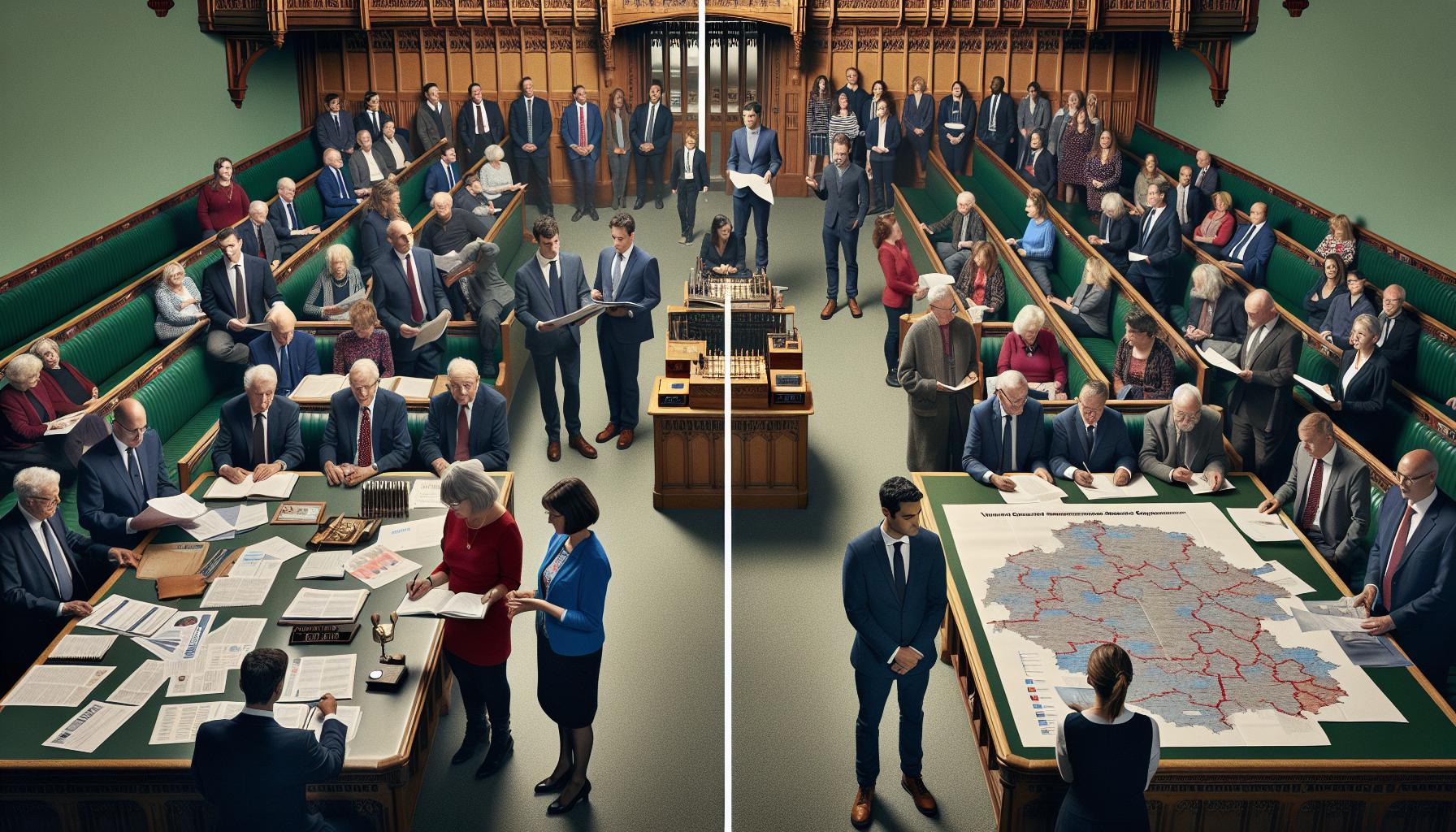
Few political titles carry as much direct democratic legitimacy as that of a Member of Parliament (MP). While many terms such as senator, representative, or councilor populate the political landscape, the role of an MP is distinctively tied to the legislative process within a parliamentary system and reflects a specific kind of relationship between the electorate and lawmaking bodies. The title “MP” typically refers to elected officials who serve in the lower or sole chamber of a parliament, directly representing geographic constituencies where voters have entrusted them to voice local and national concerns.
What sets MPs apart is their integration within a parliamentary structure where the executive branch usually derives its mandate from the legislature-in contrast to systems, like that of the United States, where there is a clearer separation between legislative and executive powers.Such as, unlike senators or representatives in a congressional system, MPs frequently enough hold dual responsibilities: they not only legislate but can also be members of the government cabinet, intertwining legislative and executive roles. This dual role requires MPs to navigate both constituency representation and national governance,balancing advocacy with political party discipline.
Understanding these distinctions is invaluable for grasping how different political roles function in practice:
- MPs serve in parliaments, often elected through constituency-based or proportional systems, engaging in legislative debates, committee oversight, and sometimes government formation.
- Senators,in countries like the U.S., usually serve in an upper chamber with longer terms and represent larger jurisdictions such as states rather than smaller constituencies, with responsibilities including treaty ratification and broader oversight.
- Representatives (e.g., U.S. House members) are elected solely to legislatures, where separation from the executive branch is emphasized.
- Councilors or local officials operate at municipal or regional levels with jurisdiction over localized issues,distinct from national legislative functions of MPs.
| Title | Typical Role | Election/appointment | Scope of Representation |
|---|---|---|---|
| Member of Parliament (MP) | Legislator; may serve in executive roles within government | Directly elected by constituency or party list | Local constituency, national legislature |
| Senator | Legislates, provides oversight; may have unique constitutional functions | Directly elected or appointed, varies by country | State, province, or larger jurisdiction |
| Representative | Legislates at national/federal level, generally separated from executive | Direct election by district | District or constituency |
| Councilor | Local governance and policymaking | Elected locally | Municipality, city, or region |
These differences matter when interpreting each office’s authority and accountability within various political systems. For instance, the accountability of an MP to both their constituents and party leadership underpins parliamentary democracy’s responsiveness and fluidity, while the clearly separated roles of Senators and Representatives in some systems emphasize checks and balances between branches of government.
Ultimately, knowing how MPs compare to other political figures gives voters and observers clarity on how power flows, how policies are shaped, and how democratic representation is structured across countries. This insight can guide citizens keen to engage effectively with their government or pursue political careers within the respective frameworks of parliamentary or congressional democracies.
The Role of MPs in Different Countries
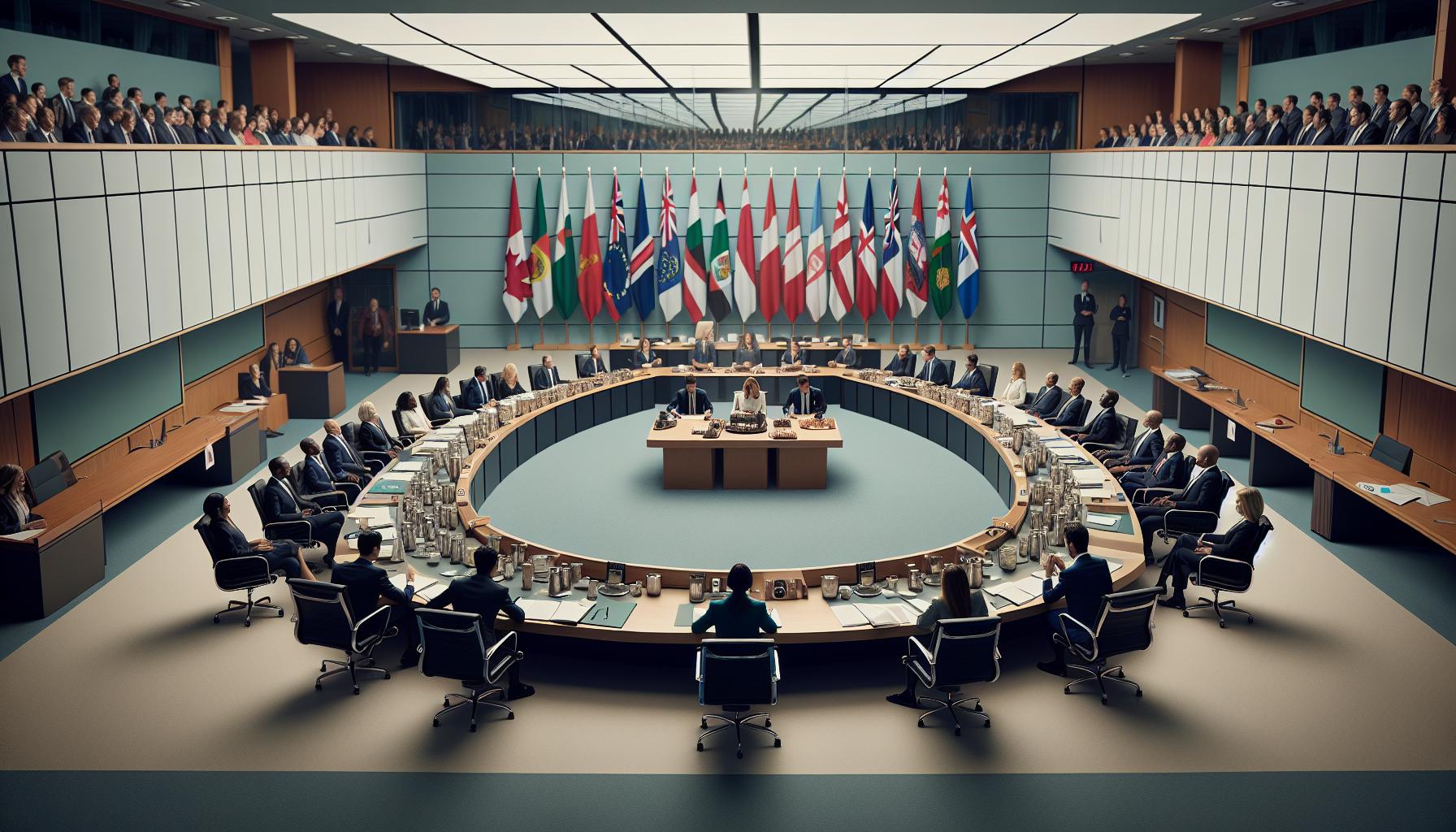
In many countries, Members of Parliament (MPs) play a pivotal role in shaping national policy and representing the interests of their constituents, yet the specifics of their functions and power can vary widely based on the country’s political system. In parliamentary democracies such as the United Kingdom, Canada, and India, MPs often have a dual role-not only do they debate and pass legislation, but they can also serve in executive capacities as part of the government cabinet. This dual function intertwines the legislative and executive branches, allowing successful MPs to influence both lawmaking and governance directly.By contrast, in countries with mixed or less conventional systems, the role of an MP may be more narrowly defined. Such as, in some smaller or unicameral legislatures, MPs primarily focus on local constituency needs and legislative duties, while the executive may be appointed separately, limiting MPs’ involvement in day-to-day government governance. This diversity speaks to the adaptability of the MP role and highlights the importance of understanding a country’s constitutional design when assessing an MP’s power and responsibilities.
- United kingdom: MPs are elected via a first-past-the-post system representing individual constituencies. They contribute to national legislation, hold the government accountable through question periods and committees, and might potentially be appointed to ministerial roles.
- Canada: Similar to the UK, canadian MPs hold seats in the House of Commons representing geographic ridings. They participate in robust committee systems and frequently balance local concerns with national policy debates.
- australia: The House of Representatives’ MPs act in legislative and government-forming roles, with a preferential voting system that encourages coalition-building and party discipline.
Local Representation Meets National Impact
A defining feature common to mps worldwide is their responsibility to act as the voice of their constituents in the national legislature. This means they must understand local issues intimately while also navigating complex national policies and party platforms. Many MPs balance constituent casework-such as helping individuals with government services-with broader roles that impact national security,the economy,and social welfare.
The degree to which MPs can independently represent their constituents varies. In systems with strong party discipline,such as the UK or Australia,MPs often vote along party lines,while in others,like certain Nordic countries,there can be more room for self-reliant action. Understanding these nuances helps voters and political aspirants recognize the constraints and opportunities inherent in the MP role.
Global Variations in Powers and Duties
Across different regions, MPs’ responsibilities can include:
- Drafting and debating legislation relevant to national and local priorities
- Serving on specialized committees to oversee government agencies and operations
- Participating in confidence votes that can sustain or dissolve governments
- Engaging with citizens to gather input and maintain democratic legitimacy
In some nations, MPs have exclusive rights like proposing budgetary measures or ratifying treaties, while in others, their role is more consultative. This variability highlights the importance of context when analyzing what being an MP entails in any given country.
By appreciating these international differences, readers gain a comprehensive understanding of how MPs function as essential cogs in democratic governance around the world. This knowledge empowers citizens to engage meaningfully with their own representatives and provides aspiring politicians with insight into the varied pathways and expectations of parliamentary service.
Common Powers and Duties of an MP
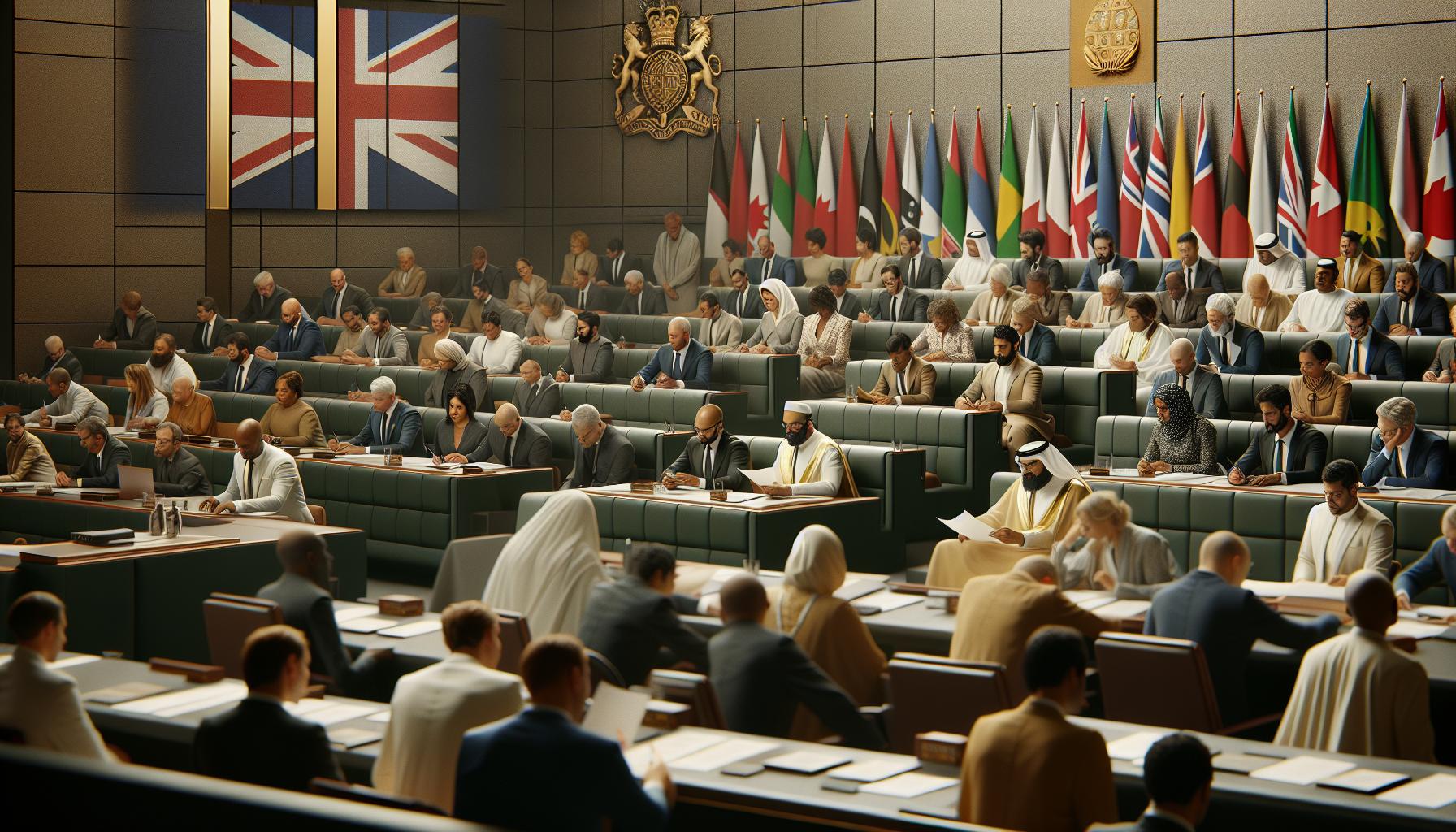
One of the most impactful aspects of being an MP is the authority to shape and influence legislation, often serving as the cornerstone of their role in government. MPs draft, debate, and vote on laws that affect everything from economic policy to social welfare, ensuring that the legal framework reflects the needs and values of their constituents. Their participation in legislative committees allows them to scrutinize government actions closely, offering a platform to shape policy details and hold public officials accountable. For example, in the UK, MPs can question ministers during dedicated sessions, which is a key mechanism to maintain government transparency and responsiveness[[[[[1]](https://www.parliament.uk/about/how/role/).
Beyond lawmaking, MPs serve as vital intermediaries between the public and the government. They engage in “constituency casework,” addressing individual and community concerns by helping citizens navigate government services or resolving local issues. This dual responsibility demands that MPs be deeply attuned to both the broad strokes of national governance and the finer details of everyday citizenry life. Their role as public advocates often involves organizing community meetings,responding to petitions,and ensuring that local voices inform national debates.
oversight and Accountability
Another crucial duty is overseeing government spending and actions to prevent misuse of public funds and maintain ethical governance. MPs participate in votes that authorize budgets, taxation levels, and government borrowing, effectively shaping fiscal policy and national priorities. Specialized committees play a strategic role here, delving into sectors such as health, defense, or education to ensure policies and funds are implemented effectively and fairly. This duty not only enhances transparency but also empowers MPs to influence where resources are channeled-often balancing national interests against local needs[[[[[1]](https://www.parliament.uk/about/how/role/).
Representative and Party Roles
In addition to legislative and oversight responsibilities, MPs often perform party-focused duties. They campaign for their party’s policies, vote in line with party positions, and may serve in leadership or ministerial capacities within the government. In parliamentary systems like Australia or Canada, this party discipline tends to shape MPs’ voting behavior and political strategy, demonstrating how MPs contribute to both their constituents and their political organizations[[[[[2]](https://www.aph.gov.au/About_Parliament/House_of_Representatives/Powers_practice_and_procedure/00_-_Infosheets/Infosheet_15_-_The_work_of_a_Member_of_Parliament).
- Legislation: Drafting, debating, and voting on laws that respond to both national and local concerns.
- Constituency Representation: Acting as a direct bridge for constituents, assisting with issues and ensuring their voices are heard in parliament.
- Oversight: Scrutinizing government policies, spending, and administration to uphold accountability and transparency.
- Committee Participation: Contributing specialized knowledge and oversight through parliamentary committees.
- Party Alignment: Supporting party policies and, in many cases, forming or supporting the executive government.
Understanding these common powers and duties reveals why MPs are essential pillars of democratic governance. Their multifaceted role demands a balance between representing constituent interests, influencing national legislation, and keeping the government accountable-a combination that ultimately shapes the effectiveness and integrity of any democratic system.
why MPs Matter in democratic Systems
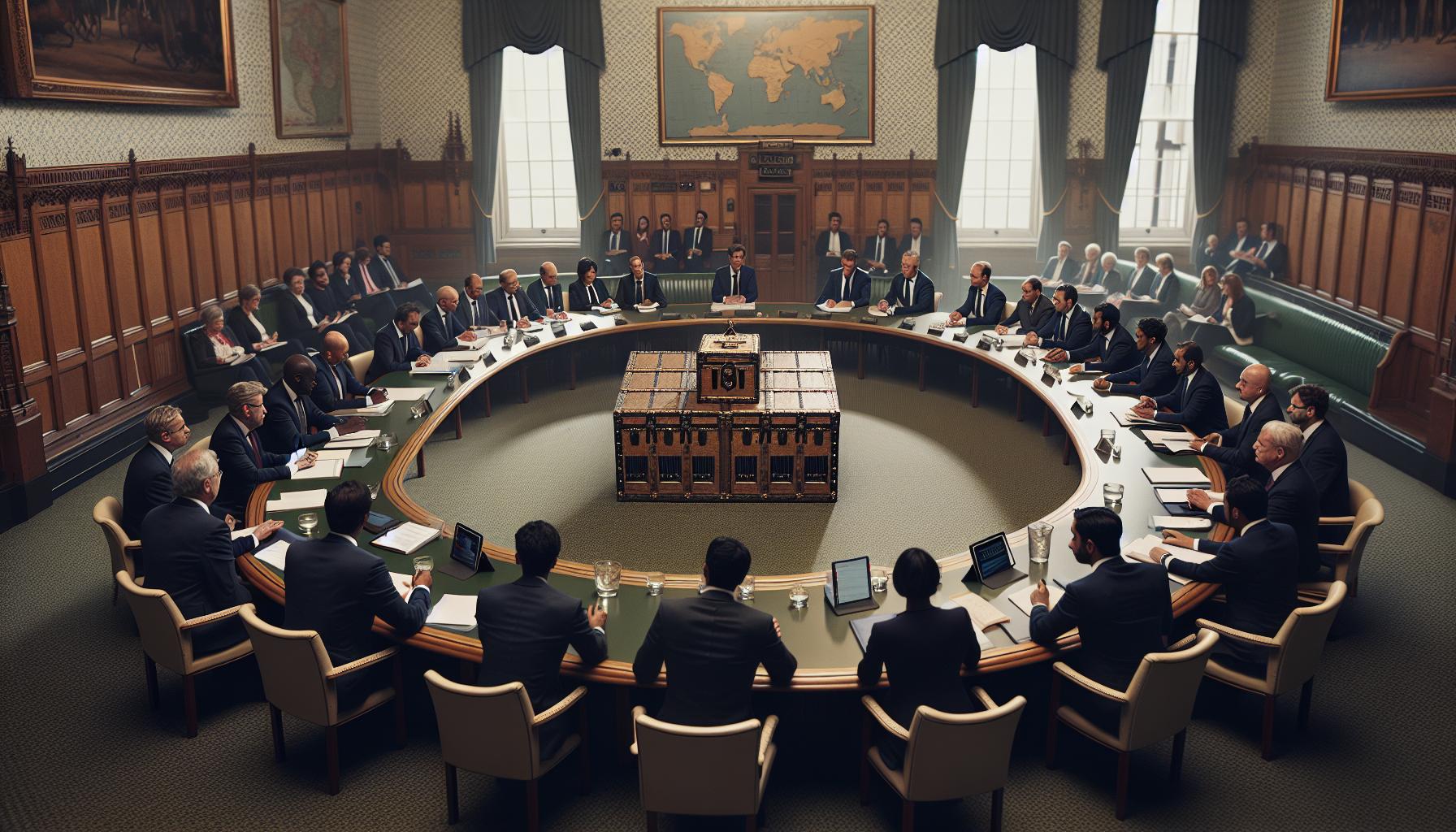
Few roles within democratic government structures are as vital or as publicly scrutinized as that of a Member of Parliament (MP).Serving as the direct link between the electorate and the machinery of government, MPs embody the principle of representative democracy. Their presence in the legislature ensures that diverse voices and communities, no matter how large or small, have advocates who bring local concerns to national and sometimes international attention. This dynamic not only enriches the legislative process but also fosters a sense of inclusivity and trust essential for democratic legitimacy.
MPs hold government accountable in ways no other role can replicate. Through questioning ministers, debating policy, and participating in committee work, they serve as a check on executive power, safeguarding transparency and integrity within public administration. Democracies thrive when citizens see their elected representatives actively scrutinizing government decisions-from budgets to social policies-thereby preventing unchecked authority and corruption. This oversight function is not just procedural; it directly impacts the quality of governance and the equitable delivery of services[[[[[2]](https://www.parliament.uk/about/how/role/).
Empowering Citizens Through Representation and Advocacy
Beyond their institutional duties, MPs serve a critical grassroots function. They are the frontline responders to constituents’ needs, offering guidance on navigating complex bureaucracies and representing individual and community issues within the halls of power. This dual role enhances political engagement across society by making government more accessible. Encouraging citizens to voice concerns and participate in consultations fosters a healthier political culture and strengthens democratic resilience.
Building Connections and Shaping Policy
Through their legislative work, MPs influence the development of laws that reflect society’s evolving values and challenges. Their role requires balancing national priorities with local realities, making them uniquely positioned to tailor policies that promote social progress, economic development, and human rights. By collaborating across party lines and committees, MPs contribute experience and knowledge that shape effective and responsive legislation.This collaborative spirit reinforces democratic principles by emphasizing dialog, compromise, and accountability.
- Connecting Communities: MPs act as a bridge ensuring local voices inform national decisions.
- Upholding Accountability: Their scrutiny deters misuse of power and promotes transparent governance.
- Fostering Civic Engagement: By addressing constituency concerns, MPs encourage participation in democratic processes.
- Shaping Inclusive Laws: their insights help craft balanced legislation responsive to diverse societal needs.
Understanding the profound significance of MPs makes it clear why they are indispensable pillars of democracy-their work sustains the delicate balance between public trust and effective governance necessary for any thriving democratic system[[[[[1]](https://www.ourcommons.ca/en/members).
How to Become an MP: Requirements and Process

Becoming a Member of Parliament (MP) is a goal rooted in a desire to serve the public and influence the governance of a nation. While pathways can differ between countries, the journey to becoming an MP generally begins with meeting a set of basic eligibility criteria and actively engaging in the political process. Many aspiring MPs find that early involvement in political parties, community organizations, or activism builds the experience and networks crucial for candidacy.
the essential requirements typically include age and citizenship qualifications. As a notable example,in the UK,individuals must be at least 18 years old and a British citizen,a citizen of the Commonwealth,or a citizen of the Republic of Ireland to stand for election[[[[[2]](https://www.parliament.uk/about/mps-and-lords/members/electing-mps/candidates/). Beyond these baseline conditions,candidates must also not be disqualified due to certain legal or professional restrictions,such as holding specific public offices or bankruptcy status. These prerequisites ensure candidates are capable and eligible to uphold the responsibilities entailed by parliamentary service.
Steps to Candidacy and Election
The process frequently enough begins with selecting a political party to represent or deciding to run as an independant candidate. Many parties implement internal selection procedures, which can involve local party member votes or appointments by party committees. This stage is critical, as securing a nomination provides the platform and resources necessary for campaigning effectively. After nomination, candidates enter the public electoral contest, engaging with voters through debates, public appearances, and media outreach.
- register: Complete required documentation with the electoral commission or relevant authority.
- Campaign: Present your policies and vision to the electorate through speeches, canvassing, and social media.
- Election day: Encourage voter turnout and participate in polling day activities.
- Post-Election: If successful,undergo any formal swearing-in procedures before taking your seat in Parliament.
Some countries may also require candidates to pay a deposit or meet signature thresholds from supporters, which ensure a level of seriousness and community backing. In addition, interpersonal skills, a solid understanding of public issues, and the ability to communicate clearly are invaluable throughout the campaign and once elected.
Building a Foundation for Success
Successful MPs often emphasize the importance of deep community connections and a genuine interest in addressing local issues. volunteering, local government roles, or careers in law, education, or public service can enhance credibility and prepare candidates for parliamentary duties. Equally crucial is resilience; elections can be intensely competitive, and learning from each experience strengthens future prospects.
Aspiring MPs shoudl also familiarize themselves with legislative procedures and political history to navigate parliamentary responsibilities confidently. Engaging with mentors or established MPs provides insight into the realities of legislative work and constituent service. Ultimately, becoming an MP is as much about dedication to public service as it is understanding and mastering the mechanics of electoral politics[[[[[3]](https://www.wikihow.com/Become-an-MP).
| Requirement | Typical Criteria | Additional notes |
|---|---|---|
| Age | Minimum 18 years | Varies slightly by country |
| Citizenship | Citizen of the country or Commonwealth | Some nations allow permanent residents under special rules |
| Legal Status | No serious criminal convictions or bankruptcy | Disqualification for certain public office holders |
| Nomination | Selected by party or self-nominated | Internal party processes crucial |
By understanding these steps and preparing strategically, individuals ready to take on the responsibilities of an MP can turn their ambitions into impactful public service.
Famous MPs and Their Political Impact
Few roles in governance can claim the historical depth and public impact as that of a Member of Parliament. MPs have often transcended their political offices, shaping nations through visionary leadership, groundbreaking legislation, or transformative social influence.Their careers demonstrate how parliamentary positions provide a platform not only to advocate policies but to leave lasting legacies that resonate far beyond election cycles.Some of the most renowned MPs were trailblazers in various fields before or after their parliamentary tenure. For example, Sir Francis Bacon combined philosophical innovation with his legislative role, helping to lay the groundwork for modern scientific inquiry while influencing English law and governance. Similarly, geoffrey Chaucer, better known as a literary giant, also served as an MP, illustrating the rich intersection of culture and politics[[[[[1]](https://www.the-independent.com/voices/top-10-mps-better-known-for-other-things-b2037974.html). These examples underscore that the title of MP often serves as a springboard to broader societal contributions.
Political Impact Through Legislative Leadership
Many MPs have driven notable political and social reforms, showcasing the power of parliamentary service.Figures such as Tony Blair and David Miliband in the UK, while well-known politicians in their own right, used their time as MPs to influence major policy directions on healthcare, education, and international relations[[[[[3]](https://www.maryevans.com/galleries/famous-mps-in-the-uk). Their careers demonstrate how effective MPs combine constituency representation with national leadership, bridging local issues and global challenges.
Lessons from Famous MPs for Aspiring Politicians
For those looking to enter parliament, studying the paths of famous MPs offers actionable insights:
- Build a diverse profile: Many high-impact MPs had careers in law, activism, or academia, equipping them with expertise useful in legislative debates.
- Engage in public discourse: Effectiveness often comes from clear interaction-debates, speeches, and media engagements are vital tools.
- Maintain constituents’ trust: Longevity in office and influence often correlate with strong local connections and responsiveness.
- Adapt and innovate: Famous MPs frequently navigated political changes by embracing new ideas,showing resilience through shifting political tides.
In sum, the political impact of MPs extends well beyond the chambers of Parliament. Their work shapes policies, inspires civic engagement, and often reshapes societal values. Aspiring MPs should consider these legacies as motivators for pursuing a parliamentary career with dedication, vision, and a commitment to meaningful public service.
MP vs. Senator vs. Representative: key Distinctions
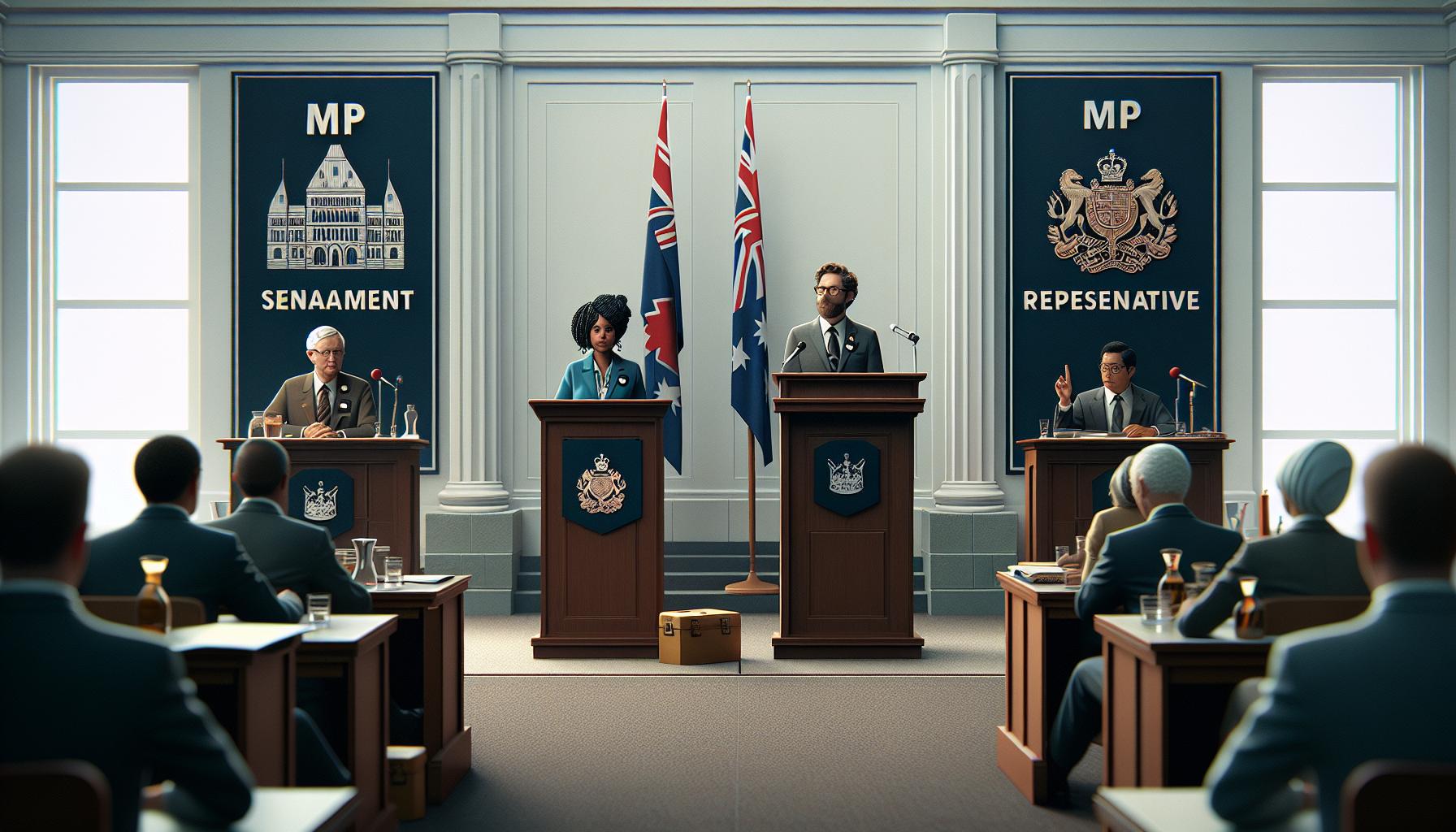
Few political titles cause as much confusion as those of MP, senator, and representative, especially for those trying to understand how different democracies organize their legislatures. while these roles share the common responsibility of representing the public and crafting laws, the scope, structure, and functions tied to each title vary substantially depending on the country’s political system and historical development. Recognizing these distinctions helps clarify the nuances of legislative power and offers insight into how democracy functions on various levels.
A Member of Parliament (MP) typically refers to an elected official in parliamentary systems such as the United Kingdom, Canada, Australia, and India. MPs generally serve in the lower house of the legislature,representing specific geographic constituencies.Their role balances local advocacy-addressing the interests and concerns of constituents-with national policymaking.Many parliamentary systems do not have a directly equivalent figure titled “representative” as mps combine legislative responsibilities with forming or challenging the executive government. For instance, in the UK, MPs help select the Prime Minister and hold the government accountable through debates and committees[[[[[1]](https://en.wikipedia.org/wiki/Member_of_parliament).
senators, on the other hand, are prominent in federal systems like the United States, Australia, and Canada, but their roles can be quite different. Typically, a senator represents a larger geographical area such as a state or province rather than a local district. The Senate frequently enough functions as the upper house in a bicameral legislature with distinct powers-such as ratifying treaties, confirming appointments, or offering a “chamber of sober second thought.” For example, in the U.S., senators serve six-year terms and participate in committees impacting foreign policy, judiciary appointments, and budgeting decisions[[[[[2]](https://www.senate.gov/senators/senators-contact.htm).
Representatives (or members of the House of Representatives in the U.S.) usually serve in the lower house of a bicameral legislature, where they focus on representing smaller constituencies much like MPs. Though, unlike many parliamentary MPs, U.S. representatives function within a strict separation-of-powers system, meaning they do not form or directly control the executive branch. Their elections are often held more frequently (every two years in the U.S.), which can heighten their responsiveness to popular opinion.
Key Practical Differences
| Aspect | Member of Parliament (MP) | Senator | Representative |
|---|---|---|---|
| Political System | parliamentary (e.g.,UK,Canada) | Federal bicameral (e.g., US, australia) | Federal bicameral (e.g., US) |
| Constituency | Local district | State or larger region | Local district |
| Role in Executive Branch | May be part of or support the government | Seperate from executive | Separate from executive |
| Term length | Varies (4-5 years typical) | Often longer (6 years in US) | Usually shorter (2 years in US) |
| Main Responsibilities | Legislation, government oversight, constituency services | Legislation, treaty ratification, confirmations | Legislation, local issues, budget decisions |
Choosing the Right Title in Context
For voters and aspiring politicians, understanding these differences is vital. If you live in a parliamentary democracy,you’ll likely vote for an MP who will both represent your district and influence national government formation. In federal systems like that of the U.S., knowing whether you’re contacting a senator or a representative matters: senators shape broader policy issues tied to the state or nation, while representatives tend to focus on more localized concerns.
Aspiring politicians should weigh these distinctions when planning their careers. For example, running as an MP involves engaging deeply with your local community while also navigating party politics closely tied to the executive branch, whereas a senatorial role might emphasize broader policymaking expertise and longer-term planning. Understanding these nuances can enhance civic engagement and clarify the varied routes to legislative influence worldwide.
Frequently Asked Questions About MPs in politics
Understanding the role of a Member of Parliament (MP) frequently enough begins with clarifying the basics, but many wonder how MPs actually influence daily governance and impact citizens’ lives. MPs serve as the vital connection between the public and the legislative process, balancing local constituency concerns with national policymaking. While their specific duties can vary widely depending on the country’s political system, most MPs share key responsibilities such as debating laws, scrutinizing government actions, and representing voter interests. This blend of local advocacy and national governance means that MPs often hold significant sway in shaping legislation and government priorities.People frequently ask whether MPs hold formal power beyond debating laws. the answer is yes-most MPs participate in commissions or parliamentary committees that delve deeply into specific issues such as finance, health, or foreign affairs. these committees are where much of the detailed legislative review happens, allowing MPs to influence policy outcomes and hold the executive branch accountable outside of full parliamentary sessions. In parliamentary systems like the UK or Canada, MPs who belong to the governing party may also serve as ministers, taking on executive roles that affect how laws are implemented. This dual legislative-executive function is a trademark of many parliamentary democracies and distinguishes MPs from legislators in strict separation-of-powers systems.
Common Questions About the MP Role
- Do MPs represent their party or their constituents first? While party allegiance is crucial-especially in parliamentary systems where party discipline affects government stability-most MPs are expected to balance party policy with the specific needs and opinions of their local electorate.
- How long do MPs serve? terms vary by country but typically last between four to five years, with some systems allowing earlier elections or term limits. For instance, Canadian MPs serve up to four years per Parliament, while UK MPs can serve up to five, depending on election timing.
- Can MPs lose their seats between elections? Yes.MPs can step down,be recalled (in some jurisdictions),or lose party nominations for subsequent elections,which shows that their role relies heavily on maintaining public trust and party support.
- Do MPs need specific qualifications? Most countries require MPs to be citizens and meet age and residency criteria, but no formal education or professional background is typically mandated, reflecting the democratic principle that any citizen can represent their community.
Why Voters Should Care About MPs
MPs often operate behind the scenes but their influence manifests directly in the laws passed, the government’s budget priorities, and oversight effectiveness. Voter engagement with MP elections can foster greater accountability and responsive governance. Knowing your MP and understanding their role equips citizens to advocate for local needs more effectively. moreover,as many MPs hold the government to account through questioning ministers and participating in votes of confidence,they are essential in maintaining the checks and balances that uphold democracy.
Practical advice for those interested in politics or civic participation includes attending local MP surgeries or forums, where constituents can present concerns directly. Beyond this, individuals who wish to become MPs should engage deeply with their communities, understand party politics, and prepare for the often demanding public service life. Being an MP requires resilience,adaptability,and a strong commitment to public service-qualities critical to navigating the complex world of governance and public policy successfully.
For detailed information on MPs in parliamentary systems like Canada and the UK, see official resources that provide biographies, voting records, and contact details, enabling voters to hold their elected officials accountable and informed[[[[[1]](https://en.wikipedia.org/wiki/Member_of_parliament)[[[[[3]](https://learn.parl.ca/understanding-comprendre/en/people-in-parliament/members-of-parliament/).
Frequently asked questions
Q: How does the role of an MP differ between parliamentary and presidential systems?
A: An MP in a parliamentary system primarily legislates and helps form the government, while in a presidential system, MPs (or their equivalents) mainly focus on lawmaking with separate executive leadership. Understanding this distinction clarifies an MP’s influence on government formation and policy making. See the section on The Role of MPs in Different Countries for details.
Q: What are the different titles similar to MP in other countries?
A: Titles like MP (Member of Parliament) vary internationally; equivalents include Deputy in Mexico, Congressperson in the USA, and Deputé in France. These titles reflect similar legislative roles but differ by government structure. Explore Differences Between MPs and Other Political Titles to learn more about these nuances.
Q: Why do some countries have both MPs and Senators, and how do their roles differ?
A: Countries with bicameral legislatures separate MPs (lower house) and Senators (upper house) to balance representation and review laws. MPs typically represent constituencies directly, whereas Senators may represent regions or states with broader oversight. For a detailed comparison, refer to MP vs. Senator vs. Representative: Key Distinctions.
Q: How do MPs hold governments accountable in democratic systems?
A: MPs hold governments accountable through question periods, debates, and committee oversight, ensuring transparency and responsible governance. They represent citizens’ interests by scrutinizing policies and budgets, which strengthens democracy. Learn more in the section Why MPs Matter in Democratic Systems.
Q: What qualifications or skills enhance an MP’s effectiveness beyond formal requirements?
A: Beyond formal eligibility, strong communication, negotiation, and leadership skills enhance an MP’s effectiveness in legislation and advocacy. Networking and constituency engagement also boost their impact. For essential qualities, see How to Become an MP: Requirements and Process.
Q: What are common challenges MPs face in modern politics?
A: MPs frequently enough face challenges such as balancing constituency needs with party policies, managing public scrutiny, and navigating complex legislative processes. Understanding these helps voters better engage with their representatives.the section on Common Powers and duties of an MP touches on these dynamics.
Q: How do MPs contribute to international relations or global policies?
A: MPs engage in international diplomacy through parliamentary delegations and global alliances, influencing foreign policy and international law. Such roles expand an MP’s impact beyond national borders, discussed in The Role of MPs in Different Countries.
Q: What happens if an MP loses election but still wants to influence politics?
A: Former MPs can remain influential by joining political parties, advising governments, engaging in activism, or pursuing media roles. Staying active in policy debates is key. For career pathways,see Famous MPs and Their political Impact for inspiration.
—
For more insights on becoming an MP or understanding their impact, explore our detailed article sections linked above. Stay informed and engaged to better appreciate the vital role MPs play in government.
Wrapping Up
Understanding what MP stands for in government sheds light on the crucial role Members of parliament play in shaping policies and representing public interests. If you’re eager to dive deeper into political structures or explore how MPs influence legislation, don’t miss our detailed guides on government functions and electoral systems. These resources provide practical insights to enhance your grasp of political governance.
Ready to stay informed on political developments and terminology? Subscribe to our newsletter for regular updates and expert analyses that keep you ahead.If you have questions or want to share your perspective on parliamentary roles, join the conversation in the comments below. Explore further to discover related topics like “How Elections Work” and “Understanding Political Parties” – unlocking a broader understanding of politics and governance while improving your knowledge journey.
By revisiting key terms such as MP meaning government and political representatives, you’re positioning yourself as an informed citizen. Take the next step now to engage with our community and access the tools that make complex political concepts clear and actionable.


