

Did you know that the very first words in a letter to an elected official can make a powerful impact, setting the tone for your entire message? Crafting the right political greeting is not just about formality-it’s your first chance to connect personally and respectfully with those who hold the power to influence issues you care about. whether you’re voicing a concern, sharing a personal story, or advocating for change, starting your letter effectively helps ensure your message is heard and taken seriously. This guide will show you how to open your letters with clarity and confidence, so your communication stands out and strengthens your voice in the democratic process. Understanding the essentials of political greetings empowers you to engage officials more strategically, increasing the chance your concerns will resonate and inspire action. Keep reading to discover practical tips on how to start your letters with impact and build meaningful connections through your words.
Table of Contents
- understanding the Purpose of Political greetings in Letters
- Choosing the Right Salutation for Different Officials
- Crafting Respectful and Effective Opening Lines
- Common Mistakes to Avoid When Starting Official Letters
- Adapting Greetings for Formal vs. Informal Political Correspondence
- Incorporating Cultural and Regional Protocols in Greetings
- Using Titles and Honorifics Correctly in Political Letters
- Powerful opening Phrases to Grab Attention
- How to Personalize Political Greetings Without Being overfamiliar
- Formatting Tips for a Professional Letter Introduction
- Examples of Effective Political Letter Openings
- When to Use Email vs. Traditional Letter Greetings
- FAQ
- Q: How can I respectfully address elected officials when I don’t know their preferred title?
- Q: What is the best way to acknowledge an official’s current role at the start of a letter?
- Q: Should I use gender-neutral greetings when writing to officials, and how?
- Q: When is it appropriate to include a brief personal connection in political letter greetings?
- Q: How do I start a political letter if I am addressing multiple officials at once?
- Q: What tone should I use in the greeting of a complaint letter to a government official?
- Q: How can I adapt political greetings for digital communication like email versus traditional letters?
- Q: Why is it important to avoid overly casual greetings in letters to officials?
- to sum up
understanding the Purpose of Political greetings in Letters

Political greetings set the tone for the entire correspondence and can considerably influence how your message is received by an elected official or government representative.Beyond a mere formality, the greeting acts as a bridge-establishing respect, professionalism, and a sense of connection right from the outset. A well-crafted salutation promptly signals to the recipient that the letter is thoughtfully composed and that the sender recognizes the importance of their office and role. This foundational step can transform a routine letter into a powerful instrument of civic engagement.
When contacting politicians, the greeting also serves a strategic purpose. It subtly communicates your understanding of the official’s position and status, which can foster goodwill and openness. Since many legislators receive countless communications daily, personalized and appropriate greetings help your letter stand out among the rest. As an example, addressing a member of Parliament by their proper title along with a brief mention of your residency in their constituency signals that you are a legitimate and invested constituent, which increases the likelihood your concerns will be taken seriously[[2]](https://www.share4rare.org/sites/default/files/imce/S4R_Tools_Letter%20to%20politician.pdf).
moreover, political greetings shape the relationship dynamic between the writer and the official. A respectful tone at the start sets a collaborative rather than confrontational atmosphere, encouraging dialog. It invites the reader to engage with your message thoughtfully. For example, beginning with “Dear Senator Smith” or “Honorable Mayor Jones” conveys a level of deference appropriate for the office while maintaining a clear and direct line of communication. this balance is crucial, as overly casual greetings might appear unprofessional, whereas excessively formal or outdated ones could seem distant or insincere.
Ultimately, political greetings are about more than politeness-they are a foundational step in effective advocacy.Crafting them carefully can enhance how your concerns are perceived, making it easier to influence decisions or initiate meaningful interactions with elected officials.
Key Reasons to Prioritize Political Greetings
- Establishes respect and professionalism which encourages positive engagement.
- Shows awareness of the official’s role and authority, building credibility as a constituent or stakeholder.
- Personalizes the letter, increasing the chances the official will read and respond thoughtfully.
- Sets a constructive tone, opening the door for dialogue rather than confrontation.
Choosing the Right Salutation for Different Officials

Political figures occupy a vast range of offices with distinct ranks, duties, and formalities, so choosing the right salutation is essential to convey both respect and familiarity. A well-placed greeting signals an understanding of their role and helps your letter command attention amid the flood of daily correspondence officials receive. Whether addressing a high-ranking member of government or a local representative, the key is aligning your opening with accepted protocols for their specific office, as this demonstrates professionalism and increases the likelihood of a positive reception.Such as, when writing to the President or Vice President, formal salutations such as “Dear Mr. President” or “Dear Madam Vice President” are customarily used and expected. These titles are almost always coupled with the official’s last name if known, except in rare cases of direct address where the office title suffices. Similarly, cabinet members and ambassadors warrant the use of honorifics like “The Honorable” before their name in the letter address line, with greetings such as “Dear Secretary Smith” or simply “Dear Ambassador Jones” crafting the right tone[3].
At the legislative level, it’s prudent to employ official titles alongside the name, adjusting for the polity’s conventions. Senators should be addressed as “Dear Senator [Last Name]”, while members of the House frequently enough receive “Dear Representative [Last Name]” or “Dear Congressman/Congresswoman [Last Name]” depending on local usage. This specificity reflects your recognition of their distinct role and helps distinguish your letter from generic mail.In cases where the official holds a rank or honorific-such as “Honorable” or “The Right Honourable”-including these can accentuate deference without sounding overly formal or antiquated.
Practical Tips for Selecting the Right Political Salutation
- Always verify the current officeholder’s correct title and preferred style through official government websites or their office’s published materials.
- Use gender-appropriate titles respectfully, such as Mr., Ms., or Madam, unless you are specifically aware of the addressee’s preferred pronouns or titles.
- When unsure of the recipient’s gender or title, default to the official position (e.g., dear Chairperson) rather than possibly misgendering the addressee.
- Consider constituency-based personalization: acknowledging your locality can establish rapport, such as “Dear Senator Smith, representing the people of Springfield.”
| Office | Recommended Salutation Example |
|---|---|
| President | Dear Mr. President |
| Vice President | Dear Madam Vice President |
| Senator | Dear Senator Johnson |
| House Member | Dear Representative Davis |
| Governor | Dear Governor Lee |
| Mayor | Dear Mayor Watson |
Appropriate salutations not only fulfill a formal requirement but also demonstrate a nuanced understanding of the political landscape you are engaging with. As an example, addressing a city mayor just as “Dear Mr. Jones” without the mayoral title may unintentionally downplay their office, whereas including their title expresses respect and can pave the way for more attentive consideration.Conversely, steer clear of overly casual greetings such as “hi” or first-name-only usage, which risk undercutting professionalism in political correspondence.
Ultimately, mastering the nuances of salutations tailored to different officials strengthens your advocacy by signaling that your concerns come from an informed and respectful citizen or stakeholder. This attention to detail sets a constructive tone, inviting dialogue and enhancing every letter’s potential impact.
Crafting Respectful and Effective Opening Lines

Every interaction with a political figure through correspondence begins with that crucial moment when your letter is first read – the opening lines set the tone and can influence whether your message resonates or is quickly set aside.Opening lines that are both respectful and purposeful help establish immediate credibility, showing that you recognize the official’s role and are serious about the subject at hand. A thoughtful beginning demonstrates your understanding of formal communication while gently inviting the recipient to engage with your concerns or requests.
When crafting these opening lines, it’s important to balance formality with clarity. Avoid overly lengthy introductions that detract from your message or seem insincere. rather, open with a clear statement of intent or context that connects directly to the official’s responsibilities or recent actions.As a notable example, referencing a policy the official recently supported or a community-specific issue they have addressed personalizes your approach and shows you are informed and engaged. This can spark genuine attention and frame your letter as a respectful dialogue rather than a generic petition.
- Begin with courteous acknowledgment. A phrase like “I appreciate your continued leadership on…” or “Thank you for your dedication to…” immediatly conveys respect and gratitude.
- State your purpose succinctly. Early clarity-such as “I am writing to express my concern about…” or “I wish to bring to your attention…”-guides the reader toward your message without ambiguity.
- Incorporate a shared interest or community focus. Highlighting shared values or mutual goals can forge a subtle connection: “As a constituent of [district/state], I value your commitment to…”
Examples of Effective Opening Lines
| Type of Letter | Sample Opening Line |
|---|---|
| Request for Action | “I am reaching out to urge your support for legislation that will benefit our community’s education system.” |
| Expression of Concern | “I write as a concerned resident regarding the recent changes to local environmental policies.” |
| Thank You/Recognition | “Thank you for your ongoing efforts to address homelessness in our city; your leadership is greatly appreciated.” |
A respectful approach also means avoiding emotional or confrontational openings, which can put officials on the defensive and reduce your chances of a positive outcome. Even when addressing contentious topics, maintain a calm, professional tone that invites dialogue rather than demands it. This measured beginning signals that you come with goodwill and thoughtful consideration-qualities that can open doors to constructive communication.
In sum, your opening lines should succinctly combine respect, clarity, and relevance. By doing so, your letter stands out as both courteous and compelling, increasing the likelihood that your message will be read thoughtfully and acted upon.
Common Mistakes to Avoid When Starting Official Letters

Starting a letter to a political official might seem straightforward, but even small errors can undermine the entire message. one common pitfall is using greetings or opening lines that feel impersonal or overly generic. Political figures receive countless letters daily, so beginning with a vague or irrelevant salutation risks your letter being overlooked. Rather, avoid broadness by directly addressing the official’s specific role or recent actions, which immediately signals that your communication is both deliberate and informed.Another frequent mistake is an overly casual tone or, on the opposite end, an excessively formal or stiff introduction that creates distance rather than connection. Striking the right balance matters-a greeting that’s too informal can come across as disrespectful, while one that’s too scripted might make your letter feel robotic or insincere. For example, starting with “Hey Senator” is inappropriate, while “dear Honorable Senator Smith” may sound overly grandiose. instead, a measured salutation with correct titles, followed by a concise, courteous opening line, creates the best impression.
Avoiding Emotional or Confrontational openings
It’s tempting to express frustration or strong opinions upfront, especially when addressing contentious political issues. However, opening a letter with accusatory or inflammatory language can quickly put the recipient on the defensive, diminishing your chances for a constructive response. Instead, begin with neutral, respectful language that frames your position thoughtfully. Even when pressing urgent concerns, phrasing requests calmly fosters goodwill and encourages officials to consider your viewpoint thoughtfully.
Common Structural and Formatting Errors
Along with tone and wording, many writers falter by cluttering their introduction with unnecessary background or overly long paragraphs that obscure the letter’s purpose. Early clarity is critical: the opening should succinctly state your reason for writing and establish relevance to the official’s duties. Avoid redundant phrases or superfluous compliments that dilute focus. Using clear, direct language and breaking up ideas into brief paragraphs or bullet points can improve readability and increase the likelihood your letter will be taken seriously.
- Don’t forget proper titles and honorifics. Overlooking or misstating these can be seen as disrespectful and hurt your credibility.
- Avoid clichés and empty flattery. Personalize your opening based on specific achievements or community connections to demonstrate genuine engagement.
- Refrain from starting with demands or ultimatums. It’s better to invite dialogue instead of appearing confrontational.
Careful attention to these nuances ensures your letter begins on solid footing, maximizing the chance that your message will capture the official’s attention and be met with thoughtful consideration. Craft each opening deliberately: it’s the gateway to meaningful communication and influence.
Adapting Greetings for Formal vs. Informal Political Correspondence

Letters to political officials can vary greatly in tone depending on the context and your relationship to the recipient. Knowing when to use a formal greeting versus a more informal approach can significantly affect how your message is received.Formal correspondence is generally expected when writing to officials whom you do not know personally, when addressing serious policy issues, or when submitting official requests or concerns. In these instances, sticking to established norms of respect and decorum-such as using proper titles and a polished tone-demonstrates your seriousness and respect for the office.
Conversely, some political communication encourages a more conversational and approachable tone, especially when you share a closer connection with the official, like being an active community member or a frequent voter in their district. Informal greetings can foster a sense of personal connection and openness, but require careful calibration to avoid seeming disrespectful or too familiar. Such as,a letter to a local council member might begin with a straightforward “Dear Councilwoman Garcia,” rather than the more elaborate “The Honorable Councilwoman Garcia,” if your relationship includes previous interactions or ongoing engagement. This nuanced tone helps build rapport without sacrificing professionalism.
- Formal greetings typically include: Dear senator Smith, The Honorable Representative Johnson, or Dear Mayor Lee. They set a respectful tone and clearly acknowledge the recipient’s role.
- Informal greetings, while still polite, might be: Dear Chris, Hello Councilwoman Garcia, or Greetings Assemblyman Patel. These options can feel warmer and more conversational but should never cross into casual or flippant phrasing.
Finding the Right Balance
A practical approach is to assess the context of your communication before selecting your greeting style. For advocacy letters or first-time contact, favor formal salutations to establish credibility. If you regularly communicate with an official and have received invitations to engage less formally, adapting your greetings accordingly can enhance dialogue. Remember, the greeting sets the tone for the entire letter, signaling either respect and formality or openness and familiarity. Maintaining clarity about your objective will guide whether a formal or informal greeting is most appropriate.
Moreover, the medium of communication can affect tone. Email correspondence often permits slightly less formality than mailed letters, given its immediacy and conversational nature, without sacrificing professionalism.Even in emails, however, the first contact or critical issues should retain formal greetings to uphold decorum and ensure your message is taken seriously. In contrast, follow-up emails or casual updates to officials you know well can safely incorporate warmer salutations that reflect your ongoing relationship. By carefully adapting your greetings, you optimize the effectiveness of your political correspondence, making it both respectful and genuinely engaging.
Incorporating Cultural and Regional Protocols in Greetings

When writing to political officials across different cultural or regional backgrounds,being mindful of local customs and protocol nuances can significantly influence how your greeting is received.Political communication is not just about correct titles and formalities; it’s equally about demonstrating cultural respect and awareness, which can set a positive tone before your message is even read. In many countries, a greeting that disregards regional etiquette or conventional honors can inadvertently come across as disrespectful or insensitive, undermining the spirit of your communication.
Such as, in many Asian countries, the order of names, the use of formal titles, and hierarchical recognition are paramount. addressing an official merely by their last name without the appropriate honorific can be seen as impolite. In Japan,phrases such as “Dear Minister [Last Name]-sama” show a higher degree of respect by including the suffix “-sama.” Similarly, in Middle Eastern countries, where honorifics like “His Excellency” are commonly used for high-ranking officials, omitting these can signal a lack of cultural awareness. Even within the Western world,regional differences persist; for instance,in the UK,protocols dictate careful use of courtesy titles such as “Right Honourable” or “The Honourable,” depending on the office and context.
- Research local customs: Before writing, verify the proper honorifics, formal titles, and name orders used in the recipient’s contry or region.
- Observe diplomatic conventions: When in doubt, adhering to widely recognized diplomatic protocol-such as those outlined by a country’s Office of Protocol-helps avoid missteps.
- Adopt culturally appropriate phrasing: Some regions prefer very formal written language,while others may appreciate a slightly warmer tone; tailor your opening accordingly.
Beyond respect for titles, incorporating knowledge of regional communication styles-such as the preferred directness or formality level-can enhance your greeting’s effectiveness.in some latin American cultures,for example,including a polite inquiry about the official’s health or family at the beginning of the letter is common and viewed as a courteous gesture that builds rapport.By contrast, Northern European styles may favor brevity and precision over elaborate pleasantries. Recognizing these subtle distinctions enables you to craft a letter opening that resonates culturally, showing both professionalism and genuine regard.
- Use official government or embassy websites for guidance: These resources often provide examples of proper salutations tailored to local political traditions.
- When addressing multinational officials: Opt for the most formal greeting customary to their primary governmental role and cultural background to maintain respect.
- Avoid slang or overly casual language: What feels warm in one culture might be improper or confusing in another, especially in highly formal political environments.
Adapting your political greeting to cultural and regional protocols not only reflects your respect for the official and their office but also enhances the likelihood that your communication will be read with an open mind and a favorable impression. this thoughtful approach is a small but powerful way to honor diplomatic traditions and foster constructive political dialogue.
Using Titles and Honorifics Correctly in Political Letters

Few elements in political correspondence carry as much weight as the accurate use of titles and honorifics. These are not mere formalities; they function as verbal acknowledgments of an official’s rank, authority, and cultural standing. Applying them correctly sets a respectful and professional tone from the outset, signaling that you recognize and honor the recipient’s position and the institution they represent.Conversely, improper or omitted titles can unintentionally communicate disrespect or ignorance, potentially undermining the impact of your message before it is even read.
Understanding the nuances behind honorifics means acknowledging that conventions vary widely-not only by country but also by government level and office. For example, in the United States, it’s customary to address members of Congress as “The Honorable [Full Name],” while judges are frequently enough referred to as “your Honor.” In the UK, high-ranking officials might be addressed as “Right Honourable” or by peerage titles if applicable. For diplomatic correspondences, prefixes such as “His Excellency” or “Her Excellency” are critically important markers of respect in many countries, especially in Middle Eastern and Asian contexts. Using these correctly is more than protocol; it signals awareness of international political culture, which can enhance receptivity.
- always verify the official’s full title and preferred honorific: Consult official government websites, embassy guidelines, or recent communications to confirm the correct form. Titles can change with appointments or elections, and updating your knowledge ensures your letter remains current and appropriate.
- Use formal titles with full names, not just surnames: For example, write “Dear Senator Smith” rather than “Dear Smith.” Informal name usage risks diminishing the professional tone, especially when communicating on serious policy matters.
- When unsure, default to the most formal form: Phrases like “The Honorable” or “Your Excellency” err on the side of respect and are unlikely to offend. As you build familiarity or receive guidance from the recipient’s office, you may adjust accordingly.
Examples of Correct Usage in Practice
| Official Position | correct Title/Honorific | Example Salutation |
|---|---|---|
| Member of U.S. Congress | The Honorable [Full Name] | Dear The Honorable Jane Doe, |
| Governor (USA) | Governor [Last Name] | Dear Governor Smith, |
| Diplomat or Ambassador | His/Her Excellency [Full Name] | dear His Excellency John Lee, |
| Judge | Your Honor | Dear Judge Johnson, or Your Honor, |
| Minister (Japan, including suffix) | Minister [Last Name]-sama | Dear Minister Tanaka-sama, |
| UK Parliament Member (Privy Council) | Right Honourable [Full Name] | Dear Right Honourable Elizabeth Brown, |
Continuing beyond simple correctness, using titles adeptly can also personalize your letter without crossing into familiarity. As an example, when writing to an elected official who you know well or have met previously, maintaining correct titles combined with an added respectful phrase like “I hope this note finds you well” balances warmth and professionalism. Avoid abbreviations and colloquial short forms of titles; full expressions maintain formality and clarify respect.
mastering the art of titles and honorifics transforms your political letters into thoughtful, respectful communications that stand out for their professionalism. It reflects careful preparation and respect for the official’s role, encouraging attentive reading and a positive impression from the opening line onward.
Powerful opening Phrases to Grab Attention

Capturing an elected official’s attention within the first few lines of your letter significantly increases the likelihood that your message will be read thoughtfully and acted upon. A compelling opening is not merely polite-it creates an immediate connection, demonstrating your understanding of the official’s priorities while clearly stating the urgency or importance of your communication. In the political sphere, where officials receive a high volume of correspondence daily, standing out respectfully is crucial.
Strong opening phrases often start by acknowledging the official’s role or recent actions that relate to your issue, establishing relevance and respect from the outset. Such as, opening with “As a constituent deeply concerned about our community’s environmental future…” or “I appreciate your recent leadership on healthcare reform…” both convey respect and personal engagement. This approach builds rapport and signals that your letter is thoughtfully tailored rather than a generic complaint or request.
- Lead with shared values or goals: Highlight a common concern or priority to create alignment. Phrases like “recognizing your commitment to education…” or “Given your dedication to public safety…” help frame your message positively.
- State the purpose clearly but tactfully: Craft a sentence that is direct yet courteous, such as “I write to urge your support for…” or “I respectfully request your consideration of…”
- Use statistics or recent developments strategically: Introducing a startling fact or recent event relevant to your issue can immediately engage the reader, e.g.,”Recent studies show that over 40% of our district’s water supply is at risk,emphasizing the need for urgent action.”
Balancing formality with a tone that resonates on a human level boosts the effectiveness of your opening phrase. Avoid generic or overly formal clichés that may feel impersonal, such as “I hope this letter finds you well,” unless accompanied by more specific connective language. Rather, consider a blend of professionalism and sincerity that reflects both respect for the office and genuine passion for the issue. By thoughtfully crafting your opening lines, you do more than introduce your letter-you invite engagement, making your message memorable and more likely to inspire a positive response.
How to Personalize Political Greetings Without Being overfamiliar

Establishing a personal connection in political correspondence is key to making your letter stand out, but striking the right balance between warmth and formality can be challenging. Too much familiarity risks undermining your credibility, while coming across as cold or scripted may cause your message to be overlooked. A subtle thread of personalization woven cautiously throughout your greeting sets a respectful tone and signals thoughtful engagement without overstepping boundaries.
Begin by anchoring your greeting in shared identity or mutual interests without presuming closeness beyond your role as a constituent. For instance, referencing your community or district immediately places your letter in context and shows that you recognize the official’s responsibilities.Phrases such as “As a resident of [district/area],” or “Given your efforts on [specific policy],” acknowledge a real connection without implying personal familiarity. This affirms your stake in the matter while respecting the official’s position and time.
Practical Strategies to Personalize Respectfully
- Use specific references rather than generic praise: Mention recent initiatives, local events, or legislation the official has worked on that relate to your concern.Instead of a vague “Thank you for your service,” consider something like, “I appreciate your leadership on the recent education reform bill.” This clearly shows that your message is tailored to their role.
- Share concise and relevant personal details: Briefly mention your experience or connection to the issue, such as “As a teacher in the district, I have seen firsthand…” This approach humanizes your letter, making it memorable without becoming overly familiar.
- Avoid assumptive or overly casual language: Steer clear of nicknames, slang, or overly informal greetings like “Hey” or using first names unless the correspondence context explicitly permits it.
Consider this example: instead of opening with “Dear john,” opt for “Dear Senator Smith” paired with a personalized note like, “I applaud your recent efforts to enhance local healthcare access.” This method respects formal protocols while demonstrating attentiveness to their work.
The Art of Balanced Tone
A prudent tone blends professionalism with genuine respect and a touch of humanity.You want your greeting to feel approachable but not presumptive. It helps to imagine the official’s viewpoint-receiving hundreds of communications, they value clarity and relevance over overly casual familiarity. Crafting your opening line with specificity and sincerity provides both:
- An immediate sense of who you are and why your letter matters
- A respectful invitation to engage with your perspective
This combination boosts the likelihood that your message resonates and motivates a meaningful response,without sacrificing decorum.
By tailoring your greetings thoughtfully, you demonstrate not only your respect for the office but also your commitment as a constituent, encouraging officials to see you as a valued voice in their community rather than just another name in the inbox.
Formatting Tips for a Professional Letter Introduction

few elements shape the first impression of your political correspondence as decisively as the formatting of your letter’s introduction. A well-structured opening not only commands attention but also establishes your credibility and respect for the recipient’s time. Precision and clarity should guide every aspect – from your salutation’s placement to how your opening lines are spaced and aligned.This organized presentation signals professionalism, making it easier for elected officials or their staff to engage with your message.
Begin by ensuring your contact details and the date are positioned clearly at the top of the page,aligned to the left or right margin depending on your chosen style. Following this, place the official’s name, title, and address distinctly before the body of your letter.The salutation should be flush left, with an appropriate formal greeting like “Dear Senator [Last Name]:” or “Dear Councilmember [Last Name],” followed by a clear paragraph break to separate it from the body. This spacing not only enhances readability but also differentiates your respectful greeting from the substantive content that follows.
Visual Clarity and Consistency Matter
- Use a standard font and size: Choose professional fonts such as Times New Roman, Arial, or Calibri in 11 or 12-point size to ensure your letter looks polished and is easy to read.
- Keep margins uniform: One-inch margins on all sides create a clean frame that avoids overwhelming the reader with dense text.
- Line spacing: Opt for 1.15 to 1.5 line spacing to maintain balance-enough white space to prevent fatigue but compact enough to keep the letter concise.
- Paragraph indentation or spacing: Rather than indenting, use a blank line between paragraphs to clearly separate ideas and improve flow.
Avoid cluttering the introduction with excessive formatting like bold or italicized text; rather, save that emphasis for key arguments within the body. A straightforward, evenly spaced introduction respects formal letter conventions and allows your carefully chosen words to shine.
Example of a Professional Formatting Setup
| Letter Element | Formatting Guideline | Example |
|---|---|---|
| Sender’s Information | Top-left, single-spaced, with a line space below | Jane Doe 123 Maple St. Springfield, IL 62704 jane.doe@email.com |
| date | Single-spaced below sender info | October 29, 2025 |
| Recipient’s Name & Title | Single-spaced, left-aligned, with a space after | The Honorable John Smith U.S. senator Washington, D.C. 20510 |
| Salutation | Left-aligned, followed by a colon or comma, with a space below | Dear Senator Smith: |
| body Opening Paragraph | Begin two lines below salutation, no indentation, clear and concise | I am writing as a resident of Springfield to express my strong support for the recent healthcare initiatives… |
the introduction’s formatting creates a visual roadmap that guides officials through your letter with ease and respect. When paired with carefully chosen, personalized greetings and opening lines, this attention to presentation enhances your letter’s persuasive power, demonstrating that you value the office and the dialogue you seek to foster.
Examples of Effective Political Letter Openings
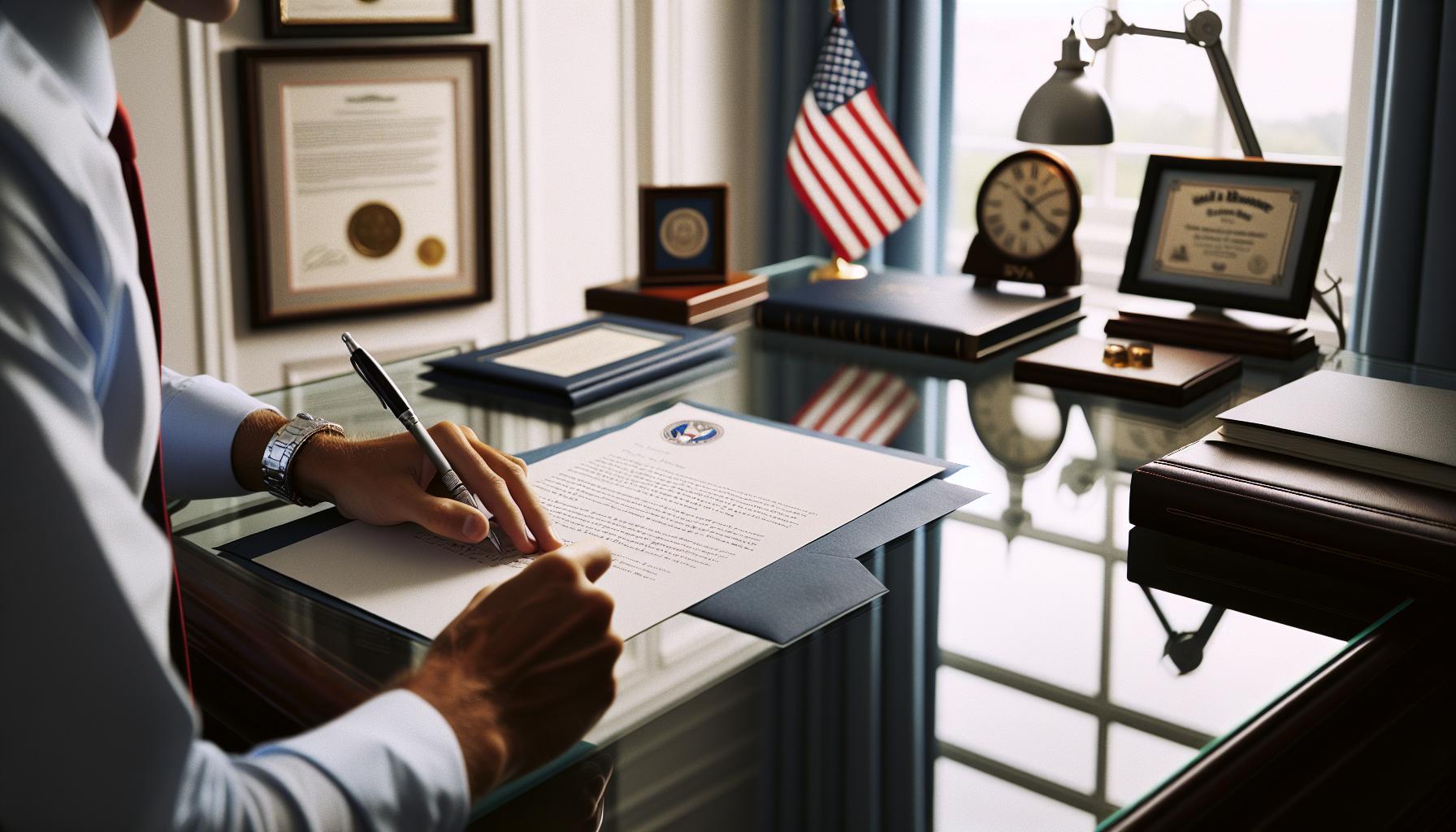
Opening a letter to a political official is your critical first opportunity to make a meaningful connection and set the tone for your message.An engaging and well-crafted opening not only demonstrates respect but also immediately grounds the official in the issue’s relevance, increasing the chances your letter will be read thoughtfully. A strong opening captures attention by clearly identifying your purpose and, when appropriate, establishing your relationship to the community or context.
As a notable example, a resident writing to their local representative might begin with a direct statement such as, “as a lifelong resident of your district, I am writing to express my concern about…” This instantly communicates personal stake and local relevance, which often resonates deeply with elected officials who prioritize constituents’ voices. Another effective technique is to incorporate a timely reference, such as mentioning recent news, legislation, or community events, for example: “following the recent passage of the educational reform bill, I wish to share my perspective on…” Anchoring your letter in current affairs signals you are informed and engaged, which fosters credibility.
examples of Effective Opening Lines
- Personal Stake Introduction: “I write to you as a concerned parent and voter within your district to highlight the urgent need for improvements in our public schools.”
- Reference to Official’s Work: “I commend your recent efforts on environmental legislation and would like to offer additional constituency feedback.”
- Clear Statement of Purpose: “I am reaching out to urge your support for the upcoming healthcare reform proposal, which is vital for our community’s well-being.”
- Expressing Concern with Politeness: “I respectfully bring to your attention a matter that has meaningful impact on our neighborhood’s safety.”
Crafting your opening line with these concepts in mind helps frame your letter for maximum impact-showing respect while making your position clear. avoid vague or overly generic phrases such as “I hope this letter finds you well.” Instead, opt for language that immediately conveys your message’s weight and your genuine connection to the topic. Personalizing your approach, even briefly, can transform a routine letter into a compelling constituent appeal.
Balancing Formality and Warmth
Striking the right tone in your political letter opening is key.While maintaining formality by using titles and correct honorifics, you can still infuse warmth by referencing shared community values or mutual goals. For example:
“I appreciate your commitment to public service, and as a fellow advocate for sustainable urban growth, I am eager to share my perspective on the proposed zoning changes.”
This kind of opening conveys respect and builds rapport without undermining the letter’s professional tone. Ultimately, the best openings guide the reader smoothly into the core of your message while making your communication feel both personal and purposeful.
When to Use Email vs. Traditional Letter Greetings

In today’s fast-paced political environment, knowing when to send an email versus a traditional letter can significantly affect how your message is received and perceived by officials. While email offers immediacy and convenience, a carefully crafted traditional letter often conveys a seriousness and formality that can underscore the importance of your communication. Understanding these nuances helps maximize your influence and ensures your message arrives in the format best suited to your purpose.
Email is ideal for timely issues that require speedy action or acknowledgment. As an example, when responding to recent news, upcoming votes, or sudden policy shifts, emails allow constituents to engage rapidly with officials’ offices. As elected representatives and their staff handle high volumes of correspondence, email greetings can be more informal yet respectful, such as “Dear Senator Smith” or “Dear Representative Jones,” and a concise opening that quickly clarifies your concern. The accessibility of email also favors follow-ups or ongoing dialogues,especially when you have already established contact. However, because emails can sometimes feel informal, avoid slang or overly casual language; maintain a professional tone to ensure your message stands out without diminishing respect [[1]](https://www.quora.com/What-is-the-best-way-to-write-letters-to-government-officials-like-senators-congressmen-judges-etc-Do-they-actually-read-them-at-all).
on the other hand, traditional letters are still unmatched when addressing more weighty or enduring matters that benefit from formality and permanence. Letters printed on quality paper with proper salutations – such as “The Honorable” followed by the official’s title and full name – communicate a level of respect and intent that digital messages can sometimes lack [[2]](https://www.iaee.com/wp-content/uploads/2019/12/EMB-Writing-Elected-Officials_Nov19.pdf).Use traditional letters when advocating for specific legislation, submitting official complaints, or expressing detailed, nuanced views. The tactile nature of a physical letter can make your correspondence memorable and might potentially be physically shared among staff or filed in ways digital notes are not.Additionally,formal letter openings should maintain strict etiquette with appropriate titles and honorifics,emphasizing protocol to reflect your understanding of political correspondence [3].
Practical Tips to Choose Between Email and Traditional Letters
- Urgency: Use email for time-sensitive matters or when a quick response is needed.
- Formality: Opt for traditional letters when addressing significant policy issues or formal requests.
- Relationship: For initial contacts, a traditional letter may establish seriousness; for follow-ups, emails are effective.
- Length and Detail: Detailed or complex issues might benefit from the space and formality of a printed letter.
- Personal Touch: Letters convey personal investment, especially when handwritten or carefully printed.
Both formats require thoughtful openings aligned with the communication medium. For emails, brevity and clarity in the greeting and opening line respect the reader’s limited time, while traditional letters invite more elaborate, courteous introductions reflecting the correspondent’s respect for office and protocol. Striking the right balance can enhance your chances of being heard, regardless of format.
FAQ
Q: How can I respectfully address elected officials when I don’t know their preferred title?
A: When unsure of an official’s title, use a formal salutation such as “Dear [Full Name],” or “Dear Honorable [Last Name],”. This approach maintains respect while avoiding incorrect titles. For more guidance, see Choosing the Right Salutation for different Officials in the main article to ensure your greeting is appropriate and professional.
Q: What is the best way to acknowledge an official’s current role at the start of a letter?
A: The best practice is to state the official’s current role clearly and respectfully after the salutation, e.g., “As the Mayor of [City], your leadership on…” This sets context while showing you recognize their authority. This technique complements Crafting Respectful and effective Opening Lines-consider incorporating it for clarity and professionalism.
Q: Should I use gender-neutral greetings when writing to officials, and how?
A: Yes, using gender-neutral greetings such as “Dear [Full Name],” or “dear [position Title],” promotes inclusivity and professionalism. Avoid assumptions by focusing on official titles rather than honorifics like Mr./Ms.This practice aligns well with Incorporating Cultural and Regional Protocols in Greetings.
Q: When is it appropriate to include a brief personal connection in political letter greetings?
A: A brief personal connection is appropriate when it adds genuine context to your concern-for example, “As a longtime resident of your district…” Keep it concise and relevant to maintain formality while Personalizing Political Greetings Without being Overfamiliar enhances engagement.
Q: How do I start a political letter if I am addressing multiple officials at once?
A: Start with a collective yet formal salutation like “Dear Members of the [Committee/Board],” or list names with appropriate titles.This shows respect to all recipients and maintains clarity. You can find more tips on this in the Using Titles and Honorifics Correctly in Political Letters section.
Q: What tone should I use in the greeting of a complaint letter to a government official?
A: Use a polite but firm tone in your greeting, such as “Dear [Title Last Name], I am writing to express concern about…” This balances respect and seriousness, setting a constructive tone as recommended under Crafting Respectful and Effective Opening Lines.
Q: How can I adapt political greetings for digital communication like email versus traditional letters?
A: For emails,use a concise salutation like “Dear Senator [Last name],” followed by a clear subject line. Traditional letters can be more formal with extended greetings. Reference When to Use Email vs. Traditional Letter Greetings for optimizing greetings based on format.
Q: Why is it important to avoid overly casual greetings in letters to officials?
A: Avoiding casual greetings maintains professionalism and shows respect for the office. overly informal language can undermine credibility. Maintain formality through proper salutations as detailed in Common Mistakes to Avoid when Starting Official Letters to make a strong impression.
Explore these FAQs alongside the main article sections to craft respectful,clear political greetings that enhance your official communications and increase the likelihood your message is well received.
to sum up
Mastering political greetings in letters to officials sets the foundation for respectful and impactful communication. by understanding how to begin your correspondence effectively, you enhance the chance your message will be taken seriously and generate positive responses. Don’t hesitate to apply these insights in your next letter-starting strong is the first step toward meaningful dialogue.For further guidance, explore our detailed articles on Effective Political Communication Strategies, Writing Persuasive Letters to Policymakers, and Building Advocacy Through Formal Correspondence. These resources provide valuable tools and templates to refine your approach. Ready to elevate your outreach? sign up for our newsletter to receive expert tips and updates that empower you to engage confidently with officials.
If questions remain or you want personalized advice, consider booking a consultation with our communication specialists. join the conversation by sharing your experiences or questions in the comments below-your input helps build a community dedicated to making every political letter count.


