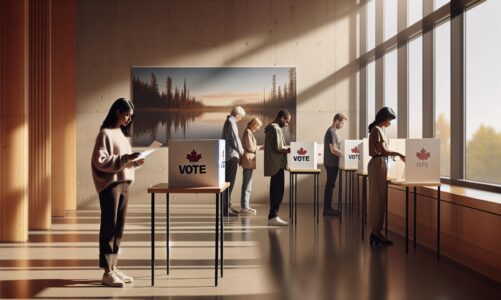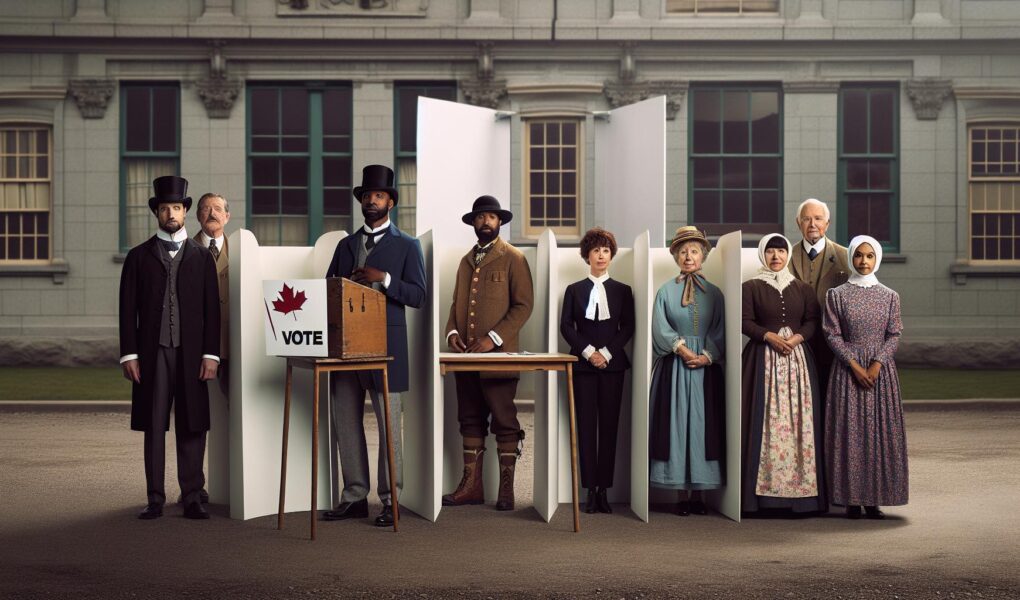
Did you know that when Canada was founded in 1867, the right to vote was reserved mostly for property-owning men over 21, excluding women, Indigenous peoples, and many others? The journey toward todayS inclusive democracy has been shaped by key milestones that expanded voting rights and helped define Canadian identity and values. Understanding this history isn’t just about dates and laws-it reveals how our society has evolved to embrace fairness and representation, reflecting ongoing efforts to make every voice count. Whether you’re curious about how suffrage expanded from a limited few to nearly all Canadians or interested in the challenges and progress that continue to influence voter participation, exploring these pivotal moments offers valuable insight into the foundations of Canadian democracy. Join us as we uncover seven defining milestones that trace the path from exclusion to enfranchisement, providing a clearer picture of how rights we often take for granted were hard-won and remain essential to our shared future.
Table of Contents
- Early Voting Rights and colonial Foundations in Canada
- key Legal Reforms Expanding Voter Eligibility
- The Impact of Women’s Suffrage on Canadian Democracy
- Significant Indigenous Voting Rights Milestones
- The Role of Immigration in Shaping Voting Access
- Evolution of Voting Technologies and accessibility
- Major Political Movements Influencing Voting Laws
- Frequently Asked Questions
- Q: How did changes in voting laws after World War II influence Canadian democracy? A: Post-World War II voting law reforms expanded eligibility, removing many racial and property restrictions. This strengthened Canadian democracy by broadening participation and promoting inclusivity. To learn more, see the Key Legal Reforms Expanding voter Eligibility section of the article and explore how these shifts shaped modern voting rights. Q: What role did youth enfranchisement play in the history of Canadian voting rights?
- Q: Why is the introduction of bilingual ballots important in Canadian voting history?
- Q: When were secret ballots first introduced in Canada, and why was this important?
- Q: How have technological advancements improved voting accessibility in Canada?
- Q: What impact did labour and political movements have on voting law reforms in Canada?
- Q: How did Canadian provinces differ in voting rights reforms before federal standardization?
- Q: Were can Canadians find resources to understand their voting rights today?
- Final Thoughts
Early Voting Rights and colonial Foundations in Canada

Long before the advent of worldwide suffrage, voting in early Canada was a privilege tightly controlled by colonial authorities and limited to a small segment of the population. during the colonial period,voting rights were generally restricted to white male property owners,reflecting the British colonial model that prioritized landholding as a key indicator of political autonomy. This meant that most residents-including Indigenous peoples, women, and those without property-were excluded from the democratic process. Understanding these origins is crucial to appreciating how far Canadian democracy has evolved.
In the 18th and early 19th centuries, political participation was frequently enough limited to local elites, with voting taking place in public settings such as door-to-door declarations or open gatherings rather than secret ballots.Elections were frequently influenced by social status and economic power, highlighting how early governance structures reinforced existing hierarchies. For example, the franchise was tied to eligibility criteria such as owning a minimum amount of land or paying taxes, which excluded large groups of settlers and marginalized communities. This foundation shaped the patterns of political inclusion and exclusion that would slowly shift over the next century.
Key Features of Colonial Voting Systems
- Property-Based Franchise: Eligibility was usually limited to men owning property above a certain value, effectively making the vote a marker of wealth and status.
- Public Voting Methods: Voting was often a public act lacking confidentiality, increasing social pressure and the potential for coercion.
- Restricted Electorate: Women, Indigenous peoples, servants, and tenants were typically barred, reflecting social norms and colonial policies.
For modern readers interested in tracing political lineage or understanding voter demographics, exploring early voters lists-archived by electoral authorities and libraries-can offer valuable insights into who could vote and how communities were represented. Such records, though sometiems incomplete, connect present-day Canadians with the colonial structures that initially defined political participation. Practical advice for genealogists or researchers includes starting with federal voters lists from the mid-19th century, which can illuminate patterns of enfranchisement and exclusion over time.
By recognizing these early limitations and the colonial roots of voting rights, Canadians today gain a clearer perspective on the struggles and reforms that led to a more inclusive democracy. This foundation highlights the meaning of subsequent milestones that expanded the franchise and reshaped Canadian voting laws for broader participation.
key Legal Reforms Expanding Voter Eligibility

the gradual expansion of voting rights in Canada was neither swift nor straightforward; it involved a series of purposeful legal reforms that transformed who could participate in democracy. A pivotal moment came in the mid-19th century as restrictions based on property ownership and gender began to loosen, emboldening a broader segment of the population to claim their voice in governance. This slow but steady dismantling of legal barriers revealed a growing recognition that democracy should reflect the population’s diversity, not merely its elite.
Throughout the late 1800s and early 1900s, each legal reform chipped away at the rigid voter eligibility criteria. For example, the removal of property qualifications in many provinces allowed men without land to vote, extending the franchise to working-class citizens who had previously been excluded. During this period, legislation also began to acknowledge the notion of citizenship over mere residency or landholding.These reforms challenged long-standing assumptions that property equals political competence and laid the groundwork for modern universal suffrage.
Legal Landmarks Widening the Electorate
- Elimination of Property Requirements: Property ownership ceased to be a prerequisite for voting in most provinces by the late 19th century, pivoting the electorate from landed elites to a broader male citizenry.
- Lowering and Standardizing Voting Ages: While initially set at 21, various legal changes addressed age qualifications, eventually standardizing the age to 18 nationwide, broadening youth participation.
- Removal of Discriminatory Laws: Legal reforms targeted discriminatory exclusions such as race- and gender-based voting restrictions, although not fully addressed until the mid-20th century.
By exploring electoral histories and voter registries from this era,researchers can trace how each incremental legal modification expanded democratic access.for instance, historians often reference provincial legislative acts that abolished property restrictions as turning points, signaling a shift toward citizenship-based voting rights. For genealogists and social historians alike, these legal reforms provide essential context when examining how individual ancestors’ political rights changed over time.Ultimately, understanding these key legal steps is vital to appreciating the complexity of Canada’s democratic development. It reveals a conscious and often contested effort to redefine participation,balancing entrenched social norms with emerging ideals of equality and representation. These reforms paved the way for later landmark achievements, including women’s suffrage and Indigenous voting rights, making them critical chapters in canada’s ongoing story of inclusive democracy.
The Impact of Women’s Suffrage on Canadian Democracy

The enfranchisement of women in Canada was a transformative moment that fundamentally reshaped the nation’s democratic fabric. Prior to suffrage, political participation was overwhelmingly male and frequently enough limited by property or status. The inclusion of women voters began unevenly across the provinces but accelerated during the First World War, reflecting both changing social dynamics and the tireless efforts of advocates like Emily Howard Stowe and organizations such as the B.C. Women’s Suffrage League.By 1917,British Columbia became the fourth province to grant women the right to vote and run for office,paving the way for a wave of legislative victories nationwide [[2]](http://leg.bc.ca/learn/watv/women-suffrage).Granting women the vote did more than simply increase the number of electors; it introduced new perspectives into political discourse and policy-making. Women voters championed issues previously sidelined, such as education reform, healthcare improvements, and social welfare policies. This shift challenged traditional power structures and ensured that political campaigns began addressing a broader spectrum of societal needs. Moreover, the engagement of women in elections encouraged political parties to develop platforms that reflected the interests of families and communities, fostering a more inclusive form of democracy.
Key Effects on Political Participation and Representation
- Expansion of the Electorate: Women’s suffrage significantly expanded the voting base, compelling governments to recognize the political influence of half the population.
- Emergence of Women Leaders: As the vote became a tool of empowerment, women increasingly sought and won elected offices, gradually changing the gender composition of canadian legislatures.
- Policy Diversification: The focus of elections broadened to include social justice, healthcare, and family welfare, reflecting a more holistic approach to governance.
Yet it is critical to recognize that the right to vote was not immediatly universal among women. Indigenous women, Asian women, and othre marginalized groups often remained excluded due to discriminatory laws and policies that persisted well into the mid-20th century. Understanding women’s suffrage in Canada means acknowledging these complexities while appreciating the profound step it represented in expanding citizenship rights and transforming Canadian democracy into a more equitable institution [[1]](https://thecanadianencyclopedia.ca/en/article/suffrage).
For those interested in the ongoing impact of women’s suffrage today, consider how voter engagement campaigns and civic education often target underrepresented groups, reflecting the continuing evolution of democratic inclusion that began with these early suffrage victories. Exploring this history offers practical insights into how broadening political participation can reshape societies and policies in lasting ways.
Significant Indigenous Voting Rights Milestones

Long before Indigenous peoples were recognized as full participants in Canadian democracy, their right to vote was tied to deeply exclusionary policies rooted in colonial governance. Until 1960,Indigenous Canadians were largely barred from voting in federal elections unless they took the drastic step of relinquishing their Indian status-a requirement that effectively forced individuals to choose between their political rights and their identity within their communities.This conditional enfranchisement echoed the systemic attempts to undermine Indigenous sovereignty and cultural continuity, highlighting the profound challenges Indigenous voters faced in exercising the essential democratic right that many Canadians take for granted today[[1]](https://www.mulroneyinstitute.ca/node/5521).
The landmark legal reform in 1960 marked a pivotal shift,abolishing the disenfranchisement linked to Indian status and granting all Indigenous Canadians the unqualified right to vote in federal elections. This milestone not only legally recognized indigenous voters but also began the slow process of addressing longstanding inequalities entrenched in Canada’s electoral system. However, even after this change, barriers remained. Factors such as lack of access to polling stations in remote communities, underrepresentation in political institutions, and difficulties in meeting identification requirements continued to hinder full electoral participation[[3]](https://www.elections.ca/content.aspx?section=res&dir=rec/part/abo&document=index&lang=e).
Practical Challenges and Progress in Indigenous electoral Participation
Understanding the ongoing realities faced by Indigenous voters today is critical for fostering more inclusive democratic systems. Such as, indigenous electors are less likely to utilize advance polls or vote by mail compared to non-Indigenous voters-a fact that underscores the importance of adapting electoral services to better reach remote or underserved areas. Additionally, Métis voters report a greater need for multiple forms of identification to prove eligibility. Awareness of these nuances helps election agencies and community organizations tailor outreach and accessibility programs effectively, promoting broader awareness and confidence in voting processes[[3]](https://www.elections.ca/content.aspx?section=res&dir=rec/part/abo&document=index&lang=e).
- Engage with local Indigenous leaders and organizations: collaboration can improve voter education and encourage participation.
- Invest in transport and mobile voting options: Increasing access in geographically isolated regions reduces logistical hurdles.
- Simplify identification requirements: Streamlined processes help remove systemic barriers without compromising election integrity.
- Promote culturally relevant civic education: Tailored details supports informed voting decisions within Indigenous communities.
This incremental progress, built on critical milestones like the 1960 enfranchisement and ongoing community engagement efforts, is essential in moving toward a democracy that genuinely reflects the voices and rights of Indigenous peoples. Acknowledging this history offers valuable insights into how policy reforms can rectify past exclusions and create equitable opportunities for political participation across all sectors of Canadian society.
The Role of Immigration in Shaping Voting Access

The integration of immigrants into Canada’s democratic processes reflects a crucial chapter in the contry’s evolving voting landscape.As Canada transformed from a primarily british and French settler colony into a diverse multicultural nation, voting access needed to adapt to accommodate a broad spectrum of newcomers, each bringing unique cultural backgrounds, legal statuses, and political expectations. This evolution has not only influenced who can vote but also how elections are conducted to ensure inclusivity and equity in representation.
Historically, voting rights in Canada were initially restricted to British subjects, limiting participation to a narrow population. Over time, naturalized immigrants gained suffrage, but with various residency requirements and legal hurdles. The gradual lowering of these barriers arose from growing recognition that immigrants play an essential role in shaping Canadian society. Today, permanent residents must first become Canadian citizens, which requires a residency period, language proficiency, and knowledge of Canadian civics, before gaining the right to vote. This path underscores the connection between full citizenship and political participation but also highlights the time and effort required for newcomers to engage fully in democracy.
Addressing Barriers to Voting for Immigrants
Even though immigrants contribute significantly to Canada’s demographic diversity,practical challenges remain that can hinder their electoral participation. Language barriers,unfamiliarity with electoral processes,and accessibility of polling stations all impact newcomer turnout. Effective outreach campaigns, both by governmental and community organizations, have become vital in bridging these gaps. As a notable example, voter education materials translated into multiple languages and culturally sensitive civic engagement programs have proven successful in increasing awareness and encouraging participation among immigrant communities.
- Encourage early voter registration: Immigrants should be informed about timelines and requirements well before elections.
- Promote community-led workshops: Trusted local groups can demystify voting procedures and address questions in culturally resonant ways.
- Utilize multilingual resources: Providing election information in widely spoken languages enhances understanding and reduces confusion.
- Facilitate accessible voting locations: Ensuring polling stations are in neighborhoods with high immigrant populations removes logistical obstacles.
New Canadians Abroad and Their Voting Rights
Another notable facet is the growing number of Canadian citizens living abroad, including immigrants who have relocated after naturalization. These Canadians retain their voting rights in federal elections,provided they register as overseas electors. This policy reflects Canada’s commitment to inclusive democracy, extending participation beyond geographic borders. The process involves registration and voting by mail or advance polls, offering flexibility for expatriates. resources like official tutorials and community outreach help ensure that Canadians worldwide remain connected to the democratic process[[1]](https://www.cbc.ca/news/politics/canadian-expats-right-voting-questions-1.6166922).
Ultimately, the role immigration has played in shaping voting access in Canada serves as a testament to the country’s ongoing journey toward an equitable democracy. By continuously addressing barriers and adapting electoral systems to meet the needs of newcomers, Canada promotes a political culture that values diversity and inclusiveness, strengthening democracy for all citizens.
Evolution of Voting Technologies and accessibility

From paper ballots counted by hand to exploring more advanced technologies, Canada’s approach to voting has always prioritized both security and accessibility. Despite the rapid advance of technology in other sectors, Canadian federal elections continue to use traditional paper ballots that are hand-counted, reflecting a cautious adaptation to technological change aimed at safeguarding voter confidence. However,provincial elections showcase a variety of innovations,such as computer-assisted ballot counting,indicating a willingness to adopt new tools that improve efficiency while maintaining election integrity[[3]](https://en.wikipedia.org/wiki/Electronic_voting_in_Canada).
Accessibility remains a central focus in the evolution of voting technology, ensuring that all eligible Canadians can participate nonetheless of physical ability, geographic location, or technological literacy. While Internet voting has been proposed and trialed in some municipal elections, widespread adoption at the federal level remains limited due to concerns about cybersecurity and equitable access. For instance,the limited reach of the Internet in Canadian households means that online voting options would currently serve only a small fraction of voters unless computers were made available in public spaces like libraries or polling stations[[1]](https://www.elections.ca/content.aspx?section=res&dir=rec/tech/tec&document=p7&lang=e). As an inevitable result, accessibility continues to be enhanced through traditional means like advance polls, mail-in ballots, and well-located polling places equipped with accommodations for voters with disabilities.
Embracing Technology Without Sacrificing Trust
Maintaining voter trust is paramount, and Canada’s incremental adoption of new voting technologies reflects a balanced approach. Pilot programs for electronic vote tabulation in some provinces have simplified the counting process and reduced human error. Election officials rigorously audit these systems to ensure transparency and verifiability. Voters benefit from quicker results, but strict protocols are in place to prevent tampering and to verify that each vote is accurately counted. Transparency efforts include publicly monitored ballot counts and cross-checking the total number of ballots issued, spoiled, and unused to confirm consistency[[1]](https://www.elections.ca/content.aspx?section=res&dir=rec/tech/tec&document=p7&lang=e).
Given this evolving landscape,voters-especially newcomers or those less familiar with Canada’s election system-can take several practical steps to navigate voting technologies confidently:
- Stay informed about voting methods: Check official election websites ahead of time to understand whether your municipality or province offers electronic or mail-in voting.
- take advantage of advance polls: These provide more time and a chance to seek in-person assistance if uncertain about ballot procedures or technology use.
- Visit community resources: Libraries and community centres often provide not only voting locations but also technology assistance during elections.
- Request accommodations early: If you have specific accessibility needs, contact election officials in advance to ensure appropriate support, such as assistance or specialized voting equipment.
As Canada continues to explore innovations like secured online voting and improved ballot scanners, the underlying commitment remains clear: employ technology thoughtfully to enhance democratic participation without excluding or confusing any voter. This careful evolution supports a vibrant democracy that values both inclusivity and integrity,adapting to the diverse needs of the Canadian electorate[[2]](https://policyoptions.irpp.org/2022/10/canada-standards-election-technology/).
Major Political Movements Influencing Voting Laws

Throughout Canada’s history, political movements have been pivotal in shaping the evolution of voting laws, each reflecting broader social changes and the fight for inclusive democracy.One of the most striking examples is the push for women’s suffrage, which mobilized grassroots organizations, politicians, and activists over decades.This movement not only secured the right to vote for women but also challenged entrenched notions about citizenship and participation, leading to lasting reforms that expanded political rights and redefined democratic engagement across the country.
Beyond suffrage, Indigenous enfranchisement also marks a significant chapter driven by political activism and legal challenges. While initial voting restrictions tied to treaty rights and Indian status suppressed Indigenous voices in federal elections, persistent advocacy throughout the 20th century gradually dismantled these barriers. The efforts of Indigenous leaders and allies enhanced public awareness and prompted legal reforms, such as the 1960 Canada Elections Act amendment that extended voting rights to all First Nations people without conditions, profoundly impacting Canadian democracy by acknowledging Indigenous peoples as full political participants[[2]](https://www.canada.ca/en/women-gender-equality/commemorations-celebrations/womens-history-month/women-history-canada-timeline.html).
Influences of Labor and Social Justice Movements
Political movements tied to labour rights and social justice have also played a transformative role in voting legislation. Early 20th-century labour unions campaigned vigorously for fairer electoral systems that would better represent working-class interests, supporting reforms such as proportional representation and more accessible voter registration processes. These movements helped highlight systemic inequities in the democratic system, prompting governments to consider measures that would broaden participation and reduce disenfranchisement driven by socioeconomic status.
Practical Advice for engaging with Political Movements Today
Understanding the historic impact of these movements can empower modern voters and activists to engage effectively in ongoing democratic reforms:
- Learn from history: Recognize how past movements brought tangible change through sustained advocacy and coalition-building.
- Stay informed on current issues: Follow political developments related to voting rights, such as debates over electoral reform or accessibility improvements.
- Participate actively: Volunteer with organizations promoting voter education or campaign for policy changes that encourage inclusive voting practices.
Canada’s democratic landscape has been continuously reshaped by these waves of political activism. Acknowledging the power of collective action not only honors past achievements but also equips citizens to safeguard and advance voting rights for future generations.
Frequently Asked Questions
Q: How did changes in voting laws after World War II influence Canadian democracy?
A: Post-World War II voting law reforms expanded eligibility, removing many racial and property restrictions. This strengthened Canadian democracy by broadening participation and promoting inclusivity. To learn more, see the Key Legal Reforms Expanding voter Eligibility section of the article and explore how these shifts shaped modern voting rights.
Q: What role did youth enfranchisement play in the history of Canadian voting rights?
A: Lowering the voting age to 18 in the late 20th century marked a significant milestone, empowering younger canadians in democracy. This change recognized youth voices as vital and helped increase political engagement nationwide.For deeper insights, check the article’s discussion on evolving voter eligibility criteria.
Q: Why is the introduction of bilingual ballots important in Canadian voting history?
A: Bilingual ballots ensured equal access for English and French speakers, reflecting Canada’s bilingual nature. This innovation promoted voter inclusivity and reduced language barriers, strengthening democratic participation. Explore the Evolution of Voting Technologies and Accessibility section for how this impacted voting experiences.
Q: When were secret ballots first introduced in Canada, and why was this important?
A: Secret ballots were introduced in Canada during the late 19th century to protect voter privacy and reduce coercion. This reform enhanced fair elections by letting Canadians vote without pressure or intimidation. Review the article’s sections on early democratic reforms to understand their foundational impact.
Q: How have technological advancements improved voting accessibility in Canada?
A: Technological advances like mail-in ballots, electronic voting aids, and accessible polling stations have made voting more convenient and inclusive for diverse populations, including seniors and people with disabilities. For practical tips and historical context, see Evolution of Voting Technologies and accessibility in the article.
Q: What impact did labour and political movements have on voting law reforms in Canada?
A: Organized labor and political advocacy groups pushed for expanded suffrage and fairer voting laws, influencing key democractic milestones. Their activism helped introduce reforms such as universal adult suffrage and improved electoral fairness. Learn more in the Major Political Movements Influencing Voting Laws section.
Q: How did Canadian provinces differ in voting rights reforms before federal standardization?
A: Before federal harmonization, provinces had varying voter eligibility rules, with differences in gender, property ownership, and residency requirements. These disparities underscored the need for national voting standards, detailed in the Key Legal Reforms Expanding Voter Eligibility portion of the article.
Q: Were can Canadians find resources to understand their voting rights today?
A: Canadians can access detailed voting rights and registration information on official sites like Elections Canada, which offers guidance on voter registration, identification, and accessible voting options. Visit Elections Canada’s resources for up-to-date advice and practical steps [2]. For a historical perspective,refer back to this article’s complete milestones.
For more detailed exploration of Canada’s evolving voting rights, continue reading through the dedicated sections of this article to deepen your understanding of democracy’s development.
Final Thoughts
Understanding the key milestones that shaped the history of voting in Canada offers valuable insight into the evolution of our democracy and the ongoing importance of civic participation. As you reflect on these pivotal moments, consider how this rich democratic legacy continues to influence current voting rights and policies.To deepen your understanding, explore our detailed articles on Canada’s Electoral System Reform and The Role of Indigenous Peoples in Canadian Democracy, where we unpack these critical topics further.
Don’t miss out on staying informed-subscribe to our newsletter for the latest updates on democratic rights and related Canadian history. Whether you’re curious about voting laws or want resources to get involved, our guides and expert consultations provide trusted support every step of the way. Join the conversation below by sharing your thoughts or questions about Canada’s democratic journey, and keep exploring to see how past progress shapes future elections. Together, we can appreciate and advance the democratic values that define canada.
A: Secret ballots were introduced in Canada during the late 19th century to protect voter privacy and reduce coercion. This reform enhanced fair elections by letting Canadians vote without pressure or intimidation. Review the article’s sections on early democratic reforms to understand their foundational impact.
A: Before federal harmonization, provinces had varying voter eligibility rules, with differences in gender, property ownership, and residency requirements. These disparities underscored the need for national voting standards, detailed in the Key Legal Reforms Expanding Voter Eligibility portion of the article.
A: Canadians can access detailed voting rights and registration information on official sites like Elections Canada, which offers guidance on voter registration, identification, and accessible voting options. Visit Elections Canada’s resources for up-to-date advice and practical steps [2]. For a historical perspective,refer back to this article’s complete milestones.