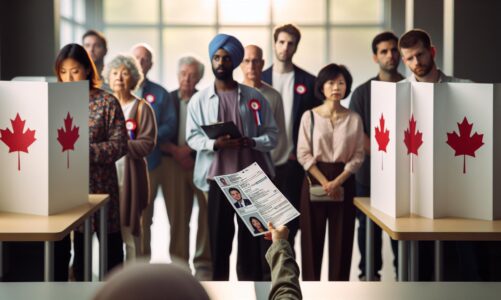
Canada stands at a pivotal moment as the next federal election approaches, with many wondering: will the Conservative Party secure a majority government? This article dives into the latest polling trends, regional shifts, and seat projections to unpack what the numbers suggest about Canada’s political future. Understanding these dynamics is crucial-not just for voters deciding who will lead the country, but for anyone interested in how Canada’s policies, economy, and social landscape might evolve in the coming years. As polls reveal a strong showing for the Conservatives, with predictions pointing toward over 200 seats, the stakes are high and the outcomes uncertain. By exploring key factors behind voter sentiment and seat forecasts, this analysis offers clear insights to help readers grasp what’s at play and why it matters. Weather you’re a political enthusiast or simply want to make sense of the headlines, this forecast equips you to follow the unfolding story with confidence and context. Stay with us to uncover how close Canada really is to voting Conservative-and what that could mean for the country’s direction.
Table of Contents
- Canada’s Current Political Landscape Explained
- Key Factors Influencing Conservative Support
- Analyzing Voter Demographics and Behaviour Trends
- Impact of Recent Economic and social Issues
- Role of Regional Politics in Conservative Prospects
- Conservative Party Leadership and Policy Strategies
- Opposition Parties and Their Effect on Conservative Chances
- Insights from Polls and Election Forecast Models
- Historical Voting Patterns and Their Modern Implications
- Media Influence and Public Perception on the Conservative Vote
- Potential scenarios for the Upcoming Election Outcome
- what the Election Results Could Mean for Canada’s Future
- Frequently asked questions
- Q: How does voter turnout impact the chances of a Conservative win in the next Canadian election?
- Q: What role do emerging social issues play in forecasting Conservative support in Canada?
- Q: Why might regional political dynamics shift Conservative election outcomes differently across Canada?
- Q: How could changes in leadership style or policy affect the Conservative Party’s election chances?
- Q: When are the most reliable indicators for predicting a Conservative win in Canada’s next federal election?
- Q: What impact could opposition party fragmentation have on Conservative success in the upcoming election?
- Q: How does media coverage influence public perception of the Conservative Party before elections?
- Q: What strategies can conservative candidates implement to increase voter engagement and support?
- The Conclusion
Canada’s Current Political Landscape Explained
Canada’s political landscape today is a dynamic interplay of longstanding democratic traditions and evolving societal priorities, shaping how power is contested and governance is executed. At the heart of Canada’s political system is its parliamentary democracy, composed of the monarch (represented by the Governor General), the Senate, and the House of Commons. This structure ensures regional portrayal through geographically defined electoral districts, or ridings, each electing one Member of Parliament (MP) to voice constituents’ interests at the federal level. Understanding this foundational system is crucial to grasping the broader electoral trends and partisan shifts that influence the Conservative Party’s prospects in upcoming elections[[1]](https://electionsanddemocracy.ca/parliament/canadas-political-system).
In recent years, Canadian politics has witnessed intense debate on issues ranging from election integrity and government transparency to social rights and economic policies. Legislative changes, such as those enhancing voting rights for Canadians living abroad and tightening campaign finance regulations, reflect ongoing efforts to modernize democratic processes and bolster public trust. These reforms also affect the strategic landscape for all major parties, including the Conservatives, by influencing who votes and how campaigns are run[[2]](https://freedomhouse.org/country/canada/freedom-world/2024).
Complex regional Dynamics and Federalism
Canada’s federal system adds an extra layer of complexity, as regional political priorities vary widely across provinces and territories. The Conservative Party’s support tends to be stronger in Western provinces like Alberta and Saskatchewan,wich often emphasize issues such as natural resource advancement,small government,and fiscal restraint. Conversely, urban centers and provinces like Quebec and British Columbia may lean more towards liberal policies on social issues and climate change. This regional variation requires the Conservatives to adapt their platform and messaging to resonate across divergent voter bases, balancing national coherence with local relevance.
Contemporary Political Engagement
Voters today are more informed and concerned about transparency,economic stability,and social equity,affecting how political parties position themselves. With Canada’s political system anchored by elected MPs in a robust parliamentary framework, parties face the challenge of connecting their national policy agendas with constituents’ everyday realities. For the Conservative Party, this means crafting strategies that address both traditional center-right concerns and emerging priorities such as digital privacy, indigenous reconciliation, and economic recovery following recent global disruptions.
- Understanding Electoral Districts: Recognize the importance of ridings as fundamental units of political representation and campaign focus.
- Adapting to Policy Reforms: Monitor evolving election laws that shape turnout and engagement, including measures to increase accessibility and transparency.
- Navigating Regional Complexities: Tailor policy platforms to the unique economic and cultural landscapes across Canada’s provinces to optimize support.
By appreciating these institutional and societal contexts, readers can better understand the challenges and opportunities facing the Conservative Party as it seeks to expand its appeal and influence the direction of Canada’s future governance.
Key Factors Influencing Conservative Support
Voter support for the Conservative Party hinges on a confluence of social, economic, and regional factors that interact in complex ways. One compelling driver is the party’s alignment with fiscal conservatism, notably its advocacy for prudent government spending, tax policies favoring both individuals and businesses, and a general preference for limited state intervention in the economy. This appeals strongly to voters concerned about inflation,government debt,and economic competitiveness-issues that have taken on heightened urgency amid recent global economic disruptions. The Conservatives’ promise to balance economic recovery with traditional values resonates deeply in regions still recovering from natural resource downturns and wary of expanding federal spending.
Another critical factor influencing Conservative fortunes is the party’s positioning on social policies and national identity. in an era of evolving social norms and heightened cultural debates, many voters seek a political voice that emphasizes stability, law and order, and the preservation of canadian heritage. The Conservatives’ approach to topics such as immigration, Indigenous relations, and language policies often draws support from demographics prioritizing a cautious, measured pace of social change. Yet,maintaining broad appeal requires the party to skillfully balance traditional conservatism with inclusivity,adapting its messaging for urban and multilingual constituencies without alienating its core base.
Key Social and Economic Drivers
- Economic Concerns: Inflation control, job creation, and fiscal obligation remain top priorities for Conservative voters, especially in Western Canada and suburban ridings.
- Social Stability: Voters drawn to policies emphasizing public safety,immigration controls,and preservation of Canadian cultural values provide a dependable support base.
- Regional Economic Profiles: Resource-rich provinces favor Conservative policies promoting energy development and deregulation, while urban centers demand nuanced stances on climate and innovation.
An vital but sometimes overlooked influence is how electorate engagement and trust in institutions shape support. The Conservative Party benefits when voters perceive it as a credible choice to the incumbent government, particularly amid concerns about political transparency or efficacy. Public perception of leadership quality and clarity in policy proposals can decisively sway undecided voters. additionally, campaign dynamics, such as strong grassroots association and adaptive use of digital platforms, have increasingly mattered in mobilizing key demographics like younger voters and first-time participants.
Understanding these underlying elements equips observers to anticipate how shifts in the canadian political atmosphere-whether economic shocks, social movements, or leadership changes-may amplify or erode Conservative momentum heading into the next federal election. for political strategists and voters alike, appreciating these nuanced factors is essential for forecasting not just which party might win, but the policy direction the country could embrace thereafter.

Analyzing Voter Demographics and Behaviour Trends
Voter behaviour in Canada’s political landscape is becoming increasingly dynamic, shaped by evolving economic realities, cultural shifts, and generational changes. One striking trend is the polarizing influence of age and geography on Conservative support. Older voters, particularly those over 50, tend to lean more heavily toward the Conservative Party, drawn by its emphasis on fiscal responsibility and traditional social values. Conversely, younger Canadians-especially those under 35-often prioritize progressive social policies and climate action, pushing many to align with Liberal or New Democratic Party (NDP) platforms. Yet, this gap is not immutable; targeted policy messaging and engagement through digital platforms could help the Conservatives broaden their appeal among younger voters.Immigration status and cultural background further complicate voting patterns. Immigrant and visible minority communities historically have shown variable support, often linked to how parties address issues like integration, economic chance, and multiculturalism. Conservatives face the challenge of reconciling their appeal to traditional bases with the necessity of connecting to diverse urban populations whose priorities include social inclusion and economic equity. Success in this area frequently enough demands nuanced communication strategies-balancing respect for conservative principles with openness to multicultural realities.
Behavioral Patterns by Region and Socioeconomic Status
- Western and Rural Voters: Resource-driven economies align with Conservative policies favoring energy development and less regulatory burden, helping solidify support in these areas.
- suburban Swing Districts: Increasingly crucial battlegrounds, suburban voters focus on affordability, healthcare access, and public safety-issues where Conservative messaging on economic prudence can resonate if paired with inclusive social policies.
- Urban Constituencies: While traditionally leaning Liberal, some urban areas with cost-of-living pressures and concerns about crime may open space for Conservative gains if the party can address these priorities convincingly.
Understanding voter turnout patterns is equally vital. The Conservative base has often been credited with higher turnout rates in critical ridings, but urban disenchantment or youth disengagement could suppress overall vote shares. Practical steps for party strategists include targeted get-out-the-vote (GOTV) campaigns tailored to demographic idiosyncrasies, such as weekend voting drives for working families or digital outreach to tech-savvy young adults.
| Demographic Group | Typical Conservative Support | Key Concerns | Strategic Opportunity |
|---|---|---|---|
| Older Adults (50+) | High | Pension security,healthcare,stability | Emphasize economic stewardship and public safety |
| Young Voters (18-34) | Low to Moderate | Climate change,social justice,housing affordability | Modernize messaging,highlight innovation and jobs |
| Immigrant and Minority Groups | Variable | Economic inclusion,anti-discrimination policies | Build credible multicultural outreach efforts |
| Rural and Resource-Dependent Regions | High | Energy policy,job security,deregulation | Advocate for resource development and regional investment |
a deep understanding of demographic nuances and behavioural trends provides a roadmap for anticipating how support for the Conservative Party might wax or wane heading into the next election. Voters are not monolithic blocks but rather a mosaic of priorities and identities.Through adaptive policy formulation and strategic communication, Conservatives can strive to expand their coalition, increasing their chances of electoral success without alienating their core constituents.
Economic instability and social challenges have become pivotal forces shaping Canadian voters’ perspectives and could significantly influence support for the Conservative Party in the forthcoming election. Inflationary pressures, rising housing costs, and concerns about public safety have created an surroundings where many Canadians feel financial strain and insecurity, driving them to seek leadership that promises economic prudence and tangible solutions. For Conservatives, capitalizing on this sentiment by emphasizing fiscal responsibility and law-and-order policies could resonate strongly, especially among middle-class families and suburban voters grappling with these issues.
at the same time, social issues such as the evolving national conversation on immigration, healthcare access, and crime rates are influencing the political landscape in nuanced ways. For example, the party’s stance on immigration and its call to “end the Temporary Foreign Worker program” reflect an attempt to address employment competition concerns while responding to debates over social cohesion and economic opportunity. However, this position can be double-edged: while reinforcing support in some constituencies, it risks alienating immigrant and urban voters who prioritize inclusivity and diverse economic participation.Effectively navigating these social issues with clear, empathetic messaging will be critical for the Conservative Party’s prospects.
Economic Challenges and Opportunities
- Housing Affordability: The soaring cost of homes and rent continues to be a top voter concern. Conservatives could leverage their historical record from when average home prices were lower, presenting clear strategies to make housing attainable again.
- inflation and Cost of Living: Price increases on essential goods have placed additional burdens on families. Promoting policies that target inflation control and reduce regulatory burdens on businesses may help restore confidence in economic management.
- Job Security and Energy Economy: Especially in resource-dependent regions, emphasizing energy sector support paired with job creation initiatives can solidify a reliable voter base.
Balancing Social Concerns with Conservative Policies
The broader social context is also inseparable from economic topics. Public safety concerns, for instance, have given the Conservative Party opportunities to push for stronger criminal justice measures, which appeal to voters anxious about rising crime rates. Simultaneously, healthcare system pressures and wait times present an opening for policy differentiation, especially if Conservatives can propose pragmatic reforms that reassure voters. Achieving a balance between addressing traditional conservative values and demonstrating responsiveness to progressive social issues will be essential in expanding the party’s appeal beyond its core base.
| Issue | Voter Concern | Conservative Strategic Focus |
|---|---|---|
| Housing Costs | Affordability crisis, availability | Promote affordable housing policies and deregulation |
| Inflation | Rising prices on essentials | Fiscal discipline and reducing government spending |
| Public Safety | Fear of rising crime and insecurity | stronger law enforcement and crime prevention |
| Immigration and Jobs | Job competition, integration challenges | Reforming immigration policies with emphasis on economic needs |
in short, economic and social issues are intricately linked factors that could sway voter decisions. The Conservative Party’s ability to present coherent, evidence-based policies addressing these challenges-coupled with effective communication that reaches diverse demographic groups-will be crucial in shaping its electoral outcomes. By focusing on tangible solutions and showing an understanding of Canadians’ everyday struggles, Conservatives can build a compelling platform for growth in both traditional strongholds and emerging battleground areas.
Role of Regional Politics in Conservative Prospects
Canada’s political map is a mosaic of distinct regional identities, each with unique priorities that profoundly shape the Conservative Party’s prospects. Understanding the nuanced landscape of regional politics is essential for any accurate forecast of the next election, as the party’s success hinges on its ability to tailor messages and policies that resonate across diverse provinces and communities. While the party enjoys loyal bases in some regions, it continues to face obstacles addressing differing economic and cultural concerns elsewhere, making strategic regional engagement critical.
The Prairie provinces-Alberta, Saskatchewan, and Manitoba-have historically been Conservative strongholds, largely because of their economic reliance on natural resources and agriculture. Here, policies promoting energy sector support and deregulation strongly appeal, aligning well with voters’ desires for job security and economic growth.Though, shifting demographics and evolving concerns about environmental sustainability mean Conservatives must balance traditional energy advocacy with emerging demands for green innovation and diversification. Simultaneously occurring, the West’s growing urban centres, such as Calgary and Edmonton, present competitive battlegrounds where the party must engage younger, more diverse voters while maintaining its rural support.
Key regional Considerations for Conservative Gains
- Ontario Suburban Focus: Ontario remains a decisive province in any federal election. Suburban voters face escalating housing costs and inflationary pressures, making economic relief a top priority. Conservatives can capitalize here by emphasizing their commitment to fiscal discipline and affordable housing initiatives, but must also carefully navigate urban issues such as transit and healthcare to broaden appeal.
- Quebec’s Unique Political Climate: Quebec has long presented a challenge for Conservatives, who often struggle to connect with the province’s nationalism and distinct cultural identity. Recent Conservative efforts to moderate rhetoric and address economic concerns-like job creation and tax relief-are steps toward rebuilding trust, but appealing to Quebec’s electorate requires nuanced messaging that respects its social values and regional autonomy.
- Atlantic Provinces’ Economic Realities: The Atlantic provinces face economic stagnation and outmigration, especially among youth. Conservative strategies that emphasize infrastructure investment and economic diversification could find traction here, but success depends on overcoming historically strong liberal and NDP loyalty by presenting credible, locally relevant solutions.
The party’s capacity to adapt to regional disparities is evident in its nuanced policy proposals and rhetoric shifts, such as advocating to end the Temporary Foreign Worker program aimed at addressing labor market concerns prevalent in parts of Western Canada, while simultaneously managing the risk of alienating immigrant-heavy urban areas elsewhere [[3]](https://www.conservative.ca/). This balancing act underscores the complex interplay of local priorities in shaping national political fortunes.
| Region | Voter Priorities | Conservative Strategic Focus |
|---|---|---|
| Prairies | energy jobs, agriculture support, rural values | Advocate for natural resource development, deregulation, rural investment |
| Ontario Suburbs | Housing affordability, inflation control, healthcare access | Promote fiscal responsibility, affordable housing plans, crime prevention |
| Quebec | Cultural identity, economic opportunity, social values | Tailored messaging respecting Quebec’s autonomy, moderate rhetoric, tax relief |
| Atlantic Canada | Economic revitalization, infrastructure, youth retention | Economic diversification, infrastructure funding, local engagement |
To maximize electoral success, the Conservative Party must continue to refine its regional strategies by investing in local outreach, listening closely to distinct voter concerns, and offering policies that are both regionally attuned and cohesively tied to its broader national vision. Political adaptability across regions doesn’t just increase vote counts – it builds trust, broadens appeal, and ultimately makes the difference between winning a few provinces and forming a government nationally.
Conservative Party Leadership and Policy Strategies
Few factors shape the Conservative Party’s prospects more decisively than its leadership dynamics and policy direction. The party’s ability to present a compelling vision that resonates across Canada’s diverse electorate is critical, especially given the challenges posed by shifting voter expectations and the complex tapestry of regional concerns. Leaders who combine clear strategic insight with nuanced communication have a unique advantage in mobilizing support, negotiating internal party dynamics, and carving out space distinct from both Liberal incumbents and emerging opposition parties.
The recent leadership changes underscore this delicate balancing act. A leader’s public persona and policy priorities must simultaneously appeal to traditional Conservative supporters-who value fiscal discipline, energy sector endorsement, and economic growth-and to younger, more urban voters seeking innovation in climate action, social equity, and healthcare improvements. For instance, emphasizing green technology investment alongside pragmatic support for resource sectors allows the party to bridge ideological gaps, reaching constituencies across Alberta’s oil sands to Ontario’s environmentally conscious suburbs.
Policy Innovation With Regional Nuance
Conservatives who hope to expand their appeal must prioritize policy development that proactively responds to region-specific challenges without alienating other bases.Practical policy proposals could look like:
- Economic Diversification: advocating for investment in renewable energy and high-tech industries in prairie provinces to complement traditional agriculture and fossil fuel employment.
- Housing and Cost of Living: Crafting targeted measures to alleviate the housing affordability crisis in Ontario’s suburbs, coupled with streamlined regulations to stimulate construction and home ownership.
- Health Care Accessibility: Offering pragmatic plans to reduce wait times through funding reforms and digital health innovation, appealing to urban and rural voters alike.
Balancing these priorities requires leaders who are adept at communicating changes transparently and motivating grassroots members around a unifying platform.
Strategic Leadership That Builds Trust
Beyond policy specifics, leadership style strongly influences public perception. Authenticity, consistency, and responsiveness remain key to overcoming skepticism among undecided voters. The leadership must also be agile in addressing emerging national issues-such as inflationary impacts, immigration policies, and Indigenous relations-ensuring that the party’s stance is seen as both principled and practical.
A well-executed leadership strategy includes fostering internal party cohesion while embracing fresh voices representing Canada’s changing demographics.This approach not only projects stability but signals readiness to govern a complex and evolving nation. Additionally, leveraging digital platforms for direct voter engagement can help build an inclusive narrative and dispel misinformation that often clouds political debates.
| Leadership Focus Area | Strategic Objective | Practical Action |
|---|---|---|
| Policy Credibility | earn voter trust with realistic, evidence-based platforms | Commission independent economic analyses; consult regional experts |
| Communication | Deliver clear, relatable messaging that adapts regionally | Host town halls; utilize multilingual outreach on social media |
| Party Unity | Maintain discipline while encouraging innovation | encourage mentorship programs and policy workshops |
a Conservative Party that rigorously aligns leadership qualities with finely tuned, regionally responsive policies will be better positioned to capitalize on Canada’s evolving political landscape. Success depends not just on winning votes, but on cultivating a broad coalition anchored in trust and relevance-ingredients essential for not only electoral victory but enduring governance.
Opposition Parties and Their Effect on Conservative Chances
Few electoral contests in Canada unfold without the shadow play of opposition parties shaping the conservative Party’s fortunes. While the Conservatives aim to consolidate a broad coalition, they face a multifaceted landscape of competitors, each appealing to distinct voter segments and regional priorities. The interplay between these opposition forces can either fracture the anti-incumbent vote or inadvertently bolster Conservative prospects, depending on strategic alliances, vote splitting, and evolving party platforms.
The Liberal Party, historically Canada’s dominant federal player and currently led by Justin trudeau, remains the primary rival. Positioned as the centre-left alternative, the Liberals attract urban, younger, and immigrant voters through their progressive policies on climate, social equity, and innovation. Their incumbency advantage and extensive organizational machinery in populous provinces like Ontario and Quebec position them as the Conservatives’ stiffest challenge. However, sustained questions around economic management and pandemic recovery efforts create openings for Conservatives to contest Liberals on fiscal credibility and public services.
Meanwhile, the New Democratic Party (NDP) occupies a more left-wing niche, emphasizing labour rights, healthcare expansion, and environmental justice. The NDP’s focused appeal to socially progressive voters can siphon crucial support from Liberals, particularly in urban centres, thereby altering the overall balance of power-sometimes to the Conservatives’ advantage by dividing the centre-left vote. Additionally, the Bloc Québécois champions Quebec nationalism and sovereignty, concentrating influence regionally and potentially limiting Conservative penetration there.Understanding these dynamics means Conservatives must tailor strategies not just to win votes outright but to navigate complex three-way races.
Key Opposition Factors Affecting Conservative Prospects
- Vote Splitting: Opposition parties dividing the progressive vote can provide a strategic advantage to Conservatives in swing ridings, particularly when plurality wins the seat.
- regional Strengths: The Bloc Québécois and NDP’s localized influence can confine Conservative gains but also redirect voter flows in unpredictable ways.
- Policy Positioning: Opposition parties pushing bold platforms may force Conservatives to moderate or innovate their policies to reclaim centrist voters.
- Leadership and Messaging: Charismatic opposition leaders capable of mobilizing enthusiasm represent a persistent challenge to Conservative dominance, requiring the latter to respond with clarity and vigor.
In practical terms, the Conservative Party can benefit by leveraging data-driven targeting to identify ridings vulnerable due to fragmented opposition support. Coordinated local campaigning with nuanced messaging that highlights Conservative strengths-such as economic stewardship and pragmatic climate policies-may help peel off undecided voters. Moreover, engaging in tactical voter education about the realities of a first-past-the-post system encourages strategic voting to minimize vote splitting among ideologically aligned parties.
| Opposition Party | Core Voter Base | Key Policy Focus | Impact on Conservative Chances |
|---|---|---|---|
| Liberal Party | Urban, Immigrants, Youth | Climate Action, Social Equity, Innovation | Major hurdle; incumbent strength in key provinces |
| New Democratic Party (NDP) | Progressives, Labour, Younger Voters | Healthcare, Workers’ Rights, Environmental Justice | Can split vote with Liberals; strategic threat in urban areas |
| Bloc Québécois | Quebec Nationalists | Provincial Autonomy, Sovereignty Issues | Limits Conservative expansion in Quebec |
Ultimately, opposition parties do more than merely compete with the Conservatives-they actively shape public discourse, drive debate on policy issues, and influence the electoral calculus. A sophisticated understanding of these opponents’ strengths and vulnerabilities empowers Conservative strategists to anticipate challenges and craft responses that resonate across Canada’s variegated political map. Adaptive, informed engagement with the opposition landscape is therefore indispensable for any realistic forecast of Conservative electoral outcomes.
Insights from Polls and Election Forecast Models
Recent polling data and election forecast models present a vital window into the evolving fortunes of the Conservative Party ahead of Canada’s upcoming federal election. As opinion polls fluctuate, they offer rich insights not only on voter preferences but also on how regional dynamics, leadership perceptions, and key issues are shaping public sentiment across the country. While no single poll can claim perfect accuracy, a thoughtful analysis of multiple sources reveals meaningful trends that Conservative strategists-and voters-should heed.
One of the most striking features emerging from current polls is the Conservative Party’s apparent surge in potential seat wins, with several models forecasting the possibility of the Conservatives securing over 200 seats nationally, positioning them strongly to form the next government if trends hold [[3]](https://www.opinionsandratings.com/canada-polls/general-stories/latest-federal-opinion-polls-canada-2025). These projections rely heavily on transposing party support onto canada’s new electoral map and adjusting for historical polling errors, painting a nuanced picture that goes beyond raw vote percentages. Understanding these forecasts requires looking at both the *best estimate* of seat counts and the confidence intervals that capture poll uncertainty-factors such as voter turnout variability and regional shifts can dramatically influence outcomes [[1]](https://newsinteractives.cbc.ca/elections/poll-tracker/canada/).
Decoding the Poll Numbers
- Vote Share vs. Seat Projections: Poll numbers reflect popular vote intentions, but in Canada’s first-past-the-post system, seat projections are often more telling. Such as, Conservative support concentrated in swing ridings across Ontario and the Prairies translates into more seats than equal support dispersed elsewhere.
- Regional Variability: Polls often highlight the Conservatives’ stronger standing in Alberta and Saskatchewan, with tighter competition in ontario and Quebec, where Liberal and Bloc Québécois influence remain significant. This geographical divide can sway overall seat distribution dramatically.
- Polling Margins and Confidence Intervals: Models typically present a likely range of seats a party might win, reflecting the inherent uncertainties in polling data due to sampling errors and unpredictable factors like late-breaking voter decisions.
What Polling trends Suggest About Voter Behaviour
Examining the trajectory of polling data over time reveals that while the Conservative Party consolidates its base, gains depend heavily on maintaining or growing support among suburban and rural voters who prioritize economic management and pragmatic policies. In parallel, opposition parties’ shifting support levels-and occasional vote splitting among progressive parties-can directly enhance Conservative prospects in closely contested ridings.
Strategically, understanding the nuanced relationship between poll indicators and electoral mechanics suggests that:
- Emphasizing Targeted Messaging: Conservatives should focus campaign efforts on swing ridings where polling shows narrow margins, leveraging data to tailor messages that resonate with key demographic groups.
- Anticipating Opponent Movements: Polls often capture temporary momentum shifts caused by opposition policy announcements or leader performance, meaning Conservatives must be agile to capitalize on or counteract these changes.
- Voter Turnout Impact: forecast models incorporate assumptions about which segments are most likely to vote, highlighting Conservative reliance on mobilizing core supporters while persuading undecided voters remains critical.
| Poll Source | Conservative Vote Share (%) | Projected Seats (Best Estimate) | Confidence Range (Likely Seats) |
|---|---|---|---|
| Nanos Research (Oct 2025) | 42.8 | 205 | 190-220 |
| CBC Poll Tracker (Aggregate) | ~43 | 200-215 | 185-230 |
It’s also key to remember that while polling and forecasts are essential tools, they are not deterministic. Unexpected factors such as last-minute campaign events, regional shifts, or emergent social issues can abruptly change voter behaviour. Therefore, these insights should empower both parties and voters to approach the election with informed expectations-recognizing where margins are tightest and the levers that could swing the outcome.
In sum,polling and election forecast data collectively guide us toward a cautiously optimistic scenario for the Conservatives,but underscore the critical importance of ongoing voter engagement,targeted campaigning,and rapid adaptation to shifting political winds. By paying close attention to these models, readers can better understand how opinion translates into seats, and how the complex interplay of regional strength, voter demographics, and strategic positioning will ultimately determine if Canada votes Conservative in the near future.
Historical Voting Patterns and Their Modern Implications
Canada’s electoral landscape has long been shaped by enduring regional loyalties and shifting party coalitions that continue to influence voter behaviour today.Historical voting trends reveal that while the Conservative Party has traditionally enjoyed strong support in the Prairie provinces and rural areas, adapting to changing demographics and voter priorities is essential to extend influence in urban and suburban battlegrounds. These patterns not only highlight where the party’s core strengths lie but also underscore the importance of targeted outreach in swing regions to convert past voting behaviours into future electoral gains.
A key lesson from history is that the Conservative Party’s success often hinges on consolidating support in regions where economic and social values align with its platform.Such as, Alberta’s unwavering conservative base has been a reliable source of high vote shares, yet the party’s challenge remains in places like Ontario and Quebec, where voting is more volatile and sensitive to leadership appeal and issue salience. This dynamic demands a nuanced understanding of how traditional allegiances can be reshaped, especially when opposition parties fragment the progressive vote, creating openings in tight races.
Learning from Past Elections to Inform Strategy
- Voter Realignment Over Time: Changes in demographics, such as population growth in suburban areas and increasing diversity, have gradually altered historical voting assumptions. Conservatives must tailor messages that resonate with younger and more urbanized voters while maintaining their traditional base.
- Impact of Vote Splitting: Historical cases where the left-leaning vote divided among multiple parties have allowed Conservatives to win ridings with less than majority support. Recognizing how these splits affect outcomes offers strategic insight into where campaigns should focus efforts.
- Regional Swing Riding Focus: Targeting ridings with narrow margins in past elections-in Ontario’s 905 region or Quebec’s outskirts-can yield outsized payoffs.Historical data helps identify these critical zones where voter persuasion or turnout drives results.
| Election Year | Conservative Seat Wins | Notable Regional Trends |
|---|---|---|
| 2011 | 166 | Dominant in Prairies & Alberta; gains in Ontario suburbs |
| 2015 | 99 | losses in Ontario & Quebec; regrouping phase |
| 2021 | 119 | Steady in rural areas; limited urban breakthroughs |
Understanding these patterns equips voters and strategists alike to appreciate how long-term trends intersect with shifting political tides. For voters, it offers clarity on why certain regions repeatedly lean one way and how emerging issues might disrupt these tendencies. For the Conservative Party, it means crafting policies and campaign messages that respect deep-rooted values while innovating to address contemporary concerns, thereby converting historical support into modern electoral success.
Media Influence and Public Perception on the Conservative Vote
In an era where the Canadian electorate is inundated with news from countless digital and traditional sources, the media’s role in shaping public perception of the Conservative Party has never been more influential or complex. The fragmentation of media platforms-ranging from mainstream outlets to niche social media influencers-creates diverse and often polarized narratives that actively shape voter attitudes. For Conservative supporters and strategists, understanding this media landscape is crucial not only to dispel misconceptions but also to effectively communicate nuanced policy positions that resonate beyond the party’s established base.
The Canadian media ecosystem, much like its American counterpart, has become highly segmented, with consumers frequently enough gravitating toward sources that confirm their pre-existing views. This selective exposure intensifies echo chambers where partisan perspectives flourish, potentially deepening divisions among voters.Conservative-leaning Canadians are more likely to engage with media that affirm fiscally conservative and socially traditional values, while progressive audiences tend toward outlets that critique the party’s policies or leadership style.This bifurcation challenges Conservative leaders to craft messages that cut through media biases and connect on a personal level with voters across ideological divides.
Leveraging Social media and influencer Channels
The rise of social media influencers-particularly those with clear conservative leanings-offers the Conservative Party new avenues to engage disaffected segments, including younger voters and marginalized communities who may distrust traditional news sources. Recent studies show a significant portion of the population,especially younger Canadians,rely on influencers rather than conventional media for political information.Conservatives who collaborate with trusted influencers gain a unique advantage to humanize their platform and counteract negative framing seen elsewhere. Though, this approach requires a delicate balance between authenticity and strategic messaging to avoid alienating moderate or undecided voters.
It is indeed critically important to recognize that accusations of media bias-whether perceived or real-can shape voter cynicism and turnout. Conservative campaigns frequently enough highlight such biases to invigorate their base, framing themselves as champions against a purportedly hostile media environment. This narrative can strengthen loyalty but risks reinforcing polarization. To broaden appeal,the party should invest in transparent communication and proactive media engagement that focuses on clear policy impacts rather than purely reactive messaging. Demonstrating responsiveness to pressing social and economic concerns helps reshape narratives that tend to depict Conservatives as out of touch with evolving Canadian values.
- Be proactive in media engagement: Schedule regular briefings, connect with diverse media outlets, and emphasize local issues relevant to particular regions.
- Utilize data-driven messaging: Tailor communications using polling and feedback to address voter concerns authentically and accurately.
- Encourage grassroots storytelling: Empower supporters to share personal experiences that highlight the party’s relevance beyond typical rhetoric.
| Media Type | Impact on Conservative Vote | Strategy to Maximize Positive Influence |
|---|---|---|
| Traditional Broadcast and Print Media | Often critical, but broad reach among older and rural voters | Maintain strong presence with clear, fact-based messaging |
| Social Media Platforms | Highly influential with younger and suburban demographics | Engage influencers and utilize targeted campaigns |
| Local Media Outlets | Key to regional credibility and voter trust | Build relationships with local journalists and opinion leaders |
Recognizing the powerful interplay between media narratives and voter perception empowers the Conservative Party to strategically tailor messaging that is both credible and relatable.As media consumption habits continue to evolve,campaigns that adapt swiftly will better navigate the challenges of a fragmented information world,ultimately enhancing their prospects in the next federal election.
Potential scenarios for the Upcoming Election Outcome
Canada’s next federal election stands at a crossroads, with several plausible outcomes reflecting not only voter sentiment but also deeper structural dynamics within the political landscape.While the Conservative Party has cultivated significant momentum in many regions, predicting a clear victory remains complex due to shifting alliances, key battleground ridings, and evolving public concerns. A careful examination of potential scenarios can help voters and analysts alike grasp what might unfold on election day.
In one scenario,the Conservatives could secure a majority government by capitalizing on strong rural and suburban support,combined with gains in traditionally competitive provinces like Alberta and parts of Ontario.This outcome would likely hinge on successfully mobilizing core demographic groups such as older voters, small business owners, and socially conservative communities, while softening opposition through targeted messaging that addresses economic recovery and inflation concerns. Though, this majority path requires careful management of vote-splitting risks, particularly in urban centers where opposition parties remain robust.
Alternatively,the election may result in a minority government,either led by the Conservatives or by the current governing party (or another opposition party),reflecting a highly polarized electorate. In this tightly contested environment, smaller parties and regional players could hold disproportionate influence, turning post-election negotiations into a delicate balancing act. This scenario underscores the importance of voter turnout and strategic alliances, raising questions about how emerging issues like climate policy and Indigenous relations might sway undecided voters or fringe supporters.
Key Variables That Could Shift the Balance
- Voter turnout and engagement: Higher participation among youth and urban voters can erode Conservative gains, emphasizing the role of grassroots mobilization and digital outreach.
- Regional shifts: Success in provinces like Quebec or Atlantic Canada could tip the scales,as Conservatives have historically faced challenges appealing broadly in these regions.
- Policy impact and debate performance: Clear, compelling communication on economic plans, health care, and social issues during the campaign trail could either bolster confidence or exacerbate doubts.
- External shocks: Unforeseen events such as economic downturns, international crises, or public health concerns may rapidly alter public opinion, demanding agile and responsive campaign strategies.
| Scenario | Conservative Outcome | Implications |
|---|---|---|
| Majority Government | Strong seat gains nationally, stable governance | Clear mandate for Conservative policies, potential for significant legislative changes |
| Minority Government (Conservative-led) | Seats sufficient to lead but reliant on cooperation | Negotiations with other parties, moderated policy agenda, potential instability |
| Opposition Party Majority | Conservatives relegated to opposition | Reassessing party strategy, holding government accountable |
| Hung Parliament | No clear majority | Coalitions or agreements required, uncertain policy direction |
Voters observing these scenarios should stay informed about regional developments, party platforms, and campaign dynamics as election day approaches.For those considering strategic voting or aiming to maximize impact in key ridings, engaging with local party representatives and following real-time polling can provide valuable insights.Ultimately, the path Canada takes will reflect both the choices of its citizens on election day and how well parties address the multifaceted challenges shaping voter priorities today.
what the Election Results Could Mean for Canada’s Future
Canada stands on the brink of a political inflection point, where the results of the upcoming election could redefine the country’s policy direction, governance style, and societal priorities for years to come. Whether the Conservatives secure a majority, form a minority government, or remain in opposition, each outcome carries distinct consequences that will shape everything from economic management to social cohesion. Understanding these implications can empower voters, stakeholders, and observers to anticipate how political shifts may impact day-to-day life and long-term national goals.
A Conservative majority government would likely bring a more decisive legislative agenda, with potential emphasis on fiscal restraint, tax reform, and conservative approaches to immigration and energy policy. This could translate into accelerated economic policies aiming to stimulate business growth, particularly benefiting small and medium enterprises. Though, such a mandate might also prompt debates around social policies, environmental regulations, and Indigenous rights, raising questions about how inclusively future policies can be crafted. Citizens concerned about these areas could focus on advocacy and civic engagement to ensure their voices remain influential despite a strong Conservative presence in Parliament.
Strategizing in a Minority or Hung Parliament Environment
Should the Conservatives lead a minority government, or if no party achieves a clear majority, governance will demand considerable negotiation and alliance-building across party lines. This environment tends to encourage more collaborative policy-making but can also introduce unpredictability and delays in legislative implementation. For voters and activists, understanding the dynamics of minority governments means recognizing the significance of smaller parties and independents, whose support could sway crucial votes on budgets, social programs, or climate initiatives. Stakeholders should monitor coalition discussions closely and engage with political representatives to shape outcomes on pivotal issues.
Broader Implications for Civic Engagement and National Identity
Regardless of which party holds power, the election results will influence Canada’s social fabric and its role on the international stage. Emerging topics like Indigenous reconciliation, environmental sustainability, and digital transformation require cross-party commitment and innovative solutions. voters who prioritize these issues might consider strategies such as participating in local decision-making, supporting issue-based organizations, or pushing for greater transparency and accountability in government. The election serves as a reminder that every ballot contributes not only to selecting leaders but also to setting the tone for national dialog and priorities.
- stay informed: Regularly follow credible news sources and election analyses to track evolving political trends and understand how election outcomes impact specific policy areas.
- Engage locally: Connect with community groups, attend town halls, or communicate with MPs to influence policy direction post-election.
- Consider strategic voting: Where electoral races are tight, understanding riding-level dynamics can help voters maximize their impact.
- Promote inclusivity: Advocate for policies that address diverse community needs to foster a balanced and resilient Canada.
| Election Outcome | Potential Impact | Opportunities for Voters |
|---|---|---|
| Conservative Majority | Stable government enabling swift policy enactment; likely focus on economic and fiscal conservatism | Advocate for inclusive policies within majority framework; monitor government actions closely |
| conservative Minority | Governance dependent on coalition-building; increased political negotiation | Engage with multiple parties; influence key legislation; support cross-party collaboration |
| Opposition Win or Hung Parliament | Uncertain legislative agenda; possible coalition governments or unstable governance | Heightened importance of grassroots mobilization; amplify local issues and priorities |
In sum, the upcoming election’s outcome will not only decide Canada’s immediate government but will also serve as a catalyst for how the nation approaches its challenges and opportunities in an increasingly complex world.For citizens and observers alike, staying proactive and informed remains the best strategy to navigate the changes ahead and ensure that the country’s future reflects both shared values and adaptive leadership.
Frequently asked questions
Q: How does voter turnout impact the chances of a Conservative win in the next Canadian election?
A: Voter turnout significantly affects Conservative prospects. Higher turnout among younger and urban voters often favors opposition parties,while strong turnout in rural and suburban areas benefits Conservatives.encouraging key Conservative demographics to vote can improve their chances.For more insight, see the section on *Analyzing Voter demographics and Behaviour Trends* for strategic focus.
A: Emerging social issues like climate change, affordability, and healthcare increasingly influence voter preferences. Conservatives addressing these concerns with clear policies can attract undecided voters. Monitoring issue salience helps in forecasting shifts in support, linking closely with *Impact of Recent Economic and Social Issues* in the article.
Q: Why might regional political dynamics shift Conservative election outcomes differently across Canada?
A: Regional dynamics vary due to local economies, cultural values, and policy priorities. For example, Alberta’s rural areas traditionally support Conservatives, whereas urban centers lean Liberal or NDP. Understanding these regional differences is critical for accurate election forecasts and relates directly to *Role of Regional Politics in Conservative Prospects*.
Q: How could changes in leadership style or policy affect the Conservative Party’s election chances?
A: Leadership style and new policy proposals can either energize the Conservative base or alienate moderate voters. Adaptation to public concerns and party unity are crucial factors. This aligns with *Conservative party Leadership and Policy Strategies* discussed in the main article for maximizing voter appeal.
Q: When are the most reliable indicators for predicting a Conservative win in Canada’s next federal election?
A: The most reliable indicators emerge in the final three months before the election,including polling trends,leadership approval ratings,and strategic by-elections results,such as Pierre poilievre’s recent win [[1]](https://www.bbc.com/news/articles/c0l6jz8xlplo). Refer to *Insights from Polls and Election Forecast models* for detailed forecasting guidance.
Q: What impact could opposition party fragmentation have on Conservative success in the upcoming election?
A: Fragmentation among opposition parties can fragment the vote, potentially benefiting the Conservatives by splitting competition. This can create opportunities in closely contested districts, enhancing Conservative chances outlined in *Opposition Parties and Their Effect on Conservative Chances*.
Q: How does media coverage influence public perception of the Conservative Party before elections?
A: Media coverage shapes public perception by highlighting party leadership, policy debates, and campaign events. Positive or negative framing can sway undecided voters.Strategic media engagement is vital for Conservatives to improve their image, as explained in *Media Influence and Public Perception on the Conservative Vote*.
Q: What strategies can conservative candidates implement to increase voter engagement and support?
A: Candidates should focus on targeted community outreach, clear communication of policies on crime, jobs, and immigration, and building coalitions with local groups. Enhancing digital campaign presence also boosts engagement.Explore *Conservative Party Leadership and Policy Strategies* for best practices to mobilize support effectively.
feel free to explore related insights within the article to deepen your understanding of Canada’s evolving political landscape and how it impacts the Conservative party’s future prospects.
The Conclusion
As the next Canadian election approaches,understanding the factors that could influence whether Canada will vote Conservative remains essential for every engaged voter.Our forecast highlights key trends and voter sentiments shaping this critical political moment-insights you won’t want to miss. To stay informed and ahead, explore our in-depth analysis on Canada’s Political Landscape and discover how historical voting patterns impact current predictions in Election Trends You Should Know.
Don’t let uncertainty hold you back-subscribe to our newsletter for real-time updates and expert commentary that keep you connected to every development. Whether you’re considering how economic policies or regional dynamics play a role, our resources guide you through each next step with confidence. Join the conversation below and share your thoughts on Canada’s electoral future; your voice helps enrich this ongoing discussion. Dive deeper into topics like Voter Behavior Insights and arm yourself with knowledge that empowers your outlook today.