Did you know that being registered too vote is teh crucial first step to having your voice heard in Canada’s federal elections? Whether you’re a first-time voter, recently moved, or simply unsure about your registration status, confirming that you’re properly registered ensures you won’t miss out when it’s time to cast your ballot. This swift check guide makes it easy to verify your voter registration status, update your data if needed, and understand why staying on the National Register of Electors matters for participating in democracy.By taking a moment now, you safeguard your ability to influence decisions that shape your community and country. Keep reading to learn how you can effortlessly confirm your registration status and be fully prepared for the next election.
Table of Contents
- how Voter Registration Works in Canada Explained
- Easy Ways to Quickly Check Your Voter Registration Status
- Who Is Eligible to Register and Vote in Canada?
- Step-by-Step Guide to Registering to Vote Online or By Mail
- Common Reasons Your Registration Could Be missing or Invalid
- How to Update or Correct Your Voter Registration information
- Understanding the Voter information Card and Why It Matters
- What to Do if You’re Not Registered Before Election Day
- Special Registration Rules for Canadians Living Abroad
- Tips to Stay Registered and Ready for Every Election
- How Provincial Voter Registries Differ Across Canada
- FAQ
- Q: Can I check if I’m registered to vote in Canada without logging in online?
- Q: How often should I verify my voter registration to stay updated?
- Q: What happens if my voter registration has outdated address information?
- Q: How can Canadians living temporarily outside Canada confirm their voter registration status?
- Q: Can I still vote if I find out I’m not registered on election day?
- Q: Why might I not receive a voter information card even if I think I’m registered?
- Q: Does voter registration update automatically if I move within the same province?
- Q: How do I protect my personal information when checking or updating my voter registration?
- Insights and Conclusions
how Voter Registration Works in Canada Explained

Voter registration in Canada operates through a centralized system managed by Elections Canada, which maintains the National Register of Electors – a continually updated database of Canadians eligible to vote in federal elections. This system is designed to be both convenient and accessible, ensuring that most eligible voters are automatically registered or can easily register themselves before elections. As a notable example, Canadians frequently enough become registered when they first sign up for government services or file their taxes, as these records can be synced with Elections canada, helping keep the register accurate without extra effort on the voter’s part.
If you want to confirm your registration or update your information,the process is straightforward. You can register or update your address online, by mail, or even in person on election day at your polling station. This flexibility ensures that those who move frequently or have not previously registered still have opportunities to participate in elections. One practical example is when someone moves to a new city and updates their address with Elections Canada; this automatically updates their registration so they receive a voter information card at their new polling location.
How Canada Keeps Voter Lists Accurate and Up-to-Date
canadian voter registration isn’t a once-in-a-lifetime task but an ongoing process. Elections Canada actively cross-references data from federal and provincial agencies, including tax returns, immigration records, and health registries, to identify changes in voter eligibility or contact information. This means that while many Canadians don’t have to worry about registering repeatedly, it’s still vital to check your status, especially before an election.
- Automatic updates: your information may be updated without you initiating it, based on government data sharing agreements.
- Active confirmation: during elections, you may be contacted to confirm or update your details to ensure accuracy.
This multi-layered approach balances convenience and accuracy,helping reduce barriers while maintaining a reliable voter registry that supports democratic participation across the country.
Registering Right at the Polls
Canadians who find they are not registered before election day have a final possibility to do so when they arrive at their polling location. bringing acceptable identification that shows your name and address allows election officials to register you on the spot, ensuring that everyone qualified has the chance to vote even if they missed earlier registration opportunities.the canadian voter registration system offers multiple pathways to ensure that citizens know their status and can participate in elections without needless hurdles – helping strengthen democracy by making voting accessible and up-to-date for everyone.
Easy Ways to Quickly Check Your Voter Registration Status

Millions of Canadians rely on knowing their voter registration status to confidently participate in elections,but checking that status is easier than many realize. With just a few clicks or a brief phone call, you can confirm whether your information is current and accurately reflects your current address. This proactive step helps avoid surprises on election day and ensures your voice will be counted where it matters most.
One of the simplest ways to verify your status is through Elections Canada’s official online service, which allows you to quickly check if you’re registered. By entering your name and date of birth, you can instantly see your registration details, including your voting location and any recent updates to your files. This user-pleasant portal is accessible 24/7 and keeps you updated without lengthy waits or complicated procedures.
If you prefer not to use the internet or want additional reassurance, phone support and mail options are also available. For example, if you recently moved or changed your name, checking your registration early gives you the chance to correct any discrepancies before voting day. Many Canadians discover after confirming their status that their voter information card is headed to an old address or that their polling station has changed, highlighting the importance of this quick check.
- Online Check: Visit Elections Canada’s e-Registration portal to enter your details and instantly view your registration status and polling station information.
- Phone Assistance: Call Elections Canada’s helpline to speak directly with a representative who can confirm your status and guide you through any updates.
- Mail Confirmation: Use pre-addressed forms sent prior to elections to notify Elections Canada of any changes or check your registration.
Regularly verifying your voter registration eliminates stress and enables you to plan ahead confidently. Whether you moved recently, updated your name, or simply want peace of mind, these quick checks make participating in Canada’s democratic process smooth and hassle-free.[2]
Who Is Eligible to Register and Vote in Canada?
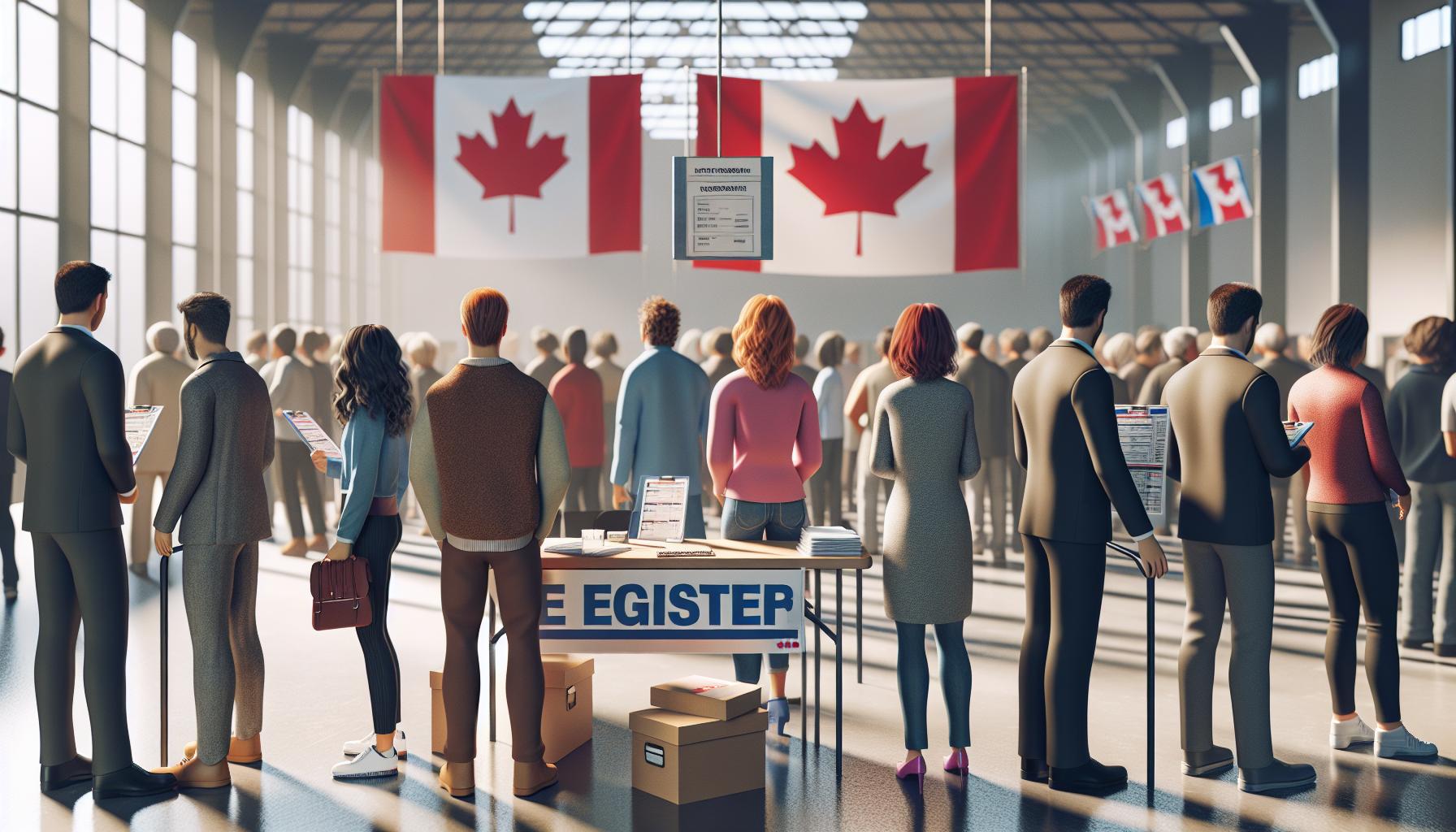
Voting in Canada is a right granted to millions, but it’s essential to understand who qualifies to participate in each federal election. Eligibility to register and vote hinges on a few straightforward criteria that reflect canada’s commitment to inclusive democracy while maintaining the integrity of the electoral process.
At its core, you must be a Canadian citizen to vote in federal elections. Citizenship is the primary gateway to participation, regardless of where you were born or how you obtained your status. Along with citizenship, you need to be at least 18 years old on election day. This age requirement ensures that voters are legally adults, capable of making informed decisions about leadership and policies. Additionally, proof of identity and current address is required when registering or voting, reinforcing the system’s accuracy and preventing issues such as duplicate registrations or impersonation.
Who Can Register and Vote?
- Canadian Citizens: Only citizens can vote; permanent residents and visitors are excluded, no matter how long they’ve lived in Canada.
- Age Requirement: You must be 18 or older on the day of the election, even if you register beforehand.
- Residency: You need to prove your residential address in the electoral district where you want to vote, as voting is tied to specific ridings.
- Exceptions: Some incarcerated individuals may retain the right to vote, thanks to recent legal changes supporting prisoner voting rights at the federal level.
Understanding these requirements is critically important for first-time voters and those who may have questions about eligibility after moving, changing citizenship status, or even after prolonged absences abroad. for example, Canadian citizens living outside the country can often register and vote if they have been abroad for less than five consecutive years, but they must ensure their registration is current and up to date. This flexibility enables many Canadians to participate in federal elections, no matter where life takes them.if you’re a Canadian citizen, 18 years or older, and can confirm your identity and address, you’re well positioned to register and cast your ballot on election day.[2] Keeping these standards in mind helps make your voting experience smooth, ensuring your voice counts in shaping Canada’s future.
Step-by-Step Guide to Registering to Vote Online or By Mail

Registering to vote in Canada is simpler than many realize, and taking a few proactive steps can secure your spot on the electoral list well before election day. Whether you prefer the convenience of online registration or the traditional method of mailing in your details, the process is designed to be user-friendly, ensuring that every eligible Canadian can participate in shaping the country’s future.
To begin, you’ll need to have key pieces of information on hand: proof that you are a Canadian citizen, your current residential address, and valid identification documents. These are basic because Elections canada uses this data to verify your eligibility and ensure your name appears in the correct voting district. Many Canadians find the online registration service especially convenient since it offers instant confirmation and the ability to update personal details anytime,helping to avoid last-minute headaches during an election period.
How to Register Online
- Visit Elections Canada’s Online Voter Registration Service: Accessible through their official website, this portal guides you through entering your personal information securely.
- Provide Identification Details: This includes your name, date of birth, residential address, and an acceptable ID number (such as a driver’s license or health card).
- Confirm Your Declaration: You must attest that you meet all eligibility criteria-being a Canadian citizen, 18 years or older on election day, and residing at the address provided.
- Submit Your Information: Once submitted, you will receive confirmation that your registration has been received and processed, often within minutes.
If online registration isn’t an option-for instance, due to limited internet access-registering by mail is a reliable alternative. Simply download the voter registration form from Elections Canada’s website, fill it out entirely, and mail it to the address specified on the form. Be sure to allow sufficient processing time; mailing your form a few weeks ahead of election day is ideal to avoid any delays.
Key Tips for a Smooth Registration
- Double-check your residential address: Voting is assigned to specific electoral districts, so accuracy here ensures you receive your voter information card correctly.
- Keep your ID handy: You’ll need to present ID at the polling station when you vote, matching the details in your registration.
- update immediately if you move: A simple update to your registration saves confusion on election day and guarantees you vote in the right riding.
By taking these clear, stepwise actions, you secure your place in Canadian democracy and help safeguard the integrity of the electoral process. Whether online or by mail, registering early gives you peace of mind and ensures your voice will be heard without last-minute stress.[2]
Common Reasons Your Registration Could Be missing or Invalid

Few things are more frustrating than arriving at the polling station only to discover your name is missing from the voter list or your registration is flagged as invalid. This can happen to many eligible Canadians, frequently enough due to simple, avoidable issues that disrupt what should be a smooth voting experience. Understanding the common pitfalls behind missing or invalid voter registration can empower you to act early and ensure your voice is counted.
One frequent cause is a change in your residential address that hasn’t been updated in the voter registry.Since electoral districts are geographically persistent, failing to update your address means your registration might still reflect an old location, causing confusion or misplacement on the voter list.Similarly, incomplete or inaccurate personal information during registration-such as a misspelled name, incorrect date of birth, or a missing identification number-can delay processing or render your registration invalid. For example, submitting a driver’s license number without any letters or including outdated ID details can cause mismatches in the National Register of Electors.
Common Triggers Behind Registration Gaps
- Failure to update your address after moving – A common oversight that can lead to misallocated voter information cards.
- Errors in personal details – Small typos in names or ID numbers can cause big delays in verification.
- Not completing your registration fully – Submitting partial forms or missing critical identification reduces processing success.
- Lapse in confirming your eligibility – If citizenship or age criteria aren’t clearly indicated or verified, your registration can be flagged.
Another scenario involves new voters who wait too close to election day to register. While in-person registration at the polls is possible, last-minute registrations might not guarantee a voter information card or correct assignment to your electoral district, increasing the chance of complications. Additionally,Canadians living abroad are sometimes not correctly registered on the International Register of Electors,a separate database,which can result in their registration being overlooked.
To avoid these common pitfalls, it’s advisable to proactively check your registration status-especially after moving, turning 18, or if you’ve recently changed your name. Timely updates and thorough completions of registration forms help prevent such issues. Taking these steps well before election day ensures your registration remains valid and your participation in Canada’s democracy proceeds without a hitch.[3]
How to Update or Correct Your Voter Registration information

Few things are more crucial to smooth election day participation than having your voter registration details accurate and up-to-date. Whether you’ve recently moved, changed your name, or noticed a discrepancy in your information, promptly correcting or updating your registration ensures that you receive your voter information card and are properly assigned to your local electoral district. Updating your records is easier than many realize, and taking action can prevent disappointment or delays on election day.
The most straightforward way to update your voter registration is through Elections Canada’s online service. by logging into the secure portal, you can quickly confirm your current details and submit changes such as a new address, corrected spelling of your name, or updates to key identification numbers like your driver’s license. If you prefer not to update online, you can also send corrections by mail using a paper registration form or contact Elections Canada directly by phone. It’s critically important to perform these updates well ahead of an election as changes may take time to process and be reflected in the National Register of Electors.
What You Can Update and how to Prepare
- Residential address changes: ensures you vote in the correct riding and receive your voter information card.
- Name corrections: Fix any typos or legal name changes; mismatched names can delay your registration confirmation.
- Identification details: Update or add government-issued ID numbers to validate your identity.
- Contact information: Keeping your phone number or email current helps Elections Canada communicate any crucial election updates.
If you’re registering for the first time or need to make a significant correction, be ready to provide proof of identity and residence, such as a driver’s license, utility bill, or passport. Moreover, it’s wise to check your registration status again after submitting updates to confirm that changes have been processed correctly. Remember: waiting until election day to fix errors may result in longer wait times or complications at the polling station. Proactive upkeep of your voter registration is the simplest step to ensure your voice is heard without disruption.[1][3]
Understanding the Voter information Card and Why It Matters

A voter information card serves as your personalized guide to voting in Canadian elections, making it one of the most important pieces of mail you can receive during an election cycle. Far beyond just a reminder to vote, this card confirms that you are registered in the electoral system, specifies exactly where you will cast your ballot, and highlights the dates and times the polls will be open.By reviewing your voter information card carefully, you can avoid confusion or delays on election day, ensuring that your voting experience is smooth and stress-free.
This card contains essential details tailored specifically to your registration, such as your assigned polling place, accessibility options available at that location, and the times when advance polls will be open. Knowing this information in advance allows you to plan accordingly-whether that means arranging transportation, scheduling your workday, or requesting accommodations if you require special assistance. Many voters do not realize just how valuable this card is for preparing their participation, and having it on hand can reduce common issues like showing up to the wrong location or missing voting deadlines.[3]
Why You Must Keep Your Voter Information Card Updated
Keeping your voter information card accurate depends on your registration details being current. If you’ve moved recently or changed your name, failing to update these details can result in receiving a card with incorrect information-or worse, no card at all. In such cases, you might face longer wait times at the polls as election workers verify your status, or you might need to vote at a different location than expected. To avoid these pitfalls, confirm your registration before each election using Elections Canada’s online services and notify them immediately of any changes. This proactive step helps ensure your card reflects the latest, accurate data.
How the Voter Information Card Simplifies Voting Day
- Pinpoints Your Polling Station: The card explicitly lists your assigned polling location so you don’t waste time searching or accidentally vote in the wrong district.
- Confirms Voting Hours: It outlines both regular and advance polling dates and times, helping you choose the best opportunity to vote.
- Details Accessibility Features: If you require accommodations such as wheelchair access or assisted voting, the card will indicate which stations can provide these services.
Keeping this card within reach can also serve as a quick validation of your identity at the polling station, often expediting ID checks alongside other required documents.If you don’t receive your voter information card by mail well before election day, it’s a key early warning that you should check your registration status to avoid any surprises at the polls.
In essence, the voter information card is more than just a mailing-it’s your official election blueprint designed to empower you with the knowledge and confidence to participate fully and effectively in Canada’s democratic process. Prioritizing its accuracy and safekeeping means you’ll be ready, informed, and positioned to exercise your right to vote without unnecessary complications.[2]
What to Do if You’re Not Registered Before Election Day
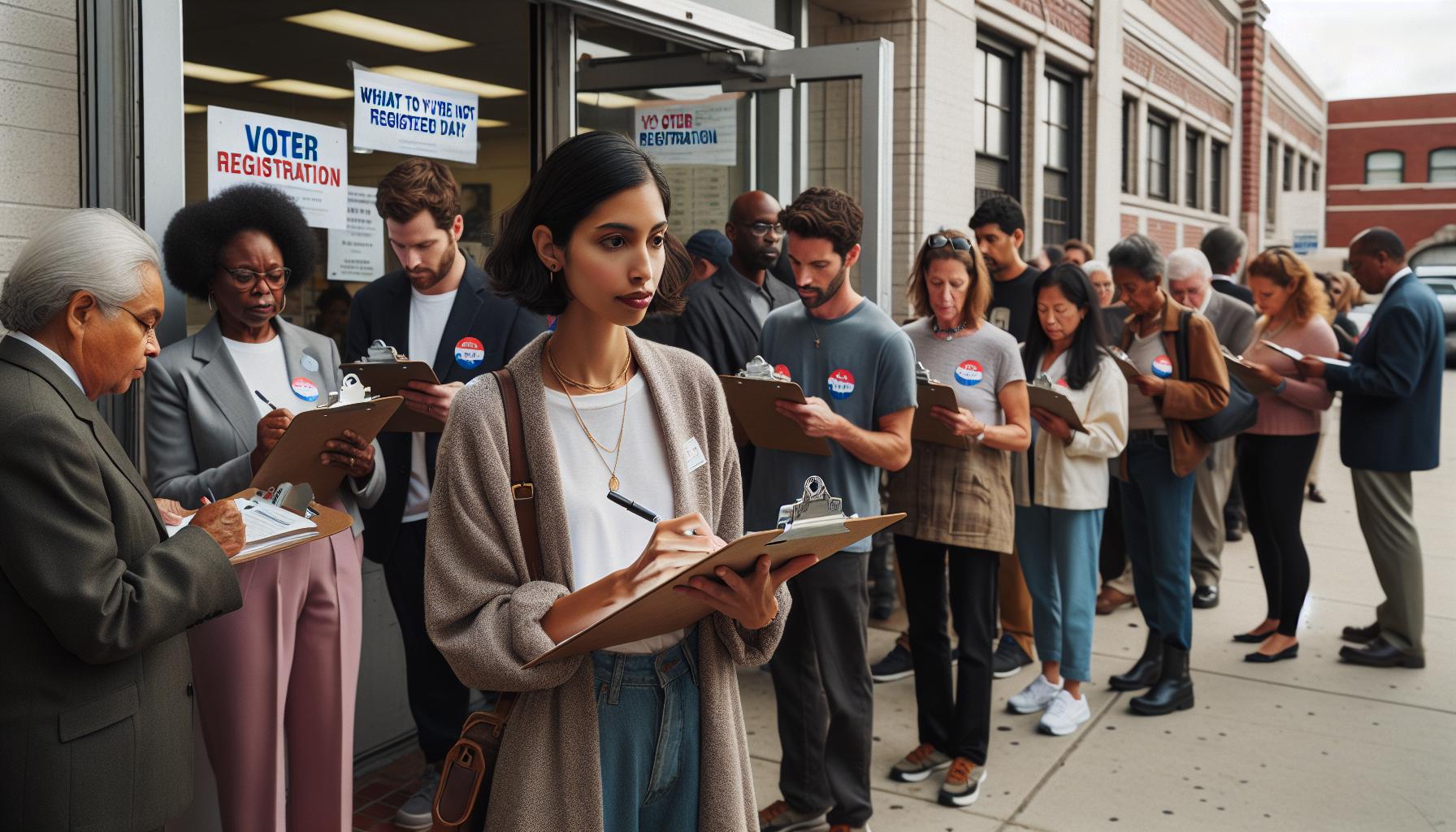
Many Canadians only realize they’re not registered to vote when election day arrives,but it’s never too late to secure your right to participate in the democratic process. Even if your name isn’t on the list beforehand, you can still register in person at your assigned polling station or at an advance poll. This flexibility ensures that last-minute registrants have the opportunity to cast their ballot without missing out on the election.
When you go to register on election day, you will need to provide proof of your identity and address. Typical documents accepted include a driver’s license, utility bill, or government-issued ID that includes your current address. This step is crucial as it verifies your eligibility and prevents electoral fraud. Don’t worry if your ID doesn’t have your address; you can bring two pieces of ID, one with your name and another showing your address. Election officials are trained to assist first-time voters through this process smoothly.
Steps to Register and Vote at the Polls
- Find your polling station: Check Elections Canada’s website or your voter information card to locate your designated polling place-for advance polls or election day.
- Bring valid ID: Come prepared with acceptable identification documents that prove your identity and address.
- Register onsite: Election workers will help you complete the registration forms and add your name to the list of electors.
- Cast your vote: Once registered, you will receive a ballot to mark your choices in privacy.
Early planning, when possible, helps avoid lines and last-minute stress, but the in-person registration option is a safety net designed to be as accessible as possible. It’s important to arrive well before the polls close, as registration and voting stations may close earlier than the official poll closing time to give everyone in line a chance to vote.
Additional tips for Those Registering Last Minute
- Arrive early: Poll stations can get busy as election day progresses, so arriving early increases your chances of a smooth experience.
- Consider advance polls: If you anticipate being busy or unable to make it on election day, advance polls offer another opportunity to register and vote early.
- Stay informed: Check Elections Canada’s website regularly during election periods for updates on registration procedures, hours, and documents required.
The ability to register at the polling station safeguards voter inclusion and reflects Canada’s commitment to enfranchising all eligible citizens. So even if you discover you’re not registered at the last minute, don’t be discouraged-your vote can still count.
For more detailed information on registering at the polls and accepted identification, visit Elections Canada’s official guidelines to ensure you are well-prepared before heading out to vote.[3]
Special Registration Rules for Canadians Living Abroad

Millions of Canadians live abroad, yet many may not realize that they still have the right and opportunity to vote in federal elections back home. Staying connected to Canada’s democratic process requires a special registration process unique to Canadians living outside the country. Unlike voters residing in Canada who are automatically registered through provincial or territorial voter lists, Canadians abroad must proactively ensure they are registered via the International Register of Electors to cast their ballot.
To be eligible, you must have been a Canadian resident at some point in your life and be at least 18 years old on election day. Registering involves completing an request for the International Register of Electors, which can be submitted online or by mail to Elections Canada. Once approved, you’ll be added to this special register designed exclusively to track and provide voting access to Canadians abroad.This ensures you can receive a special ballot package-usually by mail-that allows you to vote securely in federal elections even from thousands of miles away.[1]
How to Register and Vote While Living Outside Canada
- Apply early: Allow ample time for your application to be processed and for the voting kit to reach your address abroad.
- Find your nearest Canadian diplomatic mission: You can request registration forms or special ballot applications from Canadian embassies, high commissions, or consulates.
- Understand special deadlines: Mailing times vary internationally, so check key cut-off dates on Elections Canada’s website for submitting your ballot to ensure it arrives on time.
- Keep your contact info current: notify Elections Canada promptly if your address abroad changes to avoid missing your voting materials.
Living overseas may introduce challenges like mail delays or unfamiliar voting procedures,but the system is designed to keep you connected.By registering on the International Register,you gain a voice in shaping Canadian policies even from abroad-empowering expats,students studying overseas,expatriates working internationally,and long-term travelers to participate in democracy.
Taking these extra steps early not only safeguards your right to vote but also underscores the inclusivity of Canada’s electoral system. If you’ve recently moved outside Canada or plan to do so, don’t overlook this essential process – your vote counts globally.[2]
Tips to Stay Registered and Ready for Every Election

Staying actively registered as a voter in Canada ensures you never miss an opportunity to participate in elections that shape the country’s future. What many don’t realize is that maintaining your voter registration is a dynamic process, not a one-time task. Address changes, name updates, or time spent abroad can all affect your status on the National Register of Electors, so it pays to be proactive. Regularly confirming that your information is current safeguards your ability to vote smoothly, whether in person, by mail, or online if applicable.
Keeping your registration up to date is easier than you might think. One of the simplest habits is to verify your voter status whenever you file your annual taxes, as Elections Canada collaborates with the Canada Revenue Agency to keep its database current. Additionally, when a federal election is called, you can check your registration online through the Elections Canada website or via the voter information card mailed to registered voters. If you spot any inaccuracies or have recently moved, promptly updating your address and other details online, by phone, or in person at your local election office will prevent last-minute surprises on election day.
- Set reminders: Schedule a biannual check of your registration status, especially before major elections or referendums.
- Track your voter information card: this card is mailed to your registered address before federal elections and is a key indicator you’re on the list.
- Notify promptly after moving: Even a move within the same city can require updating your address with Elections Canada to stay on the correct electoral list.
- Keep ID documents organized: Having government-issued ID and proof of address ready facilitates smooth registration or updates at polling stations.
For Canadians living overseas, staying registered means actively enrolling on the International Register of Electors, which requires periodic confirmation that your foreign address and contact information remain accurate.this is vital since mailing delays or outdated contact details can jeopardize receiving your special ballot package. Beyond registrations and address updates, staying informed about upcoming election dates, deadlines for registration or voting by mail, and any changes to voting procedures is just as important to ensure your voice is heard regardless of where you live.
Practical Examples
| Scenario | Action to Stay Registered |
|---|---|
| Moved to a new home within Canada | Update your voter registration online or call Elections Canada to change your address well before election day. |
| Changed your last name due to marriage or other reason | notify Elections Canada to update your registration so your name appears correctly on the voters’ list. |
| Living abroad temporarily or permanently | Register on the International Register of electors and check your status regularly to receive voting materials on time. |
| Unsure if you are registered | Use Elections Canada’s online registration status tool or call their helpline for quick verification and next steps. |
By taking these ongoing steps seriously and using the tools at your disposal, you can ensure you remain ready and eligible to vote in every federal election – playing your role in Canadian democracy without hiccups or delays.[[[2]][[[1]]
How Provincial Voter Registries Differ Across Canada

Voter registration across Canada is coordinated nationally through the National Register of Electors, but each province and territory maintains its own voter registry as well, leading to some important differences that can impact how you register and stay eligible to vote at the provincial level. These provincial registries operate independently and may have varying procedures, timelines, and eligibility rules based on local electoral laws and administrative practices.
Such as, in some provinces like Ontario and British Columbia, voter information is frequently updated using data shared from Elections Canada, streamlining the process and helping to reduce duplicate registrations. However, provinces like Quebec maintain a separate electoral list managed by their own Chief Electoral Officer, which means residents often must verify or register separately for provincial elections. These differences can affect how frequently enough you need to confirm your registration details or update your address to ensure you receive election notices and voter cards in time.
Key Variations Across Provinces
- Data Sharing and Synchronization: While most provinces share data with the National Register of Electors, the frequency and extent differ. Some provinces update their registries automatically when Elections Canada updates its records, but others require direct action from residents to update their provincial registration.
- Registration Deadlines: Certain provinces set earlier cut-off dates for voter registration before election day, which means last-minute registrations at polling stations may not always be possible everywhere.
- Methods to Register or Update: Online registration options, mail-in forms, or in-person registration processes can vary, affecting convenience depending on where you live. Quebec’s provincial registry, for example, has a more manual update process compared to provinces that rely heavily on online tools.
- Eligibility Rules: Although the voting age is 18 nationwide, provincial rules around residency duration and identification may differ slightly, so be sure to check provincial guidelines if you’ve recently moved or changed your status.
| Province / Territory | Registry Update Process | Registration Deadline Before Election | Online registration Available |
|---|---|---|---|
| Ontario | automatic updates from National Register + direct registration | Varies; typically 15 days before election day | Yes |
| Quebec | Independent provincial registry; requires separate registration/update | Usually 10-30 days prior to election day | Limited |
| British Columbia | Integrated with National Register with periodic local verification | 10 days before election day | Yes |
| Alberta | relies on both National Register data and local updates | Close of business the day before election | Yes |
Understanding these provincial differences can save you time and help avoid unpleasant surprises on election day. If you’re planning to vote in a provincial election, it’s wise to verify your registration status on both the federal and provincial registry websites, especially after changing addresses or personal details. This is particularly critical if you live near a provincial border or have recently relocated within Canada, since maintaining up-to-date registration with the appropriate registry ensures your eligibility to vote where you reside.
Keep in mind that some provinces also offer additional voting options such as mail-in ballots,advance polls,and online tools for registration updates. leveraging these services can provide greater flexibility and peace of mind, as well as ensuring your voice is heard in both federal and provincial elections-key components of your civic participation in Canada’s democracy.
FAQ
Q: Can I check if I’m registered to vote in Canada without logging in online?
A: Yes, you can verify your voter registration status by contacting Elections Canada by phone at 1-800-463-6868 or visiting a local Elections Canada office. This option helps if you prefer not to use the online service. For more details, see our section on Easy Ways to Quickly Check Your Voter registration Status for alternative methods.
Q: How often should I verify my voter registration to stay updated?
A: It’s recommended to confirm your voter registration at least once every federal election cycle or whenever you move. Regular checks ensure your details are current, so you receive your voter information card and can vote without issues. Visit the Tips to Stay Registered and Ready for Every Election section for ongoing updates.
Q: What happens if my voter registration has outdated address information?
A: if your address is outdated, your voter registration might potentially be invalid or incomplete, meaning you might not get a voter card or could be assigned to the wrong polling station. Update your details promptly using Elections Canada’s online service or by mail; see How to Update or Correct your Voter Registration Information.
Q: How can Canadians living temporarily outside Canada confirm their voter registration status?
A: Canadians abroad can confirm registration on the International Register of Electors by applying through Elections Canada or a Canadian embassy, high commission, or consulate.This ensures eligibility to vote by special ballot. Learn more in the Special Registration Rules for Canadians Living Abroad section.
Q: Can I still vote if I find out I’m not registered on election day?
A: Yes, you can register and vote on election day at your polling station by providing proof of identity and address. Though, pre-registration is encouraged to receive your voter card and avoid delays. Refer to What to Do if You’re Not Registered Before election Day for detailed guidance.
Q: Why might I not receive a voter information card even if I think I’m registered?
A: You may not get a voter card if your registration is missing, incomplete, or if you’ve opted out of the National Register of Electors. Without a card, you can still vote by showing ID at the polls. Check the Understanding the Voter Information Card and Why It Matters in our guide for clarification.
Q: Does voter registration update automatically if I move within the same province?
A: voter registration updates may not happen automatically when you move within a province.You should update your address through Elections Canada or your provincial electoral agency to maintain accurate records. Visit How Provincial Voter Registries Differ Across Canada for provincial update details.
Q: How do I protect my personal information when checking or updating my voter registration?
A: Elections Canada follows strict privacy laws to protect your data when you check or update your registration online or by mail. Information is securely handled under the Canada Elections Act. For privacy details, consult the How Voter Registration Works in Canada Explained section or visit Elections Canada’s official privacy page.
For more insights, explore the full guide on registration processes and troubleshooting to ensure you’re always ready to vote.
Insights and Conclusions
Ensuring you are registered to vote in Canada is a crucial step toward making your voice heard in upcoming elections. Now that you’ve quickly checked your registration status, don’t wait-take immediate action if you need to update your details or register for the first time. Staying informed with resources like our guide on Canadian voting requirements or tips on election day preparedness can further empower your participation.
Ready to deepen your understanding? explore our related articles on how to update your voter information and key election timelines to stay on top of your civic duties. Don’t forget to sign up for our newsletter to receive timely reminders and expert insights straight to your inbox. if you have questions or want to share your voting experience, join the conversation in the comments below-your input helps build a stronger, engaged community committed to Canadian democracy.