Did you know that while Indigenous peoples in Canada faced significant barriers to voting until as recently as 1960, the question of who can vote across borders remains complex, especially for Native Americans living near or within Canada? This FAQ explores whether Native Americans living in the U.S. have voting rights in Canada, shedding light on a topic that touches on identity, legal status, and cross-border rights. If you’re curious about voting eligibility, citizenship nuances, or how historical policies still shape Indigenous voting rights today, this guide will clarify key facts and dispel common misunderstandings. Understanding these issues is crucial not only for Native American communities but for anyone interested in Indigenous rights and democratic participation in North America. Read on to uncover how history,law,and geography intersect in the question: Can Native Americans vote in Canada?
Table of Contents
- Understanding Voting Eligibility for Native americans in Canada
- Legal Differences Between Canadian and U.S. Voting Rights
- How Citizenship Affects Cross-Border Voting Opportunities
- The Role of Indigenous Status in Canadian elections
- Residency requirements for Voting in Canadian Federal and Provincial Elections
- Impact of Treaties and International agreements on Voting rights
- Voting Processes for native Americans Living Near the Canada-U.S.Border
- Restrictions and Challenges Faced by Native Americans Voting in Canada
- How to Register and Prepare to Vote as a Native American in Canada
- Common Misconceptions About Cross-Border Voting Rights
- Recent Legal Developments Affecting Indigenous Voting in Canada
- Resources and Support for Native American voters in Canada
- Q&A
- Q: Can Native Americans living in the U.S. vote in Canadian elections if they have Indigenous ancestry?
- Q: how does holding dual citizenship affect a Native American’s ability to vote in Canadian elections?
- Q: Are there any special provisions for Native Americans living near the Canada-U.S. border to vote in Canadian elections?
- Q: What identification is required for Native Americans to vote in Canada’s federal elections?
- Q: Can Indigenous treaty rights influence Native Americans’ voting eligibility in Canadian elections?
- Q: Why are Native Americans less likely to use alternative voting methods like mail-in ballots in Canada?
- Q: Can a Native American lose their Indigenous status by voting in Canada?
- Q: How can Native Americans living temporarily in Canada register to vote in federal elections?
- In Conclusion
Understanding Voting Eligibility for Native americans in Canada
Voting eligibility for Native Americans in Canada involves several nuanced factors that intertwine nationality, Indigenous status, and residency. ItS a common misconception that simply being Indigenous from one side of the border automatically grants voting rights in the other country. in reality, eligibility to vote in canadian elections is primarily persistent by Canadian citizenship and meeting the residency criteria, rather than Indigenous identity alone. This means that Native Americans who are U.S. citizens generally cannot vote in Canadian federal or provincial elections unless they also hold Canadian citizenship.
Historically, Indigenous voting rights in Canada were restricted until 1960, when all Indigenous Canadians gained the right to vote federally without having to give up their Indian status or treaty rights. this represents a significant shift from earlier policies that required “enfranchisement” – a process forcing Indigenous peoples to relinquish their Indian status to vote. Today, Indigenous Canadians hold full voting rights, but these rights remain tied to Canadian citizenship rather than Indigenous heritage alone [[1]](https://www.ebsco.com/research-starters/politics-and-government/voting-rights-canadian-indigenous-peoples),[[2]](https://www.mulroneyinstitute.ca/node/5521).
- Canadian citizenship is essential: Only Canadian citizens can vote in federal and provincial elections, regardless of Indigenous status.
- Residency matters: Eligible voters generally must reside in the electoral district were they wish to vote.
- Indigenous status: Being registered as an Indigenous person under Canada’s Indian Act does not automatically grant voting rights if the individual is not a Canadian citizen.
For Native Americans residing near the Canada-U.S. border, or those with dual citizenship, understanding these distinctions is crucial.For example,a member of a U.S. tribe who also holds Canadian citizenship can participate in Canadian elections, but without canadian citizenship, voting is not permitted despite Indigenous heritage. This distinction frequently enough causes confusion, particularly among individuals belonging to Indigenous nations whose traditional territories span both countries.
Practical Advice for Native Americans Exploring Voting Eligibility in Canada
To clarify voter eligibility:
- Verify Canadian citizenship status before attempting to vote in Canadian elections.
- Confirm residency requirements based on provincial or federal election rules.
- Reach out to local election offices for guidance on voting accessibility if you hold dual citizenship.
Understanding these requirements can empower Native American individuals with cross-border ties to engage meaningfully in Canadian democratic processes when eligible. This foundation also helps dispel misconceptions that Indigenous status alone equates to voting eligibility in Canada.
Legal Differences Between Canadian and U.S. Voting Rights
Voting rights for Indigenous peoples in Canada and the United States reflect two distinct legal frameworks shaped by different histories, constitutional provisions, and approaches to citizenship and Indigenous status. While both countries have evolved to recognize the political rights of their Indigenous populations, important contrasts affect cross-border voters and those holding dual identities.
In the U.S., Native American voting rights have been historically fraught with challenges linked to citizenship and state-level restrictions. It wasn’t until the indian Citizenship Act of 1924 that all Native Americans were granted U.S. citizenship, yet many states continued to impose barriers to voting until well into the mid-20th century. Additionally, recent voter ID laws and residency regulations have created fresh hurdles for Indigenous voters, particularly in states like Georgia and Florida. These laws often require specific forms of identification and proof of residency that can be arduous for Indigenous Americans to obtain, especially for those tied closely to tribal lands or without conventional documentation [[3]](https://www.voteriders.org/spl-center-indigenous-people-face-voting-obstacles-from-past-and-ongoing-discrimination/).
Canada, in contrast, decoupled Indigenous voting rights from “enfranchisement” policies much earlier. Prior to 1960,Indigenous Canadians were required to renounce their status under the Indian Act to vote federally-a policy that created a stark divide between citizenship and Indigenous identity. Today, Canadian voting rights hinge primarily on citizenship and residency, not Indigenous registration. Whether an individual is recognized as a status Indian under Canadian law does not influence eligibility if they lack canadian citizenship, highlighting a fundamental legal difference from the U.S. approach, where citizenship grants eligibility but state rules add complexity.
- Citizenship and Voting: In Canada, only Canadian citizens can vote in federal and provincial elections regardless of Indigenous status, whereas in the U.S., Native American citizenship has been recognized longer but voting rights can still be intricate by state laws.
- Residency and Identification: Residency requirements tend to be strictly enforced on both sides of the border, but Indigenous voters in the U.S.face extra obstacles obtaining acceptable IDs due to tribal ID complications and geographic isolation.
- Legal Protections: The U.S.has federal protections like the Voting Rights Act (1965), which extended voting rights to Native Americans, but enforcement remains uneven. Canada’s approach has focused on removing discriminatory barriers through constitutional amendments and policy reforms.
| Aspect | Canada | United States |
|---|---|---|
| Basis of Voting Rights | Canadian citizenship and residency | U.S.citizenship plus state-level regulations |
| Role of Indigenous Status | Does not grant voting rights alone | Citizenship granted in 1924; ongoing ID and residency challenges |
| Historical Restrictions | Enfranchisement policy until 1960 | State-level voting barriers persisted until mid-20th century |
| Identification Requirements | Provincial/federal voter ID rules; generally less restrictive | Strict voter ID laws impacting Indigenous communities |
For Native Americans seeking to engage politically across the border, understanding these legal frameworks is essential. Canadian elections require Canadian citizenship and adherence to residency rules,underscoring that Indigenous heritage alone does not confer voting rights north of the border. Simultaneously occurring, U.S. Indigenous voters should be aware of state-specific voter ID laws and work with tribal or community organizations to navigate documentation challenges. Awareness of these differences empowers Indigenous individuals to exercise their democratic rights responsibly and fully, whether in Canada, the United States, or both.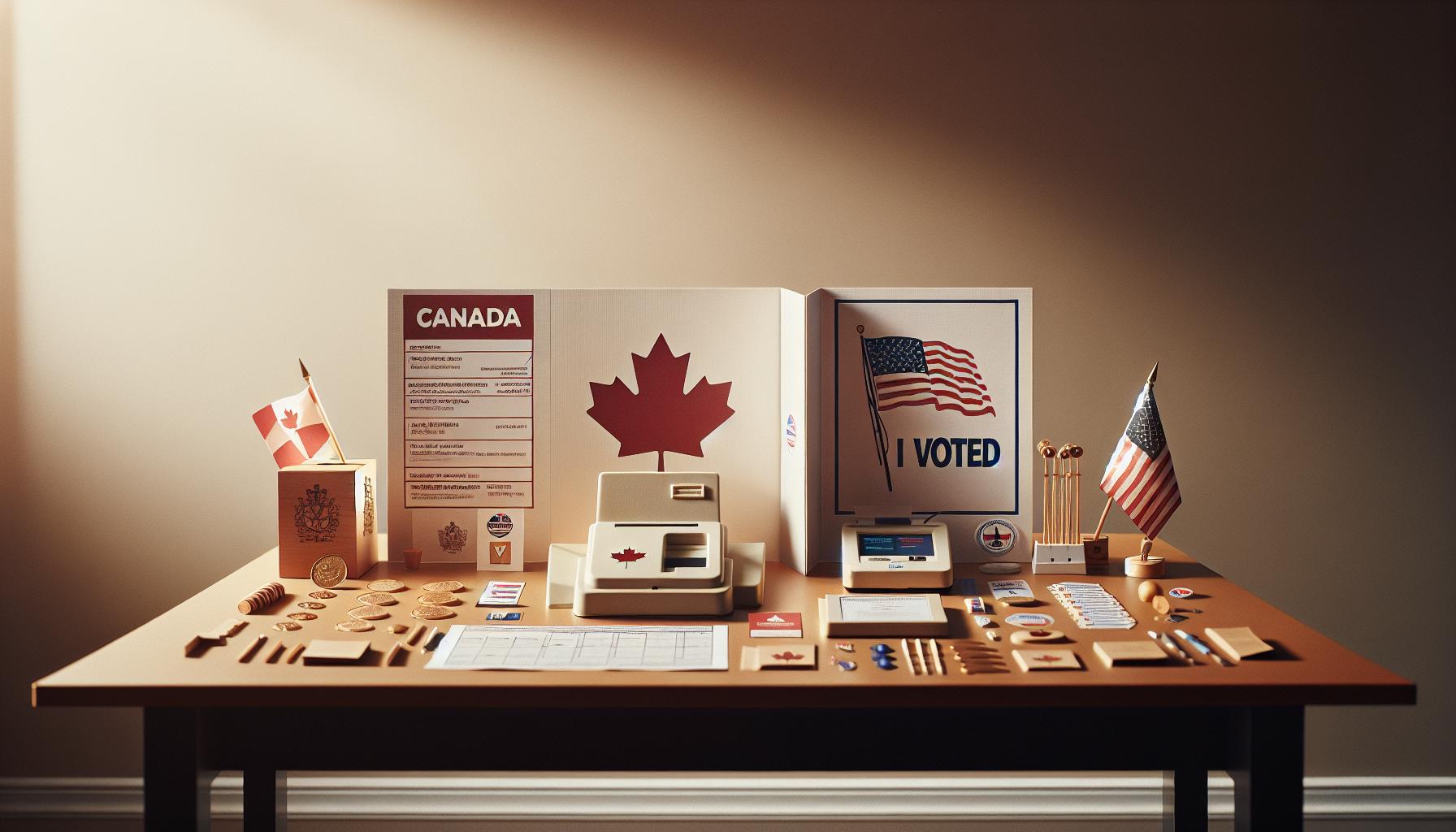
How Citizenship Affects Cross-Border Voting Opportunities
Cross-border voting opportunities for Native americans are deeply influenced by the distinct ways citizenship is defined and applied in the United States and Canada.While Indigenous identity is a powerful cultural and political marker on both sides of the border, citizenship status remains the primary legal determinant that either enables or restricts participation in federal and provincial elections. This means that even Native Americans who share historical and familial ties across the Canada-U.S. border must navigate separate citizenship requirements to exercise their voting rights in either country.
in practice,this creates a situation where holding U.S. citizenship alone does not grant Native Americans the right to vote in Canadian elections. Canadian law mandates that voters in federal and provincial elections be Canadian citizens and residents of the relevant electoral district. Indigenous status or tribal affiliation recognized in the U.S. has no bearing on Canadian voting eligibility. Similarly, Canadian Indigenous individuals without U.S. citizenship cannot vote in American federal or state elections, regardless of cross-border community connections.
Implications for dual citizens and Cross-Border Residents
For Native Americans with dual Canadian and U.S. citizenship, voting rights exist independently in each country but must be exercised separately according to each nation’s legal framework.Dual citizens looking to vote in Canada must register under Canadian provincial or federal voter registration processes, which require proof of Canadian citizenship and residency. Simultaneously occurring, their U.S. voting rights depend on state regulations and identification requirements that often vary significantly from one state to another, with additional challenges in areas where Indigenous voters face restrictive voter ID laws or residency disputes.
- Dual citizenship doesn’t merge voting rights: Each country requires separate voter registration and adherence to local laws.
- Residency matters: Voters must reside within specific electoral boundaries to participate, which can be complicated for cross-border Indigenous communities engaged in traditional territories spanning both countries.
- Documentation challenges: Native Americans often rely on tribal IDs that may not be accepted by all jurisdictions,especially in the U.S., creating obstacles that differ from Canadian voter ID policies.
Practical Advice for Engaging in Cross-Border Electoral participation
To effectively engage in voting on both sides of the border, Native Americans should first confirm their citizenship status and understand the specific registration and ID requirements of their province or state. Consulting with tribal election officials, Indigenous advocacy groups, and local election authorities can provide tailored guidance for navigating complex eligibility questions. Additionally, obtaining proper documentation early and ensuring residency verification can prevent last-minute complications on election day.
citizenship status fundamentally shapes the scope of cross-border voting opportunities. Native Americans who seek to honor their tribal heritage while fully participating in democratic processes must consider the legal and administrative distinctions between the U.S. and Canada. Knowledge of and compliance with each nation’s citizenship laws not only protect voting rights but also empower Indigenous individuals to contribute their voices where it matters most.
| Citizenship Status | Voting Eligibility in Canada | Voting Eligibility in the U.S. |
|---|---|---|
| U.S. Citizen (Including Native Americans) | Cannot vote unless also Canadian citizen; must meet residency requirements | Eligible to vote; must meet state-specific ID and residency rules |
| Canadian Citizen (Including Indigenous Canadians) | Eligible to vote if resident in relevant electoral district | Cannot vote without U.S. citizenship |
| Dual Citizen (U.S. and Canada) | Eligible to vote in Canada with registration and residency | Eligible to vote in the U.S. with state registration and residency compliance |
| Non-citizen Indigenous Individual | No voting rights in federal/provincial elections | No voting rights in federal/state elections |
The Role of Indigenous Status in Canadian elections
Indigenous identity holds profound cultural and political significance in Canada, yet when it comes to electoral participation, its role is largely symbolic rather than determinative within the formal voting system.Unlike citizenship, which legally confers the right to vote in federal and provincial elections, Indigenous status alone does not grant voting privileges. This distinction often surprises those unfamiliar with Canadian law, especially Native Americans accustomed to tribal sovereignty playing a prominent role in their political rights in the U.S.
While Indigenous Canadians-persons recognized under the Indian Act or belonging to First Nations, Métis, or Inuit communities-hold unique and important rights within their nations, these do not automatically translate into separate or special voting rights in Canadian elections. All eligible voters, Indigenous or not, must meet the same citizenship and residency requirements. However, Indigenous status can influence political engagement and representation through avenues like band council elections (governed separately), advocacy groups, and designated seats in some provincial legislatures or the federal Parliament, as seen with the existence of the Assembly of First Nations and parliamentary committees focused on Indigenous issues.
Practical Aspects for Indigenous Voters
Navigating the intersection of Indigenous identity and electoral participation means understanding that Indigenous voters in Canada exercise their federal and provincial franchise as Canadian citizens first. Those living on reserves or in Indigenous communities can vote in general elections if they are Canadian citizens and meet residency criteria; they are entitled to the same services, including voter registration assistance and polling stations, sometimes set up directly on reserves for accessibility. Yet some encounter practical barriers unrelated to Indigenous status itself, such as challenges in proving residency or presenting acceptable identification.
- Band membership vs. citizenship: Holding official band membership doesn’t replace the need for Canadian citizenship to vote federally or provincially.
- Separate election systems: Many Indigenous communities conduct their own leadership elections, which operate independently of Canadian electoral law.
- Representation efforts: Indigenous advocacy has pushed for increased political representation to address community-specific issues within mainstream elections.
Highlighting a real-world example, some Indigenous voters in remote regions have benefited from mobile polling teams, which both respect traditional territories and improve access in areas where travel to voting sites may be difficult. This logistical accommodation shows how electoral bodies recognize Indigenous communities’ distinct lived realities even if voting rights remain legally tied to citizenship status.
Indigenous status enriches the political landscape in Canada-fueling cultural pride and political activism-but does not independently confer voting rights. For Native Americans interested in Canadian elections, prioritizing Canadian citizenship and residency compliance remains essential for participation, while Indigenous identity informs broader civic engagement and representation work within and beyond electoral mechanics.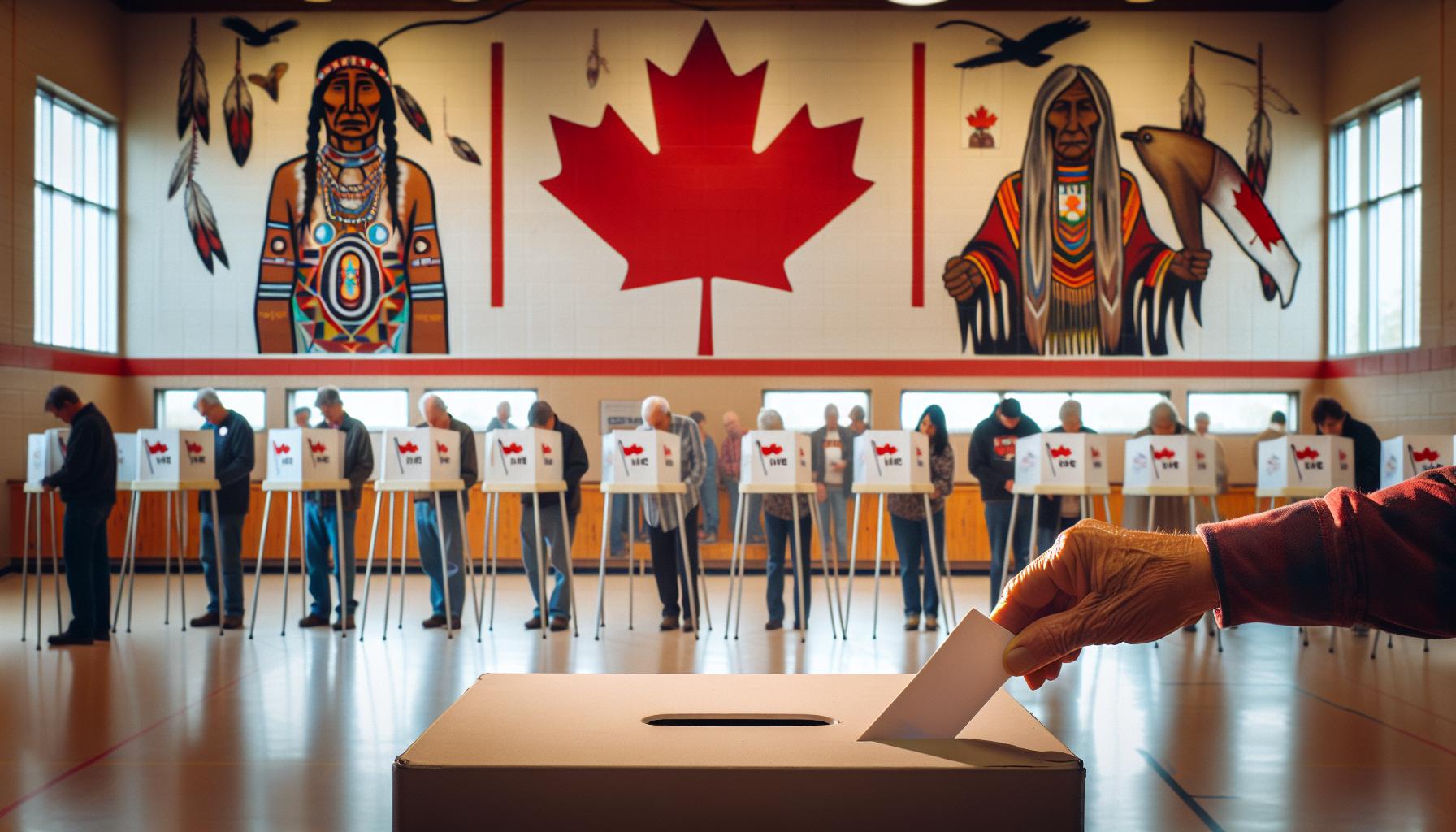
Residency requirements for Voting in Canadian Federal and Provincial Elections
Many Canadian elections hinge fundamentally on where you live. Residency requirements act as a critical gateway ensuring voters have a tangible, ongoing connection to the region where they cast ballots. this principle holds true regardless of Indigenous identity or cross-border origins, such as Native Americans interested in voting within Canada. Simply put, to vote federally or provincially in Canada, you must have established residence within the jurisdiction where you intend to vote.
Residency entails more than just owning property or staying temporarily; it requires a substantive and permanent connection. For federal elections, Canadian citizens must reside in an electoral district (known as a riding) in Canada, and their name must be registered on the voters’ list for that area. This means you cannot vote in a federal election if you live outside Canada, even if you maintain ties to a Canadian Indigenous community or band. However, ther are specific provisions for Canadian citizens living abroad to register on the International register of Electors and vote by mail-in ballot, provided they meet certain conditions related to previous residency or citizenship status in Canada [[2]](https://www.elections.ca/content.aspx?section=vot&dir=reg/etr&document=index&lang=e).
how Residency Influences Provincial Voting
Provincial voting follows a similar pattern but with nuances depending on the province or territory. each jurisdiction defines residency requirements that typically involve living within the province for a stipulated period before the election date. Such as, many provinces require residents to have lived in their electoral district for at least six months.Those living on reserves or in Indigenous communities must still meet these standards if they want to vote in provincial elections.
Proving residency can be challenging for some Indigenous voters and Native Americans residing near the border who maintain cross-border ties.Documentation such as utility bills, government-issued IDs, or lease agreements usually suffice to establish residency, but unique situations-like living on traditional territories without formal land titles-can complicate verification.Some jurisdictions have recognized these challenges by offering mobile polling stations or satellite offices on reserves,making the voting process more accessible without compromising the residency rule.
Practical Guidance for Native Americans Interested in Voting in Canada
- Confirm Citizenship First: Residency requirements only apply once Canadian citizenship is established, which is the fundamental eligibility criterion.
- establish a Fixed Address: Choose a dwelling within the electoral district and secure supporting documentation to prove continuous residence.
- Understand the Registration Process: Register with Elections canada for federal elections or the appropriate provincial election office well in advance of election day.
- For Overseas Canadians: Join the International Register of Electors to recieve special ballots, but remember you cannot vote directly if you’ve been living outside Canada for more than five years without returning.
| Requirement | Federal Voting | Provincial Voting |
|---|---|---|
| Citizenship | Required (Canadian citizen) | required (Canadian citizen) |
| Residency Location | Must reside in Canadian riding or registered as overseas elector | Must reside in province and electoral district (duration varies by province) |
| Proof of Residency | Government-issued ID, bills, lease agreements | Similar documentation; may vary by province |
| Special provisions | International Register of Electors for Canadians abroad (limited eligibility) | Mobile polls or on-reserve voting stations in some regions |
Ultimately, residency requirements function to ensure voters have a genuine stake in the local community where election outcomes will affect public policy and governance. For Native Americans considering cross-border voting participation in Canada, recognizing and fulfilling these residency requirements alongside citizenship status is indispensable. This ensures their voice will be counted fairly and lawfully within Canada’s democratic framework. For updated guidance, consulting Elections canada or provincial election offices can clarify any unique residency questions tied to Indigenous or cross-border circumstances [[1]](https://www.ulcc-chlc.ca/ULCC/media/EN-Annual-Meeting-2010/Voter-Residency-and-Identification-Requirements-and-Absentee-Military-voting.pdf).
Impact of Treaties and International agreements on Voting rights
few legal and political frameworks underscore Indigenous rights more poignantly than the treaties and international agreements shaping voting rights for Native Americans in Canada-especially when viewed through the lens of cross-border dynamics. These documents often reflect centuries-old understandings,agreements,and evolving principles that still echo in how Indigenous peoples navigate their political participation today. Though treaties primarily focus on land rights and sovereignty, their provisions and the spirit of self-determination they embrace have critically important implications for voting eligibility and access.
Several historic treaties between Indigenous nations and the canadian government recognize Indigenous peoples as distinct political entities with inherent rights. This acknowledgement has fostered specific legal interpretations where Indigenous status can influence electoral participation, especially at the provincial and federal levels. However, these treaties do not typically grant voting rights directly. Rather,Indigenous voters,including Native Americans residing in or near Canada,must still meet citizenship and residency requirements to participate in mainstream elections. Understanding how treaty rights intersect with these prerequisites is crucial for native Americans aiming to engage in canadian electoral processes.
Cross-Border Treaties and International Frameworks
The unique circumstance of Native Americans living near or across the Canada-U.S. border further complicates voting rights due to overlapping treaty obligations and international agreements. Some Indigenous nations maintain ancestral lands and cultural ties that span both countries, a situation recognized by treaties such as the Jay Treaty of 1794. The Jay Treaty, such as, allows indigenous peoples born in the U.S. to freely cross into Canada and vice versa without typical immigration restrictions.While this facilitates movement and cultural connection, it does not grant automatic voting rights in Canada; citizenship and provincial or federal residency remain decisive factors.
Still, the Jay Treaty represents a significant recognition of Indigenous sovereignty and contributes to broader discussions about Indigenous voting rights and political inclusion on both sides of the border. For instance, Native Americans holding status under these cross-border treaties can leverage their unique position to advocate for improved electoral access or specific accommodations where existing laws may be restrictive. They often collaborate with Indigenous organizations and governments to ensure that treaty rights complement rather than conflict with national voting regulations.
Practical Implications and Advice for Native American Voters
Given this complex legal backdrop, Native Americans interested in voting in Canada should take several proactive steps:
- Explore Treaty Rights: Understand if their Indigenous nation is party to any relevant treaties or international agreements that recognize cross-border rights or political participation privileges.
- Confirm Citizenship and Residency: Regardless of treaty protections, Canadian citizenship and concrete residency within Canadian jurisdictions remain essential to legal voting eligibility.
- Engage with Indigenous Electoral Initiatives: Some Indigenous communities have developed voting protocols or partnered with electoral offices to reduce barriers linked to treaty and governance considerations.
- Stay Informed on Legal Developments: Treaties and international agreements can influence ongoing legislative reforms aiming to improve Indigenous voting rights, making staying updated critical.
A deep appreciation for these treaties’ heritage and continued influence can not only enrich understanding but also help Native Americans strategically navigate the electoral landscape in Canada. By harmonizing respect for international Indigenous rights with Canadian legal requirements, voters can ensure their participation is both valid and empowered.
Voting Processes for native Americans Living Near the Canada-U.S.Border
Many Native Americans living near the Canada-U.S. border navigate a uniquely complex electoral landscape shaped by historical treaties, national laws, and their distinct cultural identities. While treaties like the Jay Treaty of 1794 facilitate easier border crossings and recognize Indigenous rights to mobility, they do not automatically confer voting rights in Canadian federal or provincial elections. For prosperous participation, Native Americans must still satisfy Canadian citizenship and residency standards-key legal prerequisites that underpin legitimate electoral involvement.
Living within borderland communities often means maintaining deep familial, cultural, and political ties on both sides of the border.In practice, this dual presence can complicate enrollment and voting because election authorities require confirmation of a single qualifying residence.Native Americans who reside primarily in Canada may register to vote in Canadian elections, but those primarily based in the U.S. face barriers unless they establish residency within Canadian provinces or territories.In certain specific cases, Indigenous organizations have partnered with election officials to develop tailored outreach and identification verification programs, helping bridge gaps caused by nontraditional or rural addresses common among borderland residents.
- Establish Canadian Residency Early: If you plan to vote in Canada, it’s critical to provide clear proof of residency, which can include utility bills, leases, or confirmation from Indigenous governance bodies.
- Leverage Indigenous Electoral Initiatives: Some indigenous groups in border regions collaborate with Elections canada and provincial bodies to facilitate voter registration drives,culturally appropriate education,and mobile polling stations.
- Prepare Proper Identification: While traditional tribal identification is respected culturally,Canadian election officials generally require government-issued ID that confirms both identity and Canadian residence.
- Stay Engaged with Legal Updates: Voting laws and the interpretation of treaty rights continue to evolve. Keeping abreast of legal changes helps ensure that voting rights are fully exercised without inadvertent disenfranchisement.
Understanding Voting Logistics Near the Border
Native Americans living near the border should also be aware of practical considerations, such as the possibility of limited polling locations in remote communities. Some border areas have embraced alternative voting methods, including mail-in ballots or extended advance voting periods, to increase accessibility. Though, geographic isolation and infrastructure constraints can still pose challenges. To address these, Indigenous communities often coordinate with electoral authorities to establish culturally relevant solutions, including designated polling places on or near reserves to minimize travel burdens.
Cross-border Voting: what Is and Isn’t Possible
Despite provisions for free movement, Canadian law is clear that voting rights are tied to citizenship and residency, not simply Indigenous status or tribal affiliation. Native Americans holding U.S. citizenship, even those with recognized Indigenous status under the Jay Treaty, cannot vote in Canadian elections without meeting Canadian citizenship and residency requirements. Conversely, Indigenous Canadians who also hold U.S. citizenship must similarly adhere to residency rules when voting in U.S. elections.
| Voting requirement | Canada | U.S. |
|---|---|---|
| Citizenship | Must be Canadian citizen | Must be U.S. citizen |
| Residency | Must reside in specific province/territory | Must reside in voting jurisdiction |
| Indigenous Status | Recognized but not sole basis for voting | Recognized but not sole basis for voting |
| Treaty Rights Effect | Facilitate border crossing, not voting | Facilitate border crossing, not voting |
Ultimately, Native Americans living near the Canada-U.S. border are encouraged to engage deeply with both their Indigenous governance structures and respective national election offices to ensure full understanding of their electoral rights and responsibilities.By proactively clarifying their status, residency, and available voting methods, these voters can effectively participate in Canadian elections while honoring their complex cross-border identities.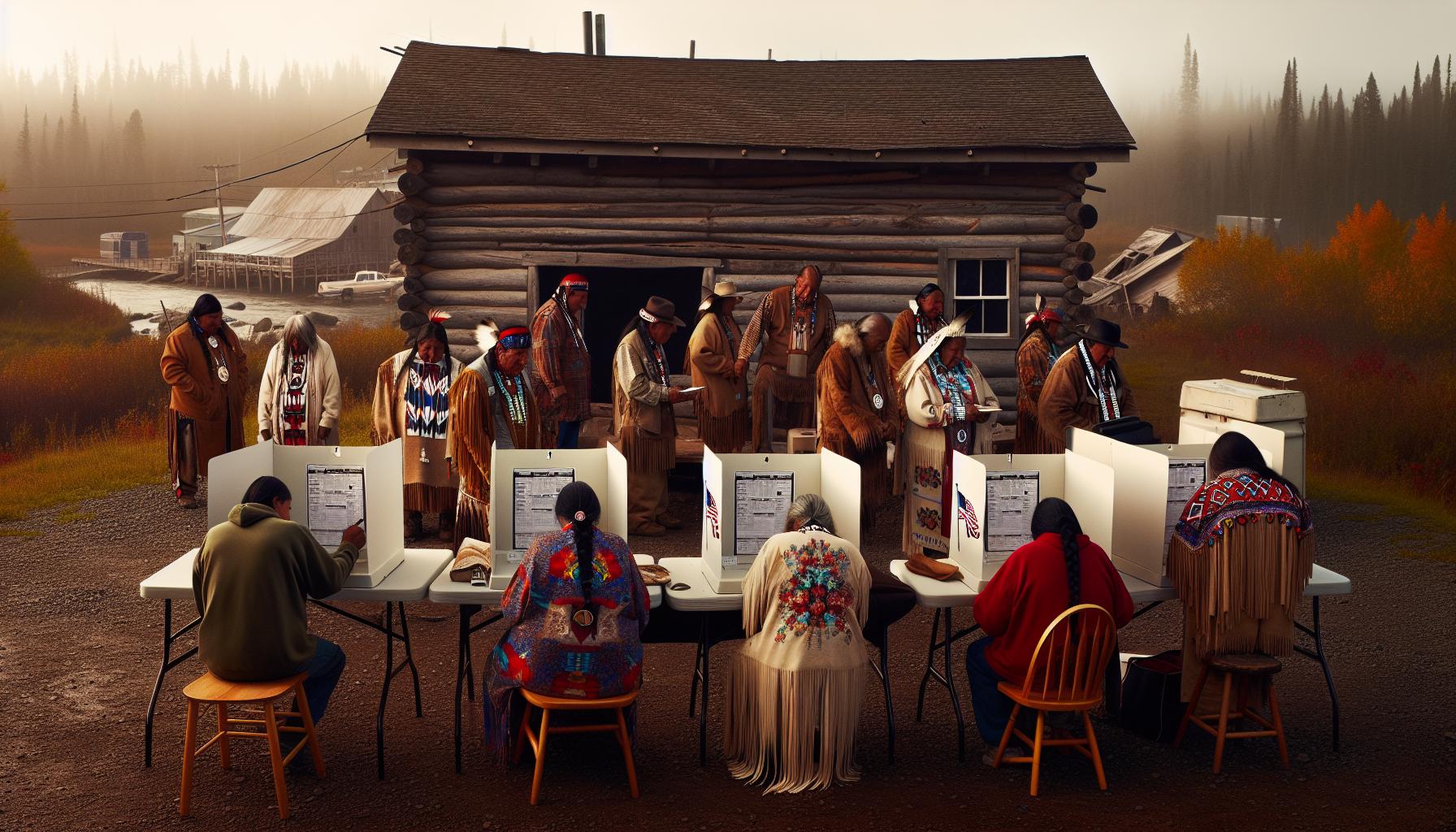
Restrictions and Challenges Faced by Native Americans Voting in Canada
Navigating the canadian electoral system presents distinct challenges for Native Americans, especially those living near the Canada-U.S. border whose identities and affiliations cross national lines. Unlike rights related to border crossing under treaties such as the Jay Treaty, voting eligibility in Canada is firmly rooted in citizenship and residency requirements. This creates inherent limitations: Indigenous status or tribal membership alone does not grant voting rights, leaving some Native Americans frustrated when their cultural identity seems unrecognized in this civic context.
A primary obstacle is establishing verifiable residency within a Canadian province or territory. Many Indigenous people in border communities maintain fluid ties across the border, often splitting time or having family on both sides. This can complicate registration as election officials require documentation proving a single, stable canadian address. nontraditional living arrangements-such as residing on a remote reserve without formal street addresses or utilities-may not always satisfy these proof-of-residency requirements, effectively disenfranchising individuals despite their strong community ties. Indigenous organizations have addressed this by collaborating with elections authorities to accept alternative forms of verification, like letters from Indigenous governance bodies, to bridge this bureaucratic gap.
Another persistent challenge lies in voter identification. Canadian electoral law mandates government-issued ID confirming both identity and residence. Many Native Americans may possess tribal cards or Indigenous identification that reflect their cultural heritage but do not meet official ID criteria.This mismatch frequently enough leads to confusion at polling places, disenfranchisement, or the need to gather multiple documents to satisfy identification rules. Awareness campaigns and voting assistance programs developed by Indigenous groups and Elections Canada have been crucial in educating voters about proper ID and easing the voting process.
- Clarify residency Early: Begin preparations well before election day to secure acceptable proof of residency, whether through utility bills, lease agreements, or Indigenous governance confirmations.
- Understand ID Requirements: Carry government-issued ID that includes your address; if unavailable, seek out election offices or community groups offering guidance to meet these standards.
- Leverage Community Resources: Connect with local Indigenous election initiatives to access mobile polling stations or voter education tailored to address unique border community obstacles.
These structural hurdles intersect with broader issues such as geographic isolation, limited polling locations near remote reserves, and historical distrust of government institutions. While alternatives such as mail-in ballots, extended advance polls, and designated Indigenous polling places have increased accessibility in some areas, disparities persist. Continuous dialog between Indigenous leadership and electoral authorities is essential to address ongoing barriers and build frameworks that respect both indigenous identities and Canadian electoral laws.
| Common Barrier | Description | Potential solutions |
|---|---|---|
| Proof of Residency | Nontraditional addresses on reserves complicate official registration | Acceptance of letters from Indigenous councils or traditional address forms |
| Voter Identification | Tribal IDs often not recognized for voting purposes | Voter education and guidance on obtaining acceptable government-issued ID |
| polling Accessibility | Remote locations limit physical access to polling stations | Mobile polling stations, mail-in ballots, advance voting opportunities |
| Cross-Border Identity | Dual ties can make residency confirmation complex | Collaboration between Indigenous communities and elections officials on residency verification |
By understanding these complexities and proactively engaging with available resources, Native Americans aiming to vote in Canada can overcome many barriers and exercise their rights effectively, ensuring their voices are heard within the Canadian political landscape.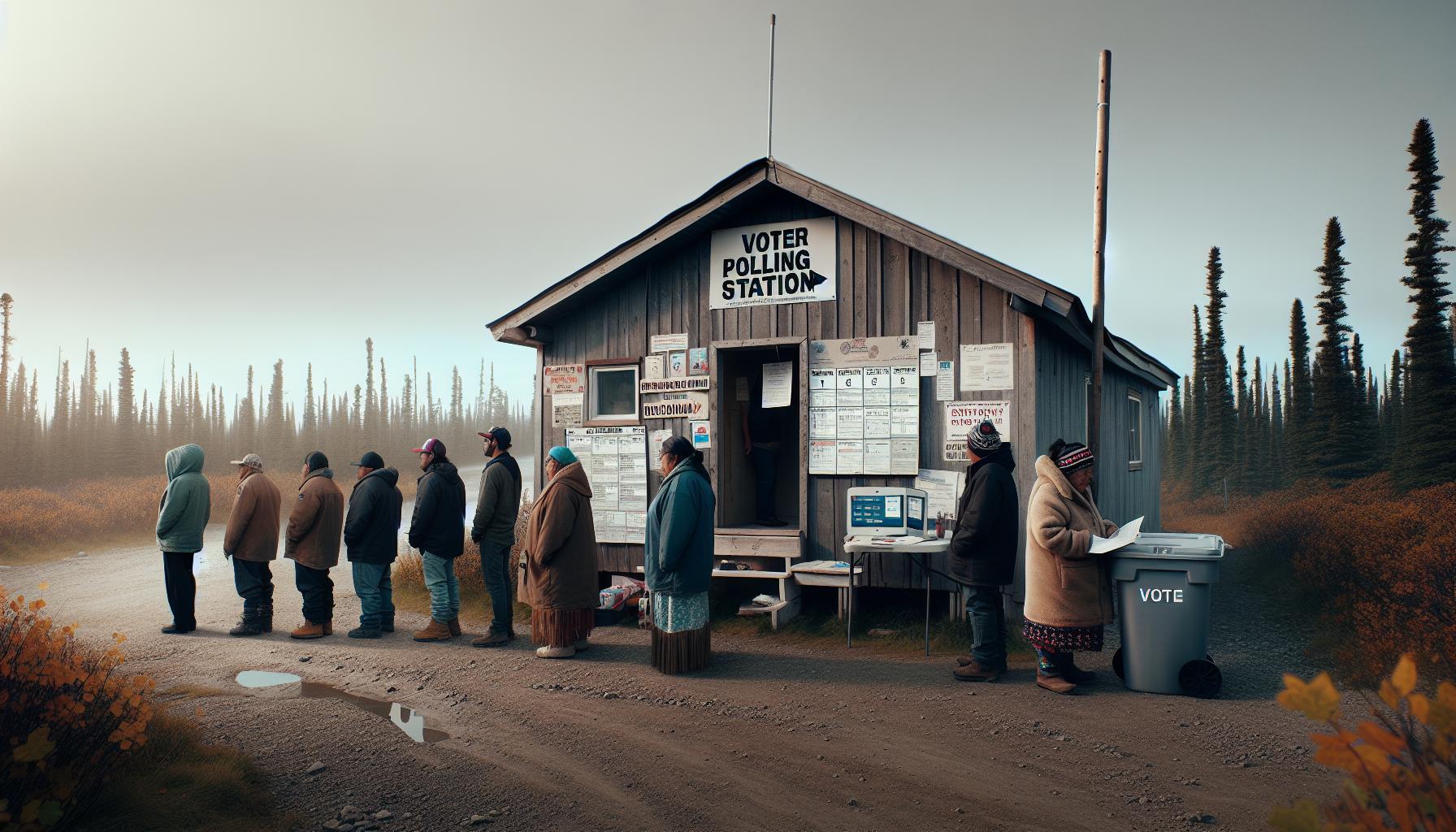
How to Register and Prepare to Vote as a Native American in Canada
Casting a ballot in Canada requires more than cultural identity or Indigenous status; it hinges on clear citizenship and residency verification. For Native Americans living near the Canada-U.S. border,registering to vote involves navigating these technicalities with care,especially when cross-border ties blur traditional concepts of “home.” Successfully preparing to participate requires early planning, understanding identification demands, and leveraging community resources uniquely tailored to Indigenous voters.
One of the most important steps is establishing and proving residency within a Canadian province or territory. Unlike U.S. jurisdictions that might accommodate broader interpretations of community ties, Canadian election law demands documentation showing a stable Canadian address. This can be challenging for those living on reserves without conventional street addresses or utilities. In such cases, letters from recognized Indigenous governance bodies or traditional address forms have become accepted proof to satisfy registration officials. Starting this process well ahead of election day is crucial. Collecting documents such as utility bills, lease agreements, or official letters from band councils can streamline later steps and reduce uncertainty at the polling station.
Meeting identification Requirements
Voter ID requirements in Canada mandate presenting a government-issued document that confirms identity and residence.Tribal IDs or Indigenous cards, while culturally significant, typically don’t meet this standard for federal or provincial elections. To avoid complications, it is indeed wise to acquire a valid Canadian driver’s license, provincial health card, or another official photo ID bearing your Canadian address. If obtaining these can be difficult due to residency status or logistical issues, election offices and Indigenous organizations frequently enough provide guidance or support services. Some communities host ID clinics or voter education workshops aimed particularly at Indigenous voters to clarify what IDs are acceptable and how to obtain them.
Utilizing local Indigenous Election Support
Engagement with local Indigenous election initiatives can greatly ease the registration and voting process. These programs may offer mobile polling stations near remote communities or tailored voter outreach that respects cultural considerations,language diversity,and historical mistrust. Connecting early with Indigenous electoral liaison officers can provide personalized advice, assist in navigating cross-border residency complexities, and inform voters about mail-in ballot options or advance voting opportunities. In many cases, this community-based support bridges the gap between federal/provincial requirements and Indigenous realities on the ground, ensuring voices are not sidelined due to bureaucratic obstacles.
| Step | Recommended Action | Practical Tips |
|---|---|---|
| Confirm Residency | Gather documentation proving Canadian address | Use utility bills, letters from Indigenous councils, or lease agreements |
| Prepare Identification | Obtain government-issued photo ID showing name and address | Apply for provincial health card or driver’s license well before voting |
| Register Early | Complete voter registration in advance through Elections Canada or regional authorities | Seek assistance from Indigenous election programs for complex cases |
| Explore Voting Options | Consider mail-in ballots or advance polls if physical access is limited | Stay informed about deadlines and special accommodations via community resources |
By proactively addressing these elements, Native Americans residing in Canada can confidently activate their voting rights and fully participate in the democratic process. Awareness and preparation are key to overcoming administrative hurdles and ensuring that cultural identity is complemented-not complicated-by the practical demands of Canadian election law.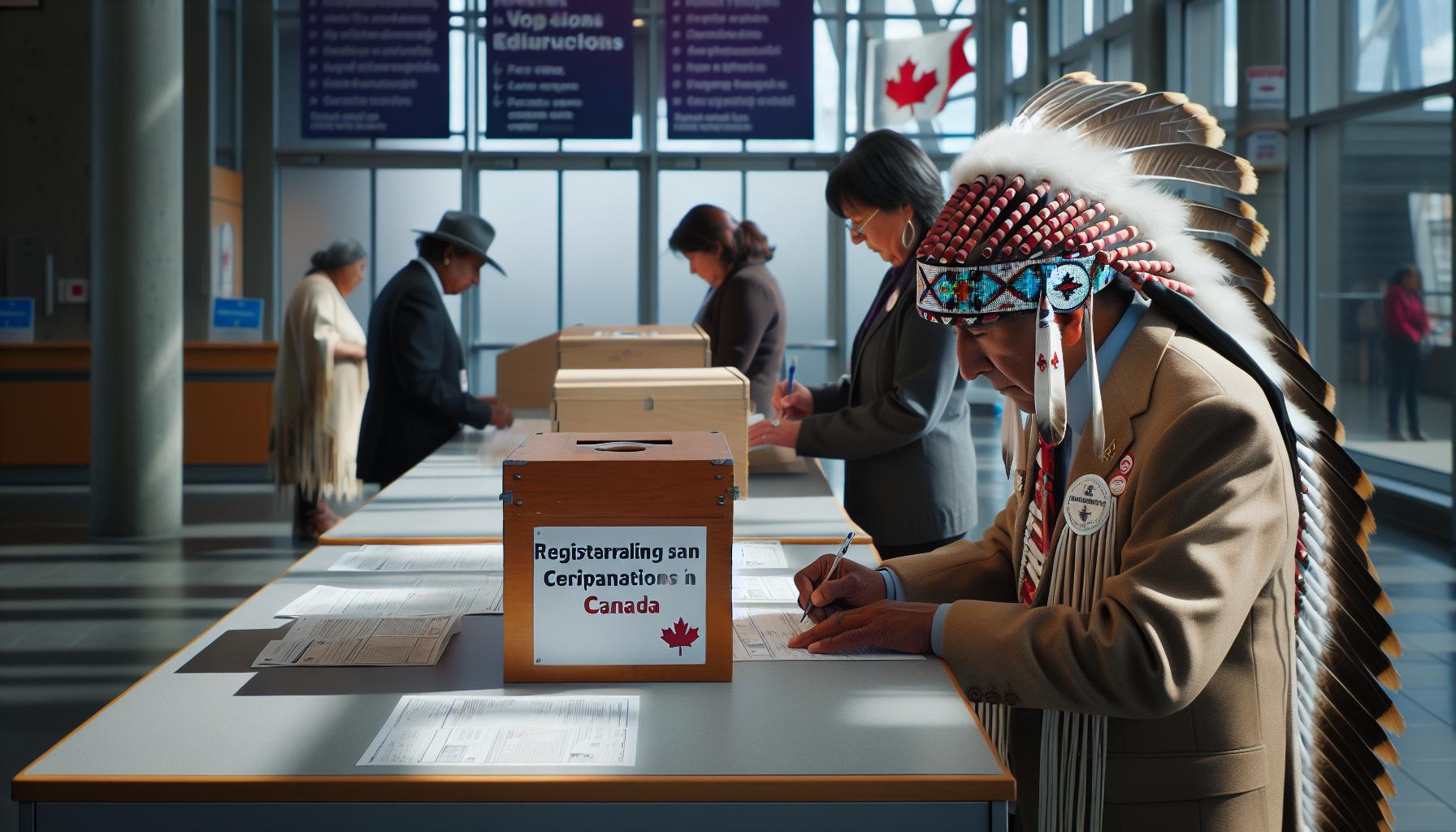
Common Misconceptions About Cross-Border Voting Rights
Counting on Indigenous heritage alone to confer voting rights within Canada is a common misunderstanding. While cultural identity is deeply significant, Canadian voting eligibility primarily hinges on citizenship and residency criteria, much like most democratic systems. native Americans residing in Canada cannot automatically vote just because of their Indigenous status or cross-border family ties; proof of canadian citizenship and a verifiable local residence are mandatory. Misconceptions often arise from the intimate historical and familial connections spanning the Canada-U.S. border, but legally, these do not substitute for formal qualifications required by Canadian election law.
another frequent confusion involves the assumption that tribal identification cards or Indigenous status cards serve as valid voter ID. In reality, Canadian federal and provincial elections require government-issued photo identification that explicitly confirms name and Canadian residence. This means that even if you hold a tribal card reflecting Indigenous affiliation, without a provincial health card, driver’s license, or other recognized government ID, you may face hurdles at the polls. Communities near the border, where traditional addresses may not conform to standard formats, can address this challenge by securing custom verification letters from recognized Indigenous governance bodies, accepted by election officials as proof of residence.
Common Misconceptions Clarified
- Residency Is Not flexible: Living part-time in canada or crossing the border frequently does not exempt one from establishing a primary Canadian residence for voting.
- Citizenship Is Non-Negotiable: Unlike some countries allowing noncitizen residents or diaspora voting, Canadian election laws currently require citizenship for federal and most provincial elections.
- Cultural Identity Does not Replace Legal Status: Indigenous status is an critically important identity marker but does not replace the need for citizenship and proper registration.
- Cross-Border Voting Rights Are Limited: Native Americans cannot vote concurrently in U.S. and Canadian elections unless they meet each country’s legal voting requirements separately.
For Native Americans choosing to engage with Canadian elections, early and informed preparation is vital. Seeking guidance from Indigenous electoral liaison officers or local voter support programs can help clarify residency documentation, acceptable IDs, and registration processes. Such proactive steps prevent last-minute surprises and build confidence in fulfilling civic duties correctly.
In sum, dispelling these myths helps Indigenous voters near the border understand that while their cross-border connections enrich cultural heritage, the right to vote in Canada firmly rests on citizenship and residency grounded in Canadian law. Recognizing this balance between identity and legal frameworks empowers voters to take actionable steps toward political participation without confusion.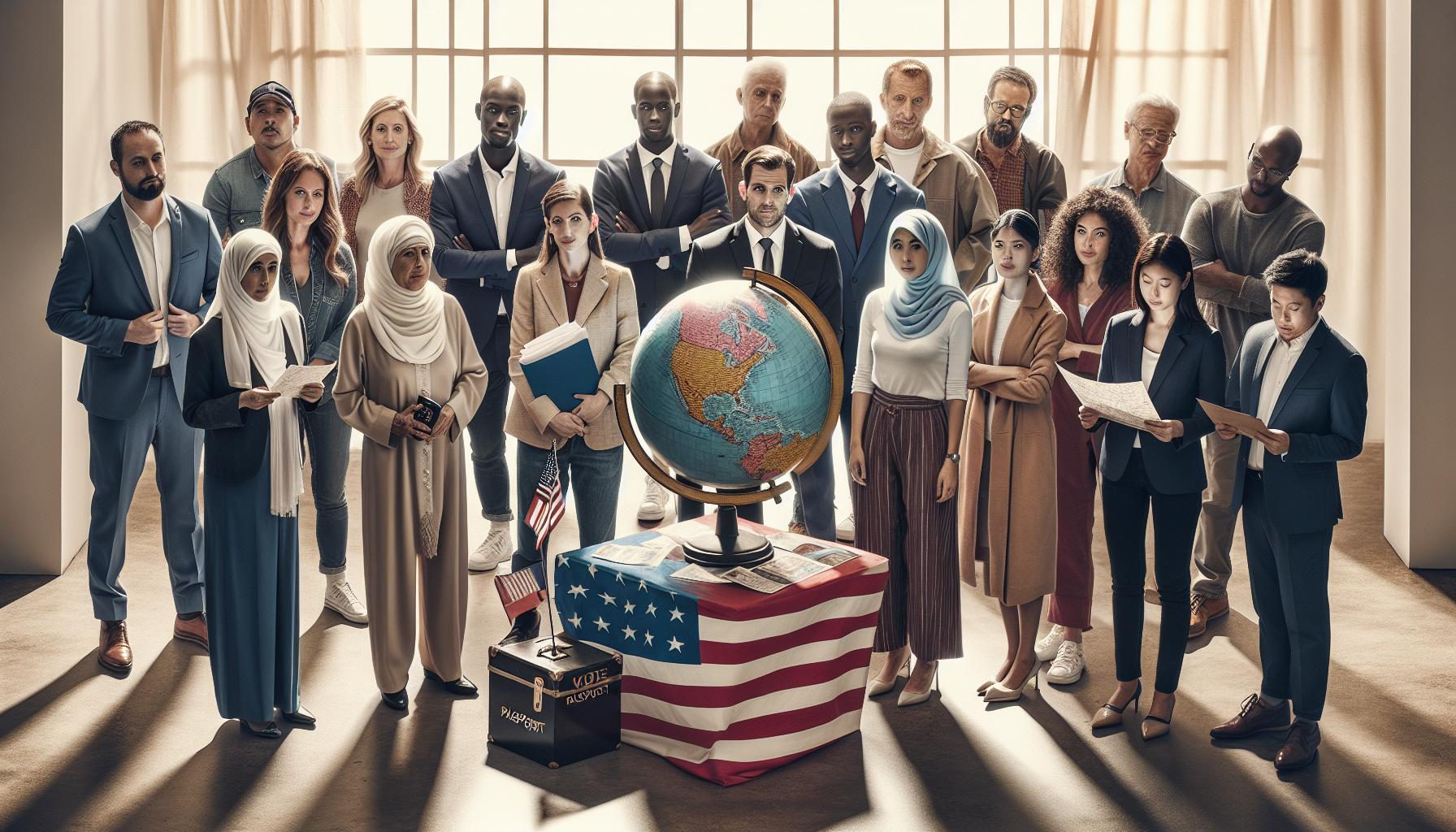
Recent Legal Developments Affecting Indigenous Voting in Canada
Indigenous voting rights in canada have seen significant change over the past several decades, reflecting broader social and political shifts aimed at correcting historical injustices. One critical milestone occurred in 1960 when Indigenous peoples were finally granted the federal right to vote without the onerous condition of enfranchisement, which previously forced them to give up their Indigenous status to participate in elections.This reform marked a fundamental change in acknowledging Indigenous peoples as full canadian citizens with political agency, while preserving their treaty rights and cultural identity-a pioneering step toward inclusivity in Canada’s democratic system [[1]](https://www.mulroneyinstitute.ca/node/5521).
More recent legal developments have focused on reducing barriers that continue to impede Indigenous electoral participation. As an example, Elections Canada has recognized longstanding challenges faced by Indigenous voters, such as lack of access to appropriate identification or limited outreach in remote communities. Programs like inspire Democracy have been designed expressly to work collaboratively with Indigenous organizations to improve voter education, registration processes, and access to voting methods tailored to Indigenous contexts. These efforts acknowledge that while legal voting rights exist, practical obstacles still require ongoing attention and responsive measures [[2]](https://www.elections.ca/content.aspx?section=vot&dir=abo&document=index&lang=e).
Key Legal Changes and Practical Implications
- Removal of Enfranchisement Requirements: Indigenous voters no longer must renounce their status to vote federally, reinforcing respect for treaty and cultural rights.
- Improved identification Flexibility: Election laws have adapted to accept Indigenous verification letters issued by recognized Indigenous governments as valid proof of residence, easing difficulties especially encountered by those living in rural or border areas.
- Greater Engagement and Collaboration: Elections Canada’s partnerships with Indigenous communities aim to tailor electoral services, creating culturally relevant materials and outreach to improve voter confidence and awareness.
Despite these positive steps, challenges remain. Indigenous electors have reported feeling less informed about voting options such as advance polls or mail-in ballots compared to non-Indigenous Canadians, signaling a need for continued improvement in communication and service delivery [[3]](https://www.elections.ca/content.aspx?section=res&dir=rec/part/abo&document=index&lang=e). Understanding these legal developments alongside ongoing community-led initiatives shows a promising path forward: one where Indigenous voters are supported not only by law but also by accessible and culturally appropriate electoral systems.
For Native Americans residing in Canada or those with cross-border ties, staying informed about these evolving legal frameworks is essential. engaging with Indigenous electoral liaison officers or community voting programs can provide personalized guidance on voter registration, documentation requirements, and voting options-empowering participation in canadian democracy while respecting unique Indigenous identities and histories. Recognizing the gap between formal rights and lived experiences, these recent legal shifts are part of a broader movement towards meaningful inclusion and electoral justice for Indigenous peoples across Canada.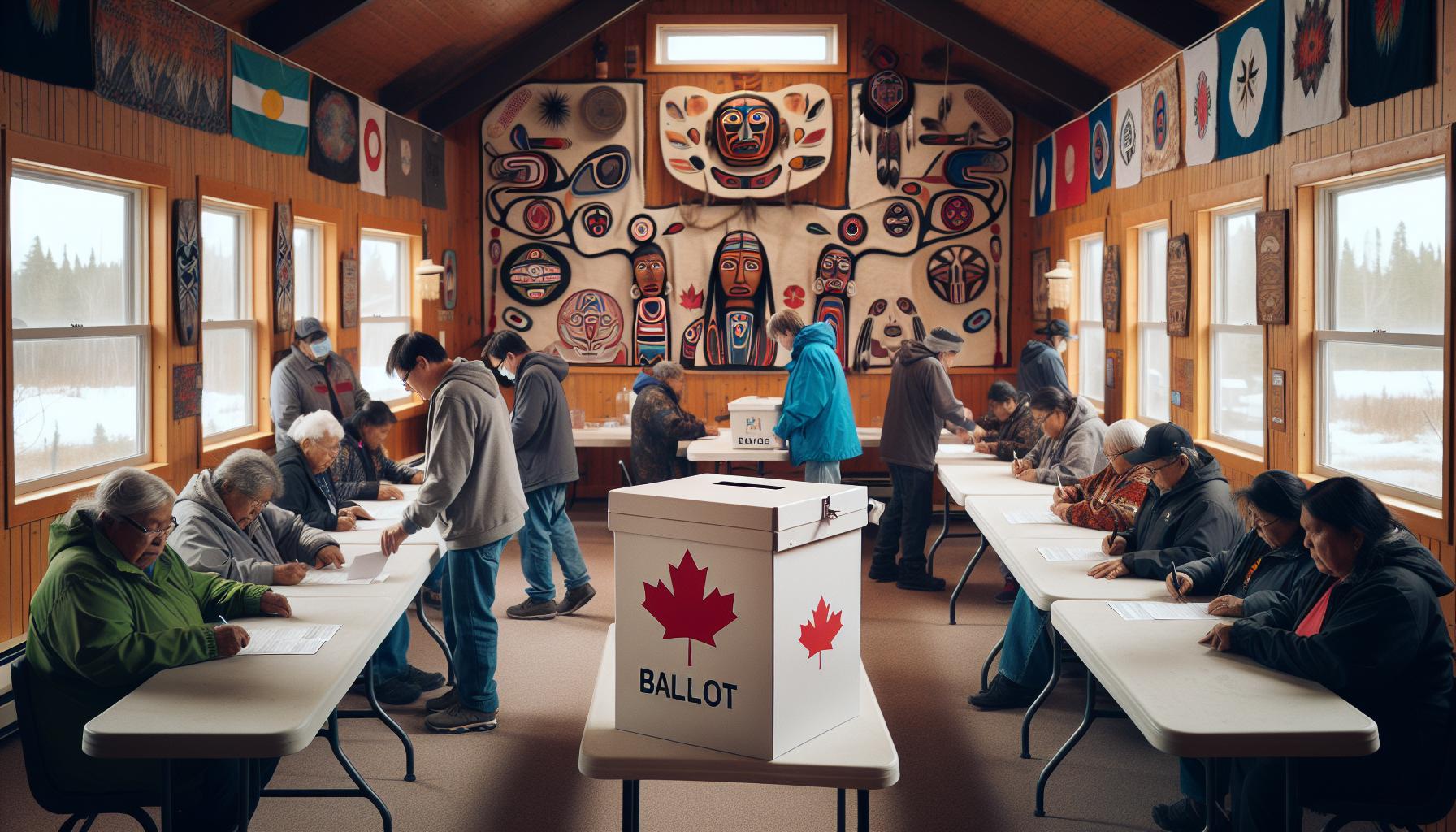
Resources and Support for Native American voters in Canada
Many Native Americans living in Canada or near the Canada-U.S. border find that navigating voting rights and procedures can be confusing due to intersecting jurisdictions and unique cultural contexts. Fortunately, a growing network of resources is tailored to support Indigenous voters in these cross-border situations, ensuring their voices are heard in Canadian federal and provincial elections. From community-based organizations to government initiatives, help is available to demystify the registration process, clarify residency requirements, and provide culturally sensitive voter education.
several Indigenous electoral liaison officers serve as vital connectors between Elections Canada and Indigenous communities,offering personalized assistance on voter registration,identification verification,and voting options.These officers can guide Native American voters living in Canada through necessary documentation-such as use of Indigenous verification cards accepted as proof of residence-and explain how to access advance polls, mail-in ballots, or in-person voting locations.Outreach efforts increasingly incorporate Indigenous languages and cultural values to build trust and ensure messages resonate authentically with Native American voters.
Community-Based Voter Support Programs
Local grassroots organizations often partner with Indigenous governments and advocacy groups to host workshops, registration drives, and informational sessions. These programs focus on practical needs such as:
- Registration deadlines: Clear communication about when and how to register to vote in federal and provincial elections.
- Identification requirements: Helping voters understand alternative ID options if traditional documents are hard to obtain.
- Transportation and access: Arranging rides to polling stations or facilitating mail ballot requests for those in remote or hard-to-reach areas.
- Language support: Providing voting materials and assistance in Indigenous languages to reduce barriers linked to literacy or comfort with English/French.
Key Government and Non-Governmental Resources
| Resource | Purpose | Contact/Access |
|---|---|---|
| Elections Canada Indigenous Liaison | Personalized voter assistance and outreach | elections.ca – Indigenous Services section |
| Inspire Democracy Programme | Voter education tailored to Indigenous communities | Community offices, local Indigenous governments |
| Native Friendship Centres | Ongoing community support including voter information | Local centers across Canada |
| Legal Aid Indigenous services | Advice on voting rights and citizenship questions | Provincial legal aid offices |
Additionally, it’s critically important for Native Americans residing in Canada who may retain ties or dual citizenship links with the United States to consult both Canadian and U.S. voting guidelines. This can prevent misunderstandings about eligibility and avoid disenfranchisement on either side of the border. Staying informed through trusted Indigenous networks and taking advantage of official voter support channels can empower Native American voters to exercise their democratic rights confidently.
By combining government-led programs, Indigenous-led initiatives, and community advocacy, Native American voters in Canada gain access to comprehensive support tailored to their unique circumstances. This fosters greater electoral participation, honors Indigenous identities, and strengthens the democratic fabric shared between Canada and its Indigenous peoples.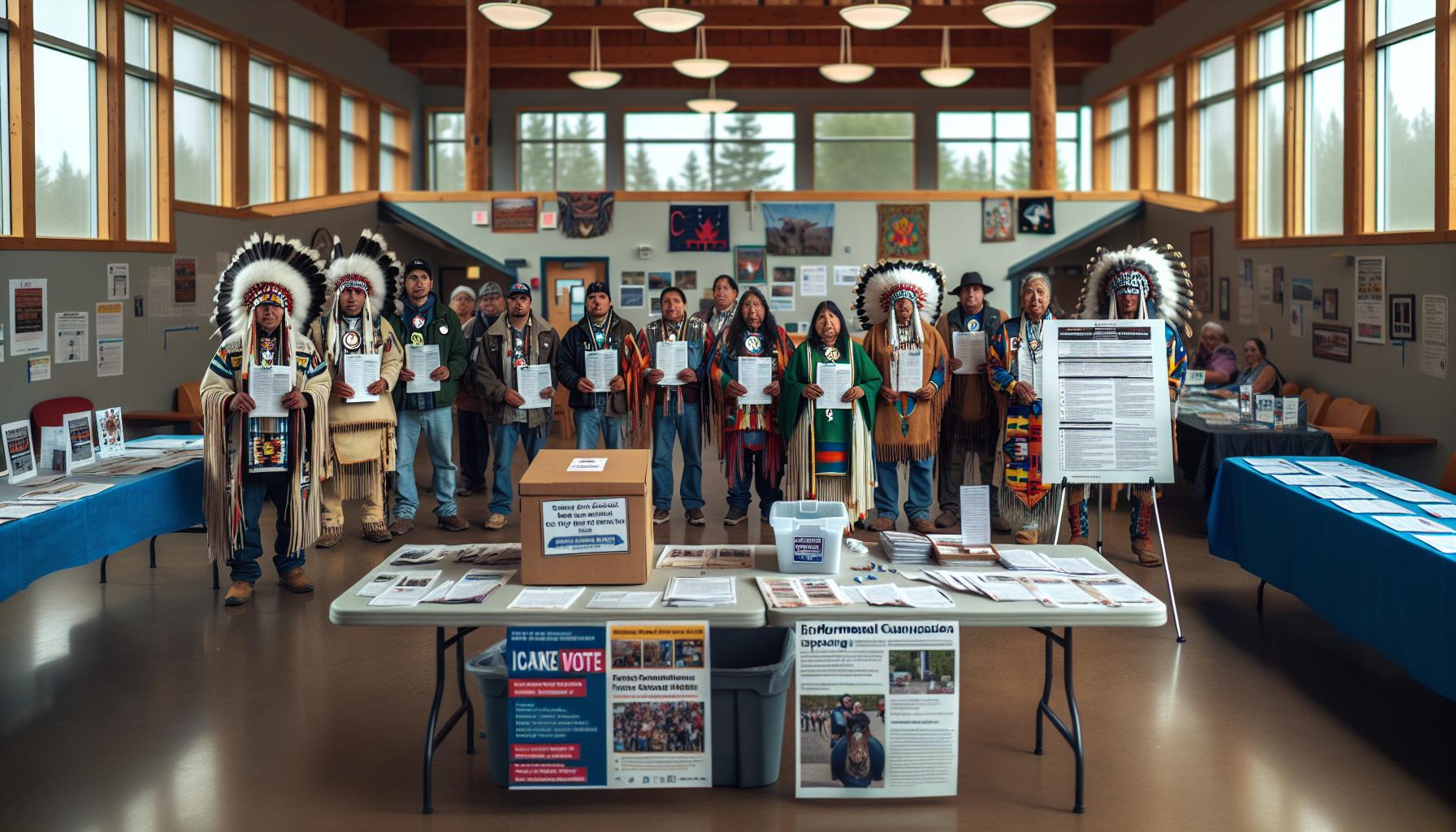
Q&A
Q: Can Native Americans living in the U.S. vote in Canadian elections if they have Indigenous ancestry?
A: Native Americans living in the U.S. cannot vote in Canadian elections solely based on Indigenous ancestry. Voting in Canada requires Canadian citizenship and meeting residency requirements. However, Indigenous status may influence certain rights within Canada but does not grant automatic voting eligibility for non-residents. For details, see the Residency Requirements for Voting section.
Q: how does holding dual citizenship affect a Native American’s ability to vote in Canadian elections?
A: Holding dual U.S.-Canadian citizenship allows Native Americans to vote in Canadian elections if they meet residency and registration criteria. Dual citizenship provides full voting rights in both countries, subject to local rules. Check the article’s How Citizenship Affects Cross-Border Voting to understand eligibility steps.
Q: Are there any special provisions for Native Americans living near the Canada-U.S. border to vote in Canadian elections?
A: No special voting provisions exist exclusively for Native Americans living near the border. They must comply with the same federal and provincial voting laws, including citizenship and residency requirements. Refer to Voting Processes for Native Americans Living Near the Canada-U.S. Border for practical guidance.
Q: What identification is required for Native Americans to vote in Canada’s federal elections?
A: Native American voters in Canada must provide proof of canadian citizenship and a valid ID showing their name and address. this may require multiple IDs depending on circumstances, similar to Indigenous voters in Canada. For preparation tips, see How to Register and Prepare to Vote as a Native American in Canada.
Q: Can Indigenous treaty rights influence Native Americans’ voting eligibility in Canadian elections?
A: Indigenous treaty rights themselves do not affect voting eligibility unless tied to Canadian citizenship and residency status. Treaties may impact other rights, but voting follows statutory election laws. Explore impact of treaties and International Agreements on Voting Rights for context.
Q: Why are Native Americans less likely to use alternative voting methods like mail-in ballots in Canada?
A: Native americans living in Canada frequently enough have lower awareness of alternative voting methods like mail-in ballots due to information gaps. Increasing voter education and outreach can improve participation. see Restrictions and Challenges Faced by Native Americans Voting in Canada for solutions.
Q: Can a Native American lose their Indigenous status by voting in Canada?
A: No, voting in Canadian elections does not cause Native Americans to lose their Indigenous status. The outdated practice of losing status via enfranchisement was abolished decades ago. For historical context, refer to The Role of Indigenous Status in Canadian Elections.
Q: How can Native Americans living temporarily in Canada register to vote in federal elections?
A: Temporary residents,including Native Americans without Canadian citizenship,cannot register to vote in Canadian federal elections.* Only Canadian citizens residing in Canada on election day are eligible. See Residency Requirements for Voting* for registration details and exceptions.
For more detailed information, explore our article sections on registration and Indigenous voting rights to strengthen your understanding and participation.
In Conclusion
Understanding the nuances around whether Native Americans can vote in Canada is essential for navigating cross-border electoral rights confidently. while citizenship and residency requirements play a crucial role, staying informed about updates and resources can help you exercise your voting rights properly. If you’re interested in exploring more about indigenous voting rights or cross-border legal considerations, be sure to check out our detailed guides on Indigenous Voting Rights in Canada and Cross-Border Legal FAQ.
Don’t miss the opportunity to stay updated-sign up for our newsletter for the latest insights and expert advice on voting regulations and related topics. If you have questions or personal experiences regarding cross-border voting, share them in the comments below; your input helps build a informed community. Keep exploring and empower yourself with trusted information on Native American voting eligibility and other cross-border civic matters.