Did you know that while voting is a right for most Canadians, there are specific situations where that right can be restricted or lost altogether? understanding when and why someone might be disqualified from voting is crucial-not only for protecting your own democratic participation but also for recognizing the boundaries of Canada’s electoral system. This article explores the key disqualifications that can affect your eligibility to vote, shedding light on important rules that uphold the integrity of elections.Whether you’re a first-time voter or simply curious about your rights, knowing these limits empowers you to navigate Canada’s voting process with confidence and clarity.Keep reading to discover what factors might impact your voting privileges and what they mean for canadian democracy.[[1]] [[2]]
Table of Contents
- Understanding voting Rights in Canada: Who Can Vote?
- Legal Grounds for Losing Your Voting Rights
- Disqualifications Due to Criminal convictions
- Impact of Mental Incapacity on Voting Eligibility
- Provincial Variations in Voting Disqualifications
- Special Cases: Indigenous and Military Voters
- How Voting Rights Are Restored After Disqualification
- Common Misconceptions About Voting Eligibility
- Protecting Your Right to Vote: What You Should Know
- Q&A
- Q: Can losing Canadian citizenship affect your right to vote?
- Q: Are there any age-related restrictions beyond being 18 to vote in Canada?
- Q: How do election officials verify if someone is disqualified from voting in Canada?
- Q: Can mental health treatment affect one’s voting rights in Canada today?
- Q: Are military members stationed abroad allowed to vote in Canadian elections?
- Q: What happens to voting rights during a criminal sentence in Canada? Are all prisoners disqualified?
- Q: How can I check if I am disqualified from voting before election day in Canada?
- Q: Can someone be permanently barred from voting in Canada?
- Concluding Remarks
Understanding voting Rights in Canada: Who Can Vote?
It’s a powerful right that defines democracy-the ability to vote-and in Canada, this privilege extends broadly, but not without certain essential limitations. generally, Canadian citizens aged 18 and older are eligible to vote in federal elections, which reflects the country’s commitment to inclusive and representative governance. However, understanding exactly who qualifies under Canadian voting laws helps clarify not only who participates in shaping the nation’s political landscape but also why certain restrictions exist.
Voting rights in Canada are firmly anchored in citizenship and age. Unlike some countries that impose more restrictive requirements, Canadian federal elections welcome all citizens over 18, regardless of gender, race, or socioeconomic status. The right to vote is global in that sense, but there are a few specialized exceptions which can affect eligibility. For example,Canadian citizens living abroad may vote if they’ve resided in Canada within the last five years,maintaining a strong link to the country’s electorate. This inclusive approach ensures that a broad spectrum of voices is heard during elections, but it also underscores the importance of continuous registration and awareness of voting deadlines.
Key eligibility criteria include:
- Canadian citizenship
- Being at least 18 years old on election day
- Proper registration on the voters list
- Residency requirements in some cases, such as when voting provincially
Engagement with the voting process is also shaped by the practical realities of citizenship verification and registration procedures.Many Canadians benefit from automatic voter registration drives, but it remains wise to confirm one’s status well in advance of elections to avoid surprises. This proactive step is especially valuable for younger voters casting ballots for the first time or those who have recently changed their name or address.
special Considerations for Indigenous and Military Voters
It’s important to recognize the evolving landscape of Indigenous voting rights in Canada. Historically, Indigenous peoples faced notable barriers to voting, but legislative changes have gradually dismantled these obstacles, affirming their full electoral participation.Military personnel, whether stationed domestically or abroad, also have tailored provisions ensuring their right to vote is not hindered by their service commitments. Understanding these nuances adds depth to the broader picture of voter eligibility and reflects Canada’s efforts to ensure fair access to the democratic process.
By knowing the foundational rules of Canadian voting rights and appreciating the particular cases that may apply, individuals can confidently affirm their place in the democratic process and advocate for their continued right to vote in every election cycle [[1]](https://en.wikipedia.org/wiki/Elections_in_Canada) [[2]](https://www.ebsco.com/research-starters/politics-and-government/voting-rights-canadian-indigenous-peoples) [[3]](https://thecanadianencyclopedia.ca/en/timeline/voting-rights-in-canada).
Legal Grounds for Losing Your Voting Rights

Few rights are as basic to democratic participation as the ability to vote, yet in Canada, there are specific legal circumstances under which this right can be curtailed. While canada’s electoral laws broadly protect voting rights for citizens aged 18 and older, certain disqualifications do exist to maintain the integrity of the electoral process and safeguard public trust. Understanding these grounds is crucial-not only to know when your rights might be at risk but also to ensure you can take steps to protect or restore them if necessary.
One of the most commonly misunderstood areas involves restrictions related to criminal convictions. Unlike some countries that impose broad voting bans on those convicted of offences, Canada has evolved its legal stance to be more inclusive. Since 2018, individuals serving sentences in federal or provincial custody retain their right to vote in federal elections. This reflects a progressive view that upholds enfranchisement as part of reintegration. Exceptions, however, may still exist at provincial levels or in specific contexts, so awareness of local regulations is important.
Another legal ground that historically influenced disenfranchisement, even though now reduced, relates to mental capacity. The Canadian Charter of Rights and Freedoms protects citizens against arbitrary loss of voting rights due to mental incapacity. However,some provinces introduced procedural rules around voting eligibility when individuals are under formal guardianship,mainly to ensure their votes reflect personal intent and are not subject to undue influence. These measures aim to balance protections for individuals facing cognitive challenges with the overarching principle of inclusive democracy.
- Citizenship and age remain the primary eligibility criteria. Disqualifications typically do not stem from race,gender,or socioeconomic status.
- Criminal convictions have limited impact on voting rights at the federal level. Federal law supports voting even for incarcerated individuals.
- Mental incapacity laws focus on protecting voter intent and autonomy. Provincial procedures might vary, so checking with local election authorities is advisable.
Knowing the specific legal grounds helps voters avoid surprises and empowers those who may face challenges with their voting rights. Such as, if you or someone you know has been temporarily disqualified due to a legal proceeding or guardianship order, understanding how these laws work is the first step toward addressing or appealing such limitations. Always consult updated provincial election resources or legal counsel for the most current rules applicable in your area.
Practical Advice for Protecting Your Voting Eligibility
– Keep informed of changes in voting laws, especially if you are involved in the justice system or have legal guardianship considerations.- Register well ahead of election dates to confirm your voter status.
- If you believe your voting rights have been unfairly restricted, seek assistance from advocacy groups or the Office of the Chief electoral Officer.
By staying informed about these legal nuances, Canadian voters can better safeguard their participation in democracy and ensure their voices are heard in every election cycle [[1]](https://www.constitutionalstudies.ca/2010/07/the-right-to-vote/?print=print) [[2]](https://en.wikipedia.org/wiki/Elections_in_Canada) [[3]](https://ccla.org/our-work/fundamental-freedoms/democratic-rights/voting-rights/).
Disqualifications Due to Criminal convictions

voting rights in Canada reflect a progressive approach that prioritizes inclusion, even for those entangled with the criminal justice system. Since changes implemented in 2018, taking away the right to vote due to incarceration is no longer the norm federally. Individuals serving sentences in federal or provincial institutions retain their right to participate in federal elections, acknowledging voting as a fundamental democratic right that supports societal reintegration rather than exclusion.
This modern stance contrasts with policies in many other countries where prison sentences often mean disenfranchisement. In Canada, the rationale is that maintaining voting rights helps preserve a connection to community and civic obligation, which can be an critically important component of rehabilitation. However, it’s worth noting that provincial and territorial regulations may vary, and some local or municipal elections might still have different rules regarding eligibility for incarcerated persons. Therefore,staying informed about specific regional provisions is vital,especially for those currently serving sentences or their advocates.
- Federal elections: All Canadian citizens 18 and older retain voting rights, regardless of incarceration status.
- provincial/territorial elections: Rules can differ, so verifying local laws is important.
- Parole or probation: Individuals on conditional release retain full voting privileges.
For people navigating this complex area, the key takeaway is that the law favors enfranchisement and protects voting rights despite criminal convictions. If you or someone you know is impacted by issues related to criminal convictions and voting eligibility, proactive measures can help safeguard your voice:
- Confirm voter registration well before election dates, including using mail-in or advance ballots if detained.
- Contact Elections Canada or local electoral authorities to understand procedural options.
- Seek guidance from legal aid or community organizations experienced in voting rights advocacy.
By recognizing that the right to vote transcends incarceration, Canadian law empowers citizens to maintain their democratic participation, fostering a more inclusive and equitable electoral system [[1]](https://lop.parl.ca/sites/PublicWebsite/default/en_CA/ResearchPublications/202302E) [[2]](https://en.wikipedia.org/wiki/Section_3_of_the_Canadian_Charter_of_Rights_and_Freedoms) [[3]](https://www.justice.gc.ca/eng/csj-sjc/rfc-dlc/ccrf-ccdl/check/art3.html).
Impact of Mental Incapacity on Voting Eligibility

In Canada, mental incapacity presents a sensitive and nuanced lens through which voting eligibility is considered. Unlike some countries that historically stripped voting rights based on broad or ill-defined criteria around mental health or capacity, Canadian law takes a notably inclusive approach. The right to vote is fundamentally linked to citizenship and age, not cognitive or mental health status, meaning that having a mental illness or developmental disability, by itself, does not automatically disqualify an individual from voting.
This approach helps protect the democratic rights of millions who might face stigma or discrimination otherwise. Legal frameworks emphasize capacity in more specific legal contexts (such as managing personal finances or legal decision-making), but electoral law is more focused on broad participation. Practical support options exist to assist voters who may face challenges in understanding or completing a ballot, including the use of aides or support persons at polling stations.
supporting Voters with cognitive or Mental Health Challenges
Election laws across Canada provide several accommodations to ensure people with mental or cognitive impairments can exercise their voting rights effectively:
- Assisted Voting: Voters may bring someone they trust into the polling station to help mark their ballot if they have difficulty doing so independently.
- Option Voting Methods: Advance polls, mail-in ballots, and proxy voting options help accommodate various needs and enable participation without undue stress or confusion.
- accessible Data: Electoral bodies frequently enough provide plain-language materials and support hotlines to clarify voting procedures for everyone.
These measures underscore the principle that voting is a right meant to be preserved broadly, rather than restricted due to medical or psychological conditions.
Legal Context and Practical Considerations
It’s important to note that there is no formal legal criterion in Canadian electoral law that disqualifies individuals from voting due to mental incapacity. Courts have generally upheld this inclusive stance,recognizing that excluding people on this basis would conflict with fundamental democratic values and the Canadian Charter of Rights and Freedoms. This means:
- Individuals under guardianship or trusteeship retain the right to vote unless specific contrary provisions apply regionally.
- Those living in group homes or long-term care facilities are fully eligible voters.
- Efforts continue to improve accessibility and reduce barriers, ensuring that mental incapacity does not translate into disenfranchisement.
For families,caregivers,or advocates,the focus should be on understanding the voting options available and providing necessary assistance well ahead of election dates to ensure no one is unintentionally excluded.
The inclusive Canadian model serves as an example of how democratic participation can be balanced with respect and support for voters facing cognitive or mental health challenges-affirming that no one should be silenced because of their mental health status.
Provincial Variations in Voting Disqualifications
Voter eligibility across Canada is generally rooted in federal laws that establish broad qualifications, but when it comes to specific disqualifications, provincial and territorial regulations can introduce important differences. These variations reflect not only local governance priorities but also past and societal factors that shape electoral processes in each region. For example, while the federal government allows virtually all adult Canadian citizens the right to vote regardless of mental capacity, provinces may have unique approaches related to certain disqualifications such as criminal convictions or electoral infractions.
In some provinces, individuals serving custodial sentences for certain criminal offenses may be temporarily barred from voting in provincial elections, even if their right to vote is preserved federally. British columbia, as an example, adopts a relatively inclusive stance but has clear legal provisions that disqualify certain candidates or voters who fail to meet reporting requirements or abide by election rules[[1]](https://www.bclaws.gov.bc.ca/civix/document/id/complete/statreg/96106_04). Meanwhile,other provinces may impose additional restrictions based on mental competency assessments or guardianship status,although such disqualifications have become increasingly rare and contested due to legal challenges emphasizing democratic inclusivity.
understanding these provincial nuances is especially important for voters who move frequently, including students, temporary residents, or individuals transitioning from federal to provincial voting systems. To avoid surprises on election day, check with your provincial or territorial electoral office for up-to-date information about any specific restrictions or processes.many jurisdictions provide accessible online resources and helplines to clarify who can vote and under what conditions.
- Check Disqualification Lists: Some provinces publish lists of disqualified candidates or voters to promote transparency and compliance; reviewing these can offer insights into local enforcement.
- Know Your Rights Post-Conviction: Criminal convictions might affect voting rights differently depending on the province-familiarize yourself with how and when voting rights are restored.
- Seek Support if Needed: Provincial accommodations vary, so if you face challenges due to cognitive or legal status, reach out early to access assistance such as alternative voting methods or guided support at polling stations.
Examples of provincial Voting Disqualifications
To put this into outlook, here’s a brief overview highlighting how a few provinces handle voting disqualifications:
| Province/Territory | Common Grounds for Disqualification | Notes |
|---|---|---|
| British Columbia | Failure to file financial disclosure (for candidates); certain provincial offenses | Voters generally retain rights despite mental incapacity; candidates must comply strictly with reporting |
| Ontario | Individuals serving sentences over a certain length federally barred from provincial vote | Efforts underway to align provincial rules with inclusive federal standards |
| Alberta | Similar rules on criminal disqualification applied; mental capacity rarely used as a disqualifier | Assisted voting and other accommodations available |
These provincial distinctions highlight that while the overarching Canadian system champions broad voting rights, local regulations can influence eligibility in practice.By staying informed and accessing provincial resources, voters can navigate these differences confidently and ensure their voices are heard in all applicable elections.
Special Cases: Indigenous and Military Voters
It’s a common misconception that Indigenous peoples or members of the military face special hurdles that strip them of their voting rights in Canada; in reality, both groups generally retain full voting privileges, though there are unique circumstances worth noting. Indigenous voters, such as, have seen significant improvements in enfranchisement over the decades, moving beyond historical exclusions tied to discriminatory policies such as the Indian Act’s voting restrictions.Today, all Indigenous Canadians who are Canadian citizens and meet basic federal and provincial criteria can vote in federal, provincial, and municipal elections. However, practical barriers often remain, including access to polling stations in remote communities and challenges related to voter registration or identification requirements.
Military personnel, by contrast, benefit from explicit provisions ensuring their ability to participate in elections regardless of where they are stationed-whether domestically or overseas. Special voting processes, such as mail-in ballots and dedicated military polls, are in place to facilitate their participation. These accommodations recognize the unique service-related circumstances that might otherwise impede timely voting. Importantly, military service does not itself create any additional grounds for losing voting rights, even if a service member faces legal issues unrelated to their duties.
Practical Advice for Indigenous and Military Voters
- Registration Assistance: Both Indigenous and military voters should proactively register well ahead of elections. Indigenous voters may seek support from band offices or local electoral offices, while military personnel can register through the federal Elections Canada offices handling service votes.
- Alternative Voting Methods: Mail-in ballots, online information portals, and accessible polling stations can help overcome geographical or logistical challenges common in these groups.
- Know Your Rights: It’s important to understand that neither Indigenous status nor military service automatically results in disqualification. Any loss of voting rights would stem from legal restrictions applicable to all Canadians, such as criminal convictions.
By recognizing these unique contexts, voters from indigenous communities and the military can take advantage of the accommodations designed to preserve their democratic participation, ensuring their voices contribute fully to Canada’s electoral process. Staying informed through official resources and seeking local electoral advice can make a significant difference in navigating any practical challenges.
How Voting Rights Are Restored After Disqualification
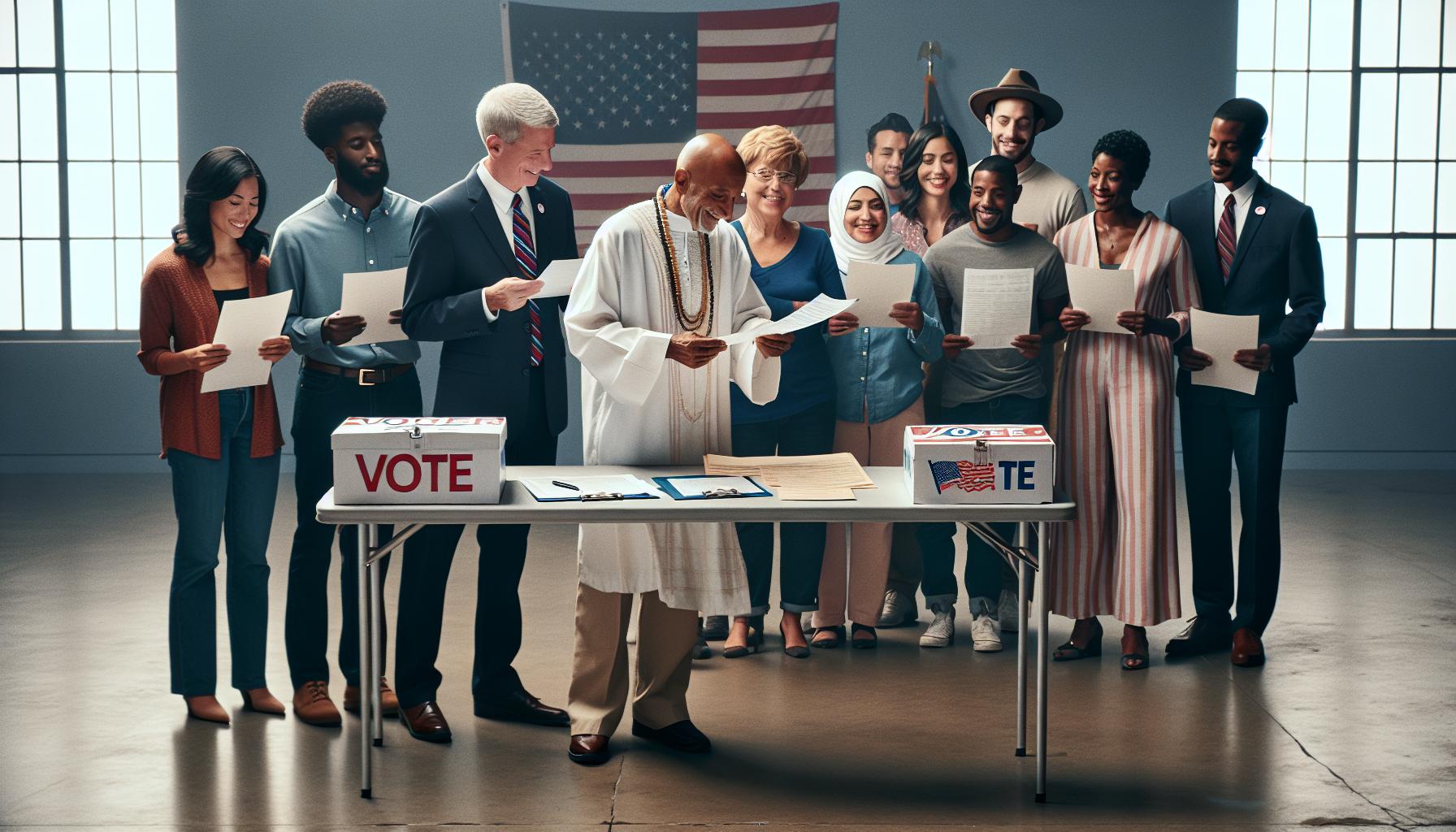
Few rights are as fundamental to democracy as the right to vote, and for those who lose this privilege through disqualification-most commonly due to criminal convictions or other legal restrictions-it’s natural to wonder how and when this right can be regained. In canada, the restoration of voting rights is structured to balance public safety and individual rehabilitation, allowing many individuals to reclaim their voice in elections once certain conditions are met.
For individuals incarcerated for criminal offenses, voting rights are generally suspended only during the term of imprisonment. Once released, voting rights are automatically restored. This approach reflects Canada’s evolving stance toward enfranchisement, recognizing that disenfranchisement should not extend beyond the period of incarceration itself. For example, someone serving a sentence can’t vote in federal or provincial elections while imprisoned, but their eligibility resumes promptly upon release, without the need for special applications or petitions. This principle promotes reintegration into society by reinvigorating civic engagement following a sentence.
Mental incapacity plays a more complex role in voting eligibility,as disqualification typically depends on legal determinations of incapacity. If a court rules that an individual lacks the capacity to make informed decisions, voting rights may be suspended. importantly, these restrictions are also reversible: once the individual’s capacity is legally restored or reassessed, their right to vote returns. Families or guardians can frequently enough assist by initiating such reviews or legal processes.
Steps to Regain Voting Rights in Practice
- Confirm Your Eligibility: After release from incarceration or change in legal status, check with your local electoral office to confirm your registration status. This is a crucial step as you may need to update your information or re-register if your records were affected during disqualification periods.
- Stay Registered: Keep your address and identification current with Elections Canada or your provincial voting authority to avoid any logistical challenges that might appear like continued disqualification.
- Seek Legal Advice if Needed: For cases involving mental incapacity or complex legal restrictions, consulting a lawyer or advocacy group specializing in voting rights can clarify your standing and help expedite restoration.
Real-World example: Voting After Criminal Conviction
Consider Jane, who lost her voting eligibility while serving a term related to a criminal conviction. Upon completing her sentence and returning home, Jane contacted her local election office to confirm her voter registration was reinstated. She updated her address and identification details, regained her voting card, and participated in municipal and federal elections as soon as the next cycle arrived.This straightforward process underscores that restoration is typically automatic post-release, though remaining proactive ensures smooth re-entry into the electorate.
regaining the right to vote in Canada after disqualification centers on timing-disqualifications tied to incarceration end with release, and those linked to mental incapacity require legal reassessment. Maintaining communication with electoral offices and knowing your rights are critical to ensuring your voice can once again be heard at the ballot box. Staying informed via official resources such as Elections Canada or provincial bodies offers the clearest pathway back to full civic participation.[[2]][[1]]
Common Misconceptions About Voting Eligibility
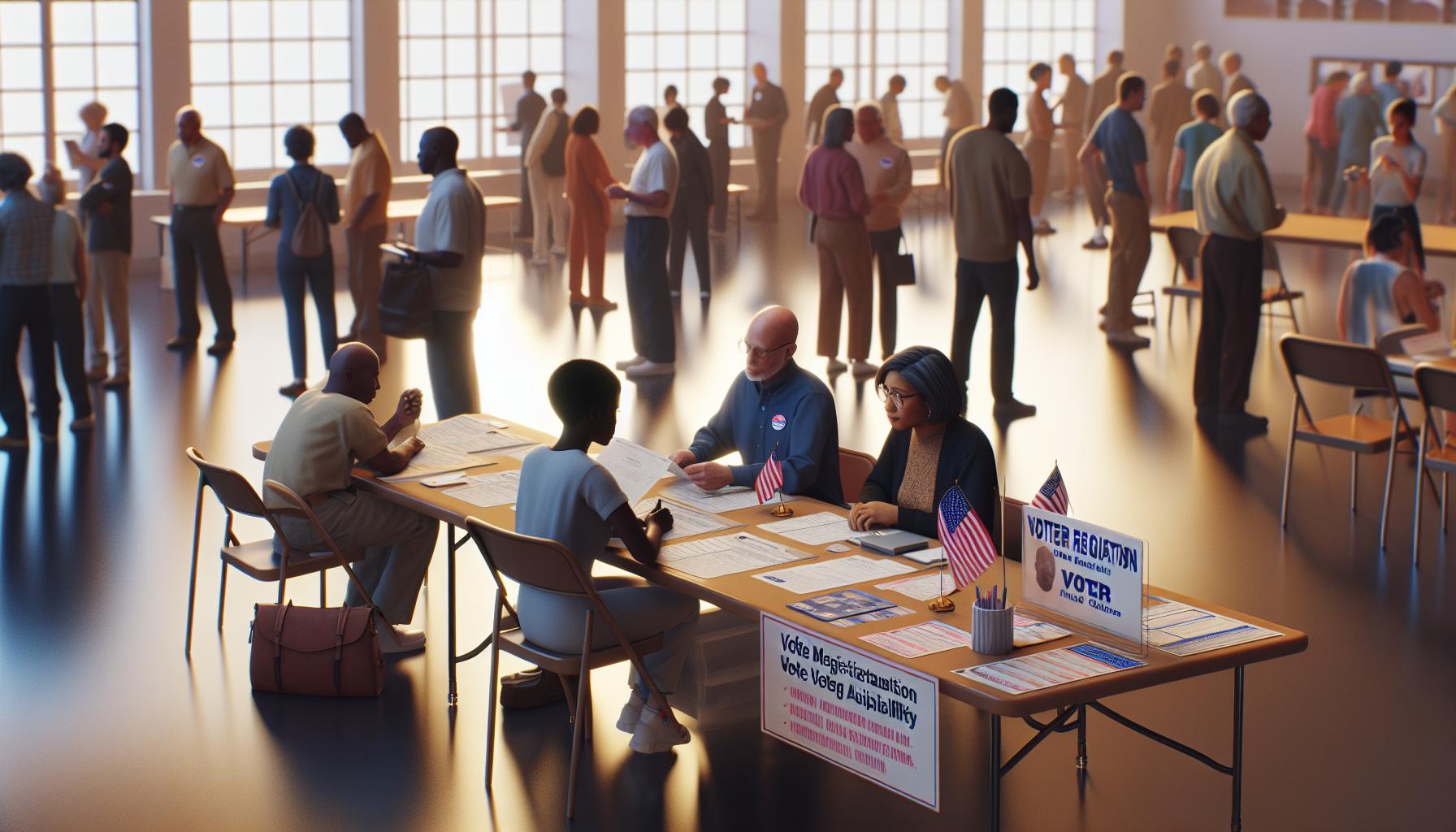
Many Canadians carry misconceptions about who can and cannot vote, leading to unnecessary confusion and sometimes discouragement from participating in elections. One common myth is that individuals with criminal records permanently lose their voting rights. In reality, canadian law only suspends voting privileges during active incarceration; once a sentence is served and the individual is released, their right to vote is immediately restored without any extra paperwork or legal hurdles. This approach reflects the country’s commitment to reintegration rather than permanent disenfranchisement, encouraging former inmates to reengage in democratic processes as full citizens once again.
Another frequent misunderstanding concerns mental incapacity. Some believe that anyone subject to guardianship or with cognitive impairments is automatically barred from voting.However, restrictions depend strictly on legal determinations regarding an individual’s ability to make informed decisions.Voting rights are suspended only when a court explicitly rules a person lacks the capacity to vote.Importantly, this status is not fixed; with proper legal reviews and restoration procedures, individuals regain their eligibility once capacity is restored. Families and caregivers play a crucial role here by helping initiate these legal reassessments, ensuring that rights are not wrongfully withheld.
Clearing Up Common Voter Eligibility Confusions
- Residency Requirements: Some believe that temporary absences from a province or overseas travel render them ineligible to vote. Yet, provided that the voter maintains residency in their electoral district and registers accordingly, they remain eligible.
- Non-Citizens and Voting: Only Canadian citizens aged 18 and older can vote in federal and provincial elections. Permanent residents or other non-citizens are excluded,which often surprises newcomers.
- updating Registration: Another misconception is that once registered, voting eligibility is guaranteed without further action. In actuality, voters should keep their personal details current with election authorities to avoid administrative impediments on election day.
Understanding these nuances empowers individuals to assert their rights confidently and helps diminish barriers caused by misinformation. For example,Jane-who lost her voting rights during incarceration-found reclaiming her place in the voter registry straightforward once she confirmed her release and updated her details. Meanwhile, individuals recovering from mental health challenges should seek advocacy assistance to navigate the legal processes that restore their voting privileges.
By dispelling these myths, Canadians can foster a more inclusive and participatory democracy where eligible voters feel informed and motivated to exercise this fundamental right.[[2]][[1]]
Protecting Your Right to Vote: What You Should Know
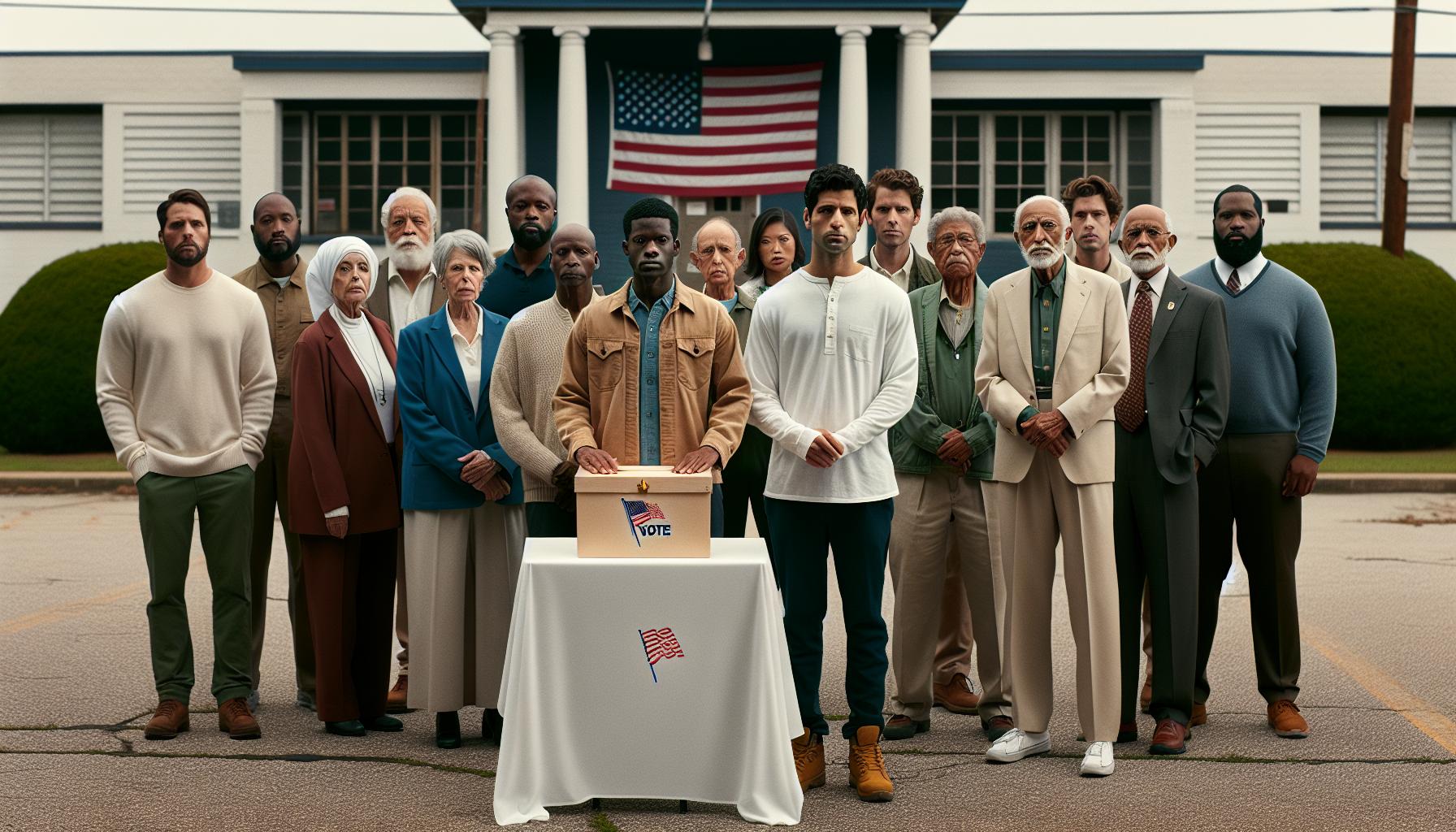
voting is a fundamental right in Canada, but it’s equally important to be proactive in maintaining that right.Many Canadians don’t realize that staying informed and engaged with the electoral process is the best way to ensure their voting privileges are protected. Whether you’re registering for the first time, recovering voting rights after a disqualification, or simply updating your personal information, taking a few key steps can prevent unnecessary obstacles on election day.
One practical tip is to regularly verify and update your voter registration details. Changes in address, name, or legal status should be reported promptly to Elections Canada or your provincial election office. this is especially crucial for Canadians living abroad or those who have recently relocated within Canada. Being on the International Register of Electors guarantees eligibility to vote by special ballot, provided you’ve applied and kept your information current. It’s a simple safeguard that ensures your vote counts, no matter where you are in the world.
Understanding Your Rights and When to Seek Help
If you’re returning to voting after a period of incarceration or navigating issues related to mental capacity,remember that your rights do not vanish-they may just require reaffirmation. courts can reinstate voting privileges, and election offices often have resources or advocates to assist with the paperwork or legal procedures involved. Don’t hesitate to reach out-whether you’re a caregiver helping a loved one or an individual advocating for your own rights, support is available to guide you through the process.
Additionally,familiarize yourself with the common disqualifications so you can recognize and challenge any wrongful denial of your right to vote. Such as, some misconceptions might lead officials to question your eligibility unfairly.Knowing that only current incarceration suspends voting rights, and that citizenship and residency rules are strictly enforced, helps you identify when you need to assert your rights.
- Keep your electoral details updated: Avoid surprises at the polling station by confirming your status well before elections.
- Understand provincial nuances: Some voting rules differ by province or territory; staying informed about your local regulations is essential.
- Use available resources: Election Canada’s website, local election offices, and community organizations offer guidance and assistance to voters facing challenges.
- Exercise your right confidently: Recognize that your vote is your voice-actively protecting it contributes to a healthier democracy.
By maintaining awareness, engaging with election authorities, and seeking support when needed, Canadians can confidently protect and exercise their voting rights. This vigilance not only empowers individuals but also strengthens the democratic fabric by ensuring every eligible voice is heard in shaping the country’s future.
Q&A
Q: Can losing Canadian citizenship affect your right to vote?
A: Yes, losing Canadian citizenship means you lose the right to vote in federal and provincial elections. only Canadian citizens aged 18 and older are eligible to vote, so maintaining citizenship status is crucial. For more details, see Understanding Voting rights in Canada: Who Can Vote? in the main article.
A: No, the legal voting age in Canada is 18, and there are no upper age limits. Once you turn 18 and meet citizenship requirements, your right to vote continues regardless of age. Learn more at Legal Grounds for Voting in the article.
Q: How do election officials verify if someone is disqualified from voting in Canada?
A: Election officials use government records and the Canada Elections Act to identify disqualified individuals, such as certain officials or those convicted of disqualifying offences. Always ensure your eligibility ahead of voting day for smooth participation.
Q: Can mental health treatment affect one’s voting rights in Canada today?
A: No, as 1993, mental incapacity alone does not disqualify a person from voting. Canadian law ensures individuals receiving mental health treatment retain voting rights, as clarified in Impact of Mental Incapacity on Voting Eligibility.
Q: Are military members stationed abroad allowed to vote in Canadian elections?
A: Yes, Canadian military members and citizens living abroad can vote by special ballot or proxy, preserving their voting rights regardless of location. See Special Cases: Indigenous and Military Voters for voting options.
Q: What happens to voting rights during a criminal sentence in Canada? Are all prisoners disqualified?
A: No, since 2002, prisoners serving sentences of less than two years retain the right to vote in federal elections. Only certain crimes or provincial regulations may impose further restrictions. Refer to Disqualifications Due to Criminal Convictions for specifics.
Q: How can I check if I am disqualified from voting before election day in Canada?
A: You can verify your eligibility with Elections Canada or your provincial election authority by providing your details for confirmation. Checking early helps prevent surprises and ensures your voice is counted.
Q: Can someone be permanently barred from voting in Canada?
A: permanent voting bans are extremely rare, as canadian law tends to restore voting rights after disqualification ends. Only specific legal decisions or citizenship revocation can lead to permanent disqualification. For restoration info, see How Voting rights Are Restored After Disqualification.
For a deeper understanding and step-by-step guidance on voting rights and disqualifications in Canada, explore our full article sections linked above. Staying informed protects your democratic participation.
Concluding Remarks
Understanding the key disqualifications that can affect your right to vote in Canada is essential to protecting your democratic participation. while voting rights are fundamentally guaranteed, certain circumstances can impact eligibility, so staying informed empowers you to exercise this important civic duty confidently. To deepen your understanding, explore our detailed guides on Voting Rights in Canada and How to register and Maintain Your Voter Status.
Don’t wait-ensure your voting rights remain intact by verifying your status and understanding the evolving rules that govern electoral participation. Sign up for our newsletter to receive timely updates on voting laws and related civic resources. If you have questions or concerns, join the conversation below or visit our consultation page to get personalized support. Your voice matters,and staying proactive helps safeguard your place in Canada’s democracy-keep exploring,stay informed,and be ready for the next election.