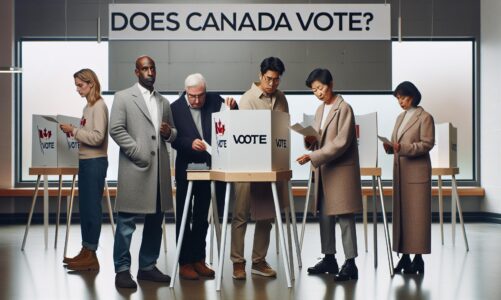
Did you know that in Canada, the right to vote in federal elections is strictly reserved for Canadian citizens? Whether you’re a permanent resident, a newcomer, or just curious, understanding who can participate in shaping Canada’s future is crucial.Many wonder if non-citizens have a voice at the ballot box,especially given Canada’s reputation for inclusivity-so what’s the reality? This article delves into the facts about voting rights in Canada,clarifying common misconceptions and explaining why citizenship status matters when it comes to elections. If you’re eager to know whether non-citizens can vote and what that means for democracy, keep reading-this guide will reveal the truth and help you understand the importance of citizenship in the Canadian voting process.
Table of Contents
- Who Can Vote in Canada: Citizenship vs Non-Citizens
- Legal Framework Governing Voting Rights in Canada
- Can Permanent Residents Participate in Elections?
- Municipal Voting Rights for Non-Citizens Explained
- Impact of Non-citizen Voting on Canadian Democracy
- Common Misconceptions about Non-Citizen Voting
- How Voting Eligibility Is Verified at Polling Stations
- Potential Changes and Debates on Non-Citizen Voting Rights
- Comparing Canada’s Voting Laws with Other Countries
- Practical Steps for Non-Citizens Interested in Voting Rights
- FAQ
- Q: Can non-citizens vote in Canadian municipal elections in any provinces?
- Q: Why are non-citizens generally excluded from federal voting in Canada?
- Q: How can non-citizens engage politically if they cannot vote in Canada?
- Q: are there any ongoing debates about extending voting rights to non-citizens in Canada?
- Q: What are common misunderstandings about non-citizen voting rights in Canada?
- Q: How does Canada’s non-citizen voting policy compare internationally?
- Q: What legal consequences exist for non-citizens who attempt to vote in federal elections?
- Q: When is the best time for non-citizens to apply for citizenship to gain voting rights in Canada?
- Key Protocols & Standards: Is A Resident Of Canada Allowed To Vote
- The Conclusion
Who Can Vote in Canada: Citizenship vs Non-Citizens

One of the most definitive factors determining voting eligibility in Canada is citizenship. Unlike some countries that allow permanent residents or other non-citizens to participate in certain elections, Canadian federal law strictly reserves the right to vote in national elections for Canadian citizens. This clear delineation reflects the principle that the right to influence the country’s federal government through voting is intrinsically tied to citizenship status. Being a citizen carries not only rights but also responsibilities, including the power to elect representatives who shape the laws and policies affecting all residents.
For Canadian citizens, the process to vote is straightforward: you must be at least 18 years old on election day and able to prove your identity and residency. Though, permanent residents and other non-citizens, nonetheless of how long they have legally lived or contributed to their communities, are excluded from participating in federal elections. This restriction is rooted in Canadian electoral law,which aims to ensure that the public’s voice in parliamentary decisions comes from those fully vested in the nation’s civic life.
Interestingly,the exclusion of non-citizens from voting rights sparks important discussions about inclusivity and democratic depiction,especially when permanent residents contribute economically and socially to Canada. For example, some advocate for extending voting privileges in municipal elections – where decisions are most immediate and community-focused – even to permanent residents, though this remains a provincial or local issue rather than federal law.
- Canadian Citizens: Eligible to vote in federal, provincial/territorial, and municipal elections (subject to local rules).
- Permanent Residents: Cannot vote in federal or provincial elections; in some municipalities, may vote if local laws permit.
- Other Non-Citizens (e.g., temporary residents, visitors): Not eligible to vote in any Canadian elections.
Understanding these distinctions is crucial for non-citizens who wish to participate actively in canadian society. The path to voting rights often involves becoming a Canadian citizen, which entails a formal request and meeting residency and knowledge criteria. Until then,non-citizens can still engage civically by attending public meetings,volunteering,and contributing to community initiatives,all of which foster a deeper connection to the democratic process within their local contexts.
By clarifying who can vote, Canadians and newcomers alike can better appreciate the role citizenship plays in political participation, and non-citizens can plan their own civic journeys with informed expectations.
Legal Framework Governing Voting Rights in Canada

Few rights are as basic to democracy as the right to vote, yet this right in Canada is carefully framed within a clear legal context that ties voting eligibility closely to citizenship. The canadian legal system enshrines voting rights primarily through federal legislation such as the Canada Elections Act, alongside constitutional principles that establish both who may vote and under what conditions. These legal structures are designed to maintain the integrity of elections and ensure that those who influence government policies reflect the country’s recognized electorate.
At the federal level, the Canada Elections Act explicitly limits voting in federal elections to Canadian citizens who are at least 18 years old on election day. This restriction is not arbitrary but reflects a longstanding legal tradition linking full political participation to citizenship status,which in turn implies a commitment to Canada’s laws,values,and civic responsibilities.The Act also lays out clear procedures for verifying voter eligibility, including requirements to prove identity and residency, helping to protect against fraud and uphold trust in the electoral system.
Legal Foundations and Citizenship as a Prerequisite
The Canadian Charter of Rights and Freedoms affirms democratic rights but does not explicitly guarantee the right to vote for non-citizens. Instead, these rights are implemented under the authority of parliamentary legislation like the Canada Elections Act. This means that while Indigenous peoples and other historically marginalized groups fought hard to secure voting rights, the legal framework remains consistent in reserving federal electoral participation for citizens only. The principle is that citizenship represents a formal membership in the national community, entitling individuals to fully participate in shaping its government and policies.
Legislatively, provincial and territorial laws largely mirror this approach when it comes to provincial elections-citizenship remains a baseline eligibility criterion. However, municipal voting rights vary somewhat, with certain provinces allowing permanent residents to vote in municipal elections under local bylaws, reflecting a recognition of residents’ stake in community decisions even when full citizenship has not been obtained.
practical Impact and Legal Nuances
This legal framework creates a sharp division between who can vote federally and who cannot, even if a permanent resident has lived in canada for years, paid taxes, and contributed socially and economically. For example, a permanent resident may have deep ties to their community but remains ineligible to cast a vote in federal or provincial elections. This distinction is reinforced through voter registration processes that require proof of citizenship, alongside other identity measures.
- Federal Elections: Voting restricted to Canadian citizens,aged 18 or older.
- Provincial and Territorial Elections: Mostly aligned with federal law; citizens only.
- Municipal Elections: Vary by jurisdiction; some allow permanent residents to vote.
A practical takeaway for non-citizens interested in participating politically is that acquiring canadian citizenship is essential to gain the full right to vote nationwide. Simultaneously occurring, those still in the citizenship process can engage civically by volunteering, attending public consultations, or participating in local advocacy groups-actions that complement legal voting and build community ties in the democratic process.[1]
[2]
[3]
Can Permanent Residents Participate in Elections?

Canada’s electoral system draws a firm line between who can and cannot participate in voting, notably when it comes to permanent residents. Despite frequently enough having deep roots in their local communities-paying taxes, contributing economically, and engaging socially-permanent residents are legally barred from voting in federal and provincial elections. This exclusion reflects the broader principle that full electoral participation is reserved for citizens, underscoring the connection between citizenship and political rights in Canada.
However, the landscape is somewhat more nuanced at the municipal level. While federal and provincial laws uniformly restrict voting rights to canadian citizens, certain municipalities and provinces recognise the unique stake permanent residents have in local governance. In some jurisdictions,permanent residents can register to vote in municipal elections,empowering them to influence decisions that directly impact their neighborhoods and daily lives.For example, in parts of Alberta, permanent residents who meet residency requirements may participate in town or city elections, although these rules vary widely across the country and are often governed by local bylaws[[[[[1]](https://diamondvalley.town/FAQ.aspx?QID=99).
Understanding the Limitations and Opportunities
Permanent residents should be aware that despite these localized allowances, their voting rights remain limited on the broader political stage. The Canada Elections Act clearly stipulates Canadian citizenship as a prerequisite for federal voting. similarly, provinces typically follow suit, making citizenship a consistent baseline across most electoral levels except some municipal ones. Therefore, permanent residents eager to fully engage politically nationwide are advised to prioritize the citizenship application process, which is the gateway to broader electoral participation.
- Federal and Provincial Voting: Only Canadian citizens age 18 and above are eligible.
- Municipal voting: Eligibility varies; certain municipalities allow permanent residents to vote.
- Civic Engagement without Voting: Permanent residents can volunteer, attend public consultations, and join or donate to political parties in many cases.
Practical Advice for Permanent Residents
For permanent residents eager to make their voices heard beyond voting restrictions, active civic participation is crucial. Engaging in community organizations, participating in consultation meetings, and contributing to local advocacy campaigns are valuable ways to influence local policies. Moreover, some political parties welcome permanent residents as members or donors, offering a pathway to involvement that falls short of voting but can still help shape public discourse and policy directions[[[[[3]](https://www.reddit.com/r/CanadaPolitics/comments/1gozcfb/permanent_residents_cant_vote_but_why_can_they/).
Ultimately, while the path to voting rights is firmly tied to citizenship, the evolving nature of municipal democracy means permanent residents should stay informed about local laws in their area. By understanding the nuances of where and how they might participate politically, permanent residents can better advocate for their interests and prepare for eventual full participation as canadian citizens.
Municipal Voting Rights for Non-Citizens Explained

In Canada,the right of non-citizens to vote in municipal elections is a patchwork of rules reflecting local priorities and governance philosophies rather than a unified national standard. While the overarching electoral framework limits voting rights federally and provincially to Canadian citizens, some municipalities acknowledge that non-citizens-especially permanent residents-have a direct and vested interest in local decision-making, given their community involvement and contributions. This localized inclusivity often translates into opportunities for non-citizens to participate in shaping services, infrastructure, and policies affecting their daily lives.For example, certain towns and municipalities in Alberta allow permanent residents who meet residency duration requirements to vote in municipal elections. This has been framed as a way to promote democratic engagement at the grassroots level, ensuring those who pay property taxes and partake in community life have a voice. However, these policies vary widely across provinces and municipalities, with many jurisdictions still restricting the vote exclusively to Canadian citizens. This variation means non-citizens interested in voting should verify their municipality’s regulations,which might be available on local government websites or through election offices.
Key Points Non-Citizens Should Know
- Eligibility Criteria: Municipalities that permit non-citizen voting often require permanent residency status plus a minimum continuous residency period, commonly six months to one year.
- Registration Process: Non-citizen voters must typically register well ahead of election dates,providing proof of residency and lawful status.
- Scope of Voting Rights: These voting rights are usually restricted to municipal elections, not extending to provincial or federal ballots.
Understanding these nuances is vital for non-citizens who wish to make informed decisions about participating in local elections. Engaging in municipal voting where allowed offers a valuable avenue for influencing policies on housing, transit, and community services directly affecting residents regardless of citizenship status. Moreover, staying informed about potential changes to these rights-especially as municipal democracies evolve-can empower non-citizens to advocate effectively for their inclusion.
Practical Steps for Interested Non-Citizen Voters
- Check Local Bylaws: Start by visiting your municipality’s official site or contacting the local clerk’s office to determine if non-citizens can vote and what documentation is required.
- Maintain Proof of Residency: Keep updated utility bills,leases,or government correspondence ready to prove continuous residency as these are often required at voter registration.
- Register Early: Take note of registration deadlines and procedures well in advance to avoid missing the opportunity to participate.
- Stay Engaged: Even if voting is not permitted, joining local advisory committees or attending council meetings can increase influence within your community.
By exploring these options and becoming active in local civic life, non-citizens can significantly contribute to the democratic fabric of their municipalities, even as the broader legal landscape around electoral rights remains centered on citizenship.
Impact of Non-citizen Voting on Canadian Democracy

The inclusion of non-citizens in certain local voting processes offers a compelling illustration of democracy’s evolving nature in Canada. While voting rights at the federal and provincial levels remain limited to Canadian citizens, allowing permanent residents or other non-citizens to vote municipally recognizes their tangible stake in community well-being. This practical engagement helps shape policies affecting essential services such as public transit, housing, and urban development-areas where residents contribute daily but would otherwise have no formal say.
Such localized voting rights can broaden democratic participation and enhance representation by acknowledging the diversity within communities. Such as, in some alberta municipalities where non-citizen voting is permitted, permanent residents have leveraged their votes to influence municipal council priorities, reflecting their interests as taxpayers and local stakeholders.This inclusion fosters a stronger civic connection and helps integrate immigrants more fully into social and political life, which can yield benefits in areas like community cohesion and civic education.
Benefits to Community and Democracy
- Strengthened Local Representation: Allowing non-citizens to vote locally ensures elected officials better represent the full spectrum of residents, including those directly affected by decisions but traditionally disenfranchised.
- Increased Voter Turnout and Engagement: Extending voting rights to resident non-citizens can increase overall voter participation, demonstrating healthy democratic vitality and responsiveness.
- Enhanced Social Integration: Voting rights contribute to a sense of belonging and encourage newcomers to deepen their civic awareness and responsibilities.
Though, it is indeed critically important to acknowledge that this patchwork approach also raises questions about consistency and fairness across jurisdictions. Critics argue that limiting voting rights to citizens preserves the political integrity of elections, contending that non-citizens may lack full allegiance or long-term commitment to the nation. Yet, proponents emphasize that municipal votes rarely involve sovereignty issues but rather focus on practical matters impacting all residents, making inclusion through voting both equitable and logical.
Practical Advice for Non-Citizens and Advocacy Considerations
- Engage with Local Policy Discussions: Understanding your municipality’s stance on voting rights can empower you to participate where possible and advocate where not.
- Build Coalitions: Joining community associations or immigrant-focused groups helps amplify voice and influence in encouraging broader enfranchisement.
- Stay Informed About Legislative Developments: Since voting rights can shift with political climates, staying updated allows non-citizens to seize new opportunities and contribute to democratic dialogues.
ultimately, the goes beyond ballot counts-it reflects a nuanced balance between inclusion, representation, and community governance. As Canada’s demographic landscape continues to evolve, these practices could serve as models for expanding democratic participation without compromising national electoral standards. Non-citizens willing to become active participants in civic life play a vital role in shaping the practical and ideological future of Canadian democracy.
Common Misconceptions about Non-Citizen Voting

Many people assume that only Canadian citizens can participate in all forms of voting in Canada,but the reality is far more nuanced. While it’s true that federal and provincial elections restrict voting to citizens, several municipalities have embraced a more inclusive approach by allowing permanent residents-and in rare cases, other categories of non-citizens-to vote in local elections. This often surprises newcomers who believe that their lack of citizenship entirely disqualifies them from having any electoral voice.A common misconception is that non-citizen voting threatens the integrity of elections or that it’s widespread across the country. In fact, non-citizen voting rights are currently very limited and mostly confined to a handful of municipalities, primarily in Alberta. These localized decisions reflect a recognition that non-citizens who live, work, and pay taxes in a community have a legitimate stake in local governance, especially on issues like housing, public transit, and schooling. Contrary to popular belief, allowing voting rights at the municipal level does not affect national sovereignty-it simply extends democratic participation to those directly impacted by municipal decisions.
- non-citizens cannot vote in federal or provincial elections: This rule is strictly enforced to preserve national political integrity and align representation with full citizenship status.
- Permanent residents in some municipalities do have voting rights: This is a deliberate policy choice recognizing their day-to-day contributions and ties to the local area.
- Voting rights for non-citizens do not automatically equate to broader political power: Their influence is typically limited to local councils and community boards, not higher levels of government.
Another widespread myth is that non-citizens are automatically registered or that verifying eligibility at polling stations is lax. In fact, all voters-citizen or permanent resident-must meet strict criteria and present proper identification. Elections officials use rigorous processes to confirm residency and eligibility, preventing improper votes. Non-citizens who qualify to vote often need to proactively register and prove their status in voting districts proactively tailored to include them, dispelling fears of unchecked voting by ineligible individuals.
Understanding these distinctions helps non-citizens navigate the political landscape realistically. For those eager to participate, it’s crucial to research local laws-since voting rights vary widely-and engage with community organizations that advocate for expanded democratic inclusion. Recognizing the difference between myths and facts empowers newcomers to contribute meaningfully where they can and to advocate effectively for future electoral reforms reflecting Canada’s increasingly diverse population.
How Voting Eligibility Is Verified at Polling Stations

The process of verifying who gets to cast a ballot in Canadian elections is both thorough and precise, designed to protect the integrity of the democratic system while making voting accessible to eligible individuals. Even though non-citizens are generally barred from federal and provincial voting, municipalities that allow permanent residents to vote in local elections implement robust procedures to confirm eligibility before anyone steps into the voting booth. This ensures that voting is reserved for qualified participants and alleviates common concerns about unauthorized voters influencing election outcomes.
At polling stations, election officials begin by checking valid identification documents that prove both the voter’s identity and residency within the specific electoral district. Typical forms of identification include a driver’s license,provincial ID,or government-issued health card,supplemented by documents that establish address,such as utility bills or lease agreements. In municipalities where permanent residents are permitted to vote,additional documents like Permanent Resident (PR) cards might be required to verify non-citizen eligibility. Without these proofs, individuals are not permitted to register or cast a ballot.
Steps Election Officials Follow to Confirm Eligibility
- Verify identity: Confirm the name and photo match the voter by reviewing government-issued ID.
- Confirm residency: Ensure the voter lives within the electoral district where they intend to vote, using supplementary address documents.
- Check voter registration: Consult official voter lists, which are carefully maintained and updated ahead of elections, including those specific to municipally-eligible non-citizens where applicable.
- Validate citizenship or residency status: for federal and provincial ballots, Canadian citizenship is mandatory. At the municipal level, election officials may ask permanent residents for additional proof such as valid PR cards or immigration documents.
This careful verification process serves a dual purpose: it protects the sanctity of elections from fraudulent voting while also supporting clarity and trust in the system. Such as, in Edmonton and a number of Alberta municipalities where permanent residents vote municipally, election workers receive special training to recognize the appropriate documentation and eligibility requirements specific to their jurisdiction. This customized approach helps balance inclusivity with rigor.
For voters-including non-citizens eligible at the municipal level-the best practical advice is to arrive at the polling station well-prepared with multiple forms of accepted identification and proof of residency. Registering ahead of time, where required, also smooths the voting experience. When questions arise, election officials are equipped to clarify eligibility criteria on the spot and provide guidance, ensuring no confusion or delay during polling hours.
By implementing these detailed verification steps, Canada reassures citizens and permanent residents alike that each vote cast is valid, meaningful, and aligns with established electoral rules. This framework dispels myths about lax enforcement or automatic non-citizen voting and exemplifies the country’s commitment to fair, obvious, and democratic elections at every level.
Potential Changes and Debates on Non-Citizen Voting Rights
Few topics stir as much debate in Canadian politics as the question of extending voting rights to non-citizens.While the current framework restricts federal and provincial voting to Canadian citizens, municipalities like Edmonton and some Alberta cities have taken bold steps to include permanent residents at the local level. These evolving practices have sparked conversations nationwide regarding democratic inclusion, community representation, and the potential implications for the electoral system.
One key driver of these discussions is the growing recognition that permanent residents contribute significantly to their communities, from economic participation to civic engagement. Advocates argue that allowing non-citizens to vote in municipal elections strengthens local democracy by giving a voice to residents who are affected by municipal policies but currently excluded from voting. Critics, however, raise concerns about the integrity and uniformity of voting rights, emphasizing Canadian citizenship as a meaningful legal and civic milestone that should remain the threshold for electoral participation beyond specific municipal exceptions.
Exploring Emerging Proposals and Civic innovations
Several municipalities have begun pilot programs or studies to weigh the effects of broadening voting access. Some proposals call for expanding municipal voting rights to temporary residents, international students, or even non-resident property owners, reflecting the diverse fabric of Canadian urban centers. These experiments frequently enough come with robust eligibility verification systems and voter education initiatives to ensure transparency and public confidence.
- increased local participation: Early evidence from Alberta suggests that including permanent residents can enhance voter turnout and diversify candidate pools in municipal elections.
- Policy adaptation: Municipalities interested in potential changes are consulting legal experts and community stakeholders to balance inclusivity with established legal frameworks.
- National dialog: Discussions are gradually expanding beyond city halls into provincial and federal forums, where policymakers assess the merits and challenges of non-citizen voting at broader levels.
practical Advice for Non-Citizens Watching the Debate
For permanent residents and other non-citizens eager to understand or engage with potential voting reforms, staying informed and involved in local civic discussions is crucial.Participating in public consultations, connecting with advocacy groups, and attending municipal meetings can provide insight into how local governments approach these evolving policies.Even as the laws currently stand, bringing your voice to community forums can shape future voting rights debates.
Additionally, non-citizens interested in municipal voting rights should ensure they meet all eligibility requirements where such voting is permitted. This includes proper documentation like valid Permanent Resident cards and proof of residency within the municipality. Registering ahead of time and preparing appropriate ID will smooth the process and help demonstrate the commitment of non-citizen residents to their local communities.
while there is no nationwide expansion of non-citizen voting rights yet, the current debates and pilot initiatives at the municipal level signal a transformative period in Canadian democracy. With careful design, inclusive policies can empower new Canadians to participate more fully while respecting the foundational principles that govern Canadian elections.
For further insights on non-citizen suffrage globally and how Canada compares, see resources such as the comprehensive Wikipedia overview on the subject [[[[[2]]and Elections Canada guidance on citizenship requirements [[[[[1]][[[[[3]].
Comparing Canada’s Voting Laws with Other Countries

Canada’s approach to voting rights, especially regarding non-citizen participation, reflects a careful balance between inclusivity and established national identity, a stance that contrasts notably with practices in other democratic nations. While Canadian federal and provincial elections remain tightly reserved for citizens, some municipalities have cautiously begun to explore allowing permanent residents to vote in local elections-a relatively rare but growing phenomenon globally. This nuanced stance positions Canada somewhere between countries that strictly restrict voting to citizens and those with more expansive criteria.
Across the globe, voting rights for non-citizens vary widely, often influenced by historical, cultural, and legal traditions. Such as, several European countries, including Denmark, Sweden, and Ireland, grant local voting rights to non-citizen residents, sometiems after a few years of legal residency.This policy recognizes the immediate impact of local governance on all residents, extending democratic participation to those who contribute socially and economically. In contrast, countries like the United States and Australia tend to restrict voting almost exclusively to citizens, emphasizing citizenship as a foundational prerequisite for engagement in democratic decision-making.
Lessons from International Examples
- Local inclusion as a model: Nations such as New Zealand and some Nordic countries acknowledge that permanent residents and even certain temporary residents have a stake in local decisions that affect daily life, including schools, public transport, and community services. Their systems often require residence proof and a waiting period before voting rights are granted, balancing inclusion with safeguards against potential abuses.
- Verification and eligibility frameworks: Many countries with non-citizen voting implement rigorous identity verification processes similar to Canada’s federal elections to maintain electoral integrity. This includes official registries, document validation, and sometimes voter education programs aimed at both citizens and eligible non-citizens.
- Political debates mirror Canadian concerns: Commonly, arguments surface globally about whether expanding voting rights dilutes the meaning of citizenship or erodes national sovereignty. Conversely, advocates highlight democratic fairness and representation, especially in diverse urban centres. These debates echo Canada‘s cautious municipal experiments, underscoring how this question transcends borders.
| Country | Non-Citizen Voting Rights | Eligibility Criteria | Levels Where Allowed |
|---|---|---|---|
| Canada | Limited; municipal voting for some permanent residents in select cities | Permanent residency; municipal residency; no federal/provincial rights | Municipal (pilot programs in Alberta cities like Edmonton) |
| New Zealand | Yes, non-citizens can vote in local elections | permanent residents with 12 months continuous residence | Local only |
| United Kingdom | Yes; commonwealth citizens and EU citizens can vote locally | Residency requirements; registered electorate | Local only |
| United States | Almost exclusively citizens, except rare local exceptions | Citizenship required; some municipal attempts to expand | Federal, state; some local pilot cases |
| Sweden | Yes, non-citizens may vote in municipal and regional elections | Permanent residency; usually 3 years continuous residence | Municipal and regional |
Practical Insights for Non-Citizens in Canada
If you are a non-citizen residing in Canada, understanding these international comparisons can be encouraging and insightful, especially if you participate in or follow municipal voting rights debates. Watching how other democracies integrate non-citizens while safeguarding election integrity can inform advocacy and personal preparation.
Here are practical steps to consider:
- Stay informed: Follow municipal council announcements and public consultations regarding voting rights. Alberta’s evolving pilot programs may expand or set precedents that could influence other regions.
- Engage civically: Even without voting rights in federal or provincial elections, contribute to community groups, local boards, or advisory committees to influence policy and local governance.
- Document readiness: Keep your permanent Resident card and proof of municipal residency current and accessible, as these will likely be necessary for voter registration and eligibility verification in municipal elections.
Ultimately, Canada’s cautious but growing openness to non-citizen participation in local governance mirrors a global trend toward inclusivity while maintaining robust standards for election fairness. Observing and learning from international experiences can help non-citizens in Canada navigate their rights and remain active participants in the democratic process.
Practical Steps for Non-Citizens Interested in Voting Rights
Few things engage community members as powerfully as having a say in local decisions that shape daily life. For non-citizens in Canada, especially permanent residents, the evolving landscape of municipal voting rights opens new doors for civic participation, albeit in a limited and carefully regulated way. Navigating this terrain thoughtfully can empower you to be an active contributor to your community today while preparing for broader rights in the future.
Understanding your current eligibility is the crucial first step. While federal and provincial elections in Canada remain restricted to Canadian citizens only, some municipalities-such as those participating in pilot programs in Alberta-permit permanent residents to vote in local elections. Staying updated on these pilot initiatives and any expansions ensures you won’t miss opportunities to engage. Municipal websites,local council meeting minutes,and community forums are excellent resources for tracking changes and upcoming public consultations.
Key Actions to Prepare and Participate
- Maintain up-to-date documentation: Your Permanent Resident card, along with proof of address or municipal residency, will likely be required to register as a voter in these municipal elections. Ensure these documents are current and safely accessible.
- Register early and correctly: When municipal voting opens to non-citizens, pre-registration or registration at local offices may be necessary. Watch for announcements regarding registration deadlines and required paperwork. Proactive registration minimizes surprises on election day.
- Engage in community discussions: Civic involvement isn’t limited to voting. Joining local advisory boards, neighborhood associations, or public consultations allows you to voice concerns and priorities that influence election platforms and community policies.
Canada’s cautious approach reflects a broader global conversation balancing democratic inclusion with protections for citizenship’s unique status. Watching international examples can be instructive: countries like New Zealand require permanent residents to live locally for a minimum period before voting, ensuring voters have meaningful community ties and informed stakes. You might advocate for similar safeguards in your municipality, shaping policies that encourage fairness and inclusiveness.
Leveraging Advocacy and Information Networks
Non-citizen voters and advocates have a powerful voice when well-informed and organized. Joining or following organizations focused on immigrant rights and democratic reforms can provide timely updates, resources, and support. These networks often facilitate workshops on voter rights, electoral processes, and how to responsibly influence local politics, making civic engagement more accessible.
always verify official election information through Elections Canada or your municipal clerk’s office. Misinformation about non-citizen voting rights is common, so relying on authoritative sources helps you avoid confusion and ensures your participation is valid and impactful.by staying informed, registering properly, and engaging broadly, non-citizens in Canada can actively contribute to shaping their communities-setting the stage for a more inclusive democratic future.
FAQ
Q: Can non-citizens vote in Canadian municipal elections in any provinces?
A: Currently, few provinces allow non-citizens to vote in municipal elections, with possible exceptions like some local pilot programs. Most Canadian provinces restrict municipal voting rights to citizens only. Check local municipal policies to confirm eligibility and stay updated on evolving legislation related to non-citizen voting rights. for more, see Municipal Voting Rights for Non-citizens Explained.
Q: Why are non-citizens generally excluded from federal voting in Canada?
A: Non-citizens are excluded from federal voting to protect the integrity of Canadian democracy and ensure voters have full allegiance to Canada. Citizenship legally confirms this allegiance, which is why only citizens can vote federally. Understanding this helps clarify the strict legal framework governing voter eligibility.
Q: How can non-citizens engage politically if they cannot vote in Canada?
A: Non-citizens can engage politically by volunteering, attending public consultations, and advocating for community issues. They can also participate in civic education and local advocacy groups. These steps allow meaningful involvement while respecting voting laws. learn more in Practical Steps for Non-Citizens Interested in Voting Rights.
Q: are there any ongoing debates about extending voting rights to non-citizens in Canada?
A: Yes, debates continue regarding potential extensions of voting rights to non-citizens, particularly at the municipal level. Advocates argue this promotes inclusivity, while opponents stress citizenship’s importance. Staying informed on this topic is vital to grasp future changes. See Potential Changes and Debates on Non-Citizen Voting Rights for details.
Q: What are common misunderstandings about non-citizen voting rights in Canada?
A: A key misconception is that permanent residents or non-citizens can vote in federal elections-they cannot. Many confuse residency with citizenship eligibility.Clarifying such misunderstandings is important for accurate knowledge about Canadian voting laws and citizen rights.
Q: How does Canada’s non-citizen voting policy compare internationally?
A: Canada’s policy is more restrictive than some countries that allow non-citizen voting in local elections. nations like New Zealand or some EU countries offer broader rights. Comparing these laws provides insight into Canada’s stringent citizenship requirements for voting.See Comparing Canada’s Voting Laws with Other Countries for an in-depth look.
Q: What legal consequences exist for non-citizens who attempt to vote in federal elections?
A: Non-citizens who vote federally face penalties, including fines or legal action for election fraud. It’s crucial for non-citizens to know voting eligibility rules to avoid serious consequences and uphold election integrity.
Q: When is the best time for non-citizens to apply for citizenship to gain voting rights in Canada?
A: Non-citizens should apply for canadian citizenship as soon as they meet residency and legal requirements to legally participate in elections. Citizenship grants full voting rights. Review Practical Steps for Non-Citizens Interested in Voting Rights for guidance on the application process and timelines.
Explore these FAQs to deepen your understanding of non-citizen voting rights in Canada and feel free to revisit the main article sections for comprehensive insights. Staying informed empowers you to engage meaningfully in Canada’s democracy.
Key Protocols & Standards: Is A Resident Of Canada Allowed To Vote
When reviewing requirements regarding is a resident of canada allowed to vote within Canadian legal, electoral, and parliamentary frameworks, accuracy and proper procedural adherence are paramount. Ensuring correct alignment with official guidelines guarantees clear communication and compliance with regulatory standards.
- Jurisdiction & Procedure: Determine whether the matter pertains to municipal, provincial, or federal governance before initiating formal actions.
- Record Documentation: Retain verified copies of all submissions, date stamps, and official case numbers for administrative review.
What is the recommended protocol regarding is a resident of canada allowed to vote?
Always verify jurisdictional authority, adhere to official formatting standards, and retain comprehensive documentation for future verification.
The Conclusion
Understanding whether non-citizens can vote in Canada is crucial for staying informed about your rights and civic participation.While non-citizens generally cannot vote in federal and most provincial elections, exploring the nuances of local voting rights and eligibility can open doors for deeper civic engagement.To stay updated on related topics like “How to Become a Canadian Citizen” or “Voting Rights and Responsibilities in Canada,” be sure to check out our detailed guides.
If you found this information helpful, don’t miss the opportunity to subscribe to our newsletter for the latest insights on Canadian immigration and civic laws. Have questions or personal experiences about voting eligibility? Share them in the comments below-we’d love to hear from you and keep the conversation going.For those ready to take the next steps, consider consulting our resources on citizenship applications or local election participation. Keep exploring to empower your understanding of canada’s democratic processes and ensure you’re well-informed every election cycle.
Get our latest guides, news, and insights highlighted in your Google Search & AI Overviews.