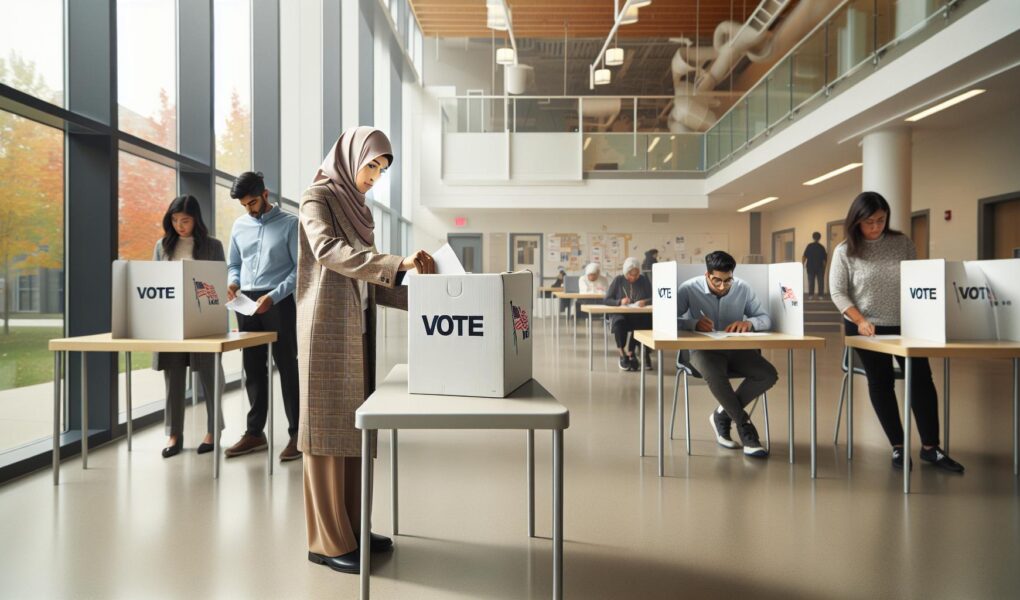
Did you know that over 7 million Canadians have already cast their ballots early in the latest federal election, setting a record for advance voting? Early voting offers a convenient way to participate in shaping Canada’s future without the rush of election day crowds. Weather you’re balancing a busy schedule or prefer a quieter voting experience, understanding how to vote early-including key dates and procedures-can ensure your voice is heard. This guide will walk you through the available methods, from in-person early voting at designated locations to voting by special ballot, helping you navigate the process confidently and efficiently.Keep reading to discover everything you need to know to make your early vote count and be part of Canada’s vibrant democracy.
Table of Contents
- Understanding Early Voting Eligibility in Canada
- Key Dates for Early Voting in Canadian Elections
- Step-by-Step Guide to Voting Early in canada
- Locations and Methods for Early Voting
- required Identification and Documents for Early Voting
- How to Register for Early Voting in Advance
- Special Considerations for Voters with Accessibility Needs
- tips to Avoid Common early Voting Mistakes
- Impact of Early Voting on Election Results and Voter Turnout
- Frequently Asked Questions
- Q: Can I change my mind after voting early in Canada?
- Q: How secure is early voting compared to voting on election day?
- Q: What are the reasons to choose early voting over election day voting in Canada?
- Q: Are there additional identification documents recommended for early voting?
- Q: How can voters know their assigned early voting location in Canada?
- Q: What should I do if I made a mistake on my early ballot?
- Q: Can Canadians living abroad use early voting methods?
- Q: How does early voting impact overall voter turnout in Canada?
- To Wrap It Up
Understanding Early Voting Eligibility in Canada

Many Canadians might be surprised to learn that the opportunity to vote early in federal elections is a right largely extended to those registered and eligible, with certain conditions that must be met. Early voting is primarily designed to accommodate those who cannot attend their assigned polling stations on election day, such as people traveling, working irregular hours, or facing mobility challenges. Though, the eligibility to vote early is closely linked to being properly registered and able to prove your identity and address, much like voting on election day itself.
To be eligible to vote early, you must be a Canadian citizen who is at least 18 years old by election day.Additionally, you need to be registered on the voters list. If you are not registered ahead of time, Elections Canada also offers the option to register in person at an Elections Canada office or directly at the polling place when you go to vote early, allowing for versatility for last-minute registrants. This ensures that voters who may have recently moved or missed previous registration deadlines are still able to participate in the election [[1]](https://inspirerlademocratie-inspiredemocracy.ca/act/regist/voting/index-eng.aspx), [[2]](https://www.elections.ca/content.aspx?section=vot&dir=vote&document=index⟨=e).
It’s meaningful to note that early voting at Elections Canada offices or by mail (through special ballots) is only available after an election is officially called, and you must apply for thes special ballots once the election period begins. Early voting also typically requires voters to cast their ballot at their assigned polling station unless using a special ballot. This system helps maintain accurate voter lists and ensures each vote is properly accounted for. Understanding these eligibility requirements before heading out to vote early can help you avoid any surprises on election day and ensure your vote counts.
- Canadian citizenship and age: must be 18 or older on election day.
- Registration: You must be registered on the voters list to vote early; registration can be done in advance or in person at an Elections Canada office or your polling station.
- Proof of identity and address: Valid identification showing your name and address is required to vote early.
- Special ballots: Available after an election is called and must be applied for, especially for voting by mail or at Elections Canada offices.
Key Dates for Early Voting in Canadian Elections

Elections Canada sets a clear and structured timeline for early voting, ensuring that voters have ample opportunity to cast their ballots ahead of election day.One of the most important facts to know is that advance polls typically open about 12 to 10 days before the official election day,allowing eligible Canadians to vote early if thay anticipate being unavailable or prefer to avoid crowds on voting day. This window is a crucial period for many voters who appreciate the flexibility, whether due to work, travel plans, or personal commitments.
During this early voting period,advance polling stations are open for multiple days,generally spanning Thursday to Sunday,but exact dates can vary depending on the election call and jurisdiction. Importantly, the official start of the election period marks when special ballots become available, especially for those requiring mail-in options or wanting to vote at an Elections canada office rather than a traditional polling station.Applying for and receiving a special ballot requires attention to deadlines within this timeframe to ensure your vote is cast and counted properly.
Typical Early Voting Timeline
| Event | Approximate Timing |
|---|---|
| Writ Drop (Official Election Call) | Day 0 |
| Special Ballot Applications Open | Immediately after writ drop |
| Advance Polls Open | Usually Day 10 to Day 8 before Election Day |
| Advance Polls Close | Usually Day 6 before Election Day |
| Election Day | Day 0 (official election day) |
It’s essential to stay informed of these dates once an election is called,as variations can occur based on the specific election or constituency. For example, in recent federal elections, advance polls have been available for four days, frequently enough including weekdays and a weekend day to maximize voter access. Knowing these dates ahead of time also means you can plan your visit to the polls during less busy hours, helping avoid long lines and making the process smoother for everyone involved.
- Plan Early: Mark your calendar as soon as the election is announced to catch advance voting days.
- Check Local Locations: Polling stations for early voting may differ from your regular polling place.
- Deadlines Matter: If voting by mail with a special ballot, submit your submission well before election day to account for mailing times.
By understanding and keeping track of these key dates, voters secure their chance to participate in Canadian democracy at a time and place that suits them best, contributing to greater inclusiveness and turnout across the country [[1]](https://en.wikipedia.org/wiki/Early_voting), [[2]](https://www.youtube.com/shorts/3_tVp_I3Tf4).
Step-by-Step Guide to Voting Early in canada
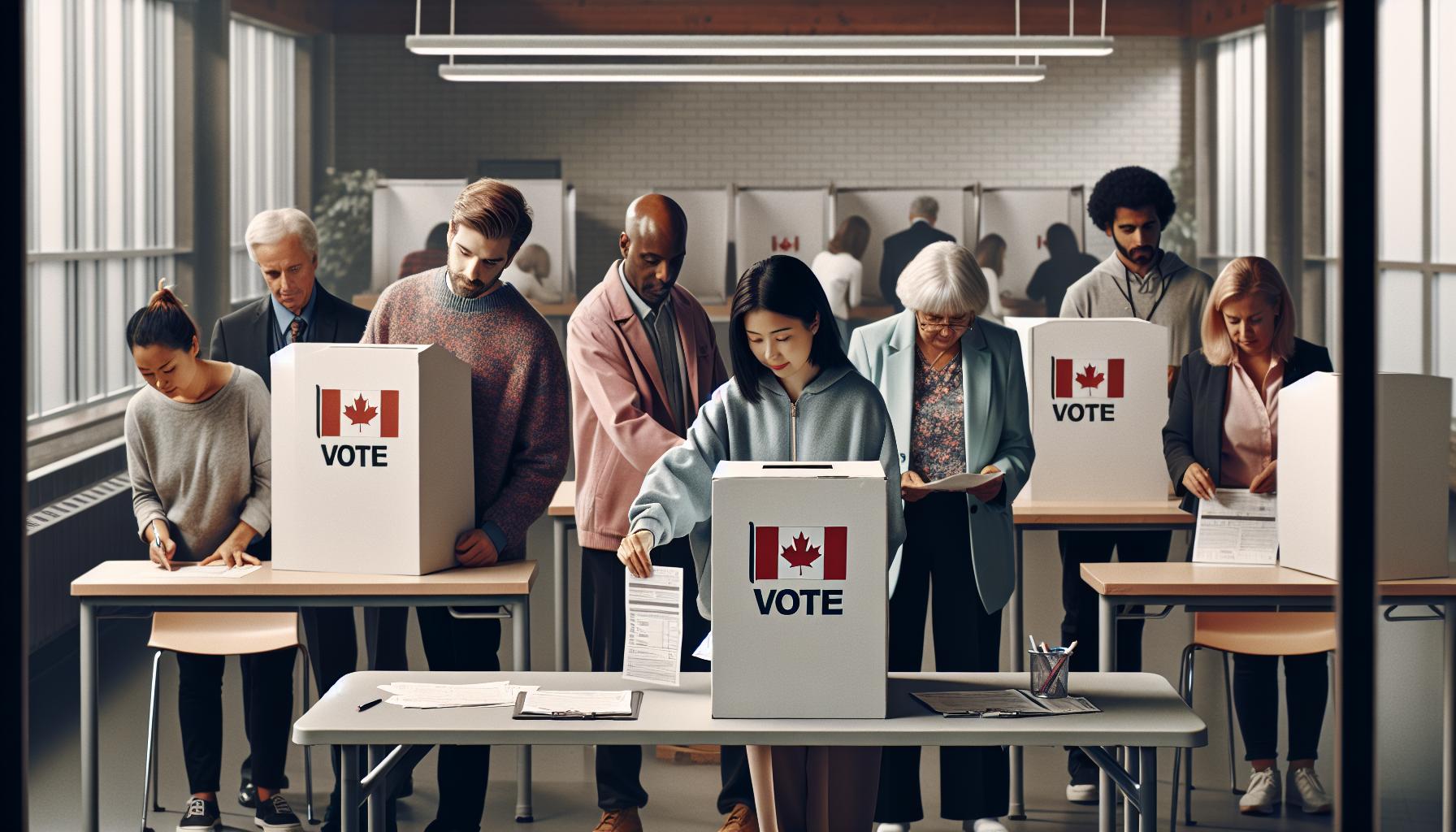
Casting your ballot early in Canada offers not only convenience but also a chance to sidestep the often hectic rush of election day. This process is straightforward yet requires awareness of important steps to ensure your vote counts. Whether you prefer voting in person at an advance poll or by mail, knowing exactly what to expect can make your early voting experience quick and stress-free.
First, confirm your eligibility by checking that you are registered to vote in your electoral district. If you’re not registered yet or unsure, you can do so online or at the polling station when you go to vote early.Once registration status is confirmed, plan the timing of your visit. Advance polls generally run for multiple days, typically about 10 to 6 days before election day, providing flexibility to fit voting into your schedule. If you opt to vote by mail (special ballot), ensure you request your ballot as soon as possible after the official election call to allow for mailing time both ways.
Upon arriving at an advance polling station, a poll clerk will ask for identification to verify your identity and address. Don’t forget to bring one of the accepted forms of ID, such as a driver’s licence or a utility bill. After verification, you will receive your ballot and proceed to a private voting booth where you mark your choices in secret. Your ballot is then securely placed into a ballot box. If voting by mail, follow the instructions included carefully, ensuring your marked ballot is sealed in the provided envelope and returned by the deadline.
- Check Voter registration: Confirm your name is on the voter list at your local Elections Canada website.
- Choose Your Voting Method: Decide between advance poll in-person voting or requesting a mail-in special ballot.
- Bring Proper ID: Prepare acceptable identification to bring to the polling station.
- Submit Ballot on Time: For mail-in votes, mail your ballot early to avoid missing deadlines.
Taking advantage of early voting not only relieves pressure on election day but also increases your chances of voting without long waits or scheduling conflicts. for example, workplaces sometimes hold “voting time off” policies, but voting early can give you the freedom to vote whenever suits you best-day or evening.With a record number of Canadians embracing early ballots recently,it’s clear that this process empowers more voters to participate fully in democracy [[2]](https://www.bbc.com/news/articles/cp3129z5kyko). Being well-prepared transforms early voting into a seamless part of your election participation routine.
Locations and Methods for Early Voting
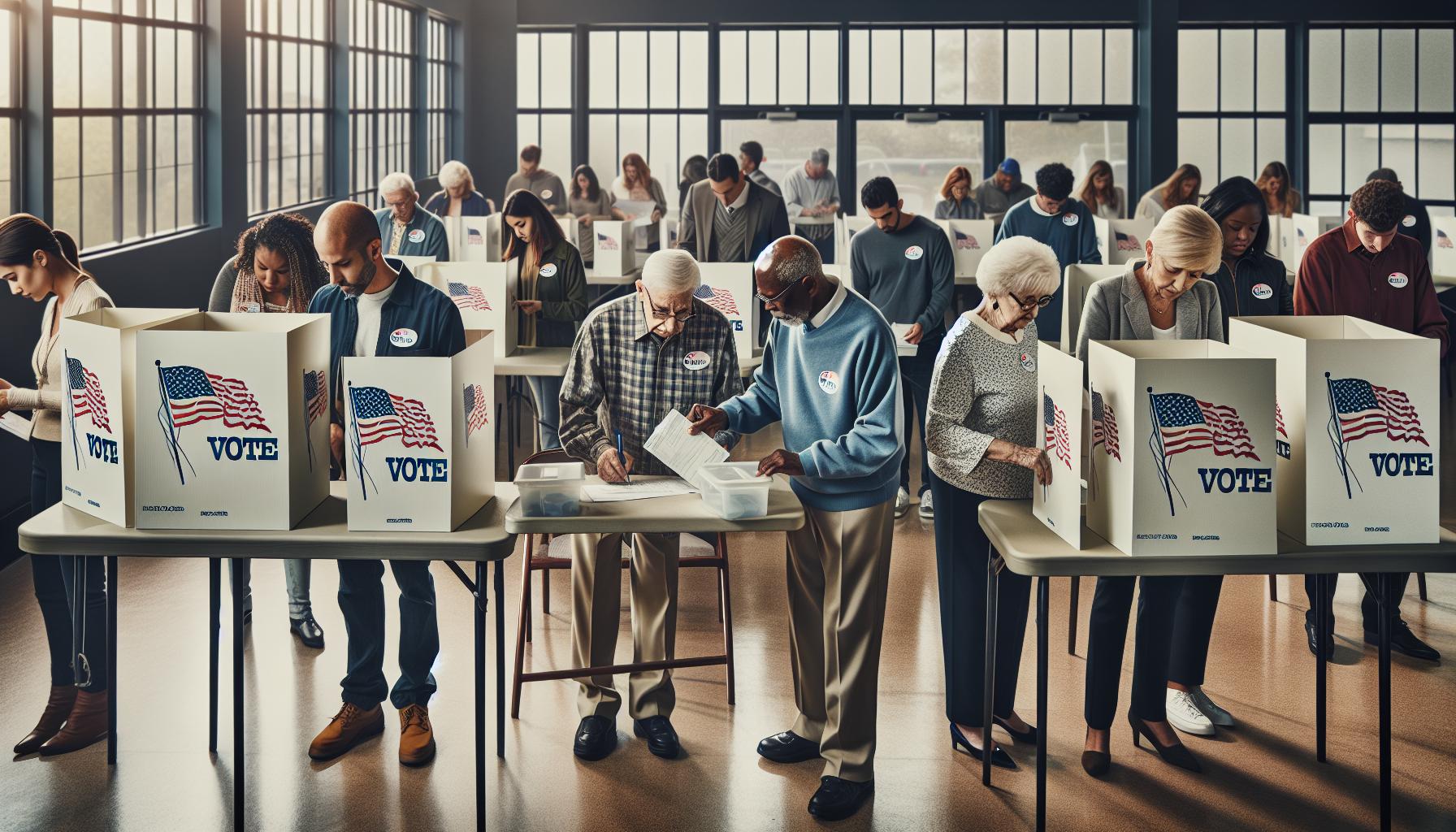
Early voting in Canada offers voters a flexible and accessible way to cast their ballots ahead of election day,accommodating diverse schedules and needs. One of the most popular choices among Canadians is to vote in person at an advance polling station, wich are conveniently located across communities nationwide. these locations frequently enough include community centers, libraries, schools, and municipal buildings, making them easy to find and access. This widespread availability helps reduce long lines and last-minute stress, giving voters the freedom to choose a day and time that suits them within the official advance polling period.
In addition to in-person advance polling stations, Canadian voters can also cast their vote by mail through what is known as a special ballot. Voting by mail is especially helpful for those who cannot physically visit a polling location due to travel, health constraints, or personal preference. To vote by mail, an application must be submitted after the election is officially called, and a special ballot voting kit will be mailed to the voter’s registered address or, in the case of Canadians living abroad, directly via the International Register of Electors. The completed ballot must then be returned within stipulated deadlines to ensure it is counted, which emphasizes the importance of early application and timely mailing to avoid postal delays.
Where to Vote in Person
- Advance Polling Stations: Locations are usually well-advertised locally and can be found by checking Elections Canada’s website or local government announcements.
- Local Libraries and Community Centers: Common venues that provide familiar and accessible settings for voters.
- Municipal Buildings and Schools: Many jurisdictions use these hubs strategically to maximize voter convenience.
Mail-in Voting (Special Ballot)
- Application Required: Must be submitted after the election call to receive a ballot kit.
- Return Deadlines: Voted ballots must be sealed and returned promptly according to instructions to be counted.
- Ideal for Non-residents or Remote voters: Enables participation despite physical distance or mobility challenges.
Voters should plan ahead by identifying their preferred voting option early, considering what is most convenient and reliable for their situation. Such as, someone with a busy work schedule might find an evening advance polling station close to their home ideal, while others living abroad will benefit greatly from the special ballot by mail. Regardless of method, this system is designed to maximize voter participation by removing barriers, whether they be time, location, or physical mobility. Always consult the official Elections Canada website to find the nearest advance polling locations or to start the special ballot application process[[2]](https://www.elections.ca/content.aspx?section=vot&dir=vote&document=index⟨=e) [[3]](https://www.elections.ca/content2.aspx?section=spr&dir=voting&document=votecoff⟨=e).
required Identification and Documents for Early Voting
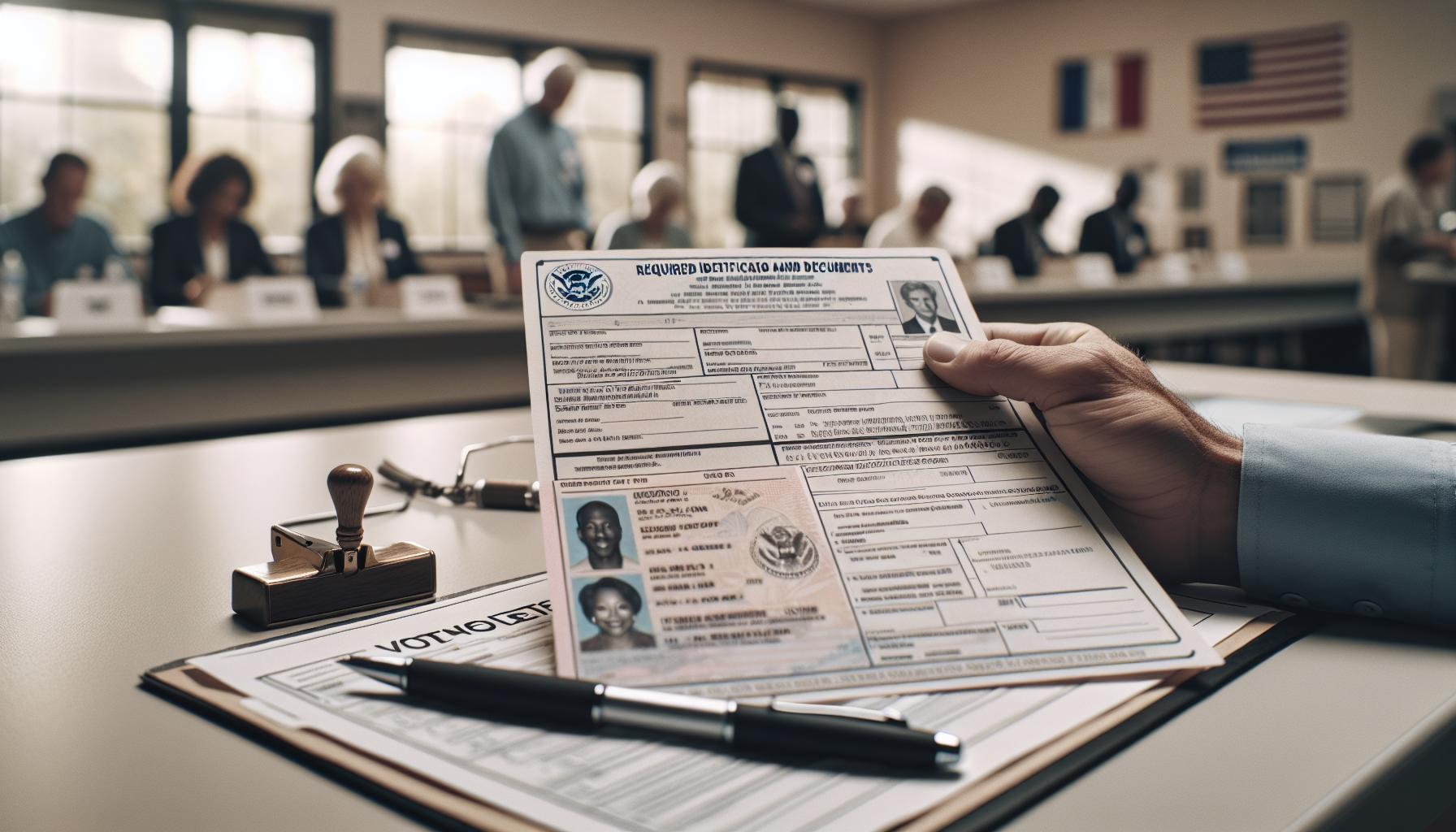
Many voters find the identification requirements for early voting straightforward once they understand what’s expected, making the process smooth and stress-free.When heading to an advance polling station in Canada, bringing the correct identification is essential to confirm your identity and eligibility promptly. Elections canada has set clear standards that balance security with accessibility, ensuring no eligible voter is turned away due to documentation issues.
At a minimum, voters need to present one piece of valid identification that shows their name and address in the electoral district where they are voting. This helps election officials verify both identity and residency, which is critical because you must vote in the correct polling division. Commonly accepted documents include a valid driver’s license,provincial or territorial ID card,utility bills,bank statements,or government correspondence,provided they are recent and include your current address. If you do not have an ID with your address, you can present two pieces of ID – one with your name and another with your address – to meet the requirements.
- Acceptable single ID with name and address: Driver’s license, provincial health card, or government-issued ID
- Or two pieces of ID: One showing your name (e.g.,bank card) and another showing your address (e.g., utility bill)
- If no ID is available: Another voter in the same polling division can vouch for you, provided they bring their ID
For those opting to vote by special ballot (mail-in voting), identification is also crucial but handled differently. You must include a signed declaration confirming your identity and eligibility when returning your ballot. This ensures the ballot can be counted without a physical ID check. It’s important to follow all instructions carefully on the special ballot kit to avoid delays or rejection due to missing documentation.
To avoid surprises on voting day, double-check your ID well before you head out. For example, if you recently moved or changed your name, ensuring your documentation reflects your current details can prevent any needless hassle. You can visit Elections Canada’s website or contact them directly to confirm if your ID will be accepted, or to learn about option options if you have difficulty providing standard documents. This readiness guarantees your early voting experience is legal, efficient, and empowering.
How to Register for Early Voting in Advance

Few aspects of voting in Canada spark as much curiosity as the process required to register for early voting-especially for first-timers or those voting from abroad. Understanding how to properly register in advance can save you valuable time and ensure your vote counts without a hitch. Notably, for most Canadian residents, the registration process for early voting is integrated seamlessly into the standard voter registration system, meaning many do not need to take extra steps before casting an early ballot.
In Canada, once an election is officially called, voters who plan to participate in early voting have the option to register on-site at an Elections Canada office or at their designated advance polling station. This flexibility means you do not have to pre-register solely to vote early, provided you are eligible and can confirm your identity and address at the time of voting. however, if you wish to vote by special ballot (commonly mail-in voting), you must apply to register for this method specifically. This requires completing an *Application for Registration and Special Ballot* after the election is called-something important to keep in mind if you need to vote from outside your home riding, or if your physical presence at polling sites is limited.
Registering to Vote by Special Ballot
This more formal registration step for the special ballot involves submitting your application to your local Elections Canada office or online, if available. The application allows Elections Canada to verify your eligibility and mail you a special ballot kit with all the materials necessary to cast your vote remotely. Since you must apply only after an election is called, it’s wise to do this early on to avoid delays, as it can take several days for the kit to arrive and for your ballot to be returned.
- Where to Apply: Local Elections Canada office, online services (where available), or by mail.
- When to Apply: After an election is officially called; applications sent too early will not be processed.
- Documents Needed: Personal identification details to confirm your eligibility.
Additionally, voters who know they will be away from Canada during an election can proactively register through the international register of Electors to receive special ballots without delay.This international registration helps ensure that Canadian citizens abroad maintain their voting rights without needing to return physically during the election period.For most voters who will be physically voting early within Canada, the takeaway is simple: there’s no mandatory advance registration for early voting at advance polls or Elections canada offices, as long as you bring the correct identification. However, those opting for mail-in ballots or special voting provisions should prioritize their application immediately after the election call to ensure smooth delivery and return of ballots before voting closes.
In practice,this system balances convenience with security and flexibility,accommodating diverse voting needs while preserving electoral integrity. Planning ahead-checking registration status, understanding your voting options, and preparing necessary identification-will make your early voting experience efficient and stress-free. For further guidance, the Elections Canada website offers comprehensive instructions and application forms to walk you through every step.
Learn more about special ballot registration and early voting[[3]].
Special Considerations for Voters with Accessibility Needs
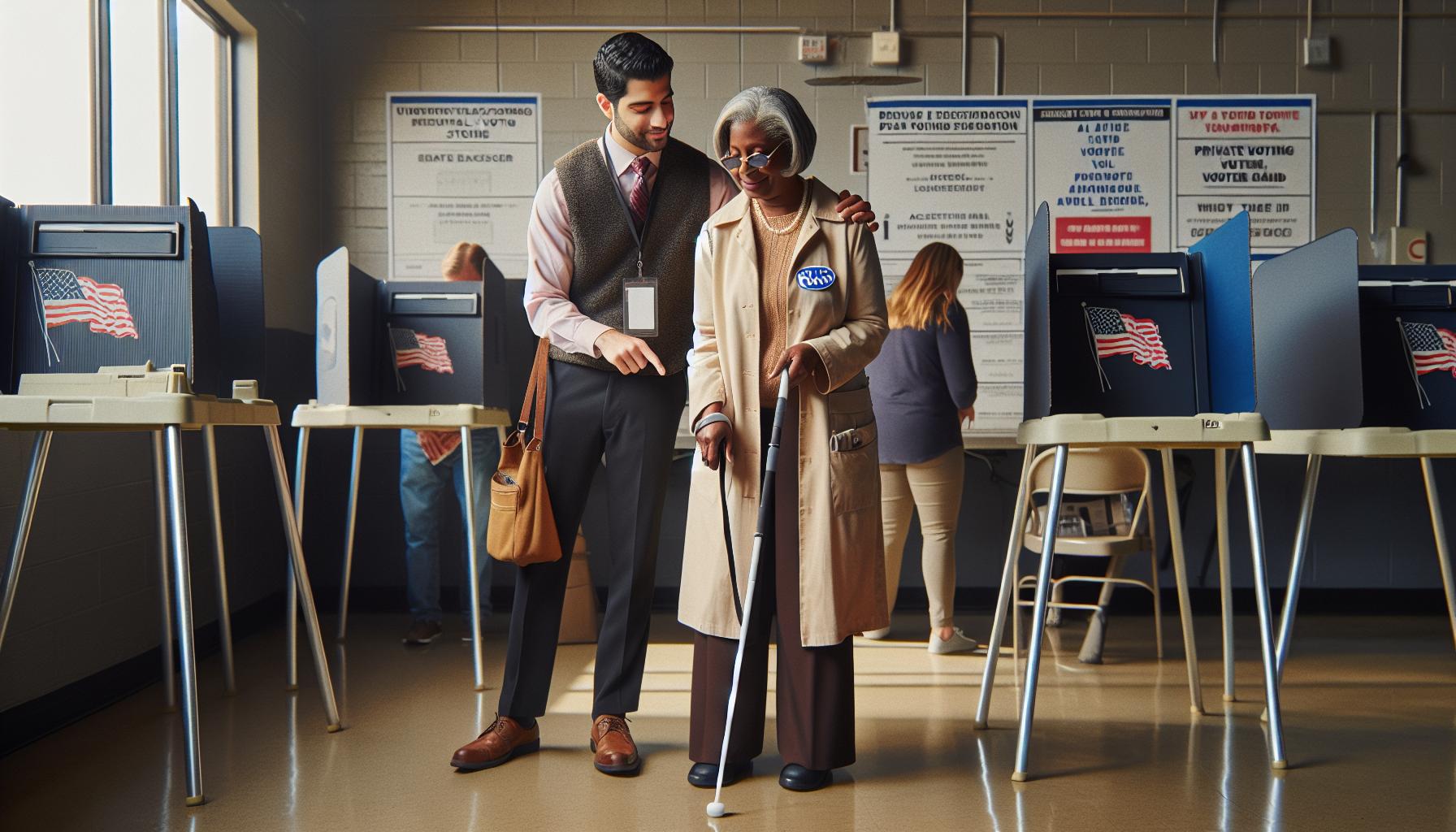
Accessibility in the voting process is not just a courtesy but a critical right that ensures every eligible Canadian can participate fully in elections. For those voting early, Elections Canada has implemented several measures to accommodate voters with disabilities, recognizing that accessibility needs can vary widely-from physical access to polling stations to communication support. This inclusive approach helps reduce barriers that might otherwise discourage or prevent people from casting their ballots during advance polls or at Elections Canada offices.
Many designated advance polling locations and local Elections Canada offices adhere to strict accessibility standards. These include features such as wheelchair ramps, accessible voting booths, and specialized assistive devices to support voters with vision or mobility impairments. Additionally, election officers receive training to provide respectful assistance tailored to individual requirements, whether that means helping someone understand the ballot or operating assistive voting technology. If a voter requires sign language interpretation or language support, it’s important to contact Elections Canada ahead of time to arrange these services, as advance notice helps ensure the necessary accommodations are ready when you arrive.
- Accessible polling stations: Check the accessibility of your assigned advance poll by calling 1-800-463-6868 or 1-800-361-8935 (TTY) to confirm that it meets your needs.
- Assisted voting tools: devices such as braille templates, magnifiers, and audio ballots are often available to help with marking and reviewing your ballot.
- Alternative voting options: Voters unable to attend in person during advance polls can apply for a special ballot, allowing them to vote remotely with strategically mailed kits that include accessible voting materials.
Understanding these options ahead of time can empower voters to plan their early voting experience with confidence and ease. For example, a voter with limited mobility might choose to vote early at an Elections Canada office that guarantees wheelchair access and has trained staff on hand. Meanwhile,someone with a visual impairment could request an audio ballot kit mailed to their home,ensuring privacy and independence in marking their ballot.
You can also provide feedback after voting about how well the accessibility features met your needs, which is valuable for improving future election processes. The emphasis on accessibility reflects Canada’s commitment to equitable participation, making early voting a genuinely inclusive opportunity for all citizens [[1]][[2]].
tips to Avoid Common early Voting Mistakes
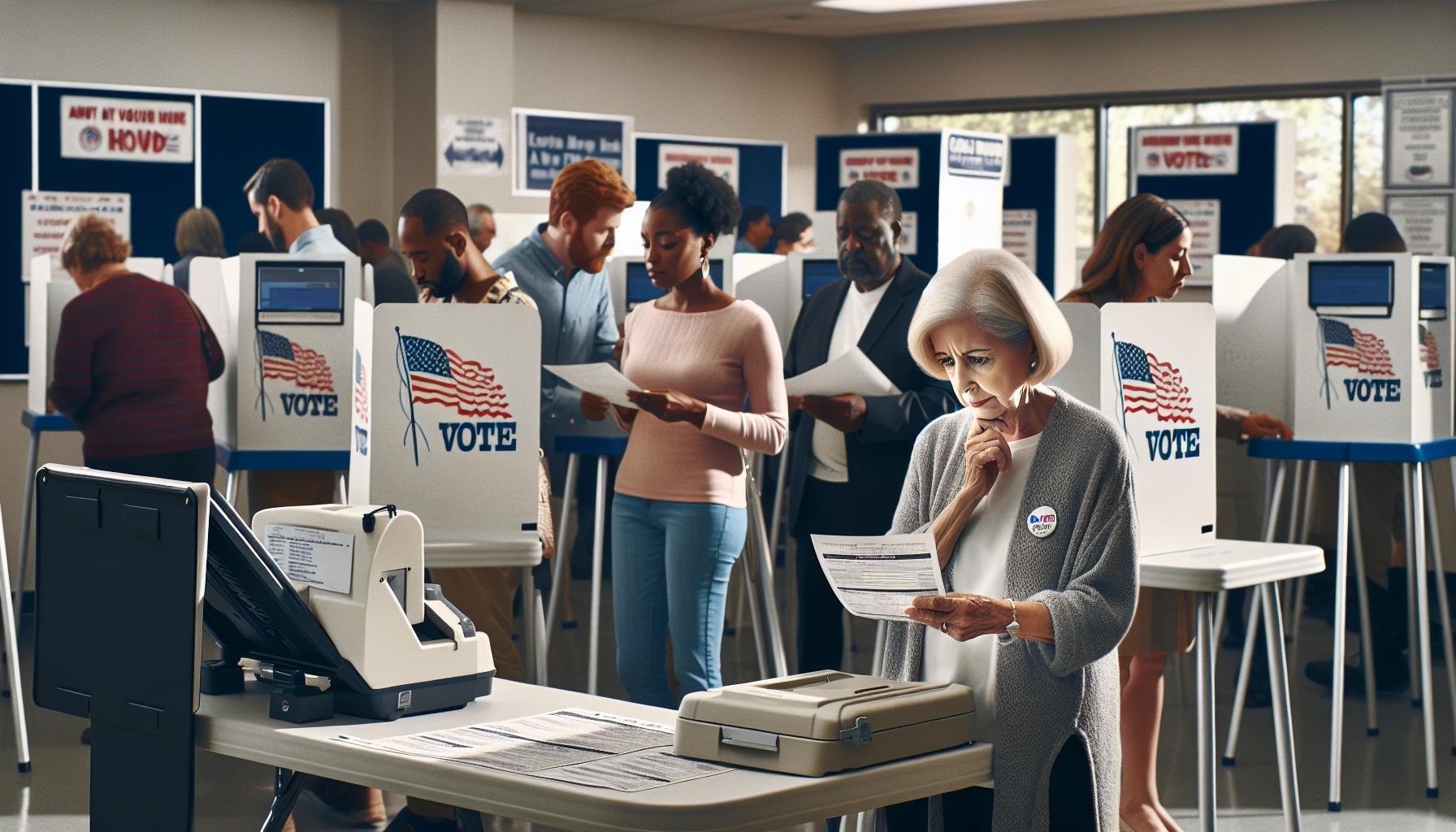
Early voting offers a convenient way to cast your ballot ahead of election day, but rushing through the process without preparation can lead to avoidable errors that may invalidate your vote or cause delays. One of the most common pitfalls is forgetting to bring the proper identification-Elections Canada requires accepted ID to verify your identity and address, so double-check what documents you need ahead of time. This simple step can prevent wasted trips to the polling station or office.
Another frequent mistake is not confirming the correct dates and locations for advance voting. Advance polls typically last for several days, but schedules and accessible locations vary by region.Planning your visit early, either by checking the official Elections Canada website or calling their help lines, ensures you don’t show up too early or too late to vote. Such as, some voters have found themselves at advance polling stations before they officially open, requiring them to return on another day. Taking a few minutes to verify times can save frustration and guarantee your vote counts.
Practical Tips for a Smooth Early Voting Experience
- Prepare your ID in advance: Have your accepted identification documents ready and easily accessible before heading out.
- Review your voter registration: Confirm your registration status and polling location to avoid surprises on the day you plan to vote.
- Allow ample time: Advance polls can experience unexpected lines during peak hours, so going during off-peak hours can make the process faster and more pleasant.
- Understand the ballot: Familiarize yourself with the candidates and ballot format beforehand to avoid confusion while marking your choices.
- Ask for help if needed: Don’t hesitate to request assistance or use accessibility tools provided at polling places-to ensure your vote is cast as intended.
Being mindful of these details not only helps protect your vote but also contributes to a smoother election process overall. For instance, voters who take the time to review their ballot options at home tend to complete voting quicker and make confident choices. These extra moments of preparation can significantly reduce the stress or second-guessing often experienced during early voting, especially for first-time voters or those unfamiliar with the process.
in rare cases,ballots might be rejected if the voter inadvertently marks outside designated areas or omits required information. Paying close attention when filling out your ballot and following instructions given by Elections canada staff minimizes this risk. Ultimately, these efforts reinforce the integrity of your vote and your voice in shaping Canada’s future government.
Impact of Early Voting on Election Results and Voter Turnout
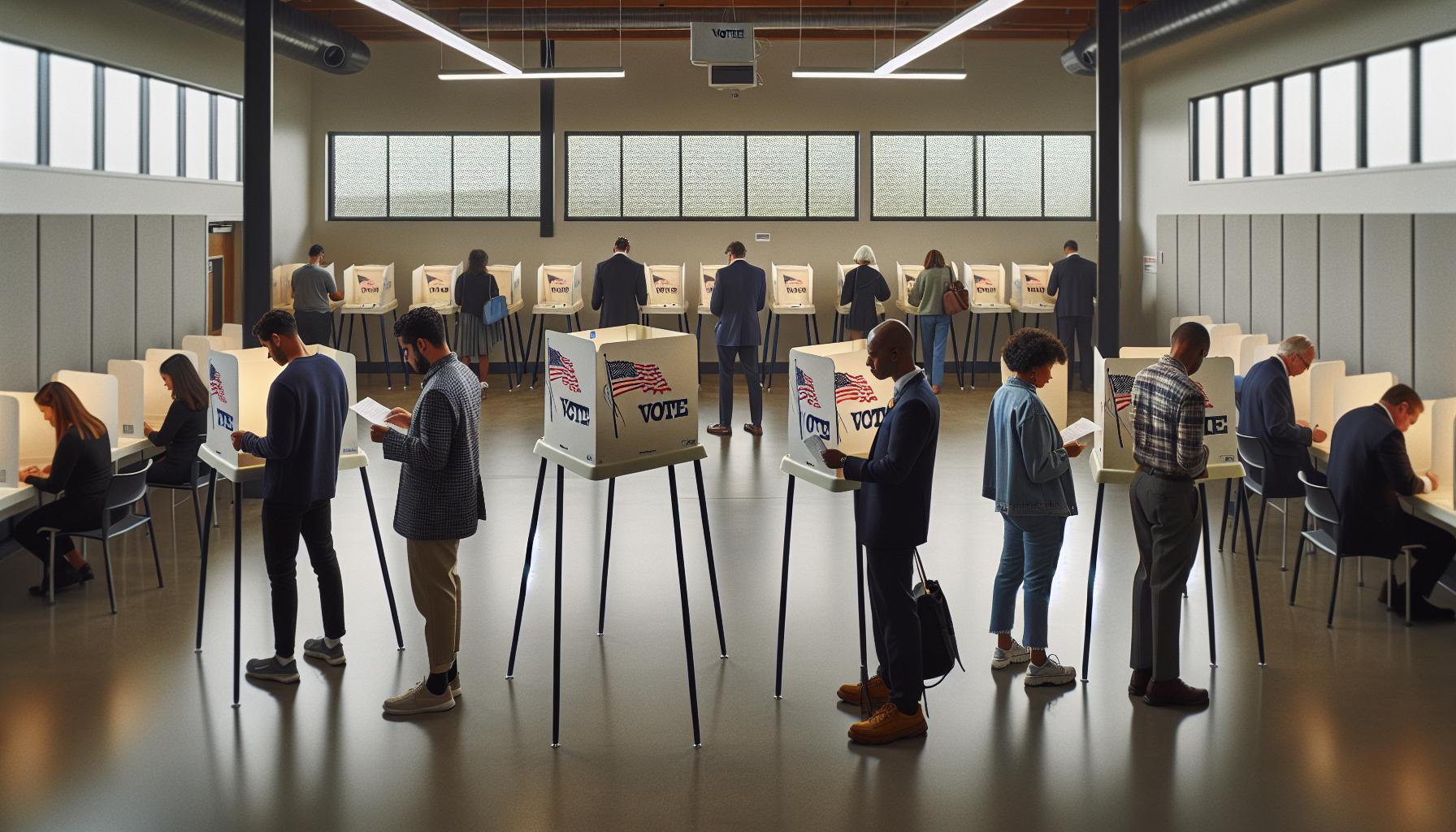
Early voting has become an increasingly influential component of Canadian elections, gradually reshaping both voter participation and election outcomes. By allowing ballots to be cast over several days before the official election day, this system removes time constraints and reduces barriers such as work schedules or personal commitments. This convenience often leads to higher turnout rates, particularly among demographics that traditionally find it challenging to vote in person on a single day.
One notable effect of early voting is how it disperses crowds and eases pressure on polling stations, making the voting experience more accessible and less stressful.This encourages participation from diverse groups, including seniors, shift workers, and voters with disabilities. moreover, early voters tend to purposeful more thoroughly about their choices since they have additional time to review candidate platforms and gather information without the rush of election day crowds. This can lead to more informed voting decisions and, by extension, can influence the overall election results.
Real-World Examples and Trends
- Record-breaking participation: Some recent federal elections in Canada have seen record-high numbers of early voters, signaling that many Canadians appreciate the flexibility early voting provides.
- Impact on campaign strategies: Political parties increasingly tailor their outreach to capture early voters, emphasizing early advertising and prompt engagement to influence voter preference before election day.
- Potential strategic effects: Early results and exit polls from advance voting days can shape campaign momentum and voter perceptions in the run-up to the final election day.
Despite these advantages, early voting also introduces complexities in tracking voter trends and finalizing results promptly. Election officials must manage longer periods of ballot collection and ensure security throughout the advance polling process to maintain confidence in the election’s integrity.
Ultimately, embracing early voting empowers Canadians with greater control over when and how they participate in democracy. its positive influence on turnout reflects a growing preference for flexible,inclusive electoral processes-making it a vital element in Canada’s commitment to representative and accessible elections. For voters, taking advantage of early voting can meen a more relaxed and confident experience, free from the last-minute pressure often encountered on election day itself.[2]
Frequently Asked Questions
Q: Can I change my mind after voting early in Canada?
A: No, once you have cast your ballot during early voting, your vote is final and cannot be changed or withdrawn. Early voting uses the same secure process as election-day voting. For more on voter rights,see the section on voting procedures in the main article for clear guidance.
Q: How secure is early voting compared to voting on election day?
A: Early voting is equally secure as election-day voting as ballots are handled with stringent safeguards, including secrecy and identity verification. Elections Canada follows strict procedures to ensure vote integrity throughout the entire process. Learn more about security measures in the step-by-step guide to voting early.
Q: What are the reasons to choose early voting over election day voting in Canada?
A: Early voting offers flexibility for busy schedules, reduced wait times, and the opportunity to avoid crowded polling stations. It’s especially helpful for voters who may be traveling or unable to vote on election day. Check the tips to avoid common early voting mistakes section for advice on choosing the best voting time.
Q: Are there additional identification documents recommended for early voting?
A: While standard ID with name and address is required, bringing supplementary documents like a utility bill or driver’s license can prevent delays. Certain offices may have specific ID requirements-refer to the required identification and documents for early voting section for full details.
Q: How can voters know their assigned early voting location in Canada?
A: Voters can find assigned early voting locations by checking their voter information card or visiting the Elections Canada website. Locations vary by electoral district, ensuring convenient access. For detailed steps, see the locations and methods for early voting in the main article.
Q: What should I do if I made a mistake on my early ballot?
A: If you spoil your ballot while voting early, request a replacement at the polling site before submitting your vote. Officials will provide clear instructions to ensure your vote counts. For proactive advice, review the tips to avoid common early voting mistakes section.
Q: Can Canadians living abroad use early voting methods?
A: Yes, Canadians living abroad may vote by mail or at designated international offices during the election period. Register well in advance and review the how to register for early voting in advance section for eligibility and procedures tailored to expatriate voters.
Q: How does early voting impact overall voter turnout in Canada?
A: Early voting generally increases voter turnout by providing accessible options and convenience, especially for those with busy schedules or mobility challenges. See the detailed analysis in the impact of early voting on election results and voter turnout section to understand these trends.
—
For a comprehensive overview, explore related sections in the main article and ensure you’re fully prepared to make your vote count early or on election day. Your participation strengthens Canadian democracy!
To Wrap It Up
Taking advantage of early voting in Canada is a powerful way to ensure your voice is heard without the stress of last-minute arrangements. By understanding the key dates and straightforward procedures outlined here, you’re now equipped to participate confidently and conveniently in your democratic process. don’t wait-check your local voting options and plan your early vote today to make your impact count.
For more detailed guidance, explore our articles on voting eligibility, what to bring on election day, and how to register to vote. These resources will help you navigate each step smoothly and stay informed about upcoming elections. Ready to stay updated? Sign up for our newsletter to receive timely reminders and expert insights directly in your inbox.
We value your engagement-feel free to share your early voting experience in the comments or spread the word with friends and family. By voting early,you’re not only exercising your right but also shaping Canada’s future responsibly and easily. Stay informed, stay involved, and return for more election tips and updates.
Get our latest guides, news, and insights highlighted in your Google Search & AI Overviews.