Did you know that recent elections in Canada have seen a remarkable surge in early voter participation, with some polls reporting a 25% increase compared too previous years? Understanding how many people actually vote-and why voter turnout varies-offers valuable insights into the health of Canadian democracy. Whether you’re a concerned citizen, policy maker, or simply curious about civic engagement, exploring voter turnout data reveals patterns that influence election outcomes and the representation of communities across the country. This article dives into the latest figures to uncover who’s showing up at the polls, highlighting trends that can empower readers to better grasp the importance of participation in shaping Canada’s future. Stay with us as we unpack these numbers and what they mean for every voter’s voice.
Table of Contents
- Voter Turnout Trends in Canada Over Time
- Key Factors Influencing Canadian Voter Participation
- Provincial and Territorial Voter Turnout Comparisons
- Impact of age and Demographics on Voting Rates
- How Electoral Systems Affect Voter Engagement
- The Role of Political Campaigns in Mobilizing Voters
- Barriers to Voting and How They Are Addressed
- Effect of Election Type on Voter Turnout Rates
- Recent Initiatives to Increase Canadian Voter Participation
- Comparing Canadian Voter Turnout to Other Democracies
- Faq
- Q: How many registered voters actually cast ballots in recent Canadian federal elections?
- Q: What demographic groups in Canada are most likely to vote in elections?
- Q: When are Canadian elections held, and how does timing affect voter turnout?
- Q: Where can voters in Canada find voting locations and advance polls information?
- Q: Why do some eligible canadians choose not to vote, and how can this be addressed?
- Q: How does voter turnout in Canada compare to other similar democracies globally?
- Q: What impact do election campaigns have on increasing voter participation in Canada?
- Q: How has online and advanced voting affected voter turnout in Canada?
- The Conclusion
Voter Turnout Trends in Canada Over Time

Voter participation in Canada has experienced notable fluctuations over the decades, reflecting broader social, political, and technological changes. While Canada once boasted turnout rates exceeding 70% in federal elections during the 1960s and 70s, recent decades have seen this percentage decline, with some elections slipping below the 60% mark. For example, the 2011 federal election recorded a turnout of approximately 53.8%, which ranks among the lowest in modern Canadian history. This decline invites questions about engagement and the evolving relationship between Canadians and their democratic institutions.
Part of this trend stems from shifting public attitudes and voter confidence, influenced by factors such as political scandals, party realignments, and changing media landscapes. However, it’s crucial to recognize periods of recovery, such as the 2015 election, which saw a rebound with turnout rising to nearly 68%. These fluctuations reveal how political momentum, candidate appeal, and key issues at stake can motivate or discourage voters across different cycles.
Understanding Long-Term Patterns
Examining voter turnout over time demonstrates that engagement rarely follows a linear path. Rather, it ebbs and flows according to:
- Major political events: Elections following significant national or global events (e.g., economic recessions, global pandemics) frequently enough prompt higher voter interest.
- Electoral competitiveness: Tight races tend to increase turnout, as voters feel their participation has a greater impact.
- Demographic shifts: Younger generations historically vote less than older cohorts, influencing overall turnout rates as population demographics evolve.
For Canadian voters, these factors combine with institutional changes-like reforms to voting hours and availability of advance polls-that either facilitate or hinder access. Consequently, analyzing trends demands a layered approach that incorporates both sociopolitical context and election mechanics.
Real-World Examples Showcasing Change
Take the 2019 federal election: it saw a voter turnout of about 67%,illustrating how competitive races and vigorous campaigning can drive participation. Conversely, the 2011 election, with the lowest turnout in decades, coincided with a strong Conservative majority win and lower perceived electoral competition, which may have contributed to voter apathy. These examples underscore how engagement levels can serve as barometers of public sentiment and political landscape vitality.
In practical terms, voters can increase their participation by staying informed about the stakes involved in each election and utilizing expanded voting options like early and mail-in ballots. For Canadian democracy to flourish, understanding and addressing the nuances behind these trends is crucial-not just for policymakers, but also for every citizen aiming to have their voice heard.
Key Factors Influencing Canadian Voter Participation
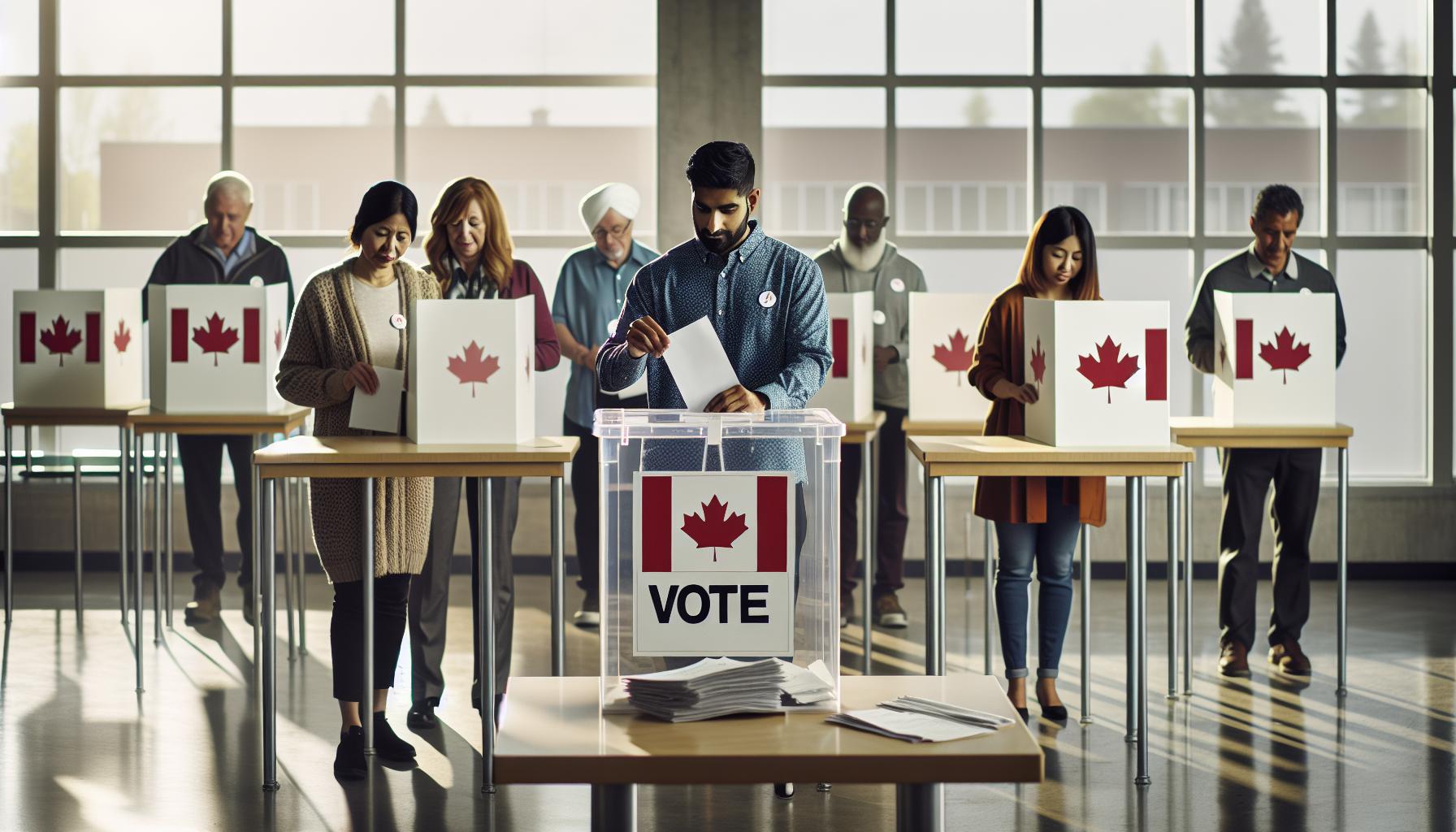
Voter participation in Canada is shaped by a complex interplay of social, political, and practical factors that either motivate or discourage citizens from casting their ballots. One of the most significant influences is the perceived relevance of the election itself.When voters believe that their choices can genuinely affect outcomes-frequently enough in highly competitive races-they are far more likely to engage.This sense of impact is amplified by issues that resonate deeply with the public, such as economic concerns, healthcare, or environmental policies, which can considerably boost turnout.
Beyond the political climate, accessibility plays a crucial role.Changes to voting procedures, including the introduction of advance polling stations and mail-in ballots, have begun to break down customary barriers by making it easier for Canadians to vote on their own terms. However, hurdles remain, particularly for younger voters and marginalized communities who might face challenges such as lack of facts, transportation difficulties, or feelings of political disillusionment. Effective voter education and outreach efforts are thus essential in fostering sustained participation across diverse populations.
Factors That Matter Most
- Electoral Competitiveness: Close races with uncertain outcomes encourage turnout by heightening engagement and media coverage.
- Issue Salience: Voters respond strongly when key topics directly affect their lives,prompting more active participation.
- Convenience and Access: Easier registration, expanded polling hours, and alternative voting methods reduce practical barriers.
- Political Trust and Satisfaction: Confidence in government institutions and parties enhances willingness to vote, while scandals or distrust suppress it.
- Social Networks and Mobilization: peer influence and organized campaigns encourage individuals to vote by creating social norms around participation.
Practical lessons from recent elections demonstrate the power of well-organized campaigns and outreach programs. Such as, targeted initiatives that reach out to youth through social media, community groups, and culturally relevant messaging have shown promise in boosting turnout among demographics traditionally less likely to vote.Meanwhile, continuous efforts to modernize the voting experience and clarify the stakes at play can help Canadians appreciate the value of their individual vote.In essence, increasing voter participation hinges on addressing both the emotional and logistical facets of the voting experience. By understanding the nuanced motivations and barriers canadians face, policymakers and civic organizations can craft strategies that not only encourage more people to vote but also help reinvigorate faith in democratic processes. Ultimately, every election is an chance to build a stronger, more inclusive political culture.
Provincial and Territorial Voter Turnout Comparisons

Voter engagement varies widely across canada’s provinces and territories, reflecting diverse regional political cultures, demographic profiles, and local issues that resonate differently with each electorate. As a notable example,provinces like Prince Edward Island and Nova Scotia have historically seen higher turnout rates compared to others such as Quebec or British Columbia,where participation tends to be more volatile and influenced by recent political dynamics. These variations are often tied to the strength of local party systems, the competitiveness of races, and voter satisfaction with political representation.
In addition to political factors, logistical differences also play a significant role. Remote and northern territories sometimes face challenges related to accessibility, weather conditions, and infrastructure that can affect voter turnout. However, innovative strategies, such as expanded mail-in ballots and mobile polling stations, have been introduced to address these barriers and encourage participation even in the most sparsely populated areas. This adaptability highlights how provinces and territories can tailor their approaches to best serve their unique populations.
Practical Lessons from Regional Turnout Patterns
- Local Issue Engagement: Regions where elections focus on pressing community concerns-whether economic development, natural resource management, or cultural preservation-frequently enough see spikes in turnout as voters feel their stakes are higher.
- Community Mobilization: Grassroots campaigns and local party networks that are active year-round rather than solely during elections tend to build a culture of participation that sustains voter engagement.
- Accessibility and Voting Options: Provinces that offer expanded early voting opportunities,flexible voting methods (including mail-in ballots and online voter information),and extensive voter education programs generally report higher turnout.
| Province/Territory | Average Federal Election Turnout (2015-2021) |
|---|---|
| Prince Edward Island | ~75% |
| Nova Scotia | ~73% |
| Ontario | ~68% |
| Quebec | ~62% |
| British Columbia | ~65% |
| Yukon | ~70% |
| Northwest Territories | ~67% |
| Nunavut | ~60% |
For voters, understanding these regional distinctions helps explain why engagement can feel very different depending on where they live. Those interested in boosting turnout should consider how tailored outreach-targeting specific local concerns and demographics-can be far more effective than one-size-fits-all approaches. Moreover, voters can benefit from staying informed about the unique voting options and resources available in their province or territory, ensuring they take full advantage of the conveniences designed to make participation easier.
Ultimately, reveal a clear truth: fostering democratic engagement requires attention to local contexts and a commitment to adapting election processes to meet the needs of diverse communities across Canada.
Impact of age and Demographics on Voting Rates
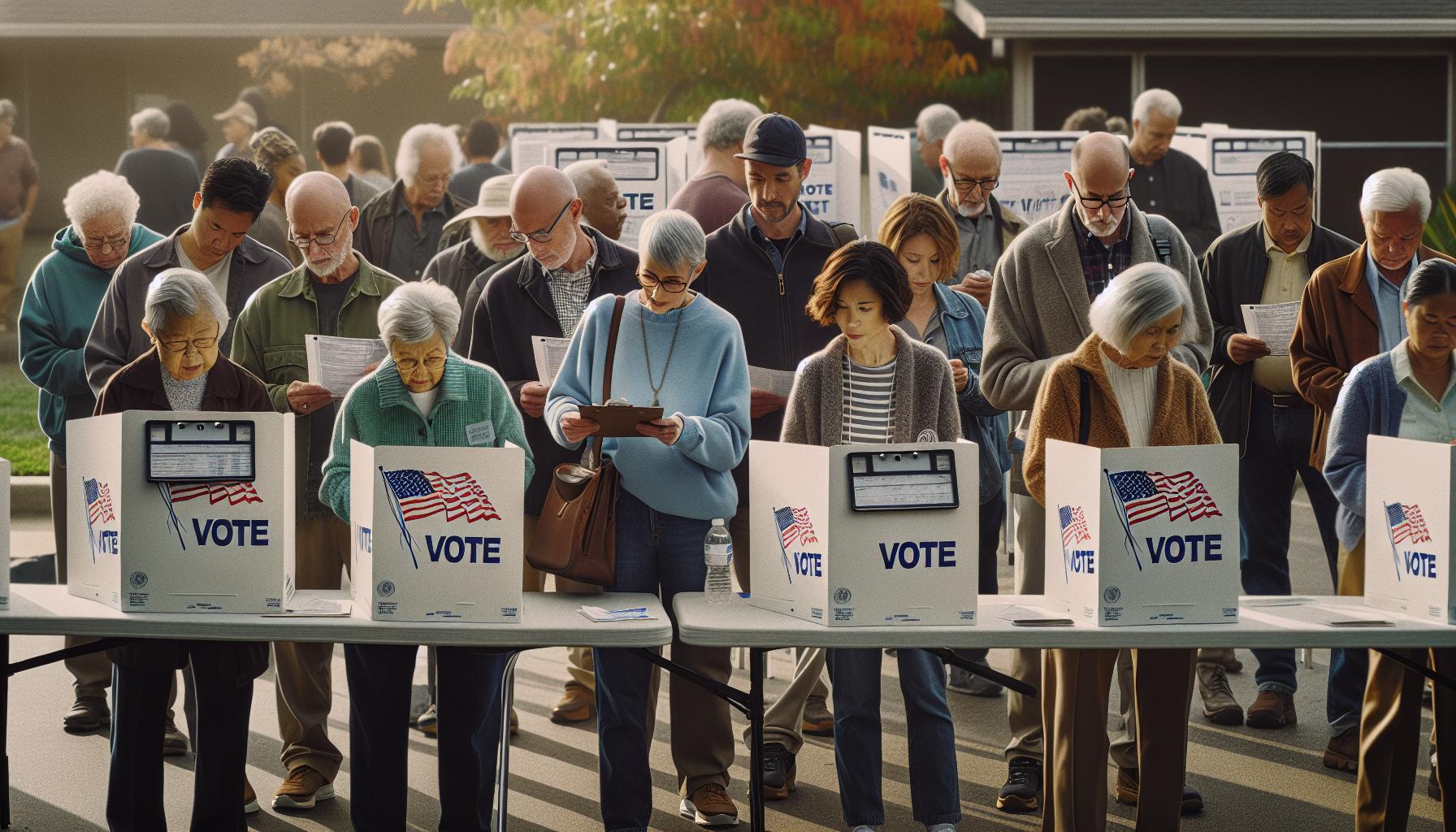
voter turnout in Canada reveals a striking pattern when examined through the lens of age and demographic groups. Young Canadians consistently show the lowest participation rates in federal elections, with turnout steadily increasing among middle-aged voters and peaking around the 35 to 44 age range. This age group tends to exhibit the highest engagement, frequently enough exceeding 70% turnout, reflecting a period in life where civic involvement is heightened due to personal stakes like family, career, and community investment. In contrast, turnout tends to drop again slightly among seniors, though it remains considerably higher than among the youth [[3]](https://www.elections.ca/content.aspx?section=res&dir=rec/eval/pes2019/vtsa&document=index⟨=e).
Several factors contribute to these trends. Younger voters may face barriers such as limited awareness of political processes, a sense of disconnection from traditional parties, or life transitions (e.g., moving for education or employment) that complicate their registration and voting logistics. Practical steps to improve youth turnout include enhancing civics education, leveraging social media platforms for outreach, and offering flexible voting options like extended advance polls or online informational resources tailored specifically to younger demographics.Simultaneously, middle-aged Canadians often demonstrate increased political interest due to concerns over economic policies, education systems, and healthcare-issues that directly impact their daily lives-while seniors may be motivated by healthcare, pensions, and community stability.
Demographic Influences Beyond Age
Demographics such as gender, socioeconomic status, and cultural background also shape voting behaviors. Historically, women in Canada have shown slightly higher voter turnout levels than men, particularly in federal elections, reflecting growing political engagement facilitated by targeted outreach and advocacy groups. However, marginalized communities, including indigenous populations and recent immigrants, often experience lower electoral participation due to obstacles such as language barriers, mistrust in the political system, and limited access to voting locations or information.
Addressing these disparities requires community-driven solutions:
- Outreach Programs: Tailoring voter education and engagement campaigns that respect cultural contexts and languages helps bridge gaps in awareness and trust.
- accessible Voting Options: Mobile polling stations, mail-in ballots, and assistance services have proven effective in increasing turnout among remote or underserved populations.
- Partnerships with Community Leaders: Collaborating with trusted figures can enhance credibility and motivate reluctant voters to participate.
| Age Group | Average Voter Turnout (%) |
|---|---|
| 18-24 | ~50-55% |
| 25-34 | ~60-65% |
| 35-44 | ~70-75% |
| 45-64 | ~68-73% |
| 65+ | ~65-70% |
Offering a nuanced understanding of age and demographic patterns empowers political organizations, policymakers, and civic educators to develop strategies that resonate with specific voter segments. For example, younger voters may respond well to issue-based campaigns on climate change and education reform, while older voters frequently enough prioritize stable healthcare and economic policies. Recognition of these varied motivations enhances the effectiveness of voter mobilization efforts and contributes meaningfully to a healthier, more inclusive democracy [[1]](https://foreigninterferencecommission.ca/fileadmin/foreign_interference_commission/Documents/Exhibits_and_Presentations/Exhibits/ELC0000046.pdf).
recognizing that voter turnout is not uniform across age and demographic groups allows stakeholders to tailor initiatives that remove barriers and foster engagement uniquely suited to Canadians’ diverse needs and experiences.This targeted approach helps cultivate a stronger democratic culture, ensuring that more voices are heard in shaping the country’s future.
How Electoral Systems Affect Voter Engagement

Canada’s current electoral system, known as first-past-the-post (FPTP), plays a pivotal role in shaping voter participation.under FPTP, candidates compete within individual ridings, and the one with the most votes wins-even without a majority. While this system is straightforward, it often leads to voters feeling their choices are limited or their votes “wasted,” especially in areas where one party dominates. Such perceptions can dampen engagement, contributing to lower turnout among certain groups who see little chance their preferred candidate will succeed.
Alternative electoral systems,particularly proportional representation (PR),have gained attention for their potential to boost voter engagement by offering a more inclusive reflection of public preferences. Unlike FPTP,PR allocates seats according to the percentage of votes each party receives,encouraging support for smaller parties and fostering a broader sense that every vote counts.This inclusivity can motivate more citizens to participate, particularly those who feel marginalized or disenchanted by winner-take-all contests. Evidence from various democracies shows that PR systems frequently enough yield higher turnout rates and more diverse representation, strengthening democratic legitimacy and connecting voters more directly to parliamentary outcomes [[2]](https://protectdemocracy.org/work/proportional-representation-voter-turnout/).
Electoral Systems and Practical Voter Engagement
Understanding how different systems impact turnout can guide practical reforms and voter outreach strategies. As an example, ranked-choice voting (RCV), used in some Canadian municipal elections, allows voters to rank candidates by preference.This method reduces strategic voting pressure and may increase voter satisfaction by enabling support for preferred candidates without “spoiling” the ballot. RCV can also stimulate campaign civility, as candidates seek to appeal beyond their base to earn second-choice votes-a factor that can energize broader voter interest.
To translate these insights into actionable steps, policymakers and advocates might consider:
- Educating voters about alternative electoral systems through accessible guides and public forums, helping citizens understand how changes could affect representation and influence.
- Piloting reforms at regional or local levels to demonstrate benefits and gather community feedback, building momentum for wider adoption.
- Enhancing ballot accessibility alongside system changes-such as allowing mail-in ballots or extended advance voting periods-which together reduce logistical barriers and empower diverse voter participation.
recognizing the influence of electoral design on engagement also means embracing complexity: electoral systems interact with other factors like political culture, campaign competitiveness, and voter education. Still, evidence suggests that adopting more proportional or preference-based systems can foster a more vibrant democracy where Canadians feel their voices truly matter, encouraging higher turnout and broader participation across all demographics [[3]](https://fairvote.org/resources/electoral-systems/).
| Electoral System | Impact on Voter Engagement |
|---|---|
| First-Past-the-post (FPTP) | Simple but may discourage voters in non-competitive ridings; can lead to “wasted” votes. |
| Proportional Representation (PR) | Encourages participation by reflecting diverse voter preferences; higher turnout observed. |
| Ranked-Choice Voting (RCV) | Reduces strategic voting; fosters broader candidate appeal and voter satisfaction. |
The Role of Political Campaigns in Mobilizing Voters

Voter mobilization efforts have evolved dramatically with the advent of digital technology, yet their core aim remains unchanged: to inspire citizens to make their voices heard at the ballot box. Campaigns that connect meaningfully with voters on issues that matter to them significantly influence turnout. In Canada, targeted outreach-whether through door-to-door canvassing, phone banking, or innovative data-driven approaches-plays a crucial role in motivating both habitual voters and those who might otherwise abstain. Studies show that personalized contact often yields the highest increases in voter participation, as it demonstrates to individuals that their involvement truly matters.
Beyond direct engagement, campaigns utilize a multifaceted toolkit to enhance voter turnout. Social media platforms enable rapid dissemination of information, help combat misinformation, and foster peer-to-peer encouragement to vote. In recent elections,parties and self-reliant groups have experimented with micro-targeting strategies,leveraging data analytics to identify and mobilize specific demographic groups,such as young voters or newcomers to Canada. This strategic focus recognizes that “one size fits all” messaging rarely taps into the diverse motivations and concerns of the electorate.
Effective Strategies for Campaign-Voter Engagement
- Community-based organizing: Working alongside local organizations and influencers to build trust and engagement in neighborhoods historically less likely to vote.
- Educational outreach: providing clear, accessible information on how and where to vote-including changes to voting procedures or formats-to reduce confusion and anxiety that might discourage participation.
- Mobilizing through values and issues: Tailoring messages based on voter priorities, such as climate change, healthcare, or economic security, encourages stronger emotional investment in casting a ballot.
- Leveraging early and mail-in voting: promoting advance voting opportunities increases convenience, helping to overcome barriers related to scheduling conflicts or mobility challenges.
For example, some provincial campaigns in Canada have successfully combined traditional methods with innovative technologies to boost turnout among younger voters. By employing interactive virtual events, gamified engagement apps, and targeted reminders on social media, these campaigns meet voters where they are, both physically and digitally. Such efforts underscore the importance of evolving campaign methods to stay relevant and effective in a rapidly changing media landscape.
Ultimately, political campaigns do more than just promote candidates-they energize democratic participation. their ability to connect, educate, and provide accessible voting options can bridge gaps between disengagement and active citizenship, making them vital catalysts in achieving higher voter turnout across Canada.
Barriers to Voting and How They Are Addressed

Few factors pose as persistent a challenge to democratic participation as the subtle and overt barriers that prevent eligible Canadians from casting their ballots. Despite strong democratic traditions, obstacles-ranging from logistical difficulties to social and informational gaps-can discourage or even prohibit voter turnout. Understanding these barriers not only sheds light on patterns of participation but also reveals the effectiveness of ongoing measures designed to ensure every voice can be heard.
Geographical distance and limited accessibility remain significant hurdles, especially in rural, remote, and Indigenous communities. Many residents face long travel times to reach polling stations or have limited transportation options. To mitigate this, Elections Canada and provincial authorities have expanded advance polling locations, mobile polls, and mail-in ballot availability, making voting more convenient and tailored to diverse living situations. As a notable example, mobile polling stations have been deployed in Northern communities to ensure that remoteness does not translate into disenfranchisement.
Common Barriers and Proactive Responses
- Voter Identification Requirements: Stringent ID rules can confuse or exclude individuals lacking standard identification. To address this, many jurisdictions accept a broad array of ID forms, and election workers are trained to assist voters without government-issued ID.
- Information Gaps: Uncertainty about the voting process, dates, or candidate options can dissuade participation. Targeted educational campaigns that provide clear, multilingual, and easy-to-understand materials have proven effective, particularly when delivered through trusted community organizations.
- Work and Time Constraints: For many Canadians, inflexible work schedules and personal commitments limit availability to vote on election days. The introduction and promotion of advance voting periods, extended polling hours, and mail-in ballots have helped alleviate these time-related barriers.
- Language and Cultural Barriers: New immigrants and linguistic minorities sometimes struggle with access to voting materials in their preferred languages. Efforts to offer ballots, instructions, and voter assistance in multiple languages aim to reduce these obstacles and foster inclusivity.
Beyond structural hurdles, societal factors such as political disengagement and mistrust in governance contribute to abstention. Community-based initiatives that build relationships and emphasize the tangible impact of voting help counteract these sentiments. Such as, partnerships with local leaders and organizations have mobilized historically underrepresented groups by framing participation as a pathway to real community influence.
Canada’s approach to overcoming voting barriers illustrates a pragmatic blend of policy adaptation and grassroots engagement. From leveraging technology to simplifying procedures, the continuous evolution of voting accessibility reflects a commitment to democratic inclusivity. Citizens interested in making their vote count are encouraged to explore early voting options, seek out local election resources, and participate in educational programs that clarify their rights and options-small steps that collectively remove obstacles and strengthen democratic participation nationwide.
Effect of Election Type on Voter Turnout Rates
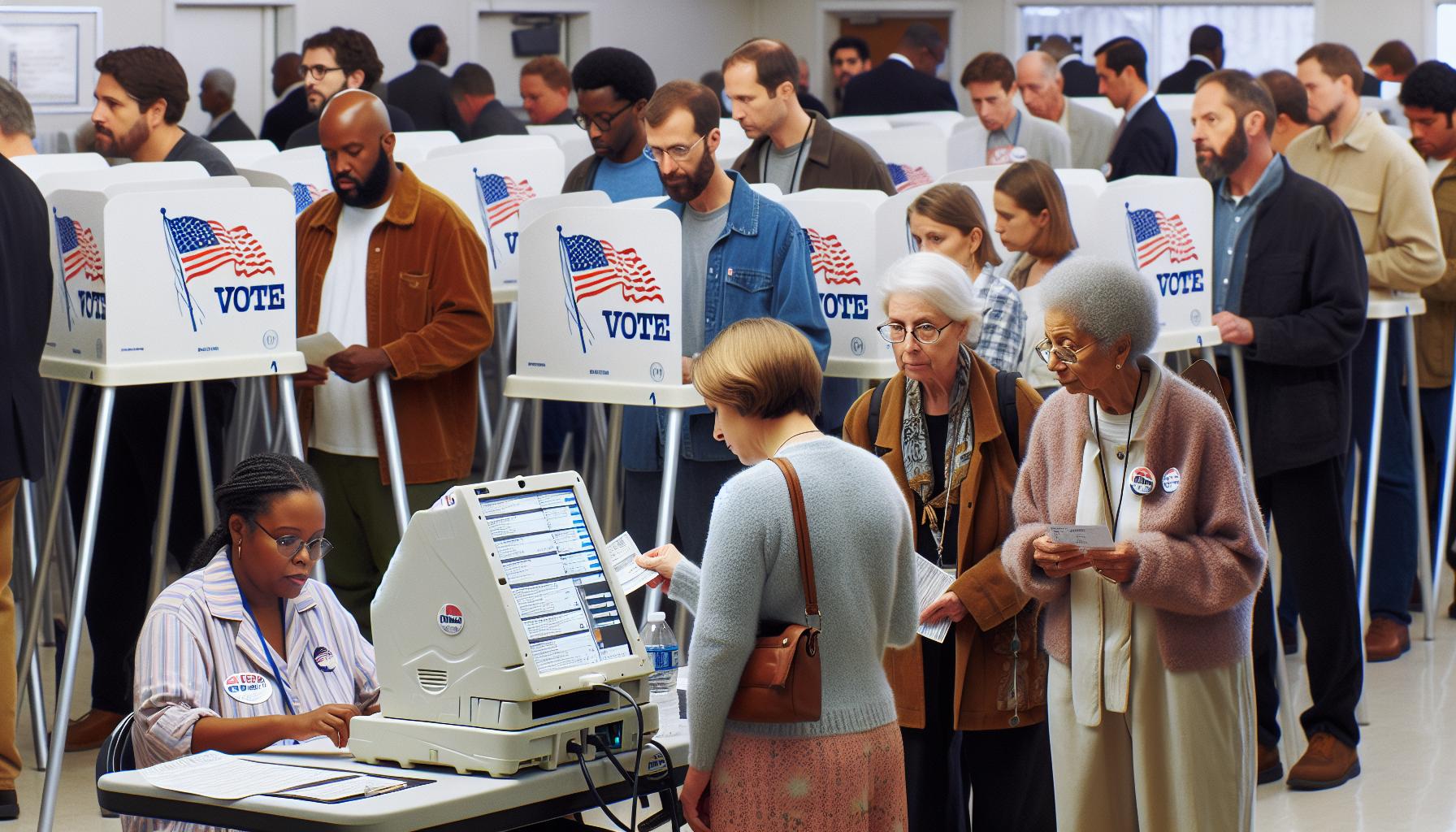
Voter participation in Canada tends to fluctuate noticeably depending on the type of election being held, with general elections usually drawing the highest levels of engagement. This pattern reflects the broader public perception of stakes involved-federal elections determine the national government and policy direction, naturally commanding greater attention and urgency from voters. For example, turnout in Canadian federal elections frequently enough surpasses 60%, whereas municipal or by-elections regularly report significantly lower participation rates, sometimes dipping below 40%. Understanding these differences helps clarify why certain elections see robust democratic involvement while others struggle to engage voters fully.
one major factor behind these turnout disparities is the visibility and media coverage that election types receive. Federal elections benefit from extensive national debate,party campaigning,and media focus,which collectively raise public awareness and motivate voters to participate. Conversely, local elections, despite their direct impact on community services and governance, often receive less attention and can be perceived as less consequential. This perception can dampen enthusiasm and turnout, especially among younger voters and marginalized groups who may feel disconnected from local political dynamics.Efforts to boost engagement at the municipal level often involve community outreach and education emphasizing how local governance shapes daily life.
How different Election Types Influence Voter Behavior
- Federal Elections: Usually draw the highest turnout due to their national importance and the broad range of issues at stake. Major parties allocate substantial resources to mobilize voters, and the intense media spotlight contributes to higher engagement.
- Provincial and Territorial Elections: These often see moderate turnout, influenced by regional issues and political climates. Engagement can spike when high-profile issues or competitive races dominate the agenda.
- Municipal Elections: Generally experience the lowest turnout, often because of limited media coverage and voter unfamiliarity with candidates. Accessibility improvements and community-based initiatives are critical to reversing this trend.
- By-elections: Typically have low participation due to their isolated nature and less perceived consequence, although they can be strategic moments for political shifts in targeted areas.
To increase turnout across all election types, authorities and civic organizations encourage practical steps such as setting reminders for election dates, exploring advanced voting options like mail-in or early voting, and engaging with local candidates directly to understand their platforms. These proactive behaviors can counteract voter apathy and logistical challenges. Moreover, highlighting tangible examples of how election outcomes affect everyday issues-from school funding to healthcare access-can inspire broader voter commitment at every level.
| Election Type | Typical Voter turnout Range | Key influencing Factors |
|---|---|---|
| Federal Elections | 60% – 70% | National visibility, media coverage, party mobilization |
| Provincial/Territorial Elections | 50% – 60% | Regional issues, competitive races, local media |
| Municipal Elections | 30% – 45% | Community awareness, accessibility, media spotlight |
| By-elections | 20% – 40% | Isolated nature, perceived stakes, voter fatigue |
Ultimately, recognizing how election type shapes voter turnout allows election planners, policymakers, and civic groups to tailor their engagement strategies effectively. By acknowledging the unique challenges each election presents-and providing voters with clear, accessible means to participate-Canada continues to strengthen its democratic participation across the spectrum of its electoral processes.
Recent Initiatives to Increase Canadian Voter Participation

Voter engagement in Canada has seen a range of innovative approaches aimed at reversing declining turnout trends and ensuring broader democratic participation. One of the most impactful efforts has been expanding and promoting alternative voting methods. These include early voting, mail-in ballots, and mobile polling stations, which provide greater accessibility for voters who might or else face scheduling conflicts or mobility challenges. By making voting more convenient, these options have helped to lower barriers and encourage higher participation across various demographics.
Targeted Outreach and Education Campaigns
recognizing that voter apathy frequently enough stems from a lack of information or feeling disconnected from political choices, several recent initiatives focus on civic education and tailored outreach.Programs aimed at young voters, such as collaborations with schools and universities, seek to foster early awareness about the importance of voting and the impact it has on everyday life. Additionally, campaigns employing social media influencers and community leaders have been effective in reaching groups traditionally underrepresented at the polls, including Indigenous peoples and newcomers to Canada.
- Reminder and Mobilization Tools: Digital platforms and apps send timely reminders about upcoming elections and provide personalized information on polling locations and candidate profiles, making it easier for voters to engage.
- Community Partnerships: local organizations work directly within neighborhoods to address specific voter concerns and facilitate the registration and voting processes.
- Language Accessibility: Materials and support services are increasingly available in multiple languages to ensure inclusivity for Canada’s diverse population.
Innovations in Electoral Policy and Collaboration
On the policy front, electoral reforms such as revising voter ID requirements and simplifying registration have been introduced in various provinces to reduce administrative hurdles. Moreover, governments and Elections Canada have enhanced cooperation with employers to facilitate time off for voting and public transit authorities to ease access to polling stations. These structural adjustments complement public engagement efforts and create an ecosystem where voting becomes a more integrated and supported civic activity.
| Initiative | Objective | Impact |
|---|---|---|
| Expanded Mail-in and Early Voting | Increase convenience and accessibility | Higher turnout among busy and remote voters |
| Youth Civic Education Programs | Build early engagement and knowledge | Greater youth turnout and political awareness |
| Multilingual Outreach Materials | Address language barriers | Inclusive participation across diverse communities |
| Partnerships with Community Groups | Localized voter mobilization | Targeted engagement with underrepresented voters |
The combination of technological, educational, and policy-driven strategies reflects a holistic approach to increasing voter turnout in Canada. By addressing both practical and motivational challenges, these recent initiatives contribute to a more vibrant and representative democracy that better reflects the diverse voices of Canadian society.
Comparing Canadian Voter Turnout to Other Democracies

Canada’s voter turnout has long been a subject of comparison with other established democracies,often revealing a mixed picture. Despite being a stable democracy with a robust electoral system, Canada’s participation rates frequently lag behind many peer nations.As an example, in the 2011 federal election, only 53.8% of eligible Canadians cast their ballots, placing the country 14th out of 17 peer countries-earning a middling “C” grade in voter turnout rankings[[3]](https://www.conferenceboard.ca/hcp/voter-turnout-aspx/). This relatively modest engagement sparks important questions about what differentiates Canada from higher-turnout democracies and what can be learned from international comparisons.
One striking difference lies in the type of electoral system used. Countries that employ proportional representation (PR) tend to report higher turnout rates compared to those with “winner-take-all” or first-past-the-post systems like Canada’s.Research indicates that PR systems enhance voter engagement by making more votes count toward representation, reducing feelings of wasted votes and increasing competitive races[[2]](https://www.fairvote.ca/factcheckvoterturnout/). This suggests that structural reforms might be pivotal in encouraging broader participation, offering a clear pathway for policy-makers and advocates aiming to boost Canadian turnout.
Learning From Other Nations: What Works?
Several democracies with consistently high voter turnout share common features that Canada might consider adapting:
- Compulsory Voting: Countries such as Australia have mandatory voting laws that effectively drive turnout rates above 90%. While compulsory voting is controversial, it compels societies to engage more citizens and often correlates with higher political literacy.
- Proportional Representation and Mixed Systems: Nations with PR, like many in Scandinavia and parts of Europe, see turnout rates commonly exceeding 70-80%. The perception that each vote directly influences the outcome fosters participation.
- Advanced Voting Accessibility: Widespread use of mail-in ballots, early voting, and multiple polling stations reduce logistical barriers, demonstrating how ease of voting translates into higher turnout.
That said, Canada has been proactive in adopting similar innovations, such as expanding mail-in and early voting options. Emulating the best practices found around the world while respecting Canadian political culture provides a pragmatic approach to incremental enhancement.
Practical Advice for Canadians Seeking to Increase Voter Turnout
For communities and organizations aiming to elevate participation levels, it helps to:
- Focus on education about electoral systems: Helping voters understand how their votes impact results can empower more informed participation.
- Advocate for policy shifts: Push for reforms like proportional representation or easier registration to address systemic turnout challenges.
- Enhance local outreach: Tailor voter education and mobilization efforts to community needs, echoing approaches seen internationally that recognize voter diversity.
| Country | Electoral system | Average Voter Turnout | Notable Practise |
|---|---|---|---|
| Australia | Preferential Voting with Compulsory Voting | ~90% | Mandatory voting laws |
| Germany | Mixed-Member Proportional Representation | ~76% | Strong PR system,accessible voting |
| Canada | First-Past-The-Post | ~60% | Expanded early and mail-in voting |
| United States | First-Past-The-Post | ~55-60% | Varied registration laws,no compulsory voting |
Understanding where Canada stands globally-both in strengths and challenges-helps contextualize voter turnout trends and informs targeted efforts to foster deeper democratic engagement. while no single solution fits all, blending innovations inspired by international models with Canada’s unique context can potentially lead to more vibrant participation in elections ahead.[3][2]
Faq
Q: How many registered voters actually cast ballots in recent Canadian federal elections?
A: In recent federal elections, approximately 60-70% of registered Canadian voters cast ballots. for example,the 45th Federal Election saw turnout rates consistent with this range,reflecting stable voter engagement nationwide. To understand turnout trends more deeply,explore the section on Voter Turnout Trends in Canada Over Time for context and insights.
Q: What demographic groups in Canada are most likely to vote in elections?
A: Older Canadians, particularly those aged 55 and above, consistently show higher voter turnout rates compared to younger voters. This insight ties closely to the Impact of Age and Demographics on Voting Rates discussed in the article, revealing where voter outreach efforts can be strengthened.
Q: When are Canadian elections held, and how does timing affect voter turnout?
A: Canadian federal elections are typically held every four years but can be called earlier. Election timing during holiday seasons or harsh weather can reduce voter turnout. Refer to the Effect of Election Type on Voter Turnout Rates section for how these factors influence engagement.
Q: Where can voters in Canada find voting locations and advance polls information?
A: Voters can find detailed information on polling stations and advance voting options via Elections Canada’s official website. During the last election, over 7,000 advance polling locations were available, making voting more accessible. Visit Recent Initiatives to Increase Canadian Voter Participation for strategies improving voter access.
Q: Why do some eligible canadians choose not to vote, and how can this be addressed?
A: Many eligible Canadians abstain due to lack of interest, scheduling conflicts, or confusion about the voting process. Addressing these through awareness campaigns and easier voting methods is key. Learn more in the Barriers to Voting and How They Are Addressed section to see how solutions are helping increase turnout.
Q: How does voter turnout in Canada compare to other similar democracies globally?
A: Canada’s voter turnout generally falls in the middle range compared to other developed democracies, with countries like Australia showing higher rates due to compulsory voting. See the Comparing Canadian Voter Turnout to Other Democracies in our article for a detailed comparison.
Q: What impact do election campaigns have on increasing voter participation in Canada?
A: Election campaigns play a critical role in mobilizing voters by increasing awareness and engagement. Well-organized campaigns targeting specific demographics help improve turnout. Refer to the Role of Political campaigns in Mobilizing Voters section for strategies that professional campaigners use.
Q: How has online and advanced voting affected voter turnout in Canada?
A: The introduction of advanced voting options and online information resources has made voting more convenient, potentially boosting turnout. Explore Recent Initiatives to Increase canadian Voter Participation for examples of how modernization affects participation rates.
for more detailed insights, don’t miss the related sections within the article to deepen your understanding of Canadian voter engagement. Ready to get involved? Check your registration status and plan your vote today!
The Conclusion
Understanding voter turnout in Canada offers valuable insights into the health of our democracy and the factors influencing electoral participation. If you’re curious about how these trends compare globally or want to explore strategies that can boost voter engagement, be sure to check out our related articles on “Improving Voter Turnout Strategies” and “The Impact of Youth Voting in Canada.” These resources provide practical tools and expert analysis to help deepen your understanding.
Ready to stay informed and make a difference in the next election? Subscribe to our newsletter for the latest data updates and political insights, or explore our voter resources section to discover actionable ways to engage in your community today.Don’t forget to share your thoughts or experiences in the comments below – your voice matters in shaping the conversation around voter turnout and democratic participation. Keep exploring, stay informed, and join us in strengthening Canada’s electoral future.
Get our latest guides, news, and insights highlighted in your Google Search & AI Overviews.