Did you know that over a million canadians choose to vote by mail in federal elections? Voting by mail offers a convenient and accessible way to participate in democracy,especially for those who cannot make it to polling stations on election day. Weather you’re traveling, living abroad, or simply prefer the ease of voting from home, understanding how to vote by mail is essential to ensure your voice is heard. This complete handbook will guide you through the entire process-from applying for a special ballot to casting your vote securely and on time. By demystifying each step, we’ll help you overcome common concerns and empower you to confidently engage in elections no matter where you are. Keep reading to discover how voting by mail in Canada can make your democratic participation straightforward,reliable,and accessible. Your vote matters, and with the right details, making it count has never been easier.
Table of Contents
- What Is Vote by Mail and How it effectively works
- Eligibility Requirements for voting by Mail in Canada
- Step-by-Step Guide to Applying for a Mail-In ballot
- Filling Out Your Mail-In Ballot Correctly: Tips and best Practices
- tracking and Submitting Your Mail Ballot Securely
- Common Challenges and How to Avoid Mail Voting Mistakes
- Important Deadlines and Timing for Mail Voting in Canada
- Understanding the legal Rights and Privacy Protections for Mail Voters
- How Vote by Mail Differs Across Canadian Provinces and Territories
- Preparing for election Day When Voting by Mail
- Faq
- Q: Can I request a vote-by-mail ballot if I’m temporarily living outside Canada?
- Q: How can I safely submit my completed mail ballot to avoid rejection?
- Q: What should I do if I don’t receive my special ballot kit on time?
- Q: Are there any restrictions on who can drop off a completed mail ballot? Can someone else submit it for me?
- Q: How does voting by mail work for Canadian citizens living abroad permanently?
- Q: Can I track the status of my mail-in ballot after applying in Canada?
- Q: What happens if my mail ballot arrives after election day?
- Q: Is it possible to vote by mail in provincial elections in Canada, and are the rules the same as federal elections?
- Concluding Remarks
What Is Vote by Mail and How it effectively works
Voting by mail in Canada offers a convenient and accessible way for eligible voters to participate in federal elections without having to visit a polling station on election day. This alternative method is especially valuable for those who might potentially be traveling, have mobility challenges, or simply prefer the comfort and adaptability of voting from home. Unlike conventional in-person voting, mail voting requires you to request a special ballot kit, receive it by mail, and then complete and return your ballot according to specific guidelines to ensure your vote counts.
At its core, mail voting operates through a secure, stepwise process designed to maintain election integrity while broadening accessibility. Once an election is officially called, eligible voters can apply to receive a special ballot voting kit. This kit includes all the materials needed to cast your vote privately, including the ballot itself, detailed instructions, and pre-addressed return envelopes. After marking your choices,you’ll seal your ballot in an inner envelope,sign the outer envelope,and send it back to Elections Canada.Importantly, your completed ballot must arrive by election day to be counted, so timely submission is crucial.
How the Mail voting Process Supports Accessibility and Convenience
- Flexibility: Voters can take their time to review candidate information and make informed choices without the pressure of a polling station environment.
- Safety and Privacy: Voting at home offers a confidential setting,which can be especially helpful during public health concerns or for those who value privacy in their electoral decisions.
- Accommodates Mobility and Location Barriers: Individuals who live far from polling places, work irregular hours, or have physical limitations find mail voting easier and less stressful.
While voting by mail may seem diffrent from the usual ballot box experiance, it’s equally secure and backed by thorough legal protocols. Each special ballot includes multiple safeguards-such as signature verification and secure envelope requirements-to protect voter identity and prevent fraud. This system balances ease of access with election integrity, ensuring every mail-in vote is valid and confidential.
For example, if you travel internationally or are temporarily away from your registered riding on election day, mail voting allows you to participate without needing to physically be present. You can also return your completed ballot in person to a local Elections Canada office if you’re concerned about postal delays, but it must still arrive by the designated deadline.
mail voting stands out as a dependable alternative within Canada’s democratic framework, providing a trusted way to engage in federal elections from anywhere, while preserving the core principles of fairness and security.[2] [3]
Eligibility Requirements for voting by Mail in Canada

Voting by mail in Canada is widely accessible, but not everyone automatically qualifies to vote this way. Eligibility is carefully defined to ensure the integrity of the electoral process while accommodating those who genuinely need or prefer to vote remotely. Understanding who can use this convenient voting option is essential before applying for a mail-in ballot.
To qualify, you must first be registered to vote in a federal election, meaning you are a Canadian citizen aged 18 or older at the time of voting and are registered on the National Register of Electors or have applied to be added. From ther, mail voting is especially suited for individuals who cannot or prefer not to visit a polling station on election day. This includes Canadians who are temporarily living or traveling abroad, those residing in remote locations far from polling stations, or voters with physical disabilities or health concerns that make in-person voting tough.
Who Can Apply for Mail Voting?
- Canadian Voters Living abroad: If you are outside Canada on election day, you can register on the International Register of Electors and apply for a special ballot to vote by mail, ensuring your voice is heard even from afar.
- Individuals with Mobility or Health Challenges: Those with physical disabilities, chronic illness, or vulnerabilities that make attending a polling station impractical or unsafe can choose mail-in voting as a convenient alternative.
- Residents in Remote or isolated Areas: Canadians living in regions where polling stations are not easily accessible-such as northern communities-frequently enough benefit from mail voting to overcome logistical hurdles.
- People Who will be temporarily Away from Their Home Riding: Travel plans for work, study, or personal reasons can be accommodated through mail voting, as long as the voter applies in advance.
It’s important to note that you cannot vote by mail simply because you prefer to avoid going to a polling station for convenience alone-some restrictions apply to maintain order and security. However, Elections Canada strives to be inclusive, and the process is open to nearly all registered voters who meet the outlined criteria. If you’re unsure about your eligibility, you can contact Elections Canada directly or visit their official website for personalized guidance.
Practical Example: voting While Abroad
Imagine Sophie, a Canadian who works overseas during election season. By registering on the International Register of Electors and applying for a mail-in ballot, she receives her special ballot kit by mail months ahead of election day. After carefully filling out her ballot at her convenience, Sophie sends it back well before the deadline, ensuring her vote counts despite her physical absence from canada.This example highlights how vote-by-mail eligibility supports Canadians in staying connected to their democracy irrespective of location.
By understanding these eligibility conditions, voters can confidently take advantage of mail voting options, making participation easier while upholding the standards that keep Canada’s elections secure and fair[[1]](https://www.elections.ca/voting-by-mail).
Step-by-Step Guide to Applying for a Mail-In ballot

Applying to vote by mail is a straightforward process, but it requires careful attention to detail to ensure your ballot is received and counted. The first step is to make sure you’re registered to vote with Elections Canada,either on the National Register of Electors or through a timely registration request. Once confirmed, you’ll need to request a special ballot package by submitting an Application for Registration and Special Ballot. This can usually be done online, by mail, or in person at a local Elections Canada office.
After submitting your application, you can expect to receive your mail-in ballot kit at your registered address. The kit includes everything you need to vote remotely: the ballot itself, instructions, a secrecy envelope, and an outer mailing envelope that must be signed. The process balances convenience with security-your completed ballot must be sealed inside the envelopes exactly as instructed to protect your vote’s confidentiality and authenticity. If you anticipate being abroad or away from home during election time, applying well in advance ensures there’s ample time for delivery and return by the election deadline.
How to Complete Your Application
- Gather essential info: Your full name, date of birth, residential and mailing addresses, and contact details are needed to help Elections Canada verify your eligibility.
- Submit your application: Use the Elections Canada website for the fastest processing or mail your form if preferred. Remember, applying early helps avoid delays.
- Confirm receipt: you can contact Elections Canada to confirm your application has been received and processed, increasing peace of mind.
Once your ballot kit arrives, it’s critical to follow all instructions carefully-filling out the ballot, placing it inside the secrecy envelope, signing the outer envelope, and mailing it back promptly. If mailing isn’t feasible, you can hand in your completed ballot directly to a local Elections Canada office up until the close of polls on election day, but it must arrive before the deadline specified. Taking these steps ensures your vote is counted without issue and underscores the reliability of mail voting in Canada’s democratic process[[[[[3]](https://www.elections.ca/content2.aspx?section=faq&document=faqvbm&lang=e).
Filling Out Your Mail-In Ballot Correctly: Tips and best Practices
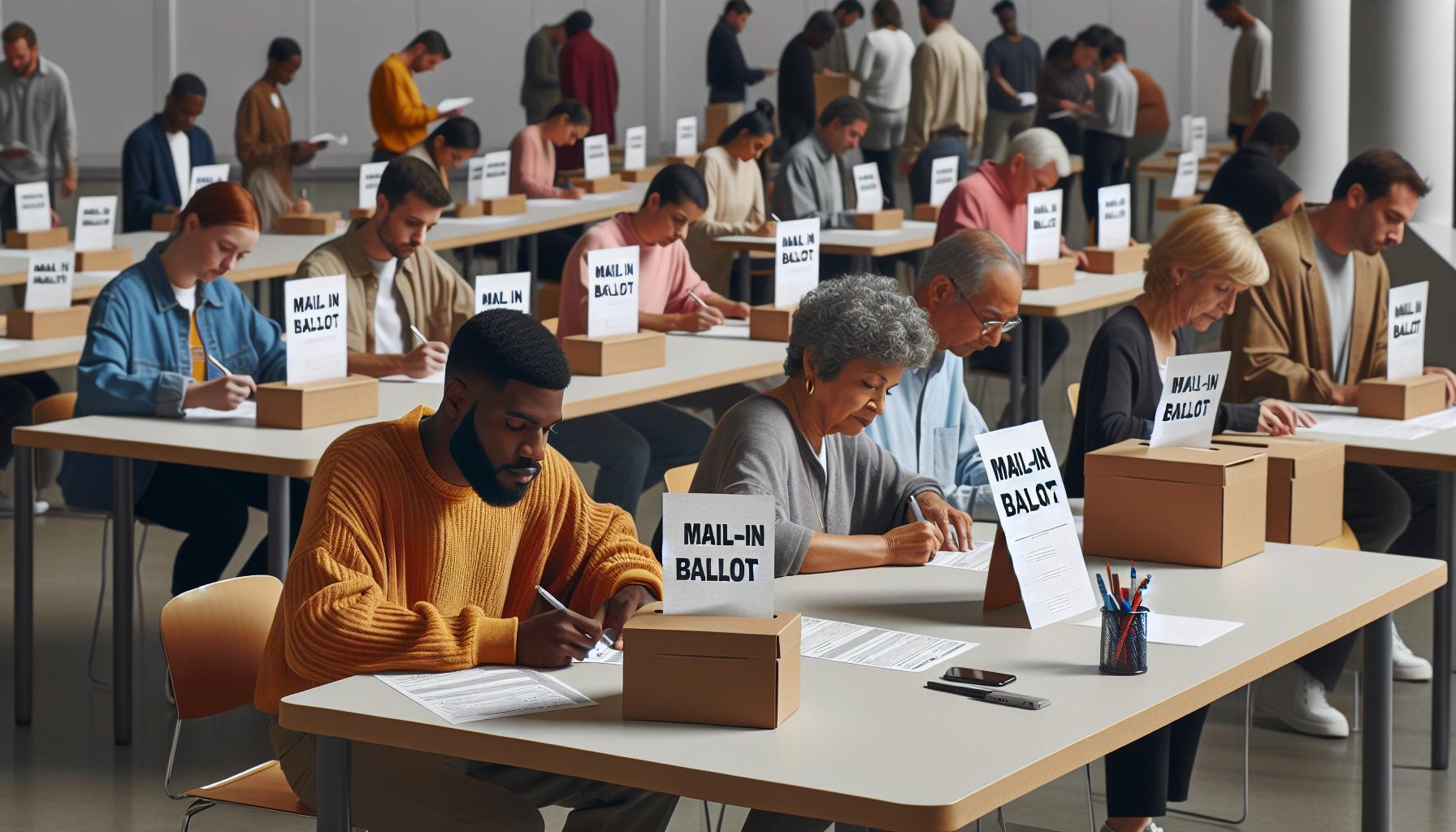
Completing your mail-in ballot with accuracy and care is essential to ensure your vote counts without complications. One surprising fact is that even small mistakes, like forgetting to sign the outer envelope or misplacing the secrecy envelope, can lead to disqualification of your ballot. The process is designed to protect the integrity and confidentiality of your vote, but this means adhering closely to the provided instructions is critical.
When you open your mail-in voting kit, take a moment to read through all the materials thoroughly before starting. The kit typically includes the official ballot, a secrecy envelope, an outer return envelope, and detailed instructions. Make sure to mark your choices clearly and use a pen as specified-usually black or blue ink-to avoid any issues with ballot scanning.Avoid making any stray marks or writing outside of the designated areas,as this can invalidate your vote.
Key Tips for Accurate Ballot Completion
- Use the secrecy envelope: Always place your completed ballot inside the secrecy envelope provided. This step ensures your selections remain confidential and meet the legal requirements.
- Sign the outer envelope: Your signature on the outer envelope acts as a verification of your identity. Missing this step is one of the most common reasons ballots get rejected.
- Double-check your choices: Review your ballot carefully before sealing the envelopes. If your ballot allows selection of multiple candidates or options, verify you have not exceeded the allowable number.
- Keep it neat: Ensure your marks are clear and contained within the voting boxes. ambiguous markings may lead to spoiled ballots.
In some cases, voters erroneously sign the ballot itself or forget to insert their ballot into the secrecy envelope, both of which jeopardize the ballot’s validity. if you make a mistake-and the instructions permit-contact Elections Canada promptly to request a replacement ballot. Additionally, remember that the deadline to return your ballot is strict; late submissions won’t be counted regardless of correctness. Lastly, it’s wise to use tracked mail services or hand-deliver your ballot if possible to safeguard against postal delays or losses.
Taking these steps not only protects your right to have your voice heard but also contributes to the smooth operation of Canada’s mail-in voting system, which balances convenience with rigorous security standards[[[[[3]](https://www.elections.ca/voting-by-mail).
tracking and Submitting Your Mail Ballot Securely
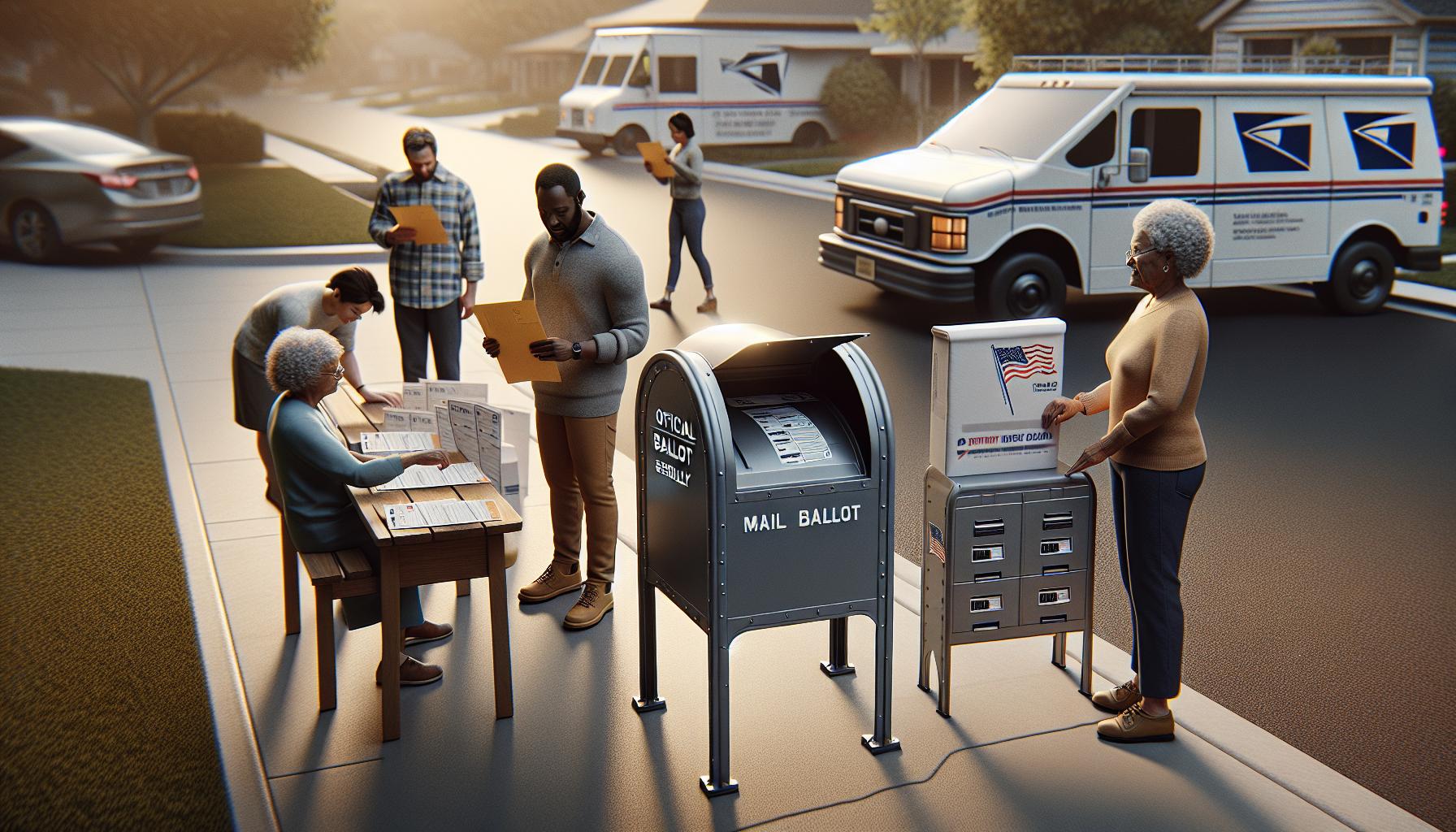
One of the biggest concerns for voters using mail-in ballots is ensuring that their vote reaches election officials safely and on time. Fortunately, Canada’s voting system provides multiple layers of security and options to help track your ballot’s journey from your mailbox back to the election office. Taking advantage of these tracking features not only offers peace of mind but also allows you to act quickly if something goes wrong during transit.After you’ve carefully completed your ballot and sealed it according to the instructions, using a tracked mailing service or hand-delivering your ballot can significantly reduce the risk of loss or delay. Manny provincial and federal election bodies now partner with postal services or couriers that include tracking numbers or barcode scans, allowing voters to monitor when their envelope has been received. While specific tracking platforms differ by region, tools similar to the NYC Ballot Tracker or county-level systems in the U.S. illustrate the growing trend of offering real-time updates for mailed ballots[[1]](https://www.lgbtmap.org/democracy-maps/ballot_tracking_systems)[[[[[2]](https://requestballot.vote.nyc/tracking). In Canada, while not universally available in all provinces, Elections Canada encourages voters to use registered mail or courier services whenever possible. This practice adds openness and offers proof of delivery, which can be invaluable if questions arise later.
Practical Tips for Secure Ballot submission
- confirm your ballot packet is complete: Before sealing your ballot, ensure all required documents-ballot, secrecy envelope, and return envelope-are correctly included and signed.
- Choose a reliable delivery method: Whenever feasible, use registered mail at Canada Post or trusted courier services that provide tracking numbers. This allows you to verify when the election office receives your ballot.
- Keep your tracking information: Retain tracking receipts or confirmation numbers safely until after the election.This proof can be critical if you need to inquire about your ballot’s status.
- Act quickly if any issue arises: If tracking shows delays or your ballot hasn’t arrived close to the deadline, contact your local election office instantly. They can advise whether a replacement ballot can be issued or if alternative voting options are available.
Beyond delivery, some jurisdictions provide online portals where voters can check the status of their mail-in ballot application and even confirm when their completed ballot has been received and accepted.While this infrastructure is still expanding in Canada compared to U.S. states like New York or California, increased adoption of such systems means Canadian voters may soon enjoy more direct ballot tracking services[[[[[3]](https://tiogacountyny.com/how-do-i/elections-voting/mail-ballot-tracker/). Staying informed through official channels enhances your control over the process and ensures your important democratic voice is heard without unneeded stress.
Incorporating secure submission practices alongside vigilant tracking not only protects your vote but also supports the overall integrity of mail-in voting. by being proactive and utilizing available technologies and services, you can participate confidently, knowing you’ve done everything possible to maximize the security and timely arrival of your mailed ballot.
Common Challenges and How to Avoid Mail Voting Mistakes
Voting by mail offers convenient access to the democratic process, but even experienced voters can encounter pitfalls that jeopardize the acceptance of their ballot. Small oversights-such as missing signatures or incorrectly completing forms-are surprisingly common and can lead to rejection, disenfranchising voters despite their best intentions. Understanding these challenges ahead of time empowers you to avoid unnecessary complications and vote confidently.
One frequent issue arises from incomplete or improperly signed declaration forms. Many ballots require the voter’s signature both on the declaration envelope and on a provided affidavit to validate the vote. Missing a signature, using an illegible mark, or signing in the wrong place can all render the ballot invalid. it’s crucial to read all instructions carefully and sign exactly where indicated. If you’re voting on behalf of another eligible voter (such as a caregiver), make sure to follow specific proxy voting rules to prevent disqualification.
Common Mistakes and Simple Remedies
- Incorrect or missing signatures: Double-check that every required signature is present and matches your official records.Consider signing in black or blue ink for clarity.
- Failure to use secrecy envelopes: Many Canadian jurisdictions require you to place your marked ballot inside a secrecy envelope before returning it.Forgetting this step can lead to ballot rejection since it compromises voter anonymity.
- Not completing all ballot requirements: Some ballots include additional forms or declarations that must be returned alongside your marked vote. Skipping these documents can invalidate your ballot.
- Delays in mailing: Waiting until the last minute to mail your ballot can result in it arriving late, which frequently enough means it won’t be counted. Always mail early or hand-deliver if possible to meet deadlines.
- Using incorrect postage or packaging: Using standard mail rather than registered or tracked mail can increase the risk of loss. Also, improperly sealing envelopes may lead to ballots being rejected.
Another subtle but impactful challenge involves misunderstanding eligibility criteria or failing to properly request your mail-in ballot. some voters mistakenly assume they’re automatically registered for mail voting or request ballots after the deadline, both of which lead to confusion or missed opportunities. To avoid this, make your mail-in ballot request well in advance and verify your eligibility according to your province’s or territory’s rules.
Taking proactive steps can dramatically reduce stress and errors during the mail voting process. Keeping a checklist handy and reviewing each instruction line by line helps ensure that nothing is overlooked. If you’re ever unsure, reaching out to your local election office for clarification often resolves questions quickly and prevents invalidation. Remember, casting a ballot by mail is not just about convenience-it requires careful attention to detail to ensure your voice counts.
| Common Mail Voting Challenges | Best Practices to avoid Mistakes |
|---|---|
| Missing or incorrect signatures | Sign all required envelopes clearly and in the designated spaces. |
| Forgetting the secrecy envelope | Always insert your ballot into the secrecy envelope before mailing. |
| Late ballot return | Mail ballots early or hand-deliver them before the deadline. |
| Improper packaging or postage | Use registered mail or trusted courier services with tracking. |
| Missing required forms or declarations | Check all included documents and complete each fully. |
Important Deadlines and Timing for Mail Voting in Canada

Timing is a critical factor when voting by mail in Canada-missing key deadlines can mean your ballot isn’t counted, no matter how diligently you completed it. The process begins well before election day with the application to receive a mail-in ballot, which often has an early cutoff date to allow election officials enough time to prepare and send your voting package. For example, in local by-elections like the 2025 TDSB Ward 11, voters needed to apply by early February to qualify for mail voting, ensuring their completed ballots were received on time for counting [[1]](https://www.toronto.ca/city-government/elections/2025-toronto-district-school-board-by-election/2025-toronto-district-school-board-ward-11-by-election-mail-in-voting/).
Once you’ve submitted your application and received your ballot, the urgency shifts to marking and returning it promptly. The return deadline generally requires mail ballots to be received by election day or, in some jurisdictions, a specified time on election day (often noon or close of polls). This means mailing your completed ballot well ahead of the final day is not just recommended-it’s essential to ensure it arrives on time given potential postal delays. As a rule of thumb, sending your vote by tracked or registered mail can provide peace of mind and confirmation that your ballot is en route[[[[[2]](https://travel.gc.ca/travelling/living-abroad/elections-faq).
Key Deadlines to Remember
- Application Cutoff: Submit your request for a mail-in ballot at least several weeks before election day. This deadline varies between municipalities and provinces, so check your local election office early.
- Ballot Receipt Deadline: Your completed mail ballot must be received by the election authority by the specified time on election day, not just postmarked by then.
- mail Transit Times: Allow ample days for standard mail delivery to and from your location, especially if you are voting from abroad or rural areas.
Understanding these timelines empowers you to plan your voting carefully. If you’re voting from outside Canada,begin the application process early to accommodate international shipping times for both your voting kit and your returned ballot. elections Canada advises starting this process weeks in advance, as delays in transit are common and ballots must physically arrive by election day to be counted[[[[[2]](https://travel.gc.ca/travelling/living-abroad/elections-faq),[[[[[3]](https://www.elections.ca/voting-by-mail).
| Deadline Type | Typical Timing | Tips for Timely Completion |
|---|---|---|
| Mail-In Ballot Application | 3-4 weeks before election day | Apply as soon as possible; mark your calendar |
| Receiving Your Ballot Package | 2-3 weeks before election day | Follow up with election office if it’s delayed |
| Returning Completed Ballot | Must be received by election day deadline | Use tracked or registered mail; send early |
Many voters underestimate the lead time required for mail voting due to postal system variability or last-minute procrastination. By starting early and monitoring your ballot’s progress,you dramatically reduce risk of disenfranchisement.Remember, effective mail voting relies not only on correctly filling out your ballot but also on respecting these indispensable timing requirements to have your voice counted confidently.
Understanding the legal Rights and Privacy Protections for Mail Voters

Voting by mail in Canada is supported by a robust framework designed to protect voters’ legal rights and privacy, ensuring the integrity of the democratic process. When you choose to vote by mail, you can trust that your personal information and ballot are handled with strict confidentiality and in accordance with Canadian election laws, which prioritize both transparency and voter privacy.
One key aspect of these protections is the anonymity of your vote. once your mail-in ballot reaches the election office, it is separated from any identifying information to maintain the secrecy of your choice. This procedure prevents anyone, including election officials, from linking a marked ballot back to the voter who submitted it. Additionally, your personal data-collected during the application to receive a mail ballot-is securely stored and only used for verifying your eligibility and ensuring that each voter casts one ballot per election.
legal Safeguards Supporting Mail Voters
Canadian election law provides safeguards against tampering, coercion, or identity theft related to mail voting.These include:
- Verification processes: Before your mail ballot is counted, election officials verify your identity through the signed outer envelope and application details, ensuring that ballots are genuine and tied to registered electors only.
- Accountability Measures: Strict chain-of-custody rules govern how ballots are transported, stored, and processed to prevent loss, fraud, or mishandling.
- Legal Recourse: If you suspect fraud or misconduct regarding your mail-in vote, you have the right to file a complaint with Elections Canada or your local election authority to investigate the issue thoroughly.
practical Tips for Ensuring Your Vote Remains Secure and Private
Your role as a voter extends beyond completing your ballot carefully; by following some practical safeguarding steps, you can add layers of security to your mail vote:
- Always return your ballot in the pre-addressed, sealed envelope provided. Avoid sharing your ballot with others to minimize risk of tampering.
- Use tracked or registered mail options when returning your ballot to maintain a verifiable paper trail.
- Do not disclose your marked ballot choices publicly or on social media to protect your privacy and avoid unintended influence.
- If delivering your ballot in person to a local Elections Canada office, inquire about secure drop-off procedures to ensure your vote remains confidential and protected.
As mail voting becomes more common across Canada, these protections and responsibilities help maintain public confidence in the system. By understanding your legal rights and following best practices, you can participate in elections securely and confidentially, knowing your voice counts and is protected every step of the way.
How Vote by Mail Differs Across Canadian Provinces and Territories

Voting by mail in Canada is shaped by a blend of federal guidelines and regional variations, reflecting the country’s commitment to accommodating diverse geographies and voter needs. While federal elections follow a consistent system managed by Elections Canada, each province and territory frequently enough implements its own set of rules and administrative practices for provincial or municipal mail voting. This patchwork approach means that the experience of voting by mail can vary significantly depending on where you live, from eligibility and application methods to ballot delivery and submission options.
In some provinces, such as British Columbia and Quebec, voting by mail is widely accessible and supported by well-established procedures that allow voters to apply early, receive their ballots promptly, and return them via secure post or designated drop-off locations. Conversely, territories like Nunavut and Yukon may have additional logistical accommodations due to remote communities and limited postal services, such as extended deadlines or more localized ballot distribution points. Understanding these nuances can help voters avoid last-minute confusion and ensure their mail ballots are accepted without issue.
- Eligibility Differences: While federal mail voting requires Canadian citizenship and being 18 or older on election day, some provinces have slightly different criteria for their mail ballots, including specific residency requirements or provisions for certain groups like seniors and military personnel.
- Application Procedures: Most provinces allow online or paper applications to vote by mail, but the timing and documentation needed can differ. As a notable example, Ontario may require separate forms for municipal versus provincial elections, while Alberta focuses on a streamlined process with electronic submission options.
- Ballot return Options: Provinces such as Manitoba and Nova Scotia provide multiple ballot return channels-mail, in-person drop boxes, and even ballot pickup in rural areas-to overcome geographic challenges and ensure accessibility.
Examples of Regional Variations in Voting by Mail
| Province/Territory | Application Method | Ballot Return Options | Special Notes |
|---|---|---|---|
| British columbia | Online or paper application post-writ | Canada Post, drop-off at Elections BC offices | Mail ballots issued after writ to voters on special list |
| Quebec | mail-in application required; early application encouraged | Registered mail or in-person return | Strict deadlines, especially for remote areas |
| Nunavut | Application via telephone or mail; extended deadlines | Mail or community voting stations | Addresses accessibility in remote northern communities |
| Ontario | Online portal for application in most municipalities | Mail, drop boxes, or in-person submission | Municipalities have discretion in ballot acceptance |
For voters navigating the provincial differences, staying informed about your local electoral office’s procedures is key. Many offices provide detailed guides and FAQs tailored to their specific mail voting protocols. it’s also practical to apply as early as possible and use tracked mail services when returning ballots to ensure timely delivery. Recognizing that logistical realities shape these regional distinctions not only empowers voters but also fosters a smoother and more inclusive voting experience nationwide.
Preparing for election Day When Voting by Mail

Voting by mail offers unparalleled convenience, but it also demands thoughtful preparation to ensure your voice is heard without complications come election day. One of the most critical aspects is not waiting until the last moment to complete and send your ballot. Postal delays can vary across regions, especially in remote areas, so giving yourself ample time to receive, fill out, and return your ballot is paramount. Planning ahead also protects against unforeseen issues, such as losing your kit or needing to request a replacement.
Essential Tips for a Smooth Mail Voting Experience
- Verify Your Ballot Kit Immediately: Once your mail-in voting package arrives, check that it includes all necessary components-a ballot, inner and outer envelopes, and detailed instructions. Missing any part can delay your vote being counted.
- Follow instructions Precisely: Pay close attention to specific protocols like signing the outer envelope or using the correct pens. These details ensure your ballot is valid and your privacy is maintained.
- Use Secure and Trackable Mailing Methods: Where possible, submit your ballot via registered mail or drop it off at a designated Elections Canada office or local electoral office. Many provinces offer multiple drop-off points to accommodate voters’ needs.
- Keep a Personal Record: Note the date you send your ballot and retain any tracking information.this helps ease anxieties about delivery and confirms your vote’s timely arrival.
Managing Unforeseen Circumstances
Sometimes, life throws unexpected challenges between you and the mailbox. If your ballot doesn’t arrive as expected or is misplaced, contact your local Elections Canada office promptly-usually well before the election deadline-to request a replacement. Remember that ballots must reach their destination by election day to be counted, so having contingency plans prepared is a smart move.
Balancing Mail Voting with Election Day Preparedness
Even with your mail-in ballot submitted, it’s wise to stay informed about election day developments. Unexpected changes to deadlines or procedures may occur, especially in regional areas with distinct logistical constraints. Stay connected through official election websites or notifications from your electoral office to receive timely updates.
By integrating these practical steps into your voting routine, voting by mail becomes not just a hassle-free option but a reliable way to participate fully in Canadian democracy-no matter where life takes you.
Learn more from Elections Canada on mail-in voting procedures [[[[[3]]and consider exploring regional guidelines further to tailor your preparation perfectly.
Faq
Q: Can I request a vote-by-mail ballot if I’m temporarily living outside Canada?
A: Yes, you can apply for a special ballot to vote by mail even if you are temporarily outside Canada. Submit an application to Elections Canada requesting your mail-in ballot, ensuring you allow enough time for the ballot kit to arrive and be returned before election day [[[[[2]](https://www.elections.ca/content2.aspx?section=faq&document=faqvbm&lang=e). For more, see the section on applying for a mail-in ballot.
Q: How can I safely submit my completed mail ballot to avoid rejection?
A: To ensure your mail ballot is accepted, place it in the signed outer envelope as instructed and mail it early enough to arrive by election day at the specified elections Canada address. Alternatively, you can drop it off in person at your local Elections Canada office before polls close[[[[[2]](https://www.elections.ca/content2.aspx?section=faq&document=faqvbm&lang=e). Check our guide on secure ballot submission for detailed tips.
Q: What should I do if I don’t receive my special ballot kit on time?
A: If your special ballot voting kit hasn’t arrived by the midpoint of the application period (e.g., the Wednesday before election day), contact your local Elections Canada office immediately. They can provide assistance or alternative options to ensure you can still vote by mail [[[[[2]](https://www.elections.ca/content2.aspx?section=faq&document=faqvbm&lang=e). See the troubleshooting section for more details.
Q: Are there any restrictions on who can drop off a completed mail ballot? Can someone else submit it for me?
A: While you may drop off your ballot personally, you can also authorize someone else to deliver your completed special ballot to an Elections Canada office.Ensure the signed outer envelope and inner ballot envelope are sealed to protect your vote’s privacy and legality [[[[[2]](https://www.elections.ca/content2.aspx?section=faq&document=faqvbm&lang=e). Refer to the article’s privacy protections section for guidance.
Q: How does voting by mail work for Canadian citizens living abroad permanently?
A: Canadian citizens residing permanently outside Canada can still vote by mail by applying for a special ballot through Elections Canada. They must register and submit their completed ballot by election day. This ensures abroad citizens retain full voting rights [[1]](https://www.reddit.com/r/digitalnomad/comments/1jv40bu/for_the_canadians_here_who_are_constantly_moving/). For step-by-step instructions, see our application guide.
Q: Can I track the status of my mail-in ballot after applying in Canada?
A: currently, Elections Canada does not offer direct tracking of mail-in ballots. However, you can confirm receipt by contacting your local Elections Canada office.It’s essential to mail your ballot early or drop it off in person to avoid delays. For tips on timely submission, check the tracking and submitting section.
Q: What happens if my mail ballot arrives after election day?
A: Mail ballots must arrive at Elections Canada by election day to be counted. Ballots received after the deadline are not included in the vote tally, so plan to mail or drop off your ballot early. Learn more about important deadlines and timing in the deadlines section.
Q: Is it possible to vote by mail in provincial elections in Canada, and are the rules the same as federal elections?
A: Provincial vote-by-mail rules vary across provinces and territories, with different eligibility and application processes. While federal mail voting is managed by Elections Canada, check your provincial elections office for exact regulations. See the section on vote-by-mail differences across regions for details.
—
For more detailed guidance and best practices, refer back to the full handbook sections on applying for a mail-in ballot and securely submitting your ballot. Staying informed helps ensure your vote counts every time!
Concluding Remarks
Navigating the process of how to vote by mail in canada has never been clearer-now is the time to ensure your voice counts in upcoming elections by following these simple yet crucial steps. If you’re ready to take action, explore our detailed guides on voter eligibility and upcoming election dates to stay fully informed. For added confidence, review our resources on common mail-in voting questions and troubleshooting tips to eliminate any last-minute concerns.
Don’t miss out on future updates and expert advice-subscribe to our newsletter for timely reminders and new insights into Canada’s electoral process. Whether you want to deepen your understanding of voting options or need help with registration, our comprehensive content is designed to guide you every step of the way.Engage with us by sharing your experiences or questions in the comments below, and return frequently enough for the latest on election news and voting strategies to make your democratic participation seamless and secure.
Get our latest guides, news, and insights highlighted in your Google Search & AI Overviews.