Did you know that in Canada, only Canadian citizens are legally allowed to vote in federal, provincial, and municipal elections? Despite some common misconceptions, illegal immigrants do not have the right to vote, highlighting a clear boundary in the country’s electoral system.Understanding who can participate in elections is vital-not just for ensuring fair democratic processes but also for addressing concerns about election integrity and civic duty. This topic matters whether you’re a voter wanting to safeguard your voice, a new resident curious about your rights, or simply someone seeking clarity amid political debates and misinformation. By exploring the facts behind voting eligibility in Canada, we’ll separate myth from reality, helping you grasp how the system works and why it’s designed that way. Keep reading to discover what the law really says about voting rights and how Canada maintains the balance between inclusion and lawful participation.
Table of Contents
- Understanding Voting Rights in Canada: Who Is Eligible?
- The Legal Definition of Illegal Immigration in Canada
- Common Myths About Illegal Immigrants Voting Explained
- Canadian Election Laws and Voting Restrictions
- The Role of Voter Identification and Verification Processes
- Consequences of Illegal Voting in Canadian Elections
- How Local and Federal Governments Address Voting Fraud
- Public Opinion and political Debates Around Immigrant Voting
- Comparing Voting Rights: Canada vs Other Countries
- Impact of Voting Myths on Immigration Policy and Society
- Q&A
- Q: Can illegal immigrants accidentally end up on Canada’s voter registration lists?
- Q: What measures does Canada use to prevent illegal voting by non-citizens?
- Q: How does Canada’s policy on voting rights for immigrants compare to other countries?
- Q: Why is it a myth that illegal immigrants can vote freely in Canadian elections?
- Q: What should someone do if they suspect illegal voting in their community in Canada?
- Q: How frequently enough does Elections Canada update the voter list to remove ineligible individuals?
- Q: What impact do voting myths about illegal immigrants have on Canadian society?
- Q: Is it possible for permanent residents or legal immigrants to vote in Canadian elections?
- concluding Remarks
Understanding Voting Rights in Canada: Who Is Eligible?
Voting in Canada is a privilege carefully regulated to ensure that only eligible citizens participate in shaping the country’s democratic landscape.Contrary to some misconceptions, voting rights are not extended to everyone residing in Canada, and illegal immigrants, in particular, are not permitted to vote in federal, provincial, or municipal elections. Understanding exactly who qualifies to vote can clear up common misunderstandings and provide insight into Canada’s commitment to fair and lawful electoral processes.
At the federal level, the right to vote is reserved for Canadian citizens who are at least 18 years old on election day. This eligibility criterion applies uniformly across provinces and territories. Legal residency status, such as being a permanent resident or holding a temporary visa, does not grant voting privileges.This means individuals who are in Canada without legal authorization-commonly referred to as illegal immigrants-cannot participate in elections. Additionally, those who have been legally disqualified by court order or incarceration are also barred from voting during those periods.
Basic Eligibility Criteria for Federal Voting
- Canadian Citizenship: Proof of citizenship is mandatory, typically through a Canadian passport, citizenship card, or certificate.
- Age Requirement: must be 18 years old or older on election day.
- Residency: Must reside in Canada, even though they can vote in the electoral district where they last lived if temporarily overseas.
- Registration: Eligible voters must be registered on the voters list, which can be updated or verified before elections.
Understanding these criteria helps clarify widespread questions such as whether permanent residents or undocumented immigrants can vote-they cannot. Moreover, Canada’s electoral framework is designed to ensure voter registration and identification processes guard against illegal voting while facilitating access for all eligible voters, including Indigenous peoples, who historically faced barriers but now have clear voting rights [1].
In practice, elections Canada provides numerous services to support eligible voters irrespective of their circumstances-such as advance polls, mobile polling stations for remote communities, and special ballots for canadians abroad [3]. These accommodations underscore Canada’s commitment to inclusive democracy within legal boundaries, further emphasizing that voting rights are a privilege linked firmly to citizenship, not mere presence.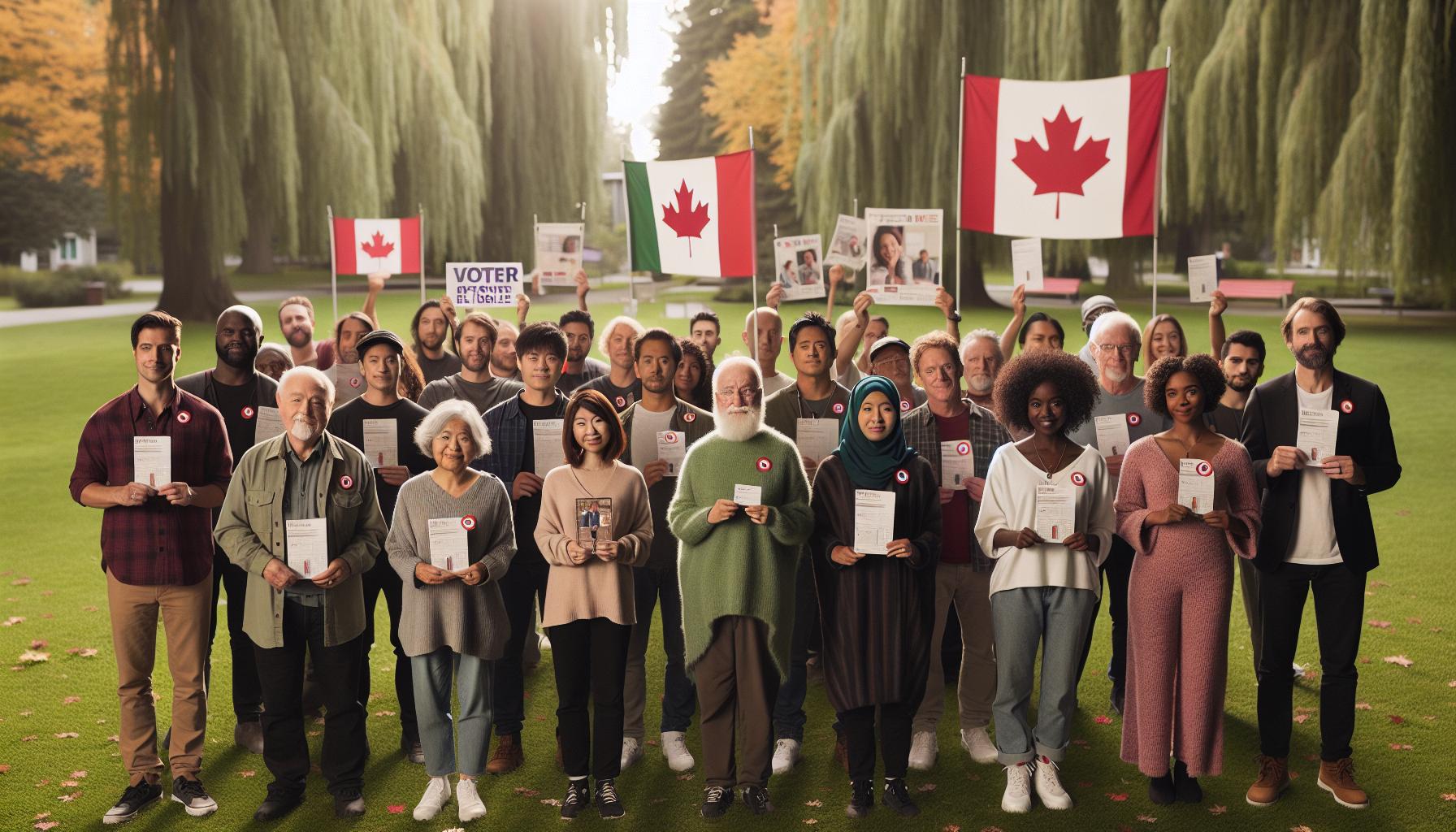
The Legal Definition of Illegal Immigration in Canada
Illegal immigration in Canada is defined by the absence of lawful authorization to reside in the country. This lack of legal status means individuals are present without a valid visa, permit, or permanent resident status, putting them outside the formal regulatory framework established by Canadian immigration laws. Understanding this legal context is essential for clarifying why voting rights are tied strictly to citizenship and legal residency, and why those without lawful status-sometimes referred to as “illegal immigrants”-cannot participate in Canadian elections.
Canada’s Immigration and Refugee Protection Act (IRPA) outlines the criteria for legal entry and stay. when a person does not fulfill these requirements, such as overstaying a temporary visa or entering without inspection, they fall under the category of unauthorized or irregular migrants. Although the country provides pathways for refugees and individuals seeking asylum, those who remain without formal recognition are considered to be in violation of immigration laws. This classification has direct implications on their civic rights, including the inability to register to vote or stand as candidates in elections.
Key Characteristics of Illegal Immigration Status
- Absence of valid documentation: No legal visa, work permit, or permanent resident card.
- Unauthorized presence: Overstayed visas or illegal border crossings not regularized by immigration authorities.
- Restricted access to public services: Limited or no access to healthcare, social benefits, or formal employment rights.
illegal immigrants live with significant legal vulnerabilities, including the threat of deportation and limited access to provincial or federal protections. As voting in Canada is protected under federal law exclusively for citizens,the system inherently excludes anyone lacking legal immigration status. This separation serves to both safeguard election integrity and uphold the principle that voting is a right earned through full participation in the nation’s legal and civic framework.
Practical advice for those unfamiliar with this topic includes recognizing that unauthorized residents should first focus on regularizing their immigration status through official channels if eligible. Organizations such as Legal Aid clinics and settlement agencies offer support and information on pathways to citizenship, which is a prerequisite for gaining voting rights. Additionally, recognizing the distinction between illegal immigration and permanent residency or refugee status helps dispel common misconceptions about participation in elections.
By understanding the formal definition and consequences of illegal immigration,readers can better appreciate Canada’s legal limitations on voting rights and engage more thoughtfully in discussions about immigration and democratic participation.
Common Myths About Illegal Immigrants Voting Explained
It’s a common misconception that illegal immigrants in Canada have the right to vote in federal, provincial, or municipal elections. This belief frequently enough stems from misinformation or confusing incidents, such as when election authorities mistakenly send voter cards to non-citizens. In reality, Canadian election laws are clear: only Canadian citizens aged 18 and over have the legal right to vote. Non-citizens, including those who are undocumented or without lawful status, cannot participate in voting. This strict eligibility criterion helps maintain the integrity of elections and ensures that those influencing Canadian democratic processes are fully entitled members of society.
Occasional administrative errors can fuel myths. Such as, there have been instances where voter cards were mailed to individuals who are not Canadian citizens-sometimes non-citizens residing abroad or in Canada without citizenship status-but these errors do not indicate legal voting rights for these individuals. Election officials quickly rectify such mistakes and emphasize that casting a ballot without proper eligibility can carry legal consequences[[[1]](https://www.facebook.com/ElectionsCanE/posts/it-is-not-illegal-for-non-citizens-to-be-on-the-voters-list-in-error-but-it-is-i/4114461585343465/), [[2]](https://www.cbc.ca/news/canada/calgary/voter-card-non-canadian-citizen-1.5314019).
Why These Myths Persist
- Confusion over permanent residents vs. citizens: Permanent residents do live in Canada legally but do not have voting rights,which can be misunderstood as them having similar privileges to citizens.
- Misinterpretation of local election rules: Some municipalities globally allow non-citizens to vote in local elections, which leads to false assumptions about Canadian policy, where citizenship is uniformly required.
- Error-driven misinformation: Instances of voter registration mistakes or cases involving individuals who unlawfully attempt to vote can be sensationalized,amplifying false narratives.
For those seeking clarity or concerned about their eligibility, the practical advice is straightforward: confirm citizenship status before attempting to register or vote.Canadian voters must provide valid identification confirming citizenship during registration and on election day,making unauthorized voting difficult. If an immigrant is keen on political participation, the recommended step is to pursue citizenship through lawful channels.Organizations like settlement agencies and legal aid provide valuable resources to help navigate this process.
Understanding these distinctions and the legal framework dispels fears and misconceptions, ensuring that public discourse is based on facts. Rather than succumbing to myths, informed discussions empower communities to respect electoral integrity and recognise the significance of citizenship in democratic participation.
Canadian Election Laws and Voting Restrictions
Canadian election laws are designed with clear boundaries to safeguard the integrity and fairness of voting processes, making it explicitly unlawful for non-citizens, including undocumented or illegal immigrants, to vote in federal, provincial, or municipal elections. This strict eligibility rule centers on citizenship status,requiring voters to be Canadian citizens who have reached the age of majority,typically 18 years or older. this legal framework ensures that those who participate in shaping public policy and governance carry the responsibilities and privileges that come with formal membership in Canadian society.
Beyond citizenship and age requirements, the Canada Elections Act outlines specific voting restrictions to prevent any form of undue influence or intimidation. Employers, as an example, are legally obligated to allow employees at least three consecutive hours during voting hours to cast their ballots without interference. Violations of this provision can lead to significant fines or imprisonment, underscoring Canada’s commitment to protecting voters’ rights and preventing coercion in the democratic process[[[3]](https://www.dlapiper.com/en/insights/publications/2025/03/employee-voting-rights-and-employer-duties-canada). Moreover, election officials employ thorough voter identification and verification procedures, demanding proof of identity and address to confirm eligibility at the polls, which effectively blocks unauthorized voting attempts.
How Administrative Errors Amplify Misunderstandings
Despite stringent laws, occasional administrative errors, such as voter cards being mistakenly mailed to non-citizens or individuals without lawful status, may give rise to confusion and myths about illegal immigrants’ voting rights.It is important to note that these errors do not translate into legal voting rights. Election authorities vigilantly correct such mistakes to uphold the sanctity of the electoral process and consistently communicate that voting without eligibility is an offense subject to penalties[[[1]](https://www.justice.gc.ca/eng/csj-sjc/rfc-dlc/ccrf-ccdl/check/art3.html).
Practical Tips for voters and Immigrants
For individuals navigating their voting rights or immigrant status, a few practical steps can help ensure compliance and avoid inadvertent violations:
- Confirm Citizenship: Before registering to vote, verify your citizenship status. Only Canadian citizens can legally vote in elections.
- Understand Voter ID Requirements: Bring acceptable identification that proves your identity and address on election day to avoid being turned away.
- Seek Citizenship Pathways: For permanent residents or immigrants interested in political participation, pursuing Canadian citizenship is the lawful route to obtain voting rights.
- Avoid Misinformation: Rely on trusted sources such as Elections canada or legal aid organizations for accurate information about eligibility and voting procedures.
By acknowledging the legal restrictions and understanding administrative realities, voters and immigrants alike can contribute to preserving Canadian democracy’s integrity while pursuing their civic aspirations with confidence.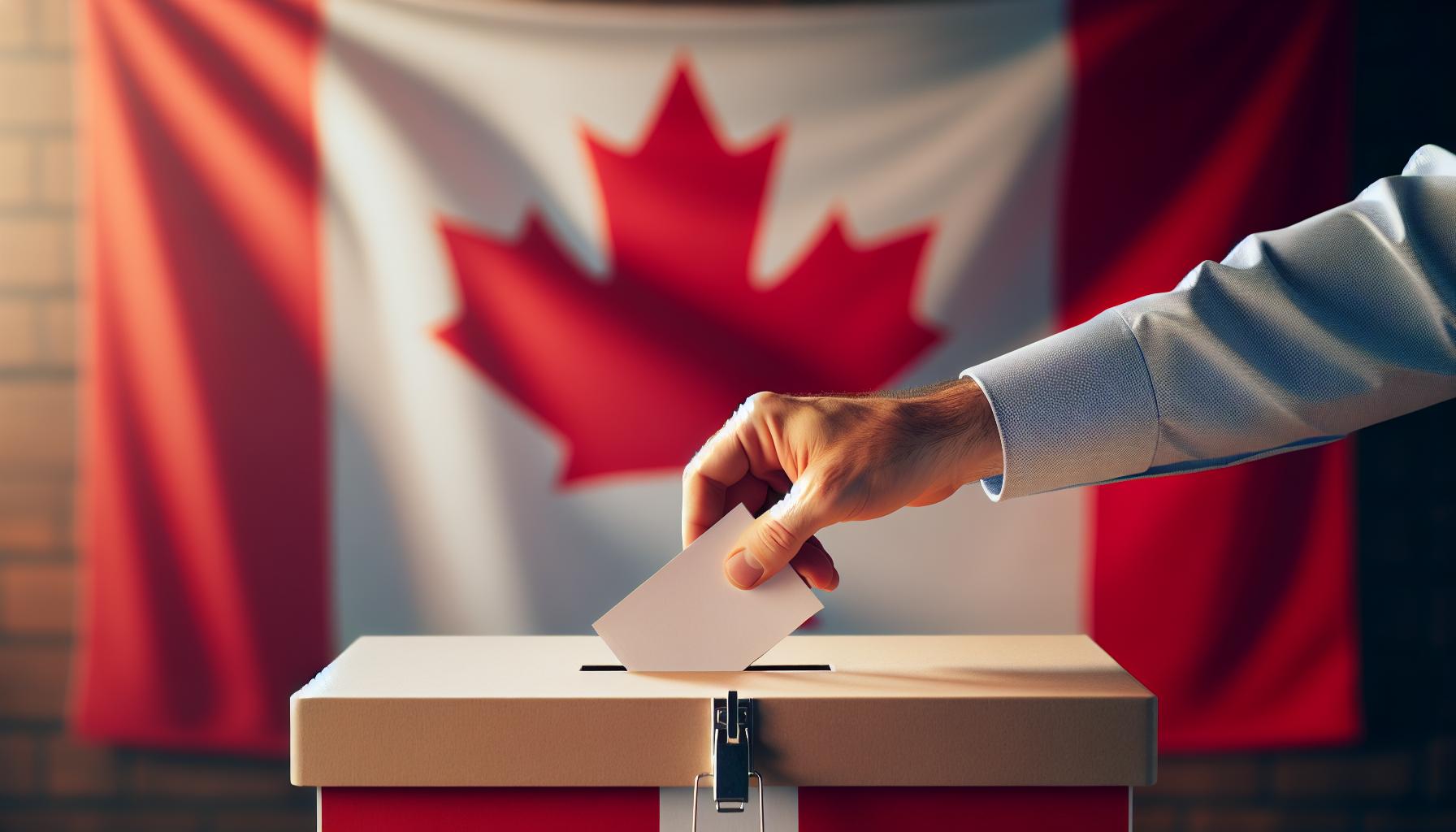
The Role of Voter Identification and Verification Processes
Voter identification and verification are foundational pillars in preserving the integrity of Canadian elections, especially in dispelling myths about illegal immigrants casting votes. While the notion that undocumented individuals can effortlessly participate in elections circulates frequently,the reality is that strict identification requirements act as robust barriers to unauthorized voting. At polling stations, presenting valid proof of identity and residential address is not optional but mandatory, serving as a crucial checkpoint to confirm an individual’s eligibility as a Canadian citizen prior to casting a ballot.
Canadian election authorities accept a variety of government-issued documents as valid identification, but these must meet specific criteria – containing both the voter’s name and current residential address. Examples typically include driver’s licenses, provincial health cards, or official government correspondence. In some provinces,if a voter does not have such ID,other voters who are registered in the same polling division may vouch for their address by filling out authorized forms. This system not only reinforces accountability but also extends voting access to legitimate voters who may have misplaced their ID,while simultaneously closing loopholes that could be exploited for fraudulent voting attempts[[[1]](https://www.elections.on.ca/en/voting-in-ontario/id-to-vote-in-provincial-elections.html),[[2]](https://www.electionscalgary.ca/for-voters/identification-requirements.html).
How Identification Rules Protect Election Integrity
The rigorous verification process goes beyond mere formality: it underpins the legal framework prohibiting non-citizens-illegal immigrants included-from voting. During registration and on election day, poll workers are trained to carefully scrutinize identification documents to ensure compliance. This level of diligence helps prevent cases where individuals who lack lawful status or citizenship rights attempt to participate unlawfully. Additionally, voters must be registered at their current address, which adds another layer of verification based on residency criteria. Administrative safeguards and cross-checks by electoral bodies further reduce the risk of errors or misuse,demonstrating why false claims of illegal immigrant voting do not reflect the operational reality of Canada’s elections[[[1]](https://www.elections.on.ca/en/voting-in-ontario/id-to-vote-in-provincial-elections.html).
Practical Tips for Ensuring Smooth Verification
- Bring valid ID: Voters should always carry acceptable government-issued identification that clearly shows their name and current address.
- Understand Local Rules: Since ID requirements can vary slightly by province or municipality, consulting local election websites well before the voting day can prevent surprises.
- Prepare for Vouching: If you lack the standard ID, arrange for someone eligible to vouch for your residency, and understand the required process and forms beforehand.
- Keep Your Voter Information Current: Ensure your address and personal details are correct in the voter registry to avoid additional verification steps.
By consistently upholding these identification and verification procedures, Canadian elections maintain a obvious, fair, and lawful voting habitat. This system not only reassures eligible voters of the sanctity of their ballot but also firmly rebuffs the misconception that illegal immigrants can participate in shaping public policy through voting.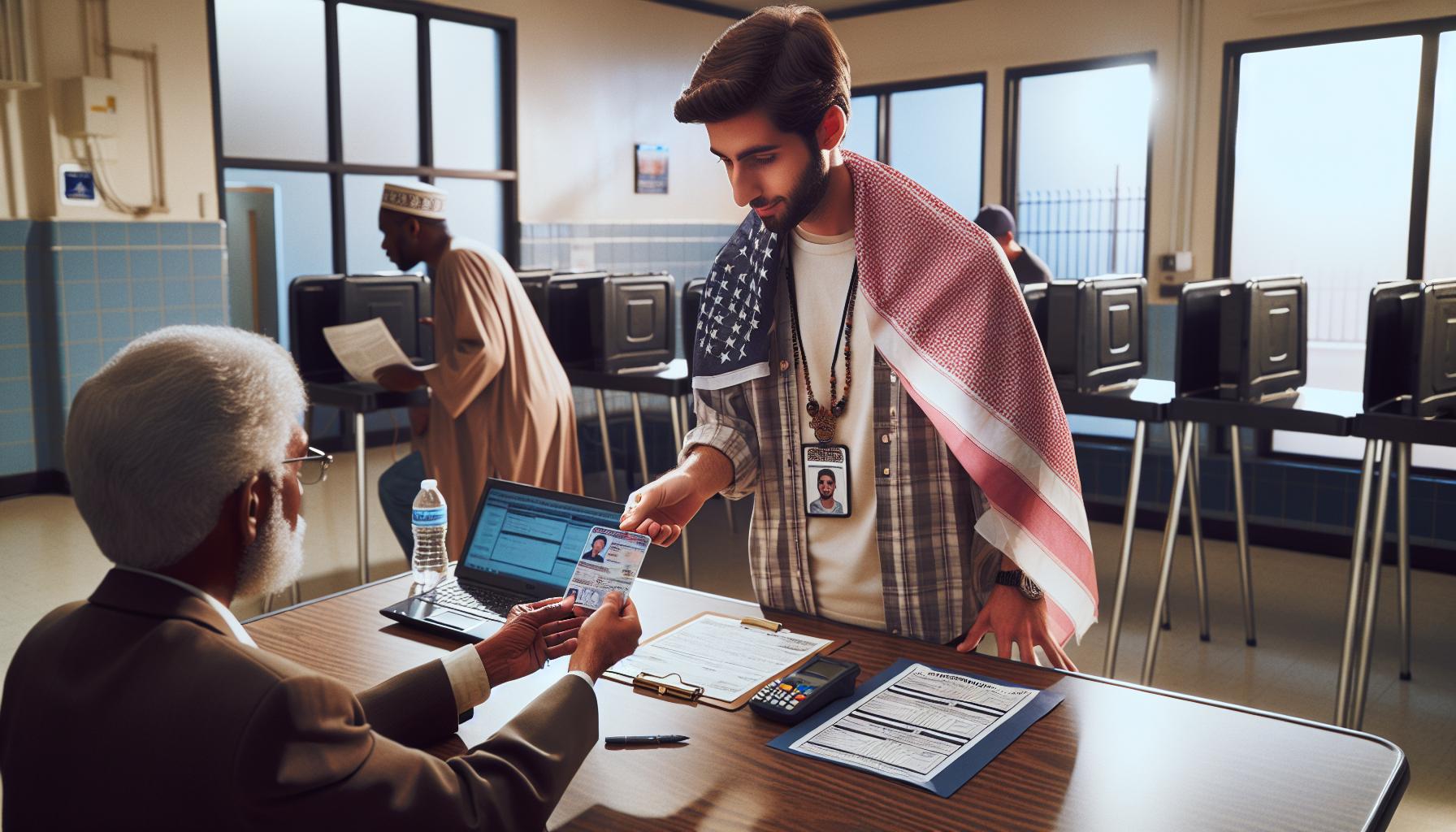
Consequences of Illegal Voting in Canadian Elections
Casting a vote is not just a right but a civic duty bound by law, and participating in elections without eligibility carries significant consequences that affect both individuals and the democratic process. In Canada, illegal voting-such as by individuals who are not Canadian citizens including undocumented immigrants-is a serious offense that undermines the basic principles of fair portrayal and trust in electoral outcomes. beyond the legal ramifications faced by offenders,even isolated incidents of illegal voting can erode public confidence,fostering widespread skepticism about election security and fairness.
The legal framework surrounding illegal voting is clear and stringent. Offenders may be prosecuted, facing penalties such as fines or imprisonment depending on the severity and nature of the offense.These measures serve as strong deterrents to prevent fraudulent participation. Moreover, the consequences often extend beyond criminal charges; individuals found guilty may experience lasting impacts on immigration status or future applications for legal residency or citizenship. This underscores how seriously Canadian authorities treat the integrity of the electoral system and its intersection with immigration law.
The Broader Impact on Democracy
Illegal voting, even in small numbers, risks distorting election outcomes and weakening voters’ trust. When the public suspects that ineligible individuals can cast ballots, it can fuel divisive narratives and misinformation campaigns that distract from real policy debates. Maintaining strict eligibility enforcement assures citizens that their votes count fairly and that election results genuinely reflect the democratic will.
What You Can Do to Help Preserve Election Integrity
- Know the rules: only Canadian citizens have the legal right to vote in federal, provincial, and municipal elections. Staying informed helps avoid unintentional violations.
- Report Suspected Fraud: If you witness or suspect illegal voting activity, contacting local election officials or law enforcement helps uphold accountability.
- Support Civic Education: Encourage accurate information dissemination about voting rights and requirements within your community to dispel myths and reduce confusion.
By understanding the seriousness of illegal voting consequences in Canada, readers can appreciate how strong safeguards and community vigilance work together to protect democracy. The reality remains that strict laws, comprehensive verification processes, and active public engagement create a robust system where unlawful voting is both rare and prosecutable, reinforcing why claims that illegal immigrants routinely vote are unfounded.
How Local and Federal Governments Address Voting Fraud
Illegal voting is an issue that Canadian authorities take seriously, but the occurrence of such incidents is exceptionally rare thanks to rigorous measures in place across both local and federal levels. Canada’s election system balances accessibility with security by implementing multi-layered strategies designed to prevent unauthorized voting, notably by non-citizens. These safeguards ensure elections are fair and trustworthy, addressing concerns that illegal immigrants might cast ballots.
The administration of elections in Canada is overseen by Elections Canada at the federal level, with provincial and municipal election bodies managing their respective jurisdictions. These organizations collaborate closely to maintain voter roll integrity and enforce eligibility rules.One effective tool is the rigorous voter identification and verification process that requires voters to provide valid proof of citizenship and residency before casting their ballots. This step filters out ineligible participants early on and greatly reduces the risk of fraud.Additionally,regular audits and cross-checks of voter registries help identify duplicates or suspicious entries,maintaining clean and accurate voter lists.
Local and federal governments also emphasize the importance of public reporting and swift investigation when suspicious activity is detected.If citizens or election officials notice irregularities, they can report these to election authorities or law enforcement, who then act decisively to investigate and prosecute offenders if necessary. The legal consequences for illegal voting are stringent and serve not only as punishment but as important deterrents.
Proactive Community Education and Clarity
canadian governments understand that dispelling myths around illegal immigrant voting is fundamental to preserving public trust. To this end, they invest in civic education campaigns that clarify who is eligible to vote and how the system combats fraudulent participation. These efforts often include partnerships with community groups and media to provide accurate information that counters misinformation commonly spread on social platforms. By keeping voters well-informed, election bodies reduce misunderstandings and promote an election culture rooted in transparency and fairness.
- ongoing Training for Election Workers: Officials are trained extensively to recognize and address potential fraud cases effectively without discouraging legitimate voters.
- Robust Legal Framework: Clear policies and criminal codes define illegal voting and its penalties, ensuring consistent enforcement.
- Technological Innovation: Use of secure databases and advanced verification software enhances accuracy in voter registration processes.
By combining strict verification protocols, community engagement, and transparent enforcement, Canadian governments create a resilient electoral environment that upholds democracy and reassures citizens. The reality reflected by these efforts is that illegal immigrant voting is not tolerated and is actively prevented through multi-faceted, democratic safeguards supported by law and civic participation[2].
Public Opinion and political Debates Around Immigrant Voting
canada’s political landscape reflects an ongoing evolution in how immigrant voting is perceived, intertwining facts with widespread public misconceptions. despite stringent voter identification laws and clear eligibility requirements that exclude those without citizenship from voting,debates continue to swirl around the issue,frequently enough fueled by misinformation. This disconnect between myth and reality prompts important conversations about democratic integrity, immigrant integration, and trust in the electoral system.
Many Canadians might potentially be surprised to learn that illegal immigrants simply cannot vote in federal or provincial elections-a fact supported by rigorous verification processes. Yet, public opinion polls and media discussions occasionally reveal persistent anxieties about alleged illegal voting, sometimes tied to broader fears about immigration policy or cultural change. These concerns become political touchstones,with different parties navigating immigrant voting issues differently. For instance, immigrant communities have historically shown strong support for parties such as the Liberals, who have emphasized inclusion and multiculturalism. However, recent data indicates shifts in some immigrant-heavy regions toward conservative parties, underscoring a more nuanced political alignment than stereotypes suggest[[[1]](https://schoolofcities.github.io/gta-immigration/political-shifts).
Addressing Misinformation through Education and Engagement
To help dispel common myths, election authorities and community groups are increasingly focused on providing transparent information about who can and cannot vote. They emphasize that voting eligibility in Canada is strictly reserved for citizens, reinforced by mandatory ID checks and verification protocols established by Elections Canada and provincial bodies. New Canadian electors-those who recently obtained citizenship-often receive tailored support to navigate the voting process confidently, reinforcing this knowledge and ensuring their prosperous participation[[2]](https://www.elections.ca/content.aspx?section=res&dir=rec/part/eth&document=index⟨=e).
- Community Outreach Programs: Targeted initiatives work closely with immigrant communities to clarify voting rights and encourage lawful participation.
- Public Messaging Campaigns: Addressing myths head-on by sharing factual resources via social media and public forums helps reduce fear and suspicion.
- Political Accountability: Parties are urged to discourage rhetoric that may exploit misunderstandings for electoral gain, promoting a more fact-based dialog.
Political Implications and Social Cohesion
The political debates surrounding immigrant voting often intersect with broader discussions on immigration policy and societal inclusion. while some portray immigrant voting as a threat to electoral fairness, extensive evidence demonstrates that the Canadian system’s multiple safeguards maintain election integrity effectively. Immigrant voters are an essential and vibrant part of the electorate, their votes reflecting diverse priorities and contributing to the democratic fabric.
As politics evolves, continued efforts to ground debates in verified facts-rather than myths-will enhance trust and social cohesion. For Canadians wondering about the intersection of immigration status and electoral rights, understanding the facts about voter eligibility and protections can demystify the process and reduce polarization. Ultimately,fostering informed public opinion supports both electoral justice and the peaceful integration of immigrants into Canadian civic life.
Comparing Voting Rights: Canada vs Other Countries
Voting rights for immigrants vary considerably across the globe, reflecting a wide spectrum of legal and cultural approaches to inclusion and citizenship. Canada’s strict limitation of voting eligibility to citizens starkly contrasts with some other nations that have adopted more expansive enfranchisement policies, often sparking debates about democratic representation and integration. Understanding these differences offers valuable context and dispels unfounded fears that illegal immigrants might influence Canadian elections-a claim inconsistent with current laws and enforcement practices.
Many countries allow non-citizens limited voting rights in local or municipal elections, recognizing the role of residents in shaping community-level decisions. For example, in countries such as New Zealand and some Nordic states, permanent residents may vote in local elections but are barred from federal contests. This contrasts with Canada’s legal framework, where all federal and provincial elections restrict voting solely to Canadian citizens, and strict verification protocols ensure compliance[[[3]](https://www.cbc.ca/news/politics/elections-canada-analysis-non-citizen-voting-2019-federal-election-1.5756434). This approach highlights canada’s emphasis on aligning electoral participation with formal citizenship, reinforcing the principle that voting is both a right and responsibility tied to full membership in the Canadian polity.
How Other Democracies handle immigrant Voting
| Country | Voting Eligibility for Non-Citizens | Scope |
|---|---|---|
| Canada | citizens only | Federal, provincial, municipal elections |
| United states | Citizens only (few exceptions) | Federal and most state elections; some local elections allow non-citizen voting |
| New Zealand | Permanent residents allowed | Local elections only |
| Sweden | EU citizens and permanent residents allowed | Local and regional elections |
In the United States, despite widespread misconceptions, non-citizens are prohibited from voting in federal and most state elections. A few local jurisdictions, such as San Francisco, have experimented with limited voting rights for non-citizens in school board elections, but these remain exceptions rather than the rule[[2]](https://americanaffairsjournal.org/2021/02/a-tale-of-two-immigration-systems-canada-and-the-united-states/). Canada parallels this restrictive stance, further bolstered by robust enforcement and verification measures that make illegal voting by immigrants extraordinarily rare. Officials regularly investigate and address allegations of non-citizen voting to maintain election integrity, underscoring that such incidents are not systemic but isolated anomalies[[[3]](https://www.cbc.ca/news/politics/elections-canada-analysis-non-citizen-voting-2019-federal-election-1.5756434).
Practical Implications for Canadian Residents and Immigrants
For immigrants living in Canada, understanding the distinction between residency status and citizenship is crucial. Though permanent residents contribute to Canadian society in myriad ways, including paying taxes and participating in civic life, they cannot vote until they become citizens. Those navigating the path to citizenship can benefit from:
- Engaging with community programs: Many immigrant support organizations provide workshops explaining voting rights and the naturalization process.
- Preparing for citizenship tests: Knowledge about Canada’s democratic institutions is often part of the citizenship requirements, reinforcing the connection between citizenship and voting privilege.
- Seeking reliable information: Election authorities provide clear, updated guidelines to help new Canadian citizens participate confidently once eligible.
By recognizing how Canada’s voting framework fits within a broader international context, individuals can more effectively separate fact from myth. This not only empowers lawful participation but also supports social cohesion by reducing fears fueled by misinformation about immigrant voters. Ultimately, Canada’s model demonstrates a clear commitment to electoral fairness, combining stringent controls with inclusive policies for new citizens-a balance other nations carefully consider in their democratic designs[[[1]](https://www.migrationpolicy.org/article/immigrant-emigrant-voting-rights).
Impact of Voting Myths on Immigration Policy and Society
Misinformation about who can vote has a powerful ripple affect on public attitudes and policy decisions, particularly regarding immigration. The false belief that illegal immigrants have the right to vote in canadian elections not only distorts public understanding of the law but can also fuel divisive political debates and influence immigration policies in unproductive ways. These myths may lead some to view immigration through a lens of skepticism or mistrust, creating an environment where fact-based dialogue is overshadowed by fear and misinformation.
In reality, Canadian election laws are clear and heavily enforced: only Canadian citizens may vote in federal, provincial, and municipal elections. Claims of illegal immigrant voting are exceedingly rare and typically investigated thoroughly when raised. Electoral authorities have implemented robust voter identification and verification systems to maintain the integrity of elections and build public trust[[[3]](https://www.ctvnews.ca/federal-election-2025/article/misleading-fraud-claims-threaten-trust-in-canadas-election). Yet, despite these safeguards, unfounded rumors continue to circulate in social and political discourse, often amplified by misinformation campaigns. Recognizing this, Elections Canada has even launched tools aimed at combating disinformation and educating voters on the realities of the electoral process[[[1]](https://www.cbc.ca/news/politics/elections-canada-electofacts-disinformaton-1.7081902).
How Myths Shape Public Policy and Social Perceptions
The impact of these myths extends beyond election day. Politicians and policymakers may feel pressured to propose stricter immigration controls or more rigorous voter ID laws in response to public concerns rooted in inaccuracies. While measures to secure elections are appropriate and necessary, policies driven by misconceptions risk marginalizing immigrant communities and complicating their integration into Canadian society. This can hinder social cohesion and distract from addressing genuine challenges such as access to services, economic inclusion, and fair treatment under the law.
- Community outreach and education: Providing immigrants and the broader public with clear, accessible information helps dispel myths and promotes informed participation in civic life.
- Media literacy programs: Encouraging critical engagement with sources of information reduces susceptibility to disinformation campaigns.
- Transparent enforcement: Highlighting how election officials detect and address irregularities reassures the public that voting remains a protected and lawful right reserved for eligible canadians.
By fostering a more informed electorate and dispelling misleading narratives, Canada can ensure that conversations about immigration and voting rights remain grounded actually, thereby supporting policies that balance fairness, security, and inclusivity. This approach ultimately strengthens democracy by reducing mistrust and promoting unity among all residents, irrespective of their origin.
Q&A
Q: Can illegal immigrants accidentally end up on Canada’s voter registration lists?
A: Yes, it is possible for illegal immigrants to be mistakenly included on voter registration lists, but they are not legally allowed to vote. Election authorities continuously update and verify voter rolls to prevent such errors. For more on voter verification, see the section on *The Role of Voter Identification and Verification Processes* in the main article.[1]
Q: What measures does Canada use to prevent illegal voting by non-citizens?
A: Canada uses stringent identity checks and cross-references immigration status during the voter registration process. Only Canadian citizens can vote in federal elections, and efforts to catch and penalize illegal voting are robust, as detailed under *Canadian election Laws and Voting Restrictions* in the article.
Q: How does Canada’s policy on voting rights for immigrants compare to other countries?
A: Unlike some commonwealth countries that allow non-citizen immigrants to vote under certain conditions, Canada strictly limits voting rights to citizens only. This approach aligns with many North american and European countries that maintain strong controls over immigrant voting rights.[3]
Q: Why is it a myth that illegal immigrants can vote freely in Canadian elections?
A: It is a myth because Canadian law explicitly restricts voting rights to citizens. illegal immigrants lack the legal status to register or cast ballots, and voting illegally carries serious penalties, explained in *Consequences of Illegal Voting in Canadian Elections*.
Q: What should someone do if they suspect illegal voting in their community in Canada?
A: Citizens should report suspected illegal voting to Elections Canada or local election officers. authorities investigate and address voting fraud to maintain election integrity, as outlined in the *How Local and Federal Governments Address Voting Fraud* section.
Q: How frequently enough does Elections Canada update the voter list to remove ineligible individuals?
A: Elections Canada updates voter lists continuously using information from Immigration, Refugees and Citizenship Canada, ensuring ineligible individuals, including illegal immigrants, are removed before elections to safeguard voting rights.[1]
Q: What impact do voting myths about illegal immigrants have on Canadian society?
A: Voting myths foster misinformation, heighten public distrust, and can influence immigration policy debates negatively. Understanding the facts helps promote fair discourse, a topic explored in *Impact of voting Myths on Immigration Policy and Society* in the main article.
Q: Is it possible for permanent residents or legal immigrants to vote in Canadian elections?
A: No, only Canadian citizens have the right to vote in federal elections. Permanent residents and other legal immigrants must become citizens before participating in voting. See the *Understanding Voting Rights in Canada: Who Is Eligible?* section for detailed eligibility criteria.—
Explore these FAQs to deepen your understanding and visit the main article for comprehensive insights on voting laws and immigrant rights in Canada.
concluding Remarks
Understanding the realities behind whether Canada allows illegal immigrants to vote is crucial for informed discussions about citizenship and voting rights. While myths often cloud this topic, it’s clear that voting privileges in Canada are reserved for eligible citizens, underscoring the importance of accurate information when navigating immigration and electoral processes. If you’re curious about related topics, explore our detailed guide on Canadian citizenship requirements or learn about the legal pathways to permanent residency.
to stay updated on immigration laws and voting regulations, consider signing up for our newsletter, where we share expert insights and timely resources. Don’t hesitate to reach out through our consultation services if you have specific questions regarding immigration status or eligibility. Join the conversation by leaving your thoughts below-your experiences and questions help build a more informed community. For further exploration, check out our articles on Canadian electoral laws and immigrant rights to deepen your understanding and stay empowered.
Get our latest guides, news, and insights highlighted in your Google Search & AI Overviews.