Did you know that in Canada, the right to vote is exclusively reserved for Canadian citizens? If you’re an immigrant wondering whether you can cast your ballot, you’re not alone. Understanding who is eligible to vote is crucial because it directly affects your ability to participate in shaping the future of your community and country. While permanent residents and temporary visa holders contribute significantly to Canada’s diverse fabric, voting remains a privilege granted only to citizens.This guide will walk you through the step-by-step eligibility requirements, clarifying common questions and helping you navigate your voting rights with confidence. Whether you’re a recent immigrant considering your next steps or simply curious about the democratic process, this information will empower you to engage fully once you become eligible. Keep reading to discover exactly what you need to know to have your voice heard in Canadian elections.
Table of Contents
- Who Is Eligible to Vote as an Immigrant in Canada
- Step-by-step Guide to Registering to Vote in Canada
- Understanding Permanent Residency and Voting Rights
- How Canadian Citizenship Affects Voting eligibility
- Common barriers Immigrants Face When Voting
- the Role of provincial and Municipal Voting Rules
- Important Documents Needed to Vote in Canada
- Deadlines and Key Dates Every Immigrant Voter Should Know
- How to Update Your Voter Registration After Moving
- What Immigrants Should Know About Advance and Mail-in Voting
- Impact of Newcomer Status on Federal and Provincial Elections
- Resources and Support for Immigrant Voters in canada
- Faq
- Q: Can immigrants vote in Canadian municipal elections before becoming citizens?
- Q: How soon after obtaining Canadian citizenship can immigrants vote federally?
- Q: What are the consequences if an immigrant votes before becoming a Canadian citizen?
- Q: How do temporary residents or international students participate in Canadian elections?
- Q: Why can’t permanent residents vote in Canadian federal elections?
- Q: Where can immigrants find official resources to better understand voting eligibility in Canada?
- Q: How does dual citizenship affect an immigrant’s voting rights in Canada?
- Q: What steps should new citizens take if they miss voter registration deadlines?
- In Retrospect
Who Is Eligible to Vote as an Immigrant in Canada
Many newcomers to Canada are eager to participate in the democratic process but often wonder exactly when thay become eligible to vote. The truth is that voting rights in Canada are closely tied to citizenship status rather than simply residency. While permanent residents enjoy many rights and protections, the right to cast a ballot in federal, provincial, or municipal elections is reserved primarily for Canadian citizens.This distinction is essential to understand for any immigrant interested in becoming politically engaged.
Currently,permanent residents-those who have been granted permission to live in Canada indefinitely-do not have the right to vote in elections. This means that even if you have lived in Canada for years,contributed to your community,and hold a valid Permanent resident Card,you must first complete the process of becoming a Canadian citizen to gain the right to vote federally and in most provincial elections. Exceptions exist in limited cases at the municipal level, depending on the province or territory, but citizenship remains the general rule for electoral participation. This reflects Canada’s emphasis on citizenship as a formal membership in the political community.
Eligibility Criteria for Voting
In practical terms, here is the basic eligibility framework immigrant voters should keep in mind:
- Canadian Citizenship: You must be a Canadian citizen to vote in federal and most provincial or territorial elections.
- Age Requirement: Voters must be 18 years or older on election day.
- Residency: You need to reside in the electoral district where you wish to vote.
- Municipal Voting: Some provinces allow permanent residents to vote in municipal elections, but this varies widely, so local rules apply.
Becoming a citizen not only grants voting privileges but also allows you to run for elected office, influencing policies that affect your community.
What This Means for Newcomers
For many immigrants, the wait from permanent residency to citizenship-from application to approval-can be a period filled with anticipation and preparation. During this time, engaging with Canadian politics might feel limited, but there are still ways to participate in community consultations or advocacy groups. moreover,once citizenship is granted,there is no waiting period before you can vote; your voting rights become effective promptly. This transition marks a notable milestone in the immigrant journey, opening the door to full democratic participation.
Understanding the importance of citizenship in voting eligibility helps clarify why the pathway to becoming a voter starts with the naturalization process.Immigrants interested in voting should proactively prepare by gathering required documents, fulfilling residency obligations, and familiarizing themselves with Canadian political structures to make the most of their right once it is granted [[1]](https://immigration.ca/understanding-canadas-political-system-as-a-newcomer/).
Step-by-step Guide to Registering to Vote in Canada
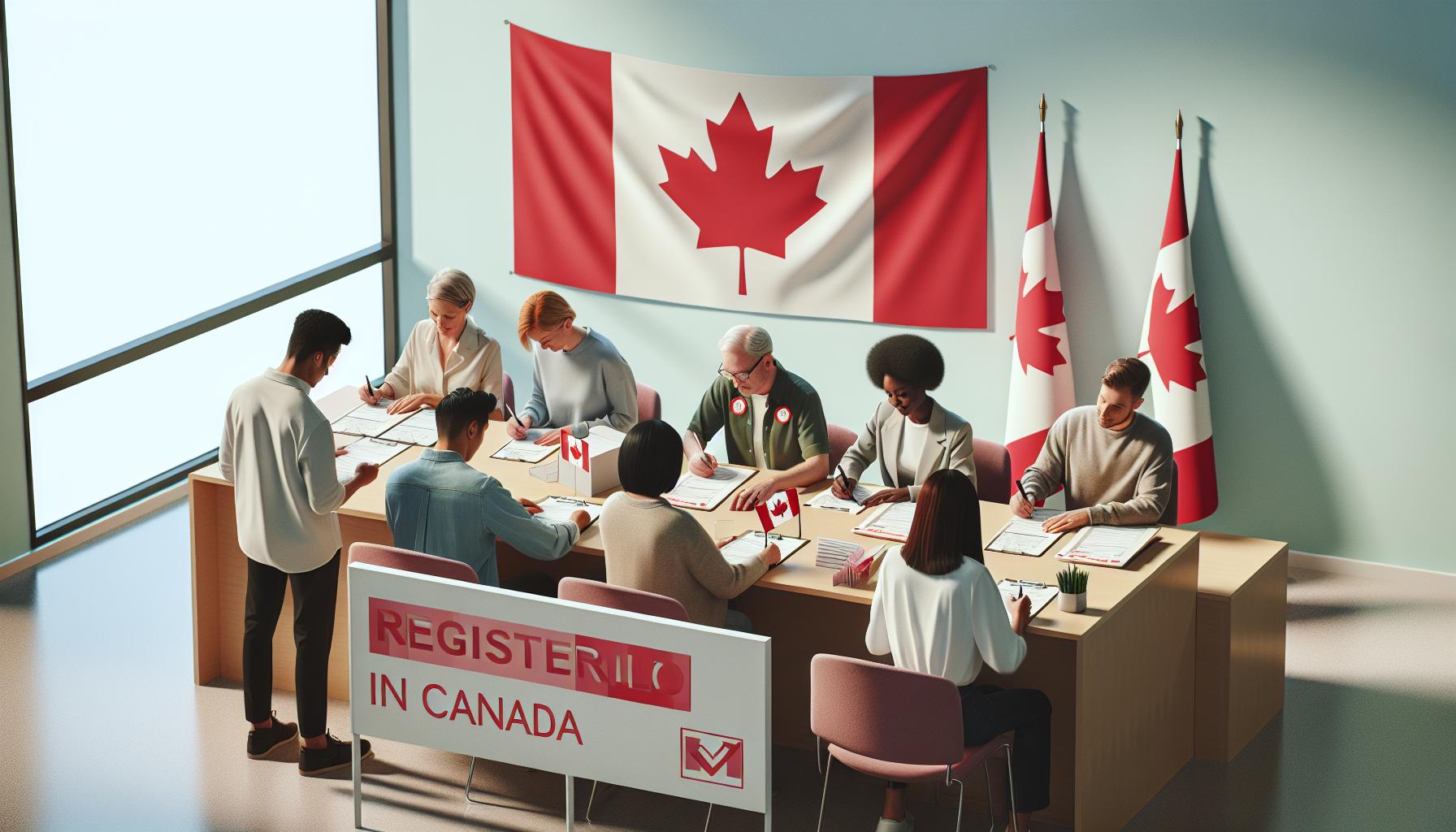
Voting in Canada is a straightforward process once you understand the necessary steps to get registered,but many new citizens find it helpful to have a clear path laid out before them. Whether you’ve recently become a Canadian citizen or are updating your details after moving, getting your name on the National Register of Electors ensures you’re ready to participate in upcoming federal elections. This proactive approach means you won’t face any delays or confusion when election day arrives.Before you can vote, confirm that you meet the basic eligibility criteria: you must be a Canadian citizen, at least 18 years old on election day, and reside at the address where you intend to vote. Once these conditions are met, the registration process can be completed easily online, by mail, or in person. Many newcomers find the online voter registration service the most convenient sence it allows you to register or update your information from anywhere, saving time and avoiding queues on election day.Keep in mind that if you miss pre-registration deadlines, you can still register at your polling station on voting day by showing proper identification and proof of your address.
Step-by-Step Process to Register
- Step 1: Gather Identification – You’ll need proof of your identity and current residential address. Accepted forms include a driver’s license, passport, or utility bill with your name and address.
- Step 2: Choose Your Registration Method – register online via the official Elections Canada website, visit an Elections canada office, or register when you go to vote. Online registration typically requires answering a few straightforward eligibility questions.
- Step 3: Submit Your Information – Follow the prompts to enter your name, date of birth, and address exactly as they appear on your identification documents.
- Step 4: Confirmation and Receipt – After registering, you may receive a voter information card by mail before an election is called, which provides your voting location and other important details.
- Step 5: Keep Your Information Up to Date – If you move or change your name, update your registration promptly to ensure your voter record remains accurate. This can be done online or at election offices up to the Tuesday before election day at 6 p.m.
Beyond the mechanical steps,it’s important to think about registration as the gateway to meaningful civic engagement. Such as, new Canadian citizens may consider registering well in advance of election periods so they can attend advance polls or make use of mail-in voting options if they anticipate being unavailable on voting day. Starting early also gives you a chance to familiarize yourself with local candidates and issues, making your vote more informed and impactful.
Tips for a Smooth Registration Experience
- Double-check your documents: Make sure the name and address on your identification exactly match what you enter during registration to avoid delays.
- Use Elections Canada’s Online Tools: Their website offers helpful guides and a streamlined online voter registration portal.
- Don’t wait for election day: Registering or updating information early means less stress and a better chance to take advantage of advance and mail-in voting.
- Ask for help if needed: Community centers,immigrant support organizations,and Elections Canada offices can assist with questions or registration assistance,especially for newcomers.
By following these clear steps and taking advantage of available resources, new Canadian voters can confidently join the democratic process and have their voices heard in shaping the future of their communities and country. Remember, registering to vote is your first official step as a participant in Canada’s vibrant democracy.
Understanding Permanent Residency and Voting Rights

Few topics generate as much curiosity among new Canadians as the intricate relationship between permanent residency status and the ability to vote. While permanent residents enjoy many rights and benefits in canada, such as living, working, and accessing social services, the right to vote in federal, provincial, or municipal elections remains a privilege reserved exclusively for Canadian citizens. This distinction often surprises newcomers eager to participate fully in the democratic process immediately upon arrival.
understanding this boundary is vital because voting rights are directly tied to citizenship, not residency status.Despite permanent residents having the legal right to settle and contribute in countless ways, only citizens can influence the election of public officials and the formation of government at various levels. This means that even if you hold a valid permanent resident card and have resided in Canada for many years, you are not eligible to vote until you complete the citizenship application process and officially become a Canadian citizen. The naturalization process involves meeting specific residency requirements, language proficiency, and knowledge of Canada’s history and government, ensuring that new voters are informed participants in the democratic system.
legal framework and Practical Implications
- federal Elections: Only Canadian citizens aged 18 or older can vote in federal elections and referendums; permanent residents are excluded by law.
- Provincial and Territorial Elections: Voting eligibility rules generally mirror federal standards, requiring citizenship; however, it’s essential to verify specific provincial regulations as some exceptions (e.g., school board elections) may occasionally arise.
- Municipal Elections: A few provinces allow permanent residents to vote in municipal elections, but this is not universal. As an example, British Columbia and Ontario require voters to be Canadian citizens, whereas some municipalities in Manitoba and Quebec have explored or implemented special provisions.
For immigrants who hold permanent residency but are not yet citizens, the takeaway is clear: focus on completing the citizenship process to unlock full electoral rights. Meanwhile, staying engaged in community activities, volunteering, and participating in public consultations can still provide meaningful ways to impact local decision-making.
Tips for Permanent Residents Aspiring to Vote
- Begin Your Citizenship Application Early: You generally need to have lived in Canada for at least three out of the last five years before applying.
- Stay Informed of Election Dates: Since the path to voting requires careful timing, knowing when federal or provincial elections are scheduled helps you plan accordingly.
- Explore Rights at the Municipal Level: Check your local municipality’s voting rules, especially if you live in provinces with potential allowances for permanent resident voters.
- Engage in Civic Education: Many community organizations offer workshops for new immigrants about how Canadian elections work, which can prepare you for active participation upon citizenship.
Gaining citizenship is more than a legal milestone; it is a gateway to full democratic rights and responsibilities.While permanent residency comes with many benefits, it does not yet grant the ability to cast a ballot, making naturalization a critical step for anyone eager to have a voice in Canada’s political future.
How Canadian Citizenship Affects Voting eligibility
A fundamental aspect that shapes an immigrant’s ability to participate in Canada’s democracy is the acquisition of Canadian citizenship. While permanent residency grants many freedoms and rights, voting in federal, provincial, and most municipal elections is a civic privilege reserved solely for Canadian citizens. This means that no matter how long you have lived or contributed to canada as a permanent resident, you cannot cast a ballot until you successfully complete the naturalization process.This policy underscores the importance of citizenship not just as a legal status but as a symbol of full inclusion in the democratic fabric of the country.Becoming a Canadian citizen involves several key steps that prepare individuals to exercise their right to vote responsibly. Applicants must meet residency requirements-typically having lived in Canada for at least three out of the last five years-as well as pass a citizenship test covering Canadian history, values, and government structure. This ensures new citizens understand how their vote influences policy and governance. Reflecting on this, citizenship is less about privilege and more about shared obligation, connecting voters with the democratic process on a profound level.
What Citizenship Unlocks for immigrant Voters
- Eligibility to Vote in federal Elections: Citizenship is mandatory to participate in federal elections and referenda, making it the gateway to influencing national leadership and policies.
- Access to Full Provincial and Territorial Voting Rights: In most provinces and territories, Canadian citizenship is also required to vote in local elections, ensuring consistency across governance levels.
- Municipal Elections Participation: While a few municipalities allow permanent residents to vote, the vast majority require Canadian citizenship, aligning local electoral involvement with national standards.
- Right to Run for public Office: Citizenship often extends beyond voting rights to eligibility for candidacy,empowering new Canadians to hold office and represent their communities directly.
Practical Advice for Prospective Citizen Voters
If you are a permanent resident eager to shape the future of your new home, starting the citizenship application process early is crucial. Stay aware of the necessary documents and timelines, especially considering that citizenship confers the long-awaited ballot. Meanwhile, stay civically engaged through volunteering, community discussions, and attending informational sessions offered by immigrant support organizations.Many newcomers find these activities enrich their understanding of Canada’s political landscape and deepen their connection to local communities ahead of their first vote.Remember,the right to vote is a milestone that reflects both legal status and active participation in society. Ensuring you meet all citizenship requirements and being prepared for the voting process will empower you to make your voice heard as soon as you become eligible. This commitment to civic responsibility is one of the most impactful ways immigrant voters contribute to Canada’s diverse and vibrant democracy.
For additional guidance on the voting process once citizenship is attained-including how to register to vote and what identification is required-refer to official resources like Elections canada [1] and support networks tailored to new canadians [2].
Common barriers Immigrants Face When Voting

Navigating the voting process as a newcomer in Canada can present unexpected challenges that go beyond the basic requirement of citizenship. Many immigrants face obstacles related to understanding the electoral system, accessing polling stations, or meeting identification requirements, all of which can discourage participation.As a notable example, unfamiliarity with Canada’s voting procedures frequently enough leaves new citizens feeling unprepared or uncertain about when and where to vote, especially if election details are not readily available in their first language.
Language barriers and limited outreach play a significant role in voter turnout among immigrants.Without clear, accessible information, even those who are eligible may hesitate or miss the opportunity to vote. Election materials, official websites, and voter assistance programs are increasingly providing multilingual support, but gaps remain, especially for communities in smaller cities or rural regions. In addition,cultural differences in approaching civic engagement can affect participation,where some immigrants may not immediately recognize voting as a fundamental tool to influence local or national issues.
Accessibility issues also come into play. Some voters report difficulties traveling to polling stations due to lack of transportation or mobility concerns, compounded by the challenge of confirming necessary documentation. identification rules require voters to present specific documents proving their identity and address, which can be confusing or cumbersome to obtain. According to studies, about 7% of people who did not vote in Canada’s 2021 federal election cited problems like not being able to prove identity or address among their reasons for abstaining, highlighting the importance of clear guidance on what’s acceptable at the polls[[[[[2]](https://www150.statcan.gc.ca/n1/daily-quotidien/220216/dq220216d-eng.htm).
Strategies to Overcome Voting Barriers
- Early Preparation: Immigrants are encouraged to register to vote as soon as they become citizens and familiarize themselves with voting procedures well before election day.
- Leverage Community Resources: many immigrant organizations and local community groups offer voter education workshops and translation services to ease the process.
- Understand Documentation Requirements: keep key identification documents updated and know in advance which ones are accepted at polling stations to avoid last-minute issues.
- explore Option Voting Options: Use advance polls or mail-in ballots when available to circumvent scheduling or mobility challenges.
By proactively addressing these barriers, new Canadian voters can transform what initially feels like a complex system into an empowering opportunity to shape their communities and the country. Recognizing and reducing these hurdles is crucial not only for individuals but also for strengthening inclusive democratic participation across Canada.
the Role of provincial and Municipal Voting Rules

every province and municipality in Canada has its own set of voting rules that significantly influence how newcomers can participate in elections beyond the federal level. While Canadian citizenship is the fundamental requirement for federal elections, provincial and municipal voting eligibility can sometimes be more nuanced, varying from one jurisdiction to another. for immigrants, understanding these local voting rules is crucial because it determines whether and how they can engage in community decisions that affect daily life, such as education, transportation, and municipal services.
in most provinces, only Canadian citizens are eligible to vote in provincial elections, which means permanent residents, regardless of how long they have lived in Canada, do not have the right to vote at this level. however, the situation can be different in municipal elections, where some provinces allow permanent residents to vote if they meet certain residency requirements. For example, cities in provinces like British Columbia and Ontario may permit permanent residents to vote in municipal elections, but this is not universally true across the country. Thus, it’s essential to check the specific municipal bylaws or provincial election acts to confirm eligibility.
- residency requirements: Many municipalities require voters to have lived in the area for a minimum period, often ranging from 30 to 90 days before the election, as a condition to participate.
- Identification Needs: Just like federal elections, voters must present valid identification that confirms their identity and address within the specific province or municipality.
- Registration Procedures: Some provinces have automatic voter registration for eligible residents, while others require voters to actively register or update their information, especially after moving.
Understanding Practical Implications for Immigrant Voters
Navigating these layers of voting rules can seem complicated, but it also represents an opportunity for immigrants to impact governance at different community levels.For example, while a permanent resident might not vote in a provincial election, they could still influence municipal policies that directly affect their neighborhood and services used daily. This local participation fosters deeper integration and empowers immigrant communities to advocate for their needs.
To make the most of these rights, newcomers should start by confirming their eligibility with their local election offices and taking note of any provincial or municipal deadlines for voter registration. Additionally, many provinces and cities provide multilingual resources and community outreach programs designed to help immigrants understand how local elections work, what documents are needed, and where to vote. Taking advantage of these supports can make the voting process more transparent and approachable.
Key Points Summary
| Election Level | Typical Voting Eligibility | notes for Immigrants |
|---|---|---|
| Federal | Canadian citizens only | Permanent residents cannot vote; citizenship required |
| Provincial | Usually Canadian citizens only | Rules vary slightly by province; permanent residents usually ineligible |
| Municipal | varies by municipality and province | Some allow permanent residents to vote; check local regulations |
By appreciating the distinct voting regulations at each government level, immigrants can better plan their civic engagement and understand when and where their vote counts. This knowledge not only helps in fulfilling democratic rights but also strengthens their role as active members of canadian society.
Important Documents Needed to Vote in Canada

Many first-time voters and newcomers to Canada often find themselves surprised by the specific document requirements when going to cast a ballot. Having the right identification ready isn’t just a formality; it’s a crucial step to ensure your voice is heard in federal, provincial, or municipal elections. For immigrants,understanding which documents are accepted-and how to present them-can be notably critically important,especially given varying rules at different government levels.
When voting in Canada, you will be required to prove both your identity and your current address. This means that a single piece of ID must show these details, or you’ll need to provide two pieces-one confirming who you are and another verifying where you live. Common documents accepted include government-issued photo IDs such as a Canadian passport or driver’s license. Though, it’s essential that the information on these IDs is printed, not handwritten, as hand-written details are usually not accepted (except in some specific cases like statutory declarations or confirmation of residence forms) [[1]](https://elections.bc.ca/2024-provincial-election/voter-id/).
For federal elections specifically, Elections Canada offers two main options for identification. Option 1 is a single government-issued ID with a photo, name, and address. Option 2 allows you to prove your identity and residential address by showing two pieces of ID from a broad list, which may include a health card, bank statement, utility bill, or a student ID card. Importantly, for these documents to be valid, the address and name must be current and printed on the document-not added by hand. Expired IDs can sometimes be accepted if they still contain the correct information [[[[[2]](https://www.elections.ca/content.aspx?section=vot&dir=ids&document=index⟨=e).
- Check your Local Rules: As provinces and municipalities can have different ID requirements, always confirm ahead of election day what forms of ID are accepted in your area.
- Use Multiple Documents If Needed: Sometimes, voters may not have a single ID containing both name and current address. In these cases, combining a photo ID like a Canadian passport or status card with a recent utility bill or bank statement can fulfill the requirement.
- Prepare Backup Documents: Election officials might ask for additional proof or have questions, so it’s wise to carry more than the minimum ID necessary, especially if you recently moved or have a different mailing address.
These rules reflect an effort to balance security with accessibility, ensuring that every eligible voter, including immigrants who have recently become citizens or permanent residents voting municipally where allowed, can participate confidently without undue barriers. Taking the time to organize these documents before heading to the polls can make the experience smooth and worry-free.
| Commonly Accepted Identification Documents | Notes |
|---|---|
| Canadian passport | Must include printed name and address to count for both identity and address |
| Driver’s license or provincial ID card | Issued by provincial/territorial government with photo, name, and current address |
| Health card | Accepted in some provinces; photocards without address may need companion proof |
| Utility bill (electricity, water, gas) | Must be recent and show your name and address; can supplement for proof of residency |
| Bank or credit card statement | Recent statement showing name and residential address |
| Student ID card | Accepted if it includes name and current address |
Knowing what documents to bring and how they will be accepted empowers immigrants to exercise their voting rights confidently and without delay. for newcomers planning to vote in municipal elections where permanent residents are eligible, securing a recognized proof of residency document is especially critically important as this is a common requirement across many jurisdictions. Remember, even if your journey to citizenship is ongoing, staying informed about these document requirements is key to making the most of your community engagement opportunities.
Deadlines and Key Dates Every Immigrant Voter Should Know

Many newcomers to Canada might not realize just how critical it is to track electoral deadlines to ensure their vote counts. Missing a registration cut-off or an advance voting period can mean waiting months or even years to participate in the democratic process. For immigrant voters, understanding key dates is not just helpful-it’s essential. It provides the opportunity to engage fully in federal, provincial, and municipal elections, contributing their voice to shaping the communities they now call home.
Most importantly, new Canadian citizens become eligible to vote only after acquiring citizenship, and must confirm their registration by certain deadlines set ahead of each election.Such as, federal elections require voters to be registered at least 30 days before election day, while provincial and municipal deadlines may vary significantly depending on your location. Marking these dates early on your calendar and creating reminders can prevent unneeded stress. For newcomers who may not be familiar with Canada’s election cycles, local community centers and immigrant support organizations often provide timely updates and reminders that can prove invaluable.
Key Election dates to Note
- Citizenship Date: Only holders of Canadian citizenship can vote federally or provincially. Check your citizenship grant date and ensure you have completed all requirements.
- Voter Registration Deadline: Typically a few weeks before election day-often around 30 days for federal elections.Early registration guarantees you receive voter information cards and reduces delays on voting day.
- Advance Polling Days: Usually open 10 to 14 days before election day, advance polls offer versatility for those with scheduling conflicts or concerns about long queues.
- Mail-in Ballot Request Deadline: If you prefer to vote by mail, requests often must be submitted weeks in advance, particularly for federal elections.
- Election Day: Usually a Monday for federal elections, with specific dates announced well ahead of time.
Practical Tips for Staying Prepared
Reflecting on real-world experiences, many new Canadians who plan ahead find their electoral participation much smoother.One effective strategy is subscribing to official Election Canada updates or provincial election websites, which provide tailored alerts. Additionally, keeping a personal voting calendar synced on your phone or computer helps you stay ahead of all critical deadlines. If you move residences, updating your voter registration promptly can prevent complications closer to election day.
| Deadline/Event | Typical Timing | Why It Matters |
|---|---|---|
| Citizenship Confirmation | Before becoming eligible to vote | Only Canadian citizens may register and vote in federal and provincial elections |
| Voter registration Cut-off | About 30 days before election day (federal) | Ensures you’re on the voter list and receive your voter card |
| Advance Polling | Usually 10-14 days before election day | Provides flexible voting options |
| Mail-in Ballot Requests | Varies; often 3-4 weeks prior | Allows voting from home if unable to attend polling stations |
| Election Day | Set by the government, often a Monday federally | The final day to cast your vote in person |
Understanding and acting on these deadlines ensures that immigrant voters do not miss out on crucial opportunities to participate. Every election offers a chance to influence policies that impact your daily life-from education and healthcare to local infrastructure. By staying informed and organized, new Canadians can confidently make their voices heard and integrate more fully into Canada’s democratic fabric.
For more detailed, region-specific information on timelines and voter eligibility, newcomers are encouraged to consult official sites like Elections Canada or provincial election offices, as well as community organizations dedicated to supporting immigrant voters[[[[[2]](https://immigration.ca/understanding-canadas-political-system-as-a-newcomer/)[[[[[3]](https://www.elections.ca/content.aspx?section=res&dir=rec/part/eth&document=index⟨=e).
How to Update Your Voter Registration After Moving

Moving to a new address in Canada means updating your voter registration to ensure you remain eligible to vote in federal, provincial, and municipal elections. Many voters overlook this important step, which can lead to confusion or being ineligible to cast a ballot on election day. The good news is that updating your registration after a move is straightforward and can be done through several convenient methods, helping you stay fully engaged in Canada’s democratic process.
when you change your residence, it’s essential to notify Elections Canada (or the relevant provincial or territorial body) so your new address is recorded in the National Register of Electors. This ensures your voter information card is sent to the correct location, and you are registered in the appropriate electoral district. You can update your information online, by mail, or in person at your local Elections Canada office or even at your polling station on election day. For phone updates or other assistance,Elections Canada provides helpful support services as well[[1]](https://www.elections.ca/content.aspx?section=vot&dir=reg&document=index⟨=e).
Simple Ways to Update Your Address
- Online Registration Service: The easiest and fastest method. You can access elections Canada’s secure system to update your information at any time. This is especially convenient for those with busy schedules or limited mobility.
- At the Polls: If you miss updating before election day, you can still register or update your address at your assigned polling station.Just bring appropriate ID proving your name and new address.
- By Mail or Phone: You can request and complete forms mailed to you or call elections Canada to make changes over the phone if you prefer.
Why Prompt Updates Matter
Updating your voter registration promptly protects your ability to participate in upcoming elections without delays or complications. It also helps maintain accurate electoral rolls, ensuring that every vote counts in the right jurisdiction. For example, if you moved from Toronto to Vancouver, your vote must be cast in your new riding, where local candidates and issues apply. Missing the update can cause your name to be missing from the list, resulting in longer wait times or needing to vote by special ballot.
To give you a clearer picture, here’s a quick overview of typical update scenarios and their benefits:
| Update Method | When to use | Benefits |
|---|---|---|
| Online Update | Immediately after moving or any time before election day | fast, secure, convenient; ensures voter card is sent to the correct address promptly |
| In-Person at Polls | If you forgot to update before election day | Allows you to vote on election day without prior registration |
| Mail or Phone | If online access is limited or personal help is preferred | Alternative options that accommodate different needs and preferences |
Keeping your registration up to date after moving not only ensures your voice is heard but also supports the integrity of Canada’s electoral system.New Canadians, especially immigrants who may move frequently during their first years, should set reminders to update their voter information quickly. Doing so prevents unnecessary stress and empowers you to take full advantage of voting rights at every election[[1]](https://www.elections.ca/content.aspx?section=vot&dir=reg&document=index⟨=e).
By staying proactive and informed about how to keep your registration current,you can focus on what matters most-the ability to shape your community and country through your vote.
What Immigrants Should Know About Advance and Mail-in Voting

Casting your ballot ahead of election day offers immigrants an excellent opportunity to participate in Canada’s democracy on their own terms-whether due to a busy schedule, mobility challenges, or uncertainty about polling locations. Advance voting and mail-in ballots expand access by allowing eligible voters to submit their choices early, reducing stress and logistical barriers that can sometimes discourage new Canadians from voting.Most federal elections in Canada provide a multi-day advance polling period, typically held about two weeks before the official election date. During this time, any registered voter can cast their ballot at designated advance polling stations without needing to provide extensive documentation again, as their registration is already verified. This convenience is particularly helpful for immigrants who might potentially be balancing work, family obligations, or language learning commitments. Additionally, advance polls frequently enough offer more flexible hours and accessible locations, making turnout easier for those who are still familiarizing themselves with Canada’s electoral process.
For voters who cannot make it to a polling station in person, mail-in ballots present a reliable alternative. By applying for a special ballot package early-generally at least several days before the election-immigrants can receive voting materials by mail, complete their ballots privately, and return them within specified deadlines. This option is especially valuable for individuals with mobility issues, those living in remote areas, or residents temporarily away from their home riding. It also eliminates concerns about transportation or lengthy queues, providing a private and convenient way to exercise the right to vote.
tips for a Smooth Advance or Mail-in Voting Experience
- Check Deadlines Early: Advance polls and mail-in ballot applications have strict timelines. Missing these can mean waiting until the general election day, so mark your calendar promptly.
- Bring Proper ID for advance voting: When voting at advance polls, acceptable identification is needed to confirm your identity and address. Common options include a driver’s license, utility bill, or voter information card.
- confirm Your Registration Status: Before voting, verify that your voter registration reflects your current address and personal details. This ensures your ballot counts in the correct electoral district.
- Follow Mail-in Ballot Instructions Carefully: Complete all required steps-such as signing the declaration and sealing the envelope-to avoid disqualification of your mailed vote.
Using these accessible methods, immigrants can confidently participate without waiting in line or worrying about last-minute eligibility questions. Engaging in advance or mail-in voting also helps new Canadians build voting habits early, creating lifelong civic involvement and a deeper connection to their communities.
Impact of Newcomer Status on Federal and Provincial Elections

Newcomer status often shapes an immigrant’s engagement with Canada’s electoral landscape, influencing both opportunities and challenges in voting at federal and provincial levels. Unlike federal elections where Canadian citizenship is a strict requirement for voting, some provinces and municipalities allow permanent residents - who are not yet citizens – to participate in certain elections, reflecting divergent rules that immigrants need to navigate carefully. This distinction means that while new Canadians may eagerly await full voting rights federally after naturalization, they could already be exercising electoral participation locally, fostering civic engagement from an earlier stage.
the federal government mandates that only Canadian citizens aged 18 and over can vote in federal elections,which means permanent residents and other newcomers must first secure citizenship before casting ballots nationally. However, provinces like British Columbia, Ontario, and Quebec have different provisions regarding municipal and school board elections, where permanent residents can sometimes vote.This layered approach results in various “entry points” into democratic involvement depending on your immigration status and location, allowing newcomers to contribute to decision-making affecting their immediate communities even before full federal voting eligibility.
Practical Implications of Newcomer Status on Participation
- federal Elections: Citizenship is mandatory, so newcomers who are permanent residents but not yet naturalized will need to complete the citizenship process before voting federally. This often encourages immigrants to prioritize eligibility timelines and understand the requirements involved in becoming citizens.
- Provincial and Municipal Elections: Voting rights can vary widely. For example, some provinces grant permanent residents the vote in municipal elections, reinforcing local ties and allowing participation in governance on a community level earlier in their settlement experience.
- Voter Registration: Newly naturalized citizens must proactively register to vote in federal elections, often updating their registration after citizenship is granted. This step is critical to ensure they receive voter information and can access advance voting or mail-in ballots.
Adjusting to Electoral Systems and Building Civic Confidence
Understanding the differences between federal and provincial voting rules empowers newcomers to plan their political participation more effectively. For instance, an immigrant who is a permanent resident in Ontario might be eligible to vote in Toronto’s municipal elections but cannot yet vote federally until becoming a citizen. This nuanced framework emphasizes the importance of education about voting rights at each government level and encourages newcomers to seek community support or resources tailored to their status.
by engaging in local elections, newcomers often gain valuable experience with Canada’s voting processes, such as polling procedures, voter ID requirements, and candidate platforms, which can ease anxieties when they become eligible to vote federally. Municipal involvement also nurtures a tangible connection to their neighborhoods, providing direct influence over public services and local policies affecting daily life.
- Stay Informed on Eligibility: Regularly check provincial rules concerning municipal and school board voting rights to take advantage of opportunities where voting is allowed before citizenship.
- Prioritize Citizenship Application: Since federal voting rights hinge on citizenship,completing this process expediently opens doors to broader electoral influence.
- Utilize Community Resources: Many organizations and Elections Canada themselves offer multilingual guides and workshops designed to help newcomers understand their rights and registration steps [[1]](https://www.elections.ca/content.aspx?section=vot&dir=eth&document=index⟨=e)[[[[[3]](https://www.elections.ca/content2.aspx?section=nwc&document=index⟨=e).
- Participate Early in Local Elections: Building voting habits in municipal or school elections prepares newcomers for full federal participation upon naturalization.
Navigating the complex intersection of newcomer status and Canada’s multi-layered electoral system requires awareness and proactive action. Understanding which elections you are eligible to vote in and how to register accordingly ensures that your voice is heard at every opportunity, strengthening your role in shaping the democratic fabric of your new home.
Resources and Support for Immigrant Voters in canada

Many immigrants feel empowered when they access the right tools and resources to fully participate in Canada’s democratic process. Fortunately, there is a robust network of organizations, governmental programs, and community initiatives tailored to help immigrant voters navigate everything from eligibility questions to voter registration and understanding voting procedures.These supports are crucial in breaking down barriers that newcomers often face, such as language challenges, unfamiliarity with the electoral system, and uncertainty about where to turn for reliable guidance.
Taking full advantage of these resources can begin with visiting the official Elections Canada website, which offers comprehensive materials specifically designed for new Canadians. These include multilingual guides, instructional videos, and detailed faqs that explain eligibility criteria, registration steps, and how to use advance or mail-in voting services. Many community centers and immigrant-focused non-profits also host workshops or information sessions, helping newcomers build confidence by providing personalized support in multiple languages. For example,organizations like local immigrant settlement agencies frequently enough partner with Elections Canada to deliver voter education presentations tailored to specific communities,offering practical demonstrations about what to expect at polling stations.
Community Networks and Support Programs
- Multilingual Assistance: Many immigrant-serving organizations provide resources and one-on-one assistance in languages such as Mandarin, Punjabi, Arabic, and Spanish, which helps bridge the cultural and linguistic gap in understanding voting rights and procedures.
- Workshops and Outreach: These programs frequently enough include mock voting experiences and Q&A sessions that demystify complex topics like voter ID requirements or updates to registration after moving.
- Online Tools and Hotlines: Several provinces and municipalities offer dedicated phone lines and websites where immigrants can verify their voter status, request mail-in ballots, or find polling station locations near them.
Leveraging Government and Civic Engagement Initiatives
The federal and provincial governments continually improve outreach to newcomers,recognizing their growing role in shaping Canada’s political future. Campaigns in partnership with immigrant community leaders aim to increase voter turnout by addressing common misconceptions about who can vote and when. As an example, newly naturalized citizens receive tailored mailings and reminders about registering to vote and election day procedures soon after their citizenship is granted-a strategic support to ease the transition into federal voting eligibility. Additionally, local governments in provinces like british Columbia and Ontario provide clear, accessible guidelines on voting rights for permanent residents in municipal elections, enabling newer immigrants to engage in local governance without delay.
Engaging with these resources early can make a significant difference. By joining community voter forums or signing up for newsletters that track election dates and changes in voting regulations, immigrants not only gain critical information but also connect with peers who share their experiences. This collective empowerment nurtures greater civic confidence and encourages consistent participation in elections at all levels,ultimately strengthening the democratic fabric of Canada as a whole.
Faq
Q: Can immigrants vote in Canadian municipal elections before becoming citizens?
A: generally, only Canadian citizens can vote in municipal elections, but some provinces like Ontario allow certain non-citizens to vote in local school board elections. Check your local municipal rules and see our section on the role of provincial and municipal voting rules for specific eligibility details and updates.
Q: How soon after obtaining Canadian citizenship can immigrants vote federally?
A: Immigrants become eligible to vote in federal elections immediately after receiving Canadian citizenship, even if the next election is months away. It’s important to register promptly-refer to the step-by-step voter registration guide in our article to ensure timely participation.
Q: What are the consequences if an immigrant votes before becoming a Canadian citizen?
A: Voting in federal, provincial, or most municipal elections without being a Canadian citizen is illegal and may result in fines or legal penalties. Always confirm your citizenship status and voting eligibility to avoid issues, as explained in our article’s section on citizenship and voting eligibility.
Q: How do temporary residents or international students participate in Canadian elections?
A: Temporary residents and international students cannot vote in federal and most municipal elections until they become Canadian citizens. Though, some provinces offer limited participation in local matters-see the article section on newcomer status and electoral impact for details.
Q: Why can’t permanent residents vote in Canadian federal elections?
A: Permanent residents are not granted voting rights federally as Canadian citizenship is a legal requirement. Citizenship reflects full political rights including voting, as outlined in our article’s section on permanent residency versus citizenship and voting rights.
Q: Where can immigrants find official resources to better understand voting eligibility in Canada?
A: Immigrant voters can access official resources through Elections Canada and provincial electoral offices for guides and voter registration information. Our article’s resources and support section provides direct links and tools for easy navigation.
Q: How does dual citizenship affect an immigrant’s voting rights in Canada?
A: Holding dual citizenship does not affect voting rights in Canada; once you are a Canadian citizen (even with another nationality), you have full voting privileges federally and provincially. Learn more in the Canadian citizenship and voting eligibility section of our guide.
Q: What steps should new citizens take if they miss voter registration deadlines?
A: If you miss a voter registration deadline, check for special provisions like election day registration or advance polls in your area. Our detailed deadlines and key dates section offers tips on how to stay informed and ensure you don’t miss your chance to vote.
For more detailed insights, explore our complete guide on Can Immigrants Vote in Canada? Step-by-Step Eligibility Guide and make your voice heard confidently!
In Retrospect
Understanding your eligibility to vote as an immigrant in Canada is a crucial step toward becoming an active participant in your community and shaping the country’s future. If you meet the voting requirements discussed in this guide, don’t delay-register to vote and make your voice heard in upcoming elections. For more detailed insights, explore our articles on immigration policy updates in Canada and how immigrant communities influence Canadian elections to stay informed about ongoing changes and civic involvement.
Ready to take the next step? Consider signing up for our newsletter to receive timely updates on voting rights, citizenship, and immigration reforms. If you have questions or want personalized guidance, visit our consultation page or join the discussion below to share your experiences and connect with others navigating similar journeys. By staying engaged and informed, you’re not only exercising your rights but contributing to a stronger, more inclusive Canada.
Get our latest guides, news, and insights highlighted in your Google Search & AI Overviews.