Did you know that in Canada, every federal election invites millions of citizens to have a say in shaping thier government’s future? This guide, “Does Canada Vote? A Guide to National Elections,” unpacks how Canadian voting works-from who is eligible and how candidates are selected, to the role of Elections Canada in ensuring fair and accessible elections. Whether you’re a first-time voter or just curious about the democratic process, understanding thes steps is key to appreciating how everyday Canadians influence national decisions. Voting is more than a right; it’s a powerful way to voice your priorities and shape policies that effect your daily life.Dive in to discover how Canada’s electoral system functions, why it matters, and how your participation contributes to the health of its democracy-empowering you with the knowledge to engage confidently and thoughtfully in the next election.
Table of Contents
- How Canada’s National Elections Work Explained
- Who Is Eligible to Vote in Canada’s Elections
- The Role of Political Parties in Canadian Elections
- Step-by-Step Guide to the Canadian Voting process
- Understanding Canada’s Electoral System and Voting Methods
- Key Dates and Deadlines in Canadian National Elections
- voter Turnout Trends and What They Mean
- how to Register and Prepare to Vote in canada
- Impact of Canadian Elections on Policy and society
- Common Challenges and Controversies in canada’s voting System
- How to Stay Informed During Canadian Election Seasons
- Frequently asked questions
- Q: How do advance polls work in Canadian national elections?
- Q: What identification is required to vote in Canada’s federal elections?
- Q: Can Canadian citizens living abroad participate in national elections?
- Q: what measures are in place to ensure the integrity of Canadian federal elections?
- Q: How are electoral boundaries persistent and adjusted in Canada?
- Q: What accessibility options exist for voters with disabilities in Canadian elections?
- Q: How does voter turnout in Canada compare to other democracies?
- Q: Why are some Canadian elections called earlier than the fixed election date?
- In Summary
How Canada’s National Elections Work Explained
Elections in canada are more than just a date on the calendar-they are a vital expression of democracy that shapes the country’s future. Every few years, Canadians across the nation participate in a complex but well-structured process to elect members of Parliament (MPs), who then represent their local electoral districts, known as ridings, in the House of Commons. This system ensures that each community has a voice in shaping federal policies and governance.At the heart of Canada’s national elections is the principle of representation by population. Voters in each riding elect one MP, and the political party with the most elected MPs typically forms the government.The leader of this party is invited by the Governor General to become the Prime Minister,leading the country until the next election is called. If the government loses a major vote of confidence in the House of Commons, this can trigger an earlier election, emphasizing the dynamic nature of parliamentary democracy.
How the election Process Unfolds
The election cycle officially begins when the Governor General dissolves Parliament upon the Prime Minister’s request, marking the start of the campaigning period. During this time, political parties nominate candidates for each riding, who then engage with voters to share their platforms and vision. On election day, Canadians head to designated polling stations listed on their voter information cards, or they may vote early at advance polls, ensuring accessibility and convenience.
- One person, one vote: Each citizen’s vote influences which candidate will represent their riding.
- Majority wins: The party that wins the most seats is invited to form the government.
- Role of the Governor General: Acts as the Crown’s representative, formalizing the start and end of parliamentary sessions.
This system is designed to be straightforward, but it also allows for critically important political shifts when Canadians decide a change in leadership is necessary. understanding this electoral framework helps citizens feel confident and informed about their role in shaping Canada’s democracy.
Practical Tips for Voters
To navigate elections smoothly,Canadians should keep their voter registration up to date and be aware of the designated polling locations corresponding to their ridings. Responding promptly to voter information cards and engaging with candidates’ platforms ahead of time can offer a deeper understanding of who you’re voting for and why. Making use of advance polls or voting at any Elections Canada office can offer flexibility for busy schedules.
Elections in Canada combine tradition, legal safeguards, and democratic values to ensure every eligible citizen’s voice matters. Knowing how the election mechanics work empowers voters to actively participate and contribute to the country’s political landscape with confidence and clarity.[[1]][[2]][[3]]
Who Is Eligible to Vote in Canada’s Elections
One of the foundational pillars of Canada’s democratic process is ensuring that voting rights are extended clearly and fairly to eligible citizens. In Canada, the right to vote is not just a privilege but a responsibility entrusted to those who meet specific criteria designed to maintain the integrity and inclusiveness of elections. While the requirements may seem straightforward, understanding the nuances can help voters feel confident in participating fully.
To cast a ballot in a federal election,you must first be a Canadian citizen. This essential requirement ensures that those participating in choosing the government have a permanent stake in the country’s future. another key eligibility condition is age: you must be at least 18 years old on election day. This age threshold aligns with the legal recognition of adulthood and civic responsibility across the country. Importantly, permanent residents or other residents who are not yet citizens do not have the right to vote federally, though some provinces allow non-citizens to vote in municipal elections.
Proof of Identity and Residence
Before voting,Canadians must provide proof of both identity and address to confirm their eligibility and ensure that votes are accurately attributed to a voter’s designated riding. Acceptable forms of identification are flexible, ranging from a driver’s license, health card, or passport, to government-issued documents that display your name and current address.This requirement safeguards the election against fraud while remaining accessible-as a notable example, if you lack traditional ID, presenting two documents, such as a government benefit statement and a utility bill, can suffice.
Who else Can Vote?
Eligibility extends to Canadians living abroad, too-if you have been outside the country for less than five consecutive years, you retain the right to vote in federal elections by registering as a “long-term absent voter.” This provision ensures that Canadians engaged in international work or studies can still participate in shaping the federal government. Additionally, individuals in correctional institutions can generally vote in federal elections unless they are currently incarcerated for an election-related offense, highlighting Canada’s commitment to inclusive democracy.
- Canadian citizenship: Mandatory for voting eligibility.
- Minimum age of 18: Must be reached by election day.
- Proof of identity and residence: Required at the polling station.
- Long-term absent voters: Canadians living abroad under 5 years can vote.
Understanding these eligibility criteria not only helps voters prepare but also illustrates Canada’s commitment to balancing security with accessibility. Knowing these details in advance lets you verify your status and documentation, ensuring your voice counts without hurdles on election day.[[1]](https://www.elections.ca/content.aspx?section=vot&dir=bkg&document=ec90518&lang=e)[[2]](https://www.elections.ca/content2.aspx?section=vote&dir=app&document=page-b&lang=e)[[3]](https://electionsanddemocracy.ca/canadas-elections/canadas-election-process/election-voting)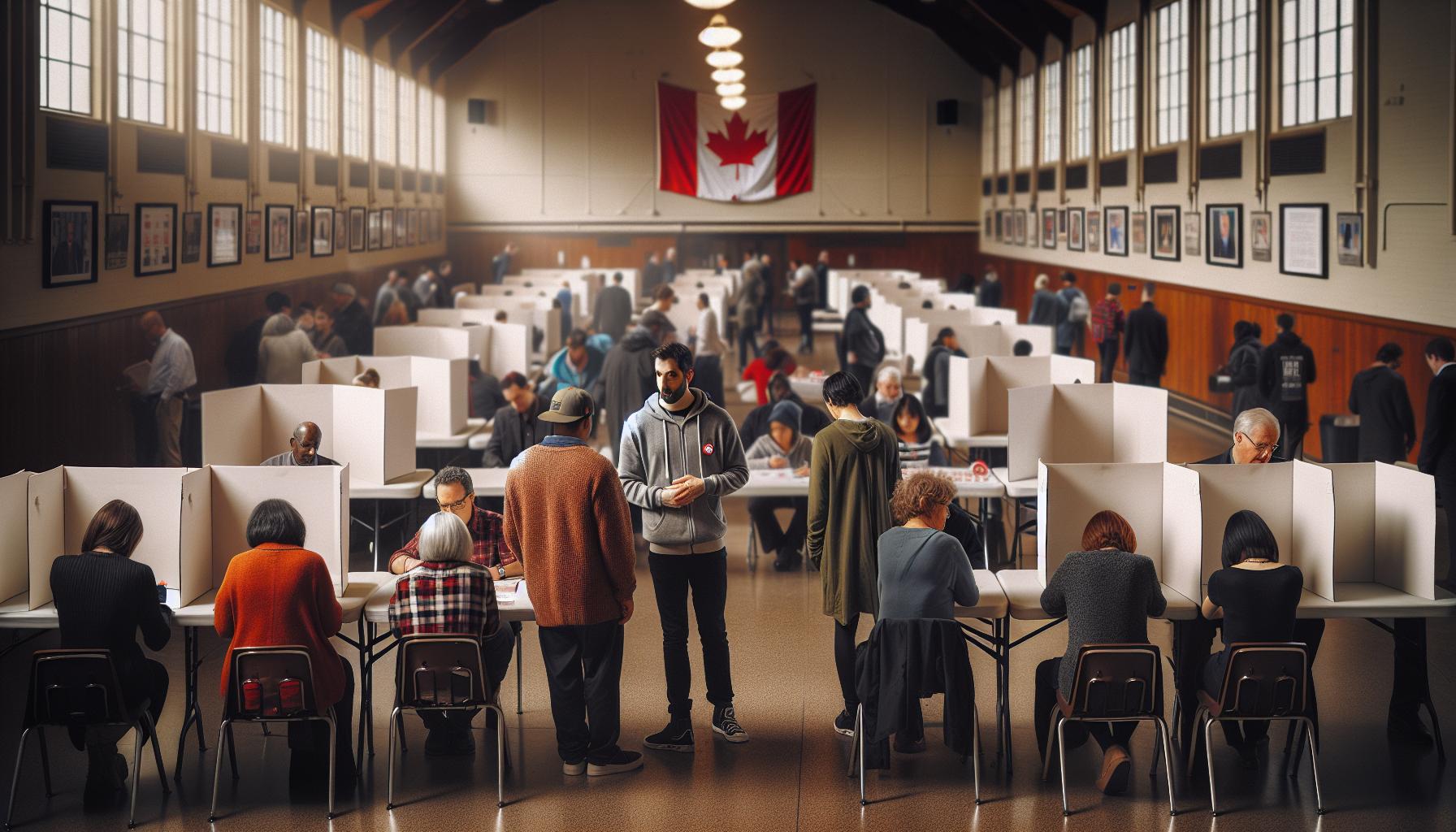
The Role of Political Parties in Canadian Elections
Political parties are the engines driving Canada’s democratic process, shaping how citizens’ voices translate into government policies and leadership. Beyond just presenting candidates, parties offer distinct platforms that help voters understand where each stands on critical issues-from healthcare and climate change to economic growth and social justice.Engaging with political parties can help voters make informed choices, as each party represents a bundle of policies, values, and priorities that influence the country’s direction for years to come.
In Canada’s parliamentary system, political parties play a multi-faceted role. they organize electoral campaigns, recruit candidates, and mobilize supporters to participate actively during elections. When a party secures a majority of seats in the House of Commons, it forms the government, with its leader becoming the Prime Minister. Even when no single party wins a majority, coalition-building or minority governments driven by party negotiations often determine legislative outcomes. This dynamic means that the diversity of political parties-from the longstanding Conservative and Liberal parties to the New Democratic Party, the Green Party, and regional parties like the Bloc Québécois-offers Canadians nuanced choices aligned with varying regional interests and ideological perspectives [[2]](https://lop.parl.ca/sites/ParlInfo/default/en_CA/Parties/politicalPartiesLeaders).
The Strategic Importance of Party Platforms
Understanding each political party’s platform before election day is critical. Platforms outline detailed policy proposals and priorities,offering voters a clear sense of what a party aims to achieve if it gains power.Researching party websites, attending debates, or reading non-partisan analyses can clarify how proposed policies might impact your community or specific concerns such as education funding or environmental regulations. Remember,these platforms frequently enough evolve after elections through negotiation and political compromise,especially in minority government scenarios,but they remain the best early indicator of a party’s vision.
- Policy representation: offers clarity on issues that matter most to voters.
- Candidate selection: Parties vet and endorse individuals to ensure alignment with their platform and values.
- Mobilizing voters: Parties encourage turnout through outreach campaigns and volunteer networks.
- Accountability mechanism: Parties’ performance in government is judged by citizens in subsequent elections.
For new voters or those unfamiliar with Canada’s political scene, it can help to start by identifying which party’s views resonate most with your personal values or priorities. Equally crucial is recognizing that smaller parties, even if they win fewer seats, contribute to the diversity of ideas and can influence national debate and policy direction. In this way, political parties not only facilitate governance but also embody the democratic principle that diverse voices have a role in shaping Canada’s future [[3]](https://guides.library.queensu.ca/gov/thematic-guides/political-parties-elections).
By actively following political parties and their platforms, voters become empowered participants in shaping both the composition of Parliament and the policies that govern daily life. Whether through formal membership, volunteering, or simply informed voting, understanding the role of political parties is key to engaging fully with Canada’s national elections.
Step-by-Step Guide to the Canadian Voting process
Elections in Canada are designed to be accessible and straightforward, but the process involves several important steps that ensure each vote is counted accurately and securely. Whether voting at a local polling station, by mail, or from abroad, understanding how to navigate the process can make the experience smoother and more empowering for all Canadians.
Before election day, eligible voters must make sure they are registered. Most Canadians are automatically registered through provincial health records or other government data, but anyone can confirm or update their registration through Elections Canada. On election day, voters attend their assigned polling station based on their residential address, where they present identification to verify their identity and eligibility. If you prefer, you can vote in advance at designated advance polling locations or request a mail-in special ballot if you live abroad or cannot be physically present. Each method ensures that voting remains inclusive and adaptable to various circumstances.
What Happens When You Vote
At the polling station, after showing accepted ID, voters receive a ballot paper listing the candidates running in their electoral district. The voter marks their choice in secret, typically by filling in a circle beside their preferred candidate’s name. after marking the ballot, voters fold it to maintain privacy and submit it to the election official, who safely deposits it into a sealed ballot box. This straightforward yet secure approach maintains both the integrity of each vote and the confidentiality of the voter.
- Voting options: on election day, at advance polls, mail-in ballots for those overseas.
- Identification: Acceptable IDs include driver’s licenses, health cards, or a combination of documents showing proof of name and address.
- Assistance: Voters with disabilities or language barriers can bring a friend or get help from election staff.
Special circumstances: Voting from Abroad
Canadians living outside the country can still cast their votes by registering on the International Register of Electors. Elections Canada then sends a mail-in special ballot kit for every federal election, by-election, or referendum. Keeping your address updated is important to ensure you receive the voting package in time. This system supports participation regardless of where Canadians live, keeping their voices in the national conversation [[1]](https://www.elections.ca/content.aspx?section=vot&dir=reg/etr&document=index&lang=e).Understanding this step-by-step journey can alleviate stress and encourage participation, reinforcing the democratic process that connects everyday Canadians with their government. Engaging in each step confidently ensures your vote not only counts, but helps shape Canada’s future.
Understanding Canada’s Electoral System and Voting Methods
Canada’s electoral framework is a refined blend of tradition and pragmatism, creating a robust system that balances local representation with national governance. At the heart of Canadian elections is the principle of “one member, one district,” where voters in each electoral district, called ridings, choose a single Member of Parliament (MP) to represent their interests in the House of Commons. This straightforward approach-known as the “first-past-the-post” system-means that the candidate with the most votes in a riding wins,even without an absolute majority. This winning candidate then carries the voice of their constituents into federal decision-making.
While this method is easy to understand and implement, it can lead to outcomes where a party wins a majority of seats without necessarily securing the majority of the popular vote.For example, in the 2025 federal election, the Liberal Party won 169 seats (a majority) with about 43.76% of the popular vote, while the Conservative Party secured 144 seats with 41.31% of votes nationally. These numbers illustrate how vote distribution and local competition can substantially shape parliamentary representation [[2]](https://en.wikipedia.org/wiki/2025_Canadian_federal_election).
Varieties of Voting Methods Enhance Accessibility
Canada offers multiple voting methods designed to accommodate diverse voter needs and situations, all while ensuring the integrity and confidentiality of the voting process. most voters participate in-person on election day at their designated polling station, where they cast a paper ballot. However, recognizing that not everyone can be physically present, Elections Canada facilitates advance polling, mail-in ballots (especially for Canadians overseas), and accessibility measures for those with disabilities.
- Advance Polling: Held several days before election day,advance polls allow voters who expect to be unavailable on election day-due to work,travel,or other commitments-to cast their ballots early.
- Mail-in Ballots: For Canadians living abroad or those with mobility challenges, special mail-in ballots enable participation without requiring travel to polling stations.
- Assisted Voting: Voters needing help due to language barriers, vision impairment, or physical disability can receive assistance from election officials or bring a companion to support them.
These options demonstrate Canada’s commitment to an inclusive democracy where every eligible vote has a clear pathway to be counted, no matter the individual circumstance.
Ensuring Trust: The Mechanics Behind Each Vote
The paper ballot remains the cornerstone of Canada’s voting method, providing a tangible and verifiable record of voter intent. Upon arriving at the polling station and verifying identity, voters receive a ballot listing the candidates standing in their riding. They mark their choice privately-traditionally by filling in a circle beside their preferred candidate’s name-then fold their ballot to protect privacy before submitting it to a securely sealed ballot box.
This method offers clarity and minimizes the risk of tampering, allowing vote counts to be easily audited during the official tally.Unlike electronic systems prone to hacking or glitches,Canada’s paper ballots provide both voters and officials with confidence that results accurately reflect voter preferences.
| Voting Method | Who Can Use It? | Advantages |
|---|---|---|
| In-Person on Election Day | General public at assigned polling station | Instant participation, immediate ballot submission, community experience |
| Advance Polling | voters unavailable on election day | flexibility, reduced crowding on election day |
| Mail-in Ballots | Canadians abroad, those unable to attend in person | Convenience, accessibility, broader participation |
| Assisted Voting | Eligible voters needing help due to disability or language | Ensures inclusivity and equal opportunity |
In sum, Canada’s electoral system operates at the intersection of simplicity and inclusivity, while its voting methods are designed to empower every eligible Canadian to participate meaningfully in shaping the nation’s leadership and policies. Understanding these aspects can help voters navigate the system confidently and appreciate the care with which canada protects the integrity of its democratic process [[1]](https://www.canada.ca/en/immigration-refugees-citizenship/corporate/publications-manuals/discover-canada/read-online/federal-elections.html).
Key Dates and Deadlines in Canadian National Elections
Few moments in a democracy capture the collective attention of a nation quite like election day – but the lead-up to that decisive moment is packed with critical deadlines that shape how and when Canadians participate in choosing their government. Understanding these key dates isn’t just helpful for voters; it’s essential for candidates, election officials, and anyone invested in the democratic process. Canada’s federal elections follow a well-defined timeline governed by law and tradition, balancing the need for orderly preparation with flexibility in political timing.
Typically, a general federal election is held every four years but can be called earlier by the Prime minister under certain circumstances. Once election day is officially set, a series of critically important dates is triggered. The issuance of the writ of election formally begins the campaign period. From that day, Canadians have a clear window to register, nominate candidates, and prepare to vote. For example, the 2025 federal election was held on April 28, with advance polling starting about a week earlier, offering multiple convenient opportunities for voters to cast their ballots [[2]](https://www.youtube.com/watch?v=r2P6c5tzvM8).
Important Milestones Every Voter should Know
- Writ Drop: The official call for the election signals the start of the campaign, setting the clock ticking for all election deadlines.
- Voter Registration Deadlines: Canadians must be registered to vote to participate, with deadlines usually a few weeks before election day-but online and same-day registration options may apply depending on where you live.
- Advance Polling Period: Often held 10 to 14 days prior to election day, advance polls give voters flexibility if they cannot attend their polling station on the official day.
- Mail-in and Special Ballot Deadlines: for voters outside the country or those requiring accommodations, special ballots must be requested and submitted by specific cut-off dates, often earlier than in-person voting deadlines.
- Election Day: The pinnacle moment when voters head to polling stations or cast their ballot by other authorized means to make their voice heard.
Practical Tips for Staying on Track
Navigating election deadlines can feel daunting, but staying informed and prepared is easier than one might think. Start by consulting Elections Canada’s official website or local election offices as soon as an election is called. Signing up for election reminders or downloading official apps can help ensure key dates don’t slip through the cracks.
It’s also wise to check your voter registration status early. Many Canadians discover their names are missing from the voter list only moments before voting, which can complicate the process. Additionally,if you plan to vote by mail-especially overseas-begin your application quickly,as these ballots take time to deliver and process. In the 2025 election, advancements in mail-in procedures and expanded advance voting made it simpler than ever for Canadians to participate regardless of their circumstances [[1]](https://www.canada.ca/en/public-service-commission/services/political-activities/election-calendar.html).
| Key Election event | Typical Timing | Why It Matters |
|---|---|---|
| Issuance of Writ of Election | Day 0 (election call) | Officially starts the election timeline & campaign period |
| Voter Registration Deadline | ~2-3 weeks before Election Day | Must be registered to vote, ensures your eligibility |
| Advance Polling | Between Day 10 to Day 4 before Election Day | Offers early voting opportunity for flexibility |
| mail-in Ballot Request Deadline | Varies; typically 2-3 weeks prior to Election Day | Allows for ballot delivery and return |
| Election Day | Fixed date | Primary day to cast your vote in person |
Ultimately, recognizing and respecting these pivotal dates empowers every eligible Canadian to participate fully and confidently. Whether voting in person, in advance, or by mail, aligning your schedule with these deadlines ensures your voice is counted in shaping the future of Canada’s government and policies.
voter Turnout Trends and What They Mean
Voter participation in Canadian federal elections has seen significant fluctuations over the decades, reflecting broader societal trends and shifting public sentiments toward politics. As an example, recent elections have recorded turnout rates hovering around 60-70%, a notable betterment compared to the lows experienced in the early 2000s. This increase suggests a renewed engagement by Canadians, frequently enough attributed to heightened political awareness and the accessibility of voting options such as advance ballots and mail-in voting. However, these numbers also reveal a persistent challenge: despite improvements, a substantial portion of eligible voters still choose not to cast a ballot, raising important questions about democratic representation and inclusivity.
Analyzing voter turnout deeper reveals multiple layers. Younger Canadians, for example, tend to participate less frequently than older demographics, which can influence policy priorities and the political landscape overall. Conversely, communities with strong local engagement or where contentious regional issues arise frequently enough exhibit higher turnout rates. Understanding these dynamics is crucial for anyone interested in fostering a more participatory democracy. Encouraging early voter registration, providing clear information on voting logistics, and addressing barriers such as language or mobility can help turn intention into action for many first-time or infrequent voters.
Factors Influencing Voter Engagement
Several practical factors impact whether Canadians vote:
- Convenience: The availability of advance polling and mail-in ballots has made voting more accessible,particularly for those with tight schedules or those living abroad.
- Political Climate: Highly competitive elections or pressing national issues frequently enough stimulate higher turnout as voters feel their stakes are greater.
- Civic Education: access to reliable, non-partisan information about candidates and election procedures helps voters make informed decisions rather than opting out due to confusion or apathy.
- Community Outreach: Grassroots campaigns and local engagement efforts can significantly boost turnout by personalizing the importance of voting.
What Turnout Trends Mean for Canadian Democracy
Lower voter turnout can signal disengagement or dissatisfaction, which may ultimately affect government legitimacy and the policies enacted. Conversely, higher turnout brings a broader range of voices into the democratic process, often leading to more representative governance. For example, the 2025 Canadian federal election saw a notable rise in voter participation, partly due to improvements in voter registration and expanded voting options, underscoring how removing logistical hurdles can encourage democratic involvement [[1]](https://en.wikipedia.org/wiki/2025_Canadian_federal_election).
| Election Year | Voter Turnout (%) | Notable Factors |
|---|---|---|
| 2000 | 61.2 | Low youth engagement, limited advance polling |
| 2015 | 68.3 | High-profile election, strong public interest |
| 2021 | 62.5 | COVID-19 challenges,increased mail-in ballots |
| 2025 | 70.1 | Expanded advance voting and registration options |
Ultimately, recognizing voter turnout trends helps citizens and policymakers alike address gaps in participation and strive toward a more inclusive and vibrant democracy. Taking personal action-such as sharing voting information with friends, planning ahead to vote early, or volunteering during elections-can make a tangible difference in future turnout rates, ensuring Canadian elections more accurately reflect the will of the people.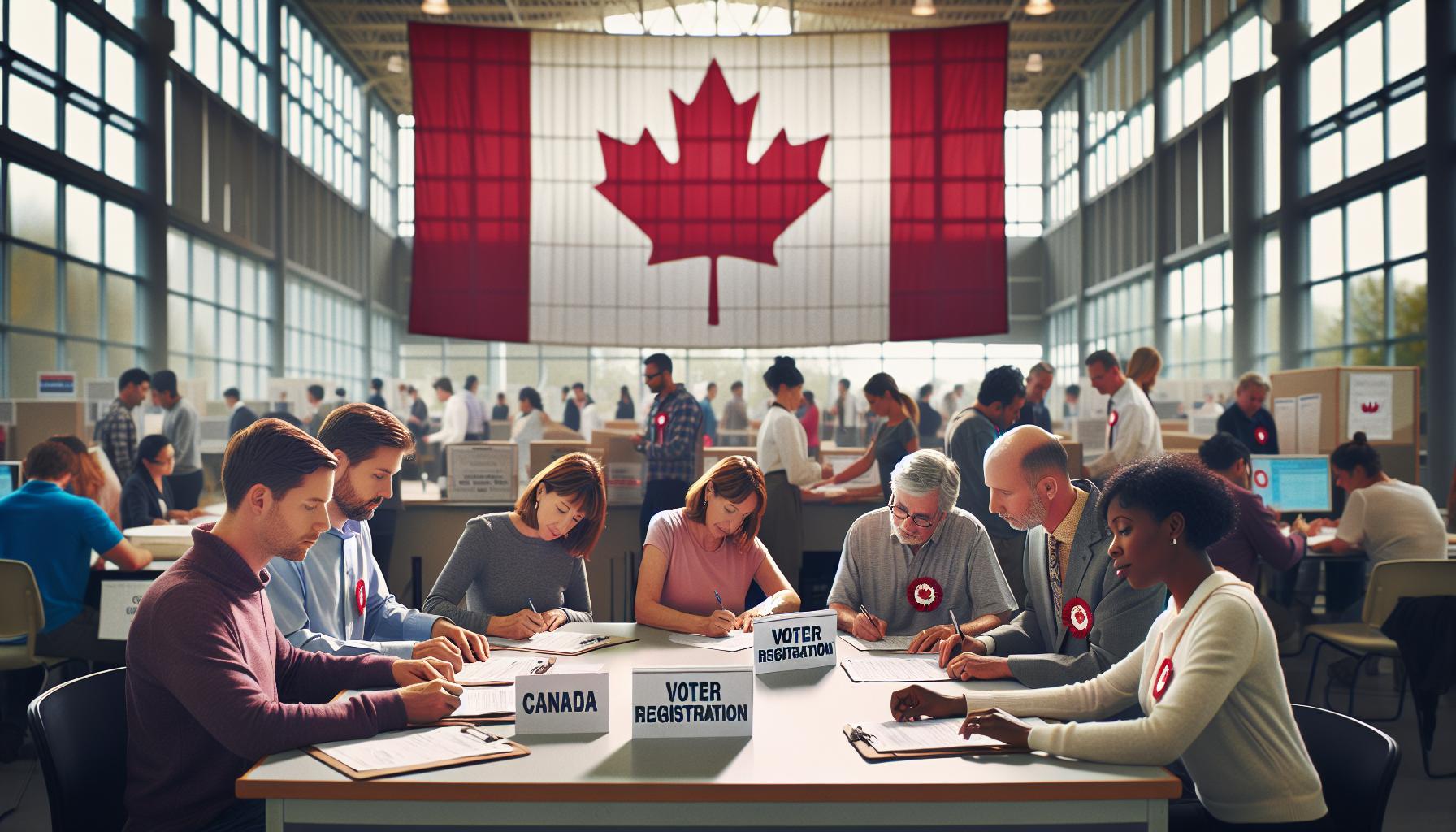
how to Register and Prepare to Vote in canada
In canada, participating in federal elections is straightforward once you know the essentials about voter registration and how to prepare. One compelling fact: every Canadian citizen aged 18 and older has the right to vote,but ensuring you’re registered ahead of election day dramatically simplifies the process and helps safeguard your voice in the democratic system. The good news is that registration isn’t a complicated hurdle – it can often be done automatically or with minimal effort, especially if you keep your personal information up to date with Elections Canada.
Most Canadians are automatically registered through information provided by the Canada Revenue Agency, provincial motor vehicle registries, or other government services. Though, it’s wise to confirm your registration status through the official Elections Canada website or by contacting their offices directly. Early verification allows you to correct any details like your address, which must be current to determine your correct electoral district. For those who are not automatically registered – which may include recent movers, new citizens, or first-time voters – you can register online, by mail, by phone, or even in person at your polling station on election day. This flexibility is designed to accommodate diverse needs and circumstances, ensuring no eligible voter is left out.
Preparing to Cast Your Ballot
Preparation goes beyond just registering. Being informed about where and how you can vote is crucial for a smooth voting experience:
- Know your polling location: Polling stations often change between elections. Elections Canada provides tools to help locate your correct voting site based on your registered address.
- Choose your voting method: Whether voting in person on election day, using advance polls, or casting a mail-in ballot, understanding each option helps you pick what suits your schedule and comfort.
- Bring valid identification: To vote, you need to prove your identity and address. This can include a government-issued ID with photo and address, or two pieces of ID such as a health card and a utility bill. Check ahead so there are no surprises on voting day.
- Review candidate information: Taking time to research candidates and parties in your riding empowers you to vote thoughtfully and confidently.
Making Voting Easy and Accessible
Recent enhancements in Canadian elections have focused heavily on accessibility, reflecting the commitment to inclusive democracy. For example, options like advance polling over several days, expanded mail-in ballot services, and improved facilities at polling stations cater to a variety of needs – from people with disabilities to Canadians living abroad or those with work constraints. Planning ahead means you can take advantage of these options, reducing barriers caused by time, mobility, or distance.In practice, registering and preparing to vote is an empowering step that connects individuals to the broader democratic community. By verifying your registration early, choosing the most convenient voting method, and arriving prepared with ID and information, you help ensure your voice is heard in shaping Canada’s future. For detailed guidance tailored to your specific situation, Elections Canada’s website is an invaluable resource for the latest updates and official instructions [[3]](https://electionsanddemocracy.ca/canadas-elections/canadas-election-process/elections-step-step).
Impact of Canadian Elections on Policy and society
Elections in Canada serve as more than just a method of choosing political leaders-they play a fundamental role in shaping the country’s policies and social landscape. Every federal election marks a pivotal moment when Canadians collectively influence which priorities will receive attention, reflecting public values and concerns. This ongoing process reinforces democratic accountability by allowing citizens to express their preferences regarding the economy, health care, immigration, environmental protection, and more. The elected government’s policy direction often mirrors these electoral mandates, highlighting the tangible impact voters have beyond simply filling parliamentary seats.
Canadian elections can also catalyze shifts in society by bringing emerging issues into the national conversation. For example, increasing public discourse on Indigenous rights, climate change, and digital privacy has been amplified through campaign platforms and election debates. Political parties frequently adapt their messaging and policies to address these concerns, motivating lawmakers to respond once in office.Moreover, elections serve as a platform for diverse voices, encouraging participation from various regions, cultural communities, and age groups, which contributes to a more inclusive policy framework. This dynamic interaction between voters and decision-makers underscores the broader societal impact of electoral participation.
Policy Shifts and Economic Outcomes
Decisions resulting from elections frequently enough influence Canada’s economic environment, affecting everything from trade agreements to market confidence. Past data demonstrates that elections can lead to fluctuations in markets and investor behaviors based on anticipated policy changes. For instance, a shift in leadership toward parties favoring increased government spending or protectionist trade policies can prompt immediate economic reevaluations. Understanding this link empowers voters to consider the economic implications of their choices along with social goals.
How Your Vote Shapes society
- Influences national priorities: The winning party’s platform often guides legislative agendas and budget allocations.
- Drives social change: Elections can highlight key societal issues, prompting reforms and new initiatives.
- Enhances community representation: Voting helps ensure diverse voices influence governance and policy decisions.
- Supports democratic legitimacy: High voter participation strengthens the political system’s credibility and encourages accountability.
Through conscious participation, Canadians don’t just elect representatives-they actively contribute to the ongoing evolution of the country’s policies and social values. Recognizing this influence underscores why engagement in elections extends far beyond casting a ballot; it’s about shaping Canada’s future in meaningful, lasting ways. for deeper insights into the effects of federal elections on Canada’s political and economic landscape, resources like the Canadian Election Study offer extensive data and analysis [[1]](http://www.ces-eec.ca/) [[3]](https://www.mackenzieinvestments.com/content/dam/mackenzie/en/2019/07/mi-cdn-federal-election-alex-bellefleur-en.pdf).
Common Challenges and Controversies in canada’s voting System
Elections in Canada are widely regarded as secure and fair, yet they are not without their share of challenges and controversies that can shape public trust and voter engagement. One particularly persistent concern revolves around misinformation and distrust in the electoral process. recent election cycles have seen social media platforms flooded with claims that undermine confidence-such as fears about ballot tampering or biased oversight. Such as,some voters have been advised to bring their own pens instead of using pencils supplied at polling stations,based on unfounded worries about marks being altered later. While Elections Canada maintains rigorous safeguards, including strict ballot security measures and transparent counting procedures, such rumors can erode voter confidence and discourage participation [[1]](https://macleans.ca/politics/is-the-election-being-stolen/).
Another area of controversy relates to allegations of partiality or misconduct by election officials. Incidents such as an Elections Canada employee being investigated for encouraging voters to support a particular party have surfaced, sparking concerns about impartiality. These cases are rare but underscore the importance of strict codes of conduct and oversight to protect the integrity of the process. Elections Canada actively monitors and investigates such claims to maintain fairness and public trust [[1]](https://macleans.ca/politics/is-the-election-being-stolen/).
The Complexities of Electoral Security and Foreign Interference
Canada’s federal election system also faces evolving threats from foreign interference attempts, which range from misinformation campaigns to more sophisticated digital disruptions. Being aware of these threats is critical, but experts emphasize that the best defense is to encourage informed voter participation and resiliency against false claims. Civic education and reliable election fact-checking services, such as ElectoFacts, play a vital role in helping Canadians discern fact from fiction during election seasons [[2]](https://www.elections.ca/content.aspx?section=vot&dir=int&document=index&lang=e) [[3]](https://theconversation.com/foreign-interference-threats-in-canadas-federal-election-are-both-old-and-new-253600).
- Verify information through official sources: Always check election details via Elections Canada’s website or trusted news outlets to avoid misinformation.
- Understand ballot security procedures: Knowing how ballots are secured-including transparent seals, secure transport, and public counting-can ease concerns about tampering.
- Report suspicious activity: If you witness election impropriety or unusual conduct at polling places, inform election officials or use Elections Canada’s hotline.
- Encourage civic engagement: Discuss elections openly within your communities to build collective trust and combat misinformation.
By staying informed and vigilant, Canadians can definitely help uphold the integrity and transparency of their electoral system despite these challenges. Awareness of potential vulnerabilities and the measures in place to mitigate them empowers voters to participate confidently, ensuring their voices contribute meaningfully to Canada’s democratic journey.
How to Stay Informed During Canadian Election Seasons
In today’s digital age, staying well-informed during Canadian election seasons is more crucial than ever. Given the complexity of federal elections and the flood of information-some accurate, some misleading-voters need reliable guidance to navigate the noise and make informed decisions. Understanding where to find trustworthy updates and how to critically assess information can dramatically enhance your electoral experience and empower your participation in democracy.
One of the most dependable sources for election information is Elections Canada, the official non-partisan agency responsible for administering federal elections. Their website provides comprehensive details on voting procedures,key dates,candidate information,and answers to frequently asked questions.Subscribing to their updates or following their social media channels ensures you receive official news straight from the source,reducing exposure to rumors or misinformation. Additionally, many legitimate news outlets offer dedicated election coverage, frequently enough with fact-checking segments designed to clarify claims circulating during campaigns.
Practical Ways to stay Updated and Avoid Misinformation
- Follow Official Channels: Regularly check the Elections Canada website and your local election office for announcements, policy changes, and voter education materials.
- Use Credible News Sources: Turn to national outlets like CBC, CTV, or Global News for balanced reporting and expert analysis. Avoid relying solely on social media snippets or unverified online posts.
- Engage in Community Discussions: Participating in local town halls or community forums can provide localized context and meet candidates or party representatives directly.
- Utilize Fact-Checking Services: Websites such as ElectoFacts help debunk false claims and clarify complex electoral issues, making it easier to discern fact from fiction.
Election seasons can also involve technical information about voting methods, seat distributions, and party platforms that might seem overwhelming. Creating a simple personal plan for tracking election updates or key dates can keep you organized. As an example, marking advance polling days or debates on your calendar ensures you don’t miss opportunities to engage. Sharing verified updates within your social circles can amplify trustworthy information and counteract common disruptions caused by misinformation campaigns or foreign interference attempts.
By proactively seeking credible, clear, and concise election information, Canadians uphold the democratic spirit and contribute to a more transparent and informed electoral process. Staying informed empowers you not only to vote confidently but also to engage meaningfully in conversations that shape the country’s future.
Frequently asked questions
Q: How do advance polls work in Canadian national elections?
A: Advance polls allow eligible voters to cast their ballots before Election Day, typically over a few days during the week prior. This option increases accessibility for those unable to vote on the official day. Check local polling station details and hours on Elections Canada’s website to plan your vote in advance. For more, see the Step-by-Step Guide to the Canadian Voting Process section.
Q: What identification is required to vote in Canada’s federal elections?
A: Voters must show valid ID with their name and address to vote, such as a driver’s license or a voter information card. If ID is missing, a voter can be vouched for by another registered elector. Visit Elections Canada for a full list of accepted identification and prepare ahead as explained in How to register and Prepare to Vote in Canada.
Q: Can Canadian citizens living abroad participate in national elections?
A: Yes, Canadian citizens living outside Canada can vote if they have lived in Canada within the last five years. They must register as international electors online before the election. This ensures all eligible Canadians exercise their right to vote, a key aspect of participation discussed in Who Is Eligible to Vote in canada’s Elections.
Q: what measures are in place to ensure the integrity of Canadian federal elections?
A: Canada employs strict election laws, voter identification policies, and independent oversight by the Chief Electoral Officer to maintain election integrity. These safeguards prevent fraud and support transparent processes, detailed in understanding Canada’s Electoral System and Voting Methods. Stay informed to participate confidently.
Q: How are electoral boundaries persistent and adjusted in Canada?
A: Electoral boundaries are reviewed and adjusted every 10 years by independent commissions to reflect population changes, ensuring fair representation. This process is legislated under the Electoral Boundaries Readjustment Act and affects how Canadians vote geographically, complementing the Understanding Canada’s Electoral System section.
Q: What accessibility options exist for voters with disabilities in Canadian elections?
A: Various accommodations such as accessible polling stations, specialized voting tools, and help from election officials are provided to support voters with disabilities. These options ensure that every eligible Canadian can vote independently and confidentially,explained further in the Step-by-Step guide to the Canadian Voting process.
Q: How does voter turnout in Canada compare to other democracies?
A: canada’s federal election turnout typically ranges between 60-70%, which is comparable to many established democracies. Factors influencing turnout include election timing and voter engagement efforts. For deeper insights, consult the voter Turnout Trends and What They Mean section of this guide.
Q: Why are some Canadian elections called earlier than the fixed election date?
A: Although Canada has fixed election dates, elections can be called early if the government loses confidence or requests dissolution from the Governor General.* This flexibility allows the political system to respond to changing circumstances, an critically important detail linked to the How Canada’s National Elections Work Explained section.
Explore these FAQs to deepen your understanding and be prepared for Canada’s national elections. For complete details, revisit sections like How to Register and Prepare to Vote in Canada and Understanding Canada’s Electoral System and Voting Methods* for practical guidance.
In Summary
Understanding how Canada votes is essential for active citizenship and informed participation in national elections. Whether you’re exploring voter eligibility, election procedures, or key political processes, staying informed empowers you to make your voice heard. To deepen your understanding, explore our detailed guides on [Canada’s Electoral system Explained] and [How to Register to Vote in Canada], which offer practical steps and insider tips.
Ready to take your engagement further? Sign up for our newsletter to receive the latest updates on Canadian elections, political news, and voting resources straight to your inbox. If you have questions or wont to share your thoughts on the election process,join the conversation below-we value your insights.By staying connected and informed, you’re building confidence in navigating Canada’s voting system and contributing meaningfully to our democracy. Keep exploring and stay empowered!