

Many people wonder if there’s an IQ requirement to vote in Canada-a question that pops up frequently amidst conversations about civic obligation and democratic participation.The truth is straightforward: Canada does not require voters to pass any intelligence test or IQ screening before casting their ballots. Rather, the focus is on proving your identity and residence to ensure a fair and accessible election process for all eligible citizens. Understanding this dispels common misconceptions and highlights an critically important aspect of canadian democracy: voting rights are designed to be inclusive, not exclusive. If you’ve ever found yourself curious or concerned about who can vote and why, this article sheds light on the facts versus the myths, helping you see clearly how Canada supports a broad and fair electoral system. Keep reading to learn how voter eligibility works, why intelligence tests are not part of the process, and what truly matters when you go to the polls.
Table of Contents
- Understanding Voting Eligibility in Canada: Basic Requirements Explained
- Debunking the Myth: Is There an IQ test to Vote?
- Historical Context: How voting Laws Developed in Canada
- Legal Protections Against Discriminatory Voting Practices
- Impact of IQ-Based Voting Restrictions in global Context
- Common Misconceptions About Voter qualifications
- How Canadian elections Ensure Fairness and Accessibility
- Exploring Cognitive Ability and Voter Competence Debates
- What Role, If Any, Does Mental Capacity Play in Voting Rights?
- Addressing Social and Ethical Concerns Around IQ and Voting
- Practical Steps to Register and Exercise Your Vote in Canada
- FAQ
- Q: Can cognitive abilities legally restrict someone from voting in Canada?
- Q: Are there any assessments similar to IQ tests involved in Canadian voter registration?
- Q: How does Canada ensure voting accessibility for individuals with cognitive disabilities?
- Q: Why do some people believe there is an IQ requirement to vote in Canada?
- Q: How does Canada compare to other countries regarding IQ-based voting laws?
- Q: What should I do if I face challenges registering to vote due to cognitive difficulties?
- Q: Can mental capacity affect voting rights under Canadian law?
- Q: How does voting without an IQ requirement benefit Canadian democracy?
- Key Takeaways
Understanding Voting Eligibility in Canada: Basic Requirements Explained
Voting in Canada is fundamentally inclusive, grounded in clear, straightforward eligibility rules that emphasize citizenship and residency rather than cognitive ability. Contrary to some misconceptions, there is no IQ test or mental capacity evaluation required to participate in elections.The principle that every Canadian citizen who meets basic criteria can vote is a cornerstone of the country’s democratic system, reflecting a commitment to equal political participation for all adults.
The basic requirements to vote federally in Canada include being a Canadian citizen and being at least 18 years old on election day. Additionally, voters must provide proof of identity and address, which ensures they are properly registered in the correct electoral district. Importantly, residency within Canada at the time of voting is required, but the specific length of residence is not a barrier once citizenship is established. This framework underscores the right to vote as an essential democratic privilege rather than a privilege contingent on intelligence or competence.
Key Eligibility Criteria at a Glance
| Eligibility Factor | Requirement |
|---|---|
| Citizenship | Must be a Canadian citizen |
| Age | At least 18 years old on election day |
| residency | Must live in Canada; proof of address required for registration |
| Identification | Valid ID with name and address or supporting documents |
It’s also important to note that Canadian law strongly protects voting rights from discriminatory restrictions, including any tests that would assess IQ or mental capacity. This approach ensures that no eligible citizen is disenfranchised based on subjective measures of intellectual ability. Voting access is designed to be as open and accessible as possible, acknowledging the diverse makeup of Canada’s population.
For individuals who want to confirm or update their registration, the Canada Revenue Agency offers a simple method by opting in when filing taxes to keep voter information current with Elections Canada. This practical linkage helps streamline the process and maintain an up-to-date voters list, helping every qualified citizen exercise their democratic right without needless hurdles[[1]](https://www.canada.ca/en/revenue-agency/services/tax/individuals/topics/about-your-tax-return/tax-return/completing-a-tax-return/personal-address-information/elections-canada.html). Ensuring you meet these straightforward requirements is the foundational step toward active and confident participation in Canada’s democratic process.
Debunking the Myth: Is There an IQ test to Vote?
Many people mistakenly believe that voting in Canada requires passing an IQ test or demonstrating a certain level of cognitive ability. this myth likely stems from outdated or misinformed ideas about voter “competence,” but the reality is far more inclusive and rooted in democratic principles. In Canada,no form of intelligence or mental capacity test is required to register or cast a ballot. The basic criteria focus on age, citizenship, and residency-not intellectual measures.
This inclusive approach reflects Canada’s commitment to equal political participation. The democratic system recognizes voting as a right of all eligible adults, irrespective of their cognitive abilities. trying to impose IQ or mental capacity tests would not only be logistically arduous and ethically problematic but would also violate legal protections that guard against discriminatory voting restrictions.Indeed, Canadian election laws emphasize making voting accessible and fair for everyone who qualifies by citizenship and age, without subjective barriers that could disenfranchise individuals on arbitrary grounds.
Practical Reasons Why IQ Tests Are Not Used
- Rights-Based Approach: Voting is viewed as a fundamental right, not a privilege that depends on intelligence or reasoning skills.
- Diversity and Inclusion: Canada’s diverse population includes people from a wide range of educational and cognitive backgrounds, and the electoral rules respect this diversity.
- Legal Safeguards: Canadian laws explicitly protect voters from discriminatory practices, including any restrictions that would unfairly penalize certain groups.
- Focus on Residency and Identity: Verification processes simply confirm identity and eligibility tied to residency and citizenship, avoiding subjective judgments.
For voters who sometimes worry about registration complexity or eligibility, there are straightforward ways to confirm and keep voter information up to date. For example, electors can opt in to automatically update their voter registration through the Canada Revenue Agency when filing tax returns-a convenient step ensuring no eligible Canadian misses their chance to vote[[1]](https://www.canada.ca/en/revenue-agency/services/tax/individuals/topics/about-your-tax-return/tax-return/completing-a-tax-return/personal-address-information/elections-canada.html).
By dispelling the myth of an IQ requirement, we reaffirm that Canadian voting laws are designed to maximize participation and fairness, not create unnecessary hurdles based on assumptions about mental capacity.Understanding this helps voters feel empowered and welcomed into the democratic process-something at the heart of what voting truly means in Canada.
Historical Context: How voting Laws Developed in Canada
Voting rights in Canada have evolved dramatically from their early restrictive origins to the inclusive framework we see today. Initially, when Canada was formed, voting was largely limited to men aged 21 or over who owned property, effectively excluding women, Indigenous peoples, and many others. This property qualification tied voting eligibility to economic status rather than any assessment of intellectual capability,setting a precedent that did not involve cognitive testing but still imposed notable barriers on large portions of the population[[2]](https://electionsanddemocracy.ca/voting-rights-through-time-0/brief-history-federal-voting-rights-canada).
Over time, pressure for broader democratic participation led to gradual expansion of the franchise. Women gained the federal right to vote in 1918, and Indigenous Canadians were allowed to vote without renouncing their status only much later, reflecting progressive strides toward recognizing voting as a universal right rather than a privilege tied to social or economic standing. Throughout this history,there is no record of introducing IQ or cognitive tests as a prerequisite to vote; restrictions focused on identity,residency,and legal status rather than mental ability.
Shifts Toward Equality and inclusion
The 20th century witnessed critical legal reforms that dismantled exclusionary practices. Rather than implementing subjective measures like intelligence tests-which could have legitimized discriminatory attitudes-Canadian law increasingly embraced fairness and inclusion. As an example, disability rights advanced to ensure that voters with mental or physical impairments retain their right to participate in elections, countering misconceptions that mental competence should be a condition for voting.
- Key milestones included:
- Expansion of voting rights beyond property ownership.
- Elimination of racial and gender barriers.
- Legal protections against disenfranchisement based on mental capacity.
This progression reflects a democratic ethos that values participation above arbitrary notions of “competence,” aligning with Canada’s commitment to human rights and equality.
Why IQ Tests Were never Considered
The idea of IQ tests or cognitive assessments as a voting condition did not gain ground in this very way measures conflict fundamentally with democratic principles and practical governance. Cognitive ability is complex and culturally influenced, and employing such tests would risk disenfranchising marginalized groups unfairly.Canadian voting laws have instead focused on simple, objective criteria like age, citizenship, and residency to verify eligibility-criteria that are transparent, consistent, and easy to administer without invasive judgment.
| Historical Period | Voting Restrictions | Focus of Eligibility |
|---|---|---|
| Late 19th century | Property-owning men only | Economic status |
| Early to mid-20th century | Women, Indigenous people excluded or limited | Gender, race, legal status |
| Post-1960s onward | Universal adult suffrage | Age, citizenship, residency |
Understanding this history clarifies why Canada embraces a voting system free of IQ tests or cognitive barriers, focusing instead on broad inclusion and respect for citizen rights. This foundation not only debunks myths about intelligence requirements but also empowers voters by affirming that no artificial cognitive hurdles stand between them and participation in democracy[[1]](https://www.youtube.com/watch?v=OXqty7tUycw).
Legal Protections Against Discriminatory Voting Practices
Voter disenfranchisement based on discriminatory factors has long been a concern in democratic societies worldwide, but Canada’s legal framework robustly safeguards citizens’ rights to participate in federal elections without unjust barriers. Rather than relying on arbitrary or prejudiced qualifications such as intelligence testing, Canada’s laws emphasize straightforward eligibility criteria-age, citizenship, and residency-that ensure inclusivity and fairness. this approach reflects a commitment to equality enshrined in both legislation and constitutional protections.
Canada’s Charter of Rights and Freedoms plays a pivotal role by explicitly affirming the right of every citizen to vote and run for public office without discrimination. Under Section 3 of the Charter, voting rights cannot be denied or abridged based on characteristics such as race, gender, disability, or mental capacity. This legal safeguard prevents any government or institution from imposing cognitive hurdles like IQ tests as a prerequisite for voting, recognizing that intelligence is a complex, multifaceted, and culturally influenced trait not suitable for such determinations.By protecting voting as a fundamental democratic right, the Charter supports diverse voter participation and rejects exclusionary practices outright.
practical Protections in Canadian Election Laws
Federal and provincial election laws complement constitutional guarantees by outlining clear practices that promote accessibility. For example, accommodations must be made for voters with disabilities, including those with cognitive impairments. These accommodations can include assistance at the polls, accessible voting locations, and alternate voting methods such as mail-in ballots. Election officials are trained to assist voters respectfully while safeguarding ballot secrecy and voter autonomy.
- Legal prohibitions prevent:
- Voter tests based on intelligence, literacy, or other subjective measures.
- Disenfranchisement solely due to mental or physical disabilities.
- Discriminatory requirements that target marginalized or vulnerable populations.
Such protections serve not only to uphold democratic ideals but also to strengthen public confidence in the electoral process by ensuring every eligible voter can participate fully.
Real-World Impact and What It Means for Voters
For Canadians,these legal protections mean there is no need to worry about passing intelligence or cognitive exams to exercise their right to vote. Instead, eligibility remains tied to clear-cut and non-discriminatory criteria such as being a Canadian citizen aged 18 or over and meeting residency requirements. This simplicity promotes voter participation and mitigates fears of disenfranchisement based on inappropriate or biased evaluations.
If you are preparing to vote, understanding these protections empowers you to approach elections with confidence. Should you or someone you know face challenges related to mental or physical capacity, remember that Canadian election systems are legally mandated to provide necessary support and accommodations. Don’t hesitate to contact your local election office, which can offer guidance on accessible voting options and ensure your voice is heard without undue obstacles.
By upholding these legal standards, Canada models how democratic societies can reject discriminatory voting restrictions and instead foster an inclusive electoral environment grounded in respect, dignity, and equal participation[[1]](https://electionsanddemocracy.ca/voting-rights-through-time-0/right-vote-federal-elections-then-and-now-voting-rights-through-time).
Impact of IQ-Based Voting Restrictions in global Context
Across the globe, the idea of using IQ or cognitive testing as a prerequisite for voting has surfaced occasionally, often sparking fierce debates about fairness, discrimination, and democratic values. Historically, some regions implemented literacy or similar tests under the guise of assessing voter competence, but these measures frequently served to suppress marginalized groups rather than uphold electoral integrity. For example, during the Jim Crow era in parts of the United States, literacy tests were used to disenfranchise Black citizens and other minorities, an apparent misuse of such assessments to exclude rather than include voices in democracy[[3]](https://www.quora.com/How-would-voting-be-different-if-it-was-based-on-IQ-instead-of-age-and-citizenship-status).Today, the global consensus among established democracies largely rejects IQ-based restrictions for voting, recognizing their incompatibility with principles of universal suffrage.
Implementing an IQ threshold as a voting requirement poses multiple ethical and practical challenges. Intelligence tests can be culturally biased and do not account for the diverse forms of knowledge and lived experience that voters bring to the ballot box. Moreover, such restrictions risk systemic disenfranchisement of vulnerable populations-including those with learning disabilities, neurodivergent individuals, and those from disadvantaged backgrounds-thereby undermining social equity and trust in political institutions. International human rights frameworks emphasize that voting is a fundamental right not conditional on educational attainment or cognitive scores, but rather based on citizenship and legal adulthood.
Learning from Global Efforts and Cautionary Examples
Several countries have grappled with policies that indirectly or explicitly tied voting eligibility to cognitive or educational assessments:
- United States: Literacy tests, once widespread, were outlawed by the Voting Rights Act of 1965 due to their discriminatory application against minorities.
- United Kingdom: Has never imposed intelligence tests for voting and maintains eligibility based on age, citizenship, and residency.
- Other democracies: Focus on voter education programs rather than exclusionary tests, aiming to empower rather than restrict citizens.
These experiences underscore the dangers of using subjective or flawed measures to gatekeep electoral participation. They also highlight how democratic societies benefit from inclusive voting systems that respect diversity in abilities and knowledge.
Practical Takeaways for Voters and Advocates
If you encounter discussions promoting IQ or literacy tests as a threshold for voting, it’s helpful to remember these key points:
- Voting rights are fundamentally about inclusion: Restrictive cognitive requirements conflict with democratic values and international legal standards.
- IQ tests are not reliable measures of political knowledge or civic responsibility.
- Election laws that support accessibility strengthen democracies: Instead of exclusion, practical support like accessible polling places and voter assistance fosters broader participation.
Ultimately,the global rejection of IQ-based voting restrictions reflects a commitment to the idea that every citizen’s voice matters,nonetheless of measurable intelligence. This inclusive approach aligns with canadian values,where voter eligibility is grounded in clear,non-discriminatory criteria and supported by legal protections ensuring all Canadians-even those with cognitive disabilities-can exercise their democratic rights confidently and fairly.
By understanding these global contexts, voters in Canada and elsewhere can better appreciate the importance of defending accessible and equitable elections, and actively challenge myths or proposals that seek to place inappropriate barriers between citizens and their democratic participation[[1]](https://www.reddit.com/r/TrueUnpopularOpinion/comments/1juwujm/the_minimum_iq_to_vote_should_be_130/)[[3]](https://www.quora.com/How-would-voting-be-different-if-it-was-based-on-IQ-instead-of-age-and-citizenship-status).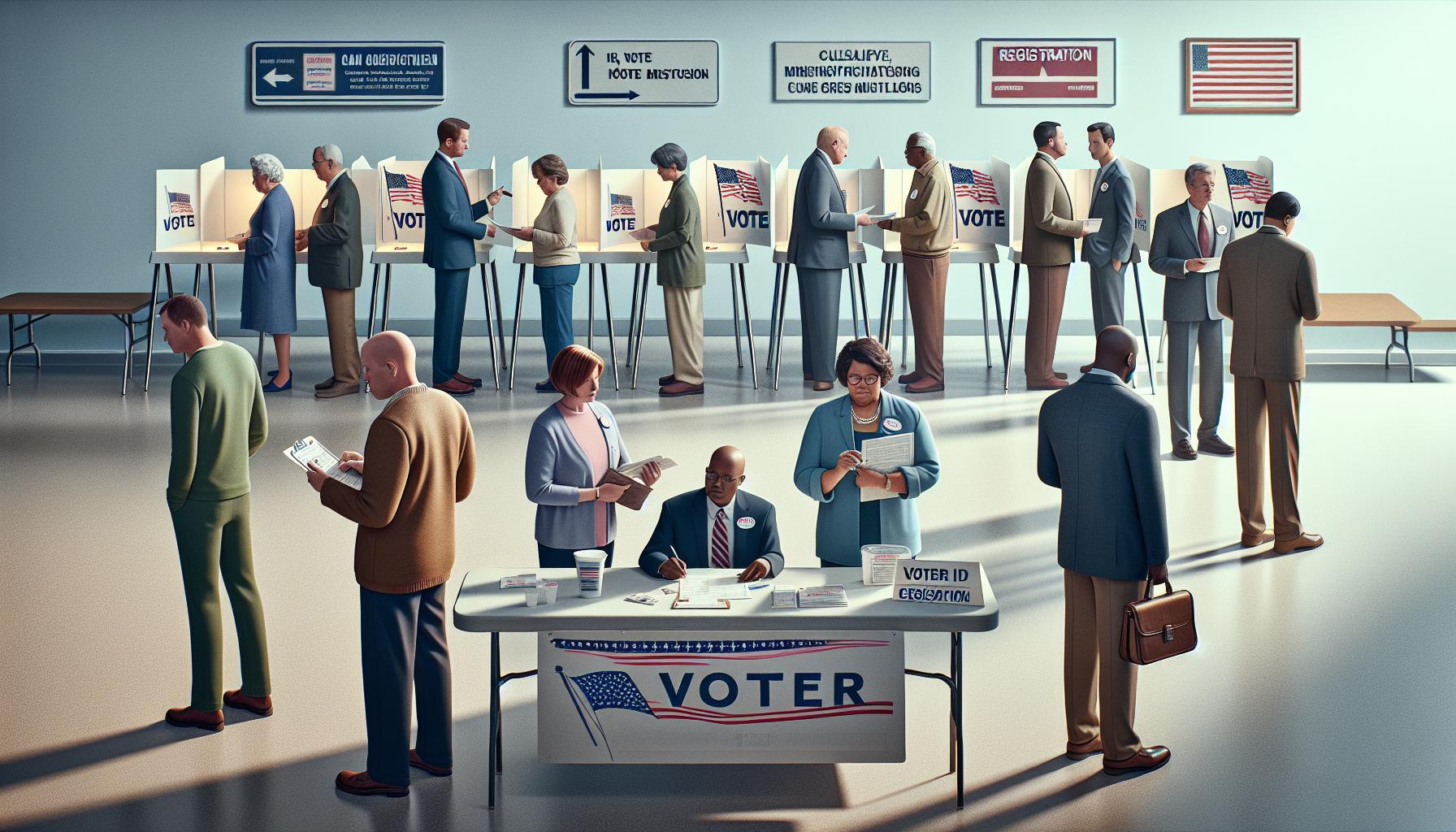
Common Misconceptions About Voter qualifications
Many people believe that voting in Canada requires passing some kind of intelligence or knowledge test, but this is a common misconception that can confuse and unfairly discourage potential voters. in reality, Canadian voting eligibility rests on straightforward legal criteria that emphasize citizenship and age, not cognitive ability or IQ. This clear-cut approach reflects Canada’s commitment to inclusive democracy,ensuring that all eligible citizens,regardless of their educational background or intellectual capacity,have an equal voice in elections.
one key misunderstanding stems from the historical misuse of literacy or intelligence tests in other countries, which some mistakenly think still apply in Canada. Unlike those settings, Canadian election laws do not impose assessments on voters beyond proving identity and citizenship status at the polls. It’s essential to appreciate that these protections prevent any form of discriminatory testing that could marginalize groups based on education, language proficiency, or mental capacity. this helps safeguard democratic participation as a right rather than a privilege earned through arbitrary standards.
- Eligibility is simple and clear: To vote federally, you must be a Canadian citizen aged 18 or older on election day, with no IQ or competency test required.
- identity verification involves commonly available documents: acceptable identification typically includes photo ID or a combination of documents verifying your name and address, not any form of cognitive testing.
- Mental capacity is not a barrier: Canadian law does not disqualify voters based on mental illness or cognitive impairments,reflecting a respect for the dignity and rights of all citizens.
For individuals who worry about the process or misunderstand the requirements, it’s helpful to know that the Canadian electoral system prioritizes accessibility and support. Resources such as voter assistance programs, accessible polling stations, and clear information materials exist to help everyone participate confidently. Dispelling false notions about testing barriers empowers more people to exercise their voting rights without fear or confusion.
Understanding these facts can also help counter myths that sometimes arise in conversations or online discussions.When in doubt, consult official sources like Elections Canada, which provides detailed, trustworthy information about who can vote and how to register. Respecting and reinforcing these inclusive principles strengthens democracy by encouraging broad, diverse engagement rather than excluding voices based on unfounded qualifications.
How Canadian elections Ensure Fairness and Accessibility
Canada’s electoral system is designed with fairness and inclusivity at its core, making voting accessible to all eligible citizens without imposing arbitrary barriers such as IQ or competency tests. This commitment reflects a deep-rooted belief that democracy thrives when every voice is heard, regardless of educational background or mental capacity. Practical measures ensure that the right to vote is exercised freely and confidently by everyone who meets the simple legal criteria: Canadian citizenship and being 18 years or older on election day.
Accessible Voting Procedures for Everyone
Voting in Canada is supported by a variety of accommodations that address the diverse needs of its population. Polling stations across the country are equipped to assist voters with disabilities, providing features such as wheelchair access, tactile ballots, and interpretation services. Additionally, voters who require support can bring someone with them or request assistance from election officials without having their voting secrecy or eligibility questioned. These thoughtful provisions ensure that physical or cognitive challenges do not prevent participation.
For example, individuals with visual impairments may receive ballots in Braille or use specialized voting machines that allow independent casting of votes. Similarly, outreach programs inform marginalized communities, including Indigenous peoples and newcomers, about their voting rights and the process, helping to dismantle barriers related to language or unfamiliarity. This inclusive infrastructure demonstrates how election authorities prioritize equality rather than exclusion.
Simple Yet Secure Registration and Identification
Canada’s registration and identification procedures emphasize ease and security without imposing undue hurdles. Voter registration can often be updated or confirmed through the annual tax return process simply by consenting to have personal information shared with Elections Canada. At the polling station, voters must provide valid identification that proves their identity and address, but these documents are commonly held and do not require any form of intelligence or knowledge assessment.
- Accepted ID options: Canadian driver’s license, health card, bank statement, or government-issued documents
- Multiple document combination: If no single ID suffices, two pieces together verifying name and address are acceptable
- No cognitive or IQ testing: Verification strictly focuses on identity, eliminating discriminatory practices
These streamlined yet robust practices prevent confusion or exclusion while maintaining the integrity of the election process, balancing accessibility with security effectively.
Educational Outreach and Voter Assistance
Beyond logistics, Elections Canada and numerous community organizations actively provide educational materials and voter support programs tailored to reach various demographics. Clear guides, multilingual resources, and public service announcements demystify voting procedures and deadlines. For voters who may feel uncertain or anxious-frequently enough due to misinformation about eligibility or fears of tests-access to help desks, hotlines, and local offices provides reassurance and answers.
By fostering an environment of respect and support, Canadian elections promote empowerment rather than exclusion. This culture of fairness ensures misconceptions about voting qualifications do not deter participation. In supporting clarity and accessibility, Canada exemplifies how democracies can protect voting as a fundamental right, free from discriminatory barriers like IQ requirements or mental competence tests.
For more details on eligibility and how to register, the official Elections Canada website is a reliable and comprehensive resource to guide all citizens toward active participation [[1]].
Exploring Cognitive Ability and Voter Competence Debates
Voting is a fundamental democratic right grounded not in cognitive testing but in citizenship and legal age. Despite persistent misconceptions, Canada’s electoral system does not require any assessment of IQ or mental competence to participate in federal elections. This inclusive approach respects the principle that democracy is strengthened through broad portrayal rather than exclusion based on subjective measures of cognitive ability.
Discussions about voter competence frequently enough arise from concerns about whether voters fully understand complex political issues. However, the Canadian system prioritizes accessibility and fairness, recognizing that political knowledge varies among individuals and is not a prerequisite for valid participation. The right to vote is an expression of citizenship,not a test of intellectual prowess. Efforts instead focus on providing clear information, educational resources, and assistance to empower all voters regardless of their background or abilities.
The Role of Supports and Accommodations
To address any challenges related to cognitive or physical limitations,Elections Canada implements a range of accommodations designed to uphold voter dignity and confidentiality. Voters who may have difficulty understanding the process or marking ballots can seek help from trusted companions or election officers without fear of disqualification or privacy loss. These practical supports illustrate a commitment to ensuring competence in voting stems from enabling voter independence, not restricting rights through exclusionary criteria.
- Assistance allowed: Bringing someone to help mark ballots or using accessible voting technology
- Confidentiality respected: Support is provided without compromising the secrecy of the vote
- Inclusive outreach: Programs specifically tailored for seniors, persons with disabilities, or newcomers
This framework confirms that while cognitive ability can influence how a person engages with political information, the legitimacy of their vote does not rely on passing tests or qualifying through mental metrics.
contributing to a Healthy Democracy
Voting is about representation and voice-values that transcend IQ scores or mental capacity evaluations. Elevating cognitive ability as a voting prerequisite risks marginalizing vulnerable groups and undermining democratic equality. In contrast, Canada’s approach champions diversity, ensuring that every eligible citizen can contribute to shaping government policy and leadership. This inclusivity strengthens social cohesion and fosters a political culture rooted in respect and fairness.
In practical terms, if you or someone you know feels uncertain about the voting process, numerous resources are available: detailed guides, multilingual materials, and Election Canada’s help lines provide clear answers to common concerns. Empowerment through support, rather than exclusion through testing, remains the cornerstone of voter competence debates within Canadian elections.
For comprehensive information on how to access these resources and participate confidently in elections, visiting Elections Canada’s official site is highly recommended [[2]].
What Role, If Any, Does Mental Capacity Play in Voting Rights?
voting rights in Canada are grounded in citizenship and legal age, not on assessments of mental capacity or IQ. While public discourse sometimes raises questions about whether cognitive ability should influence the right to vote, Canadian law firmly rejects any such restrictions. The measure of a voter’s eligibility is citizenship status and being at least 18 years old-factors that emphasize inclusivity and democratic participation over subjective judgments about mental competence.
Mental capacity, in legal terms, may come into play in very limited contexts, such as court decisions related to guardianship; though, it does not translate into a blanket bar on voting rights. In fact, no IQ tests or cognitive screenings are administered or required by Elections Canada to determine voter eligibility. Instead, the system is designed to respect human dignity and promote participation for all eligible citizens, including individuals who might face challenges due to mental or cognitive disabilities.
Supports That Enable Voting,Not Limit It
Canada’s electoral framework recognizes that some voters may need assistance navigating the voting process. To address this, elections Canada offers accommodations such as:
- assistance at the polling station: Voters can bring a trusted person to help mark their ballot or request help from election officials.
- Accessible voting technologies: Tools designed to support voters with disabilities, including those affecting cognition.
- Clear voter information: Materials provided in multiple languages and formats to ensure that information is understandable and accessible.
These measures affirm that the focus is on enabling voters to exercise their rights independently and confidently rather than excluding anyone based on mental capacity metrics.
Broader implications for Democracy
Requiring mental capacity tests to vote risks creating barriers that disproportionately affect vulnerable and marginalized populations, such as seniors, people with intellectual disabilities, and those with mental illness. This approach would contradict Canada’s commitment to fairness and equal representation. Instead,the country’s electoral principles emphasize that voting is a fundamental right tied to citizenship and participation,not cognitive ability.
Encouraging and supporting all eligible voters-including those who may find political information complex or difficult-is a stronger, more democratic approach. Providing accessible resources and facilitating assistance respects the diversity of voters and helps foster a political culture that values every voice.
If concerns arise about navigating the voting process,Elections Canada’s extensive outreach and support networks offer practical help. Empowerment through education and accommodation remains the key to ensuring meaningful participation for all Canadians, regardless of mental capacity. For specific guidance, visiting elections Canada’s official website can provide valuable resources to prepare and cast your vote confidently and independently [[2]].
Addressing Social and Ethical Concerns Around IQ and Voting
voting rights form one of the cornerstones of democratic societies, yet the suggestion of introducing IQ or mental capacity thresholds raises complex social and ethical questions worth exploring. While well-meaning arguments may claim such measures protect the integrity of elections, imposing cognitive barriers risks marginalizing entire communities and undermining the inclusiveness that a healthy democracy requires. In Canada, the fundamental principle remains clear: voting is a right tied to citizenship and legal age-not cognitive ability.
Ethically, restricting the right to vote based on IQ tests ignores the diverse contributions that all citizens bring to society, regardless of their intellectual profiles. Cognitive ability is only one facet of a person’s overall civic engagement and does not reliably predict their values, experiences, or the legitimacy of their voice at the ballot box. Historically, similar restrictions have been used to disenfranchise vulnerable groups, such as racial minorities and people with disabilities, often under the guise of “protecting” democracy but resulting in exclusion and injustice. modern Canadian law consciously avoids repeating these mistakes by focusing on supports that empower rather than exclude.
Practical Considerations and Social Impact
Implementing cognitive testing for voter eligibility would also introduce significant practical challenges and unintended consequences, including:
- Subjective criteria: IQ tests and cognitive assessments are not immune to cultural biases, socioeconomic factors, and differing educational backgrounds, risking unfair disqualification of eligible voters.
- Administrative burden: Conducting widespread cognitive assessments would be costly, complex, and conflict with Canada’s commitment to accessible and streamlined voting procedures.
- social stigmatization: Labeling individuals as “incompetent” to vote can foster stigma and discourage participation, eroding trust in electoral institutions.
Canada’s approach prioritizes accommodations like assisted voting and clear dialog, ensuring all eligible voters can participate meaningfully. This not only respects individual dignity but aligns with social inclusion goals that strengthen democracy overall.
To foster a fair and ethical electoral environment, ongoing public education and voter support play critical roles in bridging information gaps. This approach recognizes that political competence isn’t synonymous with IQ or mental capacity but grows from accessible information and civic engagement opportunities. By valuing every citizen’s voice equally, Canada illustrates how democracy flourishes when inclusivity guides policy rather than exclusion based on contested cognitive measures.
For voters or caregivers who may have concerns about accessibility or navigating elections, Elections Canada provides tailored assistance and comprehensive resources to bolster confidence and participation. Supporting voters through education and accommodations reflects a principled, ethical commitment to democracy that embraces diversity and respects individual rights.
| Ethical Consideration | Implication | Canadian Approach |
|---|---|---|
| Discrimination Risk | Marginalizing vulnerable groups | rejects IQ-based voting restrictions; ensures universal suffrage |
| Practicality | Complex administration and costs | Streamlined eligibility based on citizenship and age |
| Stigma and Participation | Discouragement and loss of voter trust | promotes assistance and accessible voting methods |

Practical Steps to Register and Exercise Your Vote in Canada
Registering to vote in Canada is a straightforward process grounded in inclusivity and accessibility,reflecting the country’s commitment to democratic participation without imposing unnecessary barriers like IQ tests. In fact, your eligibility depends primarily on being a Canadian citizen and meeting the minimum age requirement of 18 years on election day – no cognitive or IQ test stands between you and exercising your right to vote. this clarity ensures that every eligible Canadian, regardless of background or ability, can engage in shaping the nation’s future.
Before an election, you can register online, by mail, or in person at designated locations. the easiest and fastest option is Elections Canada’s Online Voter Registration Service, which allows you to update or confirm your registration from any computer or mobile device. If you’re using a public computer, it’s wise to clear your browser history afterward to protect your privacy. You can also check your registration status online to ensure your information is up to date, preventing surprises on voting day. Additionally, on your tax return, ticking “yes” in the Elections Canada section helps keep your registration current automatically, streamlining future participation[[1]](https://www.elections.ca/content2.aspx?section=faq&document=faqreg&lang=e)[[2]](https://www.canada.ca/en/revenue-agency/services/tax/individuals/topics/about-your-tax-return/tax-return/completing-a-tax-return/personal-address-information/elections-canada.html).
Accessible voting Options for All
Canada’s election system goes beyond simple registration to facilitate voting for everyone, including those who might face challenges related to mobility, vision, or other disabilities. If visiting a polling station is difficult,eligible voters can request option methods such as:
- Advance voting: Cast your ballot early at designated locations,providing flexibility to fit your schedule or mobility needs.
- Voting by mail: If you cannot reach a polling station on election day, applying for a mail-in ballot ensures your voice is counted securely.
- Assistance at polling places: Election workers are trained to provide help, and voters may bring someone to assist them while maintaining ballot secrecy.
These accommodations demonstrate Canada’s dedication to removing barriers and fostering a voting environment where practical help replaces exclusionary hurdles-definitively debunking any notion that cognitive ability or IQ should govern who gets to participate.
Staying Engaged and Informed
Participating in elections also means understanding your choices and the voting process itself, which can feel overwhelming for first-time voters or those with concerns about political engagement.Canada offers numerous resources, including accessible guides, multilingual materials, and informative sessions that break down how to vote and what to expect at the polls. These resources empower voters by focusing on education and convenience rather than complicated cognitive requirements.
If you have any questions or require assistance with registration or voting, reaching out to Elections Canada is a practical step. Their support teams can guide you through the process and help resolve common issues, ensuring your voting experience is smooth and confident.Remember, the right to vote is a cornerstone of democracy embraced by all Canadian citizens equally, and taking these simple steps secures your participation in shaping the country’s governance.
| Step | How To Complete | additional Tips |
|---|---|---|
| register to vote | Use Elections Canada’s online service or register in person | Update your details regularly; use your tax return option for convenience |
| Learn voting options | Review advance polling, mail-in ballots, and assistance availability | Apply early if voting by mail; know your nearest polling stations for advance voting |
| Prepare for election day | Bring necessary ID and registration info to the polling place | Ask election officials for help if needed; take time to review candidates and issues |
FAQ
Q: Can cognitive abilities legally restrict someone from voting in Canada?
A: cognitive abilities alone do not legally restrict voting in Canada. Eligibility focuses on age, citizenship, and residency, with legal protections ensuring fair access regardless of mental capacity. For more on this, see the section on Legal Protections Against Discriminatory Voting Practices in the main article.
Q: Are there any assessments similar to IQ tests involved in Canadian voter registration?
A: No, Canadian voter registration does not include IQ or cognitive assessments. The process requires basic identification and residency proof only, reinforcing the country’s commitment to inclusive voting rights without intelligence testing.
Q: How does Canada ensure voting accessibility for individuals with cognitive disabilities?
A: Canada guarantees voting accessibility through measures like assisted voting and adapted polling processes. These accommodations ensure that people with cognitive disabilities can participate fully, reflecting Canada’s dedication to fair and accessible elections.
Q: Why do some people believe there is an IQ requirement to vote in Canada?
A: The myth originates from misconceptions about voter competence and discussions around intelligence testing. However, Canada’s laws explicitly reject IQ-based voting restrictions to protect democracy and prevent discriminatory practices.
Q: How does Canada compare to other countries regarding IQ-based voting laws?
A: Canada does not impose IQ-based voting laws, unlike some countries historically experimenting with such restrictions. Canada emphasizes universal suffrage supported by legal safeguards, as detailed in the section on global voting restrictions.
Q: What should I do if I face challenges registering to vote due to cognitive difficulties?
A: If you encounter registration challenges, contact local election offices for assistance and accommodations. Canadian election authorities offer support to ensure your voting rights are upheld, explained further under Practical Steps to Register and Exercise Your Vote in Canada.
Q: Can mental capacity affect voting rights under Canadian law?
A: Mental capacity alone does not typically affect voting rights. Only in very rare cases involving legal guardianship might voting rights be limited, but these are exceptions designed to protect voter fairness and rights rather than impose IQ tests.
Q: How does voting without an IQ requirement benefit Canadian democracy?
A: Voting without IQ requirements promotes equal representation and inclusivity, allowing all eligible citizens a voice. This approach strengthens democratic legitimacy and aligns with Canada’s commitment to fairness outlined throughout the article.
For a deeper understanding, explore our sections on Legal Protections Against Discriminatory voting Practices and Practical Steps to Register and exercise Your Vote in Canada. Your vote matters-stay informed and engaged!
Key Takeaways
understanding that there is no IQ requirement to vote in Canada clarifies critically important truths about the inclusivity and fairness of our electoral system. This insight not only dispels common myths but also highlights Canada’s commitment to accessible voting rights for all eligible citizens. if you’re curious about how voting accommodations have evolved or want to explore related topics like federal voting rights for persons with disabilities, be sure to check out our detailed resources.
To stay informed and engaged with Canada’s democratic processes,consider subscribing to our newsletter for timely updates and expert analyses. Don’t miss out on exploring related content such as the history of electoral laws or voter eligibility requirements to deepen your understanding. We invite you to share your thoughts below or join the conversation-your voice enriches the community and promotes informed dialogue. Keep exploring and empowering yourself with credible information to confidently participate in Canada’s democratic journey.


