Did Canada recently vote on invoking emergency powers? Understanding how and when the Canadian government can activate extraordinary measures is crucial for every citizen, especially amid national crises. The Emergencies Act,a federal law enacted in 1988,grants the government temporary but significant authority to manage critical situations-from public health emergencies to threats to public order. This parliamentary update explores whether such powers were recently debated or approved, what this means for civil liberties, and how it affects daily life for Canadians. As concerns about governmental authority and public safety grow, staying informed about these high-stakes decisions helps you grasp the balance between security and freedom. Dive in to learn how this rare but powerful tool functions and the role of Canada’s Parliament in overseeing its use. Your awareness matters in a democracy that values both protection and accountability.
Table of Contents
- Understanding canada’s Emergency Powers Framework
- Historical Instances of Emergency Powers in Canada
- How Parliament Votes on Emergency Powers Explained
- recent Parliamentary Debates on Emergency Powers
- Key Political Players influencing emergency Powers decisions
- Public Opinion and Media Coverage on Emergency Powers
- Legal Challenges Surrounding Emergency Powers
- Implications of Emergency powers on Canadian democracy
- Comparing Canada’s Emergency Powers with other Democracies
- Future Prospects and Potential Reforms to Emergency powers
- Faq
- Q: When did the Canadian Parliament last vote on the use of emergency powers?
- Q: How dose Canada’s parliamentary system ensure oversight when voting on emergency powers?
- Q: What are the key criteria Parliament considers before approving emergency powers in Canada?
- Q: Why did some Members of parliament oppose the recent vote on emergency powers?
- Q: How does Canada’s process for voting on emergency powers compare to other democracies?
- Q: What happens if Parliament rejects a government’s request to invoke emergency powers?
- Q: Are there mechanisms for the public to influence parliamentary votes on emergency powers in Canada?
- Q: What legal recourses exist if emergency powers are used without proper parliamentary approval in Canada?
- The Way Forward
Understanding canada’s Emergency Powers Framework
Canada’s emergency powers framework is a carefully balanced legal structure designed to empower the federal government to act decisively during crises while safeguarding democratic principles and individual freedoms. Unlike some nations with broad executive powers, Canada’s approach relies heavily on parliamentary oversight and clearly defined legislative boundaries. The main piece of legislation governing this framework is the Emergencies Act, enacted in 1988, which replaced the older War Measures Act with a more measured and rights-sensitive legal tool[1].
The Emergencies Act enables the government to take special temporary measures during a national emergency, which must be clearly identified and meet specific criteria such as threats to public safety, security, or the economy. However, these measures are not unlimited. The Act requires explicit parliamentary approval within a strict timeline to ensure democratic legitimacy. Parliament holds the crucial obligation to debate, scrutinize, and ultimately vote on any declared emergency powers, offering Canadians a direct voice in decisions that may impact civil liberties and governance[2].
- Definition of National Emergency: The Act categorizes emergencies as public welfare, public order, international emergencies, or war emergencies, each with tailored governmental powers.
- Parliamentary oversight: Emergency declarations must be laid before Parliament within seven days, triggering mandatory parliamentary debate and vote. Failure to secure approval can revoke the powers.
- Time Limitations: Any declaration automatically expires after 30 days unless renewed through parliamentary endorsement.
Practical Implications and Real-World Use
Canada’s framework emphasizes transparency and accountability by demanding that emergency powers are both temporary and subject to ongoing review. A prime example was the 2022 invocation of the Emergencies Act during the trucker convoy protests, where it was used sparingly and with parliamentary input to regulate public assemblies and manage security concerns
Historical Instances of Emergency Powers in Canada
Few legal instruments have tested Canadian democracy as profoundly as the invocation of emergency powers during critical moments in the nation’s history. Understanding these historical instances illuminates how emergency powers have been used, scrutinized, and challenged within Canada’s parliamentary framework-shedding light on the evolving balance between government authority and civil liberties. Notably, before the enactment of the Emergencies act in 1988, Canada relied on the War Measures Act, which granted the federal government expansive powers, sometimes exercised controversially.
One of the most significant uses of emergency powers occurred during the 1970 October Crisis. The federal government, responding to the kidnapping of public officials by the Front de libération du Québec (FLQ), invoked the War Measures Act. This action suspended habeas corpus and permitted mass arrests without charge, underscoring the urgency but also sparking debate over civil rights infringements. Parliament’s role then was more limited as the decision primarily rested with the executive branch, highlighting a period when democratic oversight was less robust than today.
Fast forwarding to more recent history, canada’s first-ever invocation of the Emergencies Act in 2022 during the trucker convoy protests showcased a marked shift toward parliamentary participation in emergency decisions. The government declared a public order emergency to address blockades disrupting critical infrastructure and public safety. Importantly, this declaration was subject to immediate review by Parliament, which debated the merits and limits of the emergency powers. the rapid parliamentary vote, debates, and ongoing oversight exemplified how modern emergency powers respect democratic processes while responding to extraordinary challenges[3].
- Historic Uses Highlight Democratic Evolution: Earlier crises, such as the World Wars and the October Crisis, saw expansive powers with minimal parliamentary input, reflecting emergency norms of their times.
- Modern Invocation Prioritizes Oversight: The 2022 Emergencies Act use required Parliament’s explicit approval within seven days, allowing representatives to influence the scope and continuation of emergency measures.
- Lessons for Citizens and lawmakers: Awareness of historical applications encourages vigilance. Citizens benefit from tracking parliamentary debates and legal reviews to ensure emergency tools are not misused.
The contrast between past and present practices serves as a reminder that Canada’s emergency powers framework actively strives to protect both public safety and democratic values. For everyday Canadians, recognizing that parliamentary votes are now central to emergency powers decisions is empowering-it ensures that no declaration is unchecked. For policymakers, these historical insights stress the need for transparency, proportionality, and ongoing dialog when deliberating emergency measures moving forward.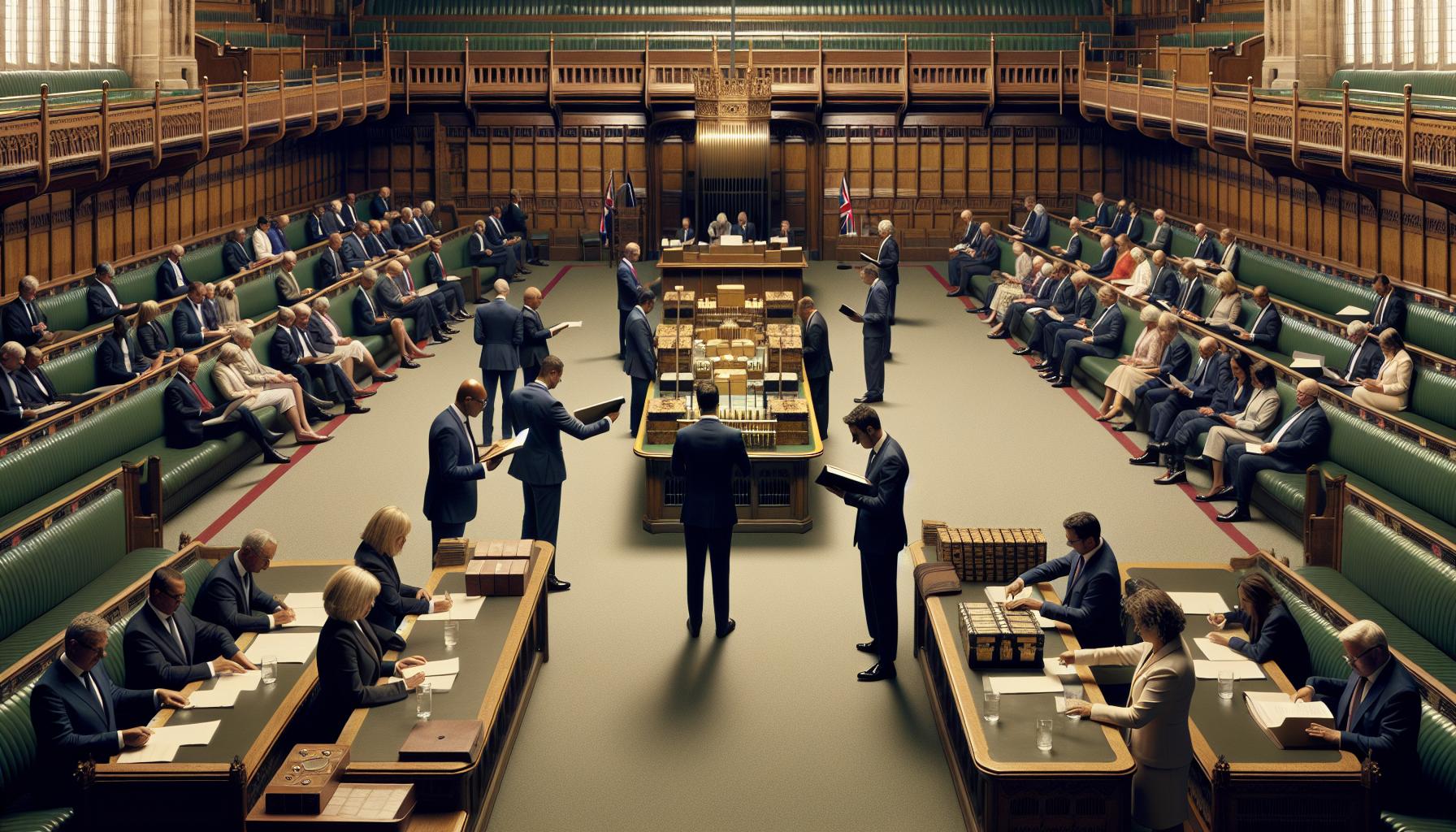
How Parliament Votes on Emergency Powers Explained
Few legislative actions in Canada have commanded as immediate and intense parliamentary attention as the invocation of emergency powers. Unlike the historical precedent under the War Measures act, where the executive branch wielded expansive authority with minimal oversight, the current legal framework under the Emergencies Act mandates swift parliamentary involvement. This ensures that any declaration of emergency is vetted,debated,and subject to democratic approval,reinforcing the principle that extraordinary powers must not bypass representative governance.
When the federal government decides to invoke emergency powers, it must formally table the declaration before the House of Commons and the Senate without delay. Parliament then has a fixed window-typically seven days-to review, debate, and vote on the government’s decision. This rapid review period is designed to balance the urgent need for swift government action with the necessity of parliamentary scrutiny. Members of Parliament (MPs) engage in thorough discussions assessing whether the emergency criteria are met, the proportionality of the measures, and their potential impact on civil liberties. Should a majority reject the declaration, the emergency measures must be revoked immediately.
Understanding the Parliamentary Voting Process
The parliamentary vote on emergency powers is a simple majority decision, meaning more than half of the voting MPs must support the motion for the emergency declaration to remain in effect. Debate prior to the vote is crucial: MPs examine government testimony, expert opinions, and opposition perspectives. This robust dialogue often highlights tensions between safeguarding public safety and protecting constitutional rights. Through this process, parliamentarians act as the democratic check on executive power, ensuring emergency measures remain lawful, necessary, and temporary.
- Immediate parliamentary Review: No emergency declaration takes effect without Parliament’s knowledge and timely response.
- Balanced Deliberation: Even under pressing circumstances, parliamentary debates scrutinize the necessity and scope of measures carefully.
- accountability Mechanism: The vote and subsequent monitoring provide ongoing oversight to prevent misuse or overreach.
A compelling example of this modern process was the 2022 invocation of the Emergencies Act during the trucker convoy protests.Parliament held intensive sessions where MPs questioned government officials, each contribution shaping the final vote. This clear, participatory approach demonstrated the health of Canadian democracy, making the parliamentary vote more than a procedural formality-it became a pivotal moment of collective decision-making with real consequences for civil order and rights.
For citizens, understanding this voting mechanism clarifies how their elected representatives wield emergency powers responsibly. Tracking parliamentary schedules and debates empowers Canadians to hold MPs accountable and engage with decisions that affect national security and freedoms. For lawmakers, recognizing the weight of this responsibility reiterates the importance of transparent, evidence-based deliberation when granting or limiting emergency powers.

recent Parliamentary Debates on Emergency Powers
The recent parliamentary debates surrounding the invocation of emergency powers have been among the most scrutinized and detailed discussions in recent Canadian political history. These debates go far beyond a simple vote-they represent a critical forum where elected representatives dissect every aspect of the government’s rationale and the anticipated impact of emergency measures. For readers tracking these debates, it’s vital to recognize how parliamentarians balance the immediate demands of crisis management with upholding constitutional safeguards and civil liberties.
During these discussions, MPs frequently enough challenge the government to provide concrete evidence justifying the emergency declaration’s necessity and scope. This rigorous questioning includes assessing whether option, less intrusive measures were considered and whether the emergency powers’ duration is reasonable. The 2022 invocation of the Emergencies Act in response to the trucker convoy protests stands as a landmark example; intense parliamentary sessions required ministers to explain the proportionality of actions such as limitations on public assembly and financial sanctions. These debates offered transparent insight into how the government uses emergency powers while facing democratic accountability.
- thorough Evaluation of Government Testimony: MPs scrutinize official reports, security assessments, and expert witness statements to understand the crisis’s nature fully.
- Cross-Party Dialogue: Even opposition parties engage constructively, highlighting concerns about potential overreach or civil rights violations.
- Public and Media Involvement: Debates are broadcast and reported widely, empowering citizens to form informed opinions on these extraordinary decisions.
If you want to stay informed and effectively participate in conversations about emergency powers,tracking parliamentary proceedings is essential. Watching or reading transcripts of debates reveals key arguments and concerns raised by MPs. Many parliamentary websites provide real-time updates and archives, enabling you to review the flow of discussion and the evidence presented. Understanding the specific criteria MPs emphasize-such as necessity, proportionality, and temporariness-can help you critically assess governmental emergency declarations.
Moreover, engaging with multiple viewpoints, including dissenting voices within Parliament, provides a nuanced viewpoint essential for democratic participation. Public consultations, opinion polls, and media coverage following debates offer additional context about how emergency powers affect everyday Canadians. Being attentive to these discussions fosters an informed electorate that can hold representatives accountable, advocate for balanced approaches, and contribute meaningfully to debates on national security and individual freedoms.
In sum,recent parliamentary debates not only validate the thoroughness of Canada’s emergency powers system but also serve as a practical example of democracy in action when crucial decisions impact the entire nation.
Key Political Players influencing emergency Powers decisions
Few moments in Canadian politics spotlight the intricate dynamics of power and responsibility quite like decisions surrounding emergency powers. These decisions often hinge not only on legal frameworks but also on the personalities, roles, and strategies of key political figures.Understanding which players influence emergency powers debates-and how they do so-can demystify the process and illuminate where accountability and advocacy intersect.
At the apex is the Prime Minister, whose prerogative to recommend the invocation of emergency powers initiates the parliamentary process. The Prime Minister’s office, together with Cabinet ministers-especially the Minister of Public Safety and Emergency Preparedness-play critical roles in shaping both the rationale for invoking such powers and the government’s dialogue strategy around it. Their ability to marshal facts, security assessments, and legal advice directly impacts how their case is received by Parliament and the public.For example, during the 2022 invocation of the Emergencies Act, Minister Marco Mendicino was central in defending government actions against opposition interrogation and public scrutiny.Opposition leaders and senior MPs serve as essential counterbalances, scrutinizing government claims and testing the proportionality and necessity of emergency measures. Leaders from parties such as the Official Opposition and the New democratic Party often amplify concerns about civil liberties and potential government overreach, demanding transparency and safeguards. Their effectiveness depends on articulating viable alternatives and highlighting risks, thereby preventing unchecked executive power in sensitive moments.
- Parliamentary Committee chairs: These figures coordinate detailed review sessions that delve into technical and legal complexities beyond the chamber’s floor debates.
- Specialized Critics and Shadow Ministers: Individuals tasked with monitoring democratic institutions or public safety portfolios provide informed and pointed critiques.
- Backbench MPs: While often less visible,their questions,comments,and votes can shift outcomes,particularly in closely divided chambers.
How Political Players Shape Outcomes and Public Perception
Effective political actors engage both internal parliamentary audiences and the wider public. Clear messaging, strategic use of evidence, and responsiveness to media narratives are crucial. Some MPs build reputations as watchdogs of civil rights, shaping long-term discourse around emergency powers. Others focus more on emphasizing national security priorities, appealing to concerns about stability and law enforcement.
For readers tracking ongoing or future parliamentary debates, observing these key players provides insight into the balance between government authority and democratic oversight. Engaging with their speeches, interviews, and social media updates can enhance understanding of the stakes involved, helping voters assess whether elected officials are prioritizing public safety, constitutional principles, or political advantage. Staying informed about these figures also supports advocacy efforts for transparent, accountable exercise of emergency powers.
In sum, the mosaic of political personalities influencing emergency powers is as critical as the legal mechanisms themselves. Their interplay determines not just the fate of specific powers but the resilience of Canadian democracy in times of crisis.
Public Opinion and Media Coverage on Emergency Powers
Public opinion around the use of emergency powers in Canada often oscillates between concerns for national security and the protection of civil liberties, reflecting the delicate balance these measures strike in times of crisis. When the government moves to invoke such powers, media coverage intensifies, shaping public perception through a mix of factual reporting, expert analysis, and editorial viewpoints. For many Canadians, the way emergency measures are presented in the news profoundly influences their understanding and support, or opposition, to the government’s decisions.For example, during the 2022 invocation of the Emergencies Act, media outlets played a pivotal role in scrutinizing government rationale and amplifying voices both supporting and questioning the necessity and proportionality of the measures.
The media’s framing can either foster trust by emphasizing transparency and accountability or fuel skepticism by highlighting perceived overreach or lack of clarity. Social media platforms also contribute significantly, serving as rapid channels for public debate but sometimes spreading misinformation or polarizing narratives. It’s important for readers to critically assess sources and seek balanced perspectives, especially during highly charged political moments. Engaging with reputable journalism and cross-referencing official statements helps form a well-rounded view of how emergency powers affect Canadian society.
- Practical advice for staying informed: Follow diverse news outlets including national public broadcasters and independent media.
- Watch parliamentary proceedings: Live or recorded sessions provide direct insight into debates and government justifications.
- Engage with expert commentary: Legal scholars and emergency management specialists frequently enough provide context that clarifies complex issues.
Understanding the public Pulse and Media Dynamics
polling data and public opinion surveys during times of emergency reveal fluctuating levels of support based on current events, government communication strategies, and visible impacts of the crisis. As a notable example, initial support for restrictions or extraordinary powers might potentially be high when a threat feels immediate but can wane if measures are perceived as prolonged or disproportionate. Media outlets often highlight this shift, reporting on grassroots campaigns, opinion polls, and commentaries that reflect societal divides. Recognizing these patterns equips citizens and policymakers alike with a clearer sense of democratic legitimacy and potential friction points.
Ultimately, how media outlets cover the nuances of emergency powers-balancing security needs with safeguards against abuse-shapes the broader conversation about governmental authority and individual rights in Canada. Being proactive about cross-verifying data and engaging civically with the issues at hand strengthens democratic participation and accountability during national emergencies.
Legal Challenges Surrounding Emergency Powers
Invoking emergency powers in Canada frequently enough triggers intricate legal debates that revolve around the balance between urgent government action and constitutional safeguards. A striking feature of these challenges is how courts scrutinize the government’s justification for invoking extraordinary measures, focusing heavily on whether the situation truly merits such powers and whether the response is proportionate. For example, when the Emergencies Act was invoked in 2022, multiple legal challenges emerged questioning the necessity of the Act and the scope of its application, highlighting how judicial oversight serves as a crucial check in this sensitive area.
Understanding these legal challenges requires clarity on key procedural aspects. The Emergencies Act mandates that once invoked, the government must promptly notify Parliament and justify the declaration. Parliament must then review and possibly vote on continuation of the emergency powers. however, opponents have argued that this process may not provide sufficient real-time democratic oversight, leading to court cases seeking clarity on whether Parliament’s review mechanisms are robust enough to prevent potential overreach. Courts have sometimes had to interpret constitutional commitments to civil liberties alongside the practical need for rapid government response during crises.
- judicial review: Courts assess whether emergency declarations meet legal thresholds,including “serious and imminent threats” to the nation.
- proportionality tests: these ensure that measures taken are the least intrusive necessary to address the emergency.
- Parliamentary procedures: Legal questioning frequently enough involves whether Parliament had adequate opportunity to debate and revoke emergency powers.
One particularly compelling element in legal challenges has been the tension between federal and provincial jurisdictions. The emergencies Act is a federal statute, but emergencies frequently enough have significant regional impacts, prompting disputes over whether provinces have sufficient autonomy or role in declaring and managing emergencies locally. Legal experts point to this intergovernmental dynamic as a potential flashpoint that could reshape emergency powers legislation in the future, emphasizing the need for clearer statutory language to avoid jurisdictional ambiguity.
For Canadians seeking to understand their rights and the legal recourse during emergencies, it is advisable to stay informed about legal interpretations of emergency acts, especially court decisions that might redefine limits or procedures. Engaging with expert legal commentaries and following Parliamentary reviews closely can provide timely insights.Where possible, public participation in consultations or discussions on reform offers a way to influence how these powers evolve to better reflect democratic values and civil liberties in future crises.

Implications of Emergency powers on Canadian democracy
Few moments test the resilience of democracy quite like the invocation of emergency powers, which inherently concentrate authority in the executive branch at times of crisis. In Canada, this raises a delicate balancing act: protecting public safety swiftly while upholding the core democratic principles of transparency, accountability, and individual rights. The parliamentary procedures around emergency powers act as a vital democratic safety net, but their effectiveness depends largely on how rigorously these mechanisms are exercised and respected in practice.
When Parliament votes on the continuation of emergency measures, it is engaging in a crucial democratic function that supervises government authority during extraordinary times.However, this oversight process often comes under scrutiny for possibly lagging behind the immediacy required in crises. real-time parliamentary debate may be limited or constrained by procedural rules, which can inadvertently reduce the opportunity for opposition voices and public scrutiny to influence decisions. This tension spotlights the importance of clear,accessible communication from government officials alongside prompt parliamentary engagement-so Canadians understand how and why such powers are deployed and what safeguards exist.
Maintaining Democratic Integrity During Emergencies
The use of emergency powers inevitably impacts civil liberties – from restrictions on movement to potential limitations on assembly and expression. To uphold democratic legitimacy, any such restrictions must strictly adhere to principles of necessity and proportionality.Courts have increasingly played a pivotal role in testing these legal boundaries, ensuring that emergency declarations are not arbitrary and that they expire once no longer justified. This judicial check complements parliamentary oversight by providing an independent assessment of government action.
For citizens,staying informed and engaged is paramount. Being aware of the parliamentary process for reviewing emergency powers, questioning how these powers affect individual rights, and following media or advocacy group updates can empower public participation.Additionally, Canadians should support calls for modernizing review processes, for example by advocating for more frequent reporting or live debates within Parliament during emergencies. Such measures could enhance transparency and reinforce democratic trust in times when it is most vulnerable.
Practical Considerations for Canadian Democracy
- Demand clarity: Encourage your representatives to provide explicit explanations on why emergency powers are invoked and what checks are in place.
- Engage with watchdog groups: Organizations monitoring civil liberties often analyze government actions and can offer grounded perspectives.
- Follow parliamentary debates: Even when emergency powers are in use, parliamentary sessions provide debate records that citizens can review and discuss.
Ultimately, while emergency powers enable Canada to address serious threats swiftly, democratic values must shape their application. The process of voting on and scrutinizing these powers is not merely a procedural formality but a cornerstone of democratic accountability that reflects Canadians’ shared commitment to freedom, fairness, and the rule of law.[1] [2]
Comparing Canada’s Emergency Powers with other Democracies
The way Canada structures and exercises its emergency powers reveals a careful and distinct approach within the global democratic landscape. Unlike some democracies where emergency declarations can bypass legislative scrutiny for extended periods, Canada’s framework emphasizes parliamentary approval and judicial oversight, ensuring that the balance between rapid crisis response and democratic accountability isn’t lost. This makes Canada’s model particularly instructive for understanding how modern democracies can manage urgent threats without compromising fundamental rights.
One striking feature of Canada’s Emergencies Act is its requirement for timely parliamentary consent after an emergency is declared. After the government invokes emergency powers,it must present the situation to Parliament,which then holds a vote to approve,modify,or revoke the declaration.This parliamentary check contrasts with countries like the United States, where the president can declare a national emergency with much broader discretion, although Congress retains the power to terminate such emergencies. In some European democracies, emergency powers can be more constrained or require swift notification and justification but lack the detailed procedural steps Canada mandates[[[1]](https://blogs.loc.gov/law/2022/11/law-library-of-congress-report-examines-the-canadian-emergencies-act/).
Transparency and Oversight: A Comparative Lens
Canada’s system embodies several best practices that other democracies might consider adopting to reinforce democratic legitimacy during crises:
- Immediate Parliamentary Engagement: Following an emergency declaration, prompt debate and voting ensure elected representatives directly influence the scope and duration of powers.
- Judicial Review mechanisms: Courts maintain the authority to review the legality and proportionality of emergency measures, safeguarding against government overreach.
- Defined Temporal Limits: Emergency powers in Canada must be renewed periodically, preventing indefinite extensions-a safeguard sometimes lacking in other nations.
For example, Germany’s Basic Law allows the federal government to assume extensive powers during states of emergency but requires parliamentary approval and limits measures to those strictly necessary. Similarly, the United Kingdom, while having less codified emergency legislation, relies heavily on parliamentary debate and established conventions to manage crises, often showing more deference to swift executive action without explicit legislative votes[[[2]](https://laws-lois.justice.gc.ca/eng/acts/e-4.5/page-1.html).
Lessons for Canadian Citizens and policymakers
Understanding these international comparisons highlights actionable steps for Canadians:
- Advocate for frequent Reporting: Push for reforms that require governments to report regularly on emergency measures’ effectiveness and impact to Parliament and the public.
- Encourage Cross-Democratic Exchange: Support scholarly and governmental dialogues exploring how emergency powers’ frameworks can evolve to remain democratic and effective.
- Stay Engaged with Media and Civil Society: Monitor how emergency powers are used not only locally but in democracies worldwide, gaining perspective on risks and remedies.
| Country | Parliamentary Approval | Judicial Review | Duration Limits | Example Emergency Power Use |
|---|---|---|---|---|
| Canada | Required promptly after invocation | Yes, courts can review | Temporary, renewable | 2022 Freedom Convoy protests |
| United States | Not required before declaration; Congress can terminate | Limited, varies by context | Indefinite unless revoked | Post-9/11 national emergency |
| Germany | Required for emergency measures | strong judicial oversight | Strictly necessary period | COVID-19 federal restrictions |
| United Kingdom | Frequently enough post-hoc parliamentary debates, no formal votes always | Limited explicit review | varies by law invoked | 2020 Coronavirus Act |
By looking outward, Canadians can appreciate the strengths and challenges of their system. The Emergencies Act’s reliance on active parliamentary involvement, clear temporal limits, and judicial checks offers a balanced template, but ongoing scrutiny and modernization will be key. International experiences reinforce that no system is foolproof; therefore, robust democratic engagement remains essential whenever emergency powers reshape governance.
Future Prospects and Potential Reforms to Emergency powers
From its inception, Canada’s framework for emergency powers has sought to balance swift government action with democratic safeguards.Yet, as challenges evolve-from large-scale protests to pandemics-the system faces continuous pressure to adapt. One compelling driver for future reforms is improving clarity around the criteria that warrant invoking emergency measures. Close scrutiny of recent events, like the 2022 freedom Convoy protests, revealed ambiguities in thresholds and scope, prompting calls for a more transparent and precise decision-making process. This could help both Parliament and the public better understand when and why extraordinary powers are justified,reducing controversy and strengthening trust.
Improving the procedural aspects of parliamentary oversight ranks high on reform agendas. While current rules require prompt parliamentary votes after emergency powers are invoked, critics argue that deeper involvement at earlier stages could enhance accountability. Some experts propose mandatory pre-declaration consultations with designated parliamentary committees or an independent oversight body to assess necessity and proportionality.Additionally,integrating stronger reporting obligations with clear benchmarks and timelines would ensure continuous legislative and public monitoring throughout the emergency’s duration.
Enhancing Legal and Democratic Safeguards
The expansion of judicial review mechanisms is another key reform avenue. Courts already have the authority to review the legality of emergency measures, but calls to empower them to swiftly suspend or modify problematic provisions have gained momentum.More explicit and accessible legal pathways for affected individuals and groups could serve as important checks against government overreach, reinforcing the rule of law.
Moreover,with advancing technology and modern communications,future reforms might address how emergency powers intersect with digital rights and privacy. Protecting citizens against potential abuses in surveillance and data collection during emergencies will be critical to uphold democratic norms.
Practical Steps for Stakeholders
- Engage Parliamentary Representatives: Voters and civil society should advocate for legislative amendments that clarify triggers for emergencies and enhance consultation protocols.
- promote Transparent Reporting: Demand regular, detailed government disclosures on the implementation and impact of emergency powers to foster informed public dialogue.
- Support Judicial Empowerment: Encourage reforms allowing courts more agile review capacities to address emergent rights violations swiftly.
- Monitor Privacy Protections: Stay vigilant on issues related to digital surveillance and data use under emergency declarations.
Canada’s emergency powers framework stands at a crossroads: maintaining its democratic strengths while evolving to meet new societal and technological realities. Thoughtful reforms grounded in transparency, accountability, and rights protection can ensure that emergency measures remain tools for crisis management-not instruments that erode public trust or democratic values.
| Reform Area | Current Status | Potential Improvements | Expected Impact |
|---|---|---|---|
| Criteria for Invocation | Broad,somewhat ambiguous | Clearer definitions and thresholds | Reduced disputes,enhanced legitimacy |
| Parliamentary Oversight | Post-declaration vote required | Pre-declaration consultation,ongoing reporting | Stronger democratic accountability |
| Judicial Review | Legal review available but limited in speed | Swift suspension/modification powers | Better protection of individual rights |
| Digital Rights | Limited explicit safeguards | Robust privacy and surveillance oversight | Protection against government overreach |
By engaging with these potential reforms,Canadians can help shape a future where emergency powers serve their intended purpose-safe,justified,and accountable responses to remarkable challenges.
—
Sources for further reading on Canada’s emergency legal framework and debates can be found at the Department of Justice Canada and analysis by independent policy groups[[[2]](https://en.wikipedia.org/wiki/Emergencies_Act)[[[3]](https://www.justice.gc.ca/eng/csj-sjc/ea_infog-lu_infog.html). For context on recent controversies, see critiques of the use of emergency powers during the 2022 protests[[[1]](https://www.cato.org/blog/canadian-court-trudeaus-use-emergency-powers-crush-protests-was-illegal).
Faq
Q: When did the Canadian Parliament last vote on the use of emergency powers?
A: The Canadian Parliament last voted on emergency powers during the 2022 invocation of the Emergencies Act amid nationwide protests. This vote was critical in authorizing temporary federal powers to address the protests effectively. For detailed context, see the section on Recent Parliamentary Debates on Emergency Powers in the article.
Q: How dose Canada’s parliamentary system ensure oversight when voting on emergency powers?
A: Canada’s parliamentary system mandates that any emergency powers invoked must be reviewed and approved by Parliament within a specific timeframe to ensure oversight. This includes debate, committee review, and a formal vote to balance government authority and democratic accountability. Learn more in How Parliament Votes on Emergency Powers Explained.
Q: What are the key criteria Parliament considers before approving emergency powers in Canada?
A: Parliament considers if a situation constitutes a national emergency that exceeds provincial capacities,whether powers granted are necessary and proportional,and the potential impact on civil liberties before approving emergency powers. These criteria uphold democratic safeguards, as discussed in Key Political Players Influencing Emergency Powers Decisions.
Q: Why did some Members of parliament oppose the recent vote on emergency powers?
A: Opposition stemmed from concerns about potential overreach, impacts on civil rights, and insufficient evidence that provincial responses were inadequate. Critics emphasized the need for stringent limits to protect democracy,detailed further in the Legal Challenges Surrounding Emergency Powers section.
Q: How does Canada’s process for voting on emergency powers compare to other democracies?
A: Canada’s parliamentary vote requires rapid yet thorough oversight with built-in expiration of powers, similar to many democracies. Though, variations exist in timing, scope, and judicial review, which affects responsiveness and safeguards. See Comparing Canada’s Emergency Powers with other Democracies for a detailed analysis.
Q: What happens if Parliament rejects a government’s request to invoke emergency powers?
A: If Parliament rejects the request, the government cannot exercise the proposed powers, maintaining the status quo. This check ensures emergency measures have democratic legitimacy and encourages alternative crisis responses.This scenario is explained in the How Parliament Votes on Emergency Powers Explained section.
Q: Are there mechanisms for the public to influence parliamentary votes on emergency powers in Canada?
A: Yes, public opinion, advocacy groups, and media coverage play influential roles by shaping MP positions and parliamentary debates.Citizens can engage through public consultations and contacting representatives, as highlighted in Public Opinion and media Coverage on Emergency Powers.
Q: What legal recourses exist if emergency powers are used without proper parliamentary approval in Canada?
A: Legal challenges can be brought to courts to review the lawfulness of emergency powers if invoked without parliamentary consent, potentially invalidating government actions. This serves as a judicial check on executive overreach, covered under Legal Challenges Surrounding Emergency Powers*.
For more detail on related topics, explore our main article sections on parliamentary procedures and legal frameworks surrounding emergency powers. Stay informed to understand how these critical decisions shape Canadian democracy.*
The Way Forward
Understanding whether Canada voted on emergency powers is crucial for staying informed about national security and democratic accountability.As parliamentary decisions continue to shape how emergency powers are authorized and exercised, staying updated ensures you’re aware of your rights and government actions. Don’t miss out-explore our detailed analysis on the Emergencies Act and related legislative updates to deepen your knowledge.
To keep current on how emergency powers impact politics and civil liberties, check out our breakdown of recent court rulings on Trudeau’s use of emergency measures and the debate around climate emergencies and government responses. Ready for more insights? Subscribe to our newsletter for timely updates and visit our related guides on constitutional law and parliamentary procedures. Join the conversation below or share this update to help others stay informed about Canada’s evolving emergency powers framework.
Get our latest guides, news, and insights highlighted in your Google Search & AI Overviews.