
Elections and Polling
Elections and Polling represents democratic electoral administration and voting telemetry that structures the operational execution of democratic plebiscites, seat projections, polling station administration, and ballot counting to ensure electoral franchise integrity, verifiable voting outcomes, and peaceful constitutional transitions.
Foundational Pillars & Key References
CORE STATUTORY GUIDE
Commissioner of Canada Elections: Understanding Their Vital Role in Democracy
Comprehensive civic guide examining commissioner of canada elections: understanding their vital role in democracy, detailing administrative requirements, statutory benchmarks, and procedural compliance for engaged citizens.
PROCEDURAL ANALYSIS
Canadian Election Seat Projections: What to Expect This Election Season!
Comprehensive civic guide examining canadian election seat projections: what to expect this election season!, detailing administrative requirements, statutory benchmarks, and procedural compliance for engaged citizens.
LEGISLATIVE PROTOCOL
Elections Nunavut: Everything You Need to Know About Voting in the North
Comprehensive civic guide examining elections nunavut: everything you need to know about voting in the north, detailing administrative requirements, statutory benchmarks, and procedural compliance for engaged citizens.
Administrative Jurisprudence & Statutory Architecture
Electoral administration requires rigorous statutory safeguards to guarantee ballot secrecy, universal voter access, and transparent tabulations. Non-partisan election authorities manage electoral boundaries, deploy accessible polling infrastructure, and oversee advance, special, and absentee voting methods. Scrutiny of seat projection algorithms, statistical polling models, and independent audit trails preserves public confidence during tense electoral contests.
Democratic accountability requires an ongoing calibration between institutional authority and public scrutiny. In modern constitutional governance, procedural standards are reinforced by statutory oversight bodies, judicial review standards, and strict administrative law precedents. Understanding these parameters empowers citizens, advocacy organizations, and legal scholars to engage with government entities transparently, effectively, and with verified legal standing.
| Governance Area / Domain | Constitutional Attribute | Procedural Standard & Value |
|---|---|---|
| Polling Station Accessibility | Franchise Guarantee | Statutory mandates requiring barrier-free voting stations, assistive voting devices, and proxy ballot options. |
| Absentee & Special Ballot Systems | Remote Franchise Access | Secure voting protocols for military personnel, overseas citizens, and incarcerated eligible electors. |
| Electoral Boundary Redistribution | Representation by Population | Decennial independent commissions adjusting district boundaries based on census demographic shifts. |
| Vote Tabulation & Scrutiny | Integrity Verification | Manual paper ballot audits, bipartisan scrutineer monitoring, and official recount judicial frameworks. |
Data Matrix Source: Codified Administrative Guidelines, Standing Orders, and Published Statutory Reviews cataloged by the Civil Procedure & Statutory Telemetry Desk.
Curated Research Directory & Topic Clusters
Statutory & Procedural Guides
Constituent & Advocacy Telemetry
Frequently Asked Questions
Who oversees federal election administration to ensure non-partisan integrity?
Independent electoral commissions (such as Elections Canada or the UK Electoral Commission) execute statutory electoral laws entirely separate from the executive branch of government.
How do electoral commissions determine boundary redistribution?
Independent boundary commissions use decennial census data to equalize population counts across ridings, respecting constitutional minority protections and community identity factors.
What legal avenues exist to challenge election night tally discrepancies?
Judicial recount statutes allow candidates or electoral officers to request court-supervised ballot reviews when margins fall within statutory thresholds or irregularities are alleged under oath.
Authored & Maintained by: Civil Procedure & Statutory Telemetry Desk
Notice: This research synthesis and structural taxonomy models published statutory codes, administrative regulations, and parliamentary procedure for informational and civic planning purposes only. It does not provide certified legal, parliamentary, or governmental counsel. For definitive rulings or case advice, consult an actively licensed attorney or official parliamentary officer in your jurisdiction.

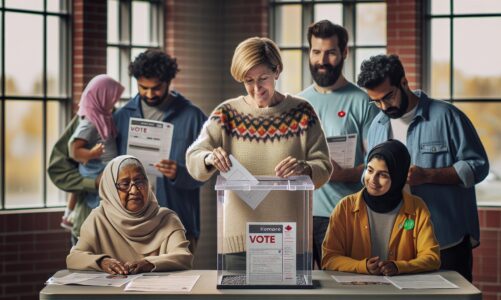
What Do People Vote for in Canada? Offices & Issues Explained

How to Vote for Big Brother Canada? Step-by-Step Voting Tips
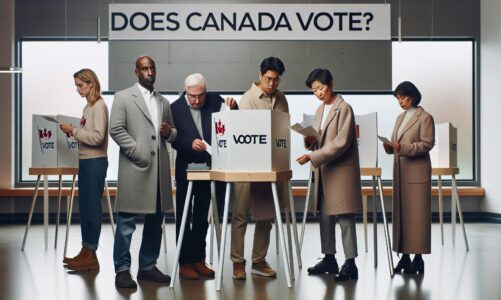
Does Canada Vote? A Guide to National Elections

The Process of Counting Votes on Election Night: Democracy in Action!
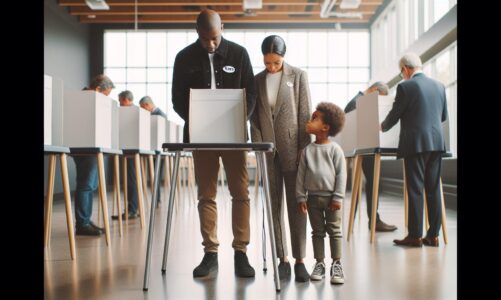
Can I Bring My Child to Vote in Canada? Voting Day Tips

How to Show You Voted on Facebook in Canada? Quick Tutorial

How Many Electoral Votes Would Canada Have? Hypothetical Analysis
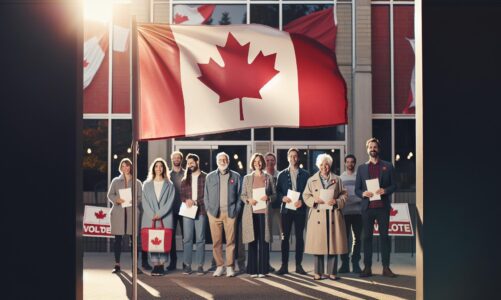
How Often Does Canada Vote for Prime Minister? Election Cycle Guide

Who Won the Popular Vote in Canada? Surprising 2021 Breakdown
Comparison & Specifications: Elections and Polling
| Statutory Guide / Topic | Governing Framework & Scope | Procedural Mechanism | Civic & Legal Application |
|---|---|---|---|
| Commissioner of Canada Elections: Role in Democracy | Canada Elections Act (Part 19, ss. 509–549) | Independent investigation and administrative monetary penalty enforcement | Reporting illegal polling-day campaigning, false statements, or spending breaches |
| Canadian Election Seat Projections: What to Expect | 343 Federal Electoral Districts (2023 Representation Order) | Regional swing modeling across Ontario (122 seats), Quebec (78), BC (43), and Alberta (37) | Evaluating majority government thresholds (172 seats) and coalition math |
| How to Vote in Canadian Election from Abroad | Canada Elections Act (Part 11, Special Voting Rules) | Write-in special ballot returned to Ottawa headquarters before polling close | Expatriate and military electors casting ballots outside their home riding |
| Accessibility Features at Polling Stations | Accessible Canada Act (S.C. 2019, c. 10) & 37 Mandatory Polling Site Criteria | Braille ballot templates, large-print lists, magnifiers (4x), and level wheelchair access | Accommodating voters with mobility, visual, or hearing disabilities at polling places |
| Electoral Boundaries Commission BC: Navigating Changes | BC Electoral Boundaries Commission Act (R.S.B.C. 1996, c. 107); 93 Provincial Districts | ±25% electoral quotient variance rule across British Columbia ridings | Verifying updated provincial riding boundaries after adding 6 new BC seats |
| Elections Nunavut: Voting in the North | Nunavut Elections Act (S.Nu. 2002, c. 17); 22 Consensus Government Constituencies | Non-partisan candidate balloting in Inuktitut, Inuinnaqtun, English, and French | Participating in territorial consensus elections across 25 Arctic communities |
| Where to Vote Edmonton: Elections Alberta Polling Stations | Alberta Election Act (R.S.A. 2000, c. E-1); 87 Provincial Electoral Divisions | 'Vote Anywhere' advance poll flexibility across 5 days prior to election day | Locating assigned Edmonton polling subdivisions and advance voting stations |
| Understanding the Role of Returning Officers in Elections | Canada Elections Act (Section 24); 1 Returning Officer appointed per riding (10-year term) | Candidate nomination validation, poll worker staffing, and judicial recount triggers | Administering writ execution across 36-to-50-day federal election periods |
| Elections PEI Advance Polls: Guide to Early Voting | Prince Edward Island Election Act (R.S.P.E.I. 1988, c. E-1.1); 27 Electoral Districts | 3 statutory advance polling days (Saturday, Monday, and Friday before polling day) | Early in-person ballot casting across any advance polling station in the district |
| What Is the Voter Turnout in Canada? 2025 Figures | Elections Canada Official Voting Results (62.2%–68.3% historical federal range) | Age-cohort and provincial participation tracking across 27.5+ million registered electors | Benchmarking civic participation rates across federal and provincial general elections |
Institutional Research Desk: Civil Procedure & Statutory Telemetry Desk — Notice: This calculation engine and statutory comparison matrix models published statutory formulas and regulatory codes for informational and planning purposes only. It does not provide certified legal, medical, veterinary, tax, or engineering advice. For definitive rulings, consult an actively licensed professional in your jurisdiction.
Frequently Asked Questions (Elections and Polling)
How many hours must polling stations remain open during a Canadian federal election?
Section 128 of the Canada Elections Act mandates that ordinary polling stations remain open for exactly 12 consecutive hours on polling day, with staggered regional opening schedules synchronized across all 6 Canadian time zones.
How much paid time off must employers grant employees to vote on election day?
Under Section 132 of the Canada Elections Act, every eligible elector is entitled to 3 consecutive hours during polling hours to cast their ballot, and employers cannot deduct pay or impose penalties for granting this statutory leave.
When does an automatic judicial recount occur in a Canadian federal election?
Section 300 of the Canada Elections Act triggers a mandatory judicial recount presided over by a superior court judge whenever the margin separating the first-place and second-place candidates is less than 1/1000 (0.1%) of total votes cast.
How many advance polling days are provided before a federal general election?
Under Section 171 of the Canada Elections Act, Elections Canada operates advance polling stations for 4 consecutive days—running Friday through Monday between the 10th and 7th days before polling day—from 9:00 AM to 9:00 PM local time.