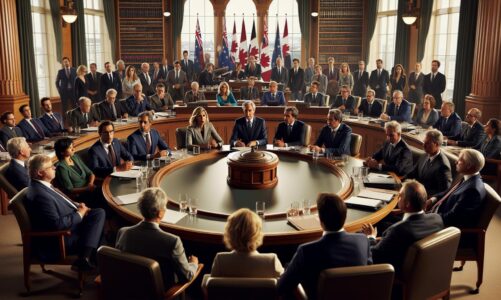
did you know that while Parliament is often seen as the heart of democracy, the real driving force behind its decisions lies in a complex web of leaders and opposition figures? Understanding who truly runs Parliament reveals how policies are shaped, debated, and ultimately decided, affecting every aspect of our lives. Whether you’re curious about how government leaders coordinate daily sessions or how opposition parties hold them accountable, grasping these roles is key to making sense of political power dynamics. This insight not only deepens your awareness of governance but also empowers you to follow the debates and decisions that impact your community. Keep reading to uncover the critical figures and forces that steer parliamentary proceedings and challenge each other in the ever-evolving arena of democratic leadership.
Table of Contents
- Understanding Parliament’s Formal Leadership Structure
- Uncovering the role of Key Political Parties
- Exploring Influential Backbenchers and Whips
- Examining the power of Parliamentary Committees
- The Impact of opposition Forces and Shadow Cabinets
- Behind the Scenes: The Influence of Party Whips
- The Role of Parliamentary Staff and Advisors
- How Lobbyists and External Groups Shape Decisions
- Media Influence on Parliamentary Leadership Perception
- Analyzing Historical Shifts in Parliamentary Power Dynamics
- Q&A
- Q: How do informal power brokers influence decision-making in parliament?
- Q: What role do cross-party alliances play in parliamentary leadership?
- Q: Why is parliamentary culture crucial to understanding who runs parliament?
- Q: When do backbenchers gain meaningful control in parliament?
- Q: How do parliamentary procedures empower oppositional forces?
- Q: Where does the media most strongly affect parliamentary leadership perception?
- Q: What challenges do minority parties face in exercising leadership influence?
- Q: How do external events outside parliament affect who runs it?
- In Summary
Understanding Parliament’s Formal Leadership Structure
the architecture of parliamentary leadership is a finely tuned system where formal roles and institutional traditions blend to direct the flow of power and decision-making. At its core,this structure is designed not only to organize legislative business efficiently but also to balance the dynamic tensions between government authority and opposition scrutiny. understanding who holds formal authority reveals much about how policies are shaped and what drives legislative priorities, offering a window into the real levers of power beyond electoral outcomes.
Leadership in parliament is anchored by key positions such as the Speaker, the Prime Minister (or equivalent head of government), party leaders, and various official officers who manage parliamentary proceedings. These roles are supported by an array of formal titles, including majority and minority leaders, whips, and committee chairs, each bearing specific responsibilities that influence legislation and party discipline. For example,in the U.S.Senate, leadership roles include Majority and Minority Leaders, whips, and specialized chairs like the Republican Policy Committee Chair, reflecting a hierarchy that ensures both leadership direction and rank-and-file coordination [[1]](https://www.senate.gov/senators/leadership.htm). This institutionally embedded hierarchy enables smoother legislative agendas while maintaining channels for debate and opposition.
How Leadership Roles Translate into Parliamentary Influence
- The Speaker or Presiding Officer maintains order, interprets procedural rules, and often acts as an impartial arbiter during debates, crucial for ensuring orderly parliamentary conduct.
- party Leaders command their party’s legislative strategy, often shaping the government’s policy direction or opposition stance. Their ability to unify party members is essential for passing legislation or mounting effective challenges.
- Whips enforce party discipline by managing attendance and voting behavior, ensuring cohesive positions during critical votes-a role that is pivotal during tight margins in the chamber.
- Committee Chairs steer detailed policy examination and amendments, thereby exerting influence over the content and viability of legislation before it reaches the plenary floor.
These roles work in tandem to balance governance with accountability, ensuring that while the government can operationalize its agenda, the opposition and elected members retain mechanisms to question and influence policy outcomes.
recognizing the formal leadership structure helps citizens and political actors better understand how decisions are made and where to direct advocacy efforts. For those engaging with parliament-be it lobbyists, journalists, or constituents-knowing the key gatekeepers and their roles facilitates more targeted dialog and influence.Such as, building relationships with committee chairs can be more effective for influencing specific legislation than focusing solely on high-profile party leaders. Similarly, understanding the whip’s role clarifies how votes are secured and can reveal pressure points within party ranks.
formal parliamentary leadership operates through a systemized network of roles, each with defined powers and responsibilities that collectively guide legislative processes. While elections determine membership, it is these offices within parliament that generally control the rhythm, debate, and trajectory of policy-making. Developing an appreciation of this structure offers deeper clarity on who really runs parliament and where influence truly resides.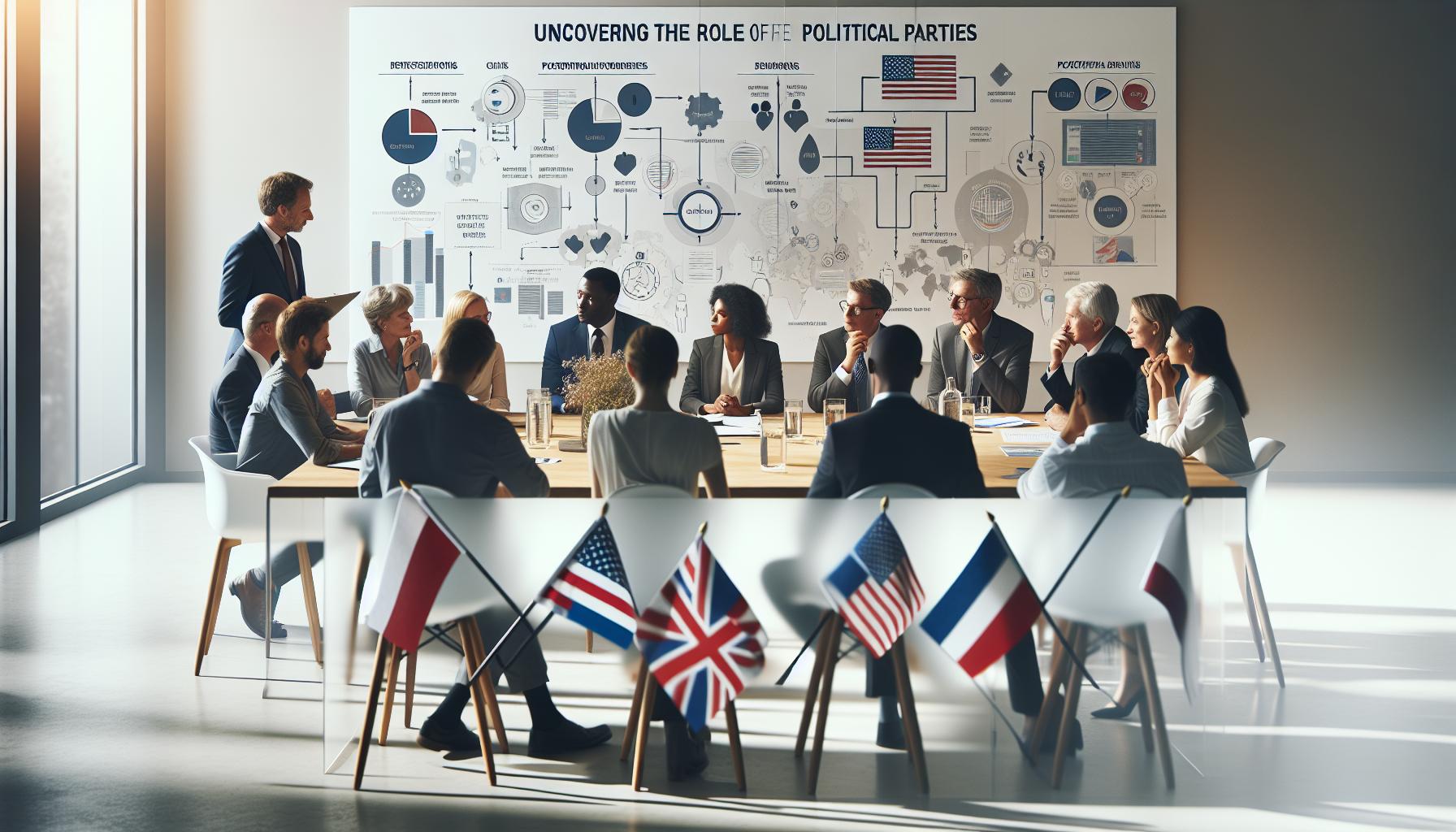
Uncovering the role of Key Political Parties
Political parties are the engines that power the machinery of parliament, providing the organizational backbone that shapes legislative priorities and influences everyday decision-making. Far beyond simply grouping like-minded individuals, key parties function as strategic entities that coordinate the efforts of their members, clarify policy platforms, and manage the delicate balance between government authority and opposition scrutiny. understanding their basic roles reveals why elections only mark the beginning of parliamentary dynamics, as parties orchestrate the real flow of influence within the chamber.
At the heart of each party’s effectiveness lies its leadership cadre-figures vested with the authority to chart a coherent legislative agenda, marshal votes, and negotiate internal and external alliances. These leaders coordinate through formal structures, such as party caucuses or conferences, where strategy is shaped and discipline enforced.For example,in systems like the U.S.senate, party leaders like Majority and Minority Leaders guide legislative priorities and maintain unity in advancing or resisting policy proposals [[1]](https://www.senate.gov/senators/leadership.htm). Their power stems not only from official titles but from their ability to command loyalty and mobilize members toward collective goals.
How Party Dynamics Shape Parliamentary outcomes
- Policy Formulation and Messaging: Parties translate broad electoral mandates into specific policy positions, enabling parliament to function as a forum for competing visions. Their platforms serve as blueprints guiding members on legislation and debate.
- Voting Cohesion and Discipline: Through mechanisms such as whips and party meetings, key parties impose discipline that ensures members support core legislative efforts, crucial especially when majorities are slim or contested.
- Strategic Negotiations and Compromises: Leaders engage with opposition parties, coalitions, and even dissenting factions within their ranks to broker deals, influencing not just what laws pass but how they are shaped-for instance, adjusting policy details or timelines to secure agreement.
- Talent Progress and Candidate Selection: Parties actively manage career paths and select candidates who align with their values and strategic needs, affecting the quality and ideology of parliamentary representation across electoral cycles.
This multi-layered involvement shows that parties are more than voting blocks-they are complex organizations that sustain parliamentary governance and opposition alike. For those seeking to influence parliament, recognizing the pivotal role of party structures can be a strategic advantage: engaging with party offices, understanding factional alignments, and knowing key decision-makers often proves more fruitful than targeting individual legislators in isolation.
Examples Demonstrating Party Influence
Consider the role of opposition parties who,through coordinated strategies and the construction of shadow cabinets,effectively challenge government policies and hold ministers accountable in parliamentary question sessions [[2]](https://www.parliament.uk/about/how/role/relations-with-other-institutions/parliament-government/). similarly, governing parties use internal committees and policy groups-such as the Republican Policy committee Chair in the U.S. Senate-to fine-tune legislative proposals and rally consensus [[3]](https://www.senate.gov/senators/leadership.htm). These examples underscore how political parties operationalize their authority beyond mere rhetoric, shaping legislative priorities, debates, and outcomes behind the scenes.
Ultimately, the intricate web of party roles and functions not only determines who runs parliament but also how institutional resilience and political responsiveness are maintained within democratic systems. By appreciating these dynamics, observers gain a clearer view of where power truly lies and how parliamentary business is propelled forward.
Exploring Influential Backbenchers and Whips
Few roles in parliament capture the balance between influence and invisibility as precisely as those held by backbenchers and party whips.While frontbench ministers frequently enough command public attention, it is indeed these varied actors behind them who subtly shape the legislative agenda, enforce party discipline, and mediate the flow of power within the chambers. Understanding their function reveals a nuanced layer of parliamentary dynamics where authority is exercised not just by rank, but through strategic persuasion and coalition-building.
Backbenchers-members of parliament who do not hold ministerial or shadow ministerial office-are often perceived as peripheral. Yet, their collective influence should not be underestimated. They act as the vital grassroots within parties, providing diverse viewpoints and occasionally leveraging their votes to sway pivotal decisions, especially in parliaments with narrow majorities. Skilled backbenchers understand how to amplify their voice by engaging in committee work, proposing private members’ bills, or aligning with factional groups. The rise of influential backbench groups or organized rebellions demonstrates their capacity to check leadership when party discipline loosens, revealing them as key players in the invisible tug-of-war for power.
The Strategic Role of Whips
whips are the unsung enforcers of party cohesion, tasked primarily with ensuring members attend votes and adhere to the party line. Beyond this seemingly administrative function,whips operate as political operatives who wield considerable,albeit often discreet,influence. They gather intelligence on backbenchers’ sentiments, negotiate concessions, and offer career incentives or warnings as leverage. Historically, the use of threats or even intimidation was part of whip tactics to secure compliance, but contemporary approaches tend to emphasize dialogue and negotiation [[1]](https://theconversation.com/behind-the-scenes-of-westminster-how-government-whips-are-losing-their-influence-184607). Effective whips cultivate trust and loyalty, becoming essential intermediaries between leadership and rank-and-file members.
Given their gatekeeping role, whips also assist backbenchers to navigate parliamentary procedures and articulate their positions productively by providing research support and communicating strategy [[2]](https://policyoptions.irpp.org/2023/05/backbenchers-party-line-victims-canada/). This dual duty-to both manage discipline and support parliamentary participation-illustrates how whips considerably shape the legislative process from behind the scenes. In highly disciplined parliaments,they ensure that the party’s legislative agenda is executed smoothly; in more fluid environments,they play a diplomatic role,managing dissent and maintaining fragile alliances.
- Actionable Tip: For those attempting to engage with parliamentary processes, building relationships with whips can be invaluable in understanding the unspoken rules and sensing where party cohesion might be negotiable.
- insight: Backbenchers seeking impact often strategically ally themselves with influential whips or caucus groups, leveraging internal party mechanisms to advance their priorities or influence leadership decisions.
The interplay between backbenchers and whips epitomizes how power within parliament is exercised through subtle, complex networks rather than overt command alone. Recognizing their distinct but interconnected roles helps clarify that parliamentary authority extends beyond ministers and party leaders-a lesson crucial for anyone aiming to grasp who truly runs parliament.
Examining the power of Parliamentary Committees
Few parliamentary actors wield the quite but formidable influence of committees, which serve as pivotal arenas where legislation is scrutinized, policies are shaped, and government conduct is held to account. Far from being mere administrative bodies, parliamentary committees empower backbenchers and opposition members alike to exercise oversight and influence that can profoundly affect the trajectory of national politics. Their capacity to summon witnesses, demand documents, and deliberate in detail allows them to pierce through the noise of party rhetoric and public spectacle.
Committees act as engines of accountability, often operating with cross-party membership that encourages a more nuanced and less partisan evaluation of complex issues. This environment enables members to develop expertise, gather evidence, and challenge ministers or public officials directly, a function that can elevate individual mps beyond their formal roles. For example, when a select committee investigates government spending or policy failures, their reports can sway public opinion and compel changes, functioning as a democratic check on executive power.the ability to call for papers and summon individuals is a key tool in this regard, enabling committees to uncover facts unavailable through regular parliamentary debate [[1]](https://consoc.org.uk/how-do-parliamentary-committees-work/), [[3]](https://guidetoprocedure.parliament.uk/collections/luhXGjBq/powers-of-select-committees).
The scope of Committee Authority
While the powers of parliamentary committees vary among jurisdictions, some core functions are largely consistent. Standing committees typically have authority to oversee legislation within their remit, requiring documents and witnesses as necessary. Many can continue meeting during parliamentary recess or when the House is adjourned, ensuring continuity in scrutiny. Legislative committees, though, maintain tighter control over their core responsibilities-such as examining bills or reporting to the full house-and may delegate only limited functions to subcommittees, preserving the integrity of their oversight role [[2]](https://www.ourcommons.ca/procedure/procedure-and-practice-3/ch_20_4-e.html).
Such structures mean committees are not merely rubber-stamping government priorities; rather, they provide a platform for detailed, often technical examination of policy. This empowers not only government backbenchers but also members of opposition and smaller parties to contribute meaningfully to shaping legislation or exposing flaws. Importantly, committee work is often less visible to the public, yet it profoundly influences the quality and direction of parliamentary decisions.
- Practical Advice for Aspiring Influencers: Engaging effectively in committee work can be a powerful strategy to build reputation and impact policy. Focus on detailed planning, asking incisive questions during evidence sessions, and collaborating across party lines to produce clear, evidence-based reports.
- Insight: Recognize committees as collaborative hubs where influence is exercised through expertise and persuasion rather than rank alone. backbenchers and opposition MPs who dominate in committee debates frequently gain leverage disproportionate to their formal positions.
In the broader power dynamics of parliament, committees thus represent a subtle but essential venue for leadership and opposition forces to negotiate influence. Understanding their procedural powers and strategic potential helps illuminate who truly shapes parliamentary outcomes beneath the surface of headline politics.
The Impact of opposition Forces and Shadow Cabinets
Few forces in parliamentary systems wield as much subtle yet potent influence as the formal opposition and its shadow cabinet.While the government holds executive power, it is the opposition that defines itself through rigorous scrutiny and strategic challenge, shaping not only legislation but public discourse. Acting as a government-in-waiting, the shadow cabinet mirrors official ministerial roles, allowing opposition parties to present clear alternatives, hold ministers accountable, and influence policy debates with credibility.
The opposition’s influence extends beyond vocal criticism-its members utilize parliamentary tools such as questioning ministers, tabling amendments, and participating in committee work to expose weaknesses or unintended consequences in government proposals. This process ensures that government policy is not insulated from challenge, as opposition MPs and peers actively probe and debate legislation, sometimes forcing concessions or policy shifts before bills even reach the floor. In the UK Parliament,for example,opposition peers in the House of Lords participate fully in debates and scrutiny,strengthening checks on government by combining their expertise with institutional powers [[1]](https://www.instituteforgovernment.org.uk/explainer/official-opposition), [[2]](https://www.parliament.uk/site-facts/glossary/opposition-the/).
strategic Roles within the Opposition
The shadow cabinet’s structure allows opposition parties to demonstrate readiness to govern and build public trust by assigning spokespeople to key portfolios-such as finance, health, or foreign affairs-who develop expertise and manage media narratives. This internal organisation encourages discipline among members and coordination in parliamentary tactics, signalling seriousness to voters. Opposition whips further bolster this structure by maintaining party cohesion and managing voting strategies, ensuring that opposition efforts are unified and impactful behind the scenes.
- For aspiring political influencers: Engaging with shadow ministers and opposition committees offers unique opportunities to influence policy from outside government.contributing well-researched critiques or alternative proposals can elevate reputations and increase one’s sway within the party and public.
- Practical insight: Public engagement is key-opposition parties must balance detailed parliamentary scrutiny with clear communication to voters to transform critique into electoral support,a dynamic often managed by shadow cabinet members as public faces of policy alternatives.
Ultimately, opposition forces and shadow cabinets are integral to a healthy parliamentary democracy.They uphold transparency, challenge complacency, and inject competitive dynamism that compels governments to refine their policies. Understanding their strategic roles illuminates how parliamentary leadership is truly a contest not only inside the chambers but in shaping public opinion and policy direction beyond the floor [[1]](https://www.instituteforgovernment.org.uk/explainer/official-opposition).
Behind the Scenes: The Influence of Party Whips
Few roles in the parliamentary system exercise influence as quietly powerful as that of party whips. While frontline politicians often capture public attention, whips operate behind the scenes to ensure party cohesion, discipline, and strategic coordination. Their work is essential for maintaining the delicate balance between individual parliamentary members’ autonomy and the collective will of their party, fundamentally shaping the legislative process and political outcomes.
Whips manage an array of responsibilities that extend from organising parliamentary business to distributing vital information and allocating committee memberships. They keep track of voting intentions and ensure MPs attend and vote according to party lines, which is especially crucial during tight divisions in the House. Without effective whips, party unity can falter, leading to policy defeats or embarrassing rebellions that undermine government credibility. Interestingly, whips sometimes hold informal leverage over MPs, historically maintaining confidential dossiers-referred to colloquially as “black books”-containing personal information that could be used to persuade compliance, though such practices are contentious and less publicized today[[1]].
Distinctive Functions and Influence
The chief whip in British politics frequently enough holds a formal government position, such as Parliamentary Secretary to the Treasury, granting direct access to Cabinet discussions and permitting influence beyond their procedural role.This dual capacity amplifies their ability to shape party strategy at the highest levels, from negotiating parliamentary timetables to influencing key appointments. Whips’ influence is not purely coercive; they also act as mediators, gauging opinions within the party and communicating grassroots sentiment upwards, thus fostering internal solidarity and preventing rupture.
- Strategic vote management: By meticulously organizing vote alerts and whip notices (instructions on voting stance), whips help their party present a united front, which can be crucial in passing complex legislation.
- Committee membership allocation: Whips distribute seats on powerful parliamentary committees, balancing member interests and party priorities to strengthen policymaking influence.
- Information hub: Serving as a central communication channel, whips relay policy updates, procedural tips, and political intelligence among party members.
For those interested in parliamentary politics or aiming to navigate party dynamics effectively, understanding the whip’s role offers crucial insight. Engaging positively with whips-such as by signaling support early or addressing concerns discreetly-can improve an MP’s standing and influence within the party. Conversely, crossing the whip (voting against party instructions) may lead to sanctions, including loss of committee posts or even expulsion from the party.
In sum, party whips are instrumental power brokers whose influence operates in the vital but often unseen spaces of parliamentary governance. their ability to balance persuasion and discipline ensures that party machinery functions smoothly, illustrating how much of what happens in parliament depends on skilled internal management as much as on public debate [[2]](https://en.wikipedia.org/wiki/Whip_(politics)), [[3]](https://en.wikipedia.org/wiki/Chief_Whip).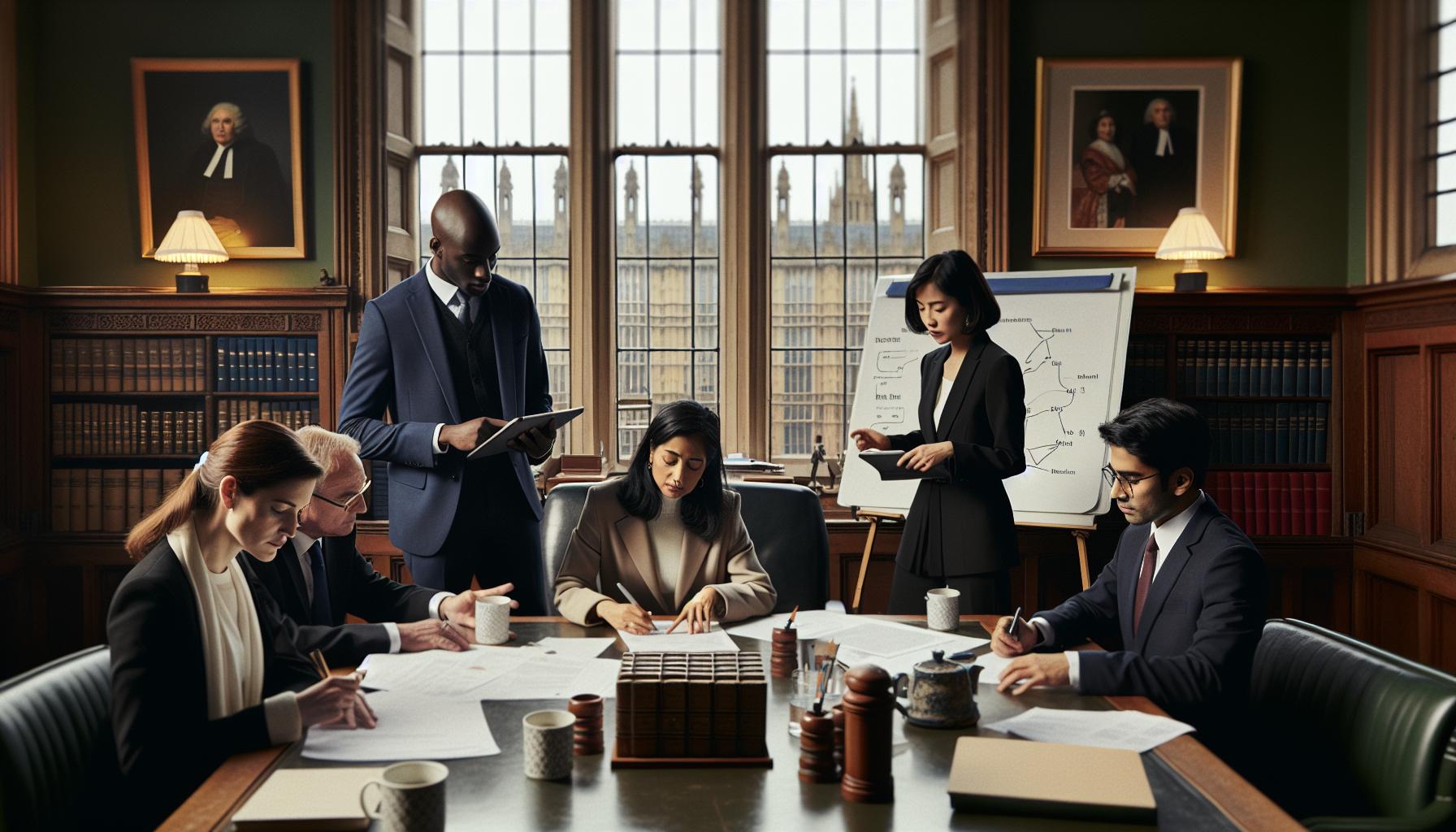
The Role of Parliamentary Staff and Advisors
Few parliamentary roles remain more underappreciated yet vital than that of the staff and advisors who operate behind the scenes. They form the backbone of legislative work, transforming political vision into actionable policy and ensuring that lawmakers-with their demanding schedules-can focus on strategy and debate rather than logistical minutiae. Far from being mere clerical support, parliamentary staff serve as trusted confidants, expert researchers, and skilled communicators who help shape legislation, constituency engagement, and political messaging.
Often hired directly by individual Members of Parliament (MPs), parliamentary assistants and advisers provide specialized expertise that complements elected officials’ broad mandates. Their work ranges from drafting speeches and analyzing complex policy documents to managing media relations and navigating parliamentary procedures.For instance, a parliamentary adviser focusing on local government may provide critical insights on devolution issues, ensuring that an MP’s stance is informed and persuasive in relevant debates. This technical support extends the reach of MPs and can subtly influence which issues rise to prominence within party agendas or broader parliamentary discussions[[1]].
Key Functions and Influence
- Policy Development: Parliamentary staff conduct detailed research and synthesize information from experts, think tanks, and government reports. This allows MPs to make evidence-based interventions during debates or committee work.
- Constituency Liaison: Acting as a bridge between MPs and their constituents, advisors help identify local issues, coordinate responses, and deliver tailored messaging, thereby strengthening democratic accountability.
- Legislative Strategy: Experienced aides often advise on procedural tactics,voting strategies,and amendment proposals,directly affecting legislative outcomes and party positioning.
Understanding the strategic importance of parliamentary staff reveals that power in parliament does not rest solely with elected figures but is significantly dispersed through their networks of specialized advisors and assistants. Well-connected advisers can influence agenda-setting and legislative priorities by advising key mps or party leaders, acting as gatekeepers for the flow of information and analysis. For mps aspiring to wield greater influence, investing time in cultivating strong, professional relationships with staff members can unlock critical insider knowledge and operational support, often differentiating between legislative success and failure.
In essence, parliamentary staff serve as the institutional memory and operational lifeblood of parliament. Their ability to translate political aims into coherent policy initiatives, navigate complex procedural rules, and manage stakeholder expectations underpins much of what actually “runs” parliament away from the public eye. Ignoring their frequently enough complementary yet powerful role overlooks a fundamental component of modern parliamentary governance.
How Lobbyists and External Groups Shape Decisions
Few behind-the-scenes forces exert as subtle yet profound an influence on parliamentary decision-making as lobbyists and external interest groups. Far from merely petitioning lawmakers, these actors strategically navigate parliamentary procedures and build relationships to elevate causes, shape legislation, and affect policy outcomes in ways that often escape public scrutiny. Understanding their roles is essential for grasping how power truly flows within parliament beyond the formal leadership and elected representatives.Lobbyists frequently act as intermediaries between specialized sectors-ranging from business and environmental groups to unions and non-profits-and legislators seeking detailed information or practical policy solutions. Their ability to provide tailored data, draft amendments, and propose policy language can be invaluable to MPs who lack the time or expertise to delve deeply into complex issues.For example, a lobby group advocating for renewable energy might work closely with parliamentary committees to insert favorable provisions into climate legislation, effectively guiding the law’s final shape without ever appearing on the front benches.This dynamic amplifies the influence of well-organized groups with resources to maintain continuous engagement across parliamentary layers, including backbenchers and committee members.
Mechanisms of Influence
- Access and Relationship Building: Lobbyists cultivate ongoing contacts with MPs, advisers, and staff through meetings, briefings, and informal interactions often taking place in the corridors or lobbies of Parliament itself. This access enables timely interventions just as bills are drafted or debated.[[3]]
- Information Provision: They serve as specialized knowledge hubs, distilling complex regulatory, economic, or social data into actionable insights that parliamentarians use to frame arguments, propose amendments, or submit parliamentary questions.[[1]]
- Agenda Setting and Framing: Beyond drafting legislation, lobby groups engage in broader agenda-setting efforts, such as promoting early day motions or sponsoring research that highlights particular policy priorities, raising their cause’s profile within political discourse.[[1]]
- Transparency and Ethics Regulation: Modern parliaments increasingly require the registration and reporting of lobbying activities to maintain accountability.While this improves public oversight, the nuanced nature of influence means that lobbyists often operate through informal networks and indirect persuasion.[[2]]
This multi-faceted influence means lobbyists and external interest groups often operate as power brokers, shaping not only legislation but also the strategic choices made by party leaders and committee chairs. For MPs, balancing engagement with lobbyists requires discernment-embracing valuable expertise without ceding autonomy or prioritizing the interests of well-resourced groups over broader public concern.Parliamentary staff and advisers often play a gatekeeping role here,vetting lobbying inputs to ensure alignment with political objectives and integrity standards.In sum,lobbyists and external groups embed themselves within the parliamentary ecosystem by providing expertise,exerting soft pressure,and amplifying voices that might otherwise be sidelined. Recognizing their strategic role reveals a more textured picture of who really runs parliament – a complex network of formal power holders, political actors, and influential stakeholders operating in tandem behind the scenes.[[1]] [[2]] [[3]]
Media Influence on Parliamentary Leadership Perception
Few forces outside Parliament itself wield as much sway over public perception of parliamentary leadership as the media. From the fierce scrutiny of daily news cycles to the framing power of editorials and broadcasts, media outlets shape how leadership qualities, competence, and even legitimacy are viewed by both the public and political insiders. This influence extends beyond mere reporting; it can amplify or undermine a leader’s authority, affect party unity, and ultimately impact policymaking and political stability.
The media’s coverage of parliamentary leaders often highlights their personal traits, decisions, and controversies, which molds public narratives about who is “fit to lead.” For example, televised question sessions, when disseminated widely, not only reveal the performance of prime ministers or speakers but also influence voter sentiment and party standings ahead of critical votes or elections. Moreover,emerging digital platforms-social media,blogs,podcasts-equip opposition forces and shadow cabinets with new channels to contest official narratives and directly engage the public,contributing to a complex interplay of influence within political leadership dynamics.[[2]]
Key Ways Media Shapes Leadership Perception
- Agenda Setting: Media decides which parliamentary actions or leader behaviors receive attention, effectively prioritizing certain issues while sidelining others. This selective focus can elevate a leader’s prominence or expose their vulnerabilities.
- Framing narratives: Language and visuals used in reports construct narratives-casting a leader as decisive, indecisive, reformist, or resistant to change. These frames influence public understanding and expectations.
- Transparency and Accountability: By broadcasting debates, committee hearings, and interviews, the media promotes transparency within Parliament, compelling leaders to justify policies and choices more openly than ever before.
- Interactive Engagement: The rise of interactive journalism, including real-time polling and social media feedback, enables the public to express support or dissent swiftly, which can pressure leaders to adapt their messaging and strategies.
Understanding these mechanisms offers parliamentary actors practical insights into navigating media landscapes effectively. Leaders who proactively engage with journalists, clarify complex policies in accessible terms, and manage crises with transparency tend to cultivate stronger public trust. Conversely, avoiding or mishandling media engagement often leaves leaders vulnerable to negative portrayals that erode their influence both inside and outside parliament.[[1]]
In essence, the media operates as a powerful intermediary between Parliament and society-not just reporting on leadership but actively shaping the power dynamics within it. For those seeking to grasp “who really runs Parliament,” acknowledging the media’s dual role as informer and influencer is indispensable.[[3]]
Analyzing Historical Shifts in Parliamentary Power Dynamics
Power within parliamentary systems has rarely been static; instead, it has evolved continually in response to political, social, and institutional pressures. A striking example is how the balance shifted during the Glorious Revolution of 1688-89, which marked a pivotal moment in parliamentary history by curbing monarchical authority and establishing parliamentary sovereignty. This change laid the foundation for modern constitutional monarchies where Parliament, not the monarch, holds ultimate legislative control, a shift that fundamentally redefined where real power truly resides in governance[[2]](https://www.ebsco.com/research-starters/politics-and-government/parliament).
Beyond such landmark moments, subtle adjustments in the distribution of influence among parliamentary actors-leaders, party factions, committees, and opposition groups-have continually reshaped legislative dynamics. For example, the increasing institutionalization of party whips and the formalization of shadow cabinets during the 19th and 20th centuries enhanced party discipline and oppositional effectiveness, concentrating power within organized political entities. This evolution has made parliamentary leadership more cohesive but also more dependent on managing internal party dynamics.
Factors Driving Shifts in parliamentary power
- Institutional Reforms: Changes like fixed-term parliaments, enhanced committee powers, or procedural reforms often redistribute power from leaders toward backbenchers or committees, fostering a more balanced decision-making environment.
- Electoral System Changes: Shifts from majoritarian to proportional systems (or vice versa) can drastically alter party strength in Parliament, affecting coalition-building and opposition influence.
- Societal Pressures and Media Influence: The expansion of mass and digital media brings transparency but also challenges parliamentary control over narratives, empowering oppositional voices and public engagement outside formal structures.
- Global and Regional Political Trends: Integration movements, supranational bodies, or crises (economic, health, security) prompt reconfigurations in parliamentary authority and the roles that key leaders and opposition forces play.
Understanding these elements equips observers and participants with insights to anticipate when and how power might shift,enabling strategic navigation of parliamentary agendas. For instance, recognizing periods when opposition shadow cabinets gain prominence-often during public dissatisfaction with governance-can inform political forecasting and engagement strategies.
Learning from Historical Patterns
Applying lessons from history highlights the necessity of adaptability for parliamentary leaders who seek to maintain their influence amid changing power landscapes. Effective leaders excel by:
- Building resilient coalitions that can endure institutional reforms and electoral fluctuations.
- Engaging constructively with backbenchers and committees to harness broader support beyond just leadership cores.
- leveraging media strategically to shape narratives in ways that complement formal parliamentary authority.
These approaches underscore that power in Parliament is multifaceted and dynamic-no single force governs in isolation. Historical shifts remind stakeholders that enduring influence hinges on balancing formal authority with skillful management of oppositional forces, media perceptions, and institutional structures to “run” Parliament effectively[[1]](https://www.politico.eu/article/european-parliament-report-card-2022-5-takeaways-power-dynamics/).
Q&A
Q: How do informal power brokers influence decision-making in parliament?
A: Informal power brokers,such as senior advisors and influential backbenchers,steer parliamentary decisions by leveraging personal networks and strategic knowledge. Their behind-the-scenes influence often shapes legislation and party direction beyond formal leadership roles. learn more in the section on *Behind the Scenes: The Influence of Party Whips* to understand these dynamics fully.
Q: What role do cross-party alliances play in parliamentary leadership?
A: Cross-party alliances enable leaders to build coalitions that extend influence beyond party lines, impacting key votes and policy outcomes. These alliances often shift power balances and can challenge formal leadership, enhancing oppositional force effectiveness.Explore *The Impact of Opposition Forces and Shadow Cabinets* for practical insights into coalition strategies.
Q: Why is parliamentary culture crucial to understanding who runs parliament?
A: Parliamentary culture shapes how leaders and oppositional forces interact, influencing negotiation styles, conflict resolution, and power-sharing. this cultural context affects decision-making processes and leadership effectiveness beyond official titles. See *Analyzing Historical Shifts in Parliamentary Power Dynamics* for how culture evolves over time.
Q: When do backbenchers gain meaningful control in parliament?
A: Backbenchers gain notable control during periods of weak party leadership or when they unite to oppose party decisions, often using procedural tactics or public pressure.Their influence can shift policy and leadership choices. Delve into *Exploring Influential Backbenchers and whips* for methods backbenchers use to assert power.
Q: How do parliamentary procedures empower oppositional forces?
A: Parliamentary procedures,like questioning government ministers or delaying tactics,empower oppositional forces to hold leadership accountable and influence legislation. Mastery of these procedures enhances opposition impact. For detailed tactics, review *Examining the Power of Parliamentary Committees*, which highlights procedural leverage.
Q: Where does the media most strongly affect parliamentary leadership perception?
A: media shapes public and internal perceptions by spotlighting leaders’ actions, controversies, and policy debates, influencing politicians’ standing and authority. Effective media engagement can bolster or undermine leadership. *Media Influence on Parliamentary Leadership Perception* explains these dynamics and offers strategic advice.
Q: What challenges do minority parties face in exercising leadership influence?
A: Minority parties struggle with limited voting power but can punch above their weight by forming alliances, leveraging procedural rules, or spotlighting niche issues. These strategies increase their leadership and oppositional impact.See *Uncovering the Role of Key Political parties* for ways smaller parties navigate parliamentary power.
Q: How do external events outside parliament affect who runs it?
A: External events like economic crises, social movements, or international pressures can shift power toward certain leaders or oppositional groups by changing priorities or public support. This reshapes how parliament is run beyond formal structures. Refer to *Analyzing Historical Shifts in Parliamentary Power Dynamics* to see how external forces have historically influenced leadership.
—
For deeper insights, explore our detailed sections on leadership and opposition roles. Keep engaging to uncover more about the complex forces driving parliamentary power today.
In Summary
Understanding who truly influences parliamentary decisions goes beyond surface-level analysis of key leaders and oppositional forces. By examining the intricate power dynamics and underlying structures, you gain a clearer picture of governance and policymaking. To deepen your insight, explore our detailed article on parliamentary power Structures and the challenges faced by minority parties in the legislative process.
curious about how these dynamics affect current legislation or political stability? Visit our Latest Political Analysis section or subscribe to our newsletter for regular updates that keep you informed and ahead of the curve. Don’t miss the possibility to engage with fellow readers-share your thoughts or questions below and be part of an evolving conversation about who really runs parliament.
For a practical next step, consider downloading our free guide on navigating political influence or schedule a consultation to discuss how these forces impact your interests.Staying informed about key leaders and oppositional forces not only empowers your understanding but also equips you to anticipate political shifts with confidence.
Get our latest guides, news, and insights highlighted in your Google Search & AI Overviews.