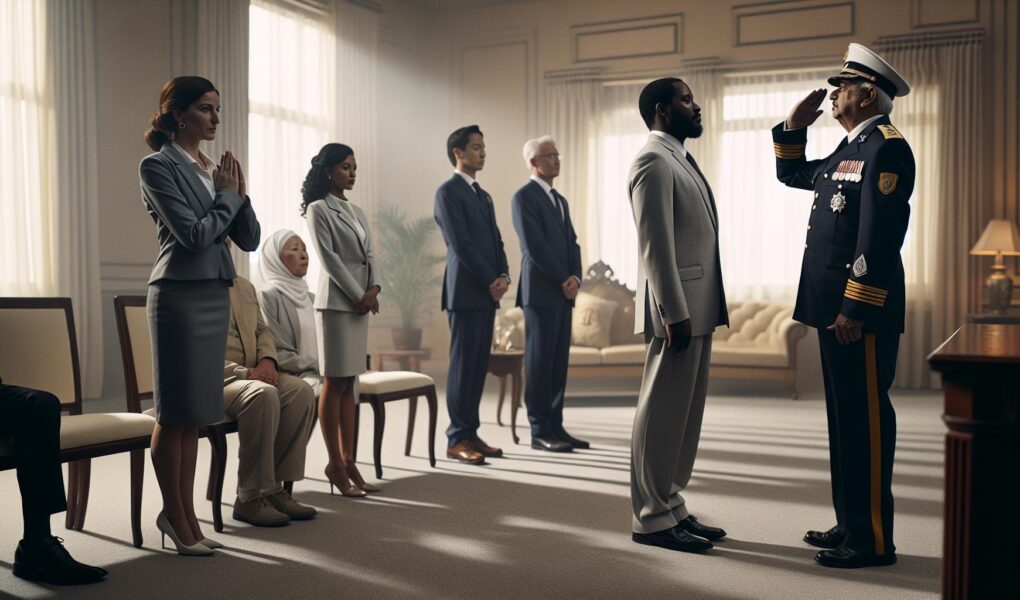
Saluting a government minister is a formal ceremonial protocol governed by national defense regulations, military customs, and civilian-military precedence. Uniformed armed forces personnel salute civilian ministers who hold direct constitutional or statutory authority over defense portfolios (such as the Minister of National Defence or Secretary of Defense) during official ceremonies, while civilian officials and non-defense ministers receive diplomatic honors and verbal protocol rather than military hand salutes.
Did you know that not all public officials receive or return a military salute, even those with high ranks like ministers? Understanding when it is appropriate to salute a minister can clarify many common uncertainties about military and civilian protocol. This topic is especially notable for service members, event organizers, or anyone interacting with officials, as it highlights the blend of respect, tradition, and official regulations that guide such gestures. Weather you’re curious about the correct etiquette to follow or want to ensure you’re honoring protocols correctly during official ceremonies, learning the nuances of saluting ministers provides insight into the connection between military customs and civilian authority. Keep reading to uncover the key rules and reasoning behind when a salute is necessary, who initiates it, and how this tradition fosters mutual respect between different spheres of public service.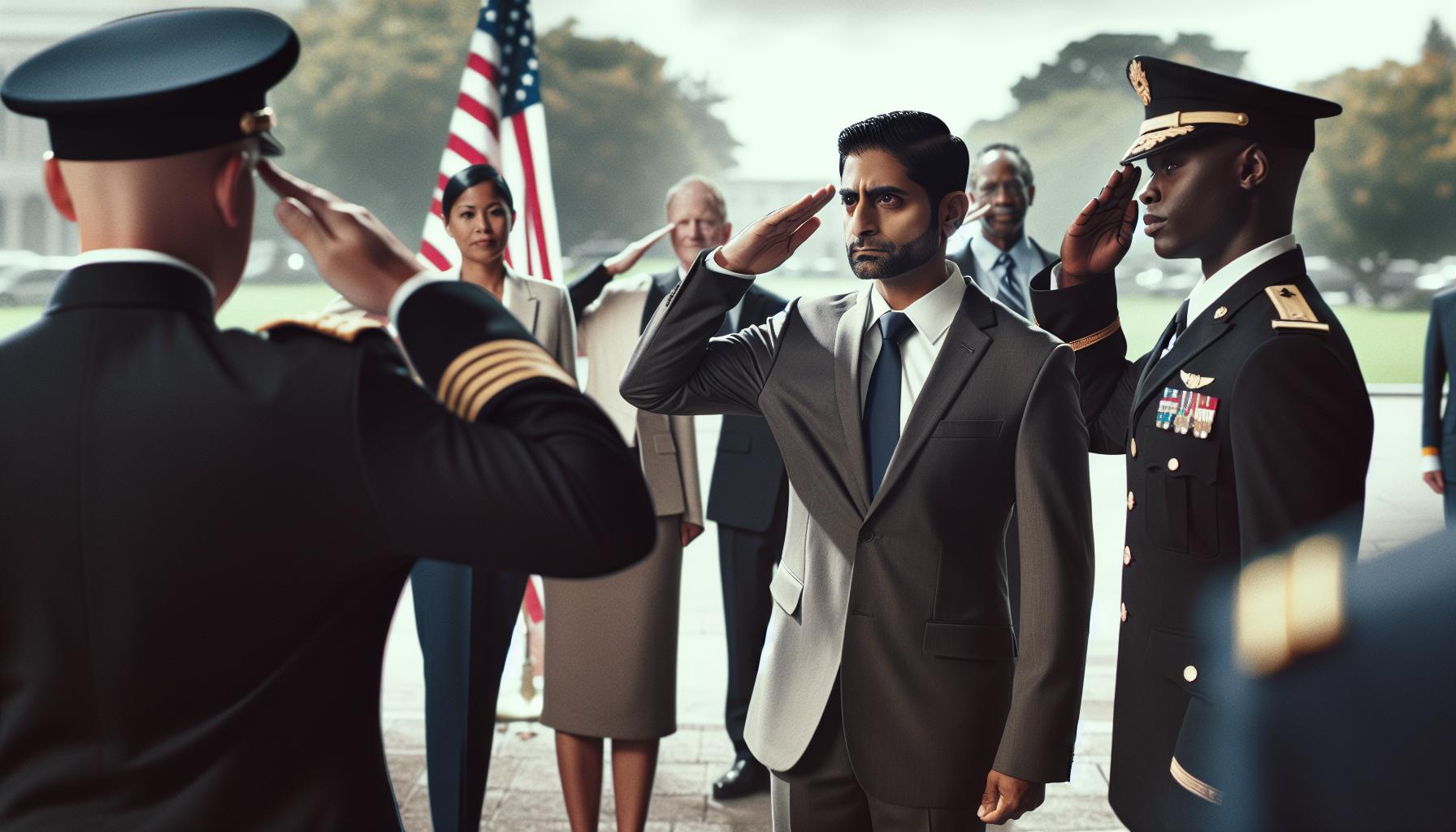
Table of Contents
- When to Salute a Minister: Understanding Protocol Basics
- Civilian Control of the Military: Why Defense Ministers Receive Formal Salutes
- Constitutional Etiquette and Military Saluting Protocols for Government Ministers
- Historical Origins of Saluting Ministers Explained
- Differences Between Military and Civil Salutes for Ministers
- Official Guidelines for Saluting Government Officials
- Situations when Saluting a Minister Is Optional or Required
- Symbolism and Respect Behind Ministerial Salutes
- Common Misconceptions About Saluting Ministers Debunked
- How Protocols Change for Different Ranks and Offices
- Impact of Saluting Protocols on Diplomatic Relations
- FAQ
- Q: How should civilians show respect to a minister if saluting is not customary?
- Q: When is it inappropriate to salute a minister according to protocol?
- Q: Do ministers expect a salute from military personnel in all countries?
- Q: What is the proper protocol if a minister is also a military officer?
- Q: How do diplomatic settings influence the salute protocol for ministers?
- Q: Can a salute to a minister have symbolic meanings beyond respect?
- Q: Are there troubleshooting tips if someone is unsure whether to salute a minister?
- Q: How do protocols differ when saluting elected versus appointed ministers?
- In Conclusion
When to Salute a Minister: Understanding Protocol Basics
Saluting a minister is a nuanced practice that blends tradition, respect, and protocol, and knowing when to perform this gesture can frequently enough be confusing. Unlike standard military salutes which follow clear-cut regulations, saluting government ministers varies depending on factors such as the official’s rank, the setting, and the cultural context. For example, while military personnel may be expected to salute a minister during formal ceremonies or official events, civilians typically do not engage in saluting but might instead offer a respectful nod or handshake. Understanding these distinctions helps avoid awkward situations and ensures protocol is observed appropriately.
In many countries, the obligation to salute arises mainly within the armed forces when encountering a minister holding a defense portfolio or a position linked to the military hierarchy. This is because the salute symbolizes acknowledgment of the minister’s authority over the armed services. Though, outside such contexts-say, in a parliamentary session or casual meetings-saluting is generally not mandatory and frequently enough replaced by verbal greetings or polite gestures. Knowing the official’s specific role and the event’s formality level can guide personnel on whether a salute is required.
Key Considerations for Appropriate Saluting
- Role and Rank of the Minister: Defense and military ministers usually warrant salutes from uniformed personnel, whereas others may not.
- Context of Encounter: Formal official functions,parades,or inspections often call for saluting; informal or public settings usually do not.
- Local Protocols and Customs: Some nations have explicit guidelines; others leave room for discretion based on tradition or courtesy.
For instance, in some Commonwealth countries, uniformed forces salute ministers as a mark of respect, whereas in the United States, saluting a civilian official such as a minister or secretary often depends on military custom and the individual’s role.Also, civilian authorities rarely return a salute, underscoring the hierarchical nature of this protocol. Taking these subtleties into account ensures that saluting is both meaningful and appropriate, reflecting genuine respect rather than rote formality.
Civilian Control of the Military: Why Defense Ministers Receive Formal Salutes
The constitutional principle of civilian control over the armed forces is the foundational justification for why military service members salute civilian defense executives. In parliamentary democracies and constitutional republics, supreme military command is subordinated to elected civilian governance:
- Portfolio Precedence: Service members in uniform are required by military command standing orders to render a hand salute to the civilian Minister of Defence, the Prime Minister or President, and the Head of State (or Governor General). Other cabinet ministers (such as Transport, Finance, or Health) do not hold portfolio defense jurisdiction and do not receive hand salutes.
- Headgear and Uniform Rules: In Commonwealth armed forces, military personnel only render salutes when wearing approved service headdress and in uniform. Civilians—including the ministers themselves—do not return the military hand salute, acknowledging the greeting with a respectful nod or verbal recognition.
- Boarding Naval Vessels and Inspections: When an authorized defense minister boards a naval warship or inspects guard-of-honor formations, statutory honors including bugle calls, side-boy piping, and formal salutes are mandated by naval and military ceremonies manuals.
Constitutional Etiquette and Military Saluting Protocols for Government Ministers
In democratic states governed by constitutional supremacy and civilian control of the military, ceremonial salutes rendered to civilian ministers are strictly defined by statutory regulations, service dress codes, and inter-agency precedence. The military salute is fundamentally an act of mutual military discipline and an acknowledgment of constitutional authority rather than personal subservience. When applied to civilian government officials, distinct protocols dictate who receives a hand salute, when the salute is rendered, and how the civilian dignitary acknowledges the compliment.
Statutory Authority: Defense Portfolios vs. General Cabinet Ministers
A crucial constitutional distinction exists between ministers who exercise legal executive command over the armed forces and other cabinet ministers:
- Ministers with Defense Command Authority: The Head of State (e.g., Monarch or President), the Head of Government (Prime Minister or President), and the minister holding direct statutory authority over the armed forces (such as the Minister of National Defence in Canada, the Secretary of State for Defence in the UK, or the Secretary of Defense in the United States) are acknowledged as civilian superior authorities within the armed forces chain of command. Under regulations such as the UK Queen’s/King’s Regulations, Canadian Forces Administrative Orders (CFAO/QR&O 19.01), and US Army Regulation AR 600-25, uniformed service members are required to render hand salutes to these specific civilian officials during official ceremonies, reviews, and formal official visits.
- General Cabinet Ministers: Cabinet ministers presiding over domestic portfolios—such as Justice, the Treasury, Health, Transport, or Foreign Affairs—do not hold defense command authority. Armed forces personnel do not render a military hand salute to general civilian ministers during routine government proceedings. Instead, standard civil diplomatic courtesies apply, including standing at attention, formal verbal introductions, and polite handshakes.
Comparative Ministerial Protocol Matrix
| Government Official / Ministerial Office | Military Hand Salute Rendered? | Governing Ceremonial Standard | Appropriate Civilian Response |
|---|---|---|---|
| Head of State (Monarch / Sovereign / President) | Mandatory (In Uniform with Headdress) | Supreme Commander-in-Chief Constitutional Prerogative | Royal / Presidential Bow, Nod, or Handshake |
| Prime Minister / Head of Government | Mandatory (Official Ceremonies & Inspections) | Head of Executive Government Precedence Order | Respectful Nod or Verbal Greeting |
| Minister of National Defence / Secretary of Defense | Mandatory (Official Functions & Base Visits) | Statutory Defense Command Portfolio Precedence | Civilian Acknowledgement (Nod or Verbal Greeting; Never Return Salute) |
| Non-Defense Cabinet Ministers (Finance, Justice, etc.) | No (Civil Honors Only) | Standard Civil Diplomatic Etiquette | Formal Greeting, Handshake, Standing at Attention |
| Members of Parliament / Legislative Assemblies | No (Unless Holding Defense Portfolio) | Legislative Independence Standards | Civic Courtesy / Verbal Salutation |
Civilian Reciprocity: Should a Minister Return a Military Salute?
A frequent point of protocol confusion is whether an un-uniformed civilian minister should attempt to return a hand salute rendered by military personnel. Under military protocol across NATO allies and Commonwealth realms, civilian ministers should never return a hand salute. In military doctrine, the hand salute is an unalterable military convention exchanged exclusively between uniformed personnel wearing proper service headdress. When a civilian attempts a military hand salute, it is perceived in ceremonial circles as an amateurish breach of decorum.
The correct, protocol-approved response for a civilian minister is to acknowledge the salute with dignity by:
- Maintaining an upright posture and looking directly at the service member;
- Offering a crisp, respectful nod of the head;
- Providing an appropriate verbal greeting, such as “Good morning, Captain” or “Thank you, Petty Officer”;
- Extending a handshake only when the ceremony transitions to informal bilateral greetings.
Historical Origins of Saluting Ministers Explained
The practice of saluting those in positions of authority stretches back centuries, rooted deeply in military traditions that aimed to communicate respect, recognition, and trust. originally, the salute emerged as a symbolic gesture to show peaceful intentions-knights in medieval Europe, for example, would raise their visors to reveal their faces and demonstrate they bore no weapons.This act was both practical and respectful, signaling honesty and allegiance. Over time, the salute evolved beyond the battlefield into a formalized sign of deference towards commanding figures, including those entrusted with overseeing military forces, such as ministers responsible for defense and war portfolios.
When it comes to ministers, especially those connected to defense ministries, the salute signifies more than mere politeness; it represents an acknowledgment of their authoritative role in governing the armed forces. This connection between military protocol and civilian leadership has shaped how salutes function in official settings. In many nations, military personnel are required to salute ministers during formal occasions such as parades, inspections, or official visits, reinforcing the chain of command and symbolizing institutional respect.This tradition underscores the minister’s dual identity as both a civilian leader and a figure wielding significant influence over military operations and policies.
- Medieval beginnings: Originated as a gesture to reveal trust and friendliness between armed knights.
- Military formalization: Developed into a specific hand gesture communicating respect for rank and authority.
- Link to civilian leaders: Adopted for saluting defense ministers to acknowledge their military oversight roles.
Understanding the historical roots is key to appreciating why saluting ministers isn’t simply a ceremonial act but a deeply embedded military custom. As an example, in Commonwealth countries and others influenced by British military practices, the salute’s use towards ministers stems from longstanding traditions that emphasize hierarchy and discipline. Meanwhile,other countries may have developed unique variations or restrictions on this gesture,reflecting their own cultural and institutional histories. Recognizing these histories helps clarify when a salute to a minister is appropriate and necessary, distinguishing it from informal gestures of respect found in civilian or diplomatic contexts.
Note: The Western military salute tradition is thought to have begun with medieval knights raising their visors to show their faces and indicate peaceful intent, serving as an early form of salute.[1]
Practical Tips for Observing Ministerial Salute Protocols
- Know the minister’s role: Saluting is most commonly expected for defense or military ministers, reflecting their command authority.
- Assess the setting: Formal military events call for salutes, while legislative or public meetings usually do not.
- Be aware of national tradition: Follow local military customs, as the practice and expectations vary by country.
These considerations ensure that saluting remains a meaningful and respectful practice rather than a formality disconnected from its historical and institutional significance.
Differences Between Military and Civil Salutes for Ministers
The act of saluting a minister carries distinct meanings and protocols depending on whether it occurs within a military or civilian context. While both forms express respect, the military salute is deeply codified and highly ritualized, serving as a clear symbol of recognition toward authority, particularly for ministers overseeing defense or military portfolios. In contrast, civilian salutes or gestures of respect tend to be more flexible, varied, and often informal, reflecting broader social customs rather than strict institutional mandates.
in the military, the salute performed when encountering a minister-especially those connected with defense-is a precise, standardized hand gesture executed with a specific posture and timing.It functions as a recognition of the minister’s role as commander-in-chief or a figure vested with supreme authority over the armed forces. This formality ensures that respect is consistently conveyed within the chain of command and during official events like inspections,parades,or ceremonial visits.For example, a soldier will render a crisp salute when the minister’s flag is displayed or when the minister enters a military formation, signaling formal acknowledgement of their leadership. This practice is rooted in tradition and reinforced through training, making deviations rare and often seen as breaches of protocol.
Conversely, in civilian settings, the expression of respect toward a minister generally lacks such uniformity. Civilians seldom perform the military-style salute, opting instead for gestures such as a nod, hand over the heart, or addressing the minister with proper titles and language. The nature of these civil gestures is informed more by cultural norms than by codified rules, and they vary widely between countries and social contexts. As an example,in diplomatic gatherings,ministers may be greeted with bows,handshakes,or verbal honors rather than salutes. This divergence highlights how civilian respect focuses on courtesy and protocol appropriate to the occasion, rather than signaling hierarchical military discipline.
- Military salute: A formal, executed gesture with strict standards and timing; signifies respect for military authority and chain of command.
- Civil salute or gestures: Informal, culturally influenced expressions such as nods, handshakes, or addressing officials by honorifics; flexible and context-dependent.
- Who salutes: Military personnel are required to salute ministers in uniform; civilians generally do not perform the formal salute but may show respect through other means.
Understanding these distinctions is crucial, especially for those navigating mixed environments where military and civilian protocols intersect. For example,during state events involving both military personnel and civilian guests,the contrast between military salutes and civilian gestures helps preserve the solemnity associated with military command while also accommodating broader social customs. Awareness of when and how to appropriately salute a minister ensures respect is conveyed effectively without crossing into unfamiliar or inappropriate protocol territory.
Official Guidelines for Saluting Government Officials
The protocols governing salutes to government officials, especially ministers, are designed to balance tradition, respect, and clarity in formal interactions. For military personnel, the act of saluting a minister is not merely a courtesy but a codified requirement that reflects the official’s authority, particularly when the minister has portfolio responsibilities over defense or security. In these circumstances, military members must render a proper salute when the minister approaches, during official ceremonies, or when the minister’s flag is present. The salute serves as a visible acknowledgment of the minister’s role within the chain of command and their position as a symbol of national leadership.However, these guidelines do not extend to civilians, who are generally not obligated to perform a military-style salute. Rather, civilians frequently enough show respect through various culturally appropriate gestures such as a polite nod, a handshake, or verbally addressing the minister by their proper title. The adaptability in civilian settings allows respect to be demonstrated without the rigid formalities required by military protocol. For example, during diplomatic or public events, civil gestures may be preferred to avoid confusion or the appearance of militarizing civilian occasions, thus maintaining a clear boundary between military customs and civilian etiquette.
Key Considerations for Military Personnel
- uniform and Context Matter: Military members are required to salute only when in uniform and under circumstances that call for formal respect-such as in formations, during official ceremonies, or when passing a minister in an official capacity.
- Salute Timing: The salute begins as the minister comes within sight and is held until the salute is acknowledged or the minister has passed.
- Hierarchy Awareness: Only individuals of lower rank or status salute a minister; senior officers or the ministers themselves do not return salutes but may respond with a nod or verbal recognition, depending on protocol.
Guidance for Civilians and Mixed Environments
in events where military and civilian protocols intersect, such as state ceremonies or public commemorations, understanding the distinction is essential to avoid protocol breaches. Civilians should follow the lead of military personnel and default to simple courteous gestures rather than attempting military salutes themselves. This approach prevents awkward social situations and respects the boundaries between formal military customs and civilian etiquette.
| Situation | Military Personnel | Civilians |
|---|---|---|
| Minister entering a military formation | Render a formal salute at attention | No salute; polite acknowledgment or silence |
| Minister visiting a public event | Salute if in uniform and directed by protocol | Greet with nod, handshake, or verbal respect as appropriate |
| Informal public encounter | Saluting may not be necessary unless in official capacity | Simple courtesy gestures, no salute required |
adherence to official guidelines ensures respect is conveyed appropriately without confusion or offense. When in doubt, it is best for individuals to observe and emulate the protocols of those around them, particularly military personnel, to maintain decorum. Knowing when a salute is compulsory-and when other respectful gestures are preferable-not only honors tradition but also upholds the dignity of all parties involved.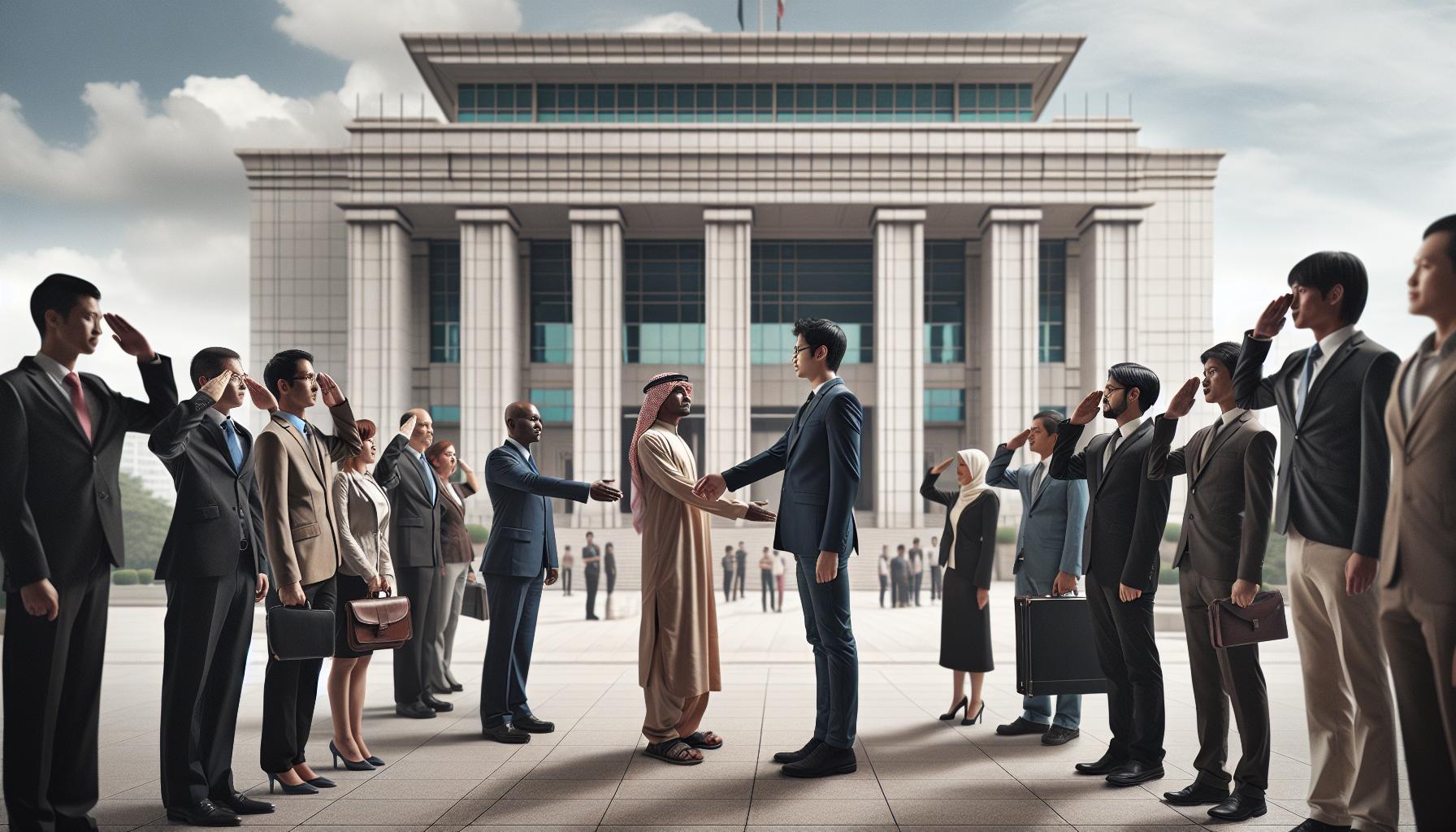
Situations when Saluting a Minister Is Optional or Required
In formal settings, the decision to salute a minister hinges on a mix of tradition, protocol, and the nature of the event. For military personnel, the act of saluting is not merely symbolic but represents an official acknowledgment of the minister’s authority, especially when the minister’s role encompasses defense or security portfolios. This acknowledgement is mandatory when in uniform during ceremonies, official visits, or while standing formation.However, in more casual or public environments, the obligation to salute may become discretionary, depending on context and seniority, reflecting a balance between showing respect and maintaining practical decorum.
Understanding when salutations are required versus optional can prevent awkwardness and ensure respect is shown appropriately. For instance, if a minister enters a formal military formation, a salute is compulsory for all lower-ranking uniformed personnel. Conversely, during public or diplomatic gatherings where civilians and military co-mingle, military members may still salute if in uniform, but civilians typically show respect through nods, handshakes, or verbal greetings rather than military salutes. This distinction preserves the specialized nature of military courtesy and avoids needless confusion between military and civilian contributions to protocol.
Contextual Factors Influencing Saluting
- location and Event Type: In strictly military environments such as bases, parades, or ceremonial functions, salutes to ministers are expected; in contrast, at informal or mixed public events, the salute is not always required but frequently enough welcomed.
- Role and rank of the Minister: Ministers with defense or interior portfolios are saluted more consistently than those in purely civil roles, as their link to military command or security underscores the protocol’s importance.
- The Individual’s Role: Junior military members will salute senior officers or ministers, whereas senior officers may simply offer acknowledgment without returning the salute, and civilians generally forgo saluting altogether.
Practical Examples of Saluting Situations
| Scenario | Military Personnel | Civilians |
|---|---|---|
| Minister arrives at an official military ceremony | Stand at attention and render a formal salute | Offer verbal greeting or respectful nod |
| Minister passes by in uniformed area informally | Salute if in uniform and in duty status; otherwise, optional | No salute necessary; polite acknowledgment |
| Minister attends public, non-military event | Salute generally optional unless directed by protocol | Common courtesy gestures such as handshake, nod, or addressing by title |
Ultimately, the appropriateness of saluting a minister depends on a clear understanding of the occasion, environment, and the individual’s status. When unsure,the safest approach is to observe those around you and follow established military customs closely,especially when in uniform. This practical awareness allows for respectful interactions that honor tradition without missteps or unnecessary formality.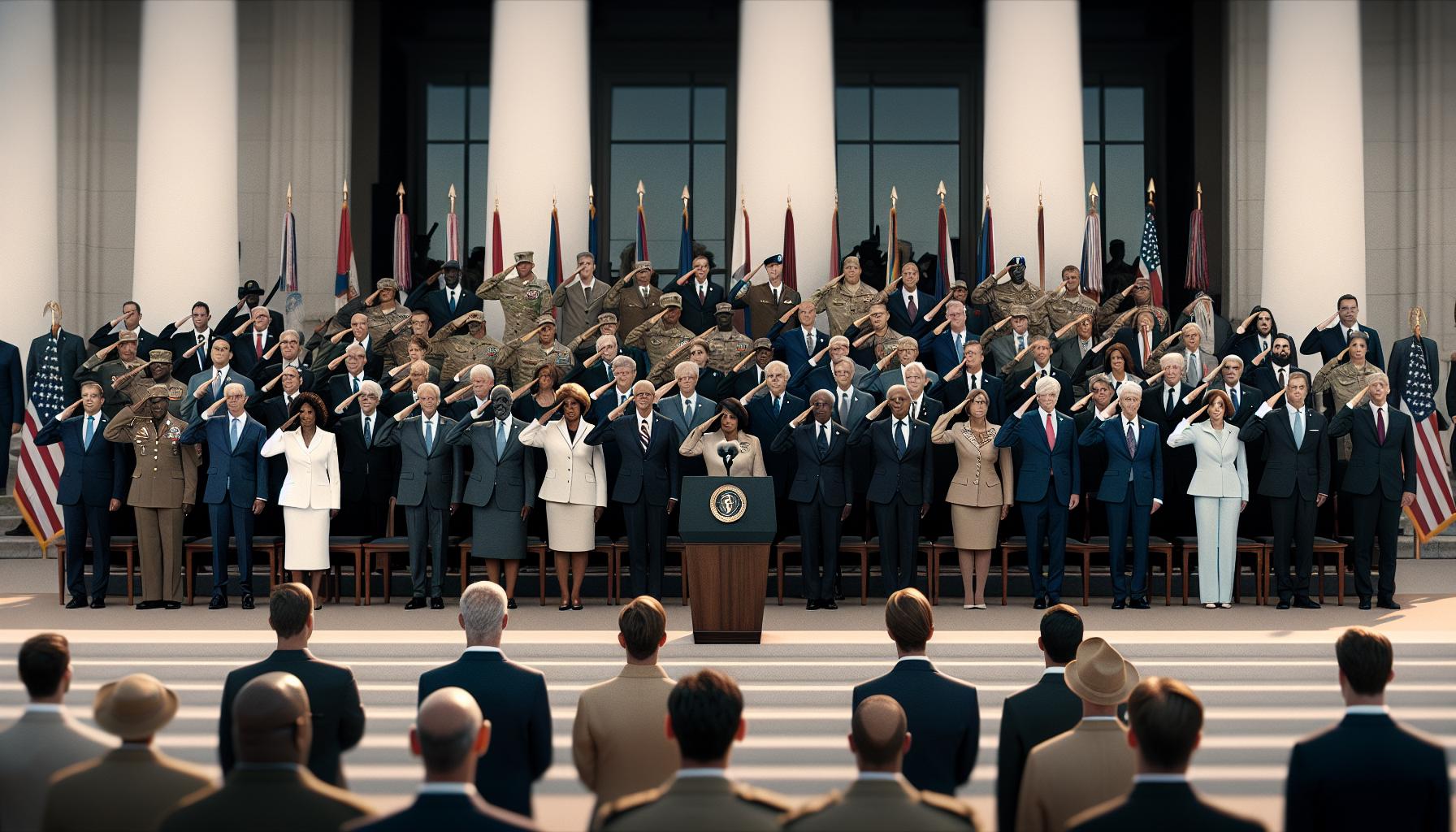
Symbolism and Respect Behind Ministerial Salutes
Few gestures convey respect and acknowledgment as powerfully as the military salute, especially when directed toward government ministers. This act goes beyond mere formality-it embodies a profound recognition of authority, obligation, and the intertwined relationship between civilian leadership and the armed forces. Saluting a minister is not simply about following orders; it reflects the principles of discipline, loyalty, and shared duty that underpin effective governance and military cooperation.
At its core,the salute symbolizes a bridge between two pillars of national service: the military and civilian government. For ministers, especially those holding defense, security, or interior portfolios, salutes represent respect earned through their roles in shaping policies that directly affect military operations and national safety. The gesture reinforces the chain of command and affirms the minister’s position as a civilian overseer who commands legitimacy while maintaining the armed forces’ subordination to civilian control. This dynamic is essential in functioning democracies where respect and acknowledgment must be balanced with clear roles and responsibilities.
Understanding the Layers of Respect in Saluting
- Respect for Office, Not Just the Individual: The salute is often directed at the minister’s position and authority, rather than personal qualities, highlighting the importance of institutional roles.
- Symbol of Unity and Cooperation: By saluting, military personnel publicly affirm their commitment to support the minister’s leadership and decisions, which fosters trust between branches of government.
- An Embodiment of Military Discipline: Performing the salute accurately and promptly signals professionalism and adherence to established protocols that uphold order and respect within the ranks.
Practical Insights for Modern Contexts
In today’s fast-paced and informal environments, it’s useful to remember that the salute remains a timeless expression of respect, even when customs evolve. As an example, while civilians typically opt for nods or verbal greetings, uniformed military members must understand when and how a salute amplifies the message of deference without overstepping social boundaries. A well-timed, confident salute during formal ceremonies or official visits demonstrates not only respect but also awareness of tradition and protocol nuances.
Moreover, saluting ministers can have symbolic significance beyond the military sphere, influencing public perceptions and diplomatic relations. It conveys a disciplined allegiance to constitutional order,underscoring that while ministers might potentially be political figures,their roles command unwavering respect from the armed forces. This visible act of respect often serves to reassure the public and foreign observers that the military remains under legitimate civilian oversight,an essential factor in maintaining credible governance and peaceful diplomacy.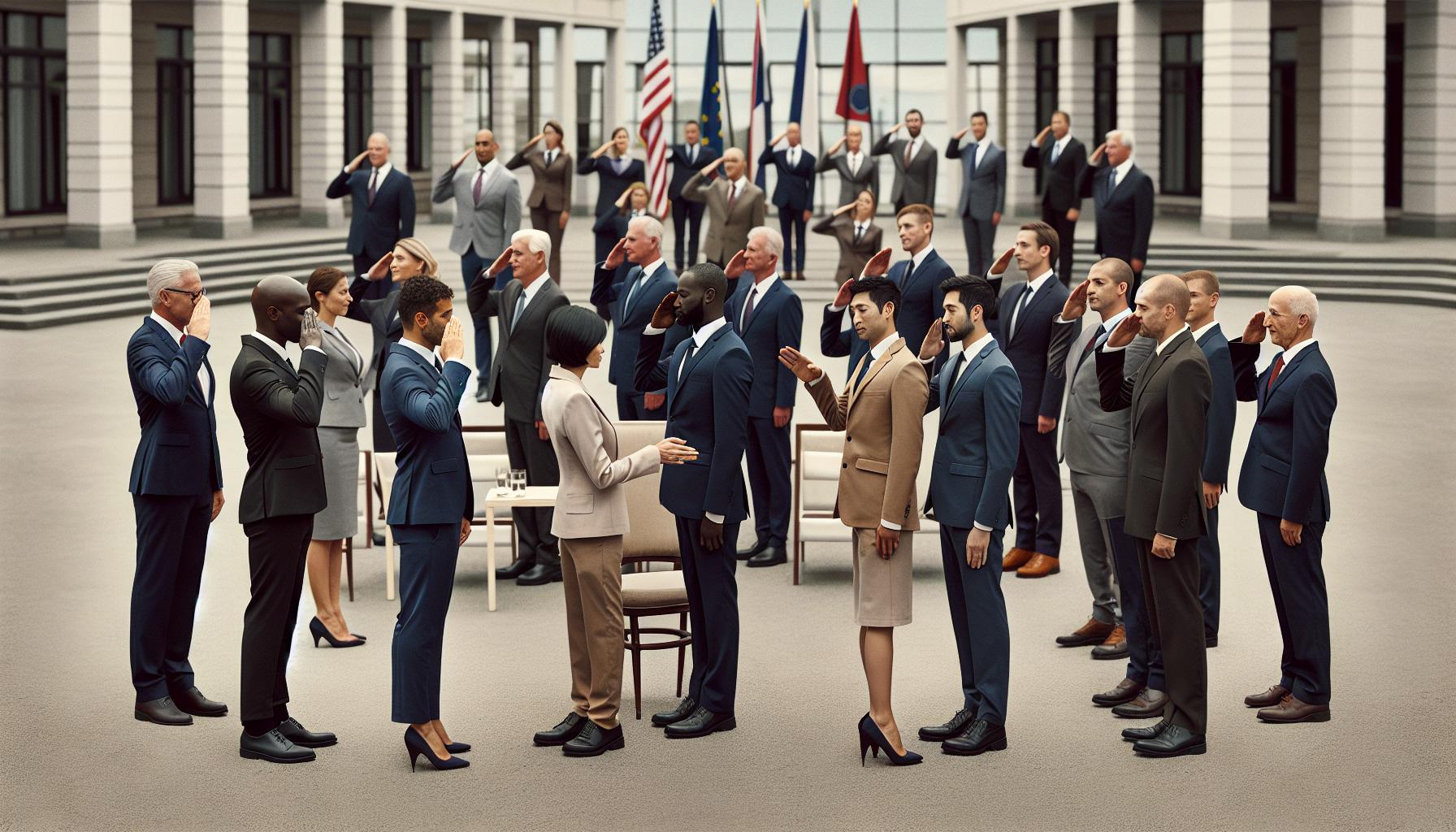
Common Misconceptions About Saluting Ministers Debunked
Few protocols spark confusion more than the tradition of saluting ministers, often leading to misunderstandings about when and why this gesture is appropriate. A prevalent myth is that saluting a minister is automatically required whenever they are present, irrespective of context or rank. In reality, military customs around saluting government officials are nuanced and closely tied to established protocols that distinguish between formal occasions, the minister’s portfolio, and even whether the individual is in uniform or civilian attire.
One common misconception is that a minister’s personal status alone demands a salute. However, the salute is an acknowledgment of the office and its authority within the chain of command rather than a personal tribute. For example, ministers overseeing defense or security portfolios generally receive salutes as a reflection of their direct influence on military operations. By contrast, ministers in unrelated departments may not always be saluted in military contexts unless specific regulations prescribe it. This distinction underscores respect for institutional roles without blurring the lines between personal prestige and official responsibility.
Another frequent misunderstanding relates to the nature of the salute itself. Some believe that a salute to a minister must mirror the exact formality and rigor as one rendered to a senior military officer. However, saluting government officials often adapts to the setting: outside formal military ceremonies, the salute may be more discreet or even substituted by a respectful nod in mixed civilian environments. Uniformed service members must balance tradition with practicality, ensuring their gestures of respect suit the occasion without compromising discipline or appearing excessive.
- saluting ministers does not signify political endorsement: It reflects institutional respect and civilian oversight, vital in democracy.
- Not every minister is saluted identically: Differences arise based on role, rank, and the military branch involved.
- Protocol varies regionally: Cultural practices influence how and when salutes are rendered to civilian authorities.
Understanding these subtleties helps military members and the public differentiate between tradition, protocol, and perception, enabling respectful but informed observance of saluting customs. This clarity also prevents accidental breaches of etiquette that might trivialize or politicize what remains fundamentally a disciplined acknowledgment of civilian authority over the armed forces.
How Protocols Change for Different Ranks and Offices
A salute’s meaning and manner shift noticeably depending on the rank and office of the individual being acknowledged, reflecting the intricate balance between military tradition and civilian hierarchies. In military protocol, higher-ranked officials and those with direct command influence over the armed forces-such as the Defense Minister or equivalent-generally receive the most formal and attentive salutes. This is because their position directly connects to national security and military oversight, warranting a salute that conveys both professional respect and institutional recognition.
Conversely, ministers from unrelated portfolios, like education or agriculture, typically receive a more measured form of acknowledgment, often adapted to the occasion and the setting. In many militaries,the salute towards such officials may be replaced with a polite nod or a less formal gesture,especially if the minister is in civilian attire or the interaction happens outside a formal military environment.This differentiation underscores the principle that the salute honors the office’s authority and relevance to military command, rather than merely the individual’s status or political standing.
- Defense and security ministers: Receive formal salutes, often rigid and sustained, as a mark of their governance over military operations.
- Ministers of other portfolios: Typically acknowledged with a nod, hand salute at ease, or verbal greeting, depending on protocol.
- Military vs. civilian attire: Uniformed officials generally follow stricter saluting standards; civilian officials’ recognition is often less formalized but still respectful.
Tailoring Salutes to Rank and Military Branch
It is indeed also crucial to recognize that saluting customs may vary not only by ministerial role but also across military branches. For example, naval saluting traditions differ in form and timing compared to army or air force protocols, influencing how different ranks and government officials are honored. Additionally, lieutenant-level officers saluting a senior minister may follow stricter rules than enlisted personnel, who might render a simplified gesture unless specifically instructed otherwise.
To help clarify, consider this concise overview:
| Rank/Office | Typical Salute Protocol | Context Notes |
|---|---|---|
| Defense Ministers / Chiefs of Defense | Formal hand salute, sustained until acknowledged | standard in all uniformed branches; signals highest respect |
| Other Government Ministers | Salute or respectful nod; varies by occasion | May be omitted in informal or mixed civilian contexts |
| Military Officers | Standard military salute; varies by rank seniority | Rigid guidelines depending on branch and protocol manuals |
Understanding these gradations enables military personnel and civilians alike to navigate saluting customs effectively, avoiding both over-formality and inadvertent disrespect. In practice, flexibility combined with awareness of rank and office ensures that saluting remains a meaningful and dignified symbol of respect rather than a rote gesture.
By appreciating how saluting nuances shift according to rank and office, one can better grasp the underlying principles of military-civil relations and uphold the integrity of this time-honored tradition in various contexts.
Impact of Saluting Protocols on Diplomatic Relations
The customs surrounding saluting ministers extend well beyond military formalities, playing a subtle yet powerful role in shaping diplomatic relations between countries. Saluting serves as a non-verbal language of respect and recognition that can reinforce goodwill, demonstrate cultural sensitivity, and facilitate smoother interactions in international arenas. When military or state personnel observe appropriate saluting protocols toward visiting or domestic ministers, it sends a clear signal of professionalism and deference to authority, which can enhance trust and mutual respect at the government-to-government level.
In many diplomatic encounters,the way ministers and officials are acknowledged through salutes,nods,or gestures becomes a reflection of deeper political and cultural dynamics. For instance, a full, formal salute rendered by uniformed personnel to a defense minister of an allied nation underscores not only respect for the individual but also recognition of shared security commitments. conversely, neglecting customary salutes or applying inconsistent protocols-especially in mixed military-civilian settings-may unintentionally cause offense or be perceived as a slight, potentially straining delicate international ties. Being well-versed in these subtleties helps officials avoid diplomatic faux pas and promotes the image of a country as respectful and attentive to protocol nuances.
Practical Considerations for Diplomatic Engagements
to maintain positive diplomatic rapport, it is indeed vital to tailor saluting practices according to the cultural expectations and protocol guidelines of the counterpart country. Some states may expect rigorous adherence to military-style salutes for all ministers, while others might view verbal greetings or nods as sufficient, particularly for non-defense portfolios. Understanding these differences and preparing accordingly can prevent misunderstandings. Practical advice includes:
- Research Host Nation Customs: Prioritize learning the specific saluting and greeting customs relevant to the ministers involved in diplomatic meetings.
- Train Military and Civil Personnel: Ensure that relevant personnel are equipped with knowledge about when and how to salute ministers appropriately, reflecting both their rank and cultural context.
- Observe and adapt in Real-Time: In unfamiliar environments, initial interactions can definitely help guide the level of formality appropriate for subsequent encounters.
By integrating these steps, diplomatic missions demonstrate cultural competence and reinforce the importance of protocol in international affairs.
saluting as a Symbol of Institutional Respect and Political Stability
Beyond courtesy, saluting ministers symbolizes recognition of institutional roles and national sovereignty, which is crucial in diplomatic contexts where power dynamics are sensitive. For example,a defense minister’s salute acknowledges their role in national defense and signals respect for the state’s command structure,thereby strengthening the official’s legitimacy both domestically and abroad. This ritualized respect helps sustain an atmosphere of political stability and mutual recognition, essential foundations for effective diplomacy.
In contrast, overly rigid or inappropriate saluting protocols can create barriers rather than build bridges. Striking the right balance between formality and cultural relevance reflects diplomatic maturity, projecting a nation’s image as respectful yet pragmatic. Ultimately, well-executed saluting protocols contribute to smoother diplomatic exchanges by cultivating recognition and respect that transcend spoken language, fostering stronger relationships on the global stage.
For professionals engaged in international relations or protocol management, investing time in mastering these nuances is invaluable-not only preserving tradition but also advancing diplomatic objectives through respectful symbolic communication[[[[[1]](https://oxford-management.com/articles/the-role-of-protocol-in-enhancing-cross-cultural-diplomatic-relations)[[2]](https://dbpaudel.com.np/wp-content/uploads/2024/03/2023-Diplomatic-Protocol-and-Etiquette-24-Jeth-2080-by-D.-Paudel.pdf)[[3]](https://emilypost.com/advice/official-forms-of-address-diplomatic).
FAQ
Q: How should civilians show respect to a minister if saluting is not customary?
A: Civilians typically show respect to a minister through a polite nod, standing when they enter a room, or a verbal greeting. Saluting is generally reserved for military or uniformed personnel, so non-military individuals should follow these respectful but informal protocols. For detailed guidance,see the section on cultural variations in ministerial salute practices.
Q: When is it inappropriate to salute a minister according to protocol?
A: It is inappropriate to salute a minister in informal settings where military customs do not apply, indoors unless ordered, or when wearing civilian attire. saluting is reserved for official ceremonies or when the minister holds a uniformed position. Refer to official guidelines for saluting government officials for clarity on exceptions.
Q: Do ministers expect a salute from military personnel in all countries?
A: No,ministers do not expect a salute from military personnel in every country. Saluting protocols vary based on cultural and national military traditions. Some nations reserve salutes for military ranks only, while others include high government officials. See cultural variations in ministerial salute practices for country-specific norms.
Q: What is the proper protocol if a minister is also a military officer?
A: If a minister holds a military rank, standard military salute protocols apply. Uniformed personnel should salute based on rank and position, recognizing both the ministerial and military status appropriately. This blends military and civil salute protocols, as explained in the section on differences between military and civil salutes.
Q: How do diplomatic settings influence the salute protocol for ministers?
A: Diplomatic settings often require strict adherence to formal salute protocols, especially during ceremonies and official visits. Saluting ministers in diplomatic contexts underscores mutual respect and adherence to international protocol. For deeper understanding, review how protocols change for different ranks and offices in diplomatic relations.
Q: Can a salute to a minister have symbolic meanings beyond respect?
A: Yes, saluting a minister can symbolize allegiance, trust, and recognition of authority beyond simple respect. It serves as a ceremonial gesture reinforcing hierarchical and institutional relationships. Explore the symbolism and respect behind ministerial salutes for more insight.
Q: Are there troubleshooting tips if someone is unsure whether to salute a minister?
A: When uncertain, default to formal respect gestures like standing or a verbal greeting. Military personnel should follow orders and established protocol, while civilians can observe protocol cues from others present.Consult the section on situations when saluting a minister is optional or required for actionable advice.
Q: How do protocols differ when saluting elected versus appointed ministers?
A: Saluting protocols tend to differ in strictness: appointed ministers with formal government rank may warrant a salute in military contexts, whereas elected ministers frequently enough receive respect without formal salutes unless holding military status. Learn more about how protocols change for different ranks and offices in the main article.
—
For further reading, consider reviewing our detailed explanations in When to Salute a minister: Understanding Protocol Basics and Cultural Variations in ministerial Salute Practices to deepen yoru understanding of these nuances.
In Conclusion
Understanding the protocol around saluting ministers offers valuable insight into respectful and appropriate etiquette in formal settings. Whether you’re attending official events or engaging in diplomatic contexts, knowing when and how to salute a minister ensures you make the right impression while honoring established customs. If you found this explanation helpful, explore our detailed guides on protocol for dignitaries and formal etiquette tips to deepen your understanding.
Ready to stay informed on all things related to official protocols and etiquette? Sign up for our newsletter to receive expert advice and the latest updates straight to your inbox. have questions or experiences about saluting ministers or related customs? Share your thoughts in the comments below – we’d love to hear from you! For more resources and a extensive look at respectful conduct, visit our official ceremonies and protocol section, where you’ll find practical tools to navigate any formal occasion with confidence.
Get our latest guides, news, and insights highlighted in your Google Search & AI Overviews.