
Did you know that Canadian citizens living abroad can still have a direct impact on the future of their homeland by voting from anywhere in the world? Whether you’re studying, working, or simply living outside Canada, casting your ballot remotely ensures your voice is heard in crucial elections. navigating the process of voting abroad can seem complex, but itS designed to be accessible and straightforward for Canadians overseas. Understanding how to register, request special ballots, and return your vote securely not only protects your democratic rights but also helps you stay connected to Canada’s political landscape. This guide will walk you through everything you need to know to participate fully and confidently in Canadian elections while abroad, empowering you to make a meaningful difference no matter where you are.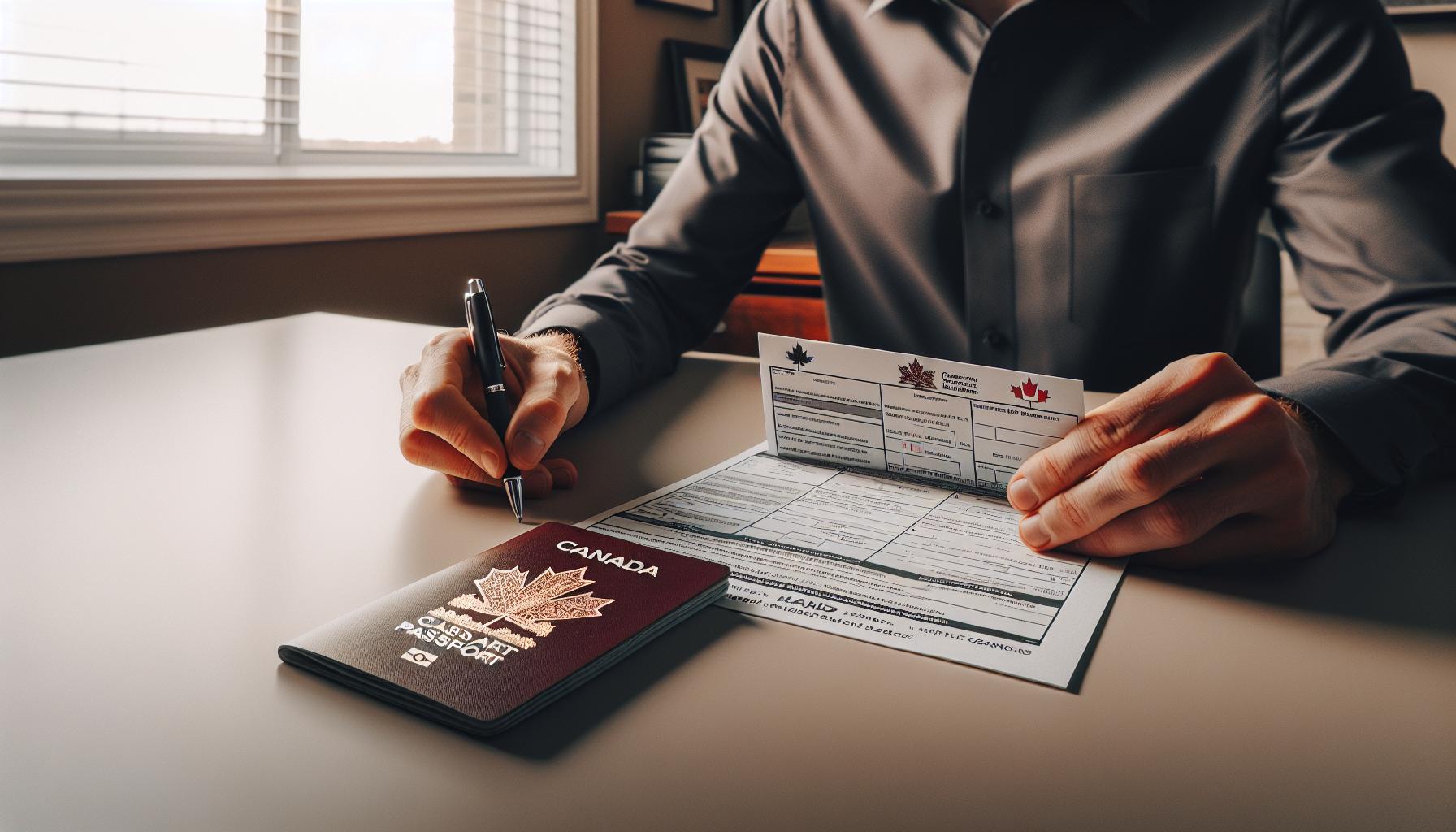
Table of Contents
- How to Qualify for Voting Abroad in Canada
- Registering as an Overseas Voter: step-by-Step Guide
- Important Deadlines and Timelines for Voting Abroad
- Methods to Cast Your Ballot from Anywhere in the World
- Understanding the Different Ballot Options Available
- Key Identification and Documentation Requirements
- common Challenges and How to Overcome Them
- Tracking Your Overseas Ballot Status
- Tips for First-time Overseas Canadian Voters
- How Voting Abroad Impacts Federal, Provincial, and Municipal Elections
- FAQ
- Q: Can I vote abroad in a Canadian municipal election, or only federal elections? A: You can only vote abroad in Canadian federal elections.Municipal and most provincial elections generally require you to be physically present in the jurisdiction. For details, review the How Voting Abroad Impacts Federal, Provincial, and Municipal Elections section in the main article to understand the restrictions. Q: What should I do if my overseas ballot doesn’t arrive before the election day?
- Q: How is my vote kept secure and confidential when voting from abroad?
- Q: Does living abroad affect how my Canadian vote is counted or weighted?
- Q: Can I update my address or contact details while registered as an overseas voter?
- Q: What happens if I miss the deadline to register for voting abroad in Canada?
- Q: Are there resources available for Canadians abroad who need help with voting procedures?
- Q: Can I vote electronically or by phone if I live outside canada?
- In Conclusion
How to Qualify for Voting Abroad in Canada
Casting your vote from abroad as a canadian citizen is both a right and a obligation that comes with specific qualifications designed to maintain electoral integrity while accommodating mobility. Not every Canadian living overseas automatically qualifies to vote in federal elections, so understanding the eligibility requirements is crucial to ensure your voice is counted no matter where you reside in the world.
At it’s core, qualification hinges on your status as a Canadian citizen who has been registered to vote as an elector within Canada and who intends to vote in a federal election while residing outside of the country. Specifically, you must be at least 18 years old on election day and must have been a resident of canada at some point in your life. Even if you’ve been living abroad for several years, you can still qualify provided that you have not declared that you’ve taken up permanent residence elsewhere and continue to identify Canada as your home for voting purposes.this inclusivity helps citizens abroad maintain their democratic connection to Canada, whether they’re military personnel, students, expatriates, or long-term travelers.
key Eligibility Criteria
- Canadian citizenship: Only Canadian citizens can register and vote; permanent residents or others residing outside Canada are not eligible.
- Age requirement: You must be 18 years or older on election day.
- Previous Canadian residency: You need to have lived in canada at some point, even if you are now permanently abroad.
- Not disqualified: You cannot be legally prohibited from voting,such as being incarcerated at the time of an election.
For canadians abroad, choosing to appear on the International Register of Electors is a vital step that confirms your qualification to participate in federal elections. This register ensures that Elections Canada recognizes you as an overseas voter and assigns you an appropriate electoral district based on your last Canadian residence. Failure to register means you won’t receive a ballot package, so timely application-notably before designated deadlines-is critical.
by fulfilling these qualifications, voters abroad retain their ability to influence Canadian policymaking, irrespective of geographical barriers, demonstrating that the democratic process transcends borders. Whether you are living temporarily abroad on a work assignment or have settled overseas permanently, the qualifiers ensure that your vote remains a powerful tool for contributing to Canada’s future.
Registering as an Overseas Voter: step-by-Step Guide
Few things connect Canadians abroad to their homeland more tangibly than the ability to vote in federal elections. Registering as an overseas voter might seem daunting at first, but it’s a straightforward process once you understand the key steps and requirements. Whether you’re pursuing studies in Europe, working in Asia, or simply traveling, ensuring you’re properly registered guarantees your participation in shaping Canada’s future from anywhere in the world.
Starting off, the crucial step is to join the International Register of Electors, a special voters list maintained by Elections Canada for Canadians living outside the country. This registration links you electronically to the electoral district where you last resided in Canada,allowing your vote to count in the right federal riding. You can complete the registration online via the official Elections Canada website, making it accessible regardless of your current location.
Step-by-Step Registration Process
- Determine your eligibility: Confirm you are a Canadian citizen, at least 18 years old on election day, and that you have lived in Canada previously.
- Gather essential information: Prepare details such as your Canadian address (where you last lived), proof of citizenship (like a Canadian passport or birth certificate), and valid identification to verify your identity.
- Complete the online registration form: Visit Elections Canada’s website and navigate to the “Register to Vote” page for international electors. Fill out the form with your personal data and current overseas contact details.
- Submit your application before deadlines: Timing is critical. Register as early as possible-preferably several weeks ahead of the election-to ensure your registration is processed and that ballots can be sent to you.
- Receive confirmation: After registering, you will receive confirmation from Elections Canada. Keep this confirmation safe, as it may be needed for ballot requests or inquiries.
Manny overseas voters appreciate the convenience of the online system, which aligns with Canada’s commitment to making democracy as accessible as possible. However, if internet access is limited, you can request to register by mail through a Canadian embassy or consulate in your region, though this method can be slower-so plan accordingly.
the process also helps eliminate guesswork about your electoral details. For example, several Canadians mistakenly assume that the riding they lived in prior to moving overseas is no longer relevant; in contrast, your last Canadian residence sets your electoral district for voting purposes abroad. This link ensures your vote impacts the community that reflects your historic ties and current Canadian identity.
Ultimately, being proactive and thoroughly prepared when registering as an overseas voter unlocks the full power of your enfranchisement abroad. Staying on top of your registration means you’ll receive your ballot package on time, enabling you to cast your vote confidently without the stress of last-minute complications.

Important Deadlines and Timelines for Voting Abroad
Casting your vote from abroad requires careful attention to deadlines, as timing can dramatically impact whether your ballot is counted. Unlike voting in person, overseas voters must factor in the additional time needed for registration processing, ballot mailing, and return delivery, which involves international postal systems that can vary widely in speed and reliability. Missing key dates could mean losing the prospect to participate in federal elections, so it pays to plan proactively and stay well ahead.
One of the first critical dates to note is the cutoff for registering as an overseas voter. Elections Canada recommends completing your registration with the International Register of Electors at least several weeks before Election day.This lead time ensures your information is verified and that a ballot can be sent to your overseas address. Remember, late registrations might not be processed in time for the election, especially if you rely on postal mail.
Once registered, you’ll need to request your voting package promptly. Ballots for Canadians abroad are typically mailed out after official writs are issued,but international mailing delays mean you should anticipate added delivery time both ways. To avoid complications, try to confirm your ballot request immediately upon election proclamation and return your completed ballot as quickly as possible.
Key Timeline Tips for Voting abroad
- Register Early: Aim to join the International Register of Electors at least 30 days before the election to guarantee processing time.
- Request Your Ballot Promptly: Once registered, submit your ballot request as soon as you receive or become aware of the election call.
- Account for Mailing Delays: Recognize that international mail can add 1 to 3 weeks each way-factor this into your return timeframe.
- Return Ballots Early: Send your marked ballot back well before the deadline, preferably using tracked or courier services if available.
| Action | Recommended Completion | Reason |
|---|---|---|
| Register as an overseas voter | At least 30 days before Election Day | Ensures timely processing and ballot mailing |
| Request your ballot | Immediately after election is called | Allows extra mailing time to receive and return ballots |
| Mail back your completed ballot | At least 7 days before Election Day | Provides buffer for international mail transit |
By observing these timelines carefully,overseas Canadians can maximize the odds that their vote arrives on time and is counted. As an example, in recent elections, some voters in regions with slower postal services have opted to use courier services or vote early to avoid last-minute postal delays. Staying informed about postal reliability in your country of residence and preparing your ballot ahead of deadlines can definitely help you avoid the frustration of a lost or delayed vote.Ultimately, understanding and respecting the critically important deadlines involved in voting from abroad empowers Canadians living overseas. It reinforces the principle that distance should never disconnect you from the democratic process at home. Planning early,acting promptly,and factoring in international mailing realities give your vote the best possible chance to make a difference in Canada’s federal elections.

Methods to Cast Your Ballot from Anywhere in the World
No matter where you find yourself in the world, Canadians living abroad have a reliable way to ensure their voices are heard in federal elections. Voting from overseas may seem complex, but a streamlined postal system and clear instructions from Elections Canada make it accessible. Most Canadians abroad cast their ballot by mail, using a secure Special Ballot voting package sent directly to their registered overseas address.After you register on the International Register of Electors and request your voting package,Elections Canada will mail you a special ballot kit. This kit includes detailed instructions, the federal election ballot itself, a declaration certificate, and a prepaid return envelope. Because electronic or in-person voting options are generally not available outside Canada, this mail-in process offers a secure and verified way to participate. To help alleviate concerns about postal delays, many voters choose to send their completed ballots back using tracked courier services or registered mail, providing peace of mind that their vote is delivered safely and on time.
Choice Voting Methods and Practical Tips
While customary mail remains the primary option for overseas voters, certain exceptional circumstances allow for voting at Canadian embassies or consulates, especially during by-elections or special ballots.However, these in-person options are limited and vary by location, making early mail-in voting the most dependable solution for most Canadians abroad.
- Request Your Ballot Early: Initiate your ballot request immediately after the election is called to account for international transit times.
- Use Secure Return Methods: If possible, opt for tracked postal services or courier options to monitor your ballot’s journey back to Canada.
- Follow Instructions Carefully: Completing the declaration certificate accurately and securely sealing your ballot package helps protect your vote from rejection.
By understanding these practical methods and anticipating mailing timelines, overseas voters can confidently participate without worrying about geographical barriers. This process isn’t just another administrative step; it’s a direct connection to Canadian democracy from thousands of miles away.
[Source: Elections Canada – Voting from abroad]
Understanding the Different Ballot Options Available
Casting a ballot from abroad is often perceived as a complex choice, but for Canadian voters overseas, the options are straightforward and reliable. The primary method available is the Special Ballot, a secure mail-in voting package specially designed to uphold the integrity of your vote while accommodating international mailing challenges. This process is not only secure but also familiar to most overseas Canadians and ensures your voice counts regardless of where you are in the world.
While traditional mail-in voting constitutes the vast majority of overseas ballots, there are a few alternative methods worth noting. In select circumstances, such as during by-elections or for special ballots, Canadians abroad may vote in person at certain Canadian embassies or consulates. These locations sometimes provide ballot distribution and collection services, but access is highly limited and varies according to the diplomatic mission’s capacity and local regulations. Because of this variability, relying on the mail-in Special Ballot remains the most dependable and widely accessible approach.
- Special Ballot by Mail: Your standard and most secure method; involves receiving a paper ballot package via international mail, completing your vote, and sending it back using the prepaid envelope.
- Voting at Diplomatic Posts: Offered in some locations for by-elections or under special circumstances, allowing in-person voting at embassies or consulates-but this is the exception rather than the norm.
For overseas Canadians, understanding the nuances of the Special Ballot is crucial. The package includes detailed instructions, a paper ballot, a declaration certificate that must be signed to verify your identity and eligibility, and a prepaid return envelope. It’s essential to follow these guidelines carefully to ensure your ballot is accepted.Additionally, many voters choose to use tracked courier services when returning their ballot to minimize the risk of postal delays or loss-especially when mailing from countries with less reliable postal systems.
In essence, while the options may seem limited compared to voting options at home, they are designed to safeguard your vote and make participation seamless despite geographic hurdles. Opting for mail-in Special Ballots and, where possible, voting at diplomatic missions provides a secure, accessible, and verifiable means for Canadians living abroad to take part in their democracy.[3]
Key Identification and Documentation Requirements
Few aspects of voting abroad are as critical as ensuring your identity and voter eligibility are clearly established through the proper documentation. In a process designed to uphold election integrity worldwide,overseas Canadian voters must provide specific identification and sign a declaration certificate included with their Special ballot package. This step not only confirms your citizenship and residency status but also prevents voting fraud, making your vote as secure as it would be on Canadian soil.
the declaration certificate is the cornerstone of your voting packet. When completing your Special Ballot, you are required to sign this document affirming that you are a Canadian citizen, at least 18 years old on election day, and that you have not already voted in the same election. the certificate serves as a legally binding attestation, so accuracy and honesty are paramount. Omitting the signature or providing conflicting information may lead to your ballot being rejected, so be sure to carefully read the instructions and complete all required fields fully.
Essential Documentation and Identification Tips
- Declaration Certificate: This must be signed and returned with your ballot. It acts as your primary identification and proof of eligibility.
- Proof of canadian Citizenship: While not usually required to be submitted with your ballot, having your Canadian passport or citizenship card readily available can be useful if voting in person at a diplomatic mission.
- Valid Return Address: Providing an accurate return address on your Special Ballot package ensures your ballot can be verified and counted correctly.
- Follow Instructions Precisely: Election authorities provide detailed, step-by-step guidance-adhering to these helps avoid disqualification due to technical errors.
Real-World Example
Consider a Canadian residing in Japan who mails back a Special Ballot without signing the declaration certificate. Despite completing the ballot correctly, their vote will be invalidated because this signature is a mandatory identification element. On the other hand, a voter in the UK who follows instructions precisely, double-checks the declaration certificate, and uses a tracked courier to return their ballot minimizes risks related to postal delays and ensures that their participation is officially recognized.
By understanding and respecting the documentation requirements, Canadians living abroad can confidently navigate the voting process, safeguarding their right to vote and ensuring their voice is heard in Canadian democracy. Meticulous attention to these details is not merely bureaucratic-it is the foundation of secure, valid overseas voting.
common Challenges and How to Overcome Them
Few experiences are as frustrating for overseas voters as carefully preparing a ballot only to encounter avoidable hurdles that delay or invalidate their vote. Canadians living abroad frequently enough face unique obstacles-from mailing logistics to strict documentation requirements-that can make the voting process seem complex.Though, with awareness and proactive steps, these challenges can be managed effectively to ensure every ballot counts.One of the most common pitfalls involves timing and postal delays. special ballot packages need to be requested, completed, and mailed back within specific deadlines. International mail can be unpredictable, so it is crucial to start the process early and use reliable shipping methods when possible. Some voters have found success using express postal services or tracked couriers, especially from regions known for slower delivery times. Preparing your ballot well ahead of election day not only reduces stress but greatly increases the chances your vote will arrive in time to be counted.Another frequent issue concerns the completeness and accuracy of documents, particularly the declaration certificate. Missing signatures or incomplete fields can invalidate a ballot despite the voter’s sincere participation. Many overseas Canadians benefit from carefully reviewing the instructions step-by-step, even enlisting a trusted friend or family member to double-check their submission before mailing. Keeping copies or photos of all documents sent can also be a useful backup in case of issues. Remember, compliance with documentation standards maintains election integrity and protects your vote.
- Start Early: Request your Special Ballot package quickly-some international voters begin this process weeks ahead.
- Use Secure Postal Options: Consider courier services with tracking to monitor your ballot’s delivery progress.
- Double-Check Documentation: Sign the declaration certificate fully and ensure all details match your voter registration information exactly.
- Maintain Records: Keep a copy of your completed ballot and declaration for your records.
- Stay Informed: Follow updates from Elections Canada and local Canadian consulates about voting timelines and any unforeseen procedural changes.
Such as, a Canadian expatriate living in Brazil shared that mailing their Special Ballot by a tracked courier service during a recent federal election was a game-changer, preventing anxieties common with local postal uncertainties.Similarly, a voter residing in Europe emphasized the value of printing and thoroughly reading every instruction, as small procedural oversights could have meant disqualification. These firsthand insights underscore the importance of attention to detail combined with logistical savvy.By anticipating common pain points and adopting best practices, overseas Canadian voters can confidently exercise their democratic rights-transforming what might seem an arduous task into a smooth and empowering experience.
Tracking Your Overseas Ballot Status
It can be incredibly reassuring to know exactly where your ballot stands once it’s on its journey back to Canada. For overseas voters, tracking your ballot’s status offers peace of mind, reducing uncertainty and helping you take timely action if needed. While the process involves various stages-from requesting your special Ballot package to submitting your completed ballot-staying informed at each step is crucial to ensure your participation counts.
Though Elections Canada does not provide a direct online tracking system for Special Ballots like typical parcel tracking, there are practical ways to monitor and confirm your ballot status. The first and most reliable method is to use a postal or courier service that offers tracking when you mail your ballot back. Using services with delivery confirmation can help you verify that your ballot has reached the intended destination before the close of polls. For instance, many overseas voters have successfully avoided worries by using tracked courier options, especially from regions where postal reliability is variable.
Once your completed ballot package is received in Canada, Elections Canada typically sends a confirmation letter or email to the voter’s registered contact address to acknowledge receipt. Keeping your contact information up to date with Elections Canada is thus essential for receiving such notifications. If you encounter any doubts or have not received confirmation within a reasonable timeframe,reaching out directly to Elections Canada or your local Canadian embassy or consulate can provide clarity and assistance.
Tips for Effectively Tracking Your Overseas Ballot
- Request a Tracking Number: When mailing your completed ballot, choose postal options that provide a tracking or delivery confirmation number. this is your primary tool to verify transit progress.
- Stay in Contact: Keep your phone number and email address current with Elections Canada to receive notifications or requests for additional information.
- Note Critically important dates: Be aware of submission deadlines so you can track your ballot’s arrival and avoid last-minute issues.
- Save documentation: Retain copies or photos of your completed ballot and declaration forms for reference if any follow-up is needed.
- Follow up promptly: if you have concerns or no confirmation after mailing your ballot, contact Elections Canada’s toll-free support or your nearest consulate to verify your ballot’s status.
One voter living in Asia shared that by carefully scheduling their return shipment with a reputable courier and tracking the package daily, they felt empowered and confident that their vote would arrive safely on time. Meanwhile, others emphasize the importance of patience-sometimes international mail takes unexpected detours, so early submission combined with active tracking provides the best safeguard against ballot disqualification.
By combining careful logistical planning with direct communication channels,Canadian voters abroad can navigate the ballot tracking process smoothly. This vigilance ensures your voice not only leaves your hands but is also counted in shaping Canada’s future.[3] [1]
Tips for First-time Overseas Canadian Voters
Casting your ballot from abroad for the first time can feel daunting,but with a bit of preparation and understanding,it becomes a straightforward and empowering experience. One key insight for first-time overseas Canadian voters is to begin the process early. Ballots must often travel considerable distances, so starting your registration and ballot request well ahead of election day reduces stress and helps avoid last-minute hurdles. Planning ahead also allows time to resolve any unexpected issues, such as incomplete paperwork or postal delays.
Navigating the registration process online through Elections Canada’s official portal offers clarity and convenience. Keep in mind that maintaining accurate contact details is essential-not only does it ensure you receive your Special Ballot package promptly, but it also allows the agency to notify you of any updates or issues. First-timers should also carefully review the instructions included in the ballot package; these guide you step-by-step through marking, signing, and returning your ballot properly. simple oversights, such as forgetting to sign the declaration form, can lead to disqualification, so paying attention to every detail is critical.
- Early Registration: Submit your registration and ballot request at least a few weeks before the deadline.
- Read Instructions Thoroughly: Familiarize yourself with the voting and mailing instructions to avoid errors.
- Use Reliable Mail Services: Opt for tracked courier or registered mail to ensure your ballot’s safe delivery back to Canada.
- Stay Informed: Monitor confirmation emails or letters from Elections Canada and keep your contact info current.
Many first-time overseas voters find it helpful to connect with local Canadian embassies or consulates. These offices can provide in-person advice and sometimes even help with mailing ballots securely. Hearing stories from others who have successfully voted abroad can also build confidence-for example, a voter in Europe shared how setting reminders for each step in the process kept them on track and made the experience less overwhelming. Remember that exercising your right to vote from anywhere in the world is not only a priviledge but a powerful way to stay connected to Canada’s democratic process, regardless of where life takes you.
How Voting Abroad Impacts Federal, Provincial, and Municipal Elections
The opportunity to vote while living abroad extends a vital connection between Canadians overseas and their home’s democratic institutions, yet it interacts differently with federal, provincial, and municipal elections. While Canadians abroad can participate fully in federal elections through the Special Ballot service, their eligibility and ability to influence provincial or municipal elections hinges on varying residency rules and election laws specific to each province or territory. Understanding these distinctions is crucial for overseas voters wanting to make the most of their voice across all levels of government.
At the federal level, any Canadian citizen who is at least 18 years old on election day and has previously lived in Canada can register on the International Register of Electors and request a Special Ballot to vote from abroad. This centralized process makes it relatively straightforward to engage with federal elections regardless of where you reside in the world. Importantly, federal ballots cast overseas are counted exactly like those cast domestically, ensuring your vote directly impacts the selection of Members of Parliament in your home riding.
Provincial elections, however, operate under different rules. Most provinces require voters to be residents of that province to participate, meaning that Canadians living abroad typically cannot vote in provincial elections if they have established residence outside Canada. However, there are exceptions: some provinces may allow former residents who maintained property or business ties, or who plan to return soon, to remain on the provincial voter roll for a limited time. This variation necessitates checking with each provincial electoral authority for specific eligibility criteria to avoid surprises.
Municipal elections generally require actual residency in the municipality to vote, so overseas Canadians are usually ineligible to participate. This restriction underscores the localized nature of municipal governance, where voters impact community services and policies directly affecting their neighborhood. Overseas voters interested in staying informed about municipal affairs can subscribe to local newsletters or engage with community groups online, but cannot currently cast ballots unless they physically return.
- Federal Voting: Accessible to all Canadians abroad through Special Ballot with confirmed prior residency.
- Provincial Voting: Typically limited to residents, with exceptions varying by province.
- Municipal Voting: Requires local residency; generally unavailable for overseas voters.
Such as, a Canadian living in Europe recently shared their experience: while they could easily vote in federal elections via the Special Ballot, they learned they were ineligible for British columbia’s provincial election because they had lived abroad for several years. Such clarity early in the process prevents wasted effort on registration attempts in ineligible jurisdictions.
Staying actively engaged means leveraging the voting rights available while abroad and understanding where your vote counts the most. Keeping abreast of changing electoral laws and consulting official resources like Elections Canada and provincial electoral offices ensures you maximize your participation. Overseas Canadians embody a global voice for Canada’s future, shaping federal policies even as provincial and municipal ballots remain tied to residency. This layered framework reflects Canada’s balanced embrace of inclusion and local governance demands, making your vote abroad a meaningful part of the democratic tapestry.
FAQ
Q: Can I vote abroad in a Canadian municipal election, or only federal elections?
A: You can only vote abroad in Canadian federal elections.Municipal and most provincial elections generally require you to be physically present in the jurisdiction. For details, review the How Voting Abroad Impacts Federal, Provincial, and Municipal Elections section in the main article to understand the restrictions.Q: What should I do if my overseas ballot doesn’t arrive before the election day?
A: If your ballot arrives late, you sadly cannot vote in that election. To avoid this, request your ballot well in advance and track its status online. Refer to Tracking Your Overseas Ballot Status in our guide for proactive steps to ensure timely receipt.
Q: How is my vote kept secure and confidential when voting from abroad?
A: Your overseas ballot is protected by strict Canadian electoral laws ensuring your privacy and vote security. Ballots are sealed and handled separately from regular mail to maintain confidentiality, as explained in the common Challenges and How to Overcome Them section.
Q: Does living abroad affect how my Canadian vote is counted or weighted?
A: No, votes from abroad are counted equally alongside those cast in Canada. Your vote impacts federal election outcomes just like residents’, as detailed in the How Voting Abroad Impacts Federal Elections portion of the article.
Q: Can I update my address or contact details while registered as an overseas voter?
A: Yes, you can update your information anytime by contacting Elections Canada. Keeping your details current ensures you receive ballots and election notices promptly. See the registering as an Overseas Voter guide for update procedures.
Q: What happens if I miss the deadline to register for voting abroad in Canada?
A: Missing the registration deadline means you cannot vote in that federal election from abroad.Plan ahead and register early as outlined in the Important Deadlines and Timelines section to avoid missing cutoffs.
Q: Are there resources available for Canadians abroad who need help with voting procedures?
A: Yes, Elections Canada provides resources and support to overseas voters, including faqs and contact info. Check the official Elections Canada website or refer to Tips for First-Time Overseas Canadian Voters in our article for guidance.
Q: Can I vote electronically or by phone if I live outside canada?
A: currently, Canada does not allow electronic or telephone voting for overseas electors.Voting is done by mail using special ballots as detailed in our Methods to cast Your Ballot from Anywhere section.
For more detailed instructions and helpful tips, feel free to explore other linked sections in the article to confidently cast your ballot from anywhere in the world. Your vote counts-make sure it’s counted!
In Conclusion
Casting your vote from abroad is a powerful way to stay engaged in Canada’s democratic process, no matter where you are in the world. By understanding the key steps to register and submit your ballot, you ensure your voice counts in every election. If you haven’t already, now is the perfect time to explore our detailed guide on voter registration deadlines and check out our resources on how to track your ballot to avoid any last-minute issues.
To make the most of your voting abroad experience, consider signing up for our newsletter for timely updates on upcoming elections and voting tips tailored to Canadians overseas. still unsure about the process or need personalized assistance? visit our consultation page to connect with experts who can guide you step-by-step. Don’t forget to share your voting experience in the comments below and explore other related topics like international voting rights and [Canada’s election policies], so you stay informed and prepared for every ballot cast. Your engagement not only strengthens your vote but supports every Canadian’s right to be heard, wherever they call home.
Make DemocracyLawBlog.com a Preferred SourceGet our latest guides, news, and insights highlighted in your Google Search & AI Overviews.
✓ Preferred Source Added
Get our latest guides, news, and insights highlighted in your Google Search & AI Overviews.