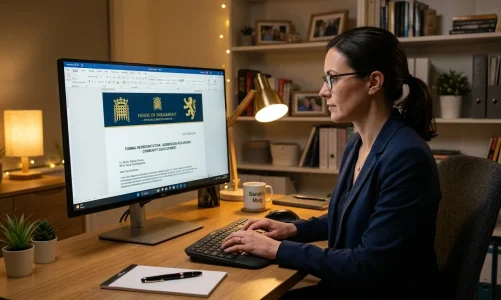
Did you know that a simple letter to your Member of Parliament (MP) can be one of teh most powerful ways to influence change in your community? By clearly reminding your MP of three major issues that matter most to you, you help keep public concerns at the forefront of political agendas. Whether it’s healthcare,education,or environmental protection,concise,well-crafted communication ensures your voice is heard effectively. Taking the time to focus on a few key points allows your message to stand out and encourages your MP to respond thoughtfully. This guide will walk you through how to write a compelling letter that connects your concerns to real action, empowering you to make a meaningful impact on the policies that shape your daily life. Keep reading to learn how to make every word count and turn your awareness into advocacy.
Table of Contents
- Understanding Why writing to Your MP Matters
- Identifying the 3 Major Issues to Address Effectively
- How to Research Your MP’s Priorities and Voting Record
- Crafting a Clear, Persuasive Letter That Commands Attention
- using Emotional and Logical Appeals for Maximum Impact
- Tips for Personalizing Your Letter to Build Connection
- Including Supporting Evidence and Relevant Examples
- Best Practices for Formatting and Sending Your Letter
- Following Up Strategically to Strengthen Your Message
- Leveraging Community Support to Amplify Your Voice
- Common Mistakes to Avoid when Writing to Your MP
- FAQ
- Q: How can I ensure my letter to my MP stands out among many others?
- Q: What tone should I use when reminding my MP about critically important issues?
- Q: When is the best time to send a letter to my MP for maximum impact?
- Q: How can I leverage community support to strengthen my letter’s message?
- Q: What are effective ways to follow up after sending a letter to my MP?
- Q: Should I include statistics or quotes in my letter to my MP?
- Q: How do I address multiple issues without overwhelming my MP in one letter?
- Q: Can I email my MP instead of sending a physical letter,and which is more effective?
- In Retrospect
Understanding Why writing to Your MP Matters
It’s easy to underestimate the power of a single letter, yet writing to your Member of Parliament can be one of the most direct and impactful ways to influence public policy. MPs are elected to represent their constituents’ concerns, and hearing from you helps them understand the real-life implications of legislation and priorities. When you clearly express your views, you’re not just adding your voice to a distant debate-you’re actively participating in a democratic process that shapes the future of your community and contry.
Engaging with your MP shows that citizens are attentive and invested, which can push representatives to prioritize issues that might otherwise go unnoticed. MPs often face an overwhelming flood of data, so a well-crafted letter can highlight pressing problems more effectively than polls or general feedback. For example, when dozens of constituents write about local healthcare challenges or environmental concerns, it signals urgency and sincerity that can influence how an MP votes or lobbies colleagues.
Beyond influencing policy decisions, writing to your MP offers a chance to build a constructive relationship. Personalized correspondence can open doors to dialog, invitations to town halls, or clarifications on legislative matters.This ongoing communication also encourages accountability; MPs are more likely to follow through on promises when consistently reminded of their constituents’ expectations. Whether addressing broad social changes or specific local issues, your letter functions as a vital bridge between the people and their government.
- Direct Representation: Your letter helps ensure your MP truly understands local needs.
- Amplifying Impact: Collective letters demonstrate community concern and priority.
- Accountability: Keeping communication ongoing fosters trust and responsiveness.
By recognizing the importance of this simple yet powerful act, you empower yourself and those around you to influence policies that affect everyday life. The question isn’t just why writing to your MP matters-it’s how your voice can become a catalyst for real change.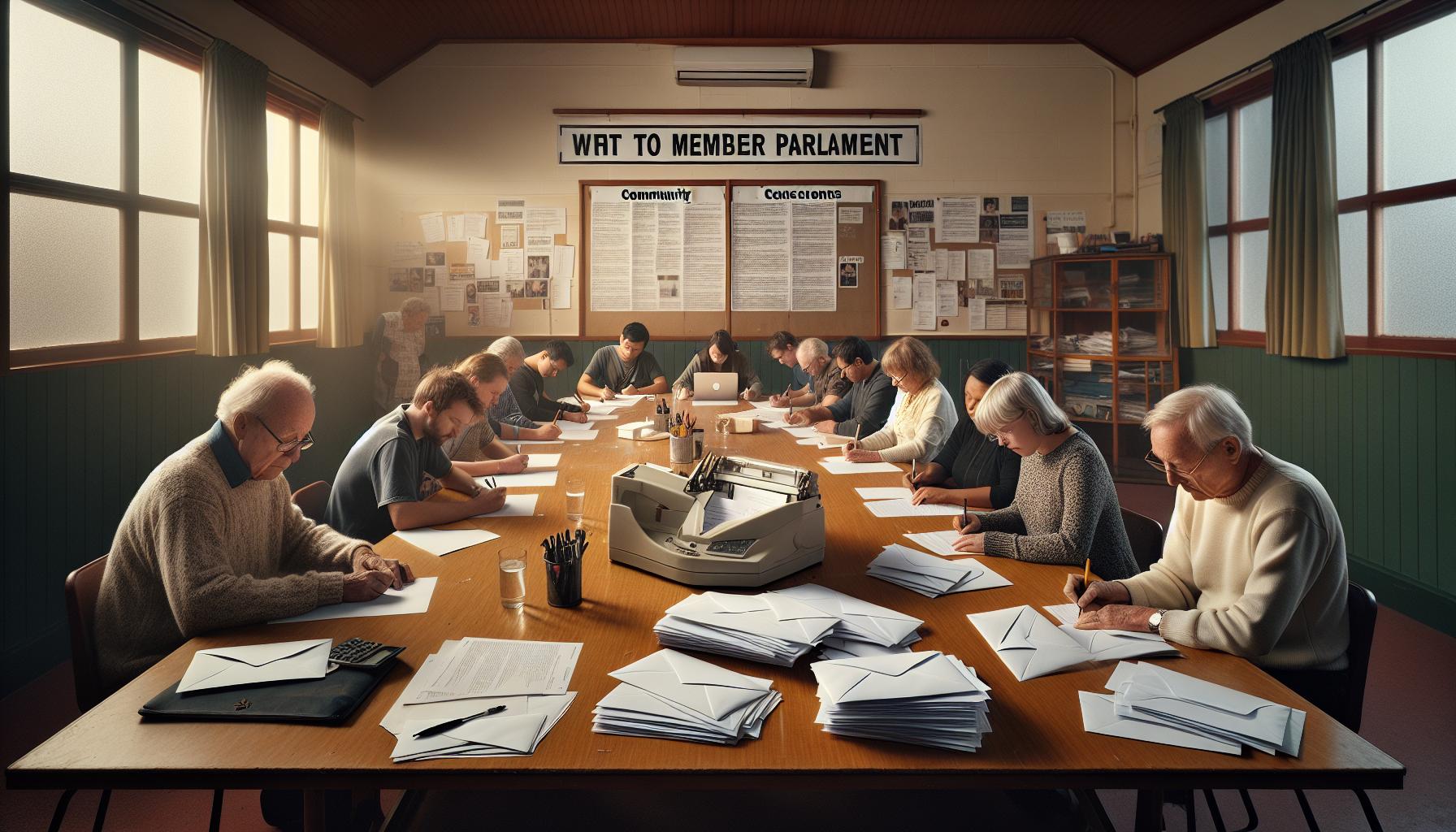
Identifying the 3 Major Issues to Address Effectively
Choosing the right issues to highlight in your letter is crucial because MPs receive numerous communications daily, and focusing on a few clear, compelling points increases the likelihood your concerns will be taken seriously. Narrowing your message to three major issues ensures your letter remains concise and impactful, allowing your MP to grasp your priorities quickly and respond effectively. It’s significant to prioritize concerns that resonate both on a personal level and reflect broader community significance, which helps demonstrate your engagement and provides tangible reasons for your MP to act.
When selecting the three issues, consider the following strategies:
- Relevance to Local Impact: Your MP represents your specific area, so issues that affect your local community or constituency frequently enough carry more weight. For instance, if there are pressing healthcare challenges in your town or a major environmental concern affecting local parks, these are prime topics to emphasize.
- Alignment with Current Political Climate: Context matters-choosing issues already prominent in public debate or governmental agendas, such as affordable housing or education reform, can encourage your MP to take up these matters with more vigor.
- Feasibility of Clear Action: Highlight issues where your MP can realistically intervene or influence outcomes, whether by lobbying ministers, supporting legislation, or raising awareness publicly. This avoids vague or overly broad topics that may be harder to address directly.
Balancing Breadth and Depth for Maximum Effect
While it might be tempting to list every concern you have, focusing on three allows you to provide enough depth and evidence to persuade your MP. For example, rather of listing “public transport, climate change, and mental health” superficially, you could concentrate on one transport issue, like improving bus services for rural areas, a climate initiative relevant locally, and a specific mental health provision gap affecting your constituency’s youth. This approach not onyl shows you’ve thoght carefully about your priorities but also equips your MP with concrete points to address in debates or committee discussions.
Additionally, illustrating how these issues connect can strengthen your case. Suppose you highlight inadequate public transport affecting access to mental health services and your MP’s local commitments to sustainability. Showing that these concerns intertwine helps paint a comprehensive picture that’s harder to ignore.By thoughtfully selecting three focused yet meaningful issues, you maximize the chances that your letter won’t just be read-but acted upon, helping your MP to prioritize real change that reflects your community’s needs.
How to Research Your MP’s Priorities and Voting Record
Few tools are as powerful in shaping the decisions of your elected representative as demonstrating that you understand their work and priorities. Digging into your MP’s past actions and public declarations dose more than just prepare you-it shows respect for their role and frames your concerns in a way thay cannot easily dismiss. This kind of targeted approach signals that your letter is informed and directly relevant,increasing the chance it will receive careful consideration.
Begin by exploring official parliamentary resources where voting records and debate contributions are publicly archived. Many government websites offer searchable databases allowing you to filter your MP’s votes on specific bills or issues, and transcripts of speeches reveal their stance or emphasis on topics. Pair this with local news coverage and social media channels where the MP might share their current campaigns, community projects, or statements reflecting evolving priorities. This background makes it easy to spot alignments or gaps between your concerns and their demonstrated focus.
- Look for Consistency and Nuance: Has your MP consistently supported healthcare improvements or education reforms relevant to your constituency? Or do they tend to prioritize national security or economic policies? Knowing this helps you frame your letter in harmony with their track record or gently challenge areas needing attention.
- Identify Key Committees and Roles: MPs frequently enough serve on committees or hold positions influencing specific policy areas. highlighting your understanding of their influence here-such as, a seat on an environmental committee-can make your issues more compelling by showing awareness of where they have leverage.
- Use Their language: Mirroring phrases or project names your MP has used in public statements creates a subconscious connection and signals that you have done your homework.
Practical Steps to Research
- Visit your parliament’s official website and navigate to the MP’s profile, where their voting history and recent speeches are typically listed.
- Search for local news articles or interviews to get a sense of how your MP communicates on community issues.
- Use social media channels like twitter or Facebook to follow their current initiatives or responses to constituent concerns.
- Check if they’ve published newsletters or reports, as these often detail ongoing projects or key policy positions.
Combining these insights allows you to tailor your letter to fit the MP’s demonstrated interests and influence areas, making a strong case that your issues deserve their attention and align, at least partly, with their established priorities. This strategic approach not only respects their work but enhances your credibility and the weight of your appeal.
Crafting a Clear, Persuasive Letter That Commands Attention
Few correspondence methods engage your MP as effectively as a well-crafted letter that conveys your concerns with clarity and conviction. The key is to make each sentence count-your MP receives numerous communications daily, so a letter that is concise yet compelling stands the best chance of being read thoroughly and remembered. Focus on crisp articulation of your three major issues, linking each to tangible effects on your community or constituency to create resonance.
Start by stating your purpose clearly within the first few lines. Avoid vague statements or drifting topics; instead, present a direct request or position on one issue at a time. Breaking your letter into clearly defined paragraphs dedicated to each major concern helps maintain reader engagement and sharpens your argument.For instance, if addressing healthcare, education, and environmental policy, each should have its own focused paragraph that outlines the problem, its local impact, and why it requires parliamentary action now.
- Use clear, decisive language: Phrases like “I urge you to support,” or “It is critical that legislation addresses” convey a sense of urgency without being confrontational.
- Include relatable examples: Brief anecdotes or data points from your community personalize issues and underscore their significance.
- Be respectful but firm: Demonstrating respect for your MP’s role encourages openness,while respectfully challenging their position or highlighting gaps in policy invites constructive reflection.
Structure That Guides and Persuades
To enhance readability,consider using bullet points to summarize key demands or suggested actions. Visual breaks in your letter can help busy MPs or their staff quickly grasp your message. However, balance this with narrative flow to maintain a human touch-your MP is more than a policymaker; they are someone whose attention you want to engage thoughtfully.
You might also reference prior statements or voting patterns of your MP when appropriate, showing you have done your research and your concerns align with their mandate or require reconsideration. This demonstrates seriousness and can increase the perceived legitimacy of your letter. For example, “Considering your recent support for local schools, I believe you will recognize the urgency of maintaining funding for after-school programs, which are vital to our community’s youth development.”
Crafting your letter with these elements ensures it stands out as clear, persuasive, and action-oriented-qualities that greatly improve the likelihood of your voice being heard and your major issues receiving the attention they deserve.
using Emotional and Logical Appeals for Maximum Impact
Few forms of communication combine the power of both heart and mind better than an effectively writen letter to your Member of Parliament. While statistics and facts create a compelling logical foundation, connecting emotionally can transform dry data into a relatable, urgent call to action. Striking the right balance between emotional and logical appeals strengthens your letter’s ability to resonate deeply and motivate genuine consideration from your MP.To achieve this,begin by grounding your message in well-researched facts-such as local statistics or recent policy outcomes-that clearly illustrate the problem’s scope and impact. For instance, when addressing healthcare, referencing specific wait times in your constituency or citing national health reports displays a clear understanding of the issue’s gravity. Complement these with personal stories or vivid examples demonstrating how these problems translate into real-world struggles, which humanize the abstract. A single, poignant anecdote about a constituent affected by long hospital waits, or a child missing out on extracurricular programs, adds warmth and urgency that numbers alone can’t convey.
- Use emotional language sparingly but purposefully: Evoke empathy by focusing on shared values-such as fairness, safety, or possibility-without resorting to manipulation or overly dramatic tones.
- Present logical arguments clearly: Highlight cause and effect, offer solutions your MP can influence, and explain the benefits of action using credible evidence.
- Connect appeals to the MP’s interests: Reference their public statements, past voting record, or constituency priorities to align your emotional and logical points with their agenda.
Practical Example: Integrating Emotion and Logic
consider a paragraph like this when advocating for improved education funding:
“recent education reports show a 20% decline in funding for after-school programs in our district, leading to fewer supervised spaces for children after school hours. This gap affects working families like mine-including my son, who thrives in these programs not only academically but socially and emotionally. Ensuring stable funding for these programs is essential not only for educational outcomes but for the well-being of our community’s youth.I urge you to champion legislation maintaining these vital resources, reflecting the commitment you’ve shown in your previous support for local schools.”
here, a logical fact (funding decline) concretely frames the issue, while the personal example creates an emotional bridge that makes the issue relatable and pressing.
By weaving together a respectful yet emotive narrative grounded in solid evidence, your letter will stand out as both sincere and persuasive. This layered approach invites your MP to see beyond the statistics and understand the heartfelt realities their constituents face, increasing the likelihood your concerns will translate into meaningful action.
Tips for Personalizing Your Letter to Build Connection
Few communication tools create an immediate sense of relevance and urgency like letters that reflect genuine personal connection. When writing to your MP, making your letter unmistakably yours-not just a generic note-can significantly boost its impact.MPs receive numerous messages daily, so ensuring yours stands out by including specific, relatable details about your life or community draws attention and fosters empathy.Start by briefly introducing yourself as a constituent, referencing your neighborhood or ties to the area, which reminds your MP that the issues you raise directly affect the people they serve. Personalizing your letter with anecdotes or examples from your own experience-such as how a local public transit delay disrupts your daily commute or how school funding cuts have affected your child’s education-turns abstract policy concerns into real stories. These stories act like bridges, making the issues tangible and human, rather than distant statistics.
To deepen this connection, research your MP’s recent initiatives or statements and reflect those in your letter. For example, if your MP has publicly voiced commitment to environmental sustainability, align your environmental concerns with their goals. This shows you are informed and respectful of their platform, which fosters mutual understanding and increases your letter’s persuasive power. Another effective technique is to reference shared values or community priorities you know resonate with your MP, such as economic opportunity or healthcare access, relating your issue back to those themes.
- Address your MP respectfully and by name: Personalizing the salutation demonstrates effort and respect.
- Keep language clear and conversational: Avoid jargon-write as if speaking to a neighbor.
- Include local details: Mention landmarks, recent events, or community organizations relevant to the issues.
- Express your hopes or requests with optimism: Positive language encourages action rather than defensiveness.
By blending these elements, your letter evolves from a mere complaint to a heartfelt conversation. Such personalization invites your MP to see not just a policy problem, but a constituent with a stake in creating meaningful solutions. This connection is often the key difference in turning your concerns into real influence.
Including Supporting Evidence and Relevant Examples
Including concrete evidence and vivid examples transforms your letter from a general appeal into a compelling narrative that commands attention. MPs are more likely to prioritize issues when presented with data or stories that illustrate the real-world impact of policies – especially when those examples resonate on a local level. By embedding relevant facts, statistics, or testimonials, you lend credibility and urgency to your message, making your concerns harder to overlook.
Consider integrating recent figures or reports from reputable sources that highlight the scope of the problem you’re addressing. For instance, if your issue concerns housing shortages, citing local waitlist numbers or average rent increases can clarify the severity for your MP. If you want to discuss healthcare access,referencing waiting times at the nearest hospital or health clinic,supported by official reports or news articles,provides a concrete backdrop for your argument. These pieces of evidence offer a clear baseline that contextualizes your request and helps shift the conversation from abstract ideas to measurable realities.
- Use local statistics: Incorporate data specific to your MP’s constituency to demonstrate the issue’s direct relevance.
- Share personal anecdotes or those from neighbors: Genuine stories humanize statistics and build emotional resonance.
- Quote authoritative sources: Government reports, academic studies, or trusted organizations reinforce your points.
Beyond data,personal or community examples make your letter memorable and relatable. Imagine explaining how reduced public transportation during certain hours affects your family’s ability to access education or work. These narratives appeal to empathy and invite MPs to see the human face behind policy discussions. You might also mention local organizations involved in tackling the issue or prosperous initiatives elsewhere that your MP could consider adopting. Highlighting positive examples of change creates a constructive tone,signaling that solutions are tangible and within reach.
Balancing Evidence and Emotion
While facts matter, pairing them with relevant and heartfelt examples strengthens the overall impression. A well-rounded letter might look like this:
| Type of Evidence | Example | Purpose |
|---|---|---|
| Local Statistic | “In our district, 45% of families spend more than 40% of their income on rent.” | Shows urgent financial burden in the constituency. |
| Personal Story | “My daughter missed several school days last term because bus delays made her late.” | Illustrates real consequences of transport issues. |
| Authoritative Report | “According to [Local Housing Authority]’s 2025 report,affordable housing stock has decreased by 20% in five years.” | Supports claims with credible external data. |
By blending these elements, your letter becomes a persuasive, balanced appeal that appeals both to your MP’s sense of duty and their understanding of tangible community needs. The inclusion of solid evidence alongside relatable examples signals that your concerns are well-researched and deeply felt – a combination that MPs are more likely to act upon.
Best Practices for Formatting and Sending Your Letter
Ensuring your letter is properly formatted and presented is vital to making a strong impression on your MP. A clearly structured letter not only makes your key points easy to follow but also reflects respect and seriousness, encouraging your MP to engage with your message more thoughtfully. Begin with the standard formal layout: your name and address in the top left corner, followed by the date, then the MP’s full name and official address. This format signals that the communication is official and worthy of attention.
Keep your letter concise and focused-MPs receive numerous messages daily, so brevity helps your concerns stand out.Use short paragraphs and bullet points when listing your three major issues to enhance readability. Avoid overly complex language; clarity is your ally. A practical tip is to use a standard typeface such as Arial or Times New Roman, sized between 11 and 12 points, with 1.15 to 1.5 line spacing. this creates an inviting and professional appearance that encourages reading.
Delivery Methods and Contact Details
Deciding how to send your letter can influence its impact. Conventional mailing remains a credible and formal channel, especially if personalized and handwritten, showing extra care and commitment. However, many MPs now accept emails, which can speed up the response time. If you choose email, ensure your subject line is clear and direct, such as “Constituent Concern: urgent Local Housing Issues.” Whichever method you use,always include your full name,return address,phone number,and email at the bottom of the letter to enable straightforward responses.
To reinforce your message, consider sending a printed copy alongside an email version, or mention in your letter that you have shared it within your local community or with relevant groups. This underscores the broader support your concerns have and can amplify your voice. Also, always double-check the MP’s correct postal and email addresses via official government or parliamentary websites to avoid delays or misdirection.
Example Formatting Checklist
| Element | Best Practice | Purpose |
|---|---|---|
| Sender’s Address & Date | Top left corner, dated correctly | Establishes identity and context for communication |
| MP’s Name and Address | below date, clearly addressed to correct recipient | Ensures letter reaches intended parliamentarian |
| Salutation | Use “Dear [Title and Last Name]” | Maintains politeness and formal tone |
| Paragraphs | Short, focused, with clear sections for each issue | Enhances readability and clarity |
| Closing | “Yours sincerely” if you know the MP’s name; “Yours faithfully” otherwise | Follows formal letter conventions |
| Signature | Handwritten above typed name if printed | Adds a personal touch and authenticity |
Taking care to present your letter with professionalism demonstrates that you respect your MP’s time and role, increasing the likelihood your concerns will be taken seriously.Thoughtful formatting combined with prompt and appropriate delivery methods sets a solid foundation for your advocacy efforts.
Following Up Strategically to Strengthen Your Message
Following up after sending your initial letter can be the key to turning a simple message into meaningful action.Many constituents underestimate the power of a well-timed, polite follow-up that both reminds your MP of your concerns and demonstrates your ongoing commitment.MPs receive a high volume of correspondence, so a strategic follow-up ensures your issues stay on their radar, especially when framed with fresh insight or updates relevant to your original points.
A practical approach is to wait about two to three weeks after your initial letter before reaching out again. This period gives your MP or their office enough time to process your message while still allowing your follow-up to feel timely. When you follow up,consider referencing your previous letter and succinctly restate the three major issues you raised,emphasizing any new developments or community feedback that reinforces your case. This shows persistence without redundancy and signals to your MP that the matter affects real people in a meaningful way.
- choose the right channel: Whether by email, phone call, or attending a local constituency event, select a method that fits your relationship with the MP and the norms for their office.
- Be respectful and concise: Thank them for any prior attention and express a willingness to provide further information or answer questions.
- Highlight any collective support: Mention if community groups or organizations have backed your concerns since your last contact.
- Request a clear response or follow-up action: Such as, ask if they plan to raise your issues in parliament or support relevant policy changes.
Using Follow-Up to Build a Relationship
Beyond reiterating specific concerns,strategic follow-up can be an opportunity to nurture an ongoing dialogue. MPs are more likely to act when they recognize constituents as engaged partners rather than one-off complainants. Attending town halls or public meetings, as an example, allows you to personally connect your letter’s content with local discussions and policies they support or oppose. Sharing short,impactful stories or new evidence during these interactions can renew attention on your key issues.
If you receive a response from your MP, even if it’s a standard acknowledgment, make sure to reply courteously, thanking them and gently encouraging next steps where appropriate. Persistence coupled with professionalism reflects both respect for their role and genuine advocacy, increasing your credibility as a constituent voice worthy of serious consideration.
| Follow-Up Step | Purpose | Tips |
|---|---|---|
| Wait 2-3 weeks post initial letter | allows time for processing initial correspondence | Set a reminder to avoid early or late follow-up |
| restate key points with new information | Keeps issues fresh and highlights their ongoing relevance | Include any updates, local impacts, or community backing |
| Choose appropriate contact method | Maximizes likelihood of your message being received and acted upon | Use email for speed, phone for personal touch, attend events for visibility |
| Request specific actions or responses | Gives your MP a clear path for engagement | Politely ask if they will support or raise issues in parliament |
effective follow-up transforms your correspondence from a one-time ask into an ongoing conversation, greatly increasing the chance your three major issues won’t be overlooked. By demonstrating patience,respect,and persistence,you empower yourself as a constituent and encourage your MP’s active participation in addressing the community’s concerns.
Leveraging Community Support to Amplify Your Voice
Harnessing the collective power of your community can significantly elevate the impact of your letter to your MP. While a single voice matters, a chorus of constituents sharing the same concerns can’t be easily ignored. MPs are keenly aware of the strength behind widespread constituent support, which signals that the issue resonates beyond isolated cases and reflects the community’s broader interests. Invoking this collective backing demonstrates that your concerns are grounded in shared experiences and have tangible local consequences,lending greater urgency and legitimacy to your message.
To build this momentum, start by reaching out to local groups, organizations, or networks that align with the issues you’re addressing. Whether these are neighborhood associations, advocacy groups, schools, or faith communities, their endorsement can add credibility and volume.Encourage others to write their own letters or sign a shared petition that you can submit alongside your correspondence. Including phrases like, “Joined by over 100 local residents who share these concerns…” or attaching a list of supporters creates a powerful impression that your MP cannot overlook. Additionally, pooling resources and experiences with community members can help gather stronger evidence and personal stories that illustrate the real-world impact of the issues raised.
- Coordinate joint actions: Hosting letter-writing parties or online campaigns where community members collectively craft and send letters can increase outreach efficiently.
- leverage social media and local press: Publicly sharing your campaign helps attract attention, encourages participation, and puts gentle public pressure on your MP’s office.
- Engage local leaders: Involving respected figures such as teachers, business owners, or activists can amplify your message, as MPs frequently enough pay attention to voices that represent influential community sectors.
Turning Support into Sustained Advocacy
Community support doesn’t have to end with the initial letter; it’s a springboard for ongoing engagement. Organizing follow-up events like town halls, public forums, or meetings with your MP and constituents helps maintain visibility and keeps the pressure consistent. Sharing updates with your network on your MP’s responses and encouraging continuous participation strengthens the sense of collective ownership over the issues. This not only boosts morale but also presents constituents as educated, unified, and persistent advocates – qualities that MPs respect and respond to. Ultimately, when your MP sees that an entire community is actively invested, they are more likely to prioritize your shared concerns in parliamentary discussions and policy decisions.
Common Mistakes to Avoid when Writing to Your MP
A surprising number of letters to MPs never achieve their full potential simply because of avoidable missteps in how they are composed and delivered. One common pitfall is trying to tackle too many issues at once. While your passion to address multiple concerns is commendable, overwhelming your MP with an unfocused letter dilutes the impact of your message.Concentrating on no more than three major issues-clearly articulated-helps keep your letter compelling and easier to act on.
Another frequent mistake is neglecting to tailor your message to your MP’s specific interests or track record. Generic letters that fail to reference your MP’s previous statements, voting history, or committee involvement tend to feel less compelling and may be set aside as bulk correspondence. Demonstrating that you’ve done your homework signals respect for their role and increases the likelihood of engagement.
- Overly emotional language without balance: While sharing personal stories and sincere emotion can be powerful, letters solely driven by emotion risk being dismissed as subjective.Pair emotional appeals with logical evidence-statistics,case studies,or local examples-to create a balanced and persuasive argument.
- Ignoring proper formatting and clarity: Lengthy paragraphs, lack of clear points, and poor grammar can reduce readability and undermine your credibility. Use short paragraphs, bullet points, and clear headings to make your letter easy to scan and understand.
- Failing to include a clear call to action: If your letter lacks a specific request-such as a vote, a meeting, or policy change-the MP might be unsure how to respond or prioritize your concerns.
Contact information is another frequently overlooked detail. Always include your full name, address, and contact details to verify you are a constituent, which significantly increases the chances your letter will be prioritized. Additionally, skipping the follow-up phase is a missed opportunity.After your initial correspondence, politely following up can reinforce your message and demonstrate ongoing commitment.
By avoiding these mistakes, your letter won’t just be another piece of mail-it will be a carefully crafted appeal that stands out, commands attention, and fosters productive dialogue. embracing clarity, specificity, and respect for your MP’s time are vital steps toward making your advocacy both effective and memorable.
FAQ
Q: How can I ensure my letter to my MP stands out among many others?
A: To make your letter stand out, use a clear, concise opening and focus on three impactful issues with strong supporting evidence. Personalize your message by referencing your MP’s priorities and include a polite call to action. For tips, see the section on Crafting a Clear, persuasive Letter in the main article.
Q: What tone should I use when reminding my MP about critically important issues?
A: Use a respectful, balanced tone combining emotional and logical appeals. This approach fosters connection while highlighting urgency.Avoid confrontational language to maintain professionalism and improve the chance your MP will engage with your concerns. refer to Using Emotional and Logical Appeals for guidance.
Q: When is the best time to send a letter to my MP for maximum impact?
A: The best time is during relevant parliamentary sessions or ahead of key votes related to your issues. Sending your letter early allows your MP to consider your concerns in decision-making. Check your MP’s schedule as outlined in Researching Your MP’s Priorities and Voting Record.
Q: How can I leverage community support to strengthen my letter’s message?
A: Amplify your letter’s impact by referencing community actions like petitions or local events. Mentioning broad backing shows that your issues represent shared concerns and adds weight to your message. See Leveraging Community Support for practical steps.
Q: What are effective ways to follow up after sending a letter to my MP?
A: Follow up with a polite email or phone call within two weeks to reaffirm your message and ask for a response. Refer to Following Up Strategically for timing and phrasing tips that maintain engagement without seeming pushy.
Q: Should I include statistics or quotes in my letter to my MP?
A: Yes, including relevant statistics and credible quotes strengthens your arguments and shows you’ve done your research. Keep them concise and directly related to your three major issues for clarity and impact.For more, see Including Supporting evidence.
Q: How do I address multiple issues without overwhelming my MP in one letter?
A: Focus on no more than three major issues, clearly separating each point with headings or bullet points. This keeps your letter organized and easier to read, helping your MP prioritize your concerns effectively.Review the article section on Identifying the 3 Major Issues for details.
Q: Can I email my MP instead of sending a physical letter,and which is more effective?
A: Both methods are valid,but a well-formatted physical letter often feels more personal and can have higher visibility. Emails are faster but can get lost in inboxes. Use Best Practices for Formatting and Sending Your Letter to decide which suits your goals best.
For additional insights, explore the detailed strategies throughout the article, such as Crafting Persuasive Letters and Personalization Tips, to enhance your advocacy efforts and ensure your message resonates effectively.
In Retrospect
Taking the time to write a thoughtful letter to your Member of Parliament is a powerful way to highlight the three major issues that matter most to you. By clearly communicating your concerns, you not only raise awareness but also encourage meaningful action that can influence policy decisions. To keep your advocacy effective, consider exploring our detailed guide on crafting persuasive public petitions and learn more about how local government decisions impact your community.
If you’re ready to make a stronger impact, don’t hesitate to sign up for our newsletter, where we share actionable tips and the latest updates on political engagement. For those looking for additional support,check out our resources on contacting elected officials or book a consultation to tailor your message for maximum effect. Remember, your voice is essential-engage with us in the comments below or share this article to inspire others to take action today and keep driving change forward.
Get our latest guides, news, and insights highlighted in your Google Search & AI Overviews.