
Did you know that Canadian womenS right to vote was not won overnight, but through gradual and hard-fought progress during a pivotal time in history? The story of the first woman to vote in Canada highlights a remarkable trailblazer who helped reshape the nation’s democratic landscape. Understanding who she was and the challenges she overcame offers valuable insight into the evolution of voting rights and gender equality in Canada. Whether you’re curious about women’s suffrage or interested in recognizing the figures behind vital social change,this exploration connects past victories to ongoing conversations about representation and inclusion. join us as we uncover the inspiring journey of the first woman to vote in Canada and the legacy she left for future generations to build upon. This story not only honors a valiant pioneer but also reminds us why every vote matters. Discover how history’s quiet achievers paved the way for the rights many enjoy today and why their courage still resonates.
Table of Contents
- The Historical Context of Women’s Voting Rights in Canada
- The Life and Legacy of the First Woman Voter
- How Women’s suffrage Movements Paved the Way
- Key Legal milestones Allowing Women to Vote
- Challenges Faced by Early women Voters
- Regional Differences in Women’s Voting Rights Across Canada
- Impact of the First Woman voter on Canadian Society
- Lesser-Known Trailblazers in Canadian Women’s Voting History
- How Voting Rights for Indigenous Women Evolved
- Continuing the Fight: Women’s Political Participation Today
- Frequently Asked Questions
- Q: When and where did the first woman officially cast a vote in Canada?
- Q: How did World war I influence women’s voting rights in Canada?
- Q: what were the voting qualifications for women when they first voted in Canada?
- Q: Who were some other early female voting trailblazers besides the first woman voter in Canada?
- Q: How did early Canadian women’s suffrage influence Indigenous women’s right to vote?
- Q: Why did some provinces allow women to vote earlier than others in Canada?
- Q: How did early women voters impact canadian society after gaining the right to vote?
- Q: What lessons can modern activists learn from canada’s first woman voter’s journey?
- Closing Remarks
The Historical Context of Women’s Voting Rights in Canada

Long before women secured the right to vote in Canada, societal norms and legal frameworks firmly limited their role in the political sphere. Voting was long considered a privilege reserved exclusively for men, reflecting broader patterns of gender inequality entrenched in law and culture. However, the late 19th and early 20th centuries marked a turning point, as growing awareness of women’s contributions to society-especially through education, labor, and activism-began to challenge these outdated conventions. this period set the stage for critically importent reforms by highlighting women’s rightful place within the democratic process.Provincial and federal jurisdictions each played unique roles in shaping voting rights, creating a complex landscape for suffrage. Manitoba notably became the first province in Canada to enfranchise women in provincial elections in 1916, sparking a domino effect as other provinces and the federal government followed suit over the next several years. These incremental victories were driven by coordinated suffrage movements that brought together women from diverse backgrounds advocating for equality and inclusion. Yet, it is indeed essential to recognize that these rights were not extended universally at first; racial and ethnic barriers frequently enough excluded Indigenous, Asian, and other minority women from fully participating in elections until much later.
- Early Suffrage Milestones: Manitoba (1916), Alberta (1916), Saskatchewan (1916), and British Columbia (1917) all passed laws granting women voting rights at the provincial level.
- Federal milestone: The right to vote federally was granted in 1918 under “An Act to Confer Electoral Franchise Upon Women,” allowing most women to vote in the federal election of 1919.
- Limitations and Exclusions: Despite these advances, Indigenous women and women of certain racial backgrounds faced continued disenfranchisement until the mid-20th century.
Understanding this layered and nuanced history not only sheds light on who could cast a ballot and when but also reflects the broader struggles for equality that continue today. For anyone looking to appreciate the magnitude of the first woman’s vote in Canada, it’s crucial to grasp that this was both a symbolic and practical breakthrough, earned through decades of relentless campaigning against systemic gender bias. This historical backdrop illuminates the courage and determination of early pioneers whose efforts fundamentally reshaped Canadian democracy and laid the groundwork for ongoing political participation and representation by women [[1]](https://www.nelliemcclungfoundation.com/history-of-canadian-suffrage),[[3]](https://en.wikipedia.org/wiki/Women%27s_suffrage_in_Canada).
The Life and Legacy of the First Woman Voter
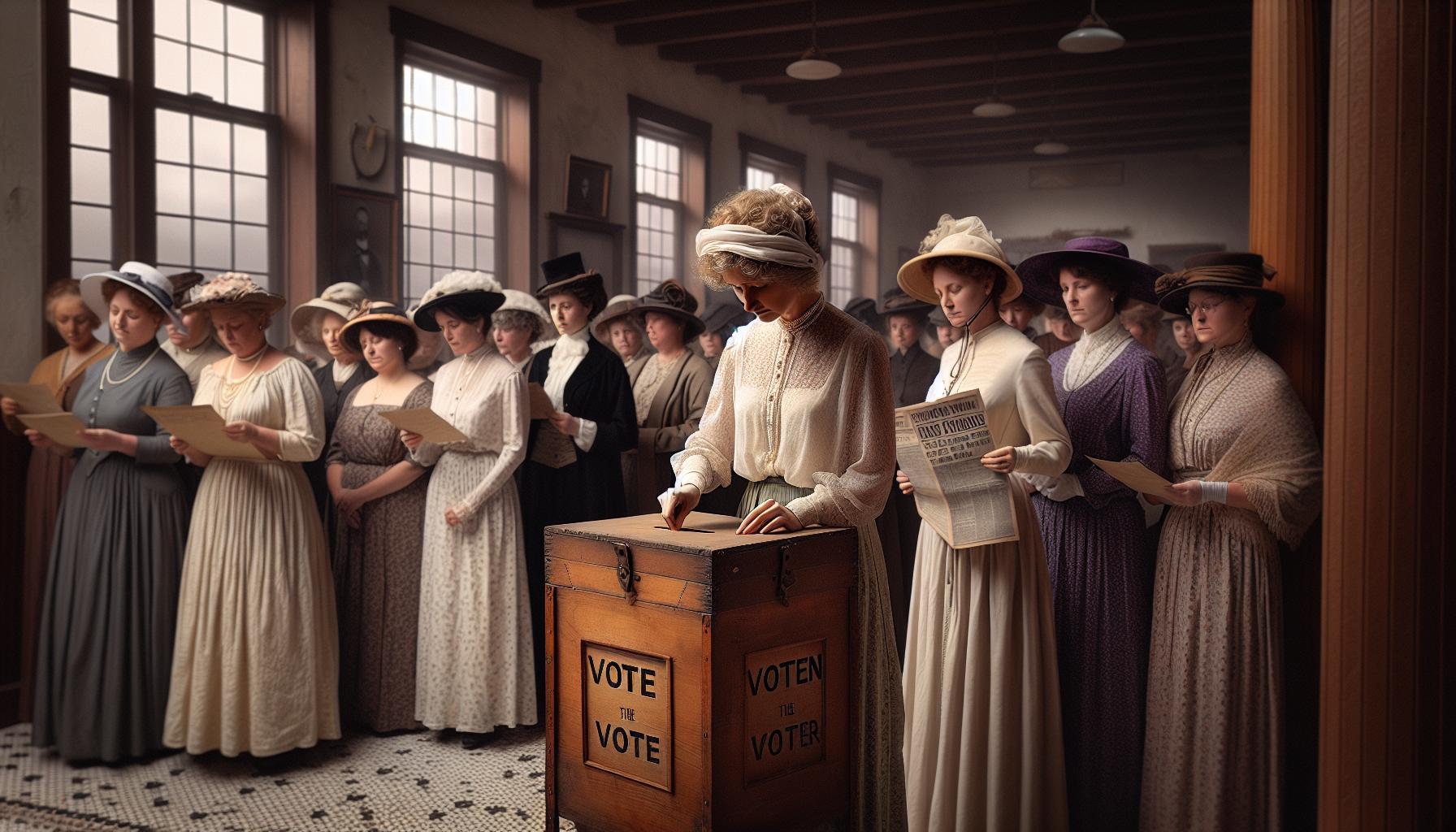
few moments resonate more powerfully in Canadian history than when women cast their ballots for the first time, transforming the political landscape and challenging entrenched norms. The pioneering woman voter emerged not merely as a symbolic figure but as an embodiment of decades of tireless activism, embodying hope and progress. This milestone marked the tangible victory of suffragists who had advocated relentlessly for recognition and enfranchisement. Understanding her life and legacy offers insights into the courageous spirit required to reshape society’s views on gender and citizenship.
Though pinpointing the exact first woman to vote can vary by region due to staggered enfranchisement, the impact of those early voters was immediate and profound. These women frequently enough came from diverse backgrounds: educators, activists, farmers’ wives, and professionals, united by a shared determination to have their voices heard.Their participation in elections served as a powerful statement against prevailing stereotypes that questioned women’s capacity for political judgment. By stepping into polling stations, they were asserting their equal stake in the decisions shaping their communities and nation.
Living the Legacy Beyond the Ballot Box
The significance of these trailblazing voters extends far beyond the act of casting a ballot. Their legacy galvanized further social and political reforms, inspiring subsequent generations of women to engage more fully in public life. This engagement manifested in growing representation in municipal councils, provincial legislatures, and eventually the federal Parliament. Today, practical lessons can be drawn from their experiance:
- Active Participation: Voting was just the first step-early women voters understood the importance of continued involvement and advocacy to protect and expand their rights.
- Community Association: Many were deeply connected to suffrage societies and local groups, highlighting the power of collective action in achieving systemic change.
- Persistence Against Opposition: Overcoming social stigmas and legal hurdles required resilience, offering a model for current activists facing challenges in political participation.
By revisiting their stories, modern readers are reminded that access to voting is foundational but must be sustained through ongoing civic education, political engagement, and advocacy for equitable policies. The first woman voter’s courage set a precedent that voting is not merely a right, but a responsibility crucial for shaping inclusive governance.
Lessons for today’s Voters
Their experience encourages today’s electorate to appreciate that voting rights historically were hard-won and remain defended through vigilance. Engaging actively at all levels of government, supporting diverse candidates, and understanding the broader context of electoral reforms ensures that the trailblazers’ efforts are honored and continued. For anyone inspired by the legacy of Canada’s first women voters, embracing these practical steps fosters a vibrant and representative democracy.
How Women’s suffrage Movements Paved the Way

Few social movements in Canadian history illustrate the power of perseverance and community organization quite like the campaign for women’s suffrage. This long, determined struggle not only opened the ballot box to women but transformed how society viewed their role in shaping democracy. The suffrage movement’s success was no accident; it was built on decades of grassroots activism, coalition-building, and a keen understanding of how to influence legal and political systems from the ground up.
Women’s suffrage groups strategically combined public advocacy with quieter lobbying efforts, engaging local communities and politicians alike. In Manitoba, for example, a well-organized suffrage society spearheaded the fight to amend voting laws, while in Saskatchewan and Alberta, women’s auxiliaries tied to influential farmers’ organizations created political pressure from both civic and rural constituencies. This practical approach of aligning suffrage demands with broader social interests helped make their cause harder to ignore, showcasing how collaboration across diffrent groups can accelerate social change[[2]](https://www.ebsco.com/research-starters/history/canadian-women-gain-vote).
effective Strategies Behind the Movement
- Community Education and Outreach: Suffragists held public meetings, lectures, and published newspapers to educate women on their political rights and the importance of voting. This built a sense of empowerment and urgency that transformed isolated individuals into a collective force.
- Political Lobbying and Legal Challenges: Activists relentlessly petitioned elected officials and worked to influence legislation, often framing enfranchisement as a natural extension of women’s contributions to society and citizenship.
- alliance-building: By working with men’s groups, labor unions, and farmers’ organizations, suffragists expanded their reach beyond gender-focused activism to touch broader social and economic issues, increasing their political leverage.
Practical lessons can be drawn from these historical efforts by today’s advocates: building broad coalitions, combining public pressure with formal political engagement, and persistently educating the public remain essential tools for fostering meaningful change. The suffrage movement’s path illustrates that successful reform requires not only passion but also strategic patience and adaptability.
Transforming Public Perceptions
The movement also skillfully challenged entrenched stereotypes about women’s roles and capabilities. It presented early voters not as radical disruptors but as responsible citizens whose inclusion would strengthen democracy. This tactic helped soften opposition by appealing to shared values like fairness and progress. In doing so, suffragists set a framework for understanding political participation as a universal right rather than a privilege limited by gender.
for anyone interested in advocacy or social reform, the Canadian suffrage movement offers a compelling blueprint: lasting victories rest on community engagement, persistent dialog with policymakers, and reshaping narratives around inclusion and citizenship.The success of these movements paved the way for the momentous occasion when Canada’s first woman voted-an achievement deeply rooted in years of intentional, collective effort[[1]](https://thecanadianencyclopedia.ca/en/article/suffrage[[3]](https://www.nelliemcclungfoundation.com/history-of-canadian-suffrage).
Key Legal milestones Allowing Women to Vote

One of the most pivotal moments in Canadian history was when women first secured the legal right to vote-a breakthrough that came not as a stroke of luck but through carefully orchestrated legal and political milestones. These legal victories signified critically important turning points, transforming voting rights from a male-dominated privilege into a universal democratic right, at least for many women. The path to enfranchisement was characterized by both provincial and federal achievements, each contributing a crucial piece to the evolving legal puzzle.
The journey began in the early 20th century, with Manitoba leading the charge in 1916 by becoming the first province to grant most women the right to vote in provincial elections. This landmark legislation inspired a ripple effect: Saskatchewan and Alberta followed suit the same year, under pressure from strong grassroots movements and well-organized suffrage groups. British Columbia, too, joined the ranks in 1917, driven by robust advocacy from labor activists and women’s leagues. Provincially, women were also gradually permitted to run for office soon after gaining voting rights, further embedding political participation into their civil identity[[3]](http://leg.bc.ca/learn/watv/women-suffrage).
Federal Voting Rights: A Gradual expansion
At the federal level, the enactment of the Wartime Elections Act in 1917 marked a meaningful but complex milestone. This law extended the vote to women who were relatives of military servicemen, including wives, widows, mothers, sisters, and daughters, linking enfranchisement to contributions made during World War I.This was a strategic political move by the government to bolster electoral support but also inadvertently launched a broader conversation about universal suffrage. It wasn’t until 1918 that most Canadian women over 21 gained full federal voting rights, opening the doors to national participation beyond war-related exceptions.
| Year | Milestone | Scope |
|---|---|---|
| 1916 | Manitoba grants provincial voting rights to women | Women in Manitoba could vote in provincial elections |
| 1917 | Wartime Elections Act | Selective federal voting rights extended to women related to servicemen |
| 1918 | Federal voting rights expanded | Most women over 21 gained the right to vote federally |
| 1922 | Quebec grants provincial suffrage | Last province to extend most women the vote in provincial elections |
Despite these critical advances, important exclusions remained.Indigenous women and women of Asian descent were largely shut out of these newly won rights, reflecting broader systemic inequalities that suffragists had yet to overcome[[1]](https://en.wikipedia.org/wiki/Women%27s_suffrage_in_Canada).
Practical Takeaways for Understanding Voting Rights Progression
- focus on incremental change: Understanding that these legal milestones were achieved step-by-step by leveraging specific political contexts-such as the war effort-can help modern advocates frame their goals realistically, recognizing when to seize opportunities for legal reforms.
- Coalition importance: success depended on aligning women’s voting rights with broader societal values, like patriotism during wartime or economic interests of farmers, emphasizing the need to build diverse alliances.
- Legal advocacy persists: The exclusion of certain groups highlights the necessity of continued legal and grassroots advocacy to ensure voting rights evolve inclusively.
By appreciating these key legal milestones, readers can better grasp how women’s voting rights evolved through a combination of political strategy, social movements, and legislative advocacy-each step building momentum for the moment when the first woman proudly cast her ballot in Canada. This foundation teaches us that transformative legal change frequently enough requires patience, persistence, and strategic adaptability.
Challenges Faced by Early women Voters

The initial experience of casting a ballot was far from straightforward for many early women voters in Canada. While legal victories opened the door to participation, the societal landscape at the time was marked by skepticism, resistance, and systemic barriers that made exercising this newfound right challenging. Women stepping into polling stations often faced judgment, condescension, and outright hostility from those unwilling to accept their role in shaping public decision-making.
Many early women voters encountered practical obstacles beyond social attitudes. As an example, voter registration processes were often elaborate by laws that did not account for women’s economic or property status, limiting their eligibility in some regions. Additionally, widespread misinformation and a lack of accessible voter education left many women uncertain about their voting rights and how to participate effectively. The intersection of gender with race and ethnicity created further exclusion; Indigenous and Asian women, in particular, were routinely denied the vote despite provincial or federal laws granting suffrage to others, highlighting the incomplete nature of early enfranchisement[[1]](https://www.nelliemcclungfoundation.com/history-of-canadian-suffrage).
Societal Pushback and Psychological Barriers
Social norms of the time dictated that politics was a primarily male domain, and women who ventured into voting risked social ostracization or familial disapproval. This cultural resistance sometimes instilled doubt or fear, deterring many from fully exercising their rights.Support networks such as local women’s leagues and suffrage organizations played a critical role in encouraging participation by offering guidance and communal reinforcement. they emphasized that voting was not only a right but a responsibility essential for advancing women’s interests in lawmaking.
- Understand eligibility requirements: Early voters often needed to verify their qualifications carefully, especially in provinces with property or residency qualifications differing by gender.
- Seek community support: Connecting with women’s groups or social clubs could provide critical data about where and how to vote, alleviating confusion.
- Prepare for opposition: Recognize that encountering negative attitudes was common and develop strategies for maintaining confidence and focus on the importance of civic participation.
- Advocate for inclusion: Where voting rights were restricted, early female voters frequently enough supported ongoing efforts to expand suffrage to marginalized groups, demonstrating solidarity.
By appreciating the multifaceted challenges early Canadian women faced-from legal loopholes and social prejudice to systemic racial exclusions-we gain richer insight into their remarkable courage and resilience. Their experience underscores how the right to vote is not simply a legal status but an ongoing endeavor demanding education, community, and enduring determination.
Regional Differences in Women’s Voting Rights Across Canada
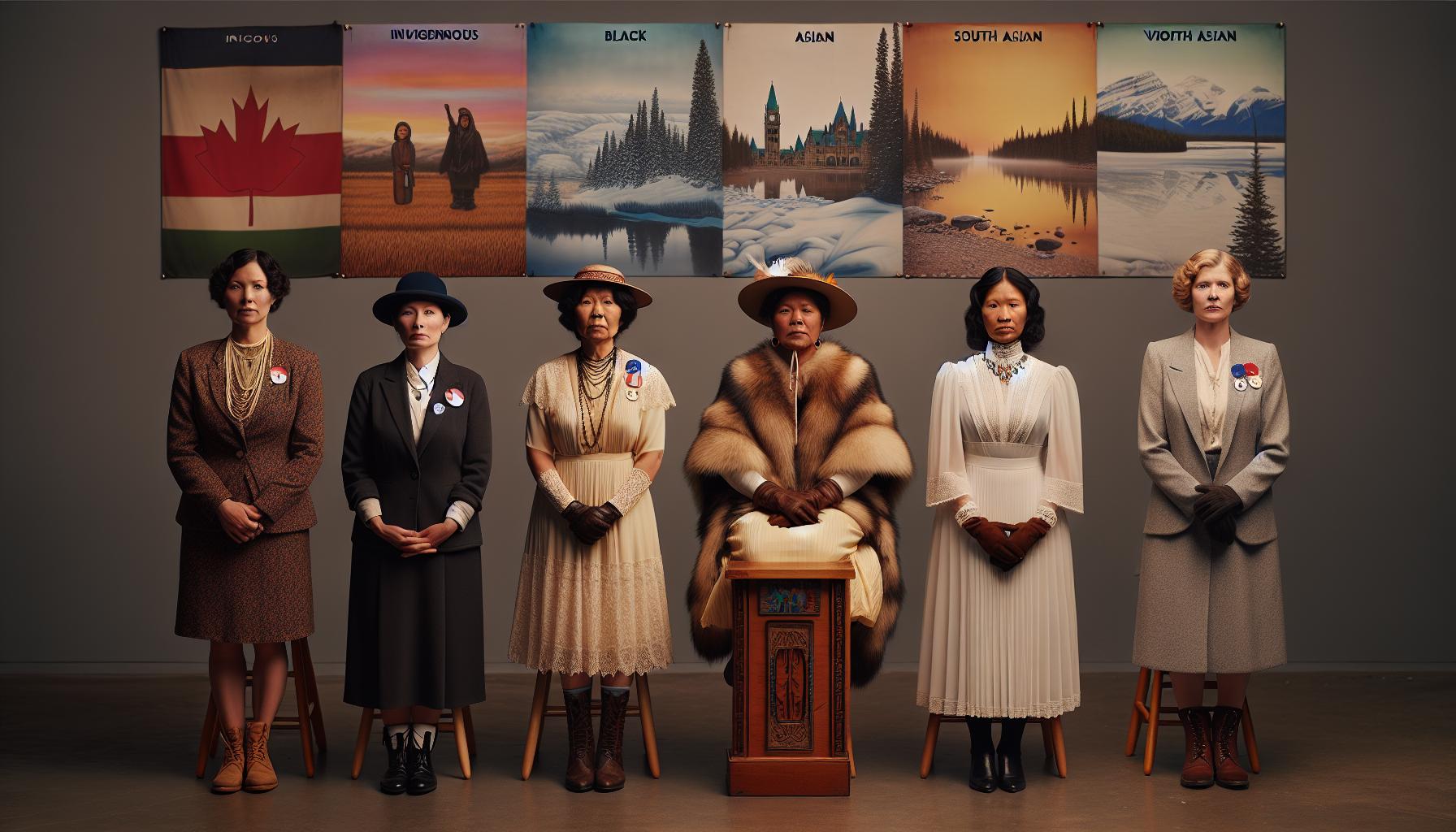
The path to women’s suffrage in Canada was anything but uniform, with a striking patchwork of laws and timelines that varied widely across provinces and territories. Some regions led boldly, granting voting rights to women earlier than others, while in places like Quebec, women waited much longer to cast their ballots. These disparities were shaped by local politics, cultural attitudes, and the efforts of grassroots activists, which means understanding this regional complexity is key to appreciating how the first woman voter emerged within a diverse political landscape.
Manitoba holds a special place in Canadian voting history-as the first province to extend provincial voting rights to women in 1916, quickly followed by Saskatchewan and Alberta. It was in Manitoba on January 28, 1916, that women exercised the vote provincially for the first time, marking a critical breakthrough. This momentous change did not just happen overnight; it was the result of persistent advocacy by local suffrage groups, such as those influenced by trailblazers like Nellie McClung. Meanwhile, British Columbia, where the suffrage movement had been active since the 1880s, granted women the vote shortly thereafter in 1917, establishing itself as another early adopter[[1]](https://www.nelliemcclungfoundation.com/history-of-canadian-suffrage)[[2]](http://leg.bc.ca/learn/watv/women-suffrage).
Practical Insights for Understanding Regional Variations
- Review provincial legislation timelines: As each province amended voting rights laws independently, investigating these dates helps clarify when women first legally gained the vote in different areas. For example, Alberta’s Equal Suffrage Statutory law Amendment act of 1916 was pivotal there.
- Recognize local activism: In some provinces, robust women’s leagues and labor movements provided stronger grassroots momentum, making political changes possible sooner.
- Note exclusions and limits: Early franchise frequently enough excluded Indigenous and racialized women, a fact that complicates the narrative-gaining the right to vote was rarely absolute or immediate for all women.
| Province/Territory | Year Women Gained Provincial Voting Rights | Notable Context |
|---|---|---|
| Manitoba | 1916 | first Canadian province to extend vote; inspired nearby provinces |
| Alberta | 1916 | Passed Equal Suffrage Statutory law Amendment Act |
| Saskatchewan | 1916 | Followed Manitoba and Alberta quickly |
| British Columbia | 1917 | Progressive labor and suffrage coalition engaged |
| Ontario | 1917 | Passed legislation after pressure from activists including the Federated Women’s Institutes |
| Quebec | 1940 | Significantly later than other provinces; reflected conservative political climate |
In Quebec, women were only granted the provincial vote in 1940, decades after landmark victories elsewhere.This delay highlights how political culture can affect suffrage progress and suggests why the story of the “first woman voter” must consider multiple regional narratives rather than a single national moment.
How Regional Differences Shaped Early Voting Experiences
The staggered nature of enfranchisement also affected women’s experiences at the polls. Women in early-adopting provinces often became informal mentors and advocates for their counterparts in regions where voting rights were still unattainable. Additionally, provinces that granted suffrage earlier tended to develop more organized voter education and community support networks sooner, easing challenges related to voter registration and social resistance. For readers investigating family history or civic heritage, exploring local archives and historical societies can reveal unique stories of pioneering women voters who shaped their communities’ democratic evolution.Understanding these regional nuances offers an enriched perspective on the “first woman voter” story. It reminds us that while one province or city may claim the milestone, the broader Canadian tapestry is woven from many diverse and overlapping struggles toward inclusion and recognition[[1]](https://www.nelliemcclungfoundation.com/history-of-canadian-suffrage)[[2]](http://leg.bc.ca/learn/watv/women-suffrage)[[3]](https://en.wikipedia.org/wiki/Women%27s_suffrage_in_Canada).
Impact of the First Woman voter on Canadian Society

The act of casting the first vote by a woman in Canada was more than a symbolic moment; it sparked a profound conversion in the nation’s political and social landscape. This milestone challenged long-standing assumptions about gender roles and citizenship, signaling a shift toward broader inclusion and recognition of women as active participants in democracy. The ripple effects extended far beyond the ballot box,fueling momentum for policy changes and inspiring generations of women to engage more fully in public life.
Early female voters became powerful agents of change within their communities, frequently enough serving as pioneers who not only exercised their newfound rights but also encouraged others to do the same.Their participation helped to reshape political priorities by amplifying issues such as education, health, and social welfare – topics that had often been marginalized. This broadened focus prompted politicians to consider the perspectives and needs of women voters, gradually leading to reforms that made Canadian society more equitable.
Practical advice for Readers Exploring this Legacy
- Engage with local history: Many communities preserve records or stories of early women voters and suffragists. Visiting regional archives or connecting with historical societies can uncover inspiring local narratives that personalize this national milestone.
- Recognize the significance of voting rights today: Understanding how early enfranchisement impacted Canadian society underscores the importance of protecting and exercising the right to vote as a key tool for social influence and change.
- Advocate for continued inclusion: The legacy of the first woman voter is a reminder that civic participation shapes policy and culture. Supporting efforts to improve voter education and reduce barriers can contribute to a more representative democracy.
The impact also manifested in fostering mentorship and leadership opportunities for women.as the first voters paved the way, they inspired countless others who took on public office roles, championed women’s rights, and worked to dismantle systemic inequalities. their example helped create a more inclusive political culture, one where women’s voices and experiences were increasingly valued and reflected in lawmaking and governance. This chain reaction remains visible today in Canada’s ongoing efforts to promote gender equality in political participation and representation.
Lesser-Known Trailblazers in Canadian Women’s Voting History

Long before the historic moment when the first woman cast her vote in Canada, countless lesser-known advocates laid crucial groundwork, frequently enough facing immense social and political hurdles. These trailblazers were not just supporters of the vote but also pioneers who challenged entrenched norms by organizing grassroots movements, engaging in relentless lobbying, and expanding the conversation beyond the urban centers. Their stories often remain in the shadows but are indispensable for understanding the broad and diverse nature of Canada’s suffrage movement.
Among these figures were women like Emily Howard Stowe, Canada’s first female physician, who used her platform to push for women’s rights in the late 19th century. She helped found early suffrage associations that brought together women from various walks of life to strategize and advocate effectively. Additionally,in provinces like Saskatchewan and Alberta,the momentum often came from influential farming communities and their women’s auxiliaries,revealing how suffrage was tied not only to urban middle-class activism but also rural grassroots movements that emphasized practical political empowerment[[3]](https://www.ebsco.com/research-starters/history/canadian-women-gain-vote).
Understanding the Roles of Regional Activists
While much attention focuses on prominent figures and legislative victories, many women activists in regions such as Manitoba and British Columbia led vital campaigns that culminated in early provincial enfranchisement. Such as, Manitoba’s well-organized suffrage societies exemplified strategic mobilization and coalition-building with labor movements, while British Columbia’s Women’s Suffrage League brought working-class and middle-class women together to amplify their political voice-a combination that proved notably effective[[1]](https://www.nelliemcclungfoundation.com/history-of-canadian-suffrage), [[2]](http://leg.bc.ca/learn/watv/women-suffrage).
These regional activists often provided mentorship, fostering leadership among younger women and encouraging political participation beyond the vote itself. For readers interested in exploring this legacy locally, visiting historical societies or archives can reveal stories of inspiring women whose activism shaped their communities but might not have entered mainstream history books.
Practical Advice for Modern Advocates
- Research local suffragists: Target regional archives and online repositories to uncover profiles of women activists from your area who contributed to suffrage efforts.
- Highlight diverse contributions: Explore how women from different ethnic,social,and economic backgrounds-often overlooked in conventional histories-played critical roles in the movement.
- support living legacies: engage with descendants or organizations preserving the memory and work of these pioneers to ensure their stories continue inspiring future generations.
Bringing to light these lesser-known trailblazers enriches our appreciation of the suffrage movement’s complexity and diversity, revealing how the right to vote was earned through the collective perseverance of many women across Canada. Their multifaceted efforts remind us that progress frequently enough stems from broad-based grassroots activism, not just singular landmark events.
How Voting Rights for Indigenous Women Evolved

Few chapters in Canada’s electoral history reveal as much about resilience and injustice as the evolving struggle for Indigenous women’s voting rights. While many non-Indigenous women secured the federal vote by 1918, Indigenous women frequently remained excluded due to complex legal and systemic barriers rooted in colonial policies. The journey toward enfranchisement for Indigenous women was neither swift nor straightforward but marked by gradual changes shaped by activism, legislation, and shifting societal attitudes.
Initially, Indigenous peoples in Canada were largely disenfranchised nonetheless of gender, tied to their status under the Indian Act and the broader context of colonial governance. for Indigenous women, the intersection of gender and status meant they faced compounded obstacles. They had to navigate policies that not only denied political participation but also sought to assimilate or marginalize their communities. It wasn’t until 1960 that the Canadian government extended the federal franchise unequivocally to all Indigenous peoples without requiring them to renounce their status, a policy previously required to gain the right to vote federally. This delay meant Indigenous women waited decades beyond many non-Indigenous women to fully exercise their voting rights across Canada.
Distinct Challenges for Indigenous Women Voters
the struggle involved more than legal barriers; cultural, geographic, and social factors also played significant roles. Many Indigenous women lived in remote or rural areas, where access to polling stations was limited. Additionally, ongoing disenfranchisement through local and provincial regulations compounded difficulties. These layers of exclusion not only suppressed Indigenous women’s voices in government but also limited their representation in decisions impacting their communities.
activists and leaders within Indigenous communities, however, cultivated political awareness and advocated tirelessly for enfranchisement and broader rights. Women often spearheaded these efforts by linking voting rights to issues such as land, education, and healthcare. Their activism expanded the suffrage conversation beyond simple ballot access to include sovereignty and self-determination.
Supporting Indigenous Voting Rights Today
Understanding this history enriches current discussions about voting rights and encourages supportive action today. For readers interested in advocacy or education:
- Learn about local Indigenous communities’ political histories: This can shed light on ongoing challenges and successes in political participation.
- Support Indigenous-led organizations: Many focus on voter education and engagement, helping to overcome persistent barriers rooted in the past.
- Promote inclusive policies: Encourage policymakers to consider the unique needs of Indigenous voters, including improving access to voting resources in remote areas.
By appreciating the unique and lengthy path Indigenous women traveled to gain and exercise the vote, we recognize their vital role in shaping Canada’s democracy. Their experiences remind us that enfranchisement is not only about rights on paper but also about creating tangible avenues for political influence and cultural respect.
Continuing the Fight: Women’s Political Participation Today

The legacy of early women voters continues to echo in contemporary Canadian society, where women’s political participation has grown but still faces challenges. Despite historic gains, women remain underrepresented in many levels of government and political leadership roles. Awareness of this gap is crucial for fostering a more equitable democracy that reflects the diversity of its population. Today, the fight for meaningful participation extends beyond securing the right to vote-it encompasses encouraging women’s engagement in policy-making, running for office, and influencing political discourse.
Several factors contribute to the persistent barriers women encounter in politics, including systemic sexism, work-life balance challenges, and limited access to networks or funding. However, innovative programs and organizations have emerged to combat these obstacles. Initiatives like She Leads Canada, Equal Voice, and Canadian Women Voters Congress provide mentorship, training, and resources that empower women to take active political roles. These organizations emphasize not only electoral success but also raising awareness about women’s issues and promoting inclusive policies.
Practical Steps to Support Women’s Political Engagement
For readers looking to contribute to this ongoing progress, there are tangible ways to get involved or support women in politics:
- Participate in local politics: Attend town halls, join political party meetings, or volunteer for campaigns supporting female candidates.
- Encourage young women and girls: Support educational programs that inspire political interest early, helping to build confidence and skills.
- Promote gender equity policies: Advocate for reforms such as family-kind workplace rules, anti-harassment measures, and gender quotas to create a level playing field.
- Stay informed and vote: Understanding the issues and candidates thoroughly helps ensure electoral choices reflect a commitment to equal representation.
Progress with Room to Grow
Canada has witnessed milestones like the appointment of women to high political offices, including premiers and federal ministers, which signal positive change. Yet, when examining statistics, women occupy roughly 30% of seats in the House of Commons as of recent years-a figure that, while improved, shows there is still a long way to go. Gender intersects with race,Indigenous identity,and other factors,creating diverse experiences and unique challenges that the political system must better accommodate.
By honoring the courage of pioneers like the first woman voter and understanding the complexities women face today, Canadians can build on this historic foundation. Each election offers an prospect to reinforce the principle that democracy thrives when all voices are heard and valued equally.
| Aspect | Current Status | Actionable Step |
|---|---|---|
| Women in Federal Elections | ~30% seats held by women | Support campaigns for diverse female candidates |
| political Mentorship Programs | Growing availability nationwide | Join or promote mentorship initiatives |
| Gender Quotas | Implemented in some parties | Advocate for wider adoption across parties |
Ultimately, continuing the fight for women’s political participation means recognizing that enfranchisement is a starting point, not the finish line. It requires collective effort to dismantle persistent barriers and seize opportunities to effect change from grassroots to the highest offices. Empowerment today honors the trailblazers of the past and paves the way for a more inclusive and representative future.
Frequently Asked Questions
Q: When and where did the first woman officially cast a vote in Canada?
A: The first official woman to vote in Canada did so in Winnipeg, Manitoba in 1887, where women meeting the same qualifications as men were granted voting rights in civic elections. This early milestone set the stage for nationwide suffrage rights later on [1]. For more details, see the section on Regional Differences in Women’s Voting Rights.
Q: How did World war I influence women’s voting rights in Canada?
A: World War I was pivotal in expanding voting rights for Canadian women. Legislation such as the Military Voters Act (1917) and Wartime Election Act allowed nurses and women with relatives in the military to vote, culminating with nearly all women over 21 gaining the federal vote by 1919 [3]. Learn more in the Key Legal Milestones section.
Q: what were the voting qualifications for women when they first voted in Canada?
A: Initially, women had to meet the same property and residency requirements as men to vote, especially in early municipal elections such as in Winnipeg in 1887. This approach linked suffrage to citizenship and social status, as explained in The Historical Context of Women’s Voting Rights section.
Q: Who were some other early female voting trailblazers besides the first woman voter in Canada?
A: Other notable early trailblazers include figures like Agnes Macphail-Canada’s first female MP elected in 1921. These women helped expand political participation beyond voting to holding office,highlighting the ongoing struggle detailed in Lesser-Known trailblazers in Canadian Women’s Voting History.
Q: How did early Canadian women’s suffrage influence Indigenous women’s right to vote?
A: Indigenous women were excluded from early voting rights, facing additional legal barriers until later reforms. The gradual extension of voting rights to Indigenous women reflects ongoing political struggles discussed in How Voting Rights for indigenous Women Evolved. Understanding this helps contextualize suffrage as an evolving, inclusive movement.
Q: Why did some provinces allow women to vote earlier than others in Canada?
A: Variations in political climate, social attitudes, and advocacy strength led provinces like Manitoba to grant women voting rights earlier than others. These regional differences reflect unique local histories addressed in Regional Differences in Women’s Voting Rights Across Canada and remind us how change was uneven but persistent across the country.
Q: How did early women voters impact canadian society after gaining the right to vote?
A: Early women voters shifted political priorities by advocating for social reforms,education,and health issues,profoundly influencing Canadian policies. Their participation broadened democracy and is covered in Impact of the First Woman Voter on Canadian Society, encouraging readers to explore how suffrage shaped modern Canada.
Q: What lessons can modern activists learn from canada’s first woman voter’s journey?
A: Modern activists can learn the power of persistence, coalition-building, and legal advocacy from early suffragists who overcame systemic barriers. Drawing insights from the Challenges Faced by Early Women Voters section can inform today’s fight for expanded political rights and representation.
For more extensive insights, explore our full article covering The Life and Legacy of the First Woman Voter and related topics. Your journey through Canada’s suffrage history continues here!
Closing Remarks
Discovering who was the first woman to vote in canada reveals more than a historic milestone-it highlights the courage and determination that shaped today’s democratic rights. If this story inspired you, explore our deep dive into Canada’s suffrage movement and the ongoing fight for equality to understand the broader context and powerful legacy left behind.Don’t miss our detailed profiles of other trailblazing Canadian women who changed history.
Stay engaged by signing up for our newsletter to receive timely updates and exclusive content about Canadian history and women’s rights. Curious about how voting rights evolved globally or want to learn more about influential figures? Check out our linked articles on the global women’s suffrage movement and pivotal moments in Canadian political history for a richer perspective. Your voice matters-join the conversation by leaving a comment or sharing this piece to keep awareness alive and inspire others seeking to learn about pioneering women who paved the way.
Get our latest guides, news, and insights highlighted in your Google Search & AI Overviews.