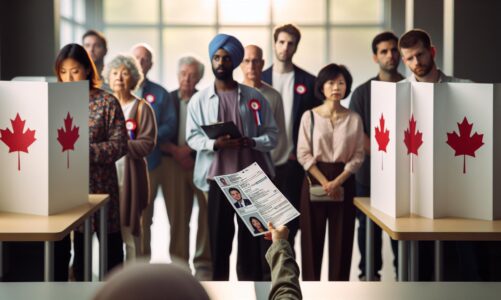
Did you know that despite living and contributing to Canada’s communities, landed immigrants cannot vote in federal, provincial, or municipal elections? Understanding who can participate in Canadian elections is crucial for anyone navigating their rights and roles within the country. If you’re a landed immigrant wondering about your voting eligibility, this guide breaks down the rules in clear terms, explaining why Canadian citizenship is a requirement and what steps you might consider if you want to gain voting rights. Whether you’re eager to have a say in shaping policies or simply curious about your political rights, this breakdown will help clarify the pathways and limitations that impact your voice in canada’s democracy. Keep reading to get a full picture of election participation rights for landed immigrants and how this affects your engagement in civic life.
Table of Contents
- What Does Being a Landed Immigrant Mean in Canada
- Understanding Voting Rights for Landed Immigrants
- Eligibility Criteria for Voting in Federal Elections
- Provincial and Municipal Voting Rules for Newcomers
- Steps to Gain Canadian Citizenship and Vote
- Common Misconceptions About Immigrant Voting Rights
- How to register to Vote as a Canadian Citizen
- Impact of Voting Rights on Immigrant Integration
- Frequently Asked Questions about Immigrant Voting
- Additional Resources for New Immigrants Interested in Voting
- Frequently Asked Questions
- Q: Can landed immigrants participate in provincial or municipal elections in Canada? A: Landed immigrants generally cannot vote in provincial or municipal elections unless specific provinces or municipalities have unique rules allowing non-citizen residents to vote. Check local election laws for exceptions, and explore the “Provincial and Municipal Voting Rules for newcomers” section for detailed guidance to understand your eligibility fully. Q: How long must a landed immigrant wait before applying for Canadian citizenship to gain voting rights?
- Q: What identification is required for Canadian citizens, but not for landed immigrants, when voting?
- Q: Why are landed immigrants excluded from federal voting rights in Canada?
- Q: Can landed immigrants influence local elections through other means if they can’t vote?
- Q: How can new Canadian electors, including landed immigrants turned citizens, verify their voter registration status?
- Q: Are there any upcoming changes to voting eligibility laws for landed immigrants in Canada?
- Q: How does voter turnout among new Canadian electors compare to other groups, including landed immigrants?
- Insights and Conclusions
What Does Being a Landed Immigrant Mean in Canada
Many newcomers to Canada hear the term “landed immigrant” and wonder exactly what it means-and how it affects their rights and responsibilities, especially when it comes to voting. Being a landed immigrant, formally known as a permanent resident, grants individuals the legal right to live, work, and study in Canada indefinitely. This status is a critical step towards full integration into Canadian society, but it does not confer all the same privileges as Canadian citizenship. Understanding what landed immigrant status entails can clarify many common questions, especially regarding participation in democratic processes.Permanent residents benefit from many of the social and economic rights enjoyed by citizens, such as access to healthcare and social services, protection under Canadian law, and the ability to apply for Canadian citizenship after meeting residency requirements. However, in terms of political rights, landed immigrants have clear limitations. as an example, they cannot vote or run as candidates in federal elections, nor in most provincial and municipal elections. This distinction frequently enough surprises new residents who expect their permanent status to immediately include these civic privileges.
- Permanent residency vs. citizenship: While permanent residents can live and work anywhere in Canada, voting rights are reserved strictly for citizens. This is a essential aspect of the Canadian electoral system designed to ensure that voting power is exercised by those who have fully committed to the country through citizenship.
- Pathway to Full Political Participation: After acquiring permanent residency, newcomers can begin the journey toward citizenship, typically after living in Canada for three out of the past five years. Citizenship unlocks the right to vote, run for office, and more actively engage in the political life of the country.
- Practical Implications: While landed immigrants cannot vote, they can still influence local communities in other ways, such as participating in consultations, joining community groups, or volunteering in civic initiatives, which can be vital channels for contribution and integration.
For illustration, consider a newcomer who moves to Toronto and becomes a permanent resident. They enjoy many opportunities to build a life but must wait until citizenship to vote in municipal or federal elections. In the meantime, staying informed through community meetings, civic newsletters, and non-governmental organizations becomes essential for staying connected to local and national issues.
This status also reinforces the importance of planning ahead: understanding the rights associated with permanent residency helps immigrants set clear goals regarding citizenship and active civic participation. It’s a reminder that landing as an immigrant is just the beginning of a long-term commitment that culminates in full membership within Canada’s democracy.
—
This balanced viewpoint on what being a landed immigrant truly means helps newcomers grasp not only their current privileges but also the path they must take to gain complete political rights, including the right to vote. Such clarity fosters informed decision-making and encourages engagement with the wider Canadian society, paving the way for prosperous integration.
Understanding Voting Rights for Landed Immigrants
Many landed immigrants are eager to participate in Canada’s democratic process but quickly discover that voting rights are one of the privileges reserved exclusively for citizens. While permanent residency grants numerous social and legal benefits,the ability to vote in federal,provincial,or most municipal elections remains off-limits until Canadian citizenship is obtained. This distinction is a purposeful safeguard within the Canadian electoral system, designed to ensure that those influencing political decisions have formally committed to the country’s shared values and responsibilities.Despite these restrictions, permanent residents play an essential role in the fabric of Canadian society and can engage civically in meaningful ways beyond casting ballots. Immigrants are encouraged to stay informed about local and national issues, attend public consultations, join community organizations, and volunteer in civic initiatives. These avenues provide vital opportunities for newcomers to contribute to their communities and prepare for full political participation after achieving citizenship.
- Federal Elections: Voting is strictly limited to Canadian citizens. Permanent residents, nonetheless of length of residency, cannot vote or run for federal office.
- Provincial and Municipal Elections: The majority of provinces and municipalities also restrict voting rights to citizens. However, some Canadian cities, such as parts of Toronto and Vancouver, have recently proposed or considered allowing certain non-citizens, like permanent residents, to vote in municipal elections, though this is not yet widespread or legally established[[1]](https://ccla.org/get-informed/talk-rights/non-citizen-voting-rights/).
- Residency Requirements for Voting: Even in jurisdictions permitting non-citizen voting, there are often strict long-term residency requirements, typically ranging from one to ten years, meaning temporary residents, international students, and seasonal workers are excluded.
By clearly understanding these voting limitations, landed immigrants can better strategize their path forward.Gaining citizenship unlocks the essential democratic rights of voting and running for office and signals an official integration into Canada’s political community. Meanwhile, staying civically active as a permanent resident cultivates a sense of belonging and influence, setting a strong foundation for future participation once citizenship is attained.
| Electoral Level | Voting Eligibility for Landed Immigrants (Permanent Residents) |
|---|---|
| Federal Elections | Not Eligible – Only Canadian citizens can vote or run for office. |
| Provincial Elections | Generally Not Eligible.Occasional exceptions in local jurisdictions may apply, but citizenship is the norm. |
| Municipal Elections | Primarily Not Eligible. Some municipalities have proposed or allow voting rights for permanent residents, but it is not widespread or federally mandated. |
Ultimately, while the status of a landed immigrant is a valuable and empowering legal standing, it comes with clearly defined political boundaries.Understanding these limits enables newcomers to focus on eligibility requirements and necessary steps to become full participants in Canada’s democratic process.This perspective helps manage expectations and motivates active civic engagement within permissible scopes, supporting long-term integration and empowerment.
Eligibility Criteria for Voting in Federal Elections
Few rights in Canada are as emblematic of full membership in society as the right to vote in federal elections. However, this crucial democratic privilege remains reserved exclusively for Canadian citizens, underscoring the importance of formal citizenship as a gateway to participate directly in shaping the federal government. For landed immigrants, or permanent residents, this means that regardless of how long they have lived, worked, or contributed to their communities in Canada, they cannot vote in federal elections or run for federal office until they complete the process of becoming citizens.
The federal voting eligibility criteria are straightforward but strict. To cast a ballot in a federal election, you must meet all these requirements together:
- Be a Canadian citizen: Only those who have officially obtained Canadian citizenship have the right to vote federally.
- Be at least 18 years old: Age of majority is a necessary condition, aligned with most democratic countries.
- Reside in Canada: You do not need to live in a specific electoral district, but you must reside somewhere within Canada to be eligible to vote.
It’s important to emphasize that while permanent residents possess considerable rights-such as working, accessing healthcare, and studying-they remain outside the federal electoral franchise. This distinction is common internationally and reflects a policy decision that those directly influencing national governance should hold citizenship, symbolizing a formal commitment to Canada’s values and responsibilities.
What This Means Practically for Landed Immigrants
If you are a landed immigrant eager to make your voice heard federally, your focus should be on preparing for citizenship. This involves meeting residency requirements (generally, being physically present in Canada for at least 1,095 days within the previous five years), demonstrating adequate knowledge of Canada’s history, values, institutions, and language competencies, and successfully completing the citizenship application process. Until citizenship is granted, staying engaged with community events, voting in municipal elections where eligible, and advocating for local issues remains valuable ways to build a civic identity.
| Criteria | Requirement |
|---|---|
| Citizenship Status | Mandatory – Must be a canadian citizen. |
| Age | 18 years or older |
| Residency | Must live in Canada at time of voting (no specific electoral district residency required). |
Understanding these strict eligibility requirements helps set realistic expectations and encourages landed immigrants to view citizenship as a key milestone for unlocking full participation in canada’s political landscape. Simultaneously occurring, remaining active in non-electoral community roles builds experience and connections that strengthen political involvement after the right to vote federally is gained.
Provincial and Municipal Voting Rules for Newcomers
Voting rights beyond the federal level present a different landscape for landed immigrants across Canada, where provinces and municipalities set varied rules that can sometimes offer more inclusive participation opportunities. Although permanent residents cannot vote federally, some provinces and municipalities have considered or implemented provisions allowing permanent residents to participate in local elections, recognizing their stake in community affairs.
Currently, no province grants permanent residents full voting rights in provincial elections; citizenship remains a universal requirement for these ballots. However, several municipalities, particularly in British Columbia and Ontario, have explored or consulted on extending voting rights to permanent residents in municipal elections. For example, in cities like vancouver and Toronto, discussions have taken place about whether allowing landed immigrants to vote locally would encourage civic engagement and better represent diverse resident populations. While these initiatives are not yet widely adopted,they reflect a growing recognition of newcomers’ contributions and the importance of inclusive democracy at the local level.
What Newcomers Should Know About Municipal Voting
Municipal voting eligibility predominantly requires Canadian citizenship, but certain exceptions or pilot projects occasionally emerge. Newcomers should always check their specific city or town’s election office for the most up-to-date rules.Being involved in municipal elections-even if unable to vote-provides an excellent way to understand local governance and advocate for community needs through other means, such as public consultations or volunteering.
- Residency Requirement: Voters generally must live within the municipality and be at least 18 years old on election day.
- Citizenship Requirement: in most cases, only Canadian citizens can vote, unless your municipality explicitly allows permanent residents.
- Registration: Eligible voters usually register ahead of elections, with some provinces offering online options or automatic voter rolls.
Understanding these details helps newcomers navigate their role in shaping the communities where they live, even before obtaining full federal voting rights.Engaging early in local civic processes builds a foundation for eventual political participation and integration.
Practical Advice for Landed Immigrants Interested in Voting Locally
- Stay informed about local election news: Many community organizations provide updates tailored to newcomers.
- Attend public council meetings: Even without the right to vote,participating in meetings can be a powerful way to influence decisions.
- Advocate for voting rights: Join campaigns or initiatives pushing for municipal voting access for permanent residents.
- Build connections: Networking with local officials and community leaders can amplify your concerns and priorities.
| Level of Government | Permanent Residents Eligible to Vote? | Typical Requirements |
|---|---|---|
| Federal | No | Must be Canadian citizen, 18+, residing in Canada |
| Provincial | No | Must be Canadian citizen, 18+, residing in province |
| Municipal (Most Areas) | No, but some municipalities are considering change | Generally, Canadian citizen, 18+, residency in municipality |
While permanent residents currently face limitations, staying engaged with local democratic processes and following developments around municipal voting rights can position newcomers to maximize their community influence well before becoming Canadian citizens.
Steps to Gain Canadian Citizenship and Vote
Many landed immigrants view Canadian citizenship as the key milestone that unlocks full democratic participation, including the right to vote in federal, provincial, and most municipal elections. While permanent residence offers numerous benefits, the ability to cast a ballot remains exclusive to citizens. The path to citizenship is well-defined, though it requires careful preparation and meeting specific requirements to ensure a smooth journey toward becoming an active voter in Canada‘s democratic process.
First, applicants must satisfy residency obligations, which currently include living in Canada for at least 1,095 days (three years) within the five years before applying. Demonstrating a genuine connection to Canada is essential-not only for legal eligibility but also to show preparedness for full civic participation.Additionally, applicants must file income taxes if required under the Income Tax Act, passing citizenship tests that assess knowledge of Canada’s history, values, institutions, and rights, as well as language requirements in either english or French for applicants aged 18 to 54.
Key Steps in the Citizenship Application Process
- Gather documentation: This includes proof of permanent residence, identification, tax filings, language proof, and any additional supporting forms.
- Complete and submit the application: Applicants must carefully fill out the official citizenship application form and pay the processing fee alongside the right of citizenship fee,which currently totals just over CAD 600.
- Prepare for the citizenship test: Upon receiving an acknowledgment of receipt (AOR), applicants typically write a test assessing their knowledge of Canada’s civic framework.
- Attend an interview or ceremony: Some applicants may be invited to an interview or directly to a ceremony where they take the Oath of Citizenship, formally becoming Canadian citizens.
Achieving citizenship is transformative, immediately granting new rights including the ability to vote in all federal, provincial, and most municipal elections. Registration to vote is typically straightforward once citizenship is confirmed. Most provinces and electoral districts maintain voter registration lists,and new citizens can register online or through mail-in forms to receive their voter identification card. This card enables them to participate confidently and actively in shaping Canada’s political landscape.
Practical Tips for New citizens
- Apply for your citizenship promptly once eligible to avoid delays in voting rights.
- Use community resources,such as citizenship preparation courses offered by settlement services,to get ready for the test and integration.
- Stay updated with Elections Canada and provincial election websites to understand voter registration deadlines and procedures.
- Participate in local politics beyond voting-volunteering or attending public meetings can deepen your engagement and understanding of Canadian democracy.
| Step | Description | Typical Timeline |
|---|---|---|
| Residency Requirement | Live in Canada for minimum 1,095 days within last 5 years before applying | Ongoing prior to application |
| application Submission | Submit form with necessary documents and fees | Processing time varies but typically 12-24 months |
| Citizenship Test and Interview | Written test and possible interview assessing canadian knowledge and language skills | Within months of application submission |
| Oath Ceremony | Final step,where applicant formally becomes a Canadian citizen | After passing tests and interviews |
By understanding and following these steps,landed immigrants can confidently transition to citizenship and embrace their full rights-including voting-in Canada’s democratic system. This process not only empowers newcomers to influence their communities and country but also symbolizes their commitment to canada’s values and future.
For further guidance, official resources such as Immigration, Refugees and Citizenship Canada (IRCC) provide comprehensive details and application support, ensuring applicants have the tools they need for success[[2](https://www.canada.ca/en/immigration-refugees-citizenship/services/canadian-citizenship.html)][[3](https://liplanarkrenfrew.ca/newcomers/becoming-a-canadian-citizen/steps-to-becoming-a-canadian-citizen/)].
Common Misconceptions About Immigrant Voting Rights
Many newcomers to Canada believe that holding permanent resident status automatically grants them the right to vote in federal, provincial, or municipal elections. This is one of the most widespread misconceptions surrounding immigrant voting rights. In reality, while permanent residents enjoy many critically important privileges-such as the ability to work, study, and access public services-they are not eligible to vote in federal, and most provincial and municipal elections. voting rights in Canada remain largely exclusive to Canadian citizens, reinforcing the idea that citizenship is the key milestone to full democratic participation[[1](https://www.cicnews.com/2021/09/faq-how-immigrants-can-vote-in-the-canadian-election-0919057.html)].
Another common misunderstanding is that all Canadian elections allow non-citizens to vote, especially at the municipal level. While some global democracies and select Canadian cities-like Vancouver and Toronto-have debated or introduced initiatives to extend voting rights to permanent residents in local elections, these measures are not widespread nor federally mandated. Moreover, where non-citizen voting does exist, it often requires permanent residents to meet strict residency durations (sometimes several years) and other criteria, excluding temporary residents such as students or work permit holders from the ballot[[2](https://ccla.org/get-informed/talk-rights/non-citizen-voting-rights/)]. Thus,it’s crucial for newcomers to verify the specific voting rules in their municipality.
Misinformation also circulates about the citizenship application process itself, with some assuming that mere application or residency for a certain period automatically confers the right to vote. However,the right to vote only comes upon the successful completion of the citizenship process. This includes fulfilling residency requirements (living in Canada for at least 1,095 days within five years), filing taxes where required, passing a citizenship test, and taking the Oath of Citizenship. Until these steps are completed, landed immigrants must wait patiently to engage fully in Canada’s democratic system[[1](https://www.cicnews.com/2021/09/faq-how-immigrants-can-vote-in-the-canadian-election-0919057.html)].
Practical Advice for Newcomers
- Verify your eligibility before attempting to vote: Voting without citizenship can result in legal consequences,so always confirm your status with official election authorities.
- Engage in democracy beyond voting: Permanent residents can contribute by attending community meetings, volunteering for campaigns, or joining advisory committees to understand politics and influence local issues.
- Prepare early for citizenship: Taking advantage of citizenship preparation courses and resources improves your chances of success and expedites your access to voting rights.
- Stay informed about local voting innovations: municipalities occasionally update their rules around voting rights for permanent residents-keeping up with official announcements helps you know when new opportunities arise.
understanding these common misconceptions not only helps clarify the path to political participation but also empowers landed immigrants to make informed decisions and actively prepare for their future role as voters in Canada’s democracy.
How to register to Vote as a Canadian Citizen
Many Canadian citizens don’t realize just how straightforward the process of registering to vote can be once you’ve met the citizenship requirements. Registering ensures you’re included on the National Register of Electors, the official database that Elections Canada uses to manage voter details for federal elections, by-elections, and referendums. Being registered not only confirms your eligibility to participate in Canada’s democratic process but also guarantees you receive a voter information card ahead of elections, making the voting experience smoother and more accessible.
If you’ve recently become a Canadian citizen or have updated your address or personal information, it’s important to keep your registration current.Elections Canada offers an easy and convenient Online Voter Registration Service that lets you register or update your information anytime-no matter where you currently live in Canada. The process involves answering a few eligibility questions and providing details to prove your identity and residential address. However, if you prefer in-person help, you can visit any Elections Canada office or even register on election day at your polling station by filling out an application and showing acceptable identification. This flexibility means you don’t have to worry about missing deadlines or complicated paperwork[[1](https://www.elections.ca/content.aspx?section=vot&dir=reg&document=index⟨=e)].
steps to Register and What You’ll Need
- Confirm your citizenship status: Make sure you have your Canadian citizenship certificate or proof of citizenship, as only Canadian citizens aged 18 or older can register to vote federally.
- Provide acceptable identification: This can include a Canadian passport, driver’s license, health card, or any government-issued ID that confirms your name and address.
- Use the Online Voter Registration Service: Accessible through the Elections Canada website, this service quickly guides you through registration from home, updating your information as needed.
- Register in person or at the polls: If you miss online registration, you can go to an Elections Canada office up to six days before the election or register on election day directly at your polling station.
Taking the time to register well before an election is highly beneficial. Once registered, you’ll receive personalized information cards that include your assigned polling station, hours of operation, and details about choice voting methods such as advance polls or special ballots if you cannot vote on election day. This preparation helps reduce voting day stress and ensures you have all the information needed to cast your ballot confidently.
Remember, staying registered isn’t a one-time event. If you move, change your name, or want to update your status for any reason, it’s essential to keep this information current with Elections Canada. This constant updating preserves the integrity of electoral rolls and makes sure you receive timely and accurate voting communication. Engaging with this process empowers new citizens to assert their democratic rights and take full advantage of the privileges associated with Canadian citizenship[[2](https://inspirerlademocratie-inspiredemocracy.ca/act/regist/registering/index-eng.aspx)][[3](https://www.canada.ca/en/revenue-agency/services/tax/individuals/topics/about-your-tax-return/tax-return/completing-a-tax-return/personal-address-information/elections-canada.html)].
Impact of Voting Rights on Immigrant Integration
Many newcomers find the path to full participation in Canada’s democratic system symbolic of their deeper integration into Canadian society. While landed immigrants are not eligible to vote in federal elections, the journey toward citizenship-and thereby gaining voting rights-plays a crucial role in fostering a sense of belonging, empowerment, and civic engagement. Being able to vote signifies more than just casting a ballot; it represents having a voice in decisions that affect daily life, community investment, and the future direction of the country. this empowerment can substantially enhance migrants’ confidence in participating economically,socially,and politically.
engagement in the voting process encourages immigrants to become well-informed about Canada’s policies and societal issues, which aids their understanding of local governance and cultural norms. It can also motivate newcomers to take part in community activities or advocacy groups, fostering connections beyond immediate ethnic or cultural circles. Such involvement nurtures mutual understanding and helps immigrants overcome feelings of isolation frequently enough associated with the early settlement period. Real-world examples show municipalities that explore non-citizen voting rights at the local level report heightened community cohesion and more responsive governance-a dynamic worth noting for national discussions in Canada, even if currently limited[[1]](https://ccla.org/get-informed/talk-rights/non-citizen-voting-rights/).
How Voting Rights Influence Social Integration
- Enhanced belonging: The right to vote symbolizes acceptance and recognition within the political community, promoting stronger identification with Canadian values and society.
- Community portrayal: Voting enables immigrants to support candidates and policies that reflect their interests and needs, leading to more inclusive governance.
- Civic education: Participation stimulates learning about Canadian political institutions and rights, helping newcomers navigate their roles as active citizens.
- Breaking down barriers: Voting is often the first step toward broader civic involvement, reducing social divisions and improving integration outcomes.
Practical steps can help landed immigrants prepare for this transition. For example,attending citizenship classes,community information sessions,or voter education workshops equips newcomers with knowledge and practical skills to engage fully once eligible.Awareness campaigns highlighting the connection between citizenship and voting rights can also motivate immigrants to complete the naturalization process sooner, thus accelerating their integration and influence in shaping their communities.Understanding the broader impact of voting rights shines a light on why Canada invests considerable resources in facilitating citizenship applications and promoting democratic participation. For immigrants,obtaining the right to vote is a gateway to amplifying their voices,asserting their rights,and confirming their place in the Canadian story.
Frequently Asked Questions about Immigrant Voting
Voting in Canada is a fundamental right reserved exclusively for Canadian citizens, which means that landed immigrants-often referred to as permanent residents-do not have the right to vote in federal elections. This distinction sometimes causes confusion among newcomers eager to participate in the country’s democratic processes. Understanding who is eligible and how to navigate the pathway to citizenship is crucial for newcomers who want to engage fully in Canadian society. While landed immigrants may contribute significantly to their communities, it is indeed only after obtaining Canadian citizenship that they gain the full right to vote and influence political decisions at all levels.
Common Questions About Voting Eligibility and Rights
Many newcomers often ask if there are exceptions allowing permanent residents to vote, especially in municipal or provincial elections. Currently, federal law strictly requires citizenship, and this rule applies consistently across provinces regarding provincial and federal elections. However, a few canadian municipalities have explored or implemented limited voting rights for non-citizen residents in local elections, though this practice remains rare and subject to local legislation. Such measures aim to promote community involvement for newcomers still on the path to citizenship but are not widespread and do not extend to federal voting [[1]](https://www.elections.ca/content.aspx?section=res&dir=rec/part/eth&document=index⟨=e).
How to Prepare for Voting Once eligible
For those who are permanent residents, the best way to gain voting rights is to follow the citizenship process, which includes meeting residency requirements, passing the citizenship test, and applying formally. Once citizenship is granted, individuals become eligible to register to vote in federal, provincial, and municipal elections. Registration is straightforward for most citizens, often automatic for those who filed taxes or updated their information with government authorities, but newcomers should verify their registration status before elections. Those living abroad can also participate by registering to vote by mail and submitting their ballots accordingly [[3]](https://www.cicnews.com/2021/09/faq-how-immigrants-can-vote-in-the-canadian-election-0919057.html).
- Can landed immigrants vote in Canada? No, only Canadian citizens have the right to vote in federal, provincial, and most municipal elections.
- Are there exceptions for local elections? Very few municipalities allow non-citizen voting, and such rules are limited and uncommon.
- How does one register to vote after becoming a citizen? Registration is typically streamlined for new citizens, but checking the voters’ list beforehand is recommended.
- Can Canadian citizens living abroad vote? Yes, through mail-in ballots after registering in advance.
Knowing these facts can empower newcomers to set realistic goals for civic participation and appreciate the value of citizenship as a milestone-not only legally, but symbolically-for becoming fully invested in Canada’s democratic life. Taking active steps, such as attending citizenship preparation classes and community forums on voting, is a practical way to prepare for this important transition.

Additional Resources for New Immigrants Interested in Voting
Voting in Canada is a journey that extends beyond simply casting a ballot-it represents full membership in the country’s democratic fabric. For newcomers eager to contribute and participate, there are numerous organizations and official platforms designed to support the path from landed immigrant to active voter. Tapping into these resources early can transform what might seem like a complex naturalization and registration process into a clearly navigable experience, setting you up for success in future elections.
One of the most practical starting points is the official Elections Canada website, which offers a wealth of tools specifically for new citizens. From detailed guides on how to register to vote, to faqs addressing common concerns about eligibility and voting methods-including mail-in voting options for Canadians abroad-this government portal ensures you have access to updated, reliable information at every step. Additionally, many provinces have their own electoral offices, providing regional resources tailored to local voting rules and timelines, particularly for provincial and municipal elections.
Community organizations and immigrant support centers also play a vital role by offering workshops and citizenship preparation classes. These sessions often cover the voting process alongside broader civic education, helping newcomers not only understand their rights but also feel confident engaging in democratic discussions. Connecting with such groups can provide personalized help with citizenship applications and even offer peer support networks, which can be invaluable during this important transition.
- Citizenship and Immigration Canada (CIC): Provides official pathways to citizenship, eligibility details, and application forms.
- Elections Canada: Central hub for information on federal voting eligibility, registration, and election dates.
- Provincial Election Offices: For local voting rules and registration information specific to each province.
- Local immigrant and Community Centres: Offer practical workshops and one-on-one support for citizenship and civic participation.
By leveraging these resources, newcomers can stay informed and proactive about their rights and responsibilities. Remember, gaining the right to vote is not just a legal milestone but a powerful opportunity to shape the communities where you live, work, and raise your family. The sooner you take advantage of these tools and networks, the more prepared and engaged you will be when the time comes to make your voice heard in the democratic process.
Frequently Asked Questions
Q: Can landed immigrants participate in provincial or municipal elections in Canada?
A: Landed immigrants generally cannot vote in provincial or municipal elections unless specific provinces or municipalities have unique rules allowing non-citizen residents to vote. Check local election laws for exceptions, and explore the “Provincial and Municipal Voting Rules for newcomers” section for detailed guidance to understand your eligibility fully.Q: How long must a landed immigrant wait before applying for Canadian citizenship to gain voting rights?
A: Landed immigrants must typically reside in Canada for at least 3 out of the 5 years before applying for citizenship, which grants the right to vote federally. Staying informed about eligibility timelines helps plan the citizenship process; see the “Steps to Gain Canadian Citizenship and Vote” for detailed steps and advice.
Q: What identification is required for Canadian citizens, but not for landed immigrants, when voting?
A: Canadian citizens must present valid government-issued ID with proof of address to vote, while landed immigrants aren’t eligible to vote federally. Knowing voter ID requirements improves voting readiness; review Elections Canada guidelines and related sections for full ID details.
Q: Why are landed immigrants excluded from federal voting rights in Canada?
A: Federal voting rights are reserved for Canadian citizens to ensure political representation aligns with formal membership in the country. understanding the distinction between landed immigrant status and citizenship clarifies voting eligibility, as covered in “Understanding Voting Rights for Landed Immigrants.”
Q: Can landed immigrants influence local elections through other means if they can’t vote?
A: Yes, landed immigrants can engage civically by attending public meetings, joining community groups, and communicating with elected officials. This active participation supports integration and community impact even without voting rights; explore the “Impact of Voting Rights on Immigrant Integration” for more ideas.
Q: How can new Canadian electors, including landed immigrants turned citizens, verify their voter registration status?
A: New Canadian electors can check their registration status online through Elections Canada’s website or by contacting Elections Canada directly. Confirming registration early ensures voting preparedness; refer to “How to Register to Vote as a Canadian Citizen” for step-by-step registration help.
Q: Are there any upcoming changes to voting eligibility laws for landed immigrants in Canada?
A: Currently, no federal changes authorize landed immigrants to vote; any updates would be announced by government bodies and Elections Canada. Stay updated through official channels and revisit the “Frequently Asked Questions About Immigrant Voting” to track legal changes affecting voting rights.
Q: How does voter turnout among new Canadian electors compare to other groups, including landed immigrants?
A: New Canadian electors, including recent citizens, typically show slightly lower voter turnout (around 89%) compared to established immigrants and Canadian-born voters (both about 92%)*.Understanding this trend helps target voter engagement efforts; see “Impact of Voting Rights on Immigrant Integration” for insights and strategies.
For more detailed information, please refer back to the article sections such as “Steps to Gain Canadian Citizenship and Vote” and “Understanding voting Rights for Landed Immigrants.” Feel free to explore these topics further to understand your voting eligibility and civic opportunities fully.*
Insights and Conclusions
Understanding your eligibility to vote as a landed immigrant in Canada is crucial for making your voice heard in the democratic process. While landed immigrants cannot vote in federal or provincial elections, taking the step to become a Canadian citizen unlocks this important right. To stay informed and prepare for this next chapter, explore our detailed guide on Canadian citizenship requirements and how to apply efficiently.
Don’t miss out on your chance to participate fully in canada’s electoral system-start your citizenship journey today. For more insights, check out our articles on permanent residency benefits and the voting rights timeline. If you have questions or want personalized advice, consider signing up for our newsletter or booking a free consultation with our experts.
We’d love to hear your thoughts-share your experiences or questions in the comments below, and help others navigate their path to voting eligibility. Stay connected for updates on immigration policies and citizenship tips, ensuring you’re always ready to engage as an informed member of Canada’s community.
Get our latest guides, news, and insights highlighted in your Google Search & AI Overviews.