
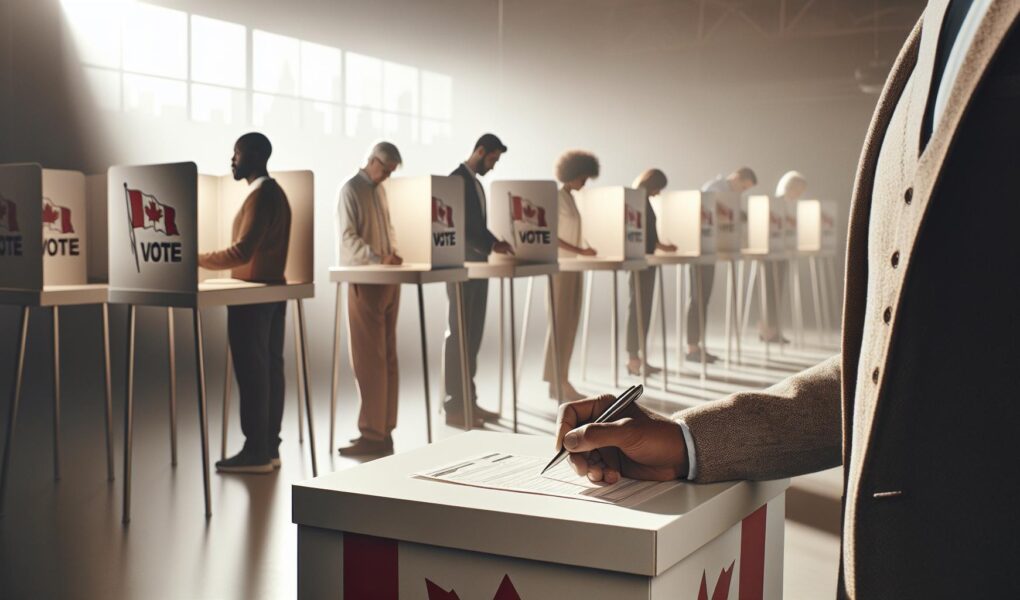
did you know that when voting in Canada, whether you use a pen or pencil actually doesn’t affect the validity of your ballot? Many voters wonder if bringing their own pen is necessary or if using a pencil provided at the polling station could risk ballot tampering. Understanding what tools you can use to mark your ballot not only clears up common misconceptions but also helps you feel confident and prepared on election day. In this article, we’ll explain the guidelines around voting tools in Canada, how Elections Canada ensures the integrity of your vote irrespective of pen or pencil use, and what you should know before heading to the polls. If you’ve ever hesitated about what to bring or worried about marking your ballot correctly, this clear overview will set your mind at ease and empower you to participate fully in CanadaS democratic process.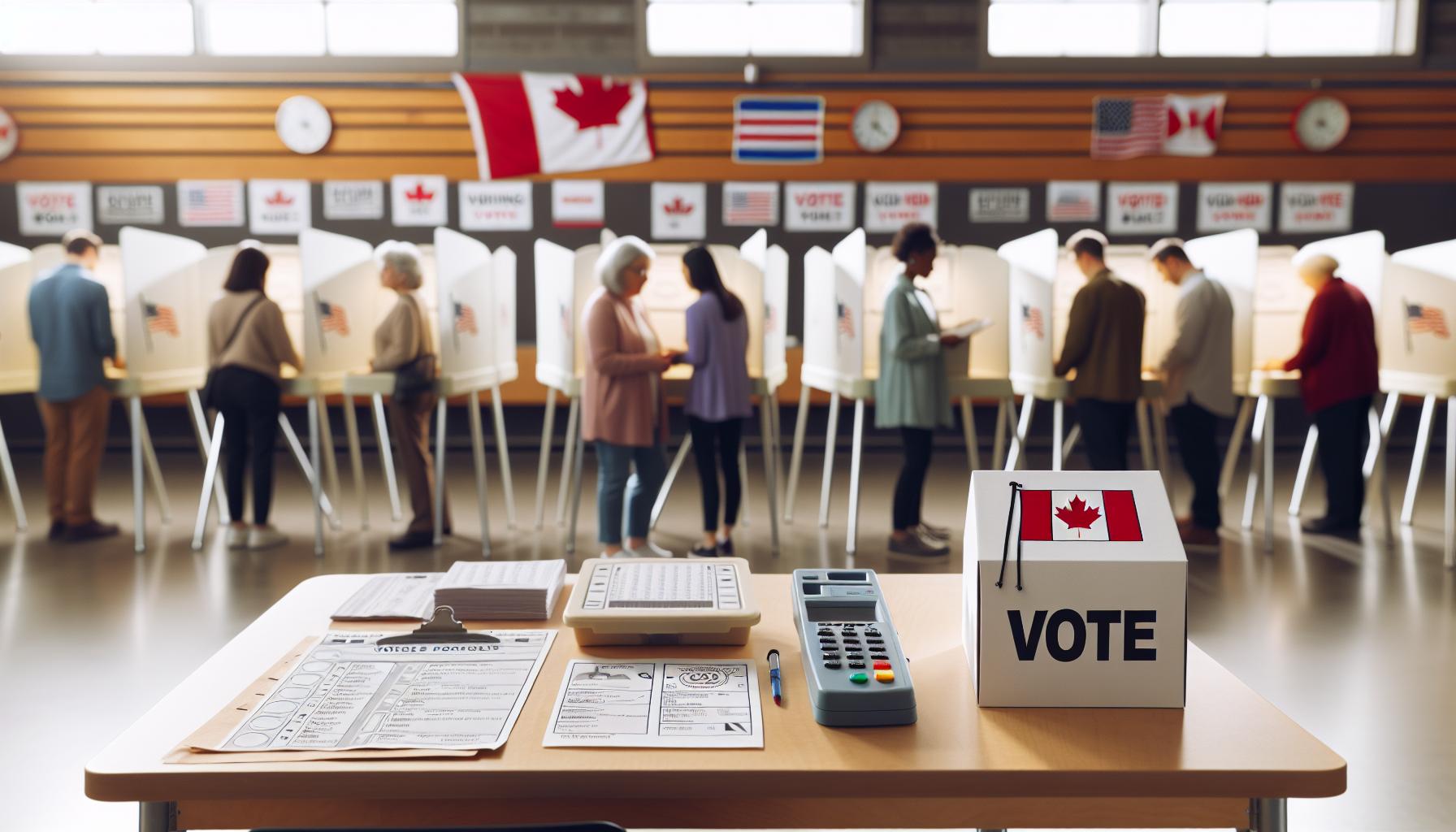
Table of Contents
- Voting Tools allowed in Canada: What You Need to Know
- can You Use a Pen for Voting in Canadian Elections?
- why Pencil Is traditionally Preferred at Polling Stations
- How Different Voting Methods Affect tool Use
- Rules and Regulations Governing Voting Instruments
- What Happens If You Use the Wrong Writing Tool?
- Accessibility and Voting Tools for Special Needs Voters
- How Mail-in and Advance Voting affect Allowed Tools
- Tips for Preparing Your Voting Materials and Tools
- Common Myths About Voting Tools Debunked
- Q&A
- Q: Can I bring my own pen to use when voting in Canada?
- Q: Does using a pen rather of a pencil affect ballot validity in Canada?
- Q: Why do canadian polling stations mostly provide pencils and not pens?
- Q: How does using a pen or pencil differ in mail-in or advance voting in Canada?
- Q: Are there any special considerations for voters with disabilities regarding pen or pencil use?
- Q: What should I do if I accidentally use the “wrong” writing tool at the polls?
- Q: How can I prepare my voting materials to ensure smooth use of pens or pencils on election day?
- Q: Are election pencil conspiracy theories about Canadian voting credible?
- The Conclusion
Voting Tools allowed in Canada: What You Need to Know
Many voters find themselves wondering about the specific writing instruments they can use when casting their ballots in Canadian elections. While it might seem like a minor detail,the choice of voting tool can actually influence the integrity and clarity of your vote.In Canada, the most commonly used and encouraged tool is a pencil provided at polling stations, but this doesn’t mean other options like pens are wholly off the table.
using the pencil supplied by election officials is traditionally preferred as it allows for clear, visible marks that are easy to scan and count during the vote tallying process. The pencil’s graphite marks are also less likely to smudge or create ambiguity, which helps reduce errors in interpreting voter intent. However,while pens are generally not provided at polls,there isn’t a strict prohibition against bringing your own pen. Voters have occasionally used pens without issue, but election staff recommend using the pencil supplied to avoid any potential complications such as ink smearing or difficulty in ballot scanning.
- Standard equipment: Almost all polling stations provide pencils designed especially for marking ballots.
- Bringing your own tool: If you prefer,you can bring a pen,but it’s best to confirm with local election office guidance to ensure your ballot will be accepted without question.
- exceptions: Special voting methods, such as mail-in ballots or electronic voting in some provinces, may have different tool requirements.
Adhering to the recommended voting tools not only streamlines the process but also enhances the reliability of the election results. Ultimately, it’s best to use the writing instrument supplied at the polling station, or if you must use your own, opt for a pencil to keep your vote valid and clearly registered.Election officials across Canada are trained to assist with any uncertainty about voting tools to ensure every vote counts accurately and securely [[2]](https://www.elections.ca/content.aspx?section=vot&dir=spe/tools&document=index⟨=e).
can You Use a Pen for Voting in Canadian Elections?
Many voters wonder whether using a pen at Canadian polling stations is acceptable or if it might jeopardize the validity of their ballots. While pencils are the standard and preferred tool provided during federal elections, Canadian election officials do not explicitly forbid the use of pens. In practice, some voters have brought and used pens without their ballots being disqualified. However, it’s vital to understand why pencils remain the recommended choice and what risks might come with using a pen.The key advantage of pencils lies in how ballots are processed and counted. Pencils produce marks that are easier for election scanning equipment to read accurately, minimizing errors caused by smudging or ink bleeding. Pens, notably those with ink that smears or bleeds through paper, can potentially cause ballots to be misread or create ambiguity in voter intent. To avoid these complications, polling stations rarely supply pens and encourage voters to use the provided pencils, which are specifically designed to improve clarity and counting reliability.
- Bringing your own pen: You are allowed to bring and use a pen if you prefer, but it’s advisable to check with your local Elections Canada office or provincial election authority beforehand.
- Potential issues: Ink smearing or marks that are too light or irregular can lead to your ballot being challenged or rejected.
- Exceptions: Some special voting methods, like mail-in ballots or electronic voting systems, may accept or require pens or digital inputs instead.
For voters who are more cozy with pens or have a specific reason for using one, a good approach is to use a pen with dark ink and test it on a similar paper surface if possible. If uncertain, ask an election official for guidance once at the polling station; they are trained to assist and ensure your vote is counted correctly. while pen use isn’t forbidden, the safest and most reliable practice is to use the pencil provided, helping protect the integrity and accuracy of your vote every election cycle[[2]](https://www.elections.ca/content.aspx?section=vot&dir=spe/tools&document=index⟨=e).
why Pencil Is traditionally Preferred at Polling Stations
One of the lesser-known yet pivotal reasons pencils remain the tool of choice at Canadian polling stations is their unparalleled compatibility with ballot counting technology. Unlike ink from pens that can sometimes smudge or bleed, pencil marks create a crisp, stable imprint that scanning machines recognize more reliably. this precision reduces the chance of human or mechanical errors when tallying votes, enhancing overall election accuracy.In an environment where every vote counts, these subtle technical advantages are crucial for maintaining trust in the democratic process.Beyond accuracy, pencils also offer a layer of practicality during voting. As pencil marks can be erased and corrected if a voter makes a mistake, they provide a forgiving option that helps minimize spoiled ballots. For many voters, this versatility alleviates the anxiety of making permanent errors on their ballots, fostering confidence and participation. Election workers have shared that ballots with pencil markings are less likely to be challenged or rejected compared to those marked with ink, which may unintentionally produce ambiguous or unclear answers due to ink inconsistencies.
- Durability and reliability: Pencil marks remain readable without fading, even under various lighting conditions, ensuring votes are counted as intended.
- Cost-effectiveness: Pencils are inexpensive, easy to distribute, and do not risk ink leaking or staining election materials.
- Environmental benefits: Wooden pencils are ofen biodegradable and recyclable, aligning with sustainable election practices.
Real-world examples show that during high-turnout elections, the use of pencils helps streamline the counting process, particularly in large urban centers where ballots number in the hundreds of thousands. Election officials trust that pencil-marked ballots expedite machine reading times,reduce manual review workloads,and lower the risk of disputes that could delay results. While pens are occasionally used without result, the proven consistency and reliability of pencils keep them at the forefront of election best practices in Canada. For voters unsure about which tool to use, embracing the pencil provided at polling stations is a safe bet that supports smooth, accurate elections.
How Different Voting Methods Affect tool Use
different voting methods across Canada influence the choice and use of writing tools in subtle yet important ways, reflecting both practical and technological considerations. While conventional in-person voting still relies heavily on pencils due to their compatibility with optical scan systems, choice methods such as mail-in ballots, advance voting, and electronic voting platforms introduce unique dynamics that affect which tools are appropriate or even necessary.
in advance and mail-in voting, voters complete their ballots outside the controlled environment of a polling station, often using their own writing instruments. Here, the preference for pencils is less rigid, but using a pen-especially a black or blue ink pen-is typically recommended to ensure permanent, clear marks that do not fade or smear over time in transit. Ballots returned by mail frequently enough undergo manual verification or scanning processes that may differ slightly from in-person optical scanning, which means voters must follow specific instructions carefully to avoid ballot spoilage. For example, a ballot marked lightly with pencil and then mailed might risk being unreadable if the mark fades, while pen marks remain visible and permanent. Voters are usually provided with guidelines to minimize such issues and ensure their vote counts [[1]].
Impact of Electronic and Online Voting on Tool Use
With the gradual adoption of electronic voting systems in some municipalities and Indigenous communities, physical writing tools become largely irrelevant as votes are cast via touchscreen interfaces or secure online platforms. This shift removes concerns about pen versus pencil entirely, allowing for streamlined, user-friendly experiences that bypass traditional ballot marking. Though, trust and security measures differ substantially, which is why many regions still maintain paper-based voting alongside emerging digital options [[3]].
Practical Tips for Voters Using different Methods
- In-Person Voting: Use the pencil supplied at polling stations for optimal compatibility and ease of correcting mistakes.
- Mail-In Ballots: Use a dark blue or black pen as instructed to ensure markings are permanent and clearly visible after mailing.
- Advance Voting: Follow poll worker guidance but expect to use pencils in-person; if voting remotely, carefully follow provided instructions for writing tools.
- Electronic Voting: No writing tools are needed,but familiarize yourself with the digital interface and ensure your selections are confirmed before submitting.
Understanding the nuances behind tool use in each voting method helps prevent common pitfalls-such as unintentionally spoiling a ballot by using the wrong instrument-and empowers voters to participate confidently. Provinces and municipalities provide clear instructions tailored to their ballot processing systems, making adherence to guidelines the best way to ensure that each vote is counted accurately and without delay.
Rules and Regulations Governing Voting Instruments
Many voters are surprised to learn that Canadian election authorities maintain very specific rules regarding which writing instruments are permitted during the voting process. These regulations are not arbitrary; they are designed to ensure clarity, accuracy, and the integrity of each ballot as it moves through counting systems. For instance,in most in-person polling stations across Canada,only the pencils provided by election officials are officially authorized for marking ballots. This standardisation guarantees that votes can be properly processed by the optical scanners used for tabulation, as pencil marks are easily detected, erasable for corrections, yet robust enough not to interfere with the counting process.
Why These Rules Matter
Using an unauthorized writing tool,such as a personal pen or marker,can lead to ballots being rejected or delayed during counting. For example, pens-especially those with gel or permanent ink-may cause smudging, which can confuse scanning machines or make manual verification harder.In some provinces or municipalities, regulations explicitly state that marked ballots failing to meet instrument requirements risk being voided if the mark cannot be reliably interpreted as the voter’s intention. This underscores the importance of following official instructions tightly, not only to avoid invalidating your ballot but also to uphold the trustworthiness of Canadian elections.
Regulations Across Voting Methods
- In-Person Voting: Polling stations routinely supply pencils and prohibit bringing outside writing tools.This uniform practice supports consistent and error-free scanning of ballots.
- mail-In and Advance Voting: given ballots are completed outside polling stations, voters are generally instructed to use a black or blue ink pen. These inks provide permanent, clear markings that do not fade or blur during mail transit or handling.
- Electronic and Online Voting: As these systems do not involve physical ballots, rules concerning writing instruments are naturally irrelevant here.Instead, focus shifts to ensuring voter authentication and digital security.
It’s advisable for voters to read the informational material provided with their ballots carefully, as jurisdictions may issue tailored instructions based on local counting technologies and legislation. Always using only the permitted writing instruments and following marked guidelines helps to avoid inadvertent ballot spoilage.
Practical Advice for Voters
If you mistakenly use the wrong tool in a physical ballot-say, a pen at an in-person polling station where pencils are mandated-poll staff frequently enough provide a replacement ballot to ensure your vote can be properly counted. Though, attempting to correct the first ballot yourself could lead to unclear markings and possible rejection. When mailing ballots, be mindful of pen type; redact any ballpoint or gel pens if the instructions specify certain ink types for better scan reliability.
By understanding and respecting these regulations, voters protect not only their own voice but also the overall integrity and efficiency of the electoral process. Taking a few moments to verify which writing tool is appropriate before voting is a small yet impactful step toward a fair and accurate election outcome.
For thorough guidance on available tools and detailed rules,Elections Canada and provincial election offices offer extensive resources and support to help voters prepare effectively [[1]](https://www.elections.ca/content.aspx?section=vot&dir=spe/tools&document=index⟨=e).
What Happens If You Use the Wrong Writing Tool?
Using an incorrect writing tool when casting a ballot can create uncertainty and delays, but Canadian election officials have measures in place to protect your vote. For example, if you use a pen instead of the mandated pencil at an in-person polling station, poll workers are generally trained to recognize the issue and will offer you a replacement ballot to ensure your vote counts clearly and accurately. This proactive approach minimizes the risk of invalid ballots due to unclear or smudged marks.
Though, it’s critically important not to attempt self-corrections on your ballot by erasing or crossing out marks made with the wrong instrument. this can cause confusion during the counting process, potentially leading to your ballot being rejected.Optical scanners used in many Canadian jurisdictions rely on clean, precise markings-pencil marks provide this clarity better then pen ink, which may smear or become tough to interpret.If a ballot is unclear,election officials must decide whether the voter’s intention is discernible,and ambiguous markings could result in the ballot being set aside or invalidated.
How Poll officials Handle Mistakes
- Replacement Ballots: Voters who mistakenly use unauthorized tools typically receive new ballots to mark correctly without penalty.
- No Self-Correction: Any attempt by voters to fix marks, especially on pen-written ballots that require pencil marks, risks ballot spoilage.
- Assistance Offers: Election workers are available to clarify tool usage rules to help voters avoid mistakes and ensure proper ballot marking.
When voting by mail, using the wrong kind of pen-such as gel or light-colored ink-might lead to difficulties during machine scanning or manual verification. unlike in-person voting, where pencils are standard, mail-in ballots frequently enough require a specific ink pen (usually black or blue) to avoid fading or smudging during mailing. If you deviate from these instructions, your ballot might experience delays in processing or require manual review, though outright rejection is less common if the marking remains legible.
The key takeaway is that strict guidelines around writing instruments are designed to uphold election integrity by reducing counting errors. Following the recommended tools not only improves accuracy but also helps prevent your vote from being inadvertently discarded. Should you make an honest mistake, don’t hesitate to ask a poll worker for help-they are there to ensure your participation counts as intended.For further resources and support on proper voting tools and how to prepare, Elections canada provides detailed guidance to help every voter navigate the requirements with confidence [[3]](https://www.elections.ca/content2.aspx?dir=tol&document=index⟨=e§ion=acc).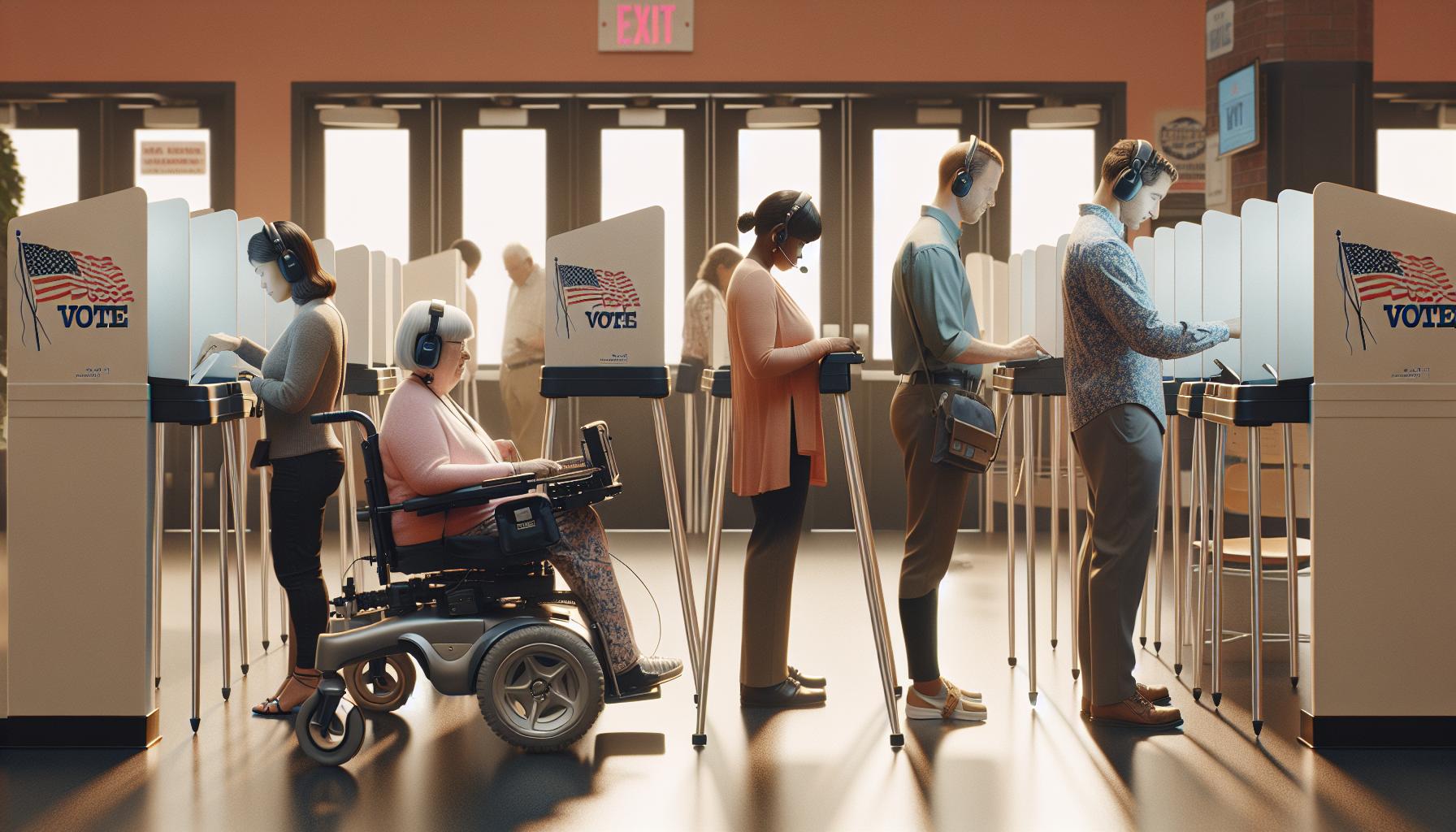
Accessibility and Voting Tools for Special Needs Voters
For many voters with special needs, the standard pencil and ballot marking process can present unique challenges. Fortunately, Canadian election authorities prioritize accessibility, offering a range of tools and accommodations to ensure every voice is heard clearly-even when the traditional pencil isn’t ideal or practical. Whether due to limited dexterity,visual impairments,or cognitive differences,voters can find assistance tailored to their needs that make the voting experience both accessible and secure.
Polling stations often provide alternative marking tools such as specially designed pens, adaptative styluses, or tactile guides. These accommodations enable voters to mark their ballots confidently without compromising the clarity required for accurate counting. For example, some jurisdictions allow the use of non-smudging black or blue ink pens for voters who find pencils difficult to grip or manipulate. Additionally, election staff are trained to assist voters with disabilities, offering verbal instructions or physical support as necessary while respecting voter privacy and autonomy.
Specialized Voting Aids and Technology
- Ballot Marking Devices: Electronic systems with audio or large-print options help visually impaired voters mark ballots independently, often allowing input via touchscreens or sip-and-puff devices.
- Physical Supports: Magnifiers, tactile templates, and ballot guides assist those with vision or motor control difficulties by clarifying ballot layout and facilitating precise markings.
- Assisted Voting: Voters with cognitive or physical limitations may bring a friend, family member, or designated assistant to help fill out the ballot, provided this process follows confidentiality and election law.
Regardless of the tool chosen, the priority remains clear: marks must be unambiguous for counting machines and election officials. Before voting,special needs voters are encouraged to inquire with local election offices about available accommodations or practice with sample ballot marking tools,ensuring comfort with their chosen method. This planning helps minimize any confusion on voting day.By integrating adaptive tools and assistance protocols, Canadian elections uphold inclusivity without sacrificing accuracy or security. Whether a pencil, a permitted pen, or an electronic device is used, every step is managed carefully to protect the voter’s intent and maintain trust in the democratic process.
How Mail-in and Advance Voting affect Allowed Tools
Voters engaging in mail-in or advance voting often face a different set of considerations when it comes to the tools permitted for marking their ballots. Unlike traditional polling stations where pencils are provided and preferred for their erasability and scanning clarity, mail-in ballots typically allow-but also recommend-using a pen, usually blue or black ink, to ensure marks remain permanent and legible throughout the mailing process. This shift reflects practical needs: using a pencil on a mailed ballot risks smudging or accidental erasure, potentially invalidating the vote.
Advance polling places blend some elements of both systems.While many still provide pencils, voters who bring their own pen often find it acceptable, provided the ink color and type meet election guidelines.This flexibility helps accommodate voters who prefer pens for ease of marking or who may have concerns about pencil marks fading or smudging during transport or handling. election officials emphasize that marks must remain clear and unambiguous, regardless of the tool used, so any pen chosen should produce consistent, readable marks without bleed-through or smears.
Key Factors to Consider When Voting by Mail or at Advance Polls
- Ink Color Restrictions: Most jurisdictions specify blue or black ink to ensure ballots are machine-readable and visually clear for human verification.
- Pen Quality: Avoid gel pens or markers that can bleed through or create ambiguous marks; standard ballpoint pens are generally recommended.
- Ballot Security: Permanent marks made with pen help maintain ballot integrity during mailing and processing, reducing the risk of accidental alteration.
- Instructions Matter: voters should carefully read the instructions included with their mail-in or advance voting package, as some elections provide specific recommendations or even supply pens.
Many election offices have adapted their mail-in systems by including a recommended pen in ballot kits or providing clear guidelines about acceptable writing instruments, ensuring voters are well-informed. For instance, a voter mailing their ballot back in a rural area with unpredictable weather conditions benefits from the permanence of pen ink-it avoids smudging caused by humidity or handling mishaps. Conversely, those voting in advance polls might find pencils adequate but are reassured knowing that using a pen won’t disqualify their ballot if used properly.Ultimately, understanding these nuances empowers voters to prepare effectively and confidently, whether they cast their ballot from the comfort of home or an advance polling station. Checking local election resources or contacting election offices in advance can clarify permissible tools and any recent procedural updates tailored to enhance voter experience and ballot integrity across all voting methods.
Tips for Preparing Your Voting Materials and Tools
It’s often the small details that can make a big difference when preparing to cast your vote, and being ready with the right materials is no exception. Whether you’re voting in person, by mail, or at an advance poll, having the appropriate tools ensures your ballot is marked clearly and counted without issue. Many voters overlook how simple preparation-like bringing the recommended pen or confirming ink color-can save time and prevent their vote from being spoiled.
Start by carefully reviewing any instructions that come with your mail-in or advance voting package. These typically outline not only what you need to complete your ballot but also specify the preferred writing instruments. For mail-in ballots, a blue or black ballpoint pen is standard to ensure permanent, machine-readable marks.Avoid gel pens or markers, as these may bleed through the paper or smudge during handling. If voting onsite, it’s prudent to bring your own pen adhering to these color guidelines-even if pencils are provided-since doing so can improve your confidence your marks won’t fade or smudge accidentally.
Practical Steps to Get Ready
- Choose the Right Pen: Opt for a reliable ballpoint pen with blue or black ink. Test it beforehand to make sure it writes consistently without skipping or smearing.
- Check Local guidelines: Election rules can vary slightly by province or territory.Visit official election websites or contact local offices to verify if there are any unique tool restrictions or recommendations where you vote.
- Gather Additional Supplies: If you’re voting by mail, include a clean, flat surface to fill out your ballot-this helps keep your markings neat and legible. Bring a paperclip or clip folder if you need to organize documents efficiently.
- Practice Marking Your Ballot: Some voters find it helpful to review a sample ballot ahead of time. This reduces errors and streamlines the process when you’re ready to vote.
For those voting at advance polls or on election day,arriving prepared with your own writing tool can offer peace of mind,especially in busy environments. Remember that clear,unambiguous markings are key for election officials to accurately count your ballot. If you rely on accessibility tools or have specific needs, reach out to your election office early to learn which voting aids are supported-as these may include signature guides, tactile ballots, or electronic devices designed to help voters mark their choices independently.
Being proactive about your voting materials reflects respect for the process and helps guard against technical issues that affect ballot validity. Taking a few moments to prepare your writing tools and understand the local requirements ultimately supports a smoother voting experience and ensures that your voice is heard exactly as intended.
Common Myths About Voting Tools Debunked
Many voters are surprised to learn that some widely held beliefs about voting tools simply don’t align with official practices or recommendations in Canadian elections. As an example, the notion that you must use only pencils when voting is a common misconception. While pencils have traditionally been offered at polling stations due to their erasability and the ease of correcting mistakes, the use of blue or black ballpoint pens is not only acceptable but frequently enough preferred-particularly for mail-in ballots where permanence is vital.This preference helps ensure marks don’t fade or smudge during ballot processing, safeguarding the integrity of each vote.
Another prevalent myth is that using the “wrong” ink color or type will automatically invalidate a ballot. In reality, election officials are trained to interpret voter intent and accommodate minor variations, though the safest bet remains to stick with the recommended blue or black ballpoint pen. Gel pens, markers, or other writing instruments may cause issues like smearing or bleed-through, which can complicate automated ballot scanning, but occasional use doesn’t necessarily disqualify a ballot. However, voters are best served by adhering to guideline instructions to avoid any potential problems during counting.
It’s also worth dispelling the idea that bringing your own pen or pencil to the polling station is discouraged or unwelcome. in fact, many election offices encourage voters to bring their own writing tools-especially reliable ballpoint pens in standard ink colors-to boost confidence and speed up the voting process. While pencils are typically provided and remain a viable option, having a personal pen that you know works smoothly can prevent the frustration of a faulty poll-supplied tool and improve marking clarity.
Practical Takeaways to Debunk Voting Tool Myths
- Choose standard blue or black ballpoint pens for mail-in and advance voting to avoid smudging or scanning errors.
- Don’t fear using a pen at polling stations; pencils are traditional but not mandatory.
- Check official instructions ahead of voting to confirm which tools are preferred or allowed in your voting location.
- When in doubt, bring your own pen that you have tested rather than relying solely on supplied writing instruments.
Understanding these clarifications not only reduces last-minute anxiety but also helps maintain confidence in the voting process. When equipped with the facts, voters can participate securely and comfortably, knowing that their marks will be clear, valid, and counted as intended.
Q&A
Q: Can I bring my own pen to use when voting in Canada?
A: Yes, you can bring your own pen to mark your ballot in Canadian elections. While pencils are traditionally provided, pens are allowed and your vote will still be valid. Bringing your own writing tool ensures comfort and preparedness.Learn more about voting tools allowed in our main article for a smooth experience.
Q: Does using a pen rather of a pencil affect ballot validity in Canada?
A: using a pen rather than a pencil does not invalidate your ballot in Canada. Election officials accept both writing instruments, so your vote counts regardless. This flexibility helps maintain accurate voting while respecting voter preferences. For detailed rules, see our section on rules and regulations governing voting instruments.
Q: Why do canadian polling stations mostly provide pencils and not pens?
A: Pencils are frequently enough provided as they allow for easier error correction and prevent smudging or bleeding through ballot paper. However,voters are not restricted and can use pens if preferred. Explore the why pencil is traditionally preferred section to understand the practical reasons behind this choice.
Q: How does using a pen or pencil differ in mail-in or advance voting in Canada?
A: For mail-in and advance voting, pens are commonly recommended to ensure ink is permanent and legible. pencil marks might fade or be questioned. Always check your specific voting method instructions and pack your preferred voting materials accordingly to avoid issues.
Q: Are there any special considerations for voters with disabilities regarding pen or pencil use?
A: Voters with disabilities may use whichever writing tool best suits their needs, including pens or pencils. Accessibility provisions ensure assistance and alternative tools if necessary. Visit our accessibility and voting tools section to learn how Canadian elections accommodate all voters.
Q: What should I do if I accidentally use the “wrong” writing tool at the polls?
A: If you use a tool other than the one provided, like a pen rather of a pencil, your ballot will still be counted in Canada. Election workers are trained to accept valid votes regardless of the writing instrument used. Refer to what happens if you use the wrong writing tool for reassurance and guidance.
Q: How can I prepare my voting materials to ensure smooth use of pens or pencils on election day?
A: Prepare by bringing your preferred pen or pencil to the polling station and double-checking your local election guidelines. Also, review our tips for preparing your voting materials and tools section for advice on having everything ready and avoiding delays when voting.
Q: Are election pencil conspiracy theories about Canadian voting credible?
A: No, conspiracy theories about pencils in Canadian elections are unfounded. Pencils are used for practicality and security, and both pens and pencils are valid for marking ballots. For facts,see our article debunking common myths about voting tools and trust official Elections Canada facts [1].
For detailed insights, explore each corresponding section in the full article to become confident in your voting preparations and tool choices.
The Conclusion
Understanding whether you can use a pen to vote in Canada clarifies an critically important part of your voting experience and empowers you to participate confidently. Remember, using the correct writing tool ensures your ballot is counted without issue-so staying informed about accepted voting tools is essential. If you’re curious about other aspects of the Canadian voting process or wont tips on what to bring to the polls, be sure to explore our detailed guides on voter identification requirements and mail-in ballot instructions.
Ready to take the next step? Sign up for our newsletter to receive timely updates on voting regulations and helpful resources ahead of every election. Don’t hesitate to share your thoughts or questions in the comments-we’re here to help clear up any doubts and support your democratic participation. For more on election tools and how to make your vote count, check out our posts on canadian voting customs and stay engaged with upcoming election news to keep your voice heard.
Get our latest guides, news, and insights highlighted in your Google Search & AI Overviews.


