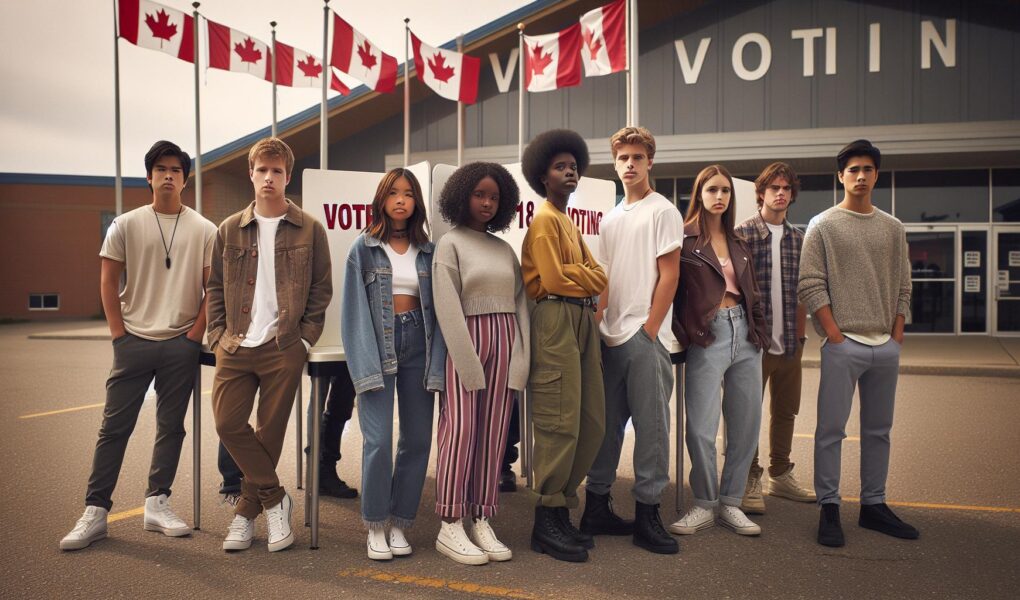
did you know that in Canada, the legal voting age is 18, meaning 17-year-olds technically cannot cast a ballot in federal elections? This rule often surprises young Canadians eager to make thier voices heard ahead of their first birthday in the voting booth. Understanding thes age restrictions is crucial, especially for teens who want to engage meaningfully in democracy but wonder about their options before turning 18. If you’re curious about why the voting age is set at 18, what opportunities exist for those still underage, and how you can get involved even before reaching the legal threshold, this guide will clarify the rules and explore ways to participate in the political process early. Read on to discover what “underage voting” realy means in Canada and how you can start shaping your community today, irrespective of your age. This knowledge not only empowers young citizens but also encourages a more informed and active youth electorate in the future.[2][3]
Table of Contents
- Who Is Eligible to Vote in canada: Age and Residency rules
- Understanding Canada’s Voting Age Laws: Why 18 Is the Standard
- Exceptions and Special Cases: Can 17-Year-Olds Vote Anywhere?
- Provincial Differences in Voting Age and Youth participation
- How to Register to Vote When You’re Under 18
- The Impact of Youth Voting: Why Under-18 Voting matters
- Upcoming Changes and Debates on Lowering the Voting Age
- How Underage Voting in Canada Compares Internationally
- Ways to Get Involved in Elections Before Turning 18
- Common Myths and Facts About Voting at 17 in Canada
- Q&A
- Q: Can 17-year-olds participate in any youth voting initiatives or mock elections in Canada?
- Q: are there legal consequences for 17-year-olds who attempt to vote in federal elections?
- Q: How does the proposed Bill C-210 affect voting rights for 17-year-olds in canada?
- Q: Can 17-year-old Canadian citizens vote in municipal elections anywhere in Canada?
- Q: How can 17-year-olds register to vote once they turn 18 in Canada?
- Q: Why do some canadians support lowering the voting age to include 17-year-olds?
- Q: What alternatives exist for 17-year-olds to influence Canadian politics before they can vote?
- Q: How do underage voting regulations in Canada compare to those in other countries for 17-year-olds?
- To Wrap It Up
Who Is Eligible to Vote in canada: Age and Residency rules
Canada’s voting system is carefully designed to ensure that those eligible to participate in elections meet specific age and residency criteria,which help maintain a fair and representative democratic process. In general,the minimum age to vote in Canadian federal elections is 18 years old,a standard that aligns with many democratic countries around the world. This age requirement reflects a legal consensus that individuals at this stage are sufficiently mature to make informed political decisions.
Residency also plays a crucial role in eligibility. To vote in federal elections, you must be a Canadian citizen and have lived in the country for at least some period, typically requiring that your place of residence is correctly recorded on the voters’ list.This residency requirement ensures that voters have a genuine connection to the community and issues at stake. Temporary visitors, permanent residents who are not citizens, and individuals living abroad without maintaining residency in Canada are generally not eligible to vote.
Key Eligibility Criteria at a Glance
- Age: Must be 18 years or older on election day.
- Citizenship: Must be a Canadian citizen.
- Residency: Must reside in the electoral district where you intend to vote.
While 17-year-olds are typically not allowed to vote in federal or provincial elections, there are ongoing discussions and movements advocating to lower the voting age. Some provinces and municipalities have even explored youth engagement initiatives to include younger voices in political processes, though formal voting rights remain reserved for those 18 and over[[[2]](https://en.wikipedia.org/wiki/Voting_age).
If you are approaching voting age or have recently turned 18, it’s crucial to keep your voter registration up to date to ensure you can participate in upcoming elections. Such as, in Canada, the Elections Canada website offers easy tools to update your information, which is essential if you have moved or changed your name[[[3]](https://www.canada.ca/en/revenue-agency/services/tax/individuals/topics/about-your-tax-return/tax-return/completing-a-tax-return/personal-address-information/elections-canada.html).
Understanding these age and residency requirements will empower you to engage confidently in Canada’s democratic process once eligible-and to stay informed about ongoing debates around youth participation in politics.
Understanding Canada’s Voting Age Laws: Why 18 Is the Standard
One of the defining moments in Canadian electoral history was the decision to establish 18 as the legal voting age, a milestone that reflects a thoughtful balance between maturity, civic responsibility, and societal expectations. Lowering the voting age from 21 to 18 (and previously from 19 in some provinces) was driven by the recognition that young adults at this age have typically reached a level of cognitive progress and life experiance that enables them to understand political issues and engage meaningfully in the democratic process. This change,formalized nationally in the latter half of the 20th century,aligns Canada with many other democracies worldwide that recognize 18 as the age where citizens gain full legal rights and responsibilities,including voting.
The choice of 18 is not arbitrary but informed by a blend of legal, social, and educational considerations.By 18, most individuals have completed secondary education or are actively pursuing higher education or employment, which broadens their exposure to diverse viewpoints and civic knowledge. Moreover,this age coincides with other adult legal privileges,such as entering into contracts,joining the military,or being subject to adult criminal laws. The government’s approach emphasizes the development of informed voters who can appreciate the implications of their choices at the ballot box.
Why Not Younger Than 18?
Though there are ongoing debates about whether 16- or 17-year-olds should be enfranchised, the firm national standard remains 18 due to concerns about readiness and stability. Factors influencing this include:
- Cognitive and Emotional Development: While teenagers develop rapidly, maturity related to judgment and decision-making typically solidifies around 18.
- Legal Consistency: Aligning voting age with the broader framework of legal adult rights helps maintain clarity in citizenship responsibilities.
- Policy Stability: A uniform age for voting avoids confusion in election management and protects the integrity of voter rolls.
Some provinces, like British Columbia, lowered their voting age from 19 to 18 in legislation passed in the early 1990s as part of a greater push toward inclusive democracy, reflecting evolving public attitudes to youth participation[[1]](http://leg.bc.ca/learn/discover-your-legislature/1992-voting-age-lowered-to-18-years).These incremental changes demonstrate that while the path to selecting 18 as the standard was gradual, it is indeed grounded in sound reasoning that balances representation with responsibility.
To prepare for your first election as an 18-year-old eligible voter, it’s wise to stay informed about issues, understand the registration process, and even engage in civic discussions early. Although 17-year-olds cannot vote federally or provincially, many youth programs and municipal consultations encourage political literacy and involvement-bridging the gap until formal eligibility. Understanding why 18 is the standard helps contextualize current voting laws and informs ongoing conversations about expanding youth participation in Canada’s democracy.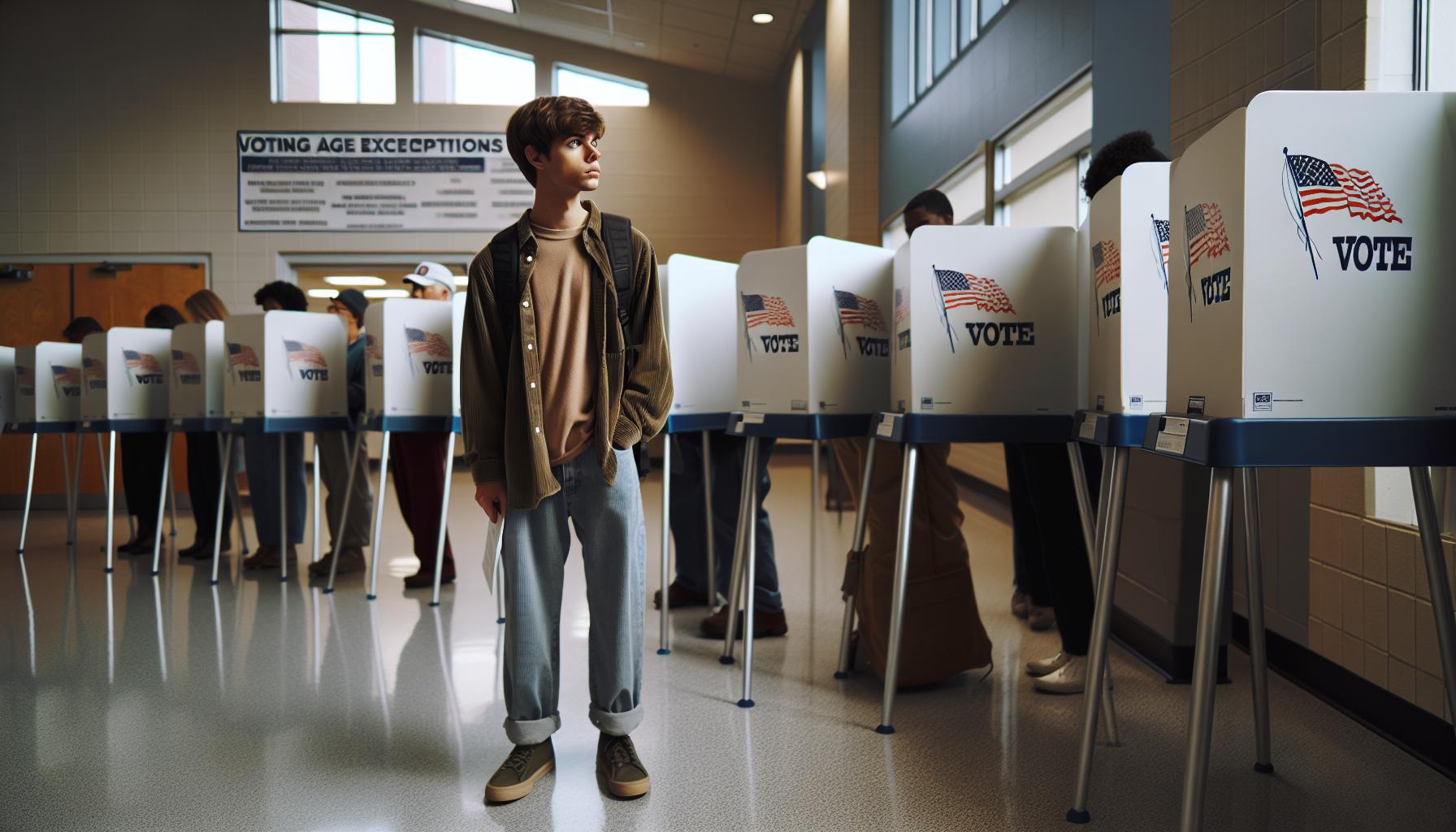
Exceptions and Special Cases: Can 17-Year-Olds Vote Anywhere?
Though the standard voting age across Canada is firmly set at 18, there are a few unique scenarios and pockets of prospect where 17-year-olds can exercise their democratic voice. notably, while federal and provincial elections strictly enforce the minimum voting age of 18, several municipalities and educational institutions have experimented with inclusive voting initiatives aimed at engaging younger citizens. These exceptions highlight a growing recognition of youth as important stakeholders in shaping community decisions and nurturing early civic engagement.
At the municipal level, some cities have introduced youth councils or advisory boards that function as platforms for 16- and 17-year-olds to influence local policies, though these bodies usually do not have binding voting power in official elections. However, a handful of local elections, especially within school districts or youth-focused community votes, permit participation by those under 18. For example, student council elections embedded within school governance systems commonly allow 17-year-olds to vote, providing a valuable stepping stone toward full electoral involvement. Additionally, certain pilot programs in provinces like Ontario have explored granting 17-year-olds the right to vote in municipal elections if they will turn 18 by election day, though such measures remain limited in scope and context.
Practical Advice for Youth Interested in Voting Before 18
While waiting to reach the legal voting age, young people can still engage meaningfully by:
- Participating in Youth Assemblies and Consultations: many municipalities host forums, town halls, or online surveys targeted specifically at youth opinions, which influence local decision-making.
- Joining Youth Advisory committees: These groups provide a voice in municipal affairs and can sometiems collaborate with local councils to advocate for issues pertinent to younger residents.
- Getting Involved in School Board Votes: In some regions, school board elections enable youth participation, offering a direct experience with the electoral process.
Exploring these avenues helps build political awareness and skills that prepare 17-year-olds for their first official vote. Seeking out volunteer roles during election campaigns or interning with political offices also enriches understanding of democratic processes.
Why the General Restriction Remains
Despite these exceptions, the firm legal rule remains that 17-year-olds cannot vote in federal or provincial elections, primarily due to uniformity in legislation, administrative clarity, and perceived readiness concerns. Aligning the voting age across jurisdictions ensures that election laws are straightforward and that voter rolls remain accurate without confusion. However, ongoing debates and advocacy efforts continue to push for lowering the age in certain contexts, inspired by examples in other countries where enfranchisement begins at 16 or even younger.
For now, 17-year-olds looking to contribute to electoral outcomes should focus on education, engagement in community activities, and readiness-ensuring they are ready to cast an informed ballot once they reach the official age of majority. This proactive approach not only empowers youth but also strengthens Canada’s democratic fabric by cultivating a well-informed generation of voters[[[2]](https://en.wikipedia.org/wiki/Elections_in_Canada)[[[3]](https://electionsanddemocracy.ca/voting-rights-through-time-0/case-study-3-youth-and-vote).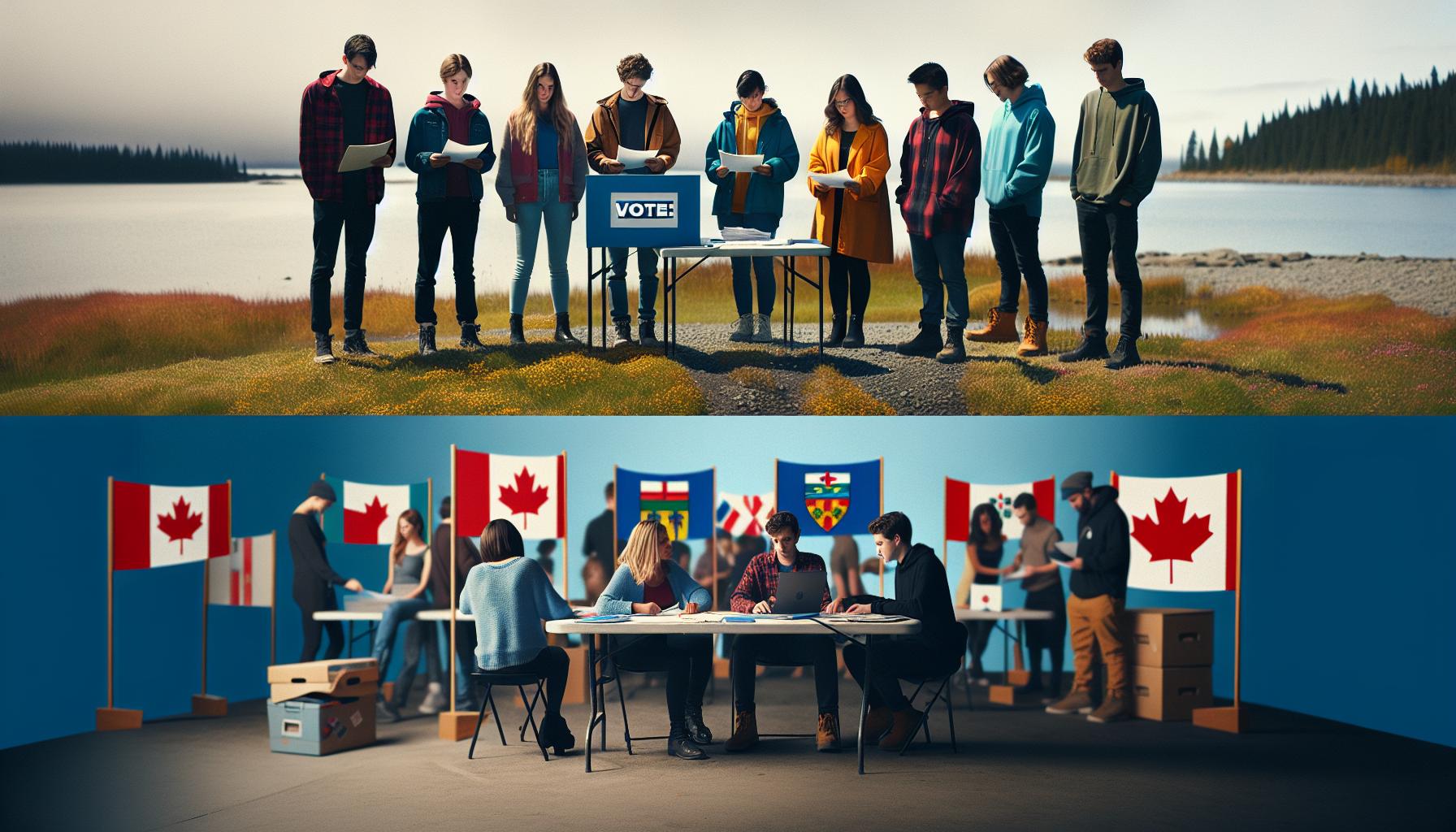
Provincial Differences in Voting Age and Youth participation
While the voting age is legally established at 18 across all Canadian provinces and territories, the landscape of youth engagement reveals subtle variations worth noting.These differences mostly emerge in how provinces encourage youth participation beyond formal voting rights, reflecting unique regional approaches to fostering political awareness among younger citizens. For instance, some provinces have pursued pilot initiatives allowing 17-year-olds to participate in municipal elections if they will be of age by election day, though such programs remain rare and localized.
Beyond the strict voting age, provinces differ significantly in the extent and nature of youth involvement opportunities tied to school boards, municipal advisory groups, and community consultations. In British Columbia and Ontario, for example, active youth councils or advisory committees provide forums where 16- and 17-year-olds can influence policies affecting them directly, even if these bodies lack formal voting powers in government elections. These structures serve as practical training grounds for democratic participation,bridging the gap until these youths reach the official voting age.
Provincial Variations in Engaging Youth Voices
- Ontario: In several municipalities, exploratory programs have permitted 17-year-olds nearing their 18th birthday to vote municipally, recognizing the importance of early civic involvement. additionally, Ontario’s school board elections often allow student-aged individuals to participate in governance-related votes, showcasing an expanded role for youth in educational decision-making.
- Quebec: While Quebec adheres strictly to the 18+ voting age without exceptions, it invests heavily in youth voter education campaigns, partnering with schools and youth organizations to address the province’s notable age-based turnout gap.
- Alberta and Saskatchewan: Both provinces maintain the 18-year minimum but promote youth volunteerism and internship programs connected with election offices, cultivating engagement and enhancing voter readiness once eligible.
Understanding these nuanced provincial distinctions can empower young Canadians and their families to seek out relevant opportunities tailored to their region and prepare for future voting. Youth interested in political processes can benefit from checking local government websites or school boards for available youth councils, advisory committees, or election participation options, even if these do not equate to formal voting rights before 18.
Actionable tips for Youth Across Canada
- Stay Informed Locally: Rules and participation avenues may differ by municipality within a province, so identifying local policies is key.
- Engage with Schools and Community Groups: many regions support non-binding school votes or mock elections which build voters’ confidence and know-how.
- Volunteer for Election Campaigns: This experience provides an inside look at politics and helps build valuable networking connections that nurture ongoing civic engagement.
By becoming active in these provincial and municipal initiatives, youth – including those just shy of the legal voting age – gain meaningful exposure to democracy in action, which lays the foundation for lifelong participation in Canada’s electoral processes. While voting at 17 remains largely out of reach, the patchwork of provincial youth engagement programs demonstrates a growing recognition of young voices’ importance and the benefits of early involvement in democratic life[[1]](https://electionsanddemocracy.ca/canadas-elections/youth-voting-trends)[[[2]](https://www.cbc.ca/news/canada/toronto/youth-vote-canada-engagement-2025-1.7503242).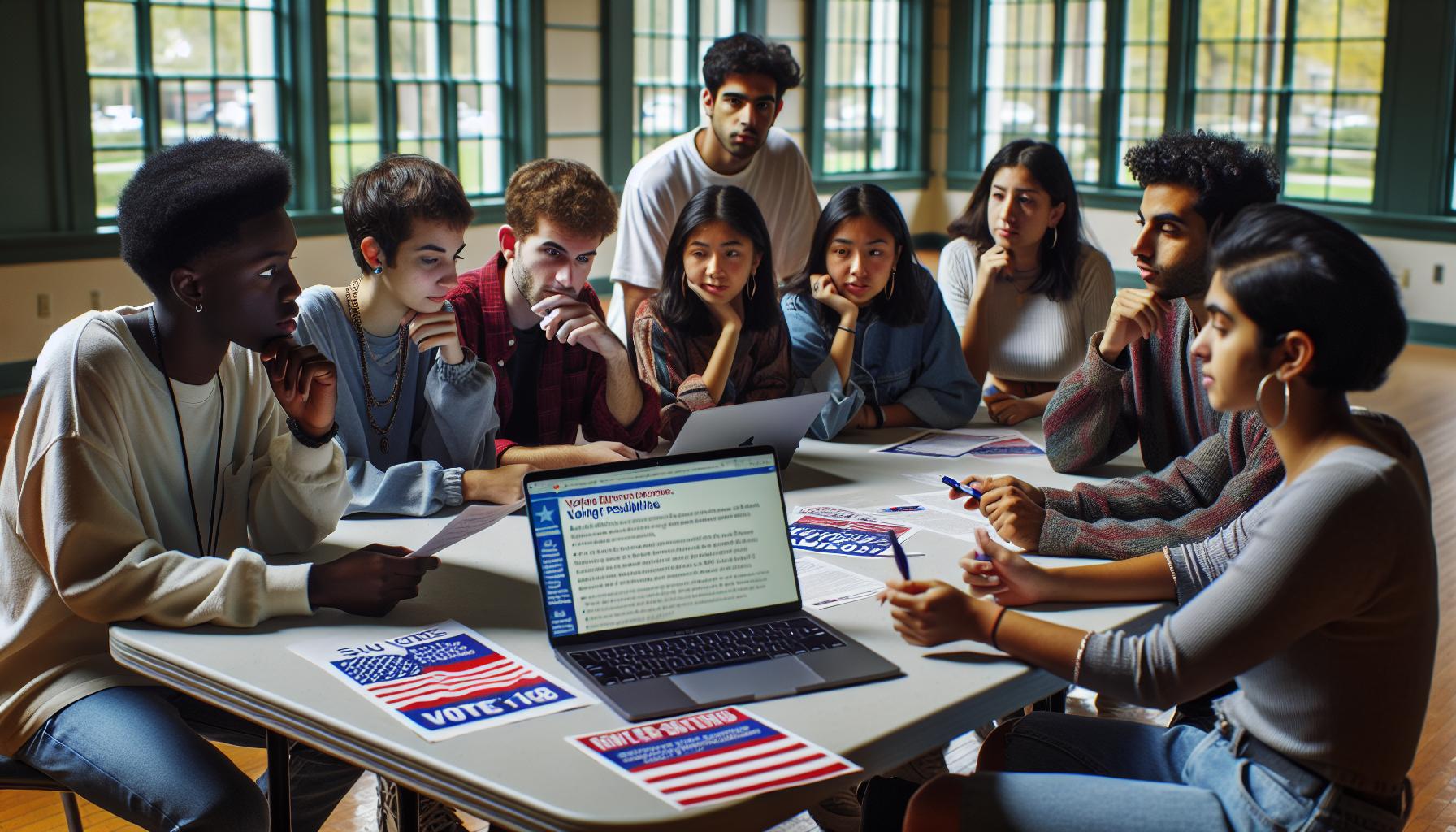
How to Register to Vote When You’re Under 18
Most Canadians first engage with voter registration well before their 18th birthday, laying the groundwork for seamless participation once they reach voting age. While you cannot cast a ballot at 17 in federal or most provincial elections, registering early ensures your name is on the voters list the moment you turn 18.This proactive step eliminates last-minute hassles and guarantees you’re ready to exercise your democratic right on day one.
Even if you’re underage, you can begin the registration process through Elections Canada’s services, which allow eligible citizens to confirm or update their voter information in advance. Frequently enough, electoral offices encourage young Canadians to tick “yes” in the Elections Canada section of their income tax returns once they file, as this acts as an automatic update to their voter registration status. This simple move can be done starting at age 16 or 17 for youth who will be 18 by election day, effectively placing them on the voters list well ahead of time[[1]](https://www.canada.ca/en/revenue-agency/services/tax/individuals/topics/about-your-tax-return/tax-return/completing-a-tax-return/personal-address-information/elections-canada.html).
Early Registration Steps for Youth
- Check Your Eligibility: While you must be 18 to vote, you can register once you turn 14 to 16 depending on provincial rules for pre-registration. This varies by province, so check local electoral body websites for details.
- Update Your address: Ensure that Elections Canada or your provincial electoral office has your current address to assign you the correct polling station when you turn 18.
- Use online Tools: Elections Canada provides an easy-to-access online registration platform. Even if you’re underage now, setting up your profile prepares you for a smoother registration at 18.
in addition to federal registration, some provinces and municipalities offer pilot programs allowing those who are 17 to participate in local elections if they will turn 18 by election day. In these cases, early registration processes can be even more vital. For example, certain Ontario municipalities trialed such systems where early registration opened doors for near-18 youth to get involved locally, providing a real-life voting experience before reaching the legal age federally.
Ways to Stay Prepared and Engaged
Beyond formal registration, staying informed about election dates and voter ID requirements will ensure you won’t face any unexpected barriers when your time to vote arrives. Volunteering with election offices or youth civic groups is another excellent way to deepen your understanding of the electoral process and make meaningful contributions even before you can officially vote.
| Action | Recommended Age | Purpose |
|---|---|---|
| Pre-register with Elections canada | 14-16 (varies by province) | Be listed and updated on the voters list in advance |
| Confirm/update address via tax return | 16+ | Keep voter information current for election readiness |
| Participate in mock elections or school voting programs | Any age before 18 | Gain experience with the voting process and candidate issues |
| Volunteer with election campaigns or offices | Typically 16+ | Build civic engagement skills and community awareness |
Young Canadians should take advantage of these preparatory steps not as a mere formality but as meaningful ways to connect with their democratic rights early. Early registration combined with active civic learning builds confidence and familiarity that pays off the moment one becomes constitutionally eligible to vote. This foundation is essential given how critical youth voter turnout is to shaping Canada’s political future[[[2]](https://electionsanddemocracy.ca/canadas-elections/faq-students-asked-we-answered).
By planning ahead,staying informed,and engaging with available resources,under-18 Canadians can transform their waiting period into a productive stage of democratic participation,ready to make their voices heard as soon as they’re legally allowed.
The Impact of Youth Voting: Why Under-18 Voting matters
Many people underestimate the power of youth voices in shaping political landscapes, yet younger generations often bring fresh perspectives and renewed energy to democracy. While Canadians under 18 cannot officially cast ballots in federal and most provincial elections,fostering their engagement before reaching voting age can have a profound impact on both individual civic development and the broader democratic process. Early involvement cultivates a lifelong connection to political participation, which is crucial considering the traditional dip in youth voter turnout.engaging youth before their 18th birthday also means encouraging political literacy and civic responsibility at a formative stage. When younger people understand how elections influence policies that directly affect their education, surroundings, and future job market, they develop a personal stake in voting outcomes. for example,pilot programs in some Ontario municipalities allowing 17-year-olds to vote locally have shown promising results in boosting political enthusiasm and knowledge. These experiences affirm their role as stakeholders and can increase engagement once they are legally allowed to vote federally.
benefits of Early Civic Engagement
- Builds Confidence: Practicing voting or participating in mock elections helps youth feel prepared and confident in the official voting booth once eligible.
- Strengthens Community Ties: involvement in election campaigns and youth civic groups develops a sense of belonging and responsibility toward one’s community.
- Encourages consistent Participation: Early engagement creates a habit of voting, countering the common trend of lower turnout among younger voters.
Furthermore, allowing youth to participate in the democratic process, even in limited or preparatory ways, can enhance the legitimacy and inclusiveness of elections. It reflects a recognition that young people not only are affected by political decisions but also possess thoughtful insights. As voter turnout remains a concern-especially among under-35s-offering age-adapted opportunities for engagement before 18 could help reverse declining participation rates, leading to a more vibrant and representative canadian democracy[[[3]](https://en.wikipedia.org/wiki/Young_voter_turnout_in_Canada).
Practical Steps to Amplify Youth impact
Underage Canadians and their communities can leverage several strategies before reaching voting age to maximize their democratic influence:
| Action | Why It Matters |
|---|---|
| Participate in school-run mock elections | Simulates real voting experiences and educates on candidates/policies |
| Volunteer with local campaigns or electoral offices | Builds practical skills and political awareness while contributing meaningfully |
| Engage in youth councils or advisory boards | Provides a platform to influence local policy and community initiatives |
| use social media responsibly to discuss civic issues | amplifies youth voices and encourages peer engagement in democracy |
By investing in these preparatory activities, youth don’t just wait passively to turn 18-they actively shape the political discourse, develop critical thinking about governance, and forge a commitment to participate regularly at the ballot box. These efforts collectively strengthen democratic resilience and ensure that younger Canadians’ views are heard long before they officially enter the voting booth.
Upcoming Changes and Debates on Lowering the Voting Age
Across Canada, discussions around lowering the voting age have gained renewed momentum, reflecting a broader global trend aimed at deepening democratic engagement among younger citizens. While 18 remains the standard age for voting federally and in most provinces, increasing voices argue that younger teens-notably those aged 16 and 17-possess the maturity and stake necessary to contribute meaningfully to elections. This debate is fueled not only by concerns about declining youth voter turnout but also by a growing recognition of the importance of early civic engagement in shaping active lifelong voters.
Some provinces and municipalities are already experimenting with alternative approaches. As an example, pilot projects allowing 17-year-olds limited voting rights in municipal elections have demonstrated promising increases in political enthusiasm and knowledge among youth.These initiatives serve as valuable case studies, influencing advocates pushing for official legislative changes. Though, such reforms require careful consideration of logistical challenges, public opinion, and the balance between youthful enthusiasm and informed decision-making.
Current Legislative Conversations
There is ongoing political dialog about potentially revising the voting age, with proponents highlighting that lowering it could:
- Encourage early political literacy: Younger voters get accustomed to the electoral process sooner, increasing turnout long-term.
- Ensure representation: Policies set today affect youth directly, so their voices warrant formal inclusion.
- Align with international peers: Countries like the UK have recently lowered their voting age to 16, setting a precedent.
Opponents often raise concerns about whether teenagers have sufficient life experience or political knowledge,and about the potential for exacerbating misinformation risks.To address these concerns, some experts advocate accompanying any voting-age adjustments with comprehensive civic education reforms and youth engagement initiatives.
What This Means for Canadian Youth
At present,under-18 canadians should remain attentive to changes in their province or municipality,as local voting rights sometimes precede wider reforms. Engaging through youth councils, mock elections, and volunteer opportunities can help young people prepare for any future voting eligibility expansions. Tracking legislative developments and participating in consultations or public forums also empowers youth to influence the shape and timing of any reforms.
| Key Stakeholders | Role/position |
|---|---|
| Provincial Governments | Primary authority to lower voting age provincially; exploring pilot initiatives |
| Federal Government | Sets federal voting age; would consider changes at national level |
| Youth Advocacy Groups | Drive awareness and pressure for reform through campaigns and research |
| Educators and Civic Organizations | Provide essential political literacy and prepare youth for voting |
As discussions unfold, Canadians aged 16 and 17 can leverage this period to deepen their civic knowledge and be ready to exercise their voting rights confidently-should the opportunity arise. Staying informed and involved ensures their voices help shape democratic evolution in Canada, reflecting a youthful perspective increasingly recognized as vital to vibrant governance.
For more insight, consider how other countries’ decisions to lower the voting age impact voter engagement and whether similar benefits could materialize in Canadian contexts, offering a useful lens through which to examine this evolving debate[[[2]](https://www.cbc.ca/news/politics/voting-age-uk-canada-1.7587845)[[[3]](https://childrenfirstcanada.org/wp-content/uploads/2021/04/VotingAgeReport_aug28-1.pdf).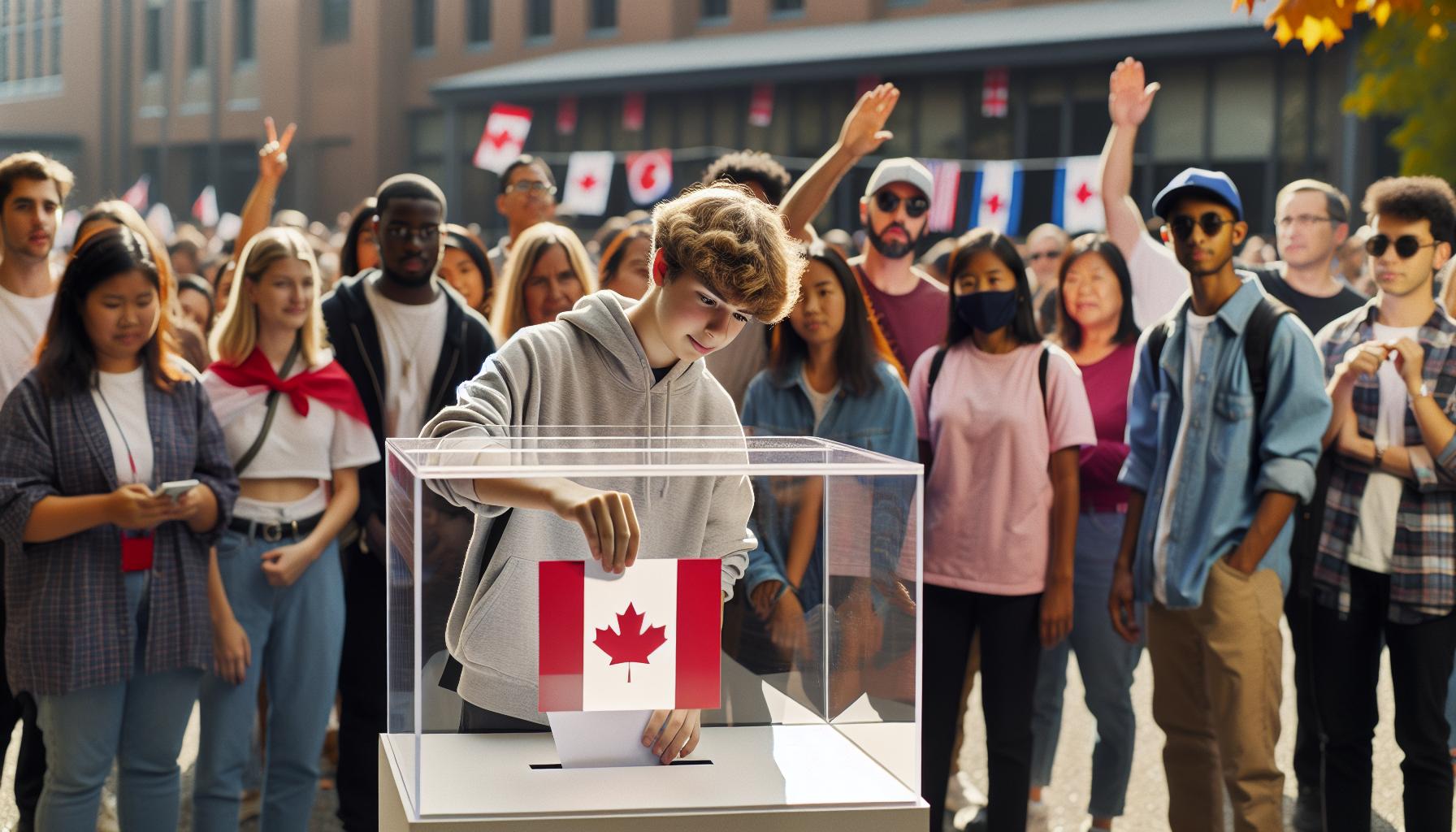
How Underage Voting in Canada Compares Internationally
voting ages worldwide reveal an intriguing landscape where Canada’s standard age of 18 sits alongside a growing number of countries embracing younger voters,frequently enough starting at 16. This shift reflects a broader reevaluation of youth enfranchisement and civic engagement, highlighting how some nations are leading by example with bold reforms that challenge traditional assumptions about political maturity.
In several European countries such as Austria, Scotland, and Wales, the voting age has been officially lowered to 16 for national or regional elections. These jurisdictions have observed meaningful increases in youth voter turnout and civic participation-statistics that canadian advocates closely monitor. Unlike Canada, where voting under 18 is rarely permitted beyond certain municipal pilot projects, these places actively incorporate younger voters into decision-making processes, fostering early political literacy and sustained democratic involvement. The UK’s move to enfranchise 16- and 17-year-olds in Scottish Parliament and local elections stands out as a particularly influential example, demonstrating practical pathways for engaging youth without compromising electoral integrity.
International Examples and What Canada Can Learn
- austria: Lowering the voting age to 16 helped normalize political involvement at a younger age, contributing to consistent youth turnout in federal elections.
- Scotland and Wales: Implemented 16+ voting for devolved elections and referendums, supported by robust civic education campaigns to prepare new voters.
- Germany: Certain states have experimented with 16-year-old voters in local elections, testing the waters with encouraging preliminary results.
These experiences illustrate that effective enfranchisement of teens extends beyond merely changing laws; comprehensive voter education and accessible registration systems are critical complements. Canadian provinces exploring pilot programs for 17-year-olds might consider adopting similar frameworks to ensure young voters are equipped and confident when casting ballots.
Practical Advice for Canadian Youth Following international Trends
While federal and most provincial elections in canada await potential changes, young Canadians can maximize their civic engagement by:
- Participating in youth councils and mock elections: these platforms offer firsthand experience in democratic processes and can build skills applicable when voting becomes viable.
- Staying informed on local pilot projects: Municipalities experimenting with underage voting provide early opportunities to influence policy and engage politically.
- Advocating for comprehensive civic education: Supporting initiatives that increase awareness about electoral systems prepares youth for responsible voting and counters misinformation.
By learning from international developments and engaging proactively, Canadian teens not eligible to vote today can become knowledgeable, empowered voters tomorrow-ready to contribute thoughtfully to the nation’s democratic fabric.
| Country/Region | Voting Age | Scope of Voting Rights | Key Notes |
|---|---|---|---|
| Austria | 16 | Federal and local elections | Early adoption of youth vote, notable turnout increase |
| Scotland | 16 | Devolved parliament and local elections | Supported by civic education, example for UK-wide debate |
| Germany (selected states) | 16 | Local elections | Experimental, positive youth engagement outcomes |
| Canada (most election levels) | 18 (standard) | Federal and provincial elections | Limited under-18 voting in municipal pilots, ongoing debates |
Ways to Get Involved in Elections Before Turning 18
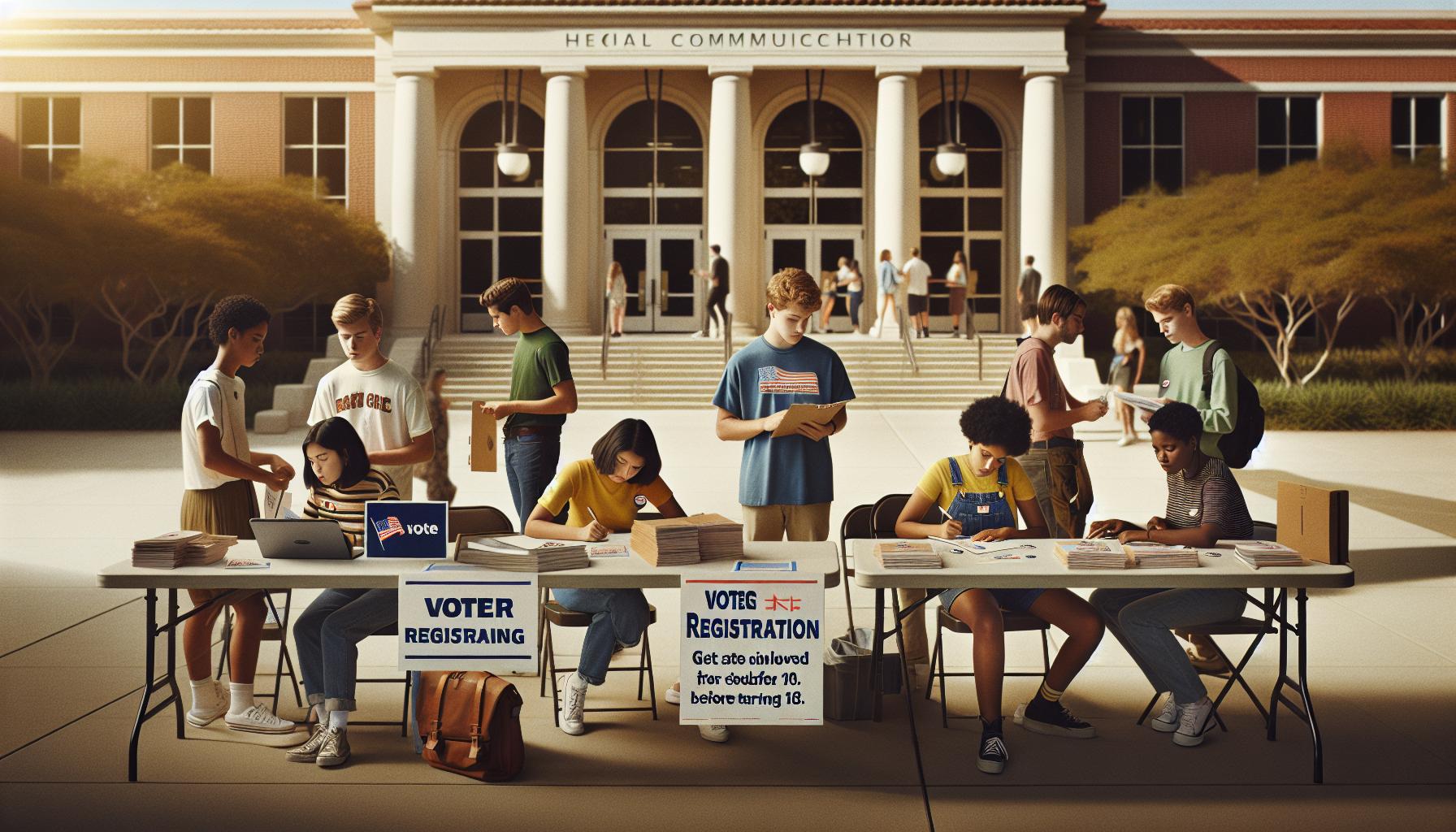
Many young Canadians may feel eager to participate in shaping their communities and country yet find themselves limited by the legal voting age of 18. Fortunately, there are numerous meaningful ways for individuals under 18 to engage with the electoral process and build their civic knowledge long before casting an official ballot. Getting involved early not only fosters a strong sense of empowerment but also prepares youth to become informed, confident voters when they become eligible.
One of the most accessible entry points is through participating in youth councils and mock elections, which are increasingly common in schools and local communities. These platforms simulate real electoral processes, allowing young people to debate issues, understand the mechanics of voting, and experience democratic decision-making firsthand.Engaging in these activities helps nurture critical thinking and encourages consideration of diverse perspectives. Such as,many Canadian schools coordinate “Student Vote” programs during federal or provincial elections,providing students with a tangible feel for political engagement despite their ineligibility to vote officially[[1]](https://www.elections.ca/content2.aspx?section=stu&lang=e).
Another powerful way to contribute is by volunteering on political campaigns or with community organizations that focus on voter education and registration. Even if you cannot cast a vote yourself, volunteering offers insight into grassroots political work and can expand your network while sharpening communication and organizational skills. Some municipalities have begun experimenting with pilot projects that allow under-18 voting in select local elections,signaling growing openness to youth enfranchisement. staying informed about these local initiatives and advocating for expanded voting rights or civic education programs can be a meaningful form of activism.
Informing Yourself and Advocating for Change
- Follow political news and debates: Regularly consuming diverse media sources helps understand current issues and party platforms, creating a solid foundation for future voting decisions.
- Join youth engagement workshops and forums: Many non-profits and educational institutions offer seminars aimed at demystifying elections and encouraging political participation.
- Engage with community leaders and representatives: Writing letters or attending town halls offers opportunities to voice concerns and stay connected to local governance.
- Support or initiate campaigns for lowering voting age: Becoming involved in advocacy groups pushing for legislative change can amplify youth voices in shaping democratic practice.
By actively engaging in these activities,Canadian youth build the skills and awareness necessary to fulfill their democratic responsibilities in the future. Early involvement transforms patience into preparedness, ensuring that once the legal age arrives, young voters can participate confidently and effectively in shaping Canada’s political landscape[[[3]](https://www.elections.ca/content.aspx?section=res&dir=rec/part/yth&document=index&lang=e).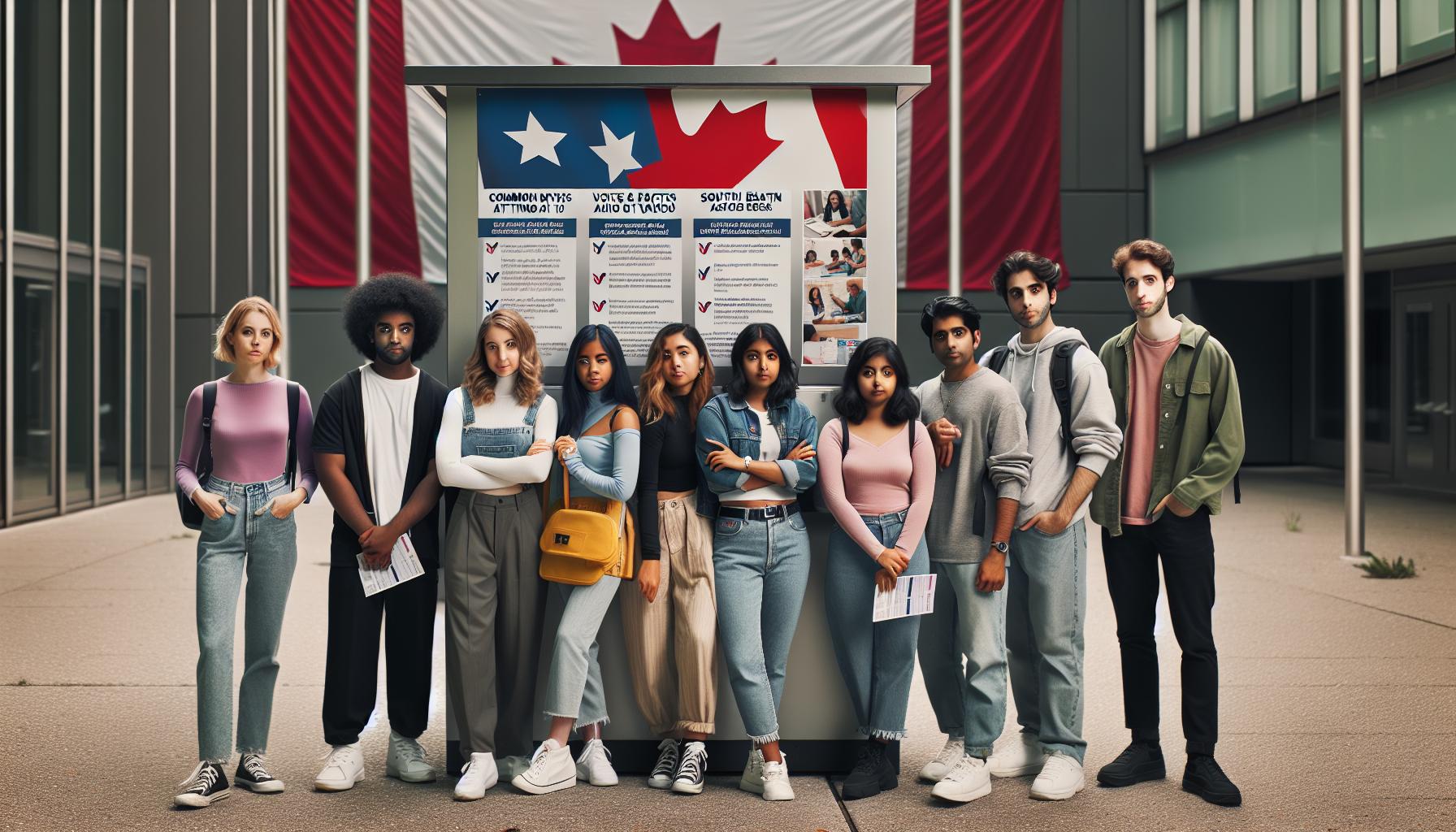
Common Myths and Facts About Voting at 17 in Canada
It’s a common assumption that anyone turning 17 is on the cusp of being able to vote in Canadian elections-but this isn’t actually the case. The legal voting age at the federal level, and in most provinces, remains firmly at 18. Though, several myths persist about exceptions and special circumstances that frequently enough confuse young Canadians eager to engage in democracy before reaching the standard voting age.
One widespread misconception is that being 17 and close to your 18th birthday automatically grants you voting rights during an election if you will be 18 by election day. While some provinces allow 17-year-olds to vote in specific circumstances-such as if they will turn 18 on or before election day-this is not a worldwide rule, and federal elections do not currently permit voting at 17 under any condition. Knowing the exact regulations in your jurisdiction is crucial to avoid disappointment and ensure you’re properly registered when you do become eligible.
Dispelling Common Voting Myths
- Myth: You can vote at 17 in all local elections. Although some municipalities have piloted programs allowing under-18 voting in local elections, these are rare exceptions and not widespread across Canada.
- Myth: Pre-registering to vote at 17 lets you cast a ballot before 18. While pre-registration is often possible for those approaching voting age,it does not grant early voting rights; it simply streamlines the process for once you reach 18.
- Myth: Participating in mock elections or youth votes means you’re officially voting. School and community-based mock elections are educational tools-they provide valuable experience but do not have any legal standing in the official electoral process.
Understanding these realities helps young Canadians channel their enthusiasm into meaningful civic engagement that doesn’t rely solely on casting ballots. Volunteering for campaigns, attending political forums, and advocating for voting age reforms are practical steps that build influence and experience well before official eligibility.
Helpful Facts to keep in Mind
| Fact | Details |
|---|---|
| Federal Voting Age | Set at 18 years old; no exceptions for 17-year-olds federally |
| Provincial Variations | Some provinces allow 17-year-olds to vote if they turn 18 on or before election day (e.g., British Columbia) |
| Local Initiatives | Selective municipalities sometimes test voting rights for those under 18 |
| Registration | pre-registration often available for youth approaching 18, helping streamline voting once eligible |
By separating myth from fact, young Canadians can better understand where they stand legally and how best to participate in their democracy. Keeping informed about ongoing debates-such as active campaigns in Canada to lower the voting age to 16-also empowers youth to contribute to shaping more inclusive electoral policies in the future[[1]](https://vote16.ca/).
Q&A
Q: Can 17-year-olds participate in any youth voting initiatives or mock elections in Canada?
A: Yes, 17-year-olds can actively participate in youth voting initiatives and mock elections, which help educate young Canadians about the democratic process. These programs provide valuable experience before they are eligible to vote officially and encourage civic engagement. Learn more about ways to get involved in elections before turning 18 in our detailed section.
Q: are there legal consequences for 17-year-olds who attempt to vote in federal elections?
A: Yes, attempting to vote before the legal age of 18 in federal elections is against the law in Canada and can lead to penalties. It’s crucial for underage voters to understand these rules to avoid legal issues. For more details on age eligibility, see Who Is Eligible to Vote in Canada in the main article.
Q: How does the proposed Bill C-210 affect voting rights for 17-year-olds in canada?
A: Bill C-210 aims to lower the federal voting age to 16, which would allow 17-year-olds to vote nationally if passed. Until than, the legal age remains 18. Stay updated on these legislative changes in the section Upcoming Changes and Debates on Lowering the Voting Age.
Q: Can 17-year-old Canadian citizens vote in municipal elections anywhere in Canada?
A: Currently, most municipalities require voters to be 18, but a few provinces are exploring lowering the municipal voting age to 16 or 17. Rules vary, so check local election offices for specific eligibility. Explore Provincial Differences in Voting Age to see where youth participation is evolving.
Q: How can 17-year-olds register to vote once they turn 18 in Canada?
A: 17-year-olds can pre-register online or through Elections Canada to ensure they are ready to vote as soon as they turn 18. Early registration simplifies the process and helps avoid delays during election time. Detailed steps are available in our How to Register to Vote when You’re Under 18 section.
Q: Why do some canadians support lowering the voting age to include 17-year-olds?
A: Supporters believe lowering the voting age to include 17-year-olds boosts youth engagement, reflects their stake in political decisions, and nurtures lifelong voting habits. This perspective enhances democratic inclusion and is discussed in The Impact of Youth Voting and Upcoming Changes and debates on Lowering the Voting Age.
Q: What alternatives exist for 17-year-olds to influence Canadian politics before they can vote?
A: 17-year-olds can engage through youth councils, political volunteering, advocacy campaigns, and public consultations.These activities help young Canadians influence policies and gain political experience prior to voting eligibility. See Ways to get Involved in Elections Before Turning 18 for practical options.
Q: How do underage voting regulations in Canada compare to those in other countries for 17-year-olds?
A: Compared internationally, Canada’s voting age is higher than some countries that allow 16 or 17-year-olds to vote, reflecting diffrent legal and cultural views on youth participation. for a comprehensive comparison, refer to How Underage Voting in Canada Compares Internationally.
For further details and the latest updates on youth voting rights, explore the full article sections linked above and stay informed to participate actively when eligible.
To Wrap It Up
Understanding whether you can vote at 17 in Canada is key to navigating the country’s voting regulations and staying informed about your democratic rights. While currently the legal voting age federally remains at 18, ongoing discussions around lowering the voting age to 16 indicate this could change in the near future. To stay ahead, explore our detailed guide on Canada’s voting eligibility and learn how youth engagement is shaping policy today.
If you’re eager to get involved or prepare for future elections, check out our resources on how to register to vote and the impact of youth voting rights across Canada. Don’t miss the chance to stay informed-sign up for our newsletter to receive the latest updates on underage voting rules, political reforms, and how they affect young Canadians. Have questions or thoughts? Share your opinion in the comments below or join the conversation on social media to connect with others spotlighting the importance of youth participation in Canadian democracy.
Get our latest guides, news, and insights highlighted in your Google Search & AI Overviews.