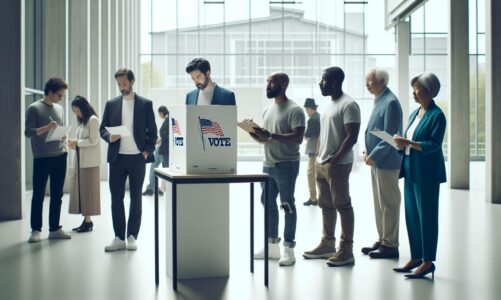
Voting Laws and Regulations
Voting Laws and Regulations represents constitutional electoral jurisprudence and statutory voting rights that codifies franchise eligibility, ballot access standards, accessibility protections, campaign conduct, and election offenses to ensure fair electoral competition, legal recourse against suppression, and constitutional validity of plebiscites.
Foundational Pillars & Key References
CORE STATUTORY GUIDE
Incarcerated Voting Rights in Canada: The Shocking Reality!
Comprehensive civic guide examining incarcerated voting rights in canada: the shocking reality!, detailing administrative requirements, statutory benchmarks, and procedural compliance for engaged citizens.
PROCEDURAL ANALYSIS
Canada Elections Act: 5 Mind-Blowing Facts You Never Knew!
Comprehensive civic guide examining canada elections act: 5 mind-blowing facts you never knew!, detailing administrative requirements, statutory benchmarks, and procedural compliance for engaged citizens.
LEGISLATIVE PROTOCOL
Who Should I Vote for in Canada? 5 Questions to Guide Your Choice
Comprehensive civic guide examining who should i vote for in canada? 5 questions to guide your choice, detailing administrative requirements, statutory benchmarks, and procedural compliance for engaged citizens.
Administrative Jurisprudence & Statutory Architecture
Voting laws establish the enforceable legal framework that governs who may vote, how ballots must be cast, and how election offenses are prosecuted. From statutory prohibitions against voter intimidation and vote buying to legal mandates requiring employer-granted paid time off to vote, these regulations safeguard franchise integrity. Superior court jurisprudence constantly calibrates voting regulations to ensure they do not create arbitrary barriers for marginalized electors.
Democratic accountability requires an ongoing calibration between institutional authority and public scrutiny. In modern constitutional governance, procedural standards are reinforced by statutory oversight bodies, judicial review standards, and strict administrative law precedents. Understanding these parameters empowers citizens, advocacy organizations, and legal scholars to engage with government entities transparently, effectively, and with verified legal standing.
| Governance Area / Domain | Constitutional Attribute | Procedural Standard & Value |
|---|---|---|
| Universal Suffrage Protections | Constitutional Franchise Right | Constitutional entrenchment guaranteeing every citizen of legal age the fundamental right to vote, strictly limiting state restrictions. |
| Mandatory Employer Voting Hours | Economic Franchise Protection | Statutory requirements obligating employers to provide employees with consecutive paid hours to vote while polls are open. |
| Prosecution of Electoral Offenses | Statutory Enforcement | Enforceable criminal code penalties for impersonation, ballot tampering, bribery, and publishing false election claims. |
| Accessibility & Special Accommodation Laws | Inclusive Voting Mandates | Statutory requirements for tactile ballot templates, mobile polling in hospitals, and language assistance services. |
Data Matrix Source: Codified Administrative Guidelines, Standing Orders, and Published Statutory Reviews cataloged by the Civil Procedure & Statutory Telemetry Desk.
Curated Research Directory & Topic Clusters
Statutory & Procedural Guides
Constituent & Advocacy Telemetry
Frequently Asked Questions
Does the law require employers to give workers time off to vote?
Yes, election acts typically require employers to provide eligible workers with three to four consecutive hours while polls are open, without loss of pay or employment penalties.
Can a citizen’s right to vote be legally revoked due to criminal incarceration?
In landmark constitutional decisions (such as Sauvé v. Canada), courts have struck down universal prisoner disenfranchisement as an unconstitutional violation of fundamental democratic rights.
What legal penalties apply to publishing false statements about candidates during campaigns?
Knowingly publishing false statements about a candidate’s character or legal standing during election periods constitutes a statutory election offense punishable by severe fines and disqualification.
Authored & Maintained by: Civil Procedure & Statutory Telemetry Desk
Notice: This research synthesis and structural taxonomy models published statutory codes, administrative regulations, and parliamentary procedure for informational and civic planning purposes only. It does not provide certified legal, parliamentary, or governmental counsel. For definitive rulings or case advice, consult an actively licensed attorney or official parliamentary officer in your jurisdiction.